As of 2025, barcode technology has made significant progress in many fields. Combined with the development of technologies such as the Internet of Things, artificial intelligence and new materials, its application scenarios and functions have been further expanded. The following are the main directions of progress: |
1. High-capacity and dynamic barcodes |
Enhanced QR code: By improving the encoding algorithm (such as ColorQR or 3D QR code), the storage capacity is increased to tens of KB, supporting more complex data (such as dynamic links, real-time update content). |
Dynamic barcode: Real-time content update (such as payment code, logistics status) through cloud association, reducing the risk of static barcodes being copied. |

|
2. Smart materials and printable electronic barcodes |
Flexible electronic tags: Barcodes printed with conductive ink or nanomaterials can be bent, folded or even embedded in textiles, suitable for wearable devices and smart packaging. |
Environmentally responsive barcodes: Barcodes made of temperature-sensitive or humidity-sensitive materials that display/hide information under specific conditions for anti-counterfeiting or cold chain monitoring. |
3. AI-driven scanning and recognition |
Low-quality image recognition: AI algorithms (such as deep learning) can identify damaged, blurred or partially obscured barcodes, improving retail and logistics efficiency. |
Contactless scanning: Combined with computer vision, it supports long-distance, multi-code scanning (such as warehouse drone inventory). |
4. Security and anti-counterfeiting technology |
Encrypted barcode: Blockchain-associated encrypted barcode (such as VeChain's RFID+QR code) ensures that supply chain data cannot be tampered with. |
Nano-level invisible barcode: Microscopic barcodes are achieved through nano-printing technology, which require special equipment to read and are used for luxury goods or drug anti-counterfeiting. |

|
5. Industry integration applications |
Medical field: Patient wristband barcodes are linked to electronic medical records, and real-time diagnosis and treatment data can be retrieved by scanning. |
Smart agriculture: Agricultural product traceability codes integrate growth environment data (temperature, humidity, pesticide use), and the entire process is transparent through scanning. |
AR interaction: Scanning barcodes triggers AR content (such as product tutorials or advertisements) to enhance consumer experience. |
6. Environmental protection and sustainability |
Degradable barcodes: Printed with bio-based materials to reduce packaging pollution. |
Digital twin barcodes: Physical goods are bound to digital IDs to support recycling tracking in the circular economy. |
7. Standardization and global compatibility |
GS1 unified standard extension: New barcodes (such as GS1 Digital Link) are compatible with traditional formats, while supporting URL redirection, unifying data in multiple links such as retail and logistics. |
Challenges and future directions |
Privacy issues: Dynamic barcodes may be associated with user data, and convenience and privacy protection need to be balanced. |
Technology substitution: The competition between RFID and NFC has prompted barcodes to evolve towards low cost and high compatibility. |
In 2025, barcodes have evolved from simple identification tools to multi-functional data carriers, becoming one of the key nodes for the interaction between the physical world and the digital world. |

|
Please give examples of application scenarios for flexible electronic tags |
Flexible electronic tags have unique application potential in many fields due to their bendable, stretchable, thin and durable characteristics. The following are specific application scenarios and cases: |
1. Smart packaging and logistics |
Food freshness monitoring |
Flexible labels integrate temperature, humidity, and gas sensors (such as monitoring ammonia or carbon dioxide) to display the state of food spoilage in real time. |
Case: On the packaging of fresh supermarkets, the color of the label changes with the freshness, and detailed data can be viewed by scanning the code. |
Dynamic logistics labels |
Electronic ink (E-Ink) flexible labels display logistics information, and can update the delivery address or status wirelessly to reduce paper label waste. |
Case: Amazon's test of reusable electronic logistics labels, which automatically synchronize the package track after scanning the code. |

|
2. Wearable devices and healthcare |
Medical monitoring wristbands |
Flexible labels are embedded in hospital wristbands to monitor patients' body temperature, heart rate and other data in real time, and transmit them to the medical care system via NFC. |
Case: The 'smart patient wristband' tried in Singapore hospitals in 2024, nurses can retrieve the latest vital signs by scanning the code. |
Skin patch labels |
Ultra-thin flexible labels are attached to the skin to track exercise data or drug release progress (such as insulin patches for diabetics). |
Case: Ll UV Sense ultraviolet monitoring patch, which reads sun exposure by scanning the code. |

|
3. Retail and anti-counterfeiting |
Luxury anti-counterfeiting hangtags |
Flexible electronic tags have built-in encryption chips, which verify authenticity and display product traceability information (such as material source, process records) after scanning. |
Case: Gucci flexible fabric labels can be touched and authenticated with a mobile phone to prevent traditional hangtags from being cut and affecting the appearance of the product. |
Interactive product labels |
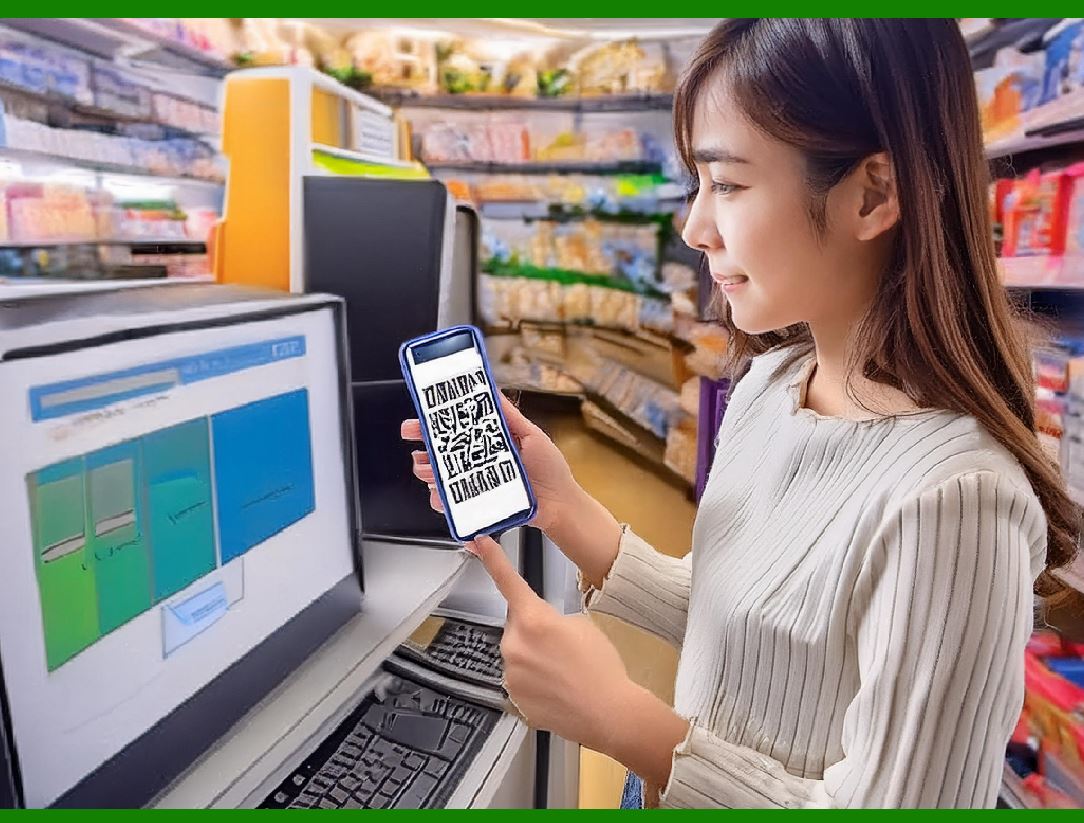
Clothing labels are embedded in flexible screens, and after scanning the code, they display dressing tutorials or AR try-on effects. |
Case: In Zara concept store, clothing labels play sustainable fabric promotional videos. |
|
4. Industry and asset management |
Curved surface identification |
Flexible labels are attached to pipes and mechanical curved surfaces to record equipment maintenance history or pressure thresholds. Workers use terminals to scan and quickly obtain data. |
Case: Industrial equipment maintenance labels from Siemens in Germany, which can withstand high temperatures and oil pollution. |
Airline baggage tracking |
Pressure-resistant flexible labels are attached to suitcases to locate and display the status of luggage in real time, reducing airport misdelivery. |
Case: Delta Airlines' 'smart luggage tags', passengers can scan the code on their mobile phones to track the progress of check-in. |

|
5. Smart agriculture and environmental protection |
Ear tags for live animals |
Stretchable flexible labels are attached to the ears of livestock to record growth data (such as vaccination and exercise), replacing traditional hard ear tags. |
Case: Cow health monitoring labels used in Dutch farms, which do not affect animal activities when bent. |
Degradable packaging labels |
Flexible labels made of cellulose materials naturally degrade after the product is unpacked, suitable for environmentally friendly brands. |
Case: Japan Shiseido's skin care product packaging, the label decomposes in 30 days under composting conditions. |

|
6. Military and special scenarios |
Soldier equipment management |
Flexible labels are sewn on combat uniforms or equipment, and scanned to quickly count supplies or record usage losses. |
Case: The 'smart equipment tag' tested by the US military is adapted to the harsh environment of the field. |
Space equipment identification |
Flexible tags that are resistant to extreme temperatures are used for space capsule equipment and remain readable in vacuum and radiation environments. |
Case: Tool management tags for NASA's International Space Station. |
Technical challenges |
Despite their wide application, flexible electronic tags still need to solve the following problems: |
Cost issues: Large-scale production reduces unit prices (currently 3-5 times more expensive than traditional tags). |
Endurance: Passive RFID tags rely on readers for power supply, and active tags require thinner batteries. |
Durability: Stability of conductive materials after repeated bending (such as the risk of silver nanowires breaking). |
The diverse applications of flexible electronic tags are driving the transformation from 'static identification' to 'dynamic interaction', and may be further integrated with biosensors and energy collection technologies (such as light power supply) in the future. |

|
Technical details of dynamic barcodes? |
Dynamic Barcode is a barcode technology that can update content or status in real time. It combines traditional encoding, cloud data interaction and encryption technology, and is widely used in payment, logistics, anti-counterfeiting and other fields. The following are its core technical details: |
1. The core principle of dynamic barcode |
Dynamic barcode does not physically change the graphics, but realizes dynamic content through 'encoding + cloud linkage': |
Static part: The barcode itself stores a fixed ID or URL (such as UUID or short link) as a data index. |
Dynamic part: After scanning, the device obtains the latest information (such as payment amount, logistics status) from the cloud in real time through the ID/URL. |
Key difference: |
Traditional barcode: fixed content (such as product GTIN). |
Dynamic barcode: variable content (such as Alipay payment code refreshes every minute). |

|
2. Technical implementation process |
Take the payment scenario as an example (such as WeChat dynamic payment code): |
Generation phase: |
User initiates a request ? Server generates a unique ID and associates the user account. |
The encoder converts the ID into a barcode (such as a QR code) and sets a refresh policy (such as 60 seconds expiration). |
Scanning phase: |
The barcode scanning device reads the ID in the barcode and requests verification from the cloud. |
The server verifies the ID validity, timeliness, and associated data (such as account balance). |
Update phase: |
If the barcode expires, the server rejects the transaction and triggers the client to generate a new barcode (key rotation). |

|
3. Key technical components |
(1) Encoding and data storage |
Lightweight encoding: Use short strings or encrypted hashes (such as Base64-encoded 12xYz8@3) as cloud indexes to reduce barcode density requirements. |
Data separation design: The barcode only contains a key or URL, and the real data is stored in the cloud (such as AWS DynamoDB or Alibaba Cloud Table Storage). |
(2) Real-time communication protocol |
WebSocket/Long Polling: The client maintains a long connection with the cloud to ensure that the barcode status is synchronized in real time (such as the logistics code changes from 'in transit' to 'received'). |
Low-latency response: CDN edge computing nodes process requests nearby (such as Alipay payment code response within 100ms). |
(3) Security mechanism |
Dynamic key rotation: |
Each barcode is bound to a one-time key (such as TOTP time-based OTP), which becomes invalid after expiration. |
Example: The dynamic verification code of Google Authenticator works in a similar way. |
Encryption and anti-replay attack: |
Use AES-256 or SM4 to encrypt data transmission to prevent middleman tampering. |
The server records the barcode IDs that have been used to prevent repeated scanning (such as movie theater e-tickets). |
(4) Graphic generation optimization |
Fault tolerance and refresh balance: |
Even if part of the graphic is damaged (such as 30% occlusion of the QR code), it can still be decoded by the Reed-Solomon error correction algorithm. |
Keep the graphic structure stable during dynamic updates (to avoid scanning failures caused by frequent changes). |

|
4. Technical adaptation of typical application scenarios |
(1) Dynamic payment code (such as Alipay/WeChat Pay) |
Technical points: |
Short validity period (usually 60-120 seconds) to reduce the risk of fraud. |
Two-way authentication: The scanning device needs to have a two-way encrypted handshake with the payment platform. |
(2) Logistics tracking code (such as FedEx smart label) |
Technical points: |
The barcode is linked to the cloud database, and the real-time location, temperature and humidity records are displayed after scanning. |
Permission classification: The recipient only sees the logistics status, and the warehouse staff can view the detailed route. |
(3) Anti-counterfeiting dynamic code (such as Moutai blockchain anti-counterfeiting) |
Technical points: |
After the first scan, it is marked as 'queried' to prevent counterfeiters from querying multiple times. |
Combined with the blockchain to store hash values, ensure that the traceability data cannot be tampered with. |

|
5. Frontier technology evolution |
AI-driven dynamic graphics: |
Generate variable pattern barcodes through GAN, which are difficult for the human eye to detect the difference but can be recognized by the device (experimental stage). |
No network pre-authorization: |
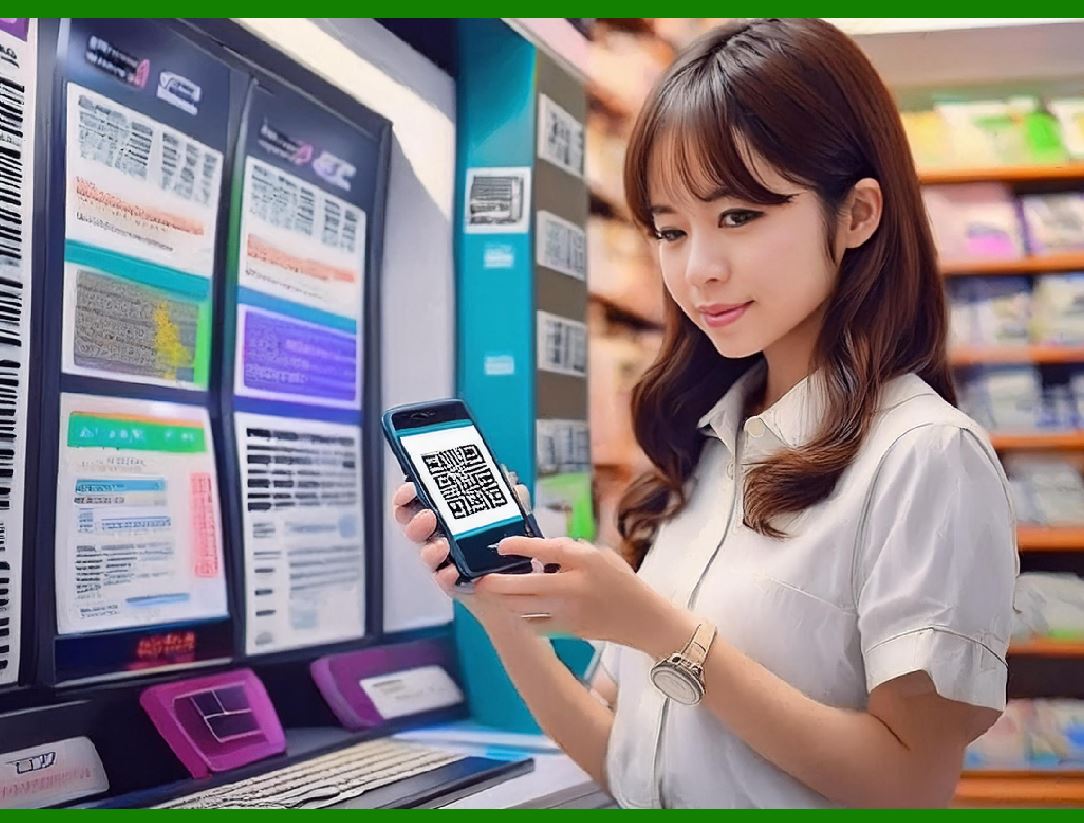
Based on edge computing, some logic is executed locally (such as pre-generating a limited number of dynamic codes when offline). |
Biometric binding: |
The user's fingerprint/facial feature hash value is integrated when the dynamic code is generated, and the secondary biometric verification is performed when scanning. |
|
6. Challenges and limitations |
Network dependency: Cannot be updated without a network (need local cache emergency plan). |
Performance bottleneck: High concurrency scenarios (such as Double 11 payment) require distributed database support. |
Compatibility: Old barcode scanning devices may not be able to parse high-density dynamic codes (need to downgrade to compatible mode). |
The essence of dynamic barcodes is the integration of 'physical identification + cloud services', and its technical core lies in the balance of lightweight encoding, real-time communication and security mechanisms. With the popularization of 5G and edge computing, millisecond-level updates and offline dynamic verification may be further realized in the future. |
 cs@easiersoft.com