In automated warehousing, Ultra High Frequency (UHF) Radio Frequency Identification (RFID) technology plays a crucial role in optimizing inventory management and enhancing operational efficiency. This detailed exploration covers the implementation, benefits, challenges, and real-world applications of UHF RFID in automated warehousing, particularly focusing on companies like Amazon. |
|
1. Introduction to UHF RFID Technology |
1.1 Overview of UHF RFID |
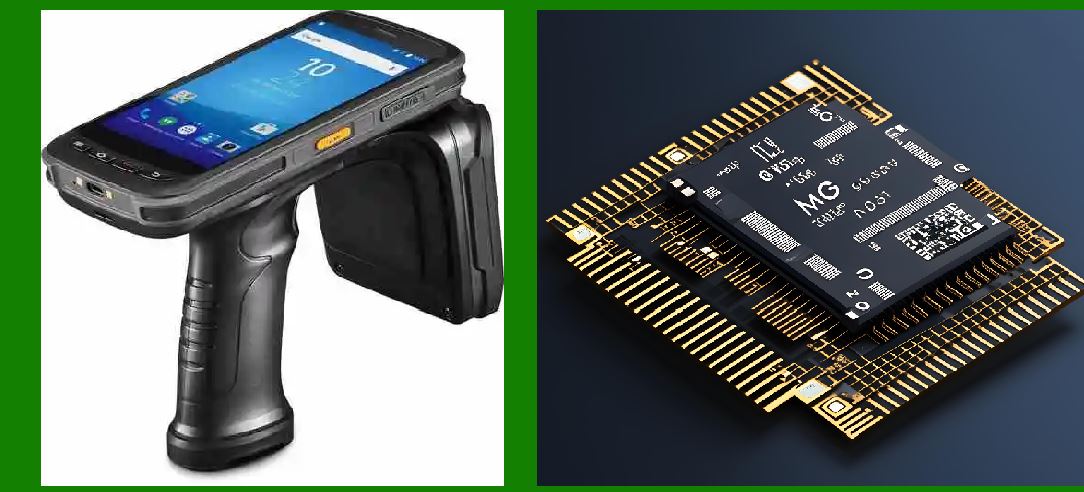
UHF RFID operates in the frequency range of 860 to 960 MHz. It uses radio waves to automatically identify and track tags attached to objects. UHF RFID systems consist of three main components: |
RFID Tags: Contain a microchip and antenna, where the microchip stores data and the antenna transmits and receives radio signals. RFID Readers: Emit radio signals to communicate with the tags and read the data encoded on them. RFID Middleware: Software that processes the data from the readers, manages the flow of information, and integrates it with existing warehouse management systems (WMS). |
1.2 Comparison with Other RFID Frequencies |
UHF RFID differs from Low Frequency (LF) and High Frequency (HF) RFID in terms of read range, data transfer speed, and interference susceptibility. While LF RFID is suited for applications requiring proximity reading and HF RFID is commonly used for contactless smart cards, UHF RFID provides longer read ranges and faster data transmission, making it ideal for large-scale warehousing. |
|
2. Implementation of UHF RFID in Automated Warehousing |
2.1 Tagging Inventory |
In automated warehousing, each item or pallet is tagged with a UHF RFID tag. These tags come in various forms, such as: |
Passive Tags: Do not have an internal power source and rely on the RFID reader's energy to function. They are cost-effective and commonly used in warehousing. Active Tags: Have a built-in power source and can transmit signals over longer distances, though they are more expensive. |
2.2 Integration with Warehouse Management Systems (WMS) |
UHF RFID technology is integrated with WMS to automate inventory tracking and stock management. The WMS software interfaces with RFID middleware to: |
Track Inventory in Real-Time: RFID readers placed at strategic locations (e.g., entrances, exits, and conveyor belts) capture tag data as items move through the warehouse. Update Stock Levels: Automated updates to stock levels are made as items are added, removed, or relocated, reducing manual data entry errors. |
2.3 Automated Data Capture |
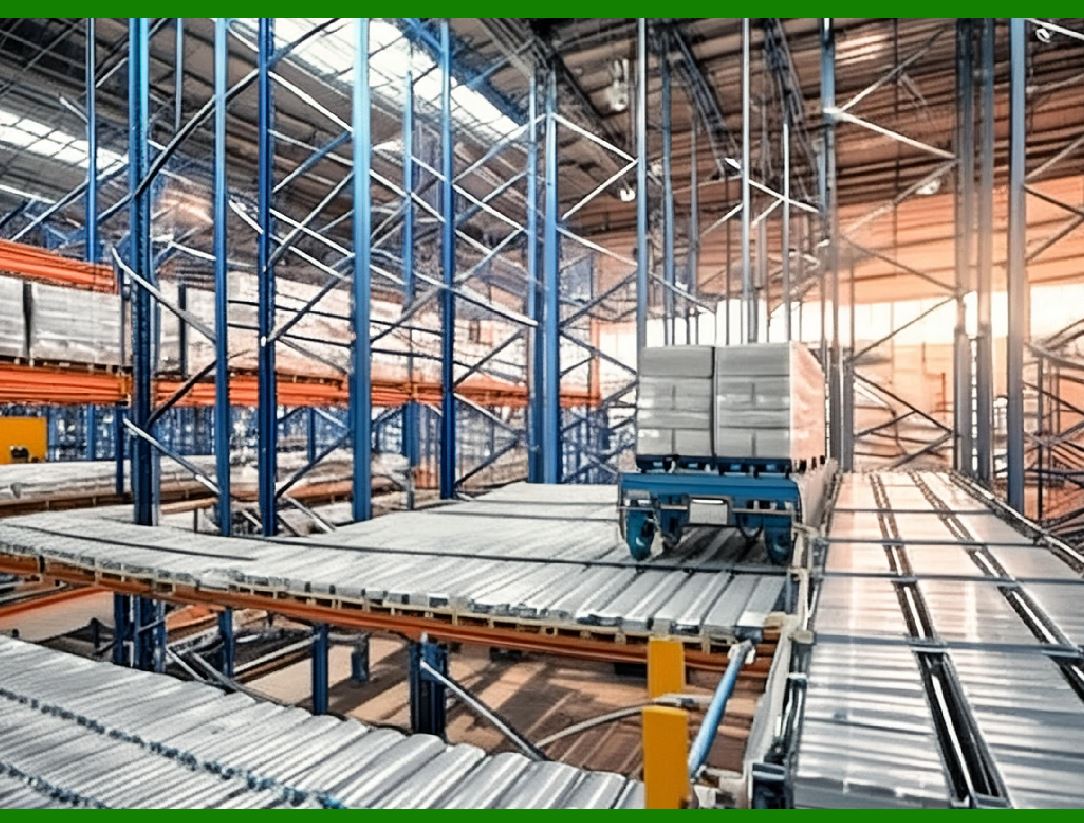
RFID readers installed in automated systems, such as conveyor belts and robotic arms, automatically capture tag information without human intervention. This data is then processed by the WMS to: |
Verify Orders: Ensure that the correct items are picked and packed. Monitor Inventory Levels: Provide accurate, real-time information on stock levels and item locations. |

|
3. Benefits of UHF RFID in Warehousing |
3.1 Improved Efficiency |
UHF RFID significantly enhances warehouse efficiency by: |
Reducing Manual Scanning: Automated RFID readers eliminate the need for manual barcode scanning, speeding up processes. Streamlining Inventory Management: Real-time updates and accurate tracking reduce the time spent on inventory counts and stock audits. |
3.2 Enhanced Accuracy |
RFID systems improve accuracy by: |
Minimizing Human Error: Automated data capture reduces mistakes associated with manual data entry. Providing Real-Time Information: Instant access to accurate inventory data helps prevent stockouts and overstock situations. |
3.3 Increased Visibility |
UHF RFID provides enhanced visibility into warehouse operations by: |
Tracking Item Movement: Detailed records of item movements within the warehouse allow for better oversight and management. Enabling Data Analytics: The data collected from RFID systems can be analyzed to identify trends, optimize storage locations, and improve overall warehouse performance. |

|
4. Real-World Examples |
4.1 Amazon |
Amazon is a prominent example of a company leveraging UHF RFID technology in its fulfillment centers. Key aspects of Amazon's implementation include: |
Automated Inventory Management: Amazon uses RFID tags to track millions of items across its vast network of warehouses, allowing for precise and efficient inventory management. Enhanced Fulfillment Speed: RFID technology helps Amazon achieve rapid order fulfillment by ensuring accurate picking and packing processes. |
4.2 Walmart |
Walmart has also adopted UHF RFID technology to streamline its supply chain and inventory management. Notable benefits include: |
Improved Stock Accuracy: RFID tags help Walmart maintain accurate stock levels and reduce out-of-stock occurrences. Efficient Replenishment: Real-time inventory data enables efficient replenishment processes and optimized shelf stocking. |
4.3 Zara |
Fashion retailer Zara utilizes RFID technology to enhance its inventory management and customer service. Key features of Zara's RFID implementation include: |
Faster Stock Checks: RFID tags enable rapid and accurate stock checks, reducing the time required for inventory counts. Enhanced Customer Experience: Improved inventory visibility allows Zara to offer better stock availability and quicker response to customer demands. |

|
5. Challenges and Considerations |
5.1 Cost of Implementation |
The initial cost of UHF RFID implementation, including tags, readers, and middleware, can be significant. However, the long-term benefits often justify the investment. Companies must carefully evaluate the cost-benefit ratio to ensure a positive return on investment. |
5.2 Tag Interference |
RFID tags can experience interference from various sources, such as metal surfaces and liquids. To mitigate this issue, warehouse designs should consider tag placement and reader configurations to minimize interference and ensure reliable performance. |
5.3 Data Security and Privacy |
RFID systems must address data security and privacy concerns. Encryption and secure data handling practices are essential to protect sensitive information and prevent unauthorized access. |
5.4 Integration with Existing Systems |
Seamless integration with existing warehouse management systems and enterprise resource planning (ERP) systems is crucial for maximizing the benefits of UHF RFID technology. Proper planning and technical expertise are required to ensure successful integration and avoid potential disruptions. |

|
6. Future Trends and Developments |
6.1 Advancements in RFID Technology |
Future developments in UHF RFID technology may include: |
Enhanced Tag Designs: New tag designs and materials that improve performance and reduce costs. |
Improved Read Range and Accuracy: Advances in reader technology to enhance read range and accuracy in challenging environments. |
6.2 Integration with Other Technologies |
UHF RFID is increasingly being integrated with other technologies, such as: |
Internet of Things (IoT): Combining RFID with IoT enables more comprehensive tracking and data analytics. Artificial Intelligence (AI): AI-powered analytics can provide deeper insights and optimize warehouse operations. |
6.3 Expansion to New Industries |
The use of UHF RFID technology is expected to expand beyond traditional warehousing applications to other industries, such as healthcare, automotive, and manufacturing, where inventory management and tracking are critical. |

|
7. Conclusion |
UHF RFID technology has transformed automated warehousing by enhancing efficiency, accuracy, and visibility. Companies like Amazon, Walmart, and Zara have demonstrated the significant benefits of RFID in managing large-scale inventory and streamlining operations. Despite challenges such as cost, interference, and data security, the advantages of UHF RFID technology make it a valuable asset in modern warehousing environments. As technology continues to advance, UHF RFID is poised to play an even more integral role in optimizing supply chain and inventory management across various industries. |
 cs@easiersoft.com