1. Introduction to Supply Chain Transparency |
1.1 Definition and Importance Supply chain transparency refers to the visibility and traceability of the entire supply chain process, from raw material sourcing to final product delivery. It involves the ability to track and verify the origins, handling, and journey of products through each stage of the supply chain. The importance of transparency in supply chains lies in its impact on several key areas: |
Consumer Trust: Consumers increasingly demand information about the origins and quality of the products they purchase. Transparency helps build trust and loyalty by ensuring that products are safe, ethically sourced, and of high quality. Regulatory Compliance: Governments and regulatory bodies often require detailed documentation of the supply chain to ensure compliance with safety standards, labor laws, and environmental regulations. Operational Efficiency: Greater visibility can lead to improved decision-making, reduced errors, and more efficient management of resources. Risk Management: Transparency helps in identifying and mitigating risks related to supply chain disruptions, such as those caused by natural disasters, political instability, or supplier failures. |
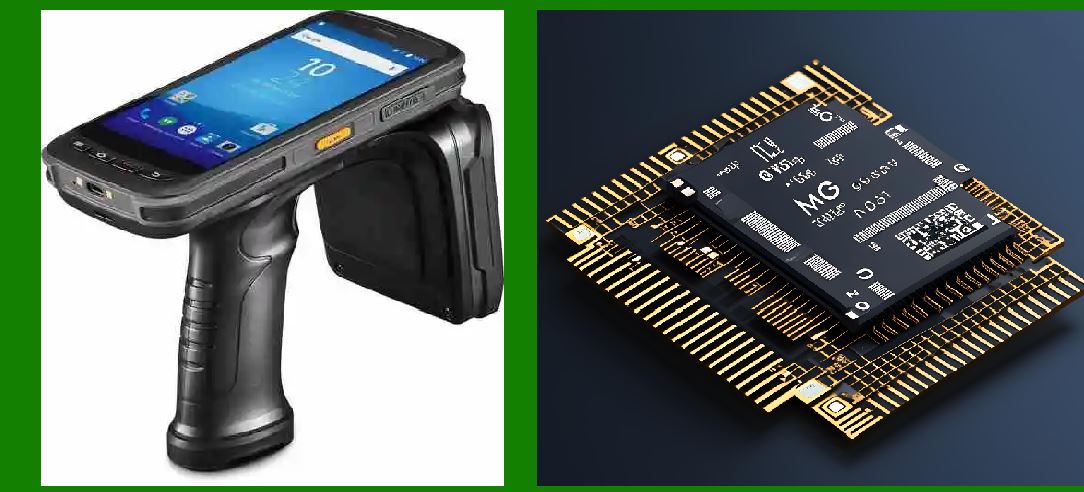
1.2 Technological Advancements In recent years, technological advancements have significantly enhanced supply chain transparency. Technologies like blockchain, RFID (Radio-Frequency Identification), and IoT (Internet of Things) are increasingly being integrated to provide real-time visibility and accurate tracking of products. |
|
2. Walmart's Supply Chain Transparency Initiatives |
2.1 Overview of Walmart's Supply Chain Walmart, one of the world's largest retailers, operates an extensive and complex supply chain that involves numerous suppliers, distribution centers, and retail locations. Ensuring transparency and efficiency in such a vast network is critical for maintaining product quality, reducing costs, and meeting consumer expectations. |
2.2 Blockchain Technology Blockchain technology provides a decentralized and immutable ledger that records transactions across a distributed network. Each transaction is added to a 'block,' and these blocks are linked together to form a chain. This technology offers several benefits for supply chain management: |
Traceability: Blockchain allows for the creation of a permanent and transparent record of every transaction and movement of goods. This makes it easier to trace the origin and journey of products. Data Integrity: Once data is recorded on the blockchain, it cannot be altered or deleted without consensus from the network. This ensures the accuracy and reliability of the information. Enhanced Security: The decentralized nature of blockchain reduces the risk of data breaches and fraud, as there is no single point of failure. |
2.3 RFID Technology RFID technology uses radio waves to automatically identify and track tags attached to objects. RFID tags contain microchips and antennas that can communicate with RFID readers. The benefits of RFID in supply chain management include: |
Real-Time Tracking: RFID enables real-time tracking of products as they move through the supply chain, providing visibility and allowing for more accurate inventory management. Improved Efficiency: RFID reduces the need for manual scanning and data entry, leading to faster and more accurate processing of goods. Enhanced Accuracy: RFID tags can be read from a distance and do not require line-of-sight, improving the accuracy of product tracking. |

|
3. Walmart's Implementation of Blockchain and RFID |
3.1 Food Safety Challenges Walmart has faced significant challenges in ensuring the safety and quality of the food products it sells. Issues such as foodborne illnesses, contamination, and fraud have highlighted the need for improved traceability and rapid response mechanisms. |
3.2 Blockchain Pilot Programs Walmart has implemented blockchain technology in pilot programs to enhance transparency in its food supply chain. Key initiatives include: |
Pork Supply Chain in China: Walmart conducted a blockchain pilot program in China to trace the journey of pork products from farm to store. By recording data on the blockchain, Walmart could quickly identify the source of any contamination issues and take corrective actions. Mango Supply Chain: Another pilot involved tracking mangoes from farms in Mexico to Walmart stores in the U.S. The blockchain system allowed Walmart to trace the mangoes' journey in seconds, compared to the traditional method which could take days. |
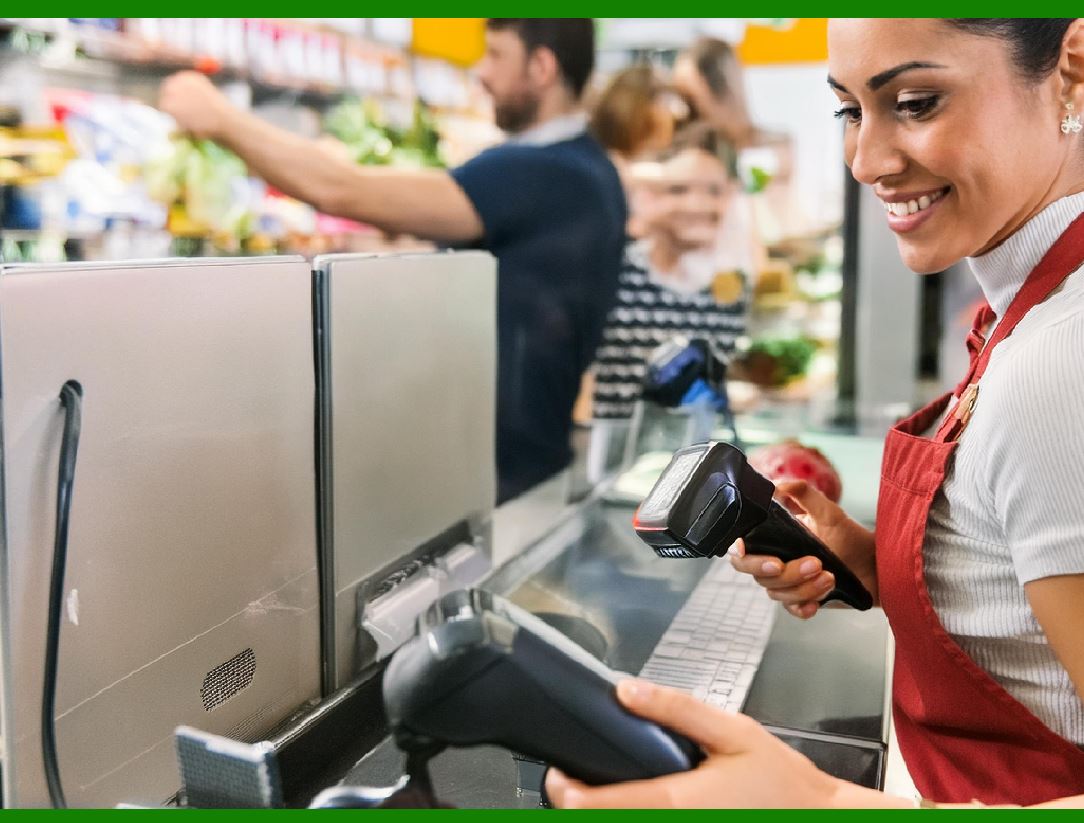
3.3 RFID Integration Walmart has also integrated RFID technology into its supply chain to enhance visibility and efficiency. Notable applications include: |
Inventory Management: Walmart uses RFID tags to track the movement of products through its distribution centers and stores. This allows for real-time updates on inventory levels and reduces the risk of stockouts or overstocking. Quality Control: RFID tags are used to monitor the conditions of perishable goods, such as temperature and humidity, ensuring that products remain within the required parameters throughout their journey. |
|
4. Case Studies and Examples |
4.1 Case Study 1: Blockchain for Lettuce In 2018, Walmart announced a blockchain pilot program to track the supply chain of leafy greens, such as lettuce. The initiative was launched in response to outbreaks of E. coli and other foodborne illnesses linked to contaminated lettuce. The blockchain system allowed Walmart to trace the origin of the lettuce in seconds, compared to the traditional method which took over a week. This rapid traceability enabled Walmart to quickly identify and remove affected products from stores, reducing the risk of further contamination. |
4.2 Case Study 2: RFID for Apparel Walmart's implementation of RFID technology in its apparel supply chain has improved inventory accuracy and efficiency. By tagging clothing items with RFID labels, Walmart can track the movement of products from suppliers to stores, ensuring that shelves are stocked correctly and reducing the likelihood of lost or stolen items. The use of RFID has also streamlined the check-out process, reducing wait times for customers. |
4.3 Case Study 3: Blockchain for Pharmaceuticals Walmart has explored the use of blockchain to enhance transparency in its pharmaceutical supply chain. By tracking the journey of drugs from manufacturers to pharmacies, Walmart aims to combat counterfeit products and ensure that medications are safe and effective. The blockchain system provides a secure and transparent record of each transaction, allowing for quicker identification and resolution of any issues. |

|
5. Benefits and Challenges |
5.1 Benefits of Walmart's Approach Walmart's integration of blockchain and RFID technologies offers several benefits: |
Enhanced Traceability: The ability to track products from their origin to the point of sale improves transparency and allows for quicker responses to safety issues. Increased Efficiency: RFID technology streamlines inventory management and reduces the time required for data entry and processing. Improved Safety: Rapid traceability and real-time monitoring help prevent and address food safety issues more effectively. |
5.2 Challenges and Considerations Despite the advantages, Walmart's approach also faces several challenges: |
Cost: Implementing blockchain and RFID technologies involves significant investment in infrastructure, technology, and training. Integration: Integrating new technologies with existing systems and processes can be complex and may require adjustments to current practices. Data Privacy: Ensuring the security and privacy of sensitive data recorded on the blockchain is essential to prevent unauthorized access and misuse. |

|
6. Future Outlook |
6.1 Ongoing Developments Walmart continues to explore and expand the use of blockchain and RFID technologies in its supply chain. Future developments may include: |
Broader Adoption: Expanding the use of blockchain and RFID to additional product categories and regions to enhance transparency across the entire supply chain. Advanced Analytics: Leveraging data collected through these technologies for predictive analytics and decision-making, improving supply chain planning and risk management. |
6.2 Industry Trends The adoption of blockchain and RFID in supply chain management is expected to grow across various industries. Companies are increasingly recognizing the benefits of transparency and real-time tracking in improving efficiency, safety, and customer trust. |

|
7. Conclusion |
7.1 Summary Supply chain transparency is crucial for ensuring the safety, quality, and efficiency of products. Walmart's experimentation with blockchain and RFID technologies represents a significant step forward in enhancing transparency in its food supply chain. By leveraging these technologies, Walmart can trace the origins of products, respond to safety issues more effectively, and improve overall supply chain management. |
7.2 Implications The successful implementation of blockchain and RFID technologies by Walmart serves as a model for other companies seeking to improve transparency and efficiency in their supply chains. As technology continues to evolve, the potential for enhancing supply chain transparency and addressing challenges will expand, offering new opportunities for innovation and improvement. |

|
 cs@easiersoft.com