The Benefits of Barcode Technology in Various Industries |
1. Introduction to Barcode Technology and Its Universal Benefits |
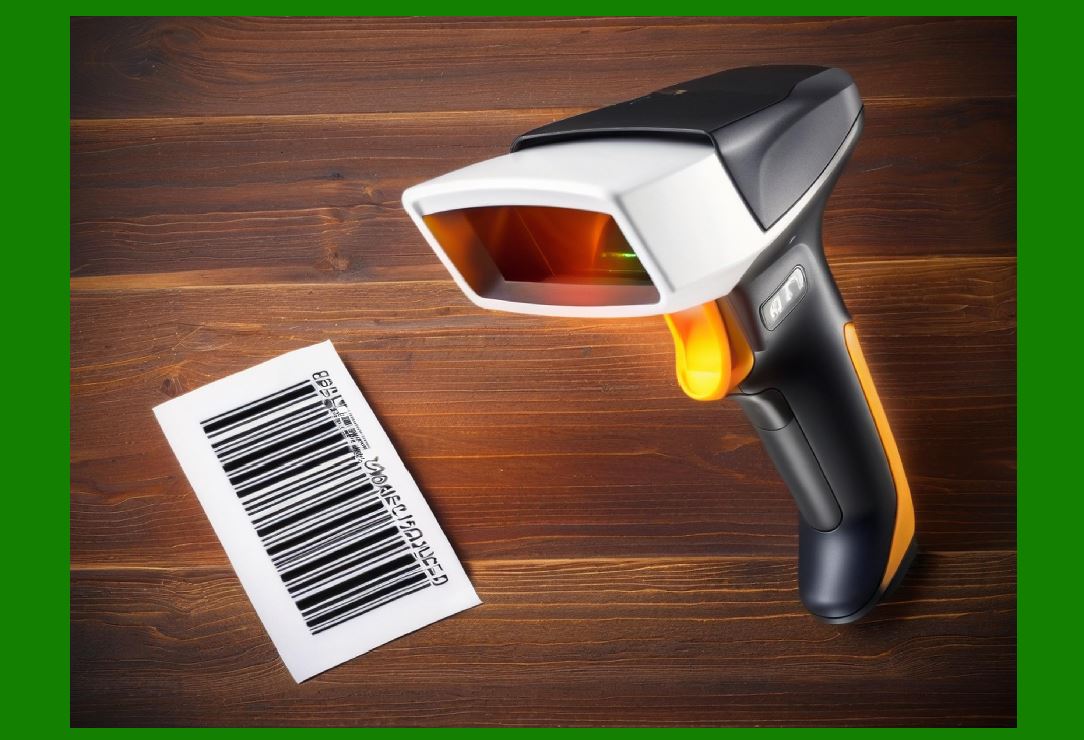
1.1 Barcode technology, since its invention in the mid-20th century, has become one of the most widely adopted data capture and identification systems worldwide. A barcode is essentially a machine-readable representation of data that can be scanned using optical readers or mobile devices. Its primary benefit lies in its ability to automate the entry of information, reduce human error, and streamline operations across different sectors. |
1.2 At a fundamental level, barcodes enable organizations to encode product numbers, batch codes, serial numbers, and other identifiers into visual symbols. When scanned, this data is instantly retrieved by the system, eliminating the need for manual input. This automation not only improves efficiency but also creates real-time visibility into inventory, transactions, and processes. |
1.3 Beyond simple point-of-sale operations, barcode technology has expanded into logistics, manufacturing, healthcare, government administration, agriculture, and even cultural industries such as libraries and museums. Each sector benefits in unique ways, but the overarching advantages include improved accuracy, reduced operational costs, enhanced customer experience, better compliance with regulations, and stronger data-driven decision-making. |
1.4 This comprehensive exploration will examine the benefits of barcode technology across a wide range of industries, providing a sector-by-sector breakdown that demonstrates its versatility, scalability, and transformative power in modern society. |
|
2. Benefits of Barcode Technology in the Retail Industry |
2.1 Retail was among the earliest adopters of barcode technology, with the first official scan of a UPC code in a supermarket in 1974. Since then, barcodes have revolutionized how retail operates, from checkout systems to supply chain management. |
2.2 One of the most visible benefits is faster checkout at the point of sale. Cashiers no longer need to manually enter product codes or prices; scanning barcodes speeds up transactions, reduces queues, and improves customer satisfaction. This efficiency directly influences store throughput and profitability. |
2.3 Barcodes also improve pricing accuracy. When items are scanned, the system retrieves the correct price from the central database, ensuring that customers are charged consistently and accurately. This reduces disputes at checkout and protects retailers from revenue leakage due to mispriced goods. |
2.4 Inventory management in retail benefits immensely from barcodes. Each product is tagged with a unique identifier, enabling precise stock counts, automated reordering, and real-time tracking of items across multiple locations. Retailers can reduce out-of-stock situations, lower excess inventory, and optimize their supply chains. |
2.5 Loss prevention is another significant benefit. Barcodes, when paired with electronic article surveillance and point-of-sale records, help identify theft patterns and track shrinkage. This allows retailers to implement targeted strategies to reduce losses. |
2.6 Barcodes facilitate omnichannel retailing. With barcodes integrated into online systems, retailers can maintain consistent product information across physical stores, e-commerce platforms, and mobile applications. Customers can scan items to view details, check availability, or reorder online, thereby blending the offline and online experience seamlessly. |
2.7 Finally, retail analytics is greatly enhanced by barcodes. Sales data collected through scanning enables retailers to understand consumer preferences, track product performance, and tailor promotions. This data-driven approach supports strategic decision-making and long-term growth. |

|
3. Benefits of Barcode Technology in the Logistics and Supply Chain Industry |
3.1 In logistics, the movement of goods must be efficient, traceable, and transparent. Barcode technology provides the backbone for modern supply chain management by offering real-time visibility at every stage of transportation. |
3.2 One of the most important benefits is improved shipment tracking. Every package or pallet can be labeled with a barcode that contains information about its contents, origin, and destination. Scanning at each checkpoint ensures that logistics companies know the exact location of goods at any time, reducing the risk of lost shipments. |
3.3 Barcodes also streamline warehouse management. Automated scanning systems track incoming and outgoing goods, update inventory in real-time, and reduce the need for manual stock checks. This leads to better space utilization, faster order fulfillment, and reduced labor costs. |
3.4 Error reduction is another major benefit. Manual entry of shipment details often leads to mistakes such as misplaced digits or incorrect entries. With barcodes, the risk of human error is minimized, ensuring accuracy in orders and deliveries. |
3.5 The speed of operations also improves. Truck loading, container handling, and customs clearance are accelerated through barcode scanning, which automates documentation processes and reduces paperwork. This efficiency translates into quicker turnaround times and higher customer satisfaction. |
3.6 Regulatory compliance is simplified with barcodes. Industries like pharmaceuticals, tobacco, and food require strict traceability to comply with government mandates. Barcodes provide the standardized, machine-readable system needed to satisfy these legal obligations. |
3.7 Barcodes also play a critical role in reverse logistics. When products are returned, barcodes streamline the identification of items, checking them back into stock, or routing them to repair centers. This reduces costs associated with returns and improves the circular economy. |

|
4. Benefits of Barcode Technology in the Healthcare Industry |
4.1 Healthcare presents unique challenges where accuracy, safety, and traceability are critical. Barcode technology has emerged as a lifesaving tool in this sector by reducing medical errors and enhancing patient care. |
4.2 One of the most significant benefits is patient identification. Wristbands with barcodes ensure that every treatment, medication, and test result is accurately linked to the right patient. This prevents tragic mix-ups in busy hospital environments. |
4.3 Medication administration is greatly improved by barcodes. Nurses scan both the patient¡¯s wristband and the medication label to confirm that the right drug is given at the right dosage and time. This barcode-enabled double-check system significantly reduces adverse drug events. |
4.4 Barcodes are also crucial in laboratory testing. Samples such as blood or tissue are tagged with unique barcodes, ensuring accurate tracking from collection through analysis to reporting. This eliminates the risk of mix-ups between patients¡¯ samples. |
4.5 Hospital inventory management benefits as well. Barcodes track medical supplies, devices, and surgical instruments. This ensures that hospitals maintain optimal stock levels, reduce waste from expired items, and have critical resources available when needed. |
4.6 Surgical safety is another area enhanced by barcodes. Each surgical tool can be marked and scanned, ensuring that all instruments are accounted for before, during, and after procedures. This reduces the risk of retained surgical items, a serious patient safety concern. |
4.7 Compliance with healthcare regulations is simplified through barcodes. Standards like the FDA¡¯s Unique Device Identification (UDI) system rely on barcodes to ensure medical devices are traceable throughout their lifecycle. Hospitals and manufacturers alike benefit from streamlined reporting and recall management. |
4.8 Patient experience also improves. Barcode-based automation reduces administrative workload for healthcare staff, allowing more time for direct patient care. Patients experience shorter wait times, fewer errors, and greater confidence in the quality of care. |

|
5. Benefits of Barcode Technology in the Manufacturing Industry |
5.1 In manufacturing, efficiency, quality control, and traceability are essential. Barcode technology enhances these dimensions by integrating data capture into every stage of production. |
5.2 Production line efficiency is improved through barcodes that track components and subassemblies. Each part is labeled and scanned, ensuring that only the correct items are used in assembly. This reduces downtime caused by misplaced or incompatible parts. |
5.3 Quality control benefits significantly. Barcodes enable manufacturers to trace defective items back to specific production batches or machines, facilitating root-cause analysis and targeted corrective actions. This prevents widespread recalls and strengthens brand reputation. |
5.4 Inventory management in manufacturing is automated through barcodes. Raw materials, work-in-progress items, and finished goods are all tracked in real-time. This visibility helps manufacturers balance supply with demand, reduce waste, and optimize production schedules. |
5.5 Worker productivity increases because scanning is faster and more accurate than manual entry. Employees can focus on core tasks instead of paperwork, and managers gain access to accurate, up-to-date information for decision-making. |
5.6 Compliance with industry standards is simplified by barcodes. For example, automotive and aerospace industries require strict traceability of parts. Barcodes provide a reliable method to comply with ISO and government regulations. |
5.7 Just-in-time manufacturing strategies are supported by barcodes, which ensure that the right parts arrive at the right time. This minimizes inventory carrying costs and improves production flow. |
5.8 Overall, barcodes contribute to lean manufacturing principles by eliminating waste, enhancing visibility, and driving continuous improvement. |

|
6. Benefits of Barcode Technology in Government and Public Administration |
6.1 Government agencies handle massive amounts of paperwork, public records, and logistical operations. Barcodes provide a straightforward yet powerful way to bring order, efficiency, and transparency to these processes. |
6.2 One of the key benefits is document management. Legal records, tax filings, and administrative forms can be tagged with barcodes, enabling fast indexing, retrieval, and verification. This eliminates the inefficiencies of manual filing systems and improves public service delivery. |
6.3 In elections, barcodes improve security and efficiency. Voter registration cards and ballots can carry barcodes to ensure accurate identification and tracking, reducing the risk of fraud and streamlining vote counting. |
6.4 Government-issued identification documents, such as driver¡¯s licenses and national ID cards, often include barcodes. These enable quick authentication by law enforcement or administrative bodies, reducing forgery and identity theft. |
6.5 Public sector inventory management also benefits. From office supplies to vehicles, barcodes ensure that government assets are properly tracked and maintained. This prevents loss, reduces wasteful spending, and improves accountability. |
6.6 Barcodes also support emergency response. Disaster relief supplies, medical kits, and rescue equipment can be barcoded to ensure rapid deployment, accurate tracking, and accountability during crises. |
6.7 In social services, barcodes help monitor distribution of benefits such as food stamps, subsidies, and healthcare vouchers. This reduces fraud, ensures fair allocation, and builds public trust. |
6.8 Regulatory compliance and inspections are enhanced with barcodes. Environmental agencies, for example, can track samples, hazardous waste, or emissions records efficiently. This strengthens enforcement and reporting accuracy. |

|
7. Benefits of Barcode Technology in the Food and Agriculture Industry |
7.1 Food and agriculture represent industries where traceability and safety are critical. Barcodes ensure that every step, from farm to table, is visible and verifiable. |
7.2 One of the greatest benefits is food safety. When barcodes are applied to raw materials, packaging, and final products, they create a transparent chain of custody. In the event of contamination or a foodborne illness outbreak, affected batches can be traced quickly and recalled efficiently. |
7.3 Farmers and food producers benefit from barcodes in supply chain integration. Harvested crops, livestock, and dairy products can be tagged, enabling real-time monitoring of distribution and storage conditions. |
7.4 Retailers and consumers gain confidence in product authenticity. For example, organic produce or fair-trade goods can be tracked via barcodes, ensuring that claims are genuine and verifiable. |
7.5 Inventory control in food production is streamlined with barcodes. Perishable goods are tracked with expiration dates, ensuring first-in-first-out stock rotation and minimizing waste. |
7.6 Export compliance is another critical area. International trade requires detailed documentation of origin, quality, and handling. Barcodes simplify customs procedures and reduce delays at ports. |
7.7 In agriculture, barcodes support equipment tracking and resource management. Tractors, irrigation tools, and fertilizers can be tracked for usage, maintenance, and cost allocation. |
7.8 Barcodes also facilitate precision agriculture. By integrating barcodes into farming systems, producers can track seed batches, monitor crop yields, and align agricultural practices with data-driven insights. |

|
8. Benefits of Barcode Technology in Libraries, Archives, and Education |
8.1 Libraries and archives are traditional environments where barcodes deliver immense value in cataloging, circulation, and preservation. |
8.2 One primary benefit is efficient book lending. Each book is labeled with a barcode, and each patron is issued a barcode-linked ID card. Scanning both ensures fast, accurate checkouts and returns, drastically reducing administrative overhead. |
8.3 Inventory management in libraries becomes more accurate with barcodes. Large collections can be audited using handheld scanners, allowing for quick detection of misplaced or missing items. |
8.4 Preservation of archival documents also benefits. By assigning barcodes, rare manuscripts or cultural artifacts can be tracked in storage, ensuring they are easily located when needed without excessive handling. |
8.5 In education, barcodes streamline administrative processes. Student ID cards with barcodes track attendance, access to campus facilities, and borrowing of learning materials. |
8.6 Textbook distribution is simplified with barcodes. Schools can track issued books, monitor returns, and manage costs effectively. |
8.7 Examinations benefit from barcode use on answer sheets, ensuring anonymity and reducing grading errors. This increases fairness and integrity in academic assessments. |
8.8 Research institutions use barcodes for laboratory samples, experiment tracking, and research equipment. This ensures data integrity and accountability in scientific work. |

|
9. Benefits of Barcode Technology in the Hospitality and Tourism Industry |
9.1 Hospitality and tourism thrive on seamless service, accuracy, and memorable customer experiences. Barcode technology enhances these aspects in multiple ways. |
9.2 In hotels, barcodes streamline inventory management of linens, cleaning supplies, and minibar items. Staff can quickly scan items to ensure replenishment, reducing waste and improving service consistency. |
9.3 Guest management is improved through barcoded key cards and event passes. Guests can access rooms, gyms, or event areas quickly, while the system records usage for security and analytics. |
9.4 In restaurants, barcodes support efficient order and inventory tracking. Ingredients are tracked from storage to kitchen, ensuring freshness, compliance with health standards, and cost control. |
9.5 Ticketing in tourism is transformed by barcodes. Flights, train journeys, concerts, museums, and theme parks all use barcoded tickets for fast entry, fraud prevention, and real-time attendance monitoring. |
9.6 Barcodes enable personalized service. Loyalty cards and membership programs use barcodes to record preferences, purchase history, and reward points, allowing businesses to tailor offers to individual customers. |
9.7 In large events such as festivals or conferences, barcodes ensure smooth crowd management by controlling access, reducing counterfeit tickets, and collecting data on visitor flows. |
9.8 Ultimately, barcodes in hospitality enhance the guest journey by providing fast, accurate, and personalized service while reducing operational inefficiencies. |

|
10. Benefits of Barcode Technology in the Financial Services Industry |
10.1 The financial sector relies on accuracy, security, and compliance. Barcodes provide valuable support in transaction processing, document management, and customer engagement. |
10.2 Payment processing benefits from barcodes. Utility bills, tax payments, and invoices often include barcodes that can be scanned for quick, error-free payments at banks or kiosks. |
10.3 In mobile banking, QR codes (a type of 2D barcode) have become a cornerstone of payment systems. Customers scan codes to transfer funds instantly, pay at merchants, or donate to charities, reducing reliance on physical cash. |
10.4 Banks use barcodes in document handling, such as loan applications and check processing, ensuring that paperwork is easily tracked, indexed, and archived. |
10.5 Securities trading benefits from barcodes in the tracking of bonds, stock certificates, and investment records. This increases accuracy in high-value transactions. |
10.6 Customer identification is improved with barcoded loyalty cards or account documents, ensuring faster service and reduced risk of fraud. |
10.7 Regulatory compliance is also supported. Barcodes enable financial institutions to maintain accurate audit trails, simplifying reporting to regulatory bodies and improving transparency. |
10.8 The overall result is increased efficiency, security, and convenience in the financial system, benefiting both institutions and customers. |

|
11. Benefits of Barcode Technology in the Aviation and Transportation Industry |
11.1 Aviation and transportation are complex industries that demand strict coordination and traceability. Barcodes are indispensable in ensuring smooth passenger handling and cargo management. |
11.2 Passenger check-in is one of the most visible benefits. Boarding passes and luggage tags carry barcodes that can be scanned quickly, reducing wait times and ensuring accurate routing of bags. |
11.3 In cargo transport, barcodes enable real-time tracking of shipments across airports, seaports, and trucking hubs. This visibility improves reliability and customer confidence. |
11.4 Safety and compliance are strengthened. Aircraft parts and maintenance tools are tagged with barcodes to ensure traceability, adherence to safety regulations, and proper record-keeping. |
11.5 For public transportation systems, barcoded tickets and passes simplify fare collection, reduce fraud, and improve data on passenger usage patterns. |
11.6 Logistics companies in aviation benefit from barcodes by optimizing loading operations, preventing cargo misplacement, and improving customs clearance speed. |
11.7 Passengers themselves benefit from smoother travel experiences ¡ª faster check-ins, fewer lost bags, and improved transparency of flight services. |
11.8 In total, barcodes reduce operational bottlenecks, lower costs, and enhance passenger trust in global transportation networks. |

|
12. Benefits of Barcode Technology in the Telecommunications Industry |
12.1 Telecommunications providers handle vast networks of equipment, customer accounts, and billing processes. Barcodes provide a foundation for accuracy and efficiency. |
12.2 Equipment management is one of the most significant benefits. Base stations, routers, and mobile devices are tagged with barcodes to track installation, maintenance, and repairs. |
12.3 Customer account management also benefits. SIM cards and prepaid recharge cards carry barcodes, simplifying activation, billing, and fraud prevention. |
12.4 Barcodes improve inventory of retail outlets that sell mobile devices, accessories, and service cards. Stock replenishment is automated and customer demand is met more efficiently. |
12.5 In network infrastructure projects, barcodes allow telecom companies to track cables, antennas, and spare parts across multiple sites, reducing delays and losses. |
12.6 Billing processes are enhanced. Utility-style billing systems often use barcodes to allow customers to pay quickly through scanning at banks, ATMs, or apps. |
12.7 Barcodes also support recycling and sustainability programs. Old devices can be tracked and returned for safe disposal or refurbishment. |
12.8 This integration of barcodes ensures that telecom companies can handle complex operations with reliability, speed, and lower costs. |

|
13. Benefits of Barcode Technology in the Energy and Utilities Sector |
13.1 Energy and utility providers manage extensive assets, infrastructure, and customer services. Barcodes deliver benefits by increasing visibility and accountability. |
13.2 Asset tracking is improved. Meters, transformers, and tools are barcoded, ensuring accurate monitoring of location, usage, and maintenance schedules. |
13.3 Customer billing processes are streamlined with barcodes. Utility bills carry barcodes or QR codes that can be scanned for quick payment via banking apps or service kiosks. |
13.4 Field service operations benefit from barcodes. Technicians can scan meters, parts, or job tickets to ensure accurate service records and real-time updates to the central system. |
13.5 Safety compliance is strengthened. Hazardous materials and equipment in the energy sector are tagged with barcodes for secure handling and reporting. |
13.6 Renewable energy projects also benefit. Barcodes track solar panels, wind turbines, and batteries throughout their lifecycle, improving asset management and sustainability reporting. |
13.7 For customers, barcode-enabled payment systems and service interactions increase convenience and transparency, fostering better trust in utility providers. |
13.8 Overall, barcodes create a more efficient, accountable, and customer-friendly utility service environment. |

|
14. Benefits of Barcode Technology in Emerging Digital Ecosystems |
14.1 As digital transformation spreads, barcodes evolve into new applications beyond traditional industries. Emerging ecosystems increasingly rely on barcode-based solutions. |
14.2 Mobile payments and e-commerce rely heavily on QR codes, which provide instant, secure, and contactless transactions. This has redefined retail, finance, and peer-to-peer interactions. |
14.3 Smart cities integrate barcodes into transportation systems, public services, and citizen engagement tools, enabling faster, more transparent interactions. |
14.4 In IoT ecosystems, barcodes serve as identifiers for smart devices, linking physical objects with cloud-based data systems. This enhances interoperability across platforms. |
14.5 Augmented reality applications use barcodes to anchor digital experiences in the physical world, bridging entertainment, education, and marketing. |
14.6 In the era of sustainability, barcodes are increasingly used to provide consumers with environmental impact information, such as carbon footprints and recyclability of products. |
14.7 Blockchain systems sometimes integrate with barcodes for supply chain verification, combining traditional identifiers with decentralized trust mechanisms. |
14.8 These emerging uses demonstrate that barcodes continue to adapt, extending their benefits into futuristic, data-driven environments. |

|
15. Benefits of Barcode Technology in the Pharmaceutical Industry |
15.1 The pharmaceutical industry is one of the most regulated and sensitive sectors worldwide. Barcodes here are not just tools of efficiency but safeguards of human health and safety. |
15.2 One of the most important benefits is drug traceability. Every medication package can be tagged with a barcode that encodes its batch number, expiration date, and manufacturer. This ensures that every stage of distribution is transparent and traceable. |
15.3 Barcodes enable effective recall management. If a defective or contaminated batch is identified, companies can pinpoint exactly which products need to be withdrawn and where they were distributed, minimizing health risks. |
15.4 Counterfeit prevention is strengthened through barcodes. Fake medicines pose serious dangers globally, but serialized barcodes enable authentication at pharmacies and hospitals, ensuring patients receive genuine drugs. |
15.5 Hospital pharmacies benefit from accurate dispensing. By scanning medication barcodes, pharmacists verify that the right drug is issued to the right patient, drastically reducing the possibility of errors. |
15.6 Regulatory compliance is simplified. Initiatives such as the U.S. FDA¡¯s Drug Supply Chain Security Act (DSCSA) and the EU¡¯s Falsified Medicines Directive require serialization ¡ª achievable through standardized barcodes. |
15.7 Barcodes also streamline clinical trials. Research drugs and samples can be uniquely identified and tracked, ensuring data integrity and regulatory adherence. |
15.8 Ultimately, barcode technology in pharmaceuticals safeguards public health, protects industry reputation, and ensures compliance with some of the world¡¯s strictest safety laws. |

|
16. Benefits of Barcode Technology in the Automotive Industry |
16.1 The automotive industry, with its global supply chains and highly complex assembly lines, relies heavily on barcode technology. |
16.2 One major benefit is parts traceability. Every component, from bolts to engines, can be tracked through barcodes. This ensures that only certified, high-quality parts are used in vehicles. |
16.3 Assembly line efficiency improves because workers can quickly scan parts to verify they are correct before installation. This reduces downtime and prevents costly rework. |
16.4 Quality control benefits as barcodes allow tracking of defects back to specific suppliers or production shifts. This enables faster root-cause analysis and targeted improvements. |
16.5 Inventory management is streamlined. Large warehouses of spare parts and materials can be managed with barcoded identifiers, ensuring just-in-time production strategies are met. |
16.6 Safety recalls are easier to manage. If a defect is discovered, barcodes help manufacturers trace affected vehicles or parts quickly, protecting consumer safety and minimizing liability. |
16.7 Dealerships and service centers benefit from barcoded parts in their operations. Service histories, warranties, and replacements are efficiently tracked, ensuring better customer service. |
16.8 Overall, barcodes in the automotive sector provide a foundation for precision, accountability, and streamlined supply chains across one of the world¡¯s most demanding industries. |

|
17. Benefits of Barcode Technology in the Fashion and Apparel Industry |
17.1 Fashion and apparel industries face unique challenges such as high product turnover, seasonal demand, and the threat of counterfeits. Barcodes provide tangible solutions. |
17.2 Inventory accuracy is one of the most significant benefits. With barcodes on every clothing item, retailers can track stock levels, sales patterns, and replenishment needs in real time. |
17.3 Loss prevention is enhanced through barcoded tags that integrate with electronic article surveillance. This reduces theft in retail environments. |
17.4 Barcodes enable efficient size and color management. Since fashion products vary widely, scanning ensures that customers receive exactly the right variant, avoiding order errors. |
17.5 Omnichannel integration is strengthened. A dress purchased online can be returned in-store and instantly verified through its barcode, ensuring smooth cross-channel experiences. |
17.6 Brand protection benefits as well. Serialized barcodes make it easier to authenticate products, reducing counterfeiting and safeguarding brand reputation. |
17.7 Back-end supply chain visibility improves, allowing designers and retailers to analyze sales data, adjust production runs, and forecast future trends more effectively. |
17.8 In short, barcodes allow fashion businesses to combine creativity with data-driven efficiency, ensuring competitiveness in a rapidly evolving industry. |
|
18. Benefits of Barcode Technology in the Sports and Entertainment Industry |
18.1 Sports and entertainment are industries where customer experience and operational logistics are paramount. Barcodes enhance both. |
18.2 Ticketing is the most obvious benefit. Barcoded tickets allow rapid entry into stadiums, theaters, or concerts while minimizing fraud. |
18.3 Merchandise sales are optimized with barcodes that ensure accurate inventory tracking of jerseys, souvenirs, and collectibles. This prevents stockouts during peak demand events. |
18.4 Concession stands benefit from barcode-enabled point-of-sale systems, reducing wait times for fans and maximizing revenue opportunities. |
18.5 Event organizers gain valuable data. Scanning tickets allows real-time analysis of attendance patterns, helping improve planning for future events. |
18.6 Security is enhanced by ensuring that only valid, barcoded tickets grant access, reducing the risks of counterfeit entry. |
18.7 Athletes and teams also benefit. Training equipment, uniforms, and even player health records can be barcoded for efficient management. |
18.8 Altogether, barcodes support the seamless delivery of memorable experiences while ensuring that sports and entertainment operations run smoothly behind the scenes. |

|
19. Benefits of Barcode Technology in the Postal and Courier Industry |
19.1 Postal and courier services thrive on accuracy and speed, both of which are significantly boosted by barcode technology. |
19.2 Package tracking is the most visible benefit. Every letter or parcel is tagged with a barcode, allowing customers and carriers to track its journey in real time. |
19.3 Sorting efficiency improves with automated barcode scanning systems that direct parcels to the correct routes without human intervention. |
19.4 Proof of delivery is enhanced through barcodes, ensuring accountability and reducing disputes between customers and service providers. |
19.5 Operational transparency is achieved. Postal systems can provide customers with precise updates on where their package is, reducing uncertainty and increasing trust. |
19.6 Fraud prevention is strengthened. Barcodes reduce the risk of lost or stolen packages by ensuring that each item is recorded at every checkpoint. |
19.7 Integration with e-commerce is seamless. Online retailers rely on barcodes for shipping labels, ensuring smooth handover to courier services. |
19.8 Barcodes thus form the backbone of global shipping, connecting people and businesses in a reliable, trackable, and efficient manner. |

|
20. Benefits of Barcode Technology in the Defense and Military Sector |
20.1 Defense organizations deal with highly sensitive, high-value assets and complex logistics. Barcodes bring critical advantages in these areas. |
20.2 Asset tracking is paramount. Weapons, vehicles, and protective gear can be tagged with barcodes, ensuring accountability and preventing loss or theft. |
20.3 Supply chain management for military operations benefits as barcodes track supplies such as ammunition, rations, and medical kits, ensuring they reach the right units at the right time. |
20.4 Maintenance tracking is improved. Aircraft, ships, and armored vehicles require rigorous upkeep. Barcodes allow recording of maintenance histories, ensuring readiness and safety. |
20.5 Security is enhanced by controlling access. Personnel IDs with barcodes regulate who can enter restricted areas, protecting sensitive facilities. |
20.6 Training operations benefit from barcodes on training equipment, uniforms, and documentation, ensuring efficient management of resources. |
20.7 Compliance with defense standards and audits is simplified by barcode-driven record-keeping. This ensures transparency and accountability in public spending on defense. |
20.8 Overall, barcodes in defense enhance operational efficiency, security, and asset integrity in one of the world¡¯s most demanding fields. |

|
21. Benefits of Barcode Technology in Cultural Institutions and Museums |
21.1 Museums, galleries, and cultural institutions manage priceless artifacts, artworks, and collections. Barcodes support their preservation and accessibility. |
21.2 One key benefit is cataloging. Every object in a collection can be barcoded, allowing curators to track items without excessive handling that might cause damage. |
21.3 Loan management improves when artifacts are lent to other institutions. Barcodes ensure precise tracking of where items are, when they are due back, and their condition. |
21.4 Visitor management benefits from barcoded tickets, enabling smooth entry and reducing fraud. |
21.5 Gift shops and cafes within museums also use barcoded systems for inventory and sales, supporting financial sustainability. |
21.6 Barcodes support research by linking artifacts with digital databases, making collections more accessible to scholars and the public. |
21.7 Conservation is aided by barcodes that log environmental conditions or track preservation treatments. |
21.8 In total, barcodes enable cultural institutions to safeguard heritage while making it more accessible and engaging to audiences. |

|
22. Benefits of Barcode Technology in Construction and Real Estate |
22.1 Construction and real estate industries involve vast amounts of materials, equipment, and documentation. Barcodes streamline these complex processes. |
22.2 Material tracking is one of the biggest benefits. From steel beams to cement bags, barcoded materials ensure accurate delivery and usage tracking. |
22.3 Equipment management improves as barcodes allow contractors to monitor usage, maintenance, and location of tools and machinery. |
22.4 Document management is simplified. Blueprints, permits, and contracts can carry barcodes for easy retrieval and verification. |
22.5 Worker safety benefits from barcoded helmets or ID cards that track access to hazardous zones and log attendance. |
22.6 Project timelines are enhanced through real-time visibility into supplies and workforce allocation, reducing delays. |
22.7 In real estate, barcoded property documents improve verification, reducing fraud in land ownership and property transactions. |
22.8 Barcodes thus contribute to safer, more efficient, and transparent construction and real estate industries. |
 cs@easiersoft.com