1. Introduction to the Evolution and Future of Barcoding |
1.1 Barcoding is one of the most transformative innovations in information technology, logistics, and commerce over the past half-century. Since its first commercial use in the 1970s, barcodes have served as compact, machine-readable representations of data that allow computers and scanners to rapidly capture information about products, shipments, documents, and even people. The black-and-white stripes of linear barcodes such as UPC and EAN were only the beginning. Today, barcoding encompasses one-dimensional symbologies, two-dimensional formats such as QR Code and Data Matrix, colored barcodes, invisible watermark-based codes, and hybrid approaches that integrate barcodes with emerging technologies like RFID, blockchain, and artificial intelligence. |
1.2 Looking forward, the future of barcoding will not simply be a continuation of existing standards, but a reimagination of what it means to embed, capture, and share information. As industries digitize further and the global economy moves toward real-time data ecosystems, barcodes will evolve into more intelligent, flexible, and integrated information carriers. They will no longer just serve as identification tags but will transform into nodes in interconnected networks of data exchange. |
1.3 The future trajectory of barcoding innovation can be analyzed across multiple dimensions: technological evolution (e.g., higher capacity symbologies, color and 3D codes, invisible barcodes), industrial applications (e.g., retail, healthcare, logistics, manufacturing, and smart cities), integration with emerging technologies (e.g., Internet of Things, artificial intelligence, blockchain, augmented reality), and societal implications (e.g., consumer trust, privacy, sustainability). By exploring these dimensions in depth, we can map the pathway toward a barcode-enabled world of tomorrow. |
|
2. The Current State of Barcode Technology as a Foundation for the Future |
2.1 Before projecting into the future, it is necessary to understand the baseline of barcode technology today. The global supply chain and countless industries rely on a mixture of established barcode standards such as UPC-A, EAN-13, Code 128, GS1 DataMatrix, and QR Codes. These formats are well defined, widely supported by hardware and software, and embedded into regulatory frameworks. |
2.2 Today¡¯s barcodes have already reached remarkable levels of sophistication. Two-dimensional codes can store thousands of characters, error correction mechanisms allow recovery from damage, and high-resolution printing makes codes nearly invisible to the human eye while remaining machine-readable. Digital watermarking, pioneered by companies like Digimarc, allows data to be invisibly embedded into packaging and images, removing the need for visible barcodes. |
2.3 However, the current state also highlights certain limitations: many barcodes are static identifiers rather than dynamic information carriers; consumer interaction is often limited to product identification rather than engagement; and global interoperability is sometimes hindered by competing standards or uneven adoption. These challenges provide the basis for the next phase of innovation. |

|
3. Technological Directions for Future Barcode Development |
3.1 Higher Data Density Codes |
Future barcodes will move toward formats that store exponentially more data within the same physical footprint. Innovations in color encoding, multilayer encoding (where multiple barcodes are stacked or overlaid), and 3D-printed barcodes will enable far greater information capacity. This will reduce the dependency on back-end databases and allow barcodes themselves to carry detailed product histories, certifications, and compliance information. |
3.2 Color Barcoding and Spectral Encoding |
Moving beyond black-and-white patterns, future barcodes will exploit the visible spectrum and possibly even infrared or ultraviolet regions. High Capacity Color Barcode (HCCB), originally developed by Microsoft, is a precursor of such developments. In the future, consumer-grade smartphone cameras with advanced sensors will be able to decode multicolor symbols containing far richer data while maintaining compact size. |
3.3 Invisible and Steganographic Barcodes |
Another major direction is the use of invisible codes embedded within packaging, textiles, or images. These can be watermarks printed with special inks or codes hidden in textures that only machine vision algorithms can detect. The advantage is seamless consumer experience without visual clutter, while businesses still retain machine readability. |
3.4 Dynamic and Reprogrammable Barcodes |
Advancements in electronic ink (e-ink), printable displays, and smart packaging materials will lead to dynamic barcodes that can change information in real-time. For instance, a package may display different barcodes depending on its location, freshness, or regulatory requirements. Dynamic barcodes can also serve as security measures, preventing counterfeiting by constantly changing identifiers. |
3.5 3D Barcodes and Physical Object Codes |
Three-dimensional barcodes etched into objects during manufacturing will ensure lifelong identification and traceability. These barcodes might be engraved at microscopic levels (e.g., nanostructured codes), making them tamper-proof and impossible to remove without damaging the product. In critical industries like aerospace, pharmaceuticals, and electronics, 3D barcoding will be essential for authenticity and lifecycle tracking. |
3.6 Integration with Biometric and Biological Data |
Future innovations may also extend barcodes into the realm of biology. DNA-based barcoding, already used in research for species identification, could become mainstream in pharmaceutical supply chains and even consumer products. This would enable molecular-level tagging, where authenticity and origin can be traced with absolute certainty. |

|
4. Integration of Barcoding with the Internet of Things (IoT) |
4.1 The Internet of Things (IoT) represents a massive network of interconnected devices, sensors, and systems. In this context, barcodes will evolve from static data carriers into access points for IoT ecosystems. Scanning a barcode will not only identify an item but also connect it to its digital twin in the cloud, providing real-time data on status, history, and usage. |
4.2 Future barcodes will be tightly integrated with sensors. For example, a smart barcode on a food package could include freshness sensors that update dynamically, enabling retailers and consumers to know whether the item is still safe for consumption. Similarly, in pharmaceuticals, smart barcodes could integrate with temperature and humidity sensors to ensure proper storage conditions. |
4.3 IoT integration also means barcodes will act as authentication gateways. A scanned code might automatically trigger machine-to-machine communications, such as restocking orders, equipment diagnostics, or consumer engagement through connected apps. This level of automation transforms barcodes into actionable data points within digital ecosystems. |

|
5. Artificial Intelligence and the Future of Barcode Recognition |
5.1 Artificial intelligence (AI) will revolutionize barcode recognition. Today, scanners rely on optical clarity and standardized patterns. In the future, AI-driven vision systems will decode barcodes even under extreme distortion, partial occlusion, or unconventional printing. This will enable barcodes to be printed on flexible, curved, or deformable surfaces without compromising readability. |
5.2 AI will also expand the concept of what constitutes a barcode. Instead of strict black-and-white patterns, almost any texture, image, or arrangement of visual features could be treated as a code, as long as AI algorithms are trained to decode it. This opens possibilities for branded designs that double as functional codes, blending marketing with data functionality. |
5.3 Furthermore, AI-powered analytics will extend barcode functionality beyond decoding. Every scan becomes a data point feeding into predictive models of consumer behavior, logistics optimization, and fraud detection. The future of barcoding will not just be about identifying objects but about generating actionable insights in real time. |
|
6. Blockchain and Secure Barcoding |
6.1 Security and trust are central to the future of barcoding, especially as global supply chains face challenges of counterfeiting, fraud, and compliance. Blockchain provides a decentralized, tamper-resistant ledger that complements barcoding perfectly. A barcode can serve as the entry point to a blockchain record, ensuring that the item¡¯s history is transparent and immutable. |
6.2 In pharmaceuticals, for instance, a blockchain-enabled barcode ensures that every step of a drug¡¯s journey¡ªfrom manufacturer to distributor to pharmacy¡ªis recorded and verifiable. This reduces counterfeit risks and supports regulatory compliance. In luxury goods, blockchain-linked barcodes authenticate originality and provenance. |
6.3 Blockchain also enhances consumer trust. By scanning a barcode, a customer can instantly access blockchain-backed data about the product¡¯s origin, ethical sourcing, and sustainability credentials. This transparency aligns with consumer demand for responsible production and supply chain |
|
7. The Future of Barcoding in Retail |
7.1 Retail has always been the birthplace and testing ground for barcode technology. The introduction of the UPC in 1974 fundamentally transformed the retail industry, enabling rapid checkout, automated inventory management, and data-driven decision-making. In the future, retail will continue to serve as a major driver of barcode innovation, particularly as omnichannel commerce, personalization, and automation become dominant trends. |
7.2 Seamless Checkout and Autonomous Stores |
One of the most transformative applications will be the rise of autonomous retail environments, where customers pick up items and leave the store without traditional checkout. Barcodes will be central to this transformation. Smart cameras, AI systems, and sensors will read barcodes in real time as customers move through aisles. Instead of manual scanning, barcode data will integrate into automated billing systems. Retailers like Amazon Go have already pioneered this concept, but in the future, more retailers will adopt similar models at scale. |
7.3 Consumer Engagement through Interactive Barcodes |
In retail marketing, barcodes will become interactive engagement tools. Scanning a barcode on a product will not only provide price and product information but also trigger personalized offers, augmented reality experiences, or loyalty program rewards. Barcodes may also serve as access points to digital communities, connecting physical products to virtual ecosystems. |
7.4 Inventory Precision and Supply Chain Visibility |
Future barcodes will transform inventory management. Instead of periodic stock-taking, retailers will maintain real-time visibility of every item¡¯s location, status, and movement. Dynamic barcodes that change state (e.g., ¡°available,¡± ¡°reserved,¡± ¡°sold¡±) will help prevent errors and reduce waste. Combined with AI, barcode data will predict demand, optimize shelf space, and even adjust pricing dynamically. |
7.5 Sustainability and Product Transparency |
Consumer demand for sustainability will also drive barcode innovation in retail. Future barcodes will provide immediate access to sustainability data, including carbon footprint, recyclability, and ethical sourcing. Shoppers will make decisions based on this transparency, and retailers will use barcode-driven data to align with corporate social responsibility goals. |

|
8. The Future of Barcoding in Healthcare |
8.1 Healthcare is one of the most critical industries where barcodes play a life-saving role. Medication errors, counterfeit drugs, and supply chain inefficiencies pose major risks. Barcoding already helps track pharmaceuticals, blood products, medical devices, and patient identification. In the future, innovations in barcoding will further improve safety, traceability, and patient engagement. |
8.2 Medication Management and Error Prevention |
Future barcodes on medications will integrate with hospital information systems to provide real-time verification of dosage, patient identity, and prescribing physician. Smart barcodes may even include embedded expiration tracking or storage condition indicators. Nurses will scan barcodes not just for verification but also for AI-driven recommendations about dosage timing, potential interactions, or patient-specific considerations. |
8.3 Blockchain-Enabled Drug Authentication |
As counterfeit drugs remain a global issue, blockchain-enabled barcodes will ensure authenticity across the pharmaceutical supply chain. Patients will be able to scan a barcode and immediately verify that the drug is genuine, sourced legally, and handled under safe conditions. |
8.4 Barcodes in Personalized Medicine |
Personalized healthcare will require precise matching of treatments to individuals. Barcodes on patient wristbands, medical records, and personalized therapies will connect genetic data, treatment protocols, and outcomes. For example, barcodes could link directly to cloud-based genetic profiles, ensuring that medications are compatible with an individual¡¯s genetic makeup. |
8.5 Hospital Workflow Optimization |
Hospitals of the future will rely on barcode-driven automation. Every movement of supplies, every administration of medication, and every diagnostic test will be tracked through barcodes, ensuring real-time visibility. AI-driven systems will analyze these barcode data streams to optimize staffing, supply chain management, and equipment utilization. |

|
9. The Future of Barcoding in Logistics and Supply Chain Management |
9.1 Logistics has always been one of the largest beneficiaries of barcoding, with applications ranging from shipping labels to warehouse tracking. The future of logistics will see barcodes playing an even more integral role as supply chains become global, digitized, and resilient against disruption. |
9.2 Real-Time Global Visibility |
Future logistics systems will rely on barcodes that connect physical shipments to their digital twins in the cloud. Scanning a package barcode will reveal not only its origin and destination but also real-time data about its condition, customs clearance, and expected delivery time. Advanced barcodes with dynamic updating will provide continuous visibility. |
9.3 Sustainability and Green Logistics |
Barcodes will support green logistics by tracking carbon emissions associated with each shipment. Consumers and businesses will use this information to choose sustainable shipping options. Logistics providers will use barcode data to optimize routes, reduce fuel consumption, and minimize waste. |
9.4 Automation and Robotics in Warehousing |
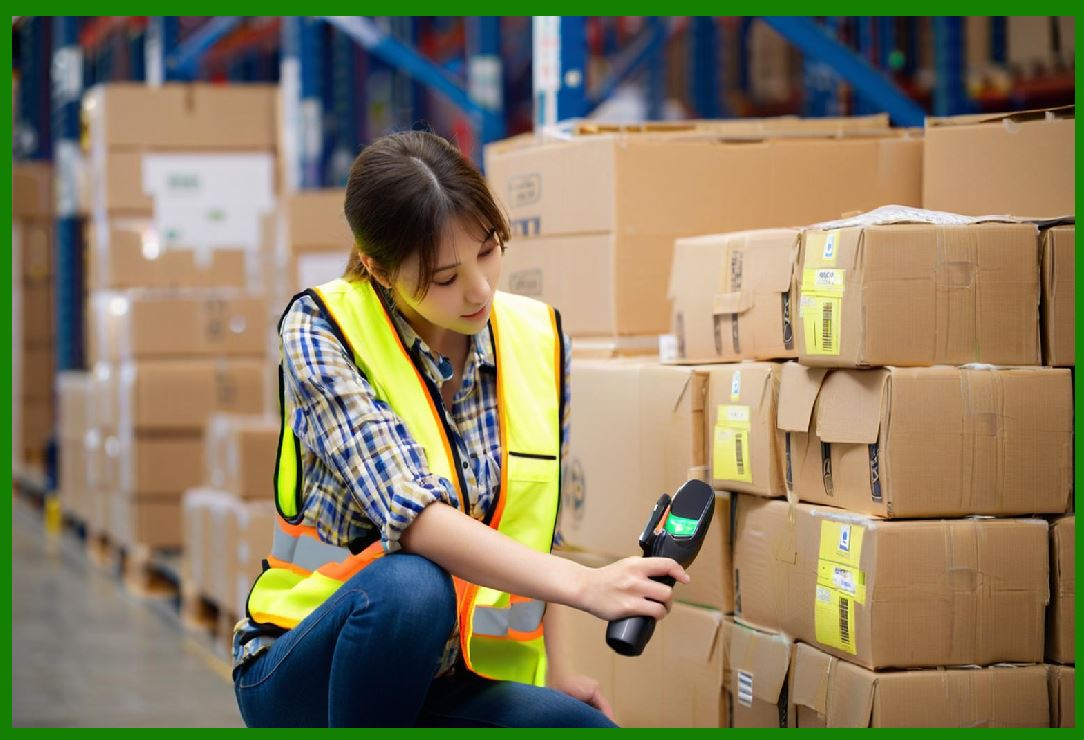
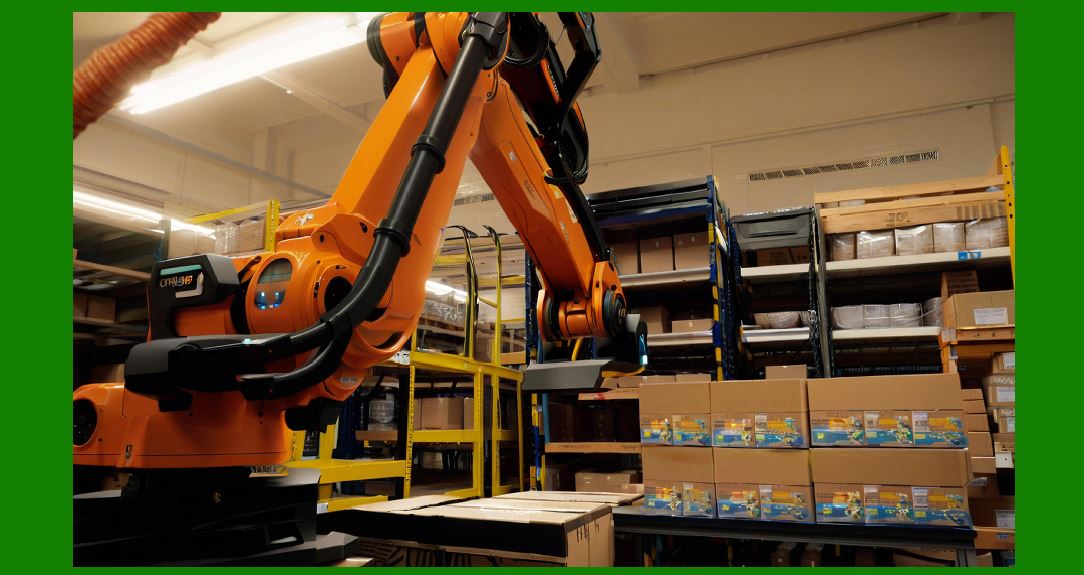
Warehouses of the future will be dominated by robots, drones, and autonomous vehicles. Barcodes will act as the primary navigation and identification system. Robots will scan barcodes to locate items, verify orders, and optimize storage. In advanced facilities, AI-driven vision systems will decode even distorted or hidden barcodes, enabling flexible packaging and storage. |
9.5 Counterfeit Prevention and Compliance |
Barcodes linked to blockchain will ensure compliance in industries where authenticity is critical, such as pharmaceuticals, electronics, and luxury goods. Customs authorities will scan barcodes to instantly verify compliance with trade regulations, reducing fraud and illegal shipments. |
|
10. The Future of Barcoding in Manufacturing and Industry 4.0 |
10.1 Manufacturing is entering the era of Industry 4.0, where automation, IoT, and AI are converging. Barcoding will play a foundational role in enabling intelligent factories. |
10.2 Digital Twins and Smart Factories |
Barcodes will serve as identifiers for digital twins of products, components, and equipment. Each scan will synchronize the physical object with its digital counterpart, allowing real-time monitoring of performance, maintenance needs, and lifecycle data. |
10.3 Additive Manufacturing and Embedded Barcodes |
In 3D printing and additive manufacturing, barcodes will be directly embedded into parts at microscopic scales. This ensures that every part is traceable throughout its life, preventing counterfeit or unauthorized components from entering supply chains. |
10.4 Predictive Maintenance and Machine Monitoring |
Barcodes on industrial equipment will integrate with IoT sensors to provide predictive maintenance data. A barcode scan could trigger instant access to a machine¡¯s maintenance history, performance analytics, and AI-driven predictions about future failures. |
10.5 Worker Safety and Training |
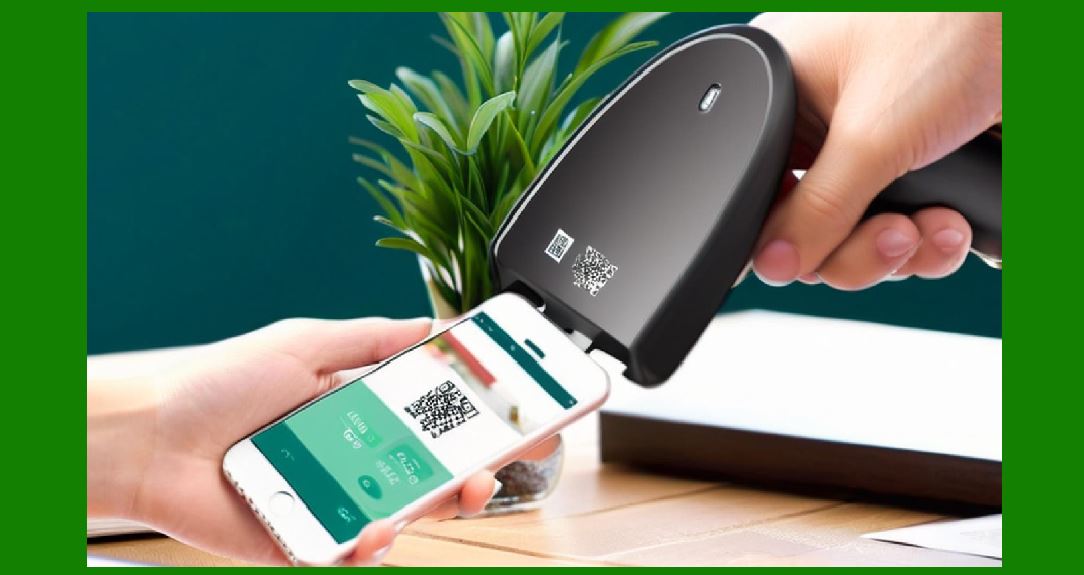
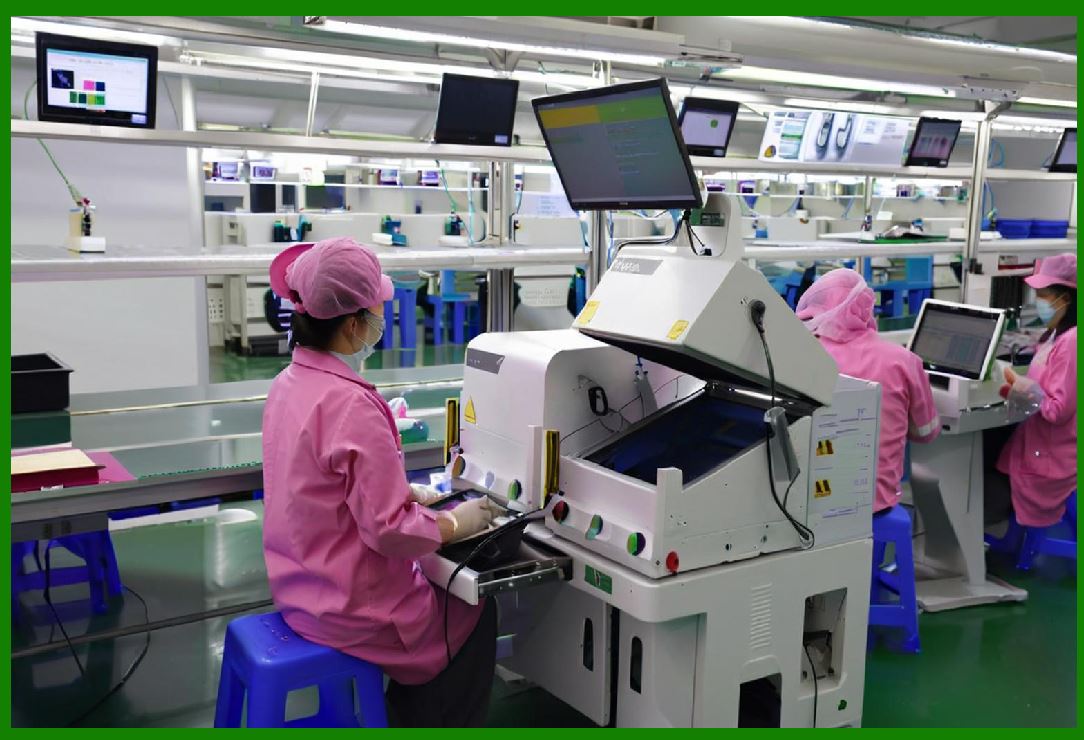
In manufacturing plants, worker safety will be enhanced by barcode systems. Personal protective equipment (PPE) with embedded barcodes will track compliance. Training modules could be accessed by scanning equipment barcodes, ensuring workers follow safety protocols in real time. |
|
11. The Future of Barcoding in Food and Agriculture |
11.1 Food and agriculture are sectors where consumer trust, safety, and transparency are paramount. Barcoding will evolve to meet demands for real-time traceability, food safety, and sustainability. |
11.2 Farm-to-Table Transparency |
Future barcodes on food products will reveal the entire journey of an item from farm to consumer. Shoppers will scan codes to see details about farming practices, transportation conditions, and freshness. Blockchain-backed barcodes will guarantee authenticity and ethical sourcing. |
11.3 Food Safety and Recall Management |
In case of contamination or recalls, barcodes will allow precise identification of affected batches, minimizing waste and protecting consumers. Smart barcodes with embedded freshness sensors will indicate spoilage risk. |
11.4 Sustainability in Agriculture |
Barcodes will provide data about carbon footprint, water usage, and biodiversity impact of agricultural products. This will support global initiatives for sustainable farming and responsible consumption. |
11.5 Personalized Nutrition |
As personalized nutrition becomes mainstream, barcodes will connect food products to individual health profiles. A consumer scanning a barcode could instantly know whether a food is compatible with their dietary needs, allergies, or fitness goals. |

|
12. The Future of Barcoding in Smart Cities and Public Services |
12.1 The rise of smart cities will extend barcode use beyond commerce and logistics into urban infrastructure, governance, and citizen engagement. |
12.2 Smart Transportation Systems |
Public transportation will rely on barcode-enabled tickets and passes, integrated with dynamic pricing and multimodal transport systems. Barcodes will also play roles in vehicle identification, congestion monitoring, and toll collection. |
12.3 Government Services and Identity |
Barcodes will serve as gateways for accessing government services. From digital IDs to healthcare cards, barcodes will simplify authentication while ensuring data security through blockchain integration. |
12.4 Public Safety and Emergency Response |
In disaster management and emergency response, barcodes will help track resources, victims, and rescue operations. Scannable codes will provide instant access to medical histories, emergency contacts, and crisis instructions. |
12.5 Civic Engagement and Transparency |
Governments may use barcodes to enhance transparency and citizen participation. Citizens scanning barcodes in public spaces could access information about projects, budgets, and community initiatives. |

|
13. The Future of Barcoding in Finance and Banking |
13.1 The financial sector has already embraced barcoding in the form of QR Codes for payments. In the future, barcodes will become central to secure, convenient, and inclusive financial ecosystems. |
13.2 Mobile Payments and Beyond |
QR Codes have revolutionized mobile payments in Asia and are expanding globally. The next generation will feature barcodes with enhanced encryption, dynamic tokenization, and biometric integration. These will enable not just payments but also microloans, insurance verification, and cross-border remittances. |
13.3 Dynamic Transaction Security |
Future barcodes in finance will not be static. Instead, they will change dynamically with each transaction, similar to one-time passwords. This prevents fraud and protects against replay attacks. Dynamic barcodes may appear on screens, wearables, or even holographic displays. |
13.4 Financial Inclusion in Developing Regions |
For billions of people without traditional banking, barcodes will serve as a bridge to financial services. Simple printed barcodes on cards or documents will allow secure access to accounts, government subsidies, or digital wallets, even in areas without advanced infrastructure. |
13.5 Integration with Blockchain and Central Bank Digital Currencies (CBDCs) |
Future barcodes will connect seamlessly with CBDCs and blockchain-based financial systems. A simple barcode scan could trigger instant settlement of digital currency transactions, verified on a distributed ledger. This reduces reliance on physical cash and supports global interoperability. |

|
14. The Future of Barcoding in Education |
14.1 Education systems worldwide are undergoing digital transformation. Barcodes will play important roles in administration, access control, student engagement, and personalized learning. |
14.2 Smart Campus Access and Attendance |
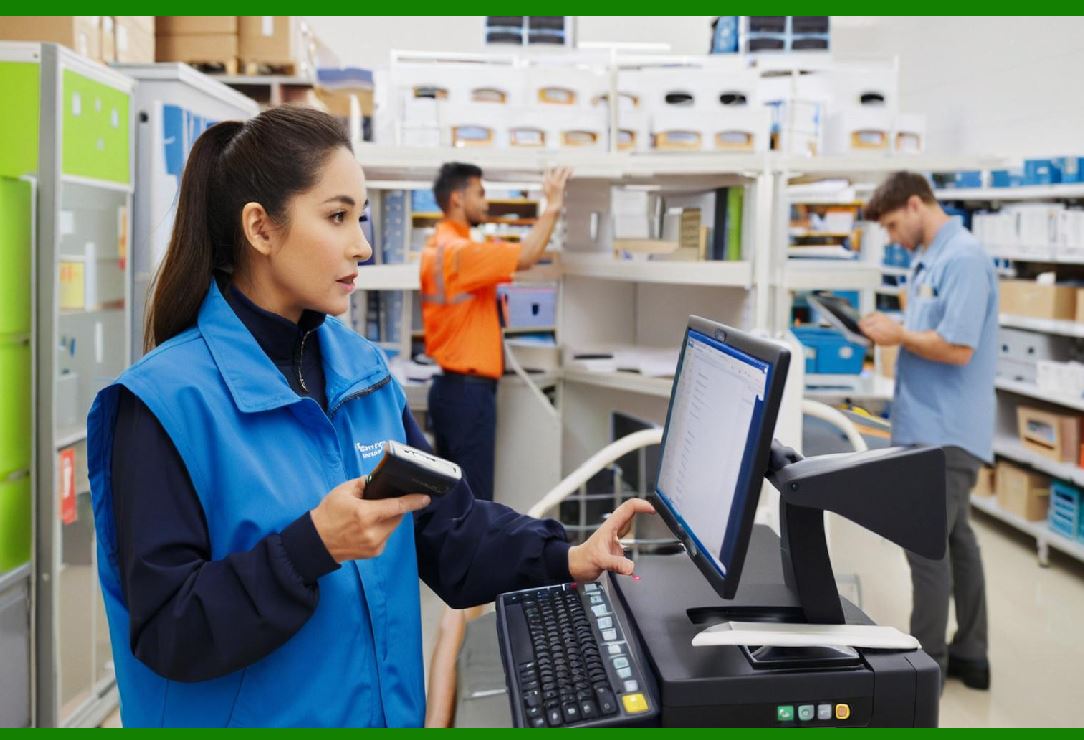
Student IDs embedded with barcodes will allow seamless access to buildings, labs, and libraries. Attendance tracking will be automated through barcode scans, reducing administrative burden while increasing accuracy. |
14.3 Digital Learning Resources |
Textbooks and learning materials will feature interactive barcodes linking to multimedia resources, quizzes, or augmented reality experiences. For example, scanning a barcode in a science book could open a 3D model of a molecule. |
14.4 Personalized Learning Journeys |
Future barcodes could connect directly to student profiles in learning management systems. Scanning a code could adjust material to match the student¡¯s knowledge level, language preference, or learning style. |
14.5 Credentialing and Certification |
Barcodes will transform how diplomas, certifications, and micro-credentials are verified. Blockchain-linked barcodes on academic documents will allow employers to instantly validate authenticity, reducing fraud and simplifying recruitment. |
|
15. The Future of Barcoding in Travel and Tourism |
15.1 The travel industry already relies heavily on barcodes, from boarding passes to luggage tags. In the future, barcodes will enable seamless, secure, and personalized travel experiences. |
15.2 Seamless Travel Documents |
Barcodes will integrate with digital passports, visas, and identity systems. Travelers may use a single barcode stored on their phone or wearable to pass through airports, border control, and hotels without physical documents. |
15.3 Luggage Tracking and Loss Prevention |
Barcodes on luggage will evolve into dynamic codes connected to IoT systems. Travelers will track their bags in real time through mobile apps, reducing lost luggage incidents and increasing trust in airlines. |
15.4 Tourism Engagement and Experiences |
Future barcodes in tourism will enhance visitor experiences. Scanning codes at landmarks could trigger augmented reality tours, historical reconstructions, or personalized guides in multiple languages. |
15.5 Sustainability in Travel |
Barcodes on travel tickets will link to environmental data, showing passengers the carbon footprint of their journey. This transparency will encourage eco-conscious travel choices and support sustainable tourism initiatives. |
|
16. The Future of Barcoding in Defense and Military |
16.1 In defense and military applications, barcodes will provide critical support for supply chain integrity, equipment tracking, and personnel management. |
16.2 Equipment and Weapon Traceability |
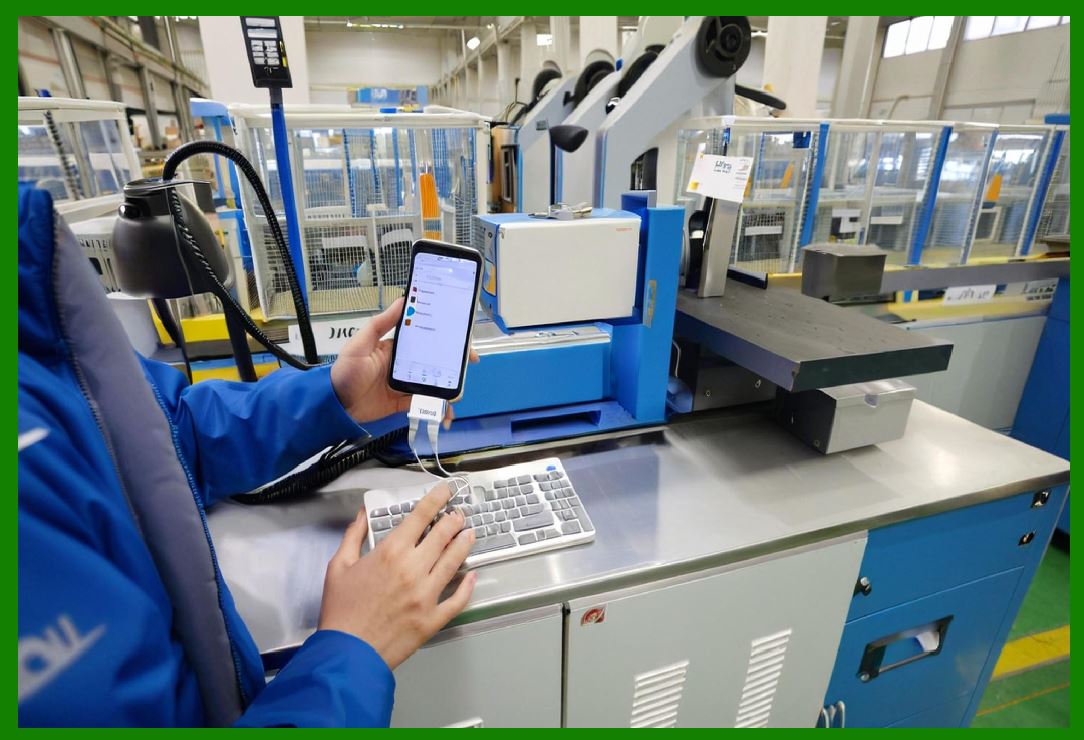
Every piece of military equipment, from small arms to aircraft components, will feature tamper-proof barcodes. These codes will ensure traceability, prevent unauthorized transfers, and support predictive maintenance. |
16.3 Secure Supply Chains |
Defense supply chains are vulnerable to counterfeit parts and cyber threats. Blockchain-enabled barcodes will ensure authenticity, compliance, and secure movement of materials across borders. |
16.4 Personnel and Identity Management |
Military personnel IDs with advanced barcodes will simplify authentication in both digital and physical systems. In the field, barcode-enabled wristbands may provide medics with instant access to medical histories during emergencies. |
16.5 Battlefield Logistics and Real-Time Coordination |
Barcodes integrated with IoT and drones will enhance battlefield logistics. Supplies dropped in remote areas could be tracked through barcodes, ensuring accurate distribution and accountability. |
|
17. The Future of Barcoding in Arts, Media, and Entertainment |
17.1 Beyond commerce and logistics, barcodes will influence how people consume and interact with art, music, film, and digital media. |
17.2 Music and Video Access |
Future barcodes will serve as gateways to streaming content. Concert tickets, posters, or merchandise with embedded codes will connect fans directly to exclusive tracks, behind-the-scenes videos, or virtual meet-and-greets. |
17.3 Augmented Reality in Museums and Galleries |
Museums will use invisible or design-integrated barcodes to enrich exhibits. Visitors scanning artwork may see 3D reconstructions, artist interviews, or virtual reality recreations of historical contexts. |
17.4 Interactive Storytelling |
Books, films, and games will use barcodes as interactive triggers. Scanning a code might reveal hidden plotlines, alternate endings, or in-game content. This bridges physical and digital storytelling. |
17.5 Copyright Protection and Royalties |
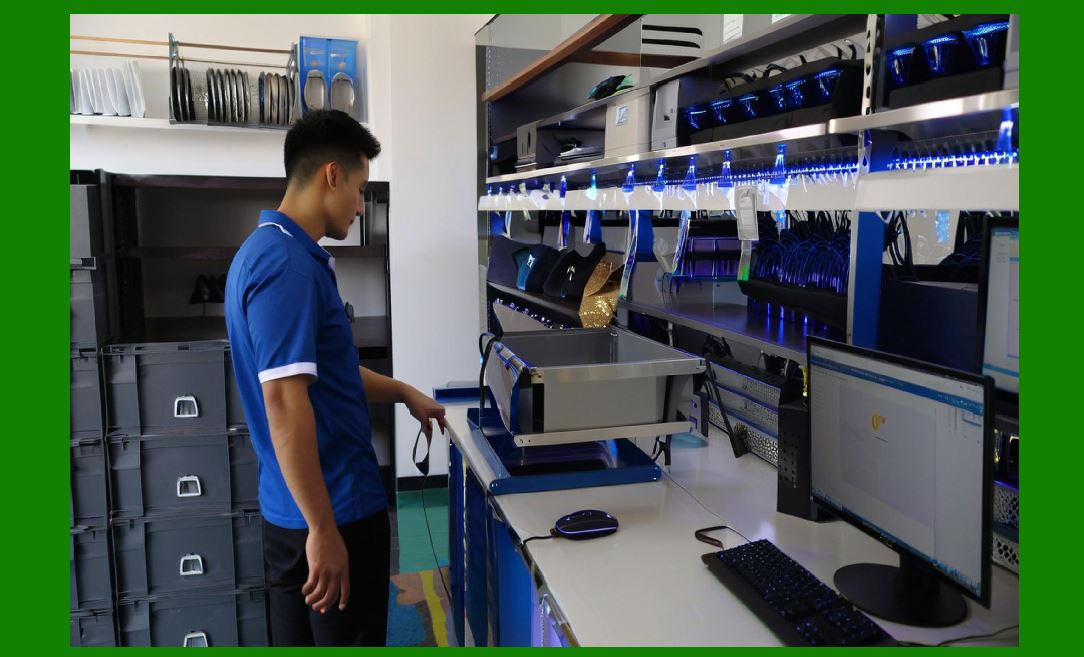
Future barcodes will also protect intellectual property. Each digital artwork or song may have an invisible barcode that tracks usage and ensures royalties flow to creators automatically via blockchain. |
|
18. The Future of Barcoding in Energy and Utilities |
18.1 The energy sector is undergoing digital transformation, with a push toward renewable energy, smart grids, and sustainability. Barcodes will help manage assets, track consumption, and engage consumers. |
18.2 Smart Meters and Billing |
Barcodes on smart meters will allow instant verification, maintenance tracking, and seamless integration with consumer apps. Utility bills with dynamic barcodes will enable instant mobile payments. |
18.3 Renewable Energy Certificates |
Barcodes linked to blockchain will authenticate renewable energy credits, ensuring transparency in green energy markets. Businesses and households will verify that their electricity comes from clean sources. |
18.4 Grid Infrastructure Management |
Every component of a smart grid¡ªfrom transformers to solar panels¡ªwill feature barcodes for tracking, predictive maintenance, and lifecycle monitoring. This reduces downtime and enhances efficiency. |
18.5 Consumer Engagement in Energy Use |
Consumers scanning barcodes on their appliances could see detailed energy consumption data, sustainability ratings, and AI-driven recommendations for efficiency improvements. |

|
19. The Future of Barcoding in Real Estate and Construction |
19.1 Real estate and construction industries will adopt barcoding for asset management, transparency, and customer engagement. |
19.2 Smart Building Materials |
Construction materials will feature barcodes that track sourcing, certifications, and environmental impact. This will help ensure compliance with safety regulations and sustainability standards. |
19.3 Digital Twins of Buildings |
Each property may have a master barcode connecting it to a digital twin in the cloud. Buyers, tenants, and regulators will scan the code to view blueprints, energy performance, maintenance history, and renovation records. |
19.4 On-Site Workflow Management |
Construction workers will scan barcodes on tools and equipment to access usage instructions, maintenance history, or safety protocols. This improves efficiency and reduces accidents. |
19.5 Property Transactions and Transparency |
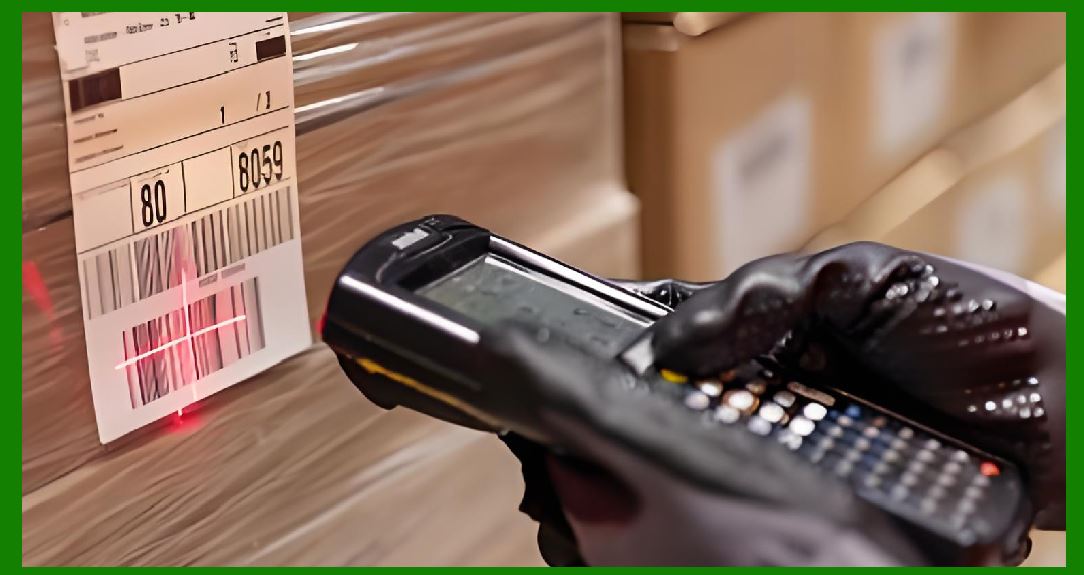
In real estate, barcodes could be used on property listings to provide verified blockchain-backed data about ownership history, taxes, and zoning regulations, reducing fraud and streamlining transactions. |
|
20. The Future of Barcoding in Fashion and Apparel |
20.1 The fashion industry has unique challenges in terms of authenticity, fast-changing trends, and globalized supply chains. Barcoding will help solve these challenges while also enhancing consumer engagement. |
20.2 Authenticity and Counterfeit Prevention |
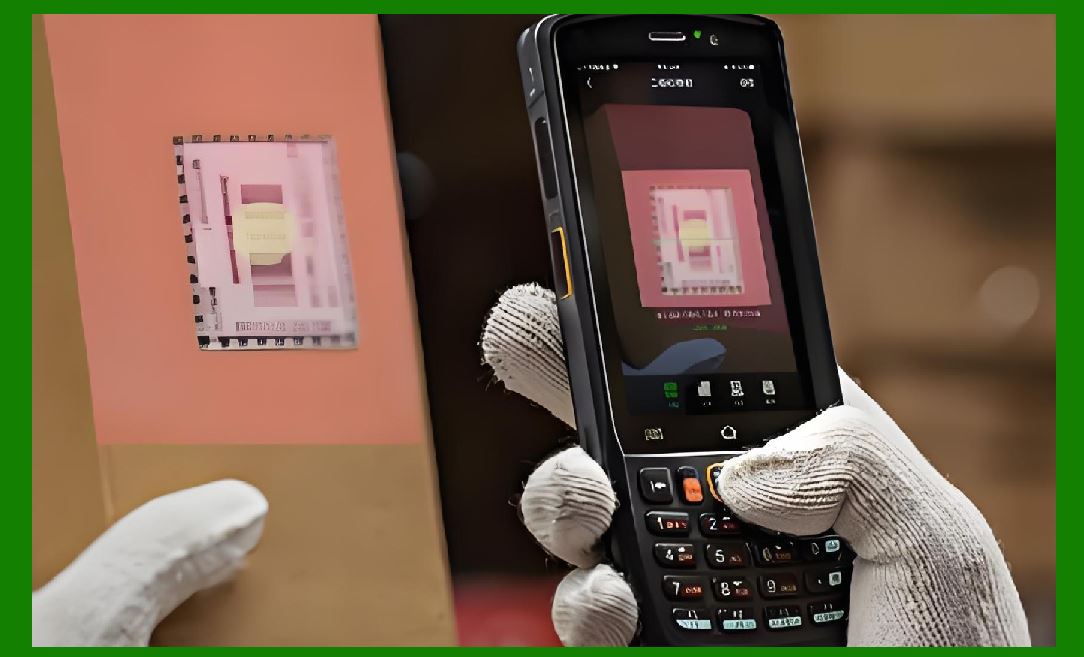
Luxury brands face enormous losses due to counterfeit products. Future barcodes will be nearly invisible and embedded in textiles at the thread level. Consumers scanning with smartphones will instantly verify authenticity, while blockchain integration ensures full traceability. |
20.3 Sustainability and Ethical Fashion |
Barcodes on clothing tags will provide data on fabric sourcing, water usage, and labor conditions. Shoppers will increasingly demand this transparency before making purchases. Ethical brands will compete based on the sustainability data linked to barcodes. |
20.4 Smart Wardrobes and Connected Fashion |
Future homes may feature smart wardrobes that automatically scan barcoded clothing, track usage, and recommend combinations. Fashion retailers could offer personalized recommendations based on wardrobe data shared through barcodes. |
20.5 Rental and Circular Fashion Models |
As circular economy models grow, barcodes will track clothing rentals, second-hand sales, and recycling processes. Each item will carry its lifecycle data, ensuring efficient reuse and reduced waste. |
|
21. The Future of Barcoding in Sports and Fitness |
21.1 Sports and fitness industries are rapidly digitizing through wearables, analytics, and fan engagement. Barcodes will be integral in both professional and recreational contexts. |
21.2 Athlete Performance Tracking |
Barcodes embedded in sports equipment and clothing will connect to IoT sensors, feeding real-time data into performance dashboards. Coaches will scan equipment barcodes to access calibration history or performance analytics. |
21.3 Fan Engagement and Ticketing |
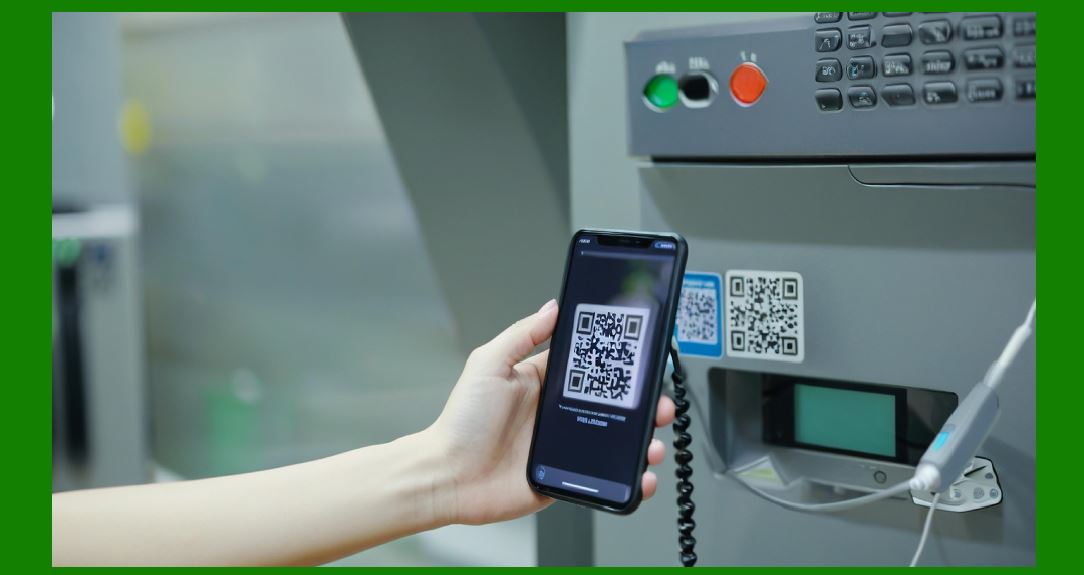
Sports tickets will evolve beyond static QR codes into dynamic, personalized barcodes linked to loyalty systems. Fans scanning codes in stadiums may access instant replays, AR games, or exclusive merchandise offers. |
21.4 Health and Fitness Integration |
Fitness centers will use barcodes on equipment to guide personalized workout plans. Scanning a code might load recommended routines, track calorie burn, and sync with wearable data. |
21.5 Anti-Doping and Compliance |
In professional sports, barcodes will track every step of doping control processes, from sample collection to laboratory testing. Blockchain-backed barcodes will ensure data integrity, protecting both athletes and institutions. |
|
22. The Future of Barcoding in Government and Public Administration |
22.1 Governments across the world are digitizing public services. Barcodes will be essential for ensuring efficiency, security, and transparency in governance. |
22.2 Citizen Identity and E-Governance |
Barcodes on digital IDs, driver¡¯s licenses, and healthcare cards will allow citizens to authenticate quickly when accessing services. Blockchain-linked barcodes will reduce identity fraud and streamline verification. |
22.3 Voting Systems |
Future elections may integrate secure barcodes in ballots or voter cards. Blockchain-based verification will ensure transparency, prevent tampering, and build public trust in electoral processes. |
22.4 Taxation and Revenue Collection |
Barcodes on invoices, receipts, and government documents will simplify tax compliance. Citizens scanning codes may instantly validate official receipts or pay taxes through mobile systems. |
22.5 Social Services Distribution |
Barcodes will also help governments distribute subsidies, food aid, or medical supplies fairly and efficiently, ensuring that only intended recipients benefit. |
|
23. The Future of Barcoding in Environmental Monitoring and Sustainability |
23.1 As climate change and environmental challenges grow, barcodes will play a vital role in tracking sustainability, enabling transparency, and empowering responsible choices. |
23.2 Carbon Footprint Tracking |
Products will carry barcodes linked to detailed carbon footprint data. Consumers will compare products based on environmental impact, influencing market trends toward greener options. |
23.3 Waste Management and Recycling |
Future barcodes on packaging will guide recycling. Scanning a code may instruct consumers how to properly dispose of an item, while municipal systems will use barcodes to sort and track recyclable materials. |
23.4 Biodiversity and Conservation |
In conservation efforts, barcoding (including DNA barcoding of species) will help monitor ecosystems. Field researchers may scan samples to identify species instantly, aiding biodiversity tracking and environmental protection. |
23.5 Sustainable Supply Chains |
Global businesses will adopt barcode systems to monitor sustainability across supply chains, ensuring compliance with environmental standards and avoiding greenwashing. |
|
24. The Future of Barcoding in Insurance |
24.1 The insurance industry is data-driven, requiring accurate risk assessment and fraud prevention. Barcoding will support both. |
24.2 Property and Asset Verification |
Barcodes on insured assets, from cars to electronics, will simplify claims processing. Scanning the code will reveal ownership, purchase date, and warranty history. |
24.3 Health Insurance and Patient Care |
Barcodes on patient IDs will allow insurers to verify treatment details instantly, reducing fraudulent claims. Blockchain-linked barcodes will ensure secure and transparent data exchange. |
24.4 Disaster Response and Claims Automation |
After natural disasters, barcode-enabled drones may scan damaged properties, linking claims directly to insurance systems. This will speed up response and payouts. |
24.5 Usage-Based Insurance Models |
In auto insurance, barcodes on vehicle components may integrate with IoT data, enabling pay-as-you-drive or condition-based premium models. |
|
25. The Future of Barcoding in Space Exploration |
25.1 Space exploration requires precision, traceability, and extreme reliability. Barcoding will extend beyond Earth, supporting missions to the Moon, Mars, and beyond. |
25.2 Tracking Space Equipment |
Every spacecraft component will carry durable barcodes, readable even in extreme radiation and temperature conditions. This will ensure authenticity and traceability. |
25.3 Astronaut Health and Safety |
Barcodes on medical kits, food supplies, and spacesuits will allow astronauts to access vital data in real time. In emergencies, scanning codes could provide step-by-step instructions for equipment use. |
25.4 Lunar and Martian Resource Management |
In future colonies, barcodes will track every resource, from oxygen canisters to building materials. Blockchain-backed barcodes will ensure fair allocation and prevent shortages. |
25.5 Interplanetary Supply Chains |
As human missions expand, barcodes will help manage supply chains stretching across planets. Packages sent from Earth to Mars may carry intelligent barcodes that update automatically during transit. |
|
26. The Future of Barcoding in Human Identity and Personal Data |
26.1 Barcodes will become part of personal identity management systems, balancing convenience with privacy concerns. |
26.2 Digital Health Passports |
Barcodes will serve as secure health passports, recording vaccination history, genetic predispositions, or fitness metrics. This will be vital in global travel and healthcare. |
26.3 Wearable Identity Codes |
Wearables such as smartwatches or clothing may embed personal barcodes, allowing quick authentication in financial, educational, or workplace systems. |
26.4 Privacy Challenges and Solutions |
Future barcodes containing personal data will raise privacy concerns. Solutions will include encryption, decentralized storage, and user-controlled data sharing. |
26.5 Human Augmentation and Biometric Integration |
Speculative developments may include barcodes embedded under the skin, connecting individuals to digital ecosystems. These will merge with biometrics to create secure yet controversial identity systems. |
|
27. The Future of Barcoding in Transportation and Mobility |
27.1 Transportation systems will increasingly rely on barcodes for real-time tracking, passenger engagement, and sustainability monitoring. |
27.2 Smart Ticketing Systems |
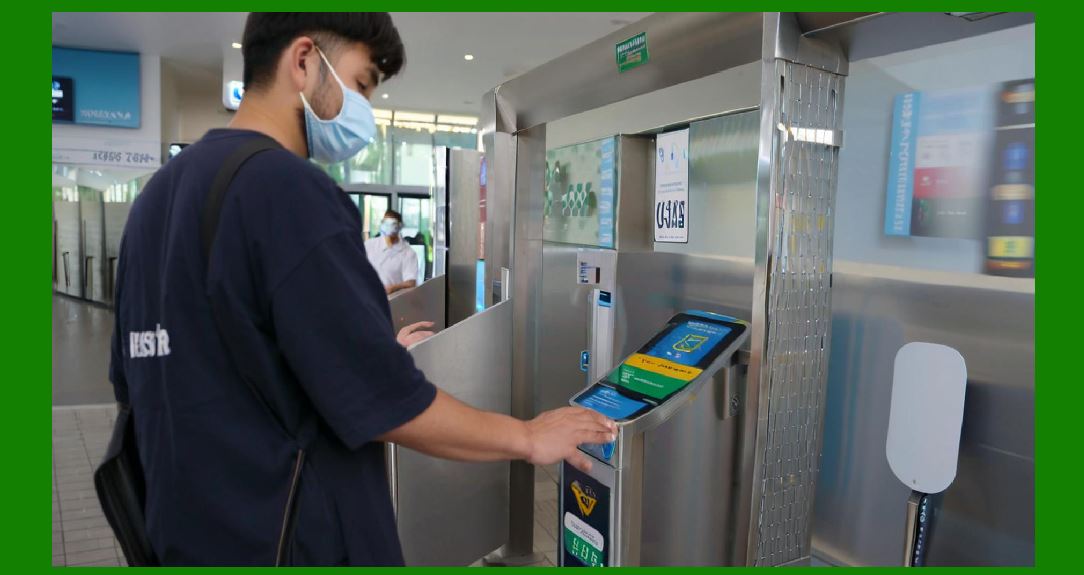
Passengers will use dynamic barcodes on mobile devices for seamless access to trains, buses, and ride-sharing services. These codes may adjust dynamically based on routes and demand. |
27.3 Vehicle Identification and Compliance |
Future vehicles will feature permanent barcodes, ensuring compliance with safety, emissions, and insurance requirements. Traffic enforcement may rely on AI systems reading these codes in real time. |
27.4 Freight and Cargo Transparency |
Barcodes will provide detailed real-time data about freight, including location, environmental impact, and condition. Shippers and customers alike will track goods seamlessly. |
27.5 Sustainable Mobility |
Barcodes on shared bicycles, scooters, and electric vehicles will support mobility-as-a-service ecosystems, ensuring proper usage and maintenance. |
|
Future of Barcoding in Healthcare and Pharmaceutical Industry |
The healthcare and pharmaceutical industries are some of the most critical sectors where barcoding will continue to evolve and play a transformative role. Safety, accuracy, compliance, and efficiency are the core values that barcoding supports in these fields, and innovation will only expand these benefits further. |
Medication Identification and Tracking: Medication errors are among the leading causes of patient harm globally. Barcoding every unit of medication¡ªwhether pill, vial, or IV bag¡ªensures accurate dispensing, reduces human error, and improves patient outcomes. Future innovations will see barcodes integrated with smart packaging, where scanning a label not only verifies the drug but also provides real-time dosage instructions, potential side effects, and digital links to medical records. |
Personalized Medicine: As genomic medicine and personalized treatments grow, barcoding will be used to manage highly individualized doses tailored to each patient. Advanced barcodes could link a vial or syringe directly to a patient's genetic profile, ensuring the right therapy reaches the right person. |
Regulatory Compliance: Governments worldwide have mandated unique identifiers for pharmaceutical products to fight counterfeit drugs. Future innovations will likely combine advanced barcodes with digital blockchain systems, creating tamper-proof and easily verifiable supply chains. This ensures authenticity from manufacturing to pharmacy shelves. |
Hospital Workflow Optimization: Bedside scanning of patient wristbands ensures the ¡°five rights¡± of medication administration: right patient, right drug, right dose, right route, and right time. Future systems will combine barcodes with AI-driven hospital management platforms, automatically alerting staff if a potential mismatch or risk occurs. |
Cold Chain and Vaccine Tracking: Barcodes embedded with temperature sensors or connected to IoT devices will ensure vaccines and biologics remain within safe temperature ranges throughout their journey. During global health crises, these systems will prevent spoilage and wastage, guaranteeing availability to those in need. |
|
Future of Barcoding in the Food and Beverage Industry |
The food and beverage industry faces consumer demand for transparency, sustainability, and safety. Barcoding technology will be central to addressing these needs. |
Farm-to-Table Traceability: Consumers increasingly demand to know the origin of their food. Future barcodes will allow scanning of a package to reveal the farm, processing methods, nutritional details, and even sustainability certifications. |
Allergen and Dietary Information: Barcodes will provide instant allergen alerts tailored to individual dietary profiles, ensuring safer consumption for people with food sensitivities. |
Expiration and Freshness Monitoring: Smart barcodes with embedded sensors could measure freshness indicators such as gas emissions inside packaging or temperature variations, reducing waste and improving consumer trust. |
Sustainability and Waste Reduction: With sustainability becoming a global priority, barcodes will carry environmental impact scores, packaging recyclability details, and carbon footprint data. This will influence consumer decisions and push producers toward greener practices. |
Restaurant and Retail Applications: In quick-service restaurants and supermarkets, barcodes will streamline stock rotation, reduce spoilage, and enable personalized promotions based on purchasing behavior. |
|
Future of Barcoding in Retail and E-Commerce |
Retail and e-commerce are already highly barcode-dependent, but the future will push the boundaries of how barcoding integrates with personalization, supply chain efficiency, and digital engagement. |
Frictionless Checkout: Barcodes will remain essential in cashier-less stores where customers pick items and leave, with systems automatically scanning and billing through AI and IoT integrations. |
Personalized Shopping Experiences: By scanning a barcode, customers could unlock immersive product information, reviews, or AR experiences showcasing how items look in their homes or fit into their wardrobes. |
Omnichannel Integration: Future barcodes will seamlessly bridge physical and digital channels, connecting in-store products to online platforms for product comparisons, alternative options, or reordering. |
Anti-Counterfeiting Measures: Luxury goods and high-value items will carry barcodes linked to blockchain-based certificates of authenticity, helping customers verify purchases instantly. |
Dynamic Pricing: Barcodes connected to cloud-based systems will allow real-time price adjustments depending on demand, time of day, or inventory levels, ensuring competitiveness and profitability. |
|
Future of Barcoding in the Automotive Industry |
The automotive sector depends heavily on precision, safety, and compliance, all of which can benefit from future barcode innovations. |
Part Traceability: Every nut, bolt, and component can carry a barcode that ties it back to its origin, ensuring authenticity and reducing risks from counterfeit parts. |
Vehicle History and Maintenance: Future barcodes on vehicles may store complete service records, accident history, and recall information, easily accessible during resale or repair. |
Smart Manufacturing and Assembly Lines: Automated factories will use barcodes to track parts as they move along assembly lines, ensuring efficient sequencing and error prevention. |
Connected Cars: Barcodes integrated into vehicle systems may enable remote diagnostics and automated part ordering when maintenance is required, reducing downtime for owners. |
|
Future of Barcoding in the Energy and Utilities Industry |
Energy production and distribution require careful monitoring of equipment, safety compliance, and customer interaction¡ªall areas where barcoding innovation will play a growing role. |
Asset Management: Barcodes will help utilities track every piece of equipment, from turbines to power lines, ensuring timely maintenance and reducing outages. |
Smart Metering and Billing: Consumers may scan barcodes on smart meters to get instant energy consumption reports, carbon footprint analysis, and bill breakdowns. |
Safety Compliance: Hazardous equipment can be barcode-tagged to provide instant access to handling instructions, safety records, and compliance certifications. |
Renewable Energy Tracking: As renewables gain prominence, barcodes may certify the green origin of electricity, ensuring transparency in consumer billing and sustainability reporting. |
|
Future of Barcoding in Smart Cities |
Barcodes will become foundational in building the infrastructure of smart cities, enabling connected services, optimized resource allocation, and seamless citizen engagement. |
Public Transport: Digital barcodes will provide quick and secure ticketing, reducing reliance on cash or physical cards. |
Waste Management: Barcoded bins and recycling bags will track waste origins, enabling cities to optimize recycling programs and incentivize eco-friendly behavior. |
Public Services: Citizens could scan barcodes on public installations for instant access to information, service requests, or reporting issues like broken streetlights. |
Urban Logistics: With last-mile delivery challenges increasing, barcodes will streamline package tracking, ensuring timely and accurate delivery across dense urban landscapes. |
 cs@easiersoft.com