1. Introduction to the Self-Powered Barcode System |
1.1 |
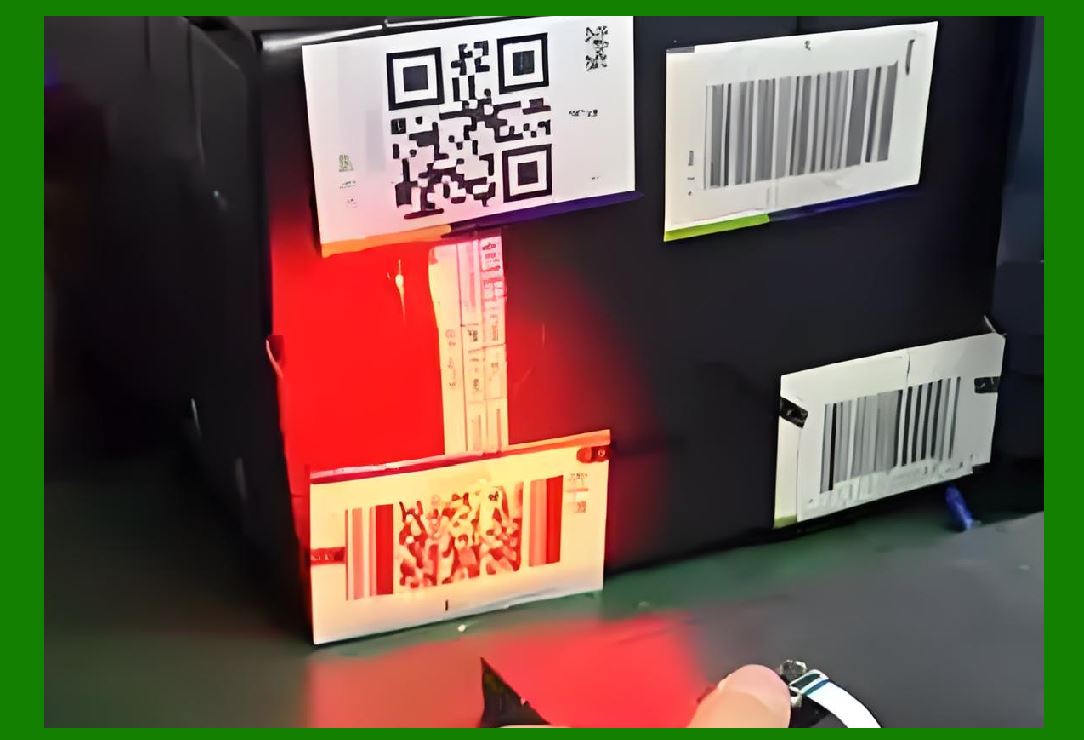
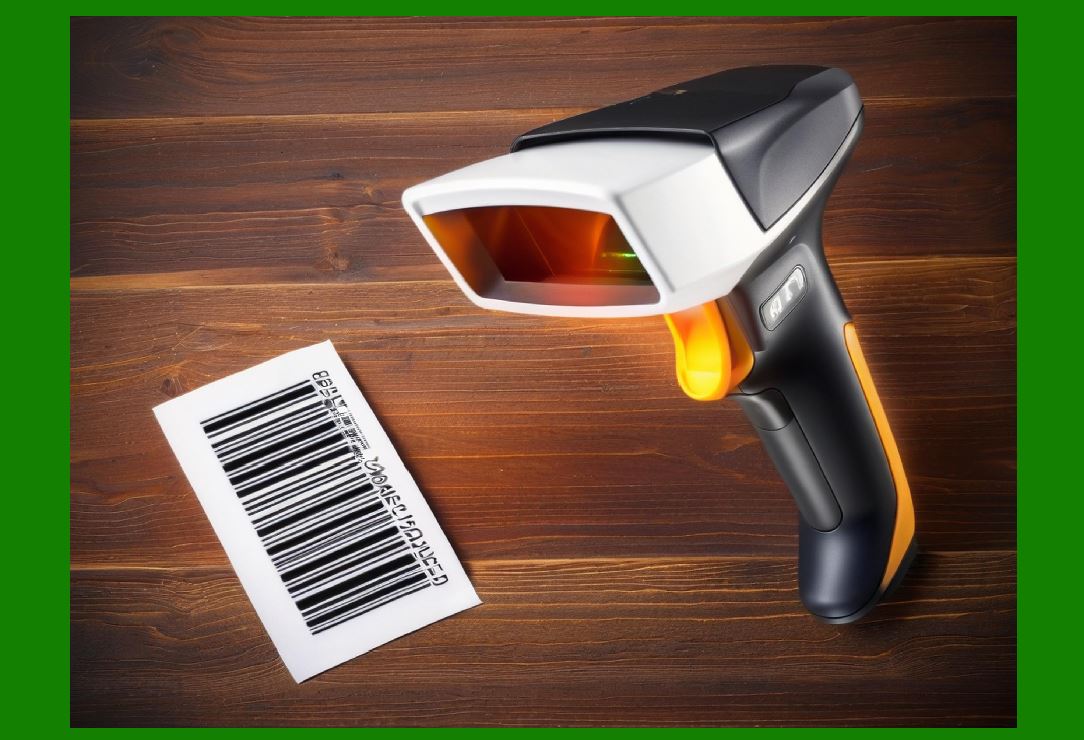
The evolution of barcode technology has traditionally focused on enhancing data density, readability, and integration with digital networks. From the early linear barcodes like UPC and EAN to advanced 2D formats such as QR Code, Data Matrix, and PDF417, the core operational paradigm has remained consistent ¡ª the barcode acts as a passive data carrier, while the decoding device provides the illumination, power, and computational resources necessary for interpretation. However, recent advancements in energy harvesting technologies, particularly in the domain of triboelectric nanogenerators (TENGs), have opened new frontiers in self-powered information systems, allowing the very medium carrying data to also generate its own operational power. |
1.2 |
A self-powered barcode system refers to a new class of intelligent identifiers that not only store data but also generate sufficient electrical energy through physical interaction ¡ª such as touch, friction, or mechanical motion ¡ª to activate a low-power circuit capable of modulating and transmitting the encoded data. This unique feature allows these barcodes to operate without batteries or external power sources, which represents a significant leap beyond traditional passive barcodes and RFID tags. |
1.3 |
The integration of triboelectric energy harvesting mechanisms with barcode structures results in a hybrid device that can perform dual functions: (1) energy generation through motion-induced charge transfer, and (2) data representation in optical, electronic, or mixed modalities. Such systems can power small electronic circuits, generate dynamic signals, and communicate directly with smartphone cameras or near-field communication interfaces, eliminating the need for dedicated readers or wired connections. |
1.4 |
In addition to simple product identification, self-powered barcodes open entirely new application domains, particularly in areas where external power supplies are impractical or unsafe. In IoT security authentication, they can act as physically unclonable devices, generating unique electrical signatures that verify authenticity. In medical devices, they can serve as self-contained, sterilizable tags that monitor physiological conditions or deliver secure identification of disposable equipment. In industrial automation, they provide traceability in harsh environments without wiring or maintenance. |
1.5 |
The core technological convergence behind such systems lies in the synergy between materials science, micro-energy harvesting, signal processing, and mobile computing. By leveraging the widespread availability of smartphones ¡ª each equipped with optical sensors, wireless communication modules, and processing power ¡ª the self-powered barcode ecosystem can function entirely within existing consumer hardware infrastructures. This makes deployment highly scalable and cost-effective. |
|
2. Fundamentals of Triboelectric Power Generation |
2.1 |
The triboelectric effect is a physical phenomenon where certain materials become electrically charged after they come into frictional contact with another material. This process, also known as contact electrification, is one of the oldest known methods of electricity generation, historically observed as static discharge. In modern nanotechnology, it has been miniaturized and harnessed through Triboelectric Nanogenerators (TENGs) to produce usable electrical power from mechanical motion. |
2.2 |
The fundamental mechanism of a TENG involves charge transfer between two materials with differing electron affinity. When these materials come into contact and are then separated, one material gains electrons (becoming negatively charged) while the other loses electrons (becoming positively charged). If these materials are connected to electrodes and an external circuit, the separation induces a potential difference, causing current flow and thus generating electricity. |
2.3 |
Triboelectric generation can occur through several operational modes, including: |
Contact-Separation Mode, where two materials repeatedly come into and out of contact. |
Sliding Mode, where lateral motion causes continuous charge exchange. |
Single-Electrode Mode, where one surface interacts with an external object or the environment. |
Freestanding Triboelectric-Layer Mode, where a charged surface moves relative to multiple electrodes. |
2.4 |
The power output of a TENG depends on several parameters: material selection, surface roughness, relative motion speed, contact frequency, and environmental factors like humidity. Typical output voltages range from tens to hundreds of volts, with current in the microampere range ¡ª sufficient for powering sensors, microcontrollers, and communication pulses. |
2.5 |
For self-powered barcodes, triboelectric energy is harvested directly from user interaction or environmental vibration. For example, when a user touches, peels, or rubs the barcode surface, a charge imbalance is induced, generating a small but significant voltage pulse. This energy can be used to activate an embedded circuit that modulates a signal representing the encoded information. Because triboelectric systems rely purely on mechanical energy, they eliminate the need for batteries or external electromagnetic fields. |
2.6 |
Materials commonly used in TENG fabrication include polytetrafluoroethylene (PTFE), polydimethylsiloxane (PDMS), nylon, aluminum, and polyimide. The choice of materials defines the triboelectric polarity and influences the power conversion efficiency. The use of flexible polymers allows the barcode to remain thin, deformable, and printable on standard substrates. |
2.7 |
In the context of self-powered barcodes, TENGs can be printed or laminated into the barcode label structure itself, making the system functionally invisible to the user while remaining mechanically integrated with the product surface. This ensures durability, flexibility, and low-cost manufacturability. |

|
3. Design Principles of a Self-Powered Barcode |
3.1 |
A self-powered barcode combines data representation layers with energy harvesting layers, creating a unified tag capable of both identification and power generation. The overall structure typically consists of three fundamental components: |
(1) the triboelectric generator layer, |
(2) the data encoding layer, and |
(3) the signal interface layer that bridges to the decoding system. |
3.2 |
The triboelectric layer is composed of two materials selected for their high triboelectric contrast ¡ª one acting as the positive surface and the other as the negative. When subjected to friction or mechanical stress, these surfaces generate charge differences that can be routed through microelectrodes printed beneath the barcode¡¯s surface. |
3.3 |
The data encoding layer may exist in optical form (e.g., printed visual patterns such as QR-like codes), in electrical modulation (voltage patterns representing binary data), or in hybrid form. This dual encoding allows the barcode to be both visually scannable and electrically active, enhancing redundancy and functionality. |
3.4 |
The signal interface layer contains a micro-circuit or antenna-like conductive path that modulates the generated charge into readable signals. These can be either capacitive (changing local electric field detectable by smartphones) or optical (powering an LED pulse visible to a phone¡¯s camera). This allows rapid decoding using existing smartphone sensors. |
3.5 |
The key design constraint is energy budget optimization. The energy generated during a single mechanical action (like touch or rub) must be sufficient to power the signal emission and communication process. This necessitates ultra-low-power circuit design, often relying on transient voltage multipliers and efficient rectifiers. |
3.6 |
Unlike traditional passive barcodes, which rely purely on light reflection, self-powered barcodes can actively transmit unique electrical signatures that represent both identity and event information. For instance, a single frictional activation can encode a timestamp or environmental parameter, transforming a static barcode into an interactive intelligent tag. |
3.7 |
Additionally, these barcodes can be produced using printing electronics or roll-to-roll fabrication, allowing integration into flexible packaging, textiles, or medical patches. The manufacturing cost per unit can remain extremely low (potentially below one cent), making the system viable for mass-market applications. |

|
4. Materials and Fabrication Technologies |
4.1 |
The material system used for a triboelectric barcode must balance electrical performance, mechanical flexibility, environmental stability, and printability. Common materials include polymer films, conductive inks, and surface coatings designed to enhance charge retention. |
4.2 |
Typical triboelectric pairs used include PTFE and aluminum, PDMS and copper, or nylon and graphene-coated PET. These materials are selected from opposite ends of the triboelectric series, ensuring high voltage output per unit of motion. |
4.3 |
Conductive electrodes can be fabricated using silver nanoparticle inks, carbon-based inks, or ITO (Indium Tin Oxide) coatings. For flexible applications, graphene and MXene films offer superior conductivity and transparency, enabling seamless integration into optical barcode surfaces. |
4.4 |
Printing technologies such as screen printing, inkjet printing, and gravure printing are used to deposit the circuit and electrode patterns directly onto flexible substrates. These methods are compatible with existing barcode label production lines, minimizing industrial transition costs. |
4.5 |
To improve triboelectric output, micro- and nano-patterning techniques can be applied to increase effective contact area. Methods like soft lithography, laser ablation, or chemical etching create microscopic textures that trap air gaps and enhance charge separation efficiency. |
4.6 |
Protective coatings such as hydrophobic layers or oxygen-barrier films can be added to maintain performance under variable humidity and temperature conditions. For medical use, biocompatible polymers such as polyimide or parylene-C are preferred. |
4.7 |
The entire system can be made less than 300 micrometers thick, allowing it to function as a sticker, tag, or patch. For medical or IoT integration, additional modules like temperature sensors, chemical sensors, or strain gauges can be embedded within the same layer stack. |

|
5. Signal Generation and Energy Harvesting Process |
5.1 |
When a self-powered barcode is touched or moved, the triboelectric layer undergoes contact-separation cycles. This induces a potential difference across the electrodes. The resulting current is rectified and stored temporarily in a micro-capacitor. |
5.2 |
The stored energy is then discharged in a controlled pulse sequence that corresponds to the encoded digital data. For example, the energy pulse may be modulated using pulse-width modulation (PWM) or frequency modulation (FM) techniques. |
5.3 |
Each barcode¡¯s unique geometric and material configuration determines its electrical signature, which can be recognized by a smartphone¡¯s capacitive touch sensor, microphone, or camera depending on the communication mode. |
5.4 |
In optical coupling, the generated energy powers micro-LEDs or electroluminescent materials that flash according to the stored data. In electrostatic coupling, it modifies the local electric field, detectable through a smartphone¡¯s capacitive screen. |
5.5 |
This process is instantaneous and requires no sustained contact. Even a brief human touch can produce enough energy to deliver identification and authentication information within milliseconds. |

|
6. Data Encoding and Modulation Mechanisms |
6.1 |
The data encoding process in a self-powered barcode differs substantially from traditional optical-only barcode systems. While standard barcodes encode information through the spatial arrangement of dark and light elements, the self-powered version integrates both visual and electrical encoding, enabling dual-mode or even multi-modal information transmission. |
6.2 |
At the core, data encoding can be implemented in one or more of the following modalities: |
Optical encoding, where visible patterns (such as QR-like structures) store alphanumeric data. |
Electrical encoding, where generated voltage pulses represent binary sequences. |
Hybrid encoding, where optical and electrical signals coexist, providing redundancy and enhanced security. |
6.3 |
In the electrical encoding mode, the triboelectric generator¡¯s mechanical response can be discretized into digital states. When the user activates the barcode (e.g., via tapping or rubbing), a pulse train is generated. The duration, amplitude, or frequency of these pulses can be mapped to binary ¡°1¡± and ¡°0¡± values. This forms an energy-modulated signal, capable of transmitting identification or authentication information. |
6.4 |
For example, a single tap could generate a voltage waveform where high-amplitude peaks correspond to ¡°1¡± and low-amplitude intervals correspond to ¡°0¡±. By controlling the geometry and elasticity of the materials, engineers can ensure consistent output patterns for each barcode instance. |
6.5 |
In hybrid systems, the visible code provides a quick-reference ID (for example, a QR identifier), while the triboelectric pulse delivers a corresponding electrical signature that validates authenticity. This prevents counterfeit attempts since duplicating the visual code alone would fail to reproduce the correct energy waveform signature. |
6.6 |
Temporal encoding further strengthens data capacity. The time intervals between electrical pulses can represent multi-bit values, functioning similarly to pulse interval modulation. This allows encoding of thousands of bits per activation, even with minimal hardware complexity. |
6.7 |
In practical design, data encoding also incorporates error-correcting schemes such as Reed-Solomon or cyclic redundancy check (CRC) algorithms to ensure reliable decoding despite mechanical inconsistencies, partial touches, or environmental noise. |
6.8 |
The fabrication of encoding patterns can be achieved by varying the electrode shape and distribution. For example, a barcode surface might have regions that produce higher or lower charge densities depending on their contact area or material polarity. Each region corresponds to a data bit. |
6.9 |
A microcontroller-free approach is typically preferred to minimize power consumption. Instead, signal encoding is accomplished passively through structural design, such as patterned electrode routing, pre-defined dielectric spacing, or contact segmentation. |
6.10 |
Because triboelectric barcodes are self-synchronizing, the energy pulse itself serves as the timing reference. Unlike RFID systems that require clock synchronization or external fields, this self-contained signal ensures seamless operation and easy smartphone detection. |
6.11 |
For advanced use cases, multilayer encoding may combine optical data, triboelectric data, and material-specific identifiers (for example, dielectric constant or frequency response). This transforms the barcode into a physically unclonable function (PUF) device, offering unprecedented levels of security. |
6.12 |
In summary, triboelectric-based data encoding is not just about binary data¡ªit establishes a new data dimension through energy modulation, temporal variance, and mechanical signal signatures that define the uniqueness of every barcode instance. |

|
7. Smartphone-Based Decoding Architecture |
7.1 |
The decoding process in a self-powered barcode system leverages the universal availability and sensor-rich environment of smartphones. Modern smartphones contain multiple sensing modalities¡ªoptical (camera), acoustic (microphone), electromagnetic (NFC), and capacitive (touch screen)¡ªall of which can serve as interfaces for reading triboelectric signals. |
7.2 |
Depending on the barcode design, there are several smartphone decoding pathways: |
Optical decoding via the camera, for visible codes or LED-based pulse flashes. |
Capacitive decoding via the touchscreen, for electrostatic field changes. |
Acoustic decoding via the microphone, for vibration-induced sound pulses. |
Magnetic decoding via magnetometers, in special designs with magnetic layers. |
7.3 |
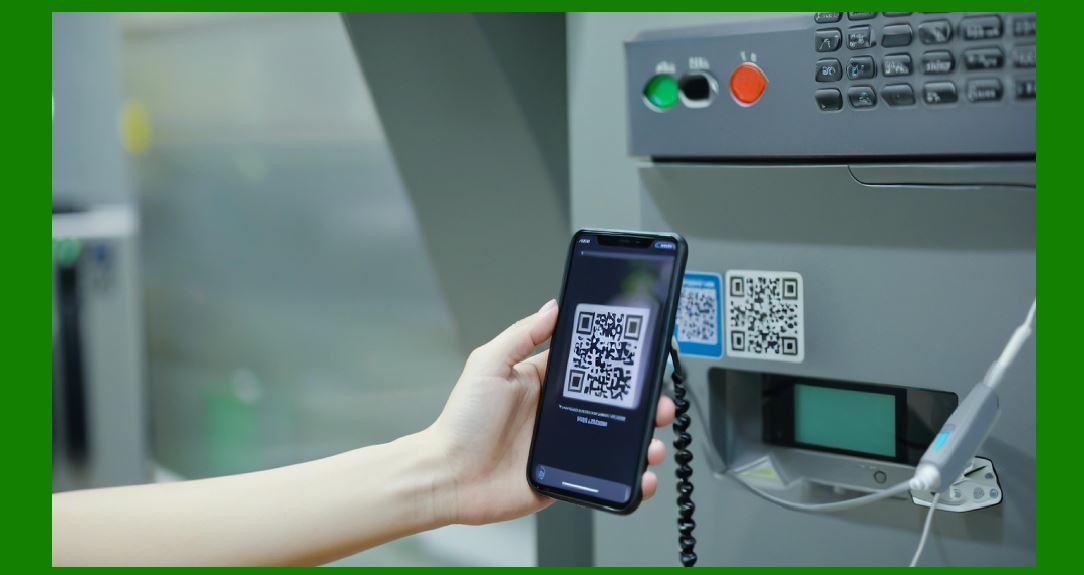
The most common implementation uses a smartphone app that operates the camera or touchscreen in high-frequency sampling mode. When a user touches or rubs the barcode, the app records either a visual flash (optical pulse) or a change in the capacitive pattern (electrical pulse). |
7.4 |
The app¡¯s decoding algorithm performs time-domain signal analysis, waveform segmentation, and feature extraction. Each detected pulse sequence is compared to a stored reference pattern database to reconstruct the original encoded data. |
7.5 |
For optical pulse decoding, the app uses the camera¡¯s frame rate (often up to 240 fps in modern smartphones) to capture flickering or blinking light emitted by the barcode. Each pulse is timestamped and converted into binary data through threshold-based luminance analysis. |
7.6 |
In capacitive coupling mode, the smartphone¡¯s touchscreen detects minute voltage changes when the barcode is placed on or near the screen. These voltage variations correspond to the triboelectric discharge pattern, enabling real-time data reconstruction without requiring any battery in the barcode itself. |
7.7 |
The decoding algorithm can employ machine learning techniques to adaptively compensate for environmental variables. For instance, a neural network model can distinguish between genuine triboelectric pulse shapes and background noise, improving reliability even in noisy environments. |
7.8 |
The smartphone app typically performs three sequential operations: |
1. Signal acquisition ¡ª capturing triboelectric response from the barcode interaction. |
2. Feature decoding ¡ª translating waveform or optical intensity into binary sequences. |
3. Data validation ¡ª applying checksum, digital signature verification, or PUF matching to authenticate the code. |
7.9 |
For enhanced performance, the app may also use sensor fusion, combining signals from multiple sensors. For instance, the camera and microphone can both detect triboelectric discharges as simultaneous optical and acoustic events, providing dual verification. |
7.10 |
Another emerging approach involves the use of Bluetooth Low Energy (BLE) relay, where the smartphone¡¯s BLE receiver picks up short-range electromagnetic pulses from a triboelectrically driven coil embedded in the barcode. |
7.11 |
All decoding operations are conducted entirely within the smartphone¡¯s computational resources, making the solution scalable, user-friendly, and infrastructure-independent. The same app can handle millions of barcode variations as long as the decoding algorithms are standardized. |
7.12 |
Cloud connectivity further extends the system¡¯s capability: decoded IDs or authentication signatures can be uploaded to a remote database for verification, tracking, or analytics. This enables real-time IoT integration without requiring dedicated readers or gateways. |
7.13 |
Security within the smartphone app can be maintained using end-to-end encryption. The triboelectric barcode¡¯s data payload may include cryptographic tokens or one-time authentication hashes, ensuring that even if intercepted, the code cannot be reused. |
7.14 |
In essence, the smartphone acts as both energy receiver and decoder, translating the triboelectric interaction into meaningful data and bridging the physical barcode with the digital world. |

|
8. Communication Protocols and Software Integration |
8.1 |
For efficient operation, self-powered barcodes rely on lightweight communication protocols optimized for low-energy, short-duration data exchange. Since the barcode itself cannot sustain continuous transmission, all communication occurs in burst mode ¡ª a rapid data emission following activation. |
8.2 |
The software architecture can be conceptualized in three layers: |
Physical Layer ¡ª handles signal generation and triboelectric pulse transmission. |
Decoding Layer ¡ª implemented in the smartphone app, responsible for data reconstruction. |
Network Layer ¡ª manages cloud interaction, security validation, and storage. |
8.3 |
The data payload structure generally includes: |
1. Header (indicating device type, protocol version). |
2. Payload Data (ID number, timestamp, or sensor data). |
3. Checksum or Authentication Field for integrity verification. |
8.4 |
The communication can occur via optical signaling (light pulses detected by camera), capacitive coupling (electrostatic transfer to touchscreen), or acoustic signaling (micro-vibrations detected by microphone). The app automatically identifies the signal type and applies the appropriate decoding routine. |
8.5 |
For system integration, Application Programming Interfaces (APIs) are defined for interoperability between the smartphone app, backend servers, and third-party services. APIs may support RESTful communication using HTTPS for secure data exchange. |
8.6 |
Data security is reinforced through public key infrastructure (PKI). Each barcode can contain a short-term public key or certificate encoded within its pulse sequence. The smartphone verifies the authenticity by querying the issuer¡¯s signature from a trusted server. |
8.7 |
Because triboelectric barcodes can only be activated through physical interaction, they inherently prevent remote interception or replay attacks ¡ª making them ideal for secure authentication applications. |
8.8 |
In IoT contexts, triboelectric barcode readings can serve as activation triggers for connected devices. For example, scanning a self-powered barcode on a medical tool could automatically log its sterilization status or activate a tracking session on a hospital¡¯s IoT network. |
8.9 |
Software integration is simplified through modular SDKs that allow developers to embed barcode reading functions into existing applications. The SDKs handle sensor access, signal analysis, and data formatting, enabling rapid deployment in commercial systems. |
8.10 |
Interoperability across devices is ensured by standardized waveform encoding formats, similar to how QR codes follow ISO/IEC specifications. Such standards may define acceptable frequency ranges, pulse duration, and synchronization methods to guarantee cross-device recognition. |
8.11 |
Cloud platforms can aggregate decoded barcode events, applying analytics for supply chain management, authentication auditing, or predictive maintenance. For example, triboelectric signatures from industrial tags could be analyzed to detect abnormal wear or mechanical degradation. |
8.12 |
In short, the communication framework around self-powered barcodes merges the low-level physical interaction of triboelectric energy with the high-level logic of IoT networking, creating a seamless pipeline from touch-based activation to cloud-based intelligence. |

|
9. Applications in IoT Security Authentication |
9.1 |
One of the most transformative applications of self-powered barcodes lies in Internet of Things (IoT) security authentication. In IoT ecosystems, where billions of devices interact autonomously, maintaining authenticity, integrity, and traceability without cumbersome power requirements is a core challenge. |
9.2 |
Traditional security solutions rely on cryptographic modules embedded in powered chips. However, these approaches increase cost, complexity, and vulnerability to tampering. A triboelectric barcode provides a battery-free, physically unclonable alternative that can uniquely identify and authenticate devices. |
9.3 |
When applied to IoT devices, a self-powered barcode can act as a physical identity module. Each barcode¡¯s electrical signature¡ªdefined by its material composition, geometry, and microscopic imperfections¡ªacts as a unique fingerprint that cannot be replicated, even if visually copied. |
9.4 |
During authentication, the user or an automated machine activates the barcode mechanically, producing a triboelectric signal. The smartphone or IoT gateway records the signal, extracts the identity code, and compares it to a secure database. A match confirms authenticity. |
9.5 |
Because the signal is generated in real time and depends on environmental factors such as touch force and humidity, every activation event produces a slightly varied but verifiable signature. This dynamic variability serves as a challenge-response mechanism, thwarting replay and cloning attacks. |
9.6 |
Applications include: |
Secure packaging, where a product¡¯s authenticity is verified through its unique energy signature. |
Access control, where triboelectric tags replace RFID cards, allowing touch-based entry verification. |
Supply chain protection, where each activation event logs product provenance. |
9.7 |
In industrial IoT systems, these barcodes can authenticate sensor nodes or components without requiring powered communication. A technician¡¯s touch or a machine¡¯s mechanical motion activates the tag, generating a validation pulse that confirms identity before data exchange begins. |
9.8 |
In anti-counterfeiting, the triboelectric barcode can be integrated into product surfaces or labels in such a way that replication becomes impossible without matching the exact triboelectric response profile. The barcode becomes not just a printed symbol but a material-level proof of authenticity. |
9.9 |
Because triboelectric systems produce short-range, contact-based signals, the authentication process is inherently secure against remote interception. The code only activates when physically stimulated, making it resistant to side-channel attacks. |
9.10 |
In the IoT security hierarchy, this approach offers a hybrid physical-digital identity mechanism that complements cryptographic techniques. It adds a tangible, physics-based layer of trust to the authentication process. |
|
10. Applications in Medical Devices and Health Monitoring |
10.1 |
In the medical sector, the integration of self-powered barcodes introduces unprecedented advantages in safety, traceability, and bio-compatibility. Many medical tools, disposables, and implants require identification systems that are sterile, maintenance-free, and power-independent ¡ª conditions perfectly suited to triboelectric barcodes. |
10.2 |
A typical example is the self-powered medical tag placed on surgical instruments. When the instrument is handled or sterilized, the frictional movement generates electricity, activating a code that identifies the tool and logs its sterilization event in the hospital¡¯s management system. |
10.3 |
Because no external power is required, these barcodes can survive high-temperature or chemical sterilization processes that would destroy battery-powered tags or chips. |
10.4 |
In implantable medical devices, triboelectric barcodes can operate as identification or monitoring elements powered by natural body motion ¡ª such as heartbeat, respiration, or muscle movement. They can continuously generate micro-energy to record physiological data. |
10.5 |
For instance, an implant coated with triboelectric film can produce voltage variations corresponding to mechanical stress, which can be decoded externally using specialized smartphones or portable readers. This enables real-time, battery-free monitoring. |
10.6 |
In disposable medical consumables such as syringes or drug packaging, triboelectric barcodes prevent reuse or forgery. Once activated during initial use, the energy pulse changes an internal state or logs the event, signaling that the item has been used. |
10.7 |
In patient identification, triboelectric wristbands can combine a printed optical barcode with a triboelectric verification layer. A nurse¡¯s touch activates the code, ensuring that only verified, physical interaction triggers data transmission. |
10.8 |
This approach is also beneficial in resource-limited or emergency environments, where power sources may be unavailable. Medical personnel can authenticate and track equipment using only smartphones, without relying on powered scanners or networked infrastructure. |
10.9 |
The use of biocompatible and flexible materials ensures that the barcodes can be applied directly to skin, textiles, or organic tissues without irritation. For example, PDMS-based triboelectric layers are soft, transparent, and non-toxic, making them ideal for wearable medical patches. |
10.10 |
In health monitoring, triboelectric barcodes can measure and encode biomechanical parameters such as heartbeat rhythm, motion frequency, or respiratory cycles. Each natural motion generates electricity, and the pattern can be analyzed by a smartphone app to monitor health trends. |
10.11 |
Because these barcodes are fundamentally self-contained and do not require external batteries or electromagnetic radiation, they eliminate safety risks associated with powered implants, making them a milestone toward fully self-sustaining medical IoT systems. |

|
11. Applications in Logistics, Retail, and Asset Tracking |
11.1 |
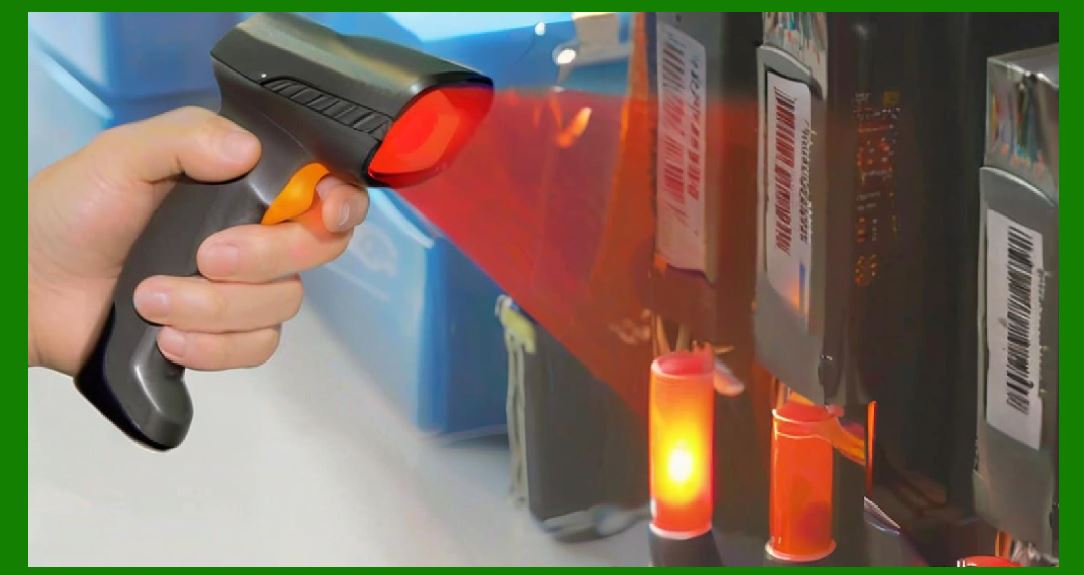
The logistics and retail industries are traditionally among the most extensive users of barcode technology. From warehouse management to global shipping, linear and 2D codes like Code 128, Data Matrix, and QR Code form the backbone of supply chain visibility. However, these conventional systems rely entirely on external illumination, optical readability, and powered infrastructure. The self-powered barcode system introduces an intelligent, energy-independent alternative with new capabilities for logistics and asset tracking. |
11.2 |
In logistics environments, physical interaction ¡ª such as the motion of goods on conveyor belts, vibration during transport, or manual handling ¡ª can be harvested by triboelectric barcodes to generate activation energy. Each mechanical event naturally powers a brief pulse transmission, recording shipment events without any external reader power. |
11.3 |
For instance, when a package moves along an automated sorting belt, the friction between the package surface and the belt generates triboelectric charges. The embedded self-powered barcode instantly emits a coded signal, which can be captured by nearby smart receivers or camera-equipped checkpoints. This allows automatic event logging without needing an electrical grid connection to every scanner. |
11.4 |
In retail product labeling, triboelectric barcodes can integrate into packaging or tags, enabling dynamic interaction with consumers. When a customer picks up or rubs a product, the barcode generates a micro-energy pulse that a smartphone app recognizes. This could trigger secure product verification, display digital coupons, or initiate an AR-based brand experience ¡ª all without battery-powered NFC chips. |
11.5 |
In asset management, especially for industrial equipment, traditional RFID tags often face limitations due to electromagnetic interference, temperature extremes, or metal surfaces. A triboelectric barcode, relying purely on mechanical energy, is immune to these challenges and can be adhered directly to metallic or composite materials. Each touch or movement logs equipment usage, maintenance, or location. |
11.6 |
For cold-chain logistics, where temperature monitoring is critical, triboelectric barcodes can incorporate small thermoelectric or piezoelectric sensors powered by the triboelectric energy itself. Each activation transmits both identification and temperature data, ensuring compliance with health and safety regulations for pharmaceuticals or perishable food items. |
11.7 |
One of the greatest advantages in logistics is maintenance-free operation. Conventional RFID or BLE tags require periodic battery replacement or recharging. The triboelectric barcode, by contrast, operates indefinitely as long as mechanical motion occurs, making it ideal for long-duration tracking across continents. |
11.8 |
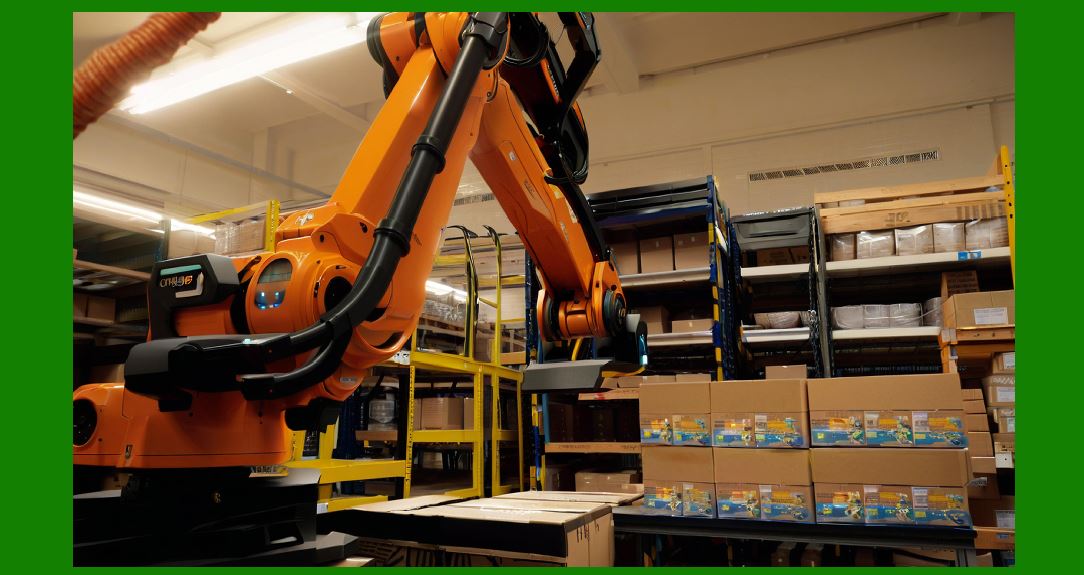
In warehouse automation, robots or drones equipped with smartphones or lightweight sensors can activate triboelectric barcodes simply by brushing against or passing near them. The resulting micro-electric pulse identifies the object, eliminating line-of-sight limitations common in purely optical barcode systems. |
11.9 |
Because the system uses low-cost printed materials and requires no electronic chips, large-scale deployment across millions of packages is economically feasible. Every item in a supply chain could be individually identifiable, traceable, and self-authenticating, supporting full Internet of Logistics (IoL) integration. |
11.10 |
In the retail environment, triboelectric barcodes could also enhance anti-theft measures. For example, touching a product without purchasing it could generate a triboelectric activation event, recorded anonymously by nearby readers. This data can help retailers analyze customer behavior or detect suspicious patterns. |
11.11 |
Another potential application is recyclable packaging identification. Triboelectric codes printed with biodegradable materials can remain functional through a product¡¯s life cycle, helping sorting systems automatically identify material types for recycling ¡ª all without electronic waste. |
11.12 |
Overall, the integration of triboelectric barcodes into logistics and retail creates a self-sustaining information infrastructure: every touch, movement, and vibration becomes a source of both energy and data, merging physical motion with digital intelligence. |

|
12. Comparison with Conventional Passive and Active Tags |
12.1 |
To understand the transformative potential of the self-powered barcode, it¡¯s important to compare it systematically with existing identification technologies: passive optical barcodes, passive RFID, and active RFID or NFC. |
12.2 |
Traditional barcodes (e.g., UPC, QR Code) are entirely passive. They contain no power source and depend on external illumination (laser or camera light) and decoding devices. Their advantages include simplicity, low cost, and universal compatibility. However, they cannot perform dynamic operations, authentication, or communication beyond static optical reflection. |
12.3 |
Passive RFID tags harvest energy from the electromagnetic field emitted by a reader. They can transmit data wirelessly but require specialized readers and antennas, making them unsuitable for low-cost mass deployment in consumer goods. Their read range is limited by environmental factors and material interference. |
12.4 |
Active RFID and NFC tags include internal power sources such as batteries or capacitors, allowing longer communication range and more complex operations. However, this increases cost, thickness, and maintenance demands. Batteries also introduce environmental disposal issues and limit operational life. |
12.5 |
The self-powered triboelectric barcode occupies a unique middle ground. It has the energy independence of active tags but without the battery; it maintains the simplicity and printability of optical barcodes while adding dynamic functionality. |
12.6 |
From a power perspective, triboelectric barcodes convert mechanical motion directly into electrical signals, unlike passive barcodes (which require light) or RFID tags (which depend on electromagnetic coupling). This gives them autonomy and resilience in any environment ¡ª bright or dark, dry or humid, metallic or non-metallic. |
12.7 |
In terms of data capacity, optical barcodes can encode up to several kilobytes visually, while RFID tags can store more. The triboelectric barcode¡¯s hybrid optical-electrical encoding enables similar capacity while adding real-time variable data, such as environmental readings or authentication codes. |
12.8 |
In durability, triboelectric systems outperform active tags since there are no batteries to degrade. Printed flexible polymers can last for years and withstand harsh industrial or outdoor conditions. |
12.9 |
From an environmental standpoint, triboelectric barcodes are far superior: they are fully recyclable and non-toxic, containing no rare metals or hazardous chemicals. Their printed layers can use biodegradable substrates and organic conductive inks. |
12.10 |
Economically, the self-powered barcode can cost less than both RFID and active NFC systems while providing equivalent or superior functional value. Manufacturing leverages existing printing lines, eliminating the need for semiconductor fabrication. |
12.11 |
Security-wise, triboelectric barcodes introduce a material-level identity impossible to clone visually. Each code¡¯s unique triboelectric signature acts as a physically unclonable function, providing strong protection against counterfeiting and unauthorized duplication. |
12.12 |
In summary, the self-powered barcode merges the strengths of all existing identification paradigms while addressing their limitations, achieving a new balance of energy autonomy, environmental sustainability, and multi-functionality. |
|
13. Environmental, Economic, and Social Impact |
13.1 |
Beyond technical advantages, the widespread adoption of self-powered barcode systems has profound environmental, economic, and social implications. It represents a pivotal shift toward energy-neutral identification infrastructure. |
13.2 |
From an environmental perspective, the elimination of batteries and complex circuitry drastically reduces electronic waste. Billions of disposable RFID tags contribute annually to landfill contamination, whereas triboelectric barcodes rely on inert, recyclable materials like polymers and carbon-based inks. |
13.3 |
Because these barcodes generate power from motion, they require no external energy during operation. This reduces the total carbon footprint associated with scanning and tracking processes in logistics networks, contributing to global sustainability goals. |
13.4 |
Economically, manufacturers benefit from low-cost mass production using existing printing and coating technologies. The unit cost is comparable to traditional printed labels while offering higher functionality. This cost parity accelerates adoption without requiring new factory investments. |
13.5 |
The reduction in infrastructure requirements ¡ª since no powered readers or scanners are necessary ¡ª also lowers operational expenses. Warehouses, hospitals, and retailers can leverage smartphones or simple camera systems instead of specialized readers. |
13.6 |
The energy autonomy of triboelectric barcodes extends the lifespan of tracking systems, reducing maintenance costs. This is particularly impactful in industries like pharmaceuticals, aerospace, and logistics, where traceability and reliability are paramount. |
13.7 |
From a social perspective, the democratization of authentication becomes possible. Because smartphones can read and verify triboelectric barcodes, small businesses and consumers gain access to advanced anti-counterfeiting and security technologies previously limited to large corporations. |
13.8 |
In healthcare, self-powered medical tags ensure safer and more transparent patient management. Patients can independently verify medication authenticity, preventing counterfeit drug circulation ¡ª a major global health threat. |
13.9 |
The technology also supports inclusive design. For example, triboelectric labels with tactile or sound-based responses can assist visually impaired individuals in recognizing and verifying products without needing visual scanning. |
13.10 |
At the societal level, the transition to self-powered barcode systems fosters the development of circular economy ecosystems. Since tags can be manufactured from biodegradable materials and recycled with packaging, environmental impact is minimized while information flow remains intact. |
13.11 |
On a global scale, the shift toward energy-harvesting identification systems aligns with sustainable development goals emphasizing renewable energy utilization, responsible consumption, and innovation in infrastructure. |
13.12 |
Thus, the self-powered barcode is not merely a technological innovation¡ªit is a socio-environmental catalyst for sustainable digital transformation across industries. |
|
14. Challenges, Limitations, and Future Research Directions |
14.1 |
Despite its immense potential, the self-powered barcode system still faces several technical and practical challenges that must be addressed through research and development before universal commercialization. |
14.2 |
One key limitation lies in the variability of triboelectric output. Environmental factors such as humidity, temperature, and surface contamination can influence charge transfer efficiency. Research is ongoing to develop surface-engineered materials that maintain stable triboelectric properties under diverse conditions. |
14.3 |
Another challenge is the signal standardization. Unlike optical codes governed by established ISO standards, triboelectric signals vary with device geometry and materials. International standardization bodies must define waveform formats, modulation protocols, and decoding specifications to ensure interoperability. |
14.4 |
Miniaturization also presents a design challenge. Integrating triboelectric elements into microscopic labels for pharmaceuticals or electronics requires advanced microfabrication techniques, possibly leveraging nanostructured materials like MXenes or carbon nanotubes. |
14.5 |
From a systems standpoint, noise immunity remains a critical factor. Because triboelectric pulses are small, nearby electromagnetic noise or mechanical vibrations could interfere. Robust signal filtering, machine learning-based decoding, and multi-sensor correlation are promising solutions. |
14.6 |
User interaction consistency must also be managed. Human touch variations ¡ª pressure, speed, or skin condition ¡ª affect triboelectric output. Future designs may incorporate self-calibration or adaptive signal normalization within the smartphone decoding app. |
14.7 |
In manufacturing, achieving uniform charge density across large-scale roll-to-roll production is a complex task. Advanced printing controls and post-processing (such as corona treatment or plasma texturing) can enhance reproducibility. |
14.8 |
Long-term durability under continuous mechanical stress needs validation. While triboelectric materials are flexible, their repeated use could cause surface wear or reduced charge generation. Development of self-healing polymers or nanocomposite coatings is a potential pathway. |
14.9 |
From a regulatory perspective, data security and privacy must be standardized. Although triboelectric codes are inherently secure, data transmission and storage must comply with global cybersecurity frameworks, particularly in healthcare and financial industries. |
14.10 |
Looking ahead, hybrid systems combining triboelectric, piezoelectric, and photovoltaic energy harvesting could further expand functionality. Such systems could power advanced sensors, memory elements, or even display modules, making the barcode a miniature autonomous device. |
14.11 |
Integration with artificial intelligence will likely revolutionize decoding. AI can learn to interpret complex triboelectric waveforms as unique identities, enabling ¡°electrical fingerprinting¡± of products at an unprecedented accuracy. |
14.12 |
Future research may also explore multi-functional barcodes capable of environmental sensing ¡ª measuring temperature, humidity, strain, or chemical composition ¡ª and encoding these readings directly into triboelectric pulses for immediate transmission. |
14.13 |
Ultimately, addressing these challenges will require collaboration among material scientists, electronic engineers, data scientists, and industry stakeholders to establish global frameworks that balance performance, security, and sustainability. |
|
15. Conclusion and Long-Term Technological Vision |
15.1 |
The self-powered barcode system represents a paradigm shift in the world of automatic identification and data capture (AIDC). By combining triboelectric energy harvesting with smartphone-based decoding, it transcends the historical dependence on external power, enabling a truly autonomous, sustainable, and intelligent data carrier. |
15.2 |
This technology not only enhances existing barcode functionality but also redefines it ¡ª transforming static symbols into interactive, energy-generating, and self-verifying devices. In doing so, it bridges the physical and digital worlds with minimal energy cost and maximal versatility. |
15.3 |
In the near term, self-powered barcodes will likely find adoption in IoT authentication, medical device tracking, and secure packaging, where energy independence and anti-counterfeiting are critical. As manufacturing costs continue to drop, applications will expand to consumer products, logistics systems, and environmental monitoring. |
15.4 |
In the long term, this innovation may catalyze the rise of energy-autonomous networks, where each object ¡ª from tools to garments ¡ª generates its own power and data through mechanical interaction. The boundary between barcode, sensor, and power source will dissolve, leading to a world of self-sustaining intelligent materials. |
15.5 |
The convergence of triboelectric nanogeneration, flexible electronics, and ubiquitous smartphone connectivity marks a major milestone in the evolution of smart identification technologies. It embodies the principles of sustainable innovation, merging ecological responsibility with technological advancement. |
15.6 |
As the world moves toward the Internet of Everything (IoE), the self-powered barcode will serve as one of its foundational technologies, allowing every object to possess a digital voice powered by its own motion. No wires, no batteries, no waste ¡ª only interaction, energy, and information in perfect harmony. |
15.7 |
In conclusion, the self-powered barcode system is not just a scientific novelty; it is a vision of the next generation of intelligent, sustainable communication infrastructure ¡ª a step toward a future where every touch creates data, every motion generates power, and every object becomes part of a living, self-sustained digital ecosystem. |
 cs@easiersoft.com