Detailed Description of UHF RFID Technology |
1. Introduction to UHF RFID Technology |
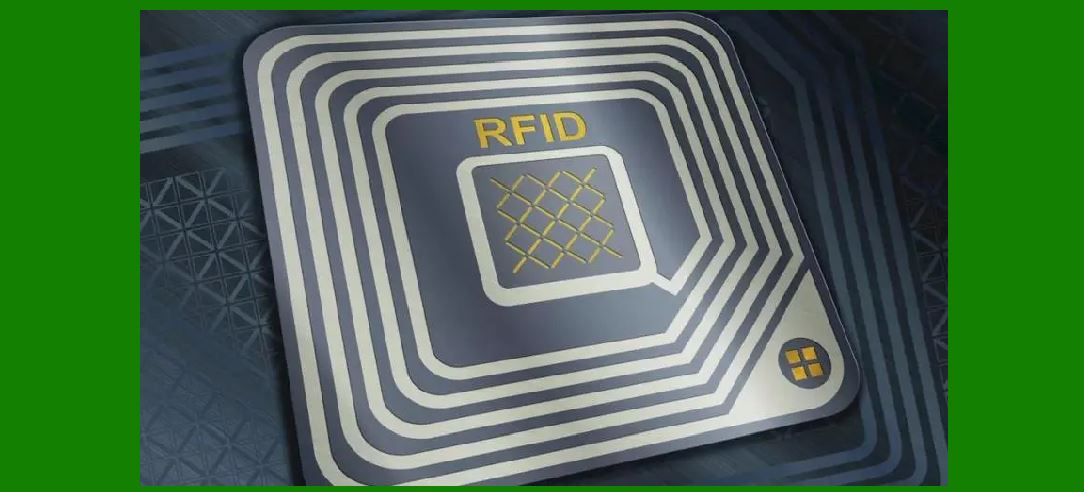
Ultra High Frequency (UHF) Radio Frequency Identification (RFID) technology operates in the frequency range of 860 to 960 MHz. This frequency range allows UHF RFID systems to provide several advantages over Low Frequency (LF) and High Frequency (HF) RFID systems, such as longer read ranges and faster data transfer rates. UHF RFID technology is widely used in various applications, including supply chain management, asset tracking, and logistics. |
|
2. Frequency Bands and Regulatory Standards |
UHF RFID operates within different frequency bands depending on regional regulations. The most common frequency bands are: |
860 to 865 MHz: Used in regions such as the United States and Canada. This band is governed by standards such as the EPCglobal Gen 2 and ISO 18000-6C. 865 to 870 MHz: Common in Europe, India, and some other countries. 920 to 925 MHz: Utilized in regions like Japan and Australia. |
Each region has its own regulations governing the use of UHF RFID frequencies to avoid interference with other radio communication systems. Compliance with these standards is crucial for the successful deployment and operation of UHF RFID systems. |

|
3. UHF RFID Tag Types and Components |
UHF RFID tags consist of several key components: |
RFID Chip (Transponder): The chip contains the tag's unique identification data and logic for communication with RFID readers. It also handles data encoding and decoding. Antenna: The antenna facilitates the transmission and reception of radio waves between the RFID chip and the RFID reader. The design and size of the antenna affect the tag's read range and performance. Substrate: The substrate provides a base for mounting the RFID chip and antenna. It can be made from various materials, including plastic, paper, or flexible materials, depending on the tag's intended application. |

|
4. How UHF RFID Works |
UHF RFID systems operate using radio waves to communicate between RFID tags and readers. The basic process involves: |
Tag Activation: When an RFID tag enters the read range of an RFID reader, the reader emits an electromagnetic signal that activates the tag. Data Transmission: The activated tag responds by sending its data back to the reader via radio waves. UHF RFID tags use a protocol to modulate and encode this data. Data Processing: The reader receives the data transmitted by the tag, processes it, and often sends it to a backend system for further analysis or action. |

|
5. UHF RFID Tag Types |
There are two main types of UHF RFID tags: |
Passive Tags: Passive UHF RFID tags do not have an internal power source. They rely on the electromagnetic energy emitted by the RFID reader to power their circuitry. Passive tags are generally smaller, lighter, and more cost-effective than active tags. They are commonly used for inventory management and asset tracking. Example: A retail store might use passive UHF RFID tags to track products on shelves. The tags are read as they pass through RFID readers installed at various points in the supply chain, providing real-time data on inventory levels. Active Tags: Active UHF RFID tags have an internal power source, typically a battery. This allows them to broadcast signals autonomously and achieve longer read ranges compared to passive tags. Active tags are often used in applications requiring extended range and frequent data updates. Example: Active UHF RFID tags might be used to track high-value equipment or containers in a logistics operation. The tags periodically transmit their location and status information, allowing for precise tracking over long distances. |

|
6. Advantages of UHF RFID Technology |
UHF RFID technology offers several advantages: |
Longer Read Range: UHF RFID tags can typically be read from distances ranging from a few meters to over 10 meters, depending on the tag's design and the reader's power. This is significantly longer than LF and HF RFID tags. Example: In a large warehouse, UHF RFID tags can be read from across the room, allowing for efficient inventory management without requiring close proximity. Faster Data Transfer Rates: UHF RFID systems support higher data transfer rates, enabling quicker read and write operations. This is beneficial for applications that require fast data exchange. Example: In a fast-paced manufacturing environment, UHF RFID can quickly update the status of products on an assembly line, ensuring real-time visibility and reducing delays. Higher Data Capacity: UHF RFID tags can store more data compared to LF and HF tags, allowing for more detailed information to be encoded on the tag. Example: A UHF RFID tag on a pallet of goods can include information about the contents, origin, destination, and handling instructions, facilitating better supply chain management. Improved Read Accuracy: UHF RFID technology generally provides better read accuracy and fewer misreads compared to LF and HF systems, due to its higher frequency and advanced encoding schemes. |

|
7. UHF RFID Applications |
UHF RFID technology is used in a wide range of applications, including: |
Supply Chain Management: UHF RFID tags are widely used to track goods throughout the supply chain. They enable efficient inventory management, reduce stockouts, and improve order accuracy. Example: A retailer can use UHF RFID to monitor the movement of products from the distribution center to the store, ensuring that shelves are stocked with the correct items and quantities. Asset Tracking: UHF RFID tags are used to track valuable assets, such as equipment, tools, and vehicles. This helps prevent loss, theft, and unauthorized use. Example: A construction company might use UHF RFID tags to keep track of machinery and tools on-site, ensuring that equipment is not misplaced and is available when needed. Logistics and Transportation: UHF RFID technology facilitates real-time tracking of shipments and containers, improving visibility and efficiency in logistics operations. Example: Shipping companies use UHF RFID to track the location and status of cargo containers as they move through ports and along transport routes, providing timely updates to customers and optimizing logistics. Retail and Consumer Goods: UHF RFID tags are used in retail environments to improve inventory accuracy, enhance customer experience, and prevent theft. Example: Stores use UHF RFID tags on merchandise to enable automated checkout systems, reduce checkout times, and minimize inventory discrepancies. |

|
8. Challenges and Considerations |
While UHF RFID technology offers many benefits, it also comes with some challenges: |
Interference: UHF RFID systems can be affected by interference from other radio frequency devices, metal objects, and environmental factors. Proper system design and deployment are essential to minimize interference and ensure reliable operation. Example: In a warehouse with metal shelving, RFID tags might experience signal attenuation. Using appropriate tag and reader configurations can help mitigate this issue. Tag Placement and Orientation: The performance of UHF RFID systems can be influenced by the placement and orientation of tags. Tags must be strategically placed to ensure optimal read range and accuracy. Example: Tags on the edges of shipping containers might be more easily read than those placed in the center, depending on the reader's position. Privacy and Security: UHF RFID systems can raise privacy and security concerns, as unauthorized parties might intercept or clone RFID signals. Encryption and authentication protocols are used to address these concerns. Example: In secure environments, RFID data can be encrypted to protect sensitive information from unauthorized access. |

|
9. Future Trends in UHF RFID Technology |
UHF RFID technology continues to evolve, with several trends shaping its future: |
Integration with IoT: UHF RFID is increasingly being integrated with the Internet of Things (IoT) to provide more comprehensive data and analytics. This integration enables enhanced visibility and automation in various applications. Example: Smart supply chain systems use UHF RFID in conjunction with IoT sensors to monitor environmental conditions and track the real-time status of goods. Advancements in Tag Design: Ongoing research and development are focused on improving tag design, including advancements in materials, miniaturization, and energy efficiency. These improvements aim to enhance tag performance and reduce costs. Example: New materials and designs are being explored to create more durable and flexible UHF RFID tags that can be used in challenging environments. Enhanced Data Security: As concerns about data privacy and security grow, there is a focus on developing more robust security measures for UHF RFID systems, including advanced encryption and authentication techniques. Example: Future UHF RFID systems may incorporate advanced security features, such as biometric authentication or secure key management, to protect sensitive data. |

|
10. Conclusion |
UHF RFID technology provides significant advantages in terms of read range, data transfer rates, and data capacity compared to LF and HF RFID systems. Its applications span a wide range of industries, including supply chain management, asset tracking, logistics, and retail. Despite its benefits, UHF RFID technology faces challenges related to interference, tag placement, and privacy concerns. Ongoing advancements and innovations are expected to address these challenges and further enhance the capabilities of UHF RFID systems. |
 cs@easiersoft.com