1. The Need for Automation and Efficiency | The foundational concept of the barcode system traces its roots back to the early 1950s, marking a pivotal moment in the history of automated data capture . On October 7, 1952, the pioneering patent (U.S. Patent 2,612,994) for this technology was officially granted to inventors Norman Joseph Woodland and Bernard Silver, two ambitious graduate students from the Drexel Institute of Technology (now Drexel University) . The origin of their idea was sparked in 1948 when Silver overheard a desperate plea from a local grocery store president, who was seeking a more efficient method to speed up long checkout lines and manage inventory . Intrigued by this real-world challenge, the pair designed a revolutionary system that encoded information not with the familiar vertical stripes we see today, but with a series of concentric circles, resembling a bullseye or a target . This unique circular design was specifically chosen so that the code could be scanned and read from any direction, offering a significant functional advantage. Drawing inspiration from two distinct technologies, Woodland cleverly adapted the dots and dashes of Morse code 'a language he had learned as a Boy Scout' and the optical soundtracks used in movie film reels, which recorded audio as patterns of light and dark . Woodland’s true genius and foresight lay in his ability to translate analog data into a visual pattern that could be easily and accurately read by machines, effectively laying the groundwork for the automated identification systems that would later become ubiquitous. The famous origin story often highlights Woodland's 'eureka' moment while sitting on a Florida beach, where he absentmindedly dragged his fingers through the sand, creating four parallel lines and realizing that he could transform those abstract dots and dashes into wide and narrow bars . Despite their groundbreaking vision, the early work of Silver and Woodland was far ahead of the available technology; the computing power and advanced laser scanners needed to make their invention commercially viable would not exist for another two decades, meaning their full vision of revolutionizing global commerce would have to wait. | 
| 2. Early Concepts and Developments | The foundational concept of the barcode system traces its roots back to the early 1950s, marking a pivotal moment in the history of automated data capture and inventory management . The first patent for a barcode-like system was officially granted on October 7, 1952, to inventors Norman Joseph Woodland and Bernard Silver, two ambitious graduate students at the Drexel Institute of Technology (now Drexel University) in Philadelphia . The origin of their groundbreaking idea occurred in 1948 when Silver overheard a desperate plea from the president of a local grocery store chain, Food Fair, who was asking a dean to develop an automated checkout system that could speed up long lines and manage inventory more efficiently . Intrigued by this real-world challenge, Silver shared the request with his friend Woodland, and the two dropped out of their graduate studies to dedicate themselves fully to finding a solution . Their first working prototype utilized ultraviolet ink, but this proved impractical as the ink was both expensive and faded far too quickly for commercial use . Convinced that a machine-readable code was still feasible, Woodland moved to his father's apartment in Miami Beach, Florida, to focus on the problem without distraction . It was there, while sitting on the beach, that Woodland had his famous 'eureka' moment; as a former Boy Scout, he was familiar with Morse code, and while drawing dots and dashes in the sand, he realized he could extend them downward to create narrow and wide lines, transforming abstract symbols into a visual pattern that machines could read . Drawing further inspiration from the optical soundtracks used in movie film reels -which recorded audio as patterns of light and dark - the adapted this technology to design a system that used a 500-watt incandescent light bulb shining through paper onto an RCA935 photomultiplier tube salvaged from a movie projector . Woodland and Silver initially designed their code using a series of concentric circles, resembling a bullseye or a target, which had the advantage of being scannable from any direction, unlike the linear stripes common today . On October 20, 1949, they filed a patent application for 'Classifying Apparatus and Method,' describing both the circular bullseye pattern and the linear bar pattern, along with the mechanical and electronic systems required to read the code . Woodland’s true insight was to transform data into a visual pattern that machines could easily read, thus laying the essential groundwork for the development of all modern barcodes . Despite his efforts to interest IBM in the project after joining the company in 1951, an internal report concluded that while the concept was both feasible and interesting, the computing power and laser technology needed to process the information did not yet exist, meaning the technology was decades ahead of its time . Undeterred, Woodland and Silver sold their patent to Philco in 1962 for just $15,000, and Silver sadly passed away the following year without seeing their vision become a commercial reality . It was not until the development of the helium-neon laser in the 1960s, which provided an intense, low-heat light source, that the technology became commercially viable . In the early 1970s, IBM brought Woodland back to help lead a research effort in North Carolina, where engineer George J. Laurer adapted the original bullseye design into the rectangular Universal Product Code (UPC) we recognize today, a change that prevented ink smearing from printers from rendering the code unreadable . On June 26, 1974, at a Marsh supermarket in Troy, Ohio, a package of Wrigley's Juicy Fruit chewing gum became the first product ever scanned using the UPC system, an event that revolutionized global commerce and is now commemorated by the Smithsonian Institution, which houses the historic pack of gum . Their early work demonstrated the immense potential for machine-readable codes to revolutionize retail, logistics, healthcare, and countless other industries, proving that even when contemporary technology is not advanced enough to fully realize a vision, foundational ideas can change the world, with over five billion barcodes now scanned every single day across the globe . | 3. Commercialization and Adoption | Beyond retail, barcodes have proliferated across a vast array of industries, fundamentally transforming operations far removed from the supermarket checkout lane, and their widespread adoption underscores the technology's remarkable adaptability and effectiveness in diverse operational contexts. In the manufacturing sector, particularly in high-stakes fields like defense and space technology, barcodes are not merely a convenience but a mission-critical requirement for tracking individual components and assemblies, ensuring that every circuit, panel, and microcomponent is fully traceable from intake to final delivery, as even a single mislabeling error can lead to system failures or missed compliance standards during rigorous audits.Modern manufacturing increasingly integrates barcode labeling directly with enterprise resource planning (ERP) systems, allowing for real-time updates and automated material flow; for instance, SEW-EURODRIVE's DriveTag service allows customers to embed custom data like purchase order numbers and project details directly into barcode labels, which are then scanned to instantly sync with inventory platforms and eliminate manual data entry errors across receiving, warehousing, and assembly operations. The healthcare sector has adopted barcodes as a cornerstone of patient safety and operational accuracy, using them to manage patient information, medication administration, and medical equipment with unprecedented precision. In hospitals, the 'five rights' of medication administration - right patient, right drug, right dose, right route, and right time - are enforced through barcode scanning, where a nurse scans both the patient's wristband and the medication pack to create a real-time safety check that directly links to the patient's electronic health record, a process known as closed-loop medication administration that has been shown to drastically reduce clinical errors and speed up critical processes like product recalls. However, the integrity of these systems is absolutely dependent on accurate barcode data; recent reports from healthcare regulators have highlighted incidents where barcodes on medicine packs scanned as entirely different products, leading to quarantined stock, dispensing errors, and potentially serious patient harm, demonstrating that when barcode data is incorrect or poorly formatted, the automated systems designed to protect patients can fail catastrophically. In logistics and transportation, barcodes are the invisible engine driving global supply chain efficiency, enabling companies to track packages, streamline sorting, and manage complex shipping hierarchies from individual items to entire pallets. Advanced standards like the GS1-128 barcode and the Serial Shipping Container Code (SSCC) are used to create unique 18-digit identifiers for every pallet or container, allowing all stakeholders in the supply chain - from manufacturers to logistics operators to retailers - to share critical information such as shipment numbers, destinations, and expiration dates without paper documents or manual data entry. The benefits of these systems are quantifiable and substantial; by implementing standardized barcode scanning at distribution centers, companies can reduce loading and unloading times by up to 40%, dramatically minimize sorting errors, and achieve real-time inventory visibility that was unimaginable just a few decades ago. The versatility of barcodes has indeed made them an indispensable tool across manufacturing, healthcare, and logistics, but the technology continues to evolve; with the global GS1 Sunrise 2027 initiative, traditional linear barcodes are being supplemented and replaced by next-generation 2D barcodes like QR Codes and GS1 DataMatrix, which can hold vastly more information - such as batch numbers, expiry dates, and even links to digital content like product origins and safety instructions - all scannable by a standard smartphone, further extending the utility of machine-readable codes into the hands of everyday consumers. Far from being a legacy technology, barcode systems remain the most affordable, globally standardized, and widely deployed foundation for data capture in the world, with enterprise technology buyers ranking them as a top investment priority, not in competition with new innovations like AI and IoT, but as a complementary and essential layer that provides the reliable, foundational data upon which digital transformation is built . | 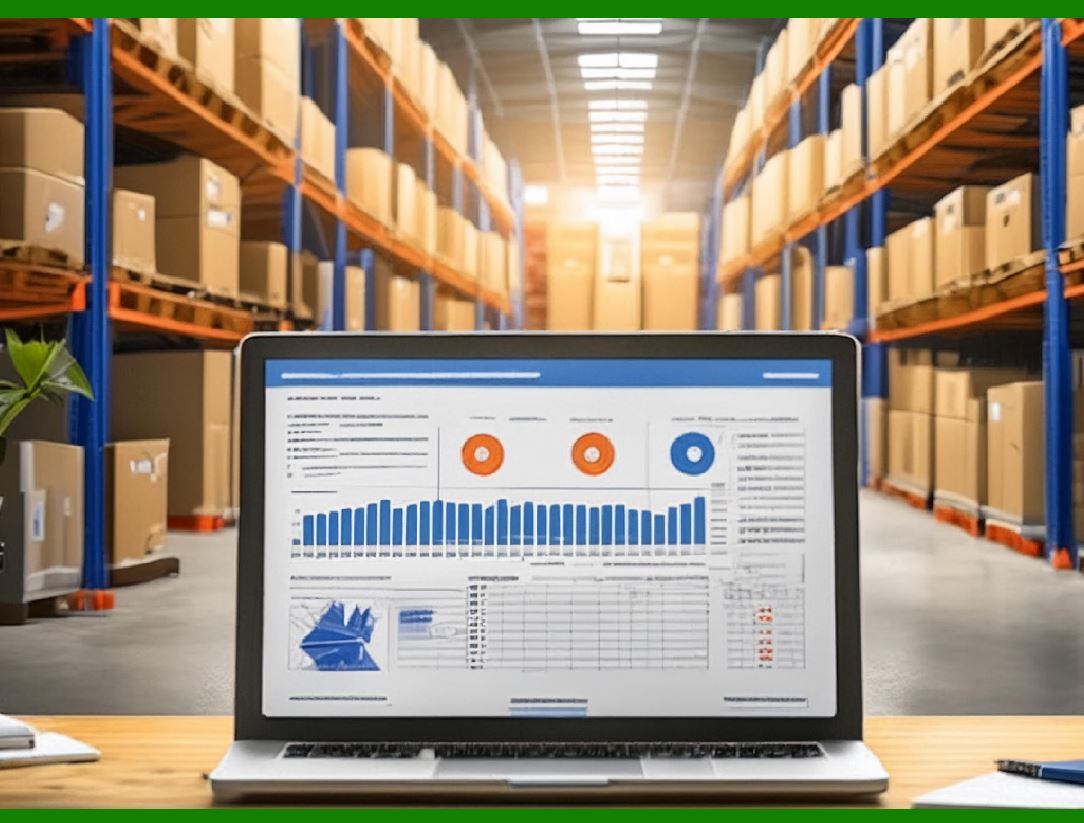
| 4. Expansion to Other Industries | Beyond retail, barcodes have found transformative applications across a vast spectrum of other industries, fundamentally reshaping operations in manufacturing, healthcare, and logistics, and their widespread adoption has underscored the technology's remarkable adaptability, effectiveness, and indispensability in various operational contexts.In the manufacturing sector, particularly in high-stakes fields like defense, automotive, and space technology, barcodes are used not merely as a convenience but as a mission-critical requirement for tracking parts and assemblies, ensuring that every component, from a simple circuit board to a complex engine assembly, is fully traceable from raw material intake through to final delivery; modern manufacturing increasingly integrates barcode labeling directly with enterprise resource planning (ERP) and manufacturing execution systems (MES), allowing for real-time updates and automated material flow that ensure production processes are both efficient and completely traceable. For example, advanced barcode standards like the GS1-128 symbology and the Serial Shipping Container Code (SSCC) are used to create unique 18-digit identifiers for every pallet or container, enabling a practice known as 'batch transfer scanning' where each movement of materials between locations or process states is recorded as a verifiable event, which forms the foundation of a digital product genealogy that is essential for quality assurance and regulatory compliance. The healthcare sector has adopted barcodes as a cornerstone of patient safety and operational accuracy, using them to manage patient information, medication administration, and medical equipment with unprecedented precision; hospitals enforce the 'five rights' of medication administration through barcode scanning, where a nurse scans both the patient's wristband and the medication pack to create a real-time safety check that directly links to the electronic health record, a process known as closed-loop medication administration. This process has been shown to drastically reduce clinical errors; for instance, a 2024 initiative in a large pediatric primary care network successfully reduced medication errors by implementing barcode scanning, which, combined with targeted workflow changes and staff coaching, raised compliance rates from 42% to 97% within eight months, thereby preventing over 80 potential adverse events and saving an estimated $1.26 million in potential lost revenue from patient attrition. However, the integrity of these healthcare systems is absolutely dependent on accurate barcode data; recent reports from healthcare regulators have highlighted incidents where barcodes on medicine packs scanned as entirely different products, leading to quarantined stock, dispensing errors, and potentially serious patient harm, demonstrating that when barcode data is incorrect or poorly formatted, the automated systems designed to protect patients can fail catastrophically. In logistics and transportation, barcodes are the invisible engine driving global supply chain efficiency, enabling companies to track packages, streamline sorting hubs, and manage complex shipping hierarchies from individual parcels to entire container ships. By implementing standardized barcode scanning at distribution centers, companies can dramatically reduce loading and unloading times, minimize sorting errors, and achieve real-time inventory visibility; a single barcode scan on a package can trigger automated routing systems, update inventory databases, generate proof of delivery, and provide customers with real-time tracking information. The global barcode generator market, which includes the hardware and software needed to create these codes, was valued at approximately $138.75 million in 2025 and is projected to grow to over $285 million by 2032, reflecting the technology's continued and expanding relevance. The versatility of barcodes has made them an indispensable tool across manufacturing, healthcare, and logistics, but the technology continues to evolve dramatically; with the global GS1 Sunrise 2027 initiative, traditional linear barcodes are being supplemented and replaced by next-generation two-dimensional (2D) barcodes like QR Codes and GS1 DataMatrix. These 2D codes can hold vastly more information within a single symbol, including batch numbers, expiration dates, serial numbers, net weight, and even GS1 Digital Links that serve as live web endpoints, allowing a single scan by a smartphone or warehouse scanner to provide not only the product's identity but also its complete digital provenance, user manuals, safety instructions, and authenticity verification. This transition to 2D barcodes, which is already underway in 48 countries representing 88% of global GDP, is not merely a packaging change but a foundational shift in how product data moves through the entire supply chain, affecting everything from warehouse management systems and ERP platforms to electronic data interchange transactions and point-of-sale terminals. Far from being a legacy technology, barcode systems remain the most affordable, globally standardized, and widely deployed foundation for data capture in the world, with enterprise technology buyers ranking them as a top investment priority, not in competition with new innovations like artificial intelligence and the Internet of Things, but as a complementary and essential layer that provides the reliable, foundational data upon which digital transformation is built. | 5. Technological Advancements | Advances in barcode technology over the years have further enhanced their functionality and utility. The development of 2D barcodes, such as QR codes and Data Matrix codes, allowed for the storage of more information in a smaller space. These new formats enabled more complex data to be encoded, including URLs, contact information, and even multimedia links. Improved scanning technology, including the use of laser and CCD (charge-coupled device) scanners, made barcode reading faster and more reliable. These technological innovations expanded the possibilities for barcode applications, making them even more integral to modern business operations. | 
| 6. Integration with Digital Systems | The integration of barcodes with digital systems has been a key factor in their continued relevance and evolution. By linking barcodes with databases and inventory management software, businesses can achieve real-time tracking and reporting. This integration facilitates better decision-making, as managers can access up-to-date information on stock levels, sales trends, and supply chain performance. Additionally, the rise of mobile technology has enabled consumers to use smartphones to scan barcodes, accessing product information, and engaging with brands in new ways. This digital convergence has amplified the impact of barcodes, making them a cornerstone of modern commerce and data management. | 7. Enhancing Supply Chain Management | Supply chain management has benefited immensely from barcode technology. By providing a simple and effective way to track goods at every stage of the supply chain, barcodes help ensure that products move smoothly from manufacturers to consumers. They enable accurate inventory management, reduce errors in shipping and receiving, and facilitate efficient recall processes when necessary. The ability to track products in real-time enhances transparency and accountability within the supply chain, leading to improved efficiency and cost savings. Barcodes have thus become essential tools for optimizing supply chain operations and ensuring the timely delivery of goods. | 
| 8. Improving Healthcare Safety | In the healthcare sector, barcodes play a crucial role in enhancing patient safety and operational efficiency. Medication errors are a significant concern, and barcoding systems help ensure that the right patient receives the correct medication and dosage. Barcodes on patient wristbands, medical records, and medications facilitate accurate identification and tracking, reducing the risk of errors. Additionally, barcodes are used to manage medical equipment and supplies, ensuring that they are properly maintained and available when needed. The use of barcodes in healthcare settings has proven to be a valuable strategy for improving patient outcomes and maintaining high standards of care. | 9. Revolutionizing Retail and E-commerce | In retail and e-commerce, barcodes have transformed the way businesses operate. They enable fast and accurate checkout processes, reducing wait times for customers and improving overall shopping experiences. Inventory management is also significantly enhanced, as barcodes allow for precise tracking of stock levels and automatic reordering of products. In e-commerce, barcodes facilitate the efficient handling of orders and returns, ensuring that customers receive the correct items promptly. The integration of barcodes with point-of-sale systems and online platforms has streamlined retail operations, contributing to the growth and success of the industry. | 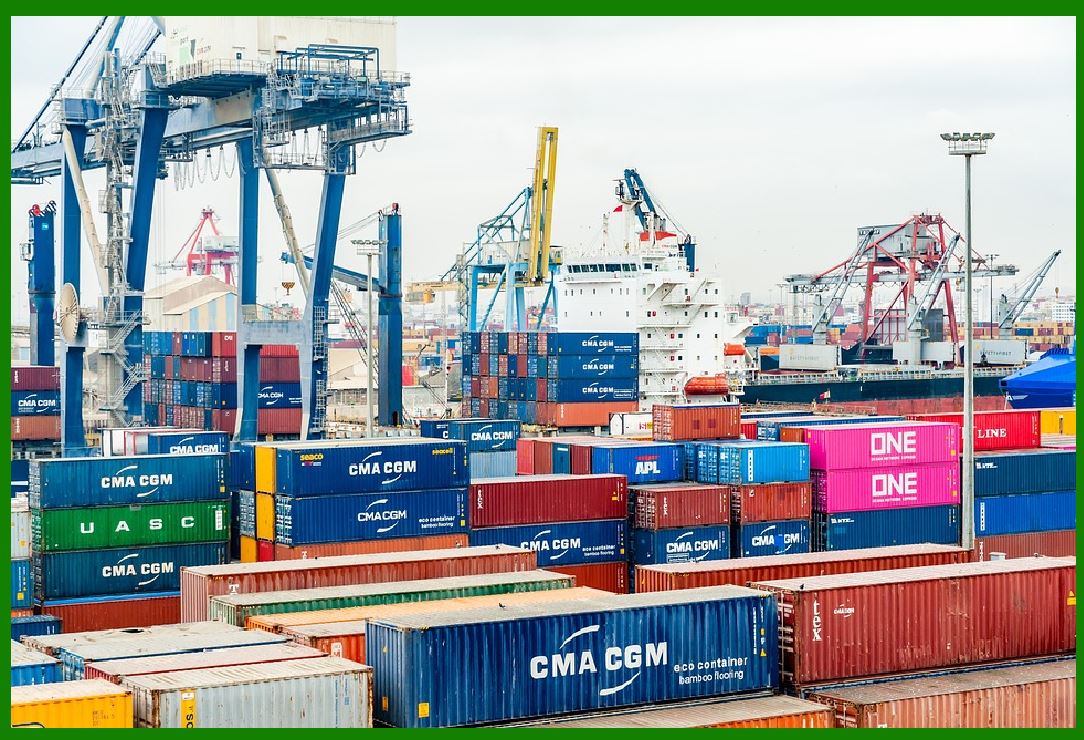
| 10. Facilitating Product Authentication and Anti-counterfeiting | Barcodes have also become a vital tool in combating counterfeiting and ensuring product authenticity. Unique barcodes can be assigned to individual products, making it easier to verify their origin and authenticity. This is particularly important in industries such as pharmaceuticals, luxury goods, and electronics, where counterfeit products can pose significant risks to consumers and businesses. By scanning the barcode, consumers and retailers can access information about the product's manufacturing details and distribution history, providing assurance of its legitimacy. This application of barcode technology helps protect brands and consumers from the adverse effects of counterfeit goods. | 11. Enabling Mobile and Online Engagement | With the advent of smartphones, barcodes have become a powerful tool for mobile and online engagement. QR codes, in particular, have gained popularity for their ability to connect the physical and digital worlds. Consumers can scan QR codes with their smartphones to access websites, download apps, view promotional content, or participate in interactive experiences. This capability has opened up new opportunities for marketers and businesses to engage with customers in innovative ways. QR codes are used in advertising, packaging, and even physical locations to provide a seamless link between offline and online experiences, enhancing customer engagement and brand loyalty. | 
| 12. Supporting Environmental Sustainability | Barcodes contribute to environmental sustainability by enabling more efficient resource management. In manufacturing and logistics, barcodes help reduce waste by ensuring that materials and products are accurately tracked and utilized. This efficiency minimizes overproduction and excess inventory, leading to lower resource consumption. Additionally, barcodes facilitate recycling and proper disposal of products by providing information on materials and recycling instructions. By promoting efficient resource use and responsible disposal practices, barcodes support sustainability initiatives and help reduce the environmental impact of various industries. | 13. Enhancing Security and Access Control | In security and access control applications, barcodes are used to manage entry to restricted areas and track the movement of personnel and assets. Barcoded ID cards and access badges provide a simple and effective way to control access to buildings, rooms, and secure areas. Barcodes can also be used to track the location and movement of valuable equipment, ensuring that it is used appropriately and preventing theft. The ability to quickly and accurately identify individuals and assets enhances security measures and helps organizations maintain control over their facilities and resources. | 
| 14. Streamlining Document Management | In the realm of document management, barcodes facilitate the efficient organization and retrieval of information. Documents can be tagged with barcodes that encode relevant metadata, such as document type, date, and author. This tagging allows for quick scanning and indexing of documents, making it easier to locate and manage large volumes of information. Barcoded documents can be integrated with digital document management systems, enabling automated workflows and reducing the need for manual handling. This application of barcodes improves the efficiency and accuracy of document management processes, particularly in large organizations and administrative settings. | 15. Enabling Real-time Data Collection and Analysis | Barcodes are integral to real-time data collection and analysis, providing businesses with valuable insights into their operations. By scanning barcodes during various stages of production, distribution, and sales, companies can collect data on product movement, inventory levels, and sales performance. This data can be analyzed to identify trends, optimize processes, and make informed decisions. The ability to access real-time information enhances agility and responsiveness, allowing businesses to adapt quickly to changing market conditions and customer demands. Barcodes thus play a crucial role in enabling data-driven decision-making and continuous improvement. | 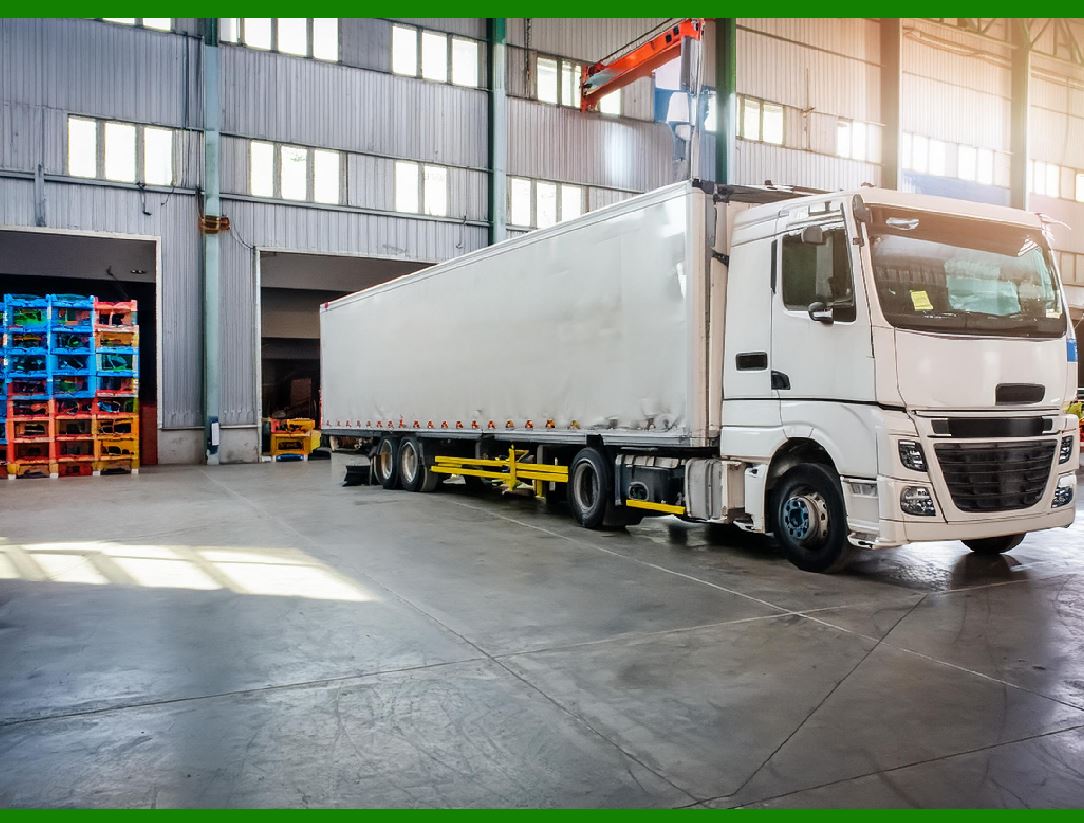
| 16. Impact on Global Trade and Standardization | The standardization of barcodes has had a profound impact on global trade. International barcode standards, such as the UPC and EAN (International Article Number), ensure that barcodes are recognized and readable across different countries and industries. This standardization facilitates the seamless movement of goods across borders, reducing barriers to international trade and enabling efficient global supply chains. Businesses can use standardized barcodes to track and manage products worldwide, ensuring consistency and compatibility. The global acceptance of barcode standards has been instrumental in supporting the growth of international commerce and enhancing the efficiency of cross-border transactions. | 17. Future Prospects and Innovations | As technology continues to evolve, the future of barcodes looks promising, with new innovations on the horizon. Developments in augmented reality (AR) and the Internet of Things (IoT) are expected to further enhance the capabilities of barcodes. AR applications can overlay digital information on physical products, providing additional context and interactivity. IoT devices can use barcodes to communicate and share data, creating smart environments where products and systems are interconnected. Additionally, advances in barcode design and printing technology will allow for even more compact and data-rich codes. These innovations will continue to expand the applications and benefits of barcode technology in various fields. | 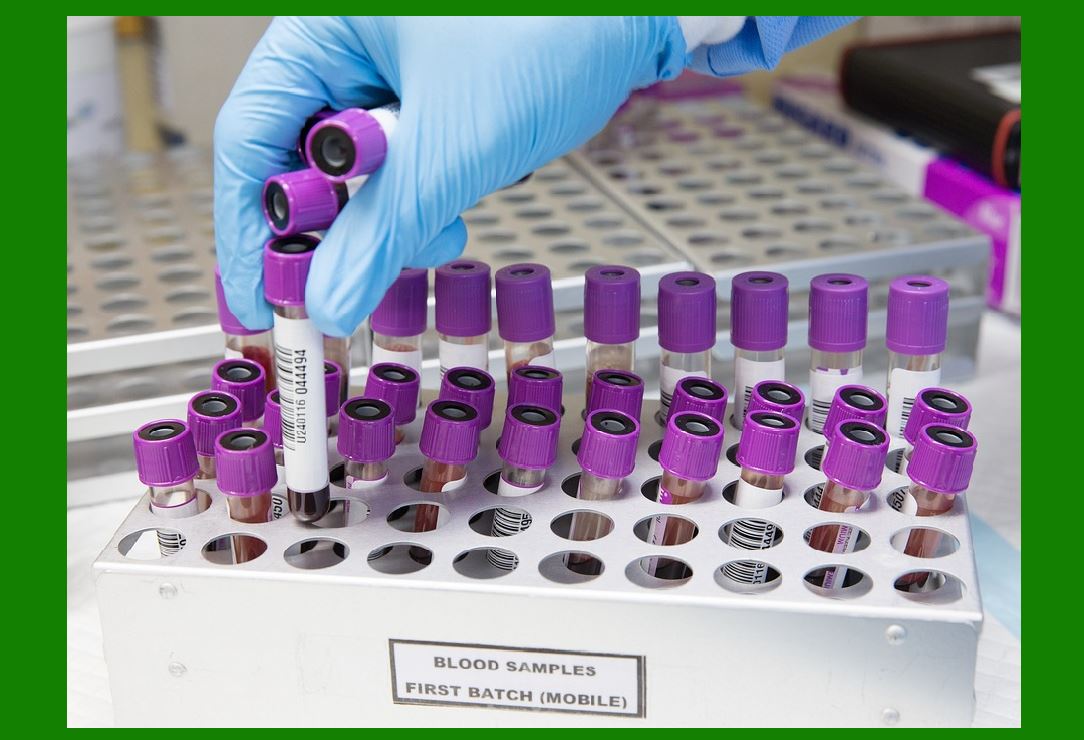
| 18. Conclusion: The Lasting Impact of Barcodes | Barcodes were invented to address the growing need for efficiency, accuracy, and automation in various industries. Their invention and subsequent adoption have transformed the way businesses operate, enabling faster transactions, better inventory management, and improved data collection. The versatility of barcodes has led to their application in diverse fields, from retail and healthcare to manufacturing and logistics. Technological advancements have further enhanced their functionality, making barcodes an indispensable tool in modern commerce. As we look to the future, the continued evolution of barcode technology promises to bring even more benefits, reinforcing their enduring impact on global trade and industry. | 
|
|
 cs@easiersoft.com