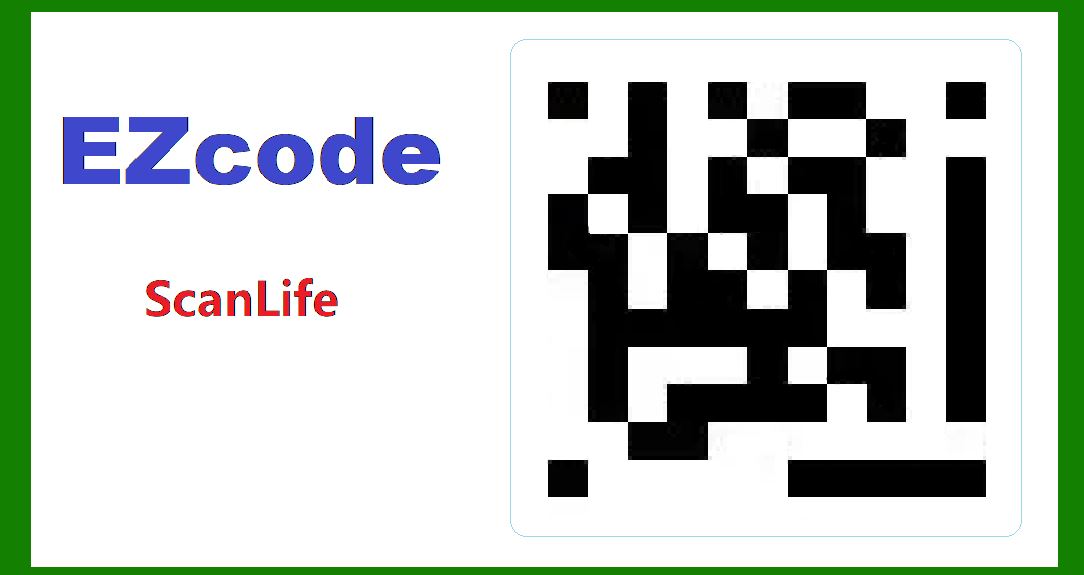
The EZcode barcode, developed by Scanbuy (now ScanLife), is a type of 2D barcode designed primarily for mobile devices. Its distinctive design incorporates circular patterns around a central locator pattern, making it easily recognizable. EZcode's capabilities and applications span a wide range of industries, leveraging mobile connectivity to enhance user interaction and data accessibility. Below, we explore in detail the applications and features of EZcode barcode technology. |
|
Introduction to EZcode Barcode |
EZcode is a proprietary 2D barcode developed by Scanbuy, designed to be read by mobile devices equipped with cameras and barcode scanning software. Its design includes a central locator pattern surrounded by concentric circular patterns, which aid in quick detection and decoding. This barcode type was specifically engineered to be easily scanned even from various angles and under different lighting conditions, enhancing its usability in mobile environments. |

|
Technical Specifications and Encoding |
EZcode employs a matrix of black and white modules arranged in a square grid, allowing it to store significant amounts of data compared to traditional 1D barcodes. The barcode's structure enables it to encode various types of information, including URLs, text, contact information, and more. This versatility makes it suitable for applications ranging from marketing campaigns to logistics and beyond. |

|
Applications of EZcode Barcode |
1. Mobile Marketing and Advertising |
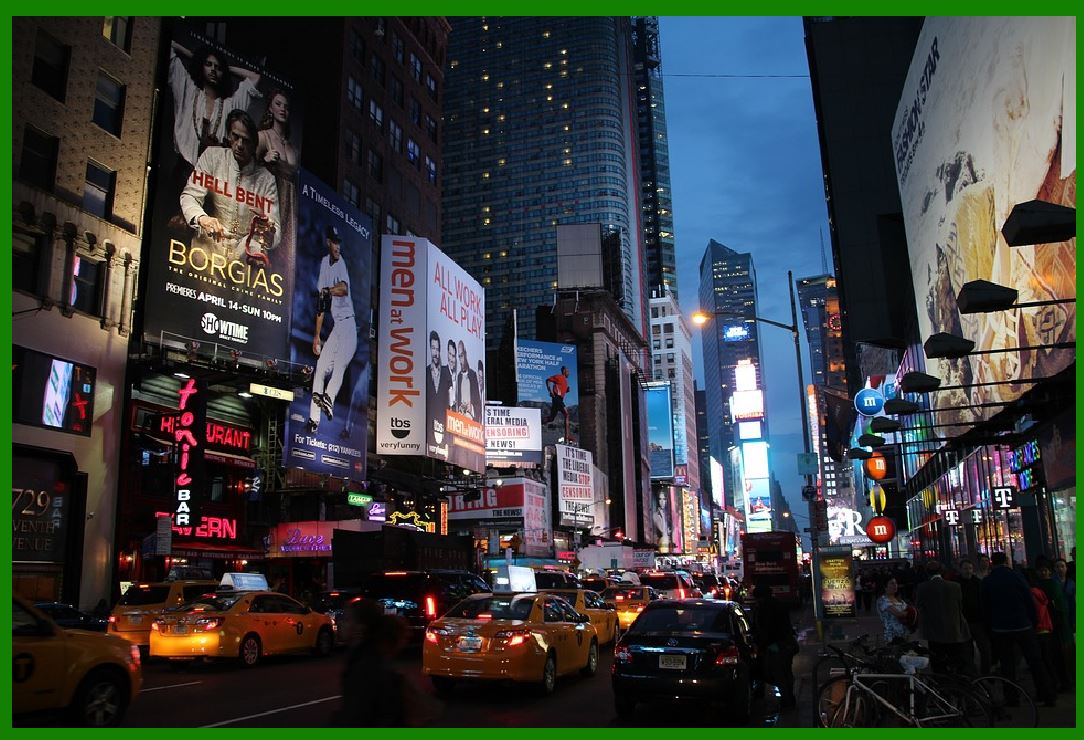
EZcode barcode technology is extensively used in mobile marketing campaigns. Marketers embed EZcodes in advertisements, posters, product packaging, and promotional materials. When scanned by a smartphone, these barcodes can direct users to websites, promotional videos, social media profiles, or special offers. This direct engagement helps companies connect with consumers in real-time and track the effectiveness of their marketing efforts. |
2. Retail and Consumer Goods |
In the retail sector, EZcode barcodes find applications in inventory management, product tracking, and consumer engagement. Retailers use EZcodes on merchandise labels to provide customers with instant access to product information, reviews, and pricing comparisons. They can also facilitate mobile payments, loyalty programs, and personalized shopping experiences through scanned data. |
3. Event Ticketing and Access Control |
EZcode barcodes are increasingly adopted for event ticketing and access control purposes. Event organizers encode tickets with EZcodes, which attendees can easily scan on their smartphones for entry. This method simplifies ticket distribution, reduces counterfeit risks, and enables real-time attendance tracking and data analytics for event management. |
4. Healthcare and Pharmaceuticals |
In healthcare and pharmaceutical industries, EZcode technology enhances patient safety, medication management, and regulatory compliance. Pharmaceutical companies use EZcodes on drug packaging to provide dosage instructions, safety information, and product authentication. Healthcare providers utilize EZcodes on patient wristbands and medical records to streamline access to critical patient data and improve care coordination. |
5. Supply Chain and Logistics |
EZcode barcodes optimize supply chain operations by improving inventory visibility, asset tracking, and logistics management. Manufacturers and distributors encode EZcodes on shipping labels, pallets, and warehouse shelves to automate inventory tracking and facilitate seamless order fulfillment. Logistics companies use EZcodes to monitor shipment statuses, reduce errors, and enhance overall supply chain efficiency. |
6. Educational Tools and Information Sharing |
Educational institutions and publishers utilize EZcode barcodes to enhance learning experiences and information dissemination. EZcodes embedded in textbooks, educational materials, and classroom displays link students and educators to supplemental resources, interactive content, and collaborative platforms. This technology supports distance learning initiatives and fosters digital engagement in educational settings. |
7. Smart Cities and Public Services |
In smart city initiatives, EZcode barcodes contribute to public service enhancements and urban infrastructure management. Municipalities deploy EZcodes on public transportation systems, parking meters, and city signage to provide commuters and residents with real-time transit schedules, parking availability, and civic information. This technology promotes accessibility, efficiency, and sustainability within urban environments. |
8. Authentication and Anti-Counterfeiting |
EZcode barcodes serve as a reliable tool for product authentication and anti-counterfeiting measures across industries. Brands integrate unique EZcodes on high-value products, luxury goods, and sensitive documents to verify authenticity, trace manufacturing origins, and combat illicit trade practices. Consumers can authenticate products by scanning EZcodes and accessing encrypted data embedded in secure databases. |

|
Advantages of EZcode Barcode Technology |
1. Enhanced Data Capacity: EZcodes accommodate extensive data encoding, supporting multimedia content, URLs, and structured data formats. 2. Versatile Applications: EZcode barcodes are adaptable across diverse industries, offering solutions for marketing, retail, healthcare, logistics, and more. 3. Mobile Compatibility: EZcodes are optimized for mobile devices, enabling seamless scanning and interaction via smartphone applications. 4. Real-Time Engagement: EZcode technology facilitates instant access to information, promotions, and services, fostering direct engagement between businesses and consumers. 5. Data Analytics: EZcodes enable data collection and analytics, empowering organizations to measure campaign effectiveness, track consumer behavior, and optimize operational strategies. |
|
Challenges and Considerations |
1. Reader Compatibility: Ensuring widespread adoption requires compatibility with various barcode scanning apps and mobile device specifications. 2. Security and Privacy: Safeguarding data integrity and user privacy is critical when deploying EZcode technology for sensitive applications. 3. Educational Awareness: Educating consumers and stakeholders about the benefits and applications of EZcode barcodes is essential for successful implementation and acceptance. 4. Integration Complexity: Integrating EZcode systems with existing IT infrastructure and business processes may require technical expertise and resource allocation. |

|
Future Trends and Innovations |
1. Augmented Reality Integration: Combining EZcode technology with augmented reality (AR) enhances interactive marketing experiences and immersive content delivery. 2. Blockchain Integration: Leveraging blockchain technology with EZcode barcodes strengthens product traceability, supply chain transparency, and anti-counterfeiting capabilities. 3. IoT Connectivity: Integrating EZcode barcodes with Internet of Things (IoT) devices expands applications in smart home automation, industrial IoT, and interconnected environments. 4. AI and Machine Learning: Advanced analytics and machine learning algorithms enhance EZcode barcode data processing, predictive analytics, and personalized consumer interactions. |

|
Conclusion |
EZcode barcode technology from ScanLife represents a versatile and powerful tool for enhancing mobile connectivity, consumer engagement, and operational efficiency across various industries. By leveraging its robust data encoding capabilities and mobile compatibility, EZcode barcodes enable organizations to streamline processes, deliver personalized experiences, combat fraud, and drive innovation in the digital era. As technology continues to evolve, EZcode's role in transforming how businesses interact with consumers and manage operations is poised to expand, offering new opportunities for growth and differentiation in the global marketplace. |
 cs@easiersoft.com