To provide a detailed explanation of Messenger Codes for Facebook, we'll cover their components, structures, functionality, and their role within the broader ecosystem of Facebook's messaging platform. Messenger Codes are designed to facilitate easy connections between users on Facebook's Messenger app, leveraging visual codes that can be scanned to initiate interactions. Let's delve into each aspect comprehensively. |
|
Overview of Messenger Codes |
Messenger Codes are a feature within Facebook Messenger that enables users to quickly add contacts and start conversations by scanning a unique code. This functionality is part of Facebook's strategy to enhance user engagement and facilitate communication across its platform. Here's a detailed breakdown of the components and structures of Messenger Codes: |

|
1. Components of Messenger Codes |
Messenger Codes consist of several key components that work together to facilitate their functionality: |
a. Visual Pattern |
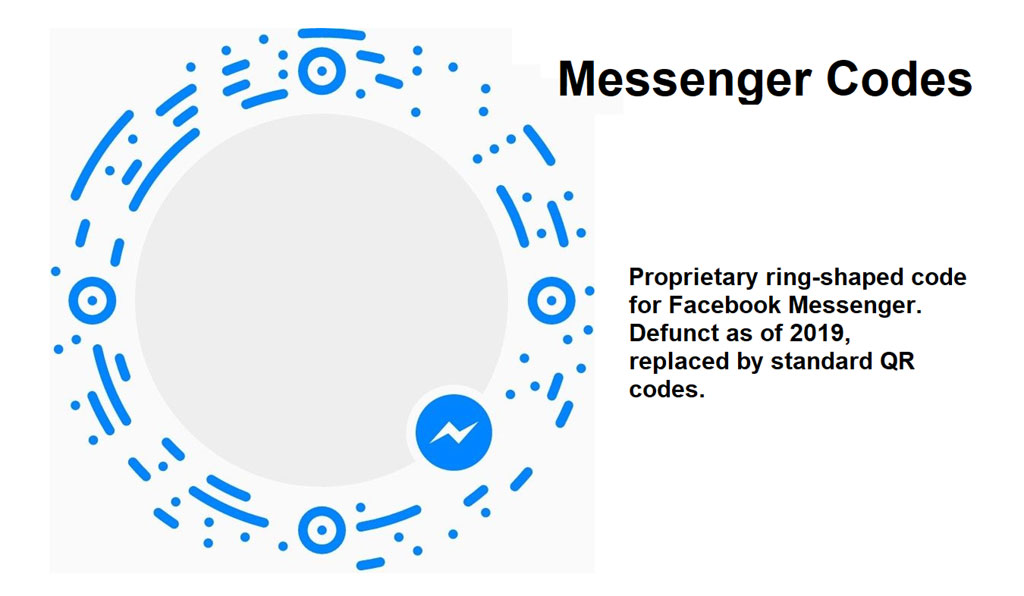
Messenger Codes are visual patterns that resemble a circular barcode, typically displayed in a white circle on a dark background. This distinctive visual design makes them easily recognizable and scannable using a smartphone camera within the Messenger app. |
b. Unique Identifier |
Each Messenger Code contains a unique identifier encoded within the pattern. This identifier is associated with a specific user or a Messenger account. When scanned, the Messenger app decodes this identifier to initiate a connection or conversation with the corresponding user. |
c. User Profile Link |
In addition to the visual pattern and identifier, Messenger Codes often include a direct link to the user's profile or contact information within the Messenger app. This link enables seamless access to the user's profile details and facilitates adding them as a contact. |

|
2. Structures of Messenger Codes |
a. Design and Format |
Messenger Codes are designed to be visually appealing and functional across various digital and physical mediums. They typically adhere to specific design guidelines to ensure clarity and effectiveness when scanned. The structure includes: |
Circular Shape: The circular design helps differentiate Messenger Codes from traditional barcodes and QR codes. This shape is optimized for easy scanning using the Messenger app's camera feature. Contrast: The use of contrasting colors (e.g., white on dark background) enhances visibility and ensures that the code stands out when displayed on screens or printed materials. |
b. Encoding Method |
Messenger Codes use a specific encoding method to embed the unique identifier within the visual pattern. While the exact encoding technique used by Facebook may not be publicly detailed, it likely involves a combination of geometric patterns and data encoding principles to ensure accuracy and reliability during scanning. |

|
3. Functionality of Messenger Codes |
a. Scanning and Recognition |
The primary function of Messenger Codes is to enable quick and accurate scanning using the Messenger app. Users can scan a Messenger Code using their smartphone camera within the Messenger app to instantly connect with the encoded profile or account. |
b. Contact Addition and Interaction |
Upon scanning a Messenger Code, users have the option to add the corresponding profile as a contact within their Messenger app. This streamlined process eliminates the need for manual searching and typing, promoting faster and more efficient communication between users. |
c. Integration with Messenger Platform |
Messenger Codes are integrated into the broader Messenger platform ecosystem. They can be used in various contexts, including personal profiles, business pages, and group chats. This integration enhances their versatility and utility across different user scenarios. |

|
4. Role within Facebook's Ecosystem |
Messenger Codes play a significant role within Facebook's ecosystem of communication tools and features: |
a. Accessibility and Ease of Use |
By simplifying the process of adding contacts and starting conversations, Messenger Codes enhance accessibility and usability for users of all experience levels. They provide a user-friendly alternative to traditional contact-sharing methods. |
b. Business and Marketing Applications |
Businesses and brands utilize Messenger Codes as part of their marketing and customer engagement strategies. They can embed Messenger Codes on websites, advertisements, and promotional materials to encourage direct communication with customers via Messenger. |
c. Privacy and Security Features |
Messenger Codes incorporate privacy and security features to safeguard user information. The unique identifiers encoded within the codes are designed to protect user privacy while enabling seamless communication between verified users. |

|
Conclusion |
Messenger Codes for Facebook represent a modern approach to facilitating communication and connection within the Messenger app ecosystem. By leveraging distinctive visual patterns and unique identifiers, Messenger Codes streamline the process of adding contacts and initiating conversations. They are designed with usability, accessibility, and security in mind, making them a valuable tool for both personal and business use cases on Facebook's messaging platform. |
 cs@easiersoft.com