1. Introduction to IATA 2 of 5 Barcode Applications |
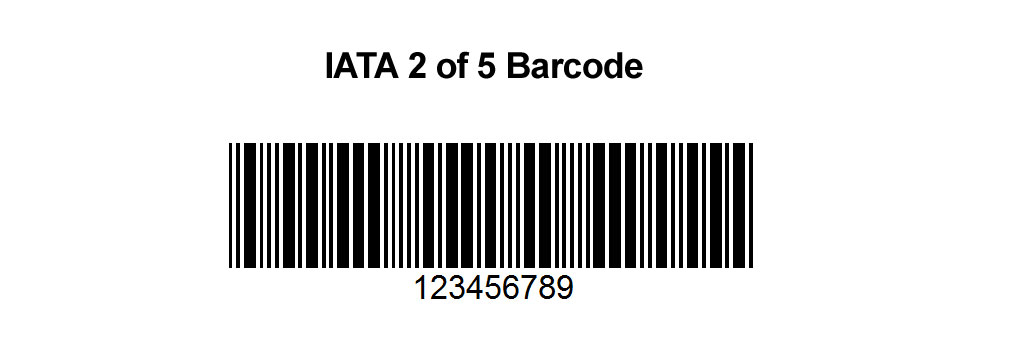
The IATA 2 of 5 barcode is a specific type of barcoding standard used primarily in the aviation and logistics sectors. This barcode format is particularly useful for encoding airline-related data and handling various aspects of air cargo operations. Its applications span across numerous processes, enhancing efficiency and accuracy in the management of air freight. |
|
2. Air Cargo Tracking |
2.1 Overview |
One of the primary applications of the IATA 2 of 5 barcode is in air cargo tracking. This application is critical for ensuring that cargo shipments are accurately tracked throughout their journey from origin to destination. |
2.2 Example |
In air cargo operations, the IATA 2 of 5 barcode is commonly used to label cargo containers and individual packages. For instance, a shipping pallet containing electronic components might be labeled with an IATA 2 of 5 barcode that encodes the flight number, shipment identification, and other relevant details. This allows for real-time tracking and updates as the pallet moves through various stages of transport and handling. |

|
3. Airline Baggage Handling |
3.1 Overview |
The IATA 2 of 5 barcode is also utilized in the airline baggage handling process. This application ensures that passengers' luggage is efficiently and accurately routed through the airport and onto the correct flight. |
3.2 Example |
Consider a scenario where a passenger checks in at an airport. The airline attaches an IATA 2 of 5 barcode label to the passenger's checked baggage. This barcode contains crucial information such as the flight number, destination, and baggage tag number. As the baggage moves through the airport's handling system, scanning the barcode at various points helps track its location, reducing the risk of lost luggage and ensuring that it arrives at the correct destination. |

|
4. Cargo Documentation |
4.1 Overview |
The IATA 2 of 5 barcode is employed in the creation and management of cargo documentation. This ensures that all necessary paperwork associated with air cargo shipments is accurately processed and easily accessible. |
4.2 Example |
In the air cargo industry, documentation such as air waybills (AWBs) and cargo manifests often include IATA 2 of 5 barcodes. For instance, an AWB for a shipment of pharmaceuticals might feature a barcode that encodes the shipment's unique identifier, consignee details, and other pertinent information. Scanning the barcode during documentation processing helps to verify and cross-check the data, facilitating smooth customs clearance and regulatory compliance. |

|
5. Customs Clearance |
5.1 Overview |
The IATA 2 of 5 barcode plays a role in the customs clearance process for international air cargo. It helps in the efficient processing of shipments through customs by providing a standardized way to encode shipment details. |
5.2 Example |
For international shipments, customs authorities use IATA 2 of 5 barcodes to quickly retrieve shipment information and verify compliance with import/export regulations. For instance, a shipment of electronics being imported into a country might be labeled with a barcode containing information about the shipment's contents, origin, and destination. Customs officers can scan this barcode to expedite the clearance process and ensure that all necessary documentation is in order. |

|
6. Flight Information Displays |
6.1 Overview |
The IATA 2 of 5 barcode is sometimes used in flight information displays to provide real-time updates on cargo and baggage status. This application enhances visibility and provides up-to-date information for both airline staff and customers. |
6.2 Example |
Airports with advanced cargo management systems may integrate IATA 2 of 5 barcodes into their flight information displays. For example, a digital display in a cargo handling area might show real-time updates on the status of incoming and outgoing shipments. By scanning the IATA 2 of 5 barcodes on cargo labels, the system can provide current information on the location and expected arrival times of shipments, improving operational efficiency and customer service. |

|
7. Inventory Management |
7.1 Overview |
Inventory management in warehouses and distribution centers often relies on the IATA 2 of 5 barcode to streamline operations and maintain accurate records of cargo and supplies. |
7.2 Example |
A distribution center handling air cargo might use IATA 2 of 5 barcodes to manage inventory levels. For example, a warehouse might receive a shipment of medical supplies, each package labeled with an IATA 2 of 5 barcode. Scanning these barcodes as the supplies are stored and retrieved helps track inventory levels, manage stock, and ensure that orders are fulfilled accurately and efficiently. |

|
8. Integration with Automated Systems |
8.1 Overview |
The IATA 2 of 5 barcode is often integrated with automated systems to enhance the efficiency of cargo handling processes. This integration allows for seamless data exchange between various systems and improves overall operational accuracy. |
8.2 Example |
In an automated air cargo handling facility, IATA 2 of 5 barcodes are scanned by automated systems to route cargo through the sorting process. For example, an automated conveyor system might use barcode scanners to read IATA 2 of 5 barcodes on cargo labels and direct packages to the appropriate loading areas based on their destination. This integration helps to reduce manual handling and speeds up the sorting process. |

|
9. Compliance with Industry Standards |
9.1 Overview |
Compliance with industry standards and regulations is a critical application of the IATA 2 of 5 barcode. This application ensures that cargo operations meet the necessary legal and regulatory requirements. |
9.2 Example |
The IATA 2 of 5 barcode is used to encode information required by international aviation regulations, such as those set forth by the International Air Transport Association (IATA). For instance, a cargo shipment of hazardous materials might be labeled with an IATA 2 of 5 barcode that includes information about the type of material, handling instructions, and safety precautions. This helps ensure that the shipment complies with safety regulations and is handled appropriately throughout its journey. |

|
10. Enhanced Customer Service |
10.1 Overview |
The IATA 2 of 5 barcode also contributes to enhanced customer service by providing accurate and timely information about cargo and baggage. |
10.2 Example |
Airlines and cargo carriers use IATA 2 of 5 barcodes to offer real-time tracking services to customers. For example, a customer shipping a package via air cargo might receive a tracking number encoded in an IATA 2 of 5 barcode. By scanning the barcode using a web-based tracking system or mobile app, the customer can receive updates on the package's location and estimated delivery time, improving transparency and customer satisfaction. |

|
11. Error Reduction and Quality Control |
11.1 Overview |
Using IATA 2 of 5 barcodes in air cargo operations helps to reduce errors and improve quality control by providing a reliable method for encoding and retrieving shipment information. |
11.2 Example |
In a quality control scenario, an air cargo company might use IATA 2 of 5 barcodes to verify the accuracy of shipments. For example, before a shipment of electronics is loaded onto an aircraft, the barcode on each package is scanned and compared with the shipping manifest. This helps to ensure that the correct items are being shipped and that there are no discrepancies between the physical shipment and the documented details. |

|
12. Conclusion |
The IATA 2 of 5 barcode is a versatile tool in the aviation and logistics sectors, offering significant benefits in tracking, handling, and managing air cargo and baggage. Its applications span from improving operational efficiency and customer service to ensuring regulatory compliance and quality control. By incorporating this barcode standard into their processes, airlines and cargo carriers can enhance their overall performance and provide better service to their customers. |
This detailed overview should give you a comprehensive understanding of the various applications of the IATA 2 of 5 barcode. If you need more information or further details on any specific aspect, feel free to ask! |
 cs@easiersoft.com