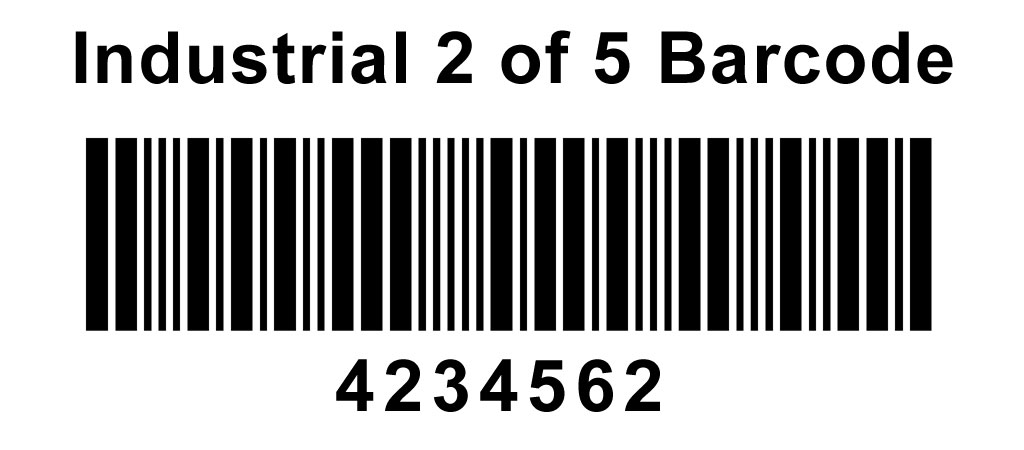
Industrial 2 of 5 (also known as Code 2 of 5 Industrial) is a type of barcode symbology primarily used in industrial applications due to its simplicity and high reliability. |
Developed in the 1960s, it remains in use today, especially in environments where space and resources are limited, and where rapid scanning and robustness are paramount. |
|
History and Development |
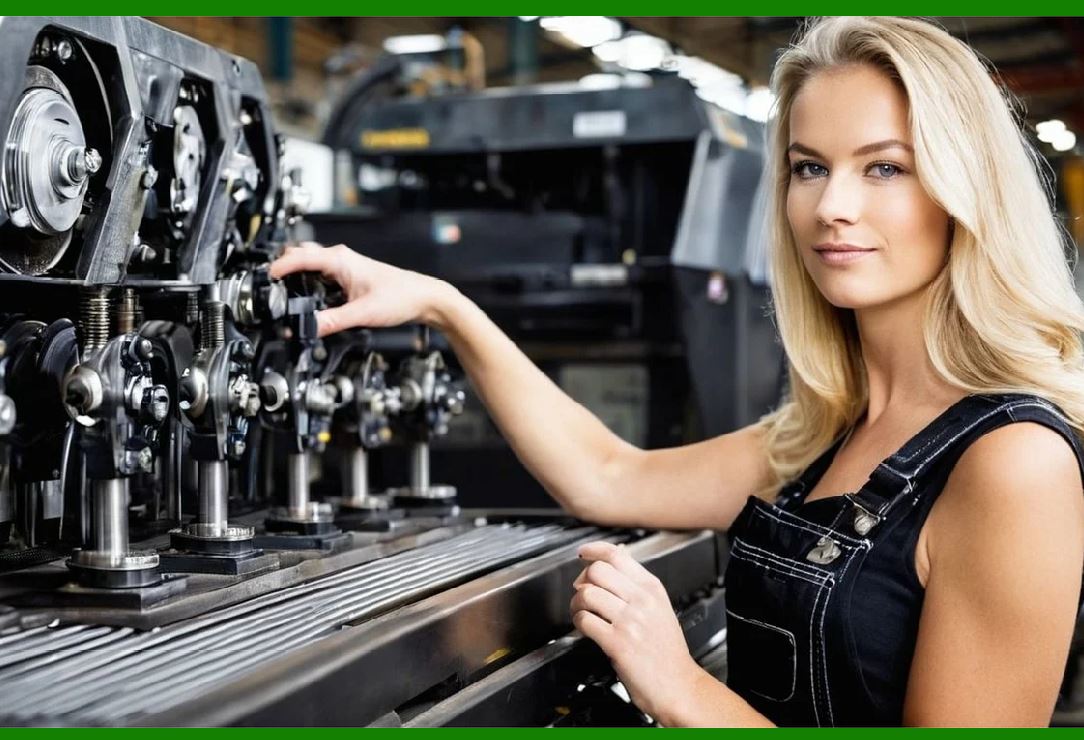
Industrial 2 of 5 barcode was developed as an improvement over the original 2 of 5 barcode, which had limitations in terms of readability and character set. The 'industrial' version addressed these issues by optimizing the encoding scheme for industrial use cases, where durability and straightforward decoding were critical. |
|
Structure and Encoding |
Structure |
Industrial 2 of 5 barcodes consist of: |
Start Character: Indicates the beginning of the barcode. Data Characters: Represent the encoded data. Check Character: Validates the accuracy of the encoded data. Stop Character: Marks the end of the barcode. |
Encoding |
The encoding process involves: |
1.Data Representation: Numerical data is encoded in pairs of bars and spaces. 2.Character Sets: Typically encodes numeric digits (0-9) and sometimes limited special characters. 3.Check Digit Calculation: A check digit ensures data integrity by verifying the accuracy of the data encoded. |

|
Features and Advantages |
Features |
Simple Structure: Uses a straightforward format of bars and spaces. High Reliability: Known for its robustness and ease of decoding. Space Efficiency: Compact design suitable for applications with limited space. Durability: Well-suited for industrial environments where labels may be exposed to harsh conditions. |
Advantages |
Speed: Rapid scanning capabilities due to its simple structure. Cost-Effective: Requires minimal printing and scanning equipment. Widely Accepted: Commonly used in industries like manufacturing, logistics, and distribution. |

|
Applications |
Industries |
Industrial 2 of 5 barcodes find applications in various industries, including: |
Manufacturing: Tracking inventory, work-in-progress, and finished goods. Logistics: Managing shipping and distribution processes. Automotive: Labeling parts and components for assembly. Healthcare: Tracking medical supplies and equipment. Retail: Inventory management and point-of-sale transactions. |

|
Specific Use Cases |
Batch Processing: Identifying and tracking batches of products. Asset Management: Labeling and tracking fixed assets and equipment. Supply Chain: Managing and monitoring the flow of goods throughout the supply chain. |

|
Standards and Specifications |
Industrial 2 of 5 barcode standards are maintained by organizations such as ANSI (American National Standards Institute) and ISO (International Organization for Standardization). These standards ensure compatibility and consistency in barcode creation, printing, and scanning across different systems and applications. |

|
Implementation and Integration |
Printing and Labeling |
Printing Methods: Thermal transfer, laser printing, and dot matrix printing are common methods used for producing Industrial 2 of 5 barcodes. Labeling: Barcodes are typically printed on labels or directly onto products, packaging, or documents. |
Scanning and Data Capture |
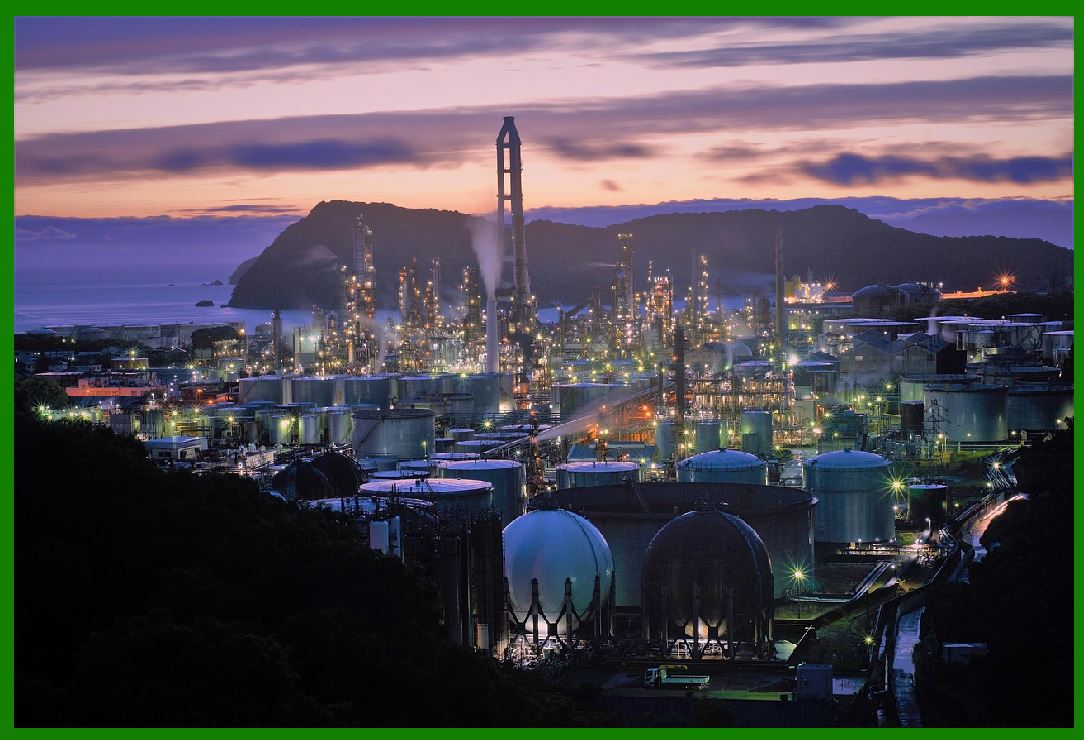
Scanning Devices: Barcode scanners and readers equipped with laser or image-based technology decode Industrial 2 of 5 barcodes swiftly and accurately. Data Integration: Barcode data is integrated into enterprise resource planning (ERP) systems, warehouse management systems (WMS), and other software applications for real-time tracking and inventory control. |
|
Challenges and Considerations |
Limitations |
Data Capacity: Limited to numeric data and a specific character set. Readability: Can be affected by printing quality, damage, or degradation over time. Compatibility: Compatibility issues may arise when integrating with systems using different barcode standards. |
Best Practices |
Quality Control: Ensure barcodes are printed clearly and accurately to optimize scanning reliability. Barcode Placement: Position barcodes where they can be easily scanned without obstruction or interference. Maintenance: Regularly inspect and replace damaged or worn barcodes to maintain scanning efficiency. |
|
Future Trends |
As technology evolves, Industrial 2 of 5 barcode systems continue to adapt to new challenges and opportunities. Advancements in barcode scanning technology, such as mobile scanning applications and IoT (Internet of Things) integration, are enhancing the capabilities and usability of barcode systems in industrial settings. |
|
Conclusion |
Industrial 2 of 5 barcode technology remains a foundational tool in industrial automation and logistics, valued for its simplicity, reliability, and efficiency. As industries evolve and demand grows for more sophisticated tracking and data management solutions, Industrial 2 of 5 barcodes continue to play a crucial role in optimizing operational processes and ensuring seamless supply chain management. |
 cs@easiersoft.com