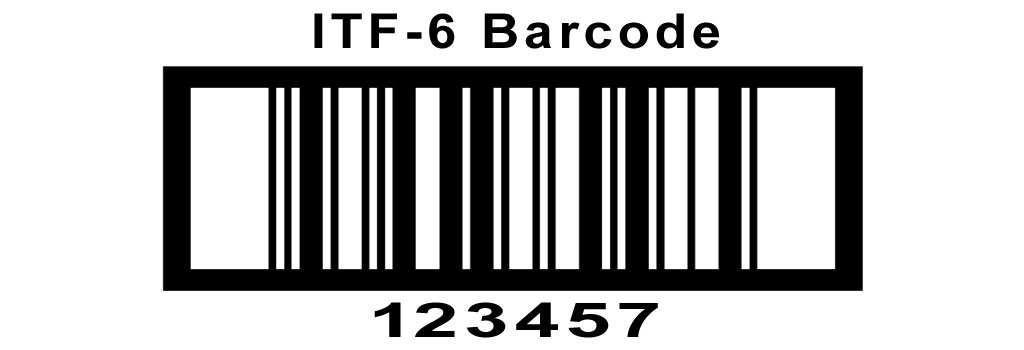
The ITF-6 (Interleaved 2 of 5) barcode is a widely used linear barcode symbology primarily employed in logistics and industrial applications. |
Its design allows for efficient encoding of numeric data, making it suitable for packaging and shipping purposes where space and readability are crucial. Below, I'll delve into the technology details of the ITF-6 barcode, covering its structure, encoding mechanism, applications, advantages, and limitations. |
|
Structure and Encoding Mechanism |
Structure |
The ITF-6 barcode is a variation of the Interleaved 2 of 5 barcode symbology, specifically designed to encode numeric-only data. Its name, ITF-6, derives from its ability to encode 6 digits per barcode symbol. It belongs to the wider family of Interleaved 2 of 5 barcodes, which includes ITF-14 (used for packaging), ITF-16 (for identifying shipping containers), and other variants optimized for different numeric data lengths. |
Encoding Mechanism |
1.Data Representation: ITF-6 encodes data in pairs of bars and spaces, where each pair represents a digit. 2.Start and Stop Patterns: Like most barcodes, ITF-6 begins with a start pattern (typically a quiet zone followed by a specific pattern to denote the beginning of a barcode) and ends with a stop pattern to indicate the conclusion of the barcode. 3.Numeric Only: ITF-6 is strictly numeric, encoding digits from 0 to 9. This limitation allows for high-density packing of data, making it efficient for use in applications requiring compact codes. 4.Check Digit: Often, a check digit is calculated and appended to ensure data accuracy and to enhance the reliability of scanning operations. |
Barcode Dimensions and Specifications |
Width: The width of an ITF-6 barcode varies based on the specific requirements and standards set by GS1 (Global Standards One) or other regulatory bodies. Quiet Zones: ITF-6, like all barcodes, requires quiet zones on both ends to ensure accurate scanning. These are blank areas surrounding the barcode symbol that scanners use to calibrate and detect the beginning and end of the barcode. |
|
Applications |
Logistics and Packaging |
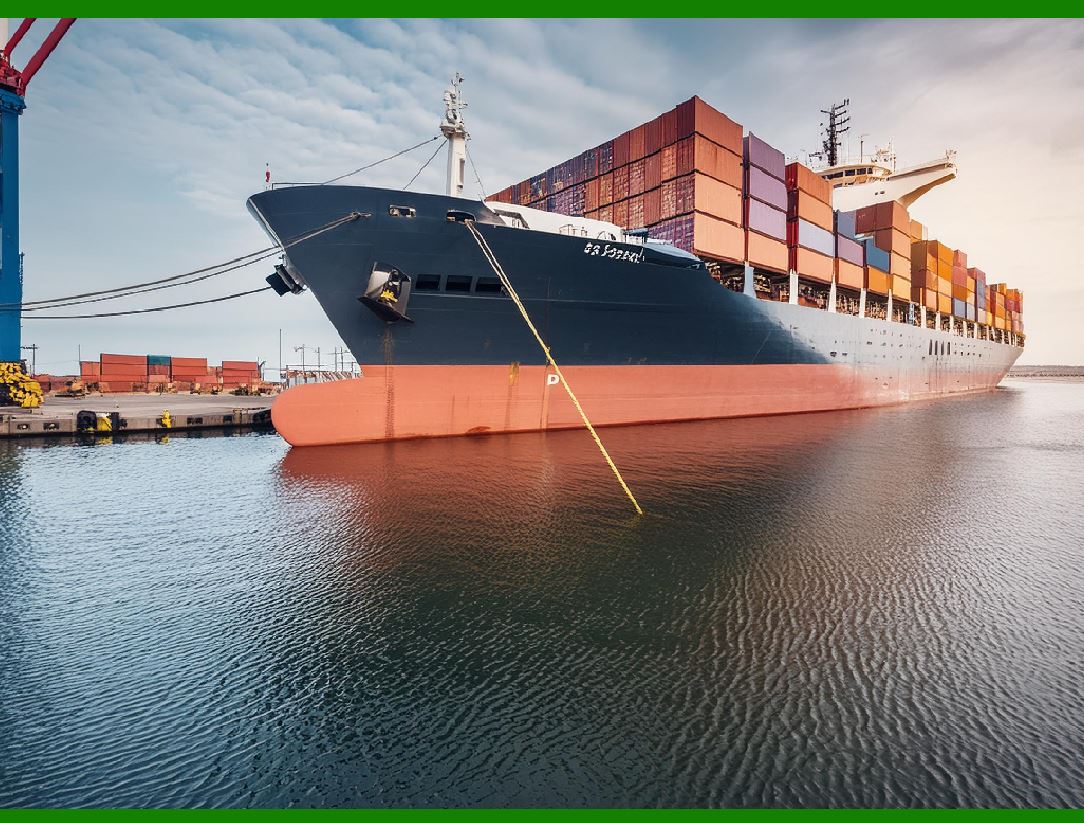
ITF-6 barcodes find extensive use in logistics and packaging industries: |
Product Identification: Used to identify products and track inventory in warehouses and retail stores. Shipping: Applied on cartons, pallets, and packages to facilitate efficient logistics operations and supply chain management. Retail: Used for inventory control, automated checkout systems, and price labeling in retail environments. |
Industrial Applications |
Automated Processes: Integrated into automated manufacturing and assembly lines to track work-in-progress (WIP) and manage inventory. |
Compliance and Regulation |
Global Trade: Required by GS1 standards for international trade, ensuring compatibility across global supply chains. |
|
Advantages |
1.Numeric Efficiency: ITF-6 efficiently encodes numeric data, allowing for compact representation of product or logistical information. 2.Readability: Designed for high-speed scanning, ensuring reliable data capture in busy industrial and retail environments. 3.Cost-Effective: Implementation costs are relatively low compared to more complex barcode systems, making it accessible for small and large businesses alike. |
Limitations |
1.Numeric Limitation: Restriction to numeric data limits its applicability in environments requiring alphanumeric data encoding. 2.Density Requirements: Depending on printing quality and scanning equipment, ITF-6 may require specific minimum dimensions and print quality to ensure reliable scanning. 3.Data Capacity: Limited to 6 digits per barcode, which may not suffice for applications requiring more extensive data encoding. |

|
Printing and Scanning Considerations |
Printing |
Resolution: Adequate print resolution is crucial to ensure barcode clarity and scanning accuracy. Material and Surface: Barcode readability can be affected by printing substrate, surface texture, and environmental factors (e.g., lighting). |
Scanning |
Scanner Compatibility: ITF-6 barcodes are compatible with laser and CCD (Charge-Coupled Device) scanners commonly found in retail and logistics settings. Orientation: Proper barcode orientation and placement are essential for accurate scanning. |

|
Standards and Compliance |
ITF-6 adheres to standards set by GS1 and other international regulatory bodies to ensure uniformity and compatibility across industries and geographical regions. Compliance with these standards is critical for interoperability and seamless integration into global supply chains. |

|
Future Trends and Innovations |
As technology evolves, barcode systems like ITF-6 continue to evolve alongside advancements in scanning technology, data analytics, and automation. Future innovations may include enhanced data encryption, real-time tracking capabilities, and integration with Internet of Things (IoT) devices for enhanced supply chain visibility and operational efficiency. |

|
Conclusion |
The ITF-6 barcode symbology remains a cornerstone in logistics and industrial applications, providing a robust solution for numeric data encoding and tracking. Its simplicity, coupled with high readability and compliance with global standards, makes ITF-6 a preferred choice for businesses aiming to streamline operations, improve inventory management, and enhance overall efficiency in supply chain logistics. As technology progresses, ITF-6 and its variants will likely continue to play a vital role in the digital transformation of industries worldwide. |
 cs@easiersoft.com