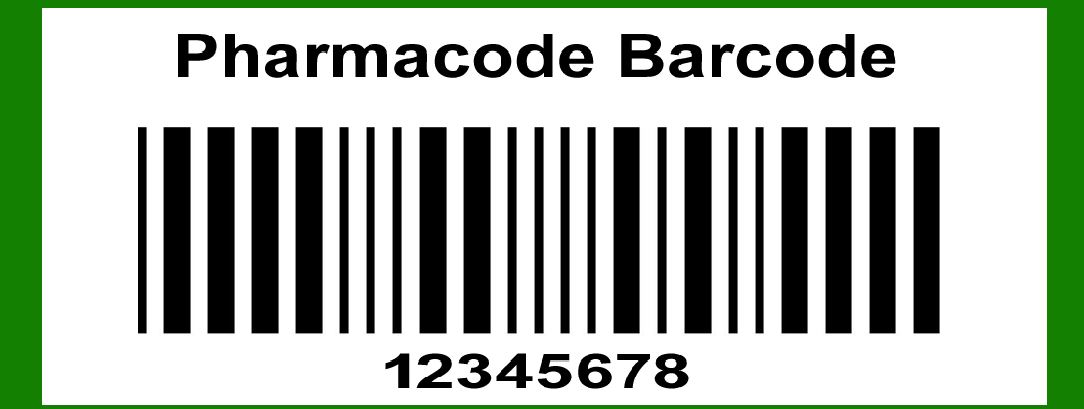
The Pharmacode barcode, also known as Pharmaceutical Binary Code, is a type of barcode specifically designed for use in the pharmaceutical industry. |
Unlike many other barcodes, Pharmacode does not have an international standard. Instead, it is primarily used in Europe and some parts of Asia for internal drug packaging and identification purposes. This technology detail will cover the history, structure, encoding method, applications, advantages, and limitations of Pharmacode barcodes. |
|
History and Development |
Pharmacode was developed to meet the unique requirements of the pharmaceutical industry, where compact and efficient encoding of numeric data is crucial for packaging and logistics. The technology was pioneered by Laetus, a German company specializing in quality control and track-and-trace solutions for pharmaceutical products. |
The barcode was designed to encode a numerical representation of a product's expiry date or batch number, allowing for quick and accurate identification within the pharmaceutical supply chain. It differs from traditional linear barcodes and 2D matrix codes by its specific focus on pharmaceutical data needs and its simpler, numeric-only encoding structure. |

|
Structure and Encoding Method |
Pharmacode is a one-dimensional (1D) barcode, meaning it consists of a single row of bars and spaces. Unlike conventional barcodes that encode alphanumeric characters, Pharmacode encodes only numeric data. The barcode represents a numerical value that corresponds to a specific pharmaceutical product attribute, such as batch number or expiration date. |
The encoding scheme of Pharmacode is based on binary representation, where each digit in the encoded number is represented by a series of bars and spaces of varying widths. The encoding is designed to be simple and easy to read by both optical scanners and human operators, making it suitable for rapid processing in pharmaceutical manufacturing and distribution environments. |

|
Technical Specifications |
Pharmacode barcodes are typically printed using inkjet or laser technology directly onto pharmaceutical packaging materials such as labels, cartons, or blister packs. The barcode's dimensions and printing specifications may vary depending on the specific application and regulatory requirements of different countries and regions. |
The barcode itself consists of a series of bars and spaces arranged in a specific pattern. Each pattern corresponds to a numeric value, allowing pharmaceutical personnel and automated systems to quickly identify and track products throughout their lifecycle. |

|
Applications in Pharmaceutical Packaging |
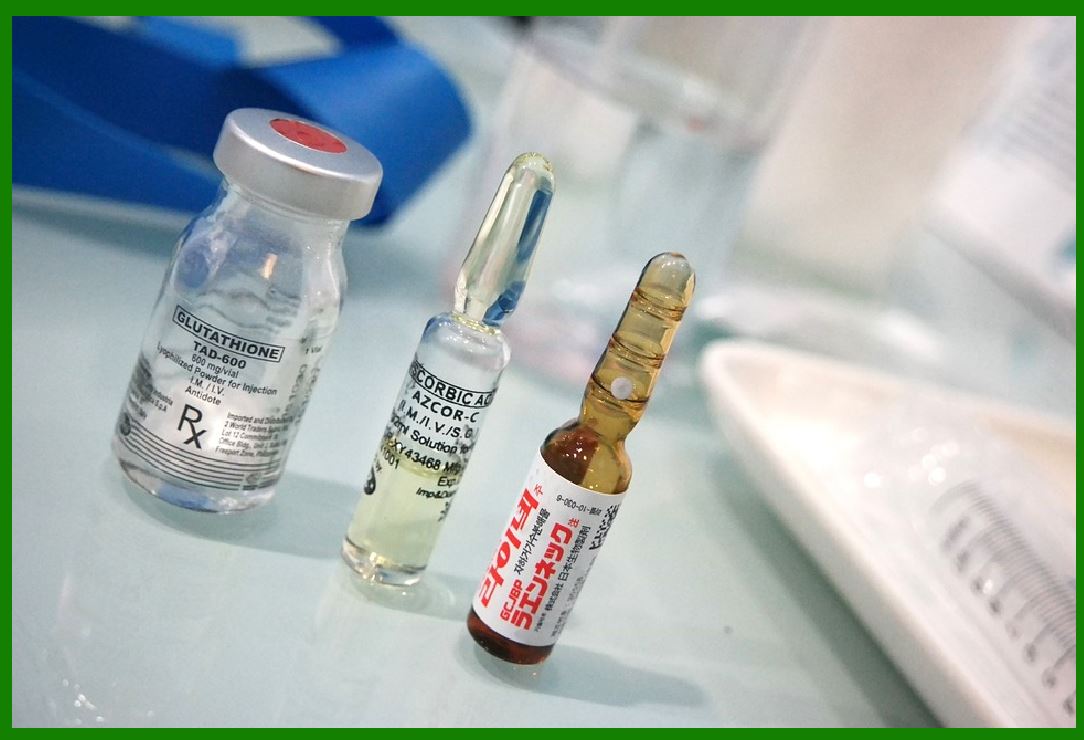
Pharmacode barcodes are widely used in the pharmaceutical industry for various purposes, including: |
1.Batch Tracking: Each pharmaceutical batch is assigned a unique Pharmacode barcode, allowing manufacturers and distributors to track the batch's production, distribution, and expiration. 2.Expiration Date Encoding: Pharmacode barcodes can encode expiration dates of pharmaceutical products, ensuring accurate inventory management and preventing the sale of expired medications. 3.Inventory Control: Pharmaceutical companies use Pharmacode barcodes to streamline inventory control processes, enabling efficient stock management and replenishment. 4.Quality Control: Pharmacode barcodes facilitate quality control processes by providing a reliable method for verifying the authenticity and integrity of pharmaceutical products. 5.Regulatory Compliance: Many regulatory agencies require pharmaceutical manufacturers to use barcoding technology like Pharmacode to ensure compliance with safety and labeling standards. |
|
Advantages of Pharmacode Barcodes |
Pharmacode barcodes offer several advantages over other types of barcodes in pharmaceutical applications: |
Numeric Efficiency: Pharmacode barcodes are optimized for numeric data encoding, making them ideal for representing batch numbers, expiration dates, and other essential pharmaceutical attributes. Simplicity: The encoding and decoding process of Pharmacode barcodes is straightforward, simplifying integration into existing packaging and labeling systems. Reliability: Pharmacode barcodes are designed to withstand typical challenges in pharmaceutical environments, such as variable printing conditions and packaging materials. Cost-effectiveness: Implementing Pharmacode barcodes can reduce operational costs associated with inventory management, regulatory compliance, and quality control. |

|
Limitations and Challenges |
Despite its advantages, Pharmacode barcodes have some limitations and challenges: |
Limited Data Capacity: Pharmacode barcodes are designed for numeric data encoding and have limited capacity compared to 2D barcodes, which can encode alphanumeric characters and larger datasets. Regional Adoption: Pharmacode barcodes are primarily used in Europe and some parts of Asia, limiting their global adoption and interoperability. Printing Requirements: Achieving optimal barcode readability requires precise printing and scanning conditions, which may vary depending on the printing technology and packaging materials used. |

|
Future Developments |
The pharmaceutical industry continues to evolve, with increasing emphasis on digitalization, track-and-trace capabilities, and patient safety. Future developments in Pharmacode barcode technology may include: |
Enhanced Data Capacity: Research and development efforts may focus on increasing the data capacity of Pharmacode barcodes to accommodate additional product information and regulatory requirements. Integration with Digital Platforms: Pharmacode barcodes may be integrated with digital platforms and track-and-trace systems to enhance supply chain visibility and counterfeit detection. Global Standardization: Efforts to standardize Pharmacode barcodes on an international level may facilitate broader adoption and interoperability across different regions and markets. |

|
Conclusion |
Pharmacode barcodes play a crucial role in the pharmaceutical industry by providing a reliable and efficient method for encoding numeric data on drug packaging. While not standardized internationally, Pharmacode barcodes are widely used in Europe and Asia for batch tracking, expiration date encoding, and inventory control. Their simplicity, reliability, and cost-effectiveness make them a preferred choice for pharmaceutical companies seeking to enhance operational efficiency and regulatory compliance. |
As the pharmaceutical industry continues to evolve, Pharmacode barcode technology may undergo further advancements to meet the growing demands for digitalization, traceability, and patient safety in global supply chains. |
 cs@easiersoft.com