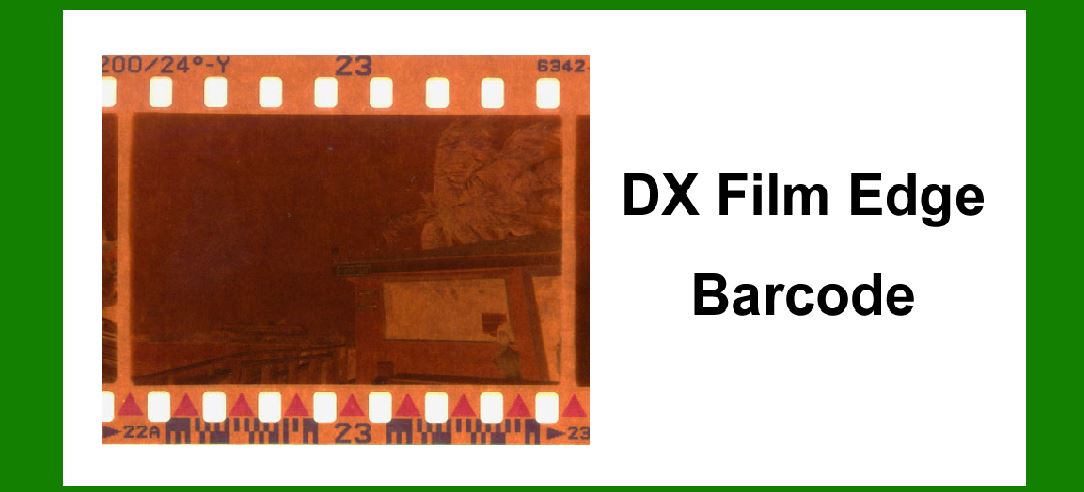
The DX (Digital indeX) film edge barcode is a system used extensively in the photography industry, particularly during the era of analog film cameras. This barcode system provides essential data to various devices for processing and handling photographic films. The DX barcode is typically found along the edge of the 35mm film and consists of two sections: a machine-readable barcode and a pattern of electrical contacts. Here are detailed application examples of the DX film edge barcode: |
|
1.Automatic Film Loading and Identification in Cameras |
Modern analog cameras equipped with DX code readers can automatically detect the type of film loaded. This feature enables the camera to adjust its settings automatically, such as ISO sensitivity. For instance, when a roll of film with an ISO of 400 is loaded into the camera, the DX barcode allows the camera to recognize this information and set the appropriate exposure settings without manual input from the user. This automation enhances user convenience and ensures that the film is exposed correctly based on its specifications. |
2.Optimized Film Development Processes in Photographic Labs |
Photographic labs use DX barcodes to streamline the film development process. The DX code provides crucial information, including the type of film, the number of exposures, and the film speed. This data allows automated film processors to adjust their settings according to the specific requirements of each roll of film. For example, if a lab receives a mix of color and black-and-white films, the DX barcode ensures that each type of film undergoes the appropriate development process, preventing errors and optimizing processing time and quality. |

|
3.Automated Sorting and Packaging Systems |
In large-scale film production and distribution facilities, DX barcodes facilitate automated sorting and packaging. The barcode system allows machines to quickly identify and categorize different types of films based on their specifications. For instance, a production line equipped with barcode scanners can sort films into batches for specific markets or clients, ensuring that each batch meets the correct requirements. This automation reduces manual labor, minimizes errors, and increases efficiency in the distribution process. |
4.Enhanced Quality Control Measures |
Quality control in film manufacturing is crucial to ensure consistency and reliability. DX barcodes are used in quality control systems to verify that each roll of film meets the specified standards. Automated systems can scan the barcodes and cross-reference the data with production records to ensure that each roll has been correctly produced and packaged. For example, if a batch of films is found to have a defect, the DX barcodes can help trace the issue back to a specific production run, enabling targeted quality control measures and reducing waste. |

|
5.Consumer Convenience and User Experience |
The DX barcode system enhances the user experience by simplifying film handling and processing. Consumers benefit from features like automatic film recognition in cameras, which eliminates the need for manual adjustments and reduces the risk of exposure errors. Additionally, when consumers drop off their films at a lab, the DX barcode ensures that the films are processed correctly and efficiently, leading to better quality prints and faster turnaround times. For example, a user who frequently switches between different film types (such as color and black-and-white) can do so with ease, knowing that their camera and lab will handle each film appropriately. |
6.Integration with Digital Systems |
As the industry transitioned to digital technologies, the DX barcode system found applications in hybrid analog-digital workflows. Film scanners equipped with DX code readers can automatically detect film specifications, enabling accurate digitization of analog images. For instance, a high-end film scanner in a professional photo lab can use the DX barcode to set the correct scanning parameters for each roll of film, ensuring that digital images maintain the quality and characteristics of the original analog photos. This integration helps preserve the value of analog photography in the digital age. |

|
7.Archival and Retrieval Systems in Professional Photography |
Professional photographers often maintain extensive archives of their work, including negatives and slides. The DX barcode system aids in organizing and retrieving these archives efficiently. Each roll of film can be cataloged with its specific data, making it easier to locate and reference in the future. For example, a professional photographer managing a large collection of film negatives can use the DX barcodes to create a digital index, simplifying the process of finding specific images or projects when needed. |
8.Educational and Training Tools |
The DX barcode system also finds applications in educational settings, where it serves as a teaching tool for photography students. Educators can use DX-coded films to demonstrate various aspects of film photography, such as exposure settings, film handling, and development processes. For instance, in a photography class, students can learn how different ISO settings affect image quality by loading DX-coded films into their cameras and observing the results. This hands-on experience with the DX barcode system provides valuable insights into the mechanics of film photography. |

|
9.Film-Based Artistic Projects |
Artists and photographers engaged in film-based projects often utilize the DX barcode system to manage their workflows. The ability to automate film handling and processing allows artists to focus on the creative aspects of their work. For example, an artist working on a film-based installation can use DX-coded films to ensure consistent exposure and development across multiple rolls, maintaining the desired aesthetic throughout the project. This reliability and efficiency are particularly important in large-scale or time-sensitive artistic endeavors. |
10.Specialized Film Types and Custom Processing |
The DX barcode system supports a wide range of specialized film types, including infrared, tungsten-balanced, and slide films. Each type of film requires specific handling and processing, which the DX barcode facilitates. For instance, a photographer shooting with infrared film can rely on the DX barcode to ensure that the film is developed under the correct conditions, preserving the unique characteristics of infrared photography. This capability is essential for photographers who experiment with different film types to achieve specific visual effects. |

|
11.Historical and Cultural Preservation |
The DX barcode system plays a role in the preservation of historical and cultural heritage captured on film. Museums and archives that manage extensive film collections use DX barcodes to catalog and maintain these materials. For example, a film archive preserving historical documentaries and news footage can use DX barcodes to organize and track each roll of film, ensuring that these valuable records are accessible for future generations. This systematic approach to film preservation helps safeguard cultural heritage in a manageable and retrievable format. |
12.Consumer Photography and Hobbyist Use |
Hobbyist photographers and film enthusiasts benefit from the convenience and reliability of the DX barcode system. The automation provided by DX-coded films makes it easier for hobbyists to achieve consistent results, regardless of their level of expertise. For example, a hobbyist photographer experimenting with different film brands and types can rely on the DX barcode to ensure that their camera and lab handle each film correctly, resulting in higher-quality images and a more enjoyable photography experience. |

|
13.Support for Film-Based Research |
Researchers in fields such as archaeology, forensics, and scientific imaging use film photography for its unique qualities and archival stability. The DX barcode system supports these applications by providing accurate and automated film handling. For instance, an archaeologist documenting an excavation site with film photography can use DX-coded films to ensure consistent exposure and processing, preserving the visual details necessary for analysis and study. The reliability of the DX barcode system is crucial in research contexts where precision and accuracy are paramount. |
14.Nostalgic and Vintage Photography Markets |
The resurgence of interest in vintage and nostalgic photography has led to a renewed appreciation for analog film and the DX barcode system. Companies producing new batches of classic film stocks incorporate DX barcodes to maintain compatibility with modern and vintage cameras. For example, a manufacturer reintroducing a popular film type from the 1970s includes DX barcodes on the new rolls, allowing photographers to enjoy the classic look and feel of the film with the convenience of modern technology. This blending of old and new appeals to enthusiasts who value the authenticity of analog photography. |

|
15.Collaboration with Digital Printing Services |
Many digital printing services offer options for printing images from analog film. The DX barcode system facilitates this process by providing accurate film data for scanning and printing. For instance, a photographer who prefers shooting on film but wants to create digital prints can send their DX-coded films to a printing service that scans the film and produces high-quality digital prints. The DX barcode ensures that the scanning and printing processes respect the film's characteristics, resulting in prints that faithfully reproduce the original images. |
16.Customization and Special Editions |
Some film manufacturers produce limited edition or customized film batches with unique properties or branding. The DX barcode system supports these special editions by enabling automated handling and processing tailored to the specific characteristics of the film. For example, a company releasing a limited edition film with a unique color profile can use DX barcodes to ensure that cameras and labs recognize and process the film correctly, providing users with the intended visual effects. This customization adds value and exclusivity to the product, appealing to collectors and enthusiasts. |

|
17.Event and Wedding Photography |
Event and wedding photographers often use film to capture the timeless quality and aesthetic that analog photography provides. The DX barcode system ensures that each roll of film is handled correctly, allowing photographers to focus on capturing memorable moments. For instance, a wedding photographer using a mix of color and black-and-white films can rely on the DX barcodes to ensure that their camera and lab process each film type appropriately, resulting in a diverse and high-quality set of images for their clients. |
18.Integration with Mobile and Digital Apps |
Some modern film cameras and accessories integrate with mobile apps to provide additional features and controls. The DX barcode system can interface with these digital tools to enhance the user experience. For example, a camera with a companion app can read the DX barcode on the film and display relevant information on the user's smartphone, such as film type, ISO, and remaining exposures. This integration combines the tactile experience of analog photography with the convenience of digital technology, appealing to tech-savvy photographers. |

|
19.Film Photography Workshops and Classes |
Photography workshops and classes that focus on film photography often use DX-coded films to provide a consistent and educational experience for participants. Instructors can demonstrate the effects of different film types and settings using DX-coded films, allowing students to observe and learn from the results. For instance, a workshop on portrait photography might include sessions with various DX-coded films, enabling participants to compare the outcomes and understand the impact of film choice on their images. This hands-on learning approach enriches the educational experience and fosters a deeper appreciation for film photography. |
20.DIY Film Development and Darkroom Techniques |
Enthusiasts who develop their films at home benefit from the DX barcode system's ability to provide precise information about each roll of film. This information helps hobbyists set up their development processes correctly, ensuring high-quality results. For example, a photographer developing black-and-white film at home can use the DX barcode to verify the film's specifications and adjust their development time and chemical concentrations accordingly. This precision enhances the DIY development experience and helps achieve professional-level results. |

|
21.Analog Film Festivals and Exhibitions |
Analog film festivals and exhibitions celebrate the art and craft of film photography, showcasing works created with traditional methods. The DX barcode system supports these events by ensuring that films are handled and processed correctly, preserving the integrity of the artists' work. For instance, a film festival featuring works from various photographers can rely on the DX barcodes to streamline the submission and processing of films, ensuring that each piece is presented at its best. This attention to detail enhances the festival experience and highlights the beauty of analog photography. |
22.Cross-Platform Compatibility and Longevity |
The DX barcode system ensures that analog films remain compatible with a wide range of cameras and processing equipment, contributing to the longevity of film photography. As technology evolves, the DX barcode provides a consistent and reliable means of identifying and handling films, bridging the gap between old and new devices. For example, a photographer using a vintage camera can still purchase and use modern DX-coded films, confident that their equipment will handle the film correctly. This compatibility extends the life of analog photography and supports the continued use of classic cameras. |

|
23.Support for International Photography Markets |
The DX barcode system standardizes film handling across international markets, making it easier for photographers to work globally. Photographers traveling or working in different countries can use DX-coded films with confidence, knowing that their films will be recognized and processed correctly regardless of location. For example, a photojournalist covering an event abroad can rely on the DX barcode to ensure that their films are developed to the correct specifications, maintaining the quality and consistency of their work across borders. |
24.Marketing and Promotion of Film Photography |
Film manufacturers and retailers use the DX barcode system as a marketing tool to promote the benefits and reliability of analog photography. By highlighting the convenience and accuracy provided by DX-coded films, companies can attract new users and retain existing customers. For instance, a film retailer might advertise the advantages of DX-coded films, such as automatic camera settings and optimized lab processing, to appeal to both novice and experienced photographers. This marketing approach reinforces the value of film photography in a digital age. |

|
25.Cinematic and Motion Picture Use |
The DX barcode system also finds applications in the cinematic and motion picture industries, where film remains a popular medium for its unique aesthetic qualities. Film production companies use DX-coded films to ensure consistent handling and processing throughout the filmmaking process. For example, a cinematographer shooting a feature film on analog stock can rely on the DX barcode to maintain accurate exposure and development settings across multiple rolls of film, ensuring visual continuity and high production quality. This application underscores the versatility and enduring relevance of the DX barcode system in various creative fields. |
 cs@easiersoft.com