1.Introduction to Code 49 Applications |
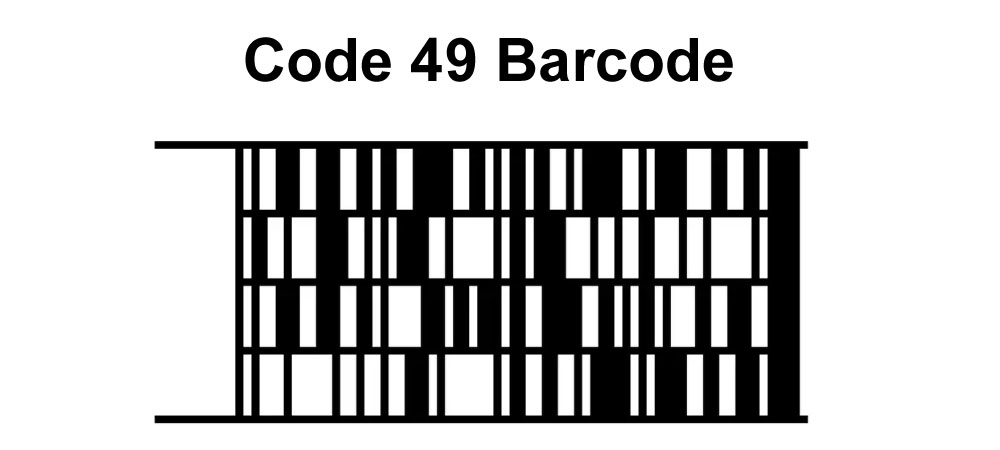
Code 49 is a high-density 2D barcode that allows for the encoding of substantial amounts of data in a compact space. It is known for its capability to store a significant amount of information relative to its size, making it suitable for various applications where space is at a premium. This section explores the practical uses of Code 49 in different sectors, highlighting how its unique features make it ideal for specific applications. |
|
2.Retail and Inventory Management |
Code 49 is utilized in retail environments for inventory management due to its ability to encode extensive product information. For example, large retail chains may use Code 49 to store detailed product attributes including item numbers, descriptions, pricing, and stock levels. In such cases, each Code 49 barcode printed on product packaging or shelf labels can hold comprehensive data that simplifies inventory tracking and reordering processes. This reduces manual data entry errors and speeds up inventory management. |
Example: A major electronics retailer uses Code 49 barcodes on their product labels to include detailed specifications like model numbers, manufacturing dates, and warranty information. This allows the retailer to quickly scan and access detailed product data during stock checks and in-store customer support. |

|
3.Medical and Pharmaceutical Industry |
In the medical and pharmaceutical fields, Code 49 barcodes are employed to encode detailed information about medical products and patient data. The high data density of Code 49 makes it suitable for storing extensive drug information, including dosage, batch numbers, expiration dates, and manufacturer details. This is crucial for ensuring accurate medication management and traceability. |
Example: A pharmaceutical company integrates Code 49 barcodes on their medication packaging to include detailed drug information and patient instructions. This ensures that pharmacists can easily access all relevant data about the drug by scanning the barcode, which helps in reducing medication errors and enhancing patient safety. |

|
4.Logistics and Supply Chain Management |
In logistics and supply chain management, Code 49 is used for tracking and managing shipments. Its ability to store large amounts of data makes it ideal for encoding shipment details such as origin, destination, contents, and handling instructions. This is particularly useful for managing complex supply chains with multiple intermediaries and varying types of cargo. |
Example: A global shipping company utilizes Code 49 barcodes on shipping containers to track their movements through the supply chain. Each barcode contains detailed information about the contents, destination, and handling requirements. This facilitates efficient tracking and management of shipments, reducing the risk of errors and delays. |

|
5.Manufacturing and Production |
In manufacturing environments, Code 49 barcodes are used for tracking parts and components throughout the production process. The barcode can store detailed information about each component, such as part numbers, production dates, and quality control data. This enables manufacturers to maintain accurate records of production and quality control, improving overall efficiency and traceability. |
Example: An automotive manufacturer uses Code 49 barcodes on each component part of their vehicles. The barcode encodes information about the part's specifications, production date, and supplier details. During assembly, scanners read the barcode to ensure that the correct parts are used and that each component meets quality standards. |

|
6.Library and Archival Systems |
Code 49 is also applied in library and archival systems to manage and catalog extensive collections of documents and books. The barcode can encode detailed bibliographic information, including author, title, and publication date, facilitating efficient cataloging and retrieval of materials. |
Example: A university library employs Code 49 barcodes on books and archival documents. Each barcode contains detailed information about the item, including its catalog number and location in the library. This allows librarians to quickly scan and locate items, streamlining the check-out and return processes. |

|
7.Event Management and Ticketing |
In event management and ticketing, Code 49 barcodes are used to encode ticket information such as seat numbers, event details, and ticket validity. This helps in efficiently managing access control and verifying ticket authenticity at events. |
Example: A large music festival uses Code 49 barcodes on tickets to store detailed information about the event, including seat numbers, entry times, and ticket holder details. At the entrance, staff scan the barcodes to verify tickets and manage guest access, ensuring smooth event operations. |

|
8.Transportation and Travel |
Code 49 barcodes are employed in the transportation and travel industry to manage boarding passes and travel documents. The high data density allows for encoding detailed travel information, including flight details, passenger information, and booking references. |
Example: An airline incorporates Code 49 barcodes on boarding passes to encode information about the passenger's flight, seat assignment, and travel itinerary. This enables efficient boarding and check-in processes, as the barcode can be scanned to quickly retrieve and verify travel details. |

|
9.Food Industry and Agriculture |
In the food industry and agriculture, Code 49 is used for tracking and labeling products. Its ability to encode comprehensive information makes it suitable for storing data about product origins, processing details, and expiration dates, which is crucial for compliance with food safety regulations. |
Example: A food processing company uses Code 49 barcodes on packaging to include detailed information about the product's origin, processing history, and expiration date. This helps in maintaining traceability and ensuring that products meet safety standards. |

|
10.Consumer Electronics |
Code 49 barcodes are also applied in the consumer electronics sector for product identification and warranty management. The barcode can encode detailed product information, including serial numbers, purchase dates, and warranty terms. |
Example: An electronics manufacturer uses Code 49 barcodes on their products to store serial numbers and warranty information. Customers can scan the barcode to register their product online and access warranty services, improving customer support and service efficiency. |

|
11.Education and Training |
In educational and training environments, Code 49 is utilized for managing educational materials and resources. The barcode can encode information about the content, authors, and educational objectives, facilitating easy access and organization of training materials. |
Example: A training institute uses Code 49 barcodes on educational resources such as textbooks and training manuals. Each barcode contains detailed information about the material, including its title, author, and relevant training objectives. This allows educators to easily manage and locate resources for their courses. |

|
12.Healthcare and Patient Records |
In healthcare, Code 49 barcodes are used to manage patient records and medical equipment. The high data density of Code 49 enables the encoding of extensive patient information, including medical history, treatment plans, and appointment details. |
Example: A hospital uses Code 49 barcodes on patient wristbands to encode detailed information about the patient's medical history, treatment plans, and contact details. This ensures that healthcare providers can quickly access and update patient information, improving the accuracy and efficiency of medical care. |
13.Asset Tracking and Management |
Code 49 is employed for tracking and managing assets in various industries. The barcode can store detailed information about each asset, including its location, maintenance history, and usage data. |
Example: A facility management company uses Code 49 barcodes to track assets such as machinery and equipment. Each barcode encodes information about the asset's location, maintenance schedule, and usage history. This facilitates efficient asset management and ensures that equipment is maintained and utilized properly. |

|
14.Publishing and Media |
In publishing and media, Code 49 barcodes are used for managing and tracking publications. The barcode can encode detailed information about each publication, including issue numbers, publication dates, and editorial details. |
Example: A magazine publisher uses Code 49 barcodes on each issue to encode information about the issue number, publication date, and editorial content. This helps in managing inventory and tracking sales, ensuring efficient distribution and marketing of publications. |
15.Military and Defense |
In the military and defense sectors, Code 49 is utilized for tracking and managing military equipment and supplies. The barcode's high data density allows for encoding detailed information about each item, including serial numbers, maintenance records, and deployment details. |
Example: A defense contractor uses Code 49 barcodes on military equipment to encode information about the equipment's serial number, maintenance history, and deployment status. This helps in tracking the equipment's lifecycle and ensuring that it is properly maintained and accounted for. |

|
16.Arts and Exhibitions |
Code 49 barcodes are used in arts and exhibitions for managing and cataloging artworks. The barcode can encode detailed information about each piece, including artist details, exhibition history, and provenance. |
Example: An art museum uses Code 49 barcodes on each artwork to store information about the artist, the artwork's provenance, and its exhibition history. This facilitates the management and cataloging of the museum's collection, improving access and organization for both staff and visitors. |
17.Construction and Engineering |
In construction and engineering, Code 49 barcodes are used for tracking construction materials and equipment. The barcode's ability to encode detailed information is useful for managing inventory and ensuring that materials meet project specifications. |
Example: A construction company uses Code 49 barcodes on construction materials to include information about the material's specifications, supplier details, and delivery dates. This helps in tracking material usage and ensuring that the materials meet the required standards for construction projects. |

|
18.Transportation Logistics |
Code 49 barcodes are applied in transportation logistics for tracking cargo and managing shipping details. The barcode's high data density allows for encoding detailed information about each shipment, including cargo contents, handling instructions, and destination details. |
Example: A logistics company uses Code 49 barcodes on shipping containers to encode information about the cargo contents, handling requirements, and destination. This facilitates efficient tracking and management of shipments, improving accuracy and reducing the risk of errors. |
19.Government and Public Sector |
In the government and public sector, Code 49 barcodes are used for managing public records and documents. The barcode's capability to encode extensive information makes it suitable for tracking and organizing government records and services. |
Example: A government agency uses Code 49 barcodes on public records and documents to store information about the record's content, date, and relevant case details. This helps in managing and retrieving public records efficiently, ensuring that documents are accurately tracked and accessible. |

|
20.Energy and Utilities |
In the energy and utilities sector, Code 49 barcodes are used for managing equipment and infrastructure. The barcode's ability to encode detailed information about equipment and maintenance records helps in tracking and managing utilities infrastructure. |
Example: An energy company uses Code 49 barcodes on utility meters and equipment to include information about the meter's installation date, maintenance history, and usage data. This allows for efficient tracking and management of utility infrastructure, improving maintenance and operational efficiency. |
By leveraging the high data density and compact size of Code 49 barcodes, various industries can streamline operations, enhance data management, and improve overall efficiency. Each application demonstrates how Code 49's unique features cater to specific needs, making it a versatile choice for a wide range of use cases. |
 cs@easiersoft.com