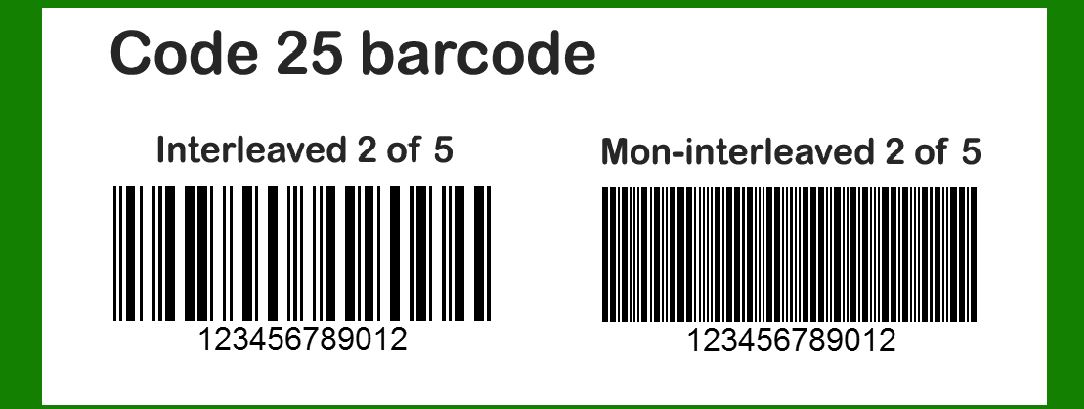
The Code 25 barcode, also known as Code 2 of 5, is a linear barcode symbology primarily used in industrial applications such as photofinishing, warehouse sorting, and airline ticketing. This barcode format is notable for its simplicity and compactness, as it encodes data through varying widths of parallel lines. Here's a detailed exploration of its components, structure, encoding process, applications, and variants. |
|
Components and Structure of Code 25 Barcode (Code 2 of 5) |
1. Basic Structure and Components |
Code 25 is a continuous, self-checking, numeric barcode that encodes data by varying the widths of two elements: bars and spaces. Here are the key components of its structure: |
Elements: Bars: Narrow and wide bars. Spaces: Narrow and wide spaces. |
Encoding Method: Code 25 uses two wide elements and three narrow elements to encode each digit. The narrow elements are typically used for encoding 0, while the wide elements are used for encoding 1. |
2. Barcode Characteristics |
Density: Code 25 is relatively compact, but not as dense as other barcode formats like Code 128 or UPC. Self-Checking: It includes a modulo 10 check digit for error detection, ensuring data accuracy. Numeric-Only: It supports numeric characters (0-9) only, suitable for applications requiring simple data representation. |

|
3. Encoding Scheme |
Start and Stop Characters: Code 25 typically starts with a bar-space-bar pattern (often represented as '11221') and ends with a space-bar-space pattern ('21112'). These patterns signify the beginning and end of the barcode, helping scanners identify and decode the data sequence. |
Data Encoding: Each digit (0-9) is represented by a combination of bars and spaces. For example, the digit '0' might be represented by a sequence of narrow bars and spaces, while '1' would be represented by a wider pattern. |
4. Structure Diagram |
Diagram: Code 25 can be represented as a sequence of bars and spaces, with specific widths and spacings denoting each numeric digit. The start and stop patterns frame the encoded data, providing a clear demarcation for scanning devices. |
|
5. Applications |
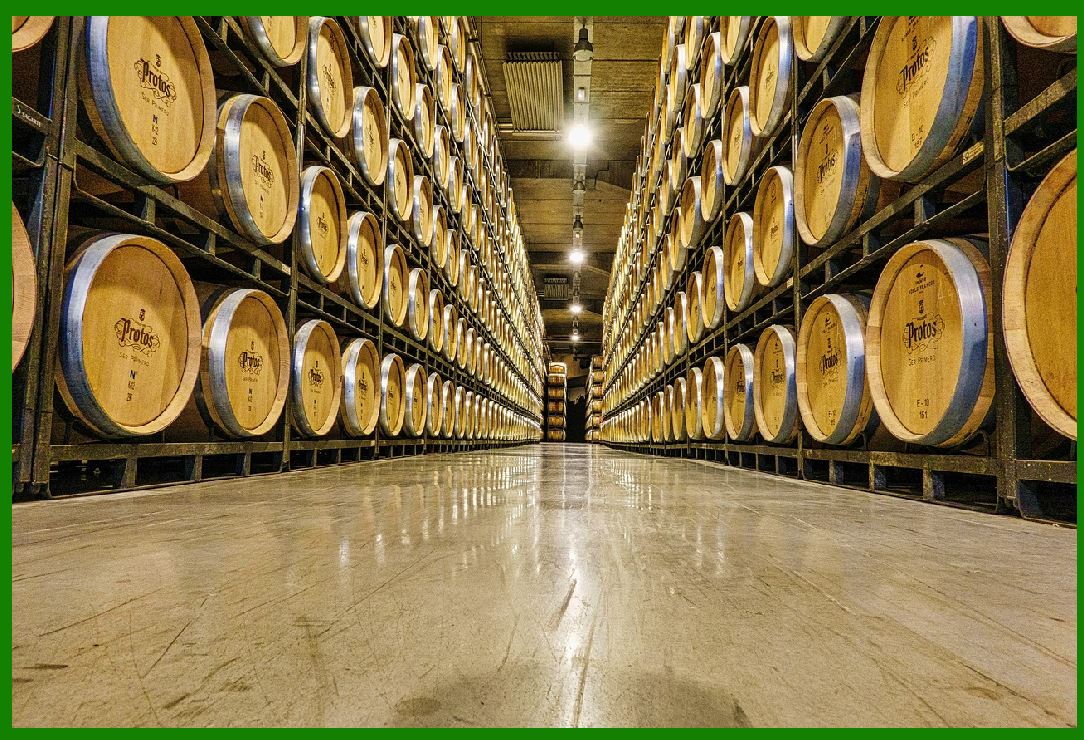
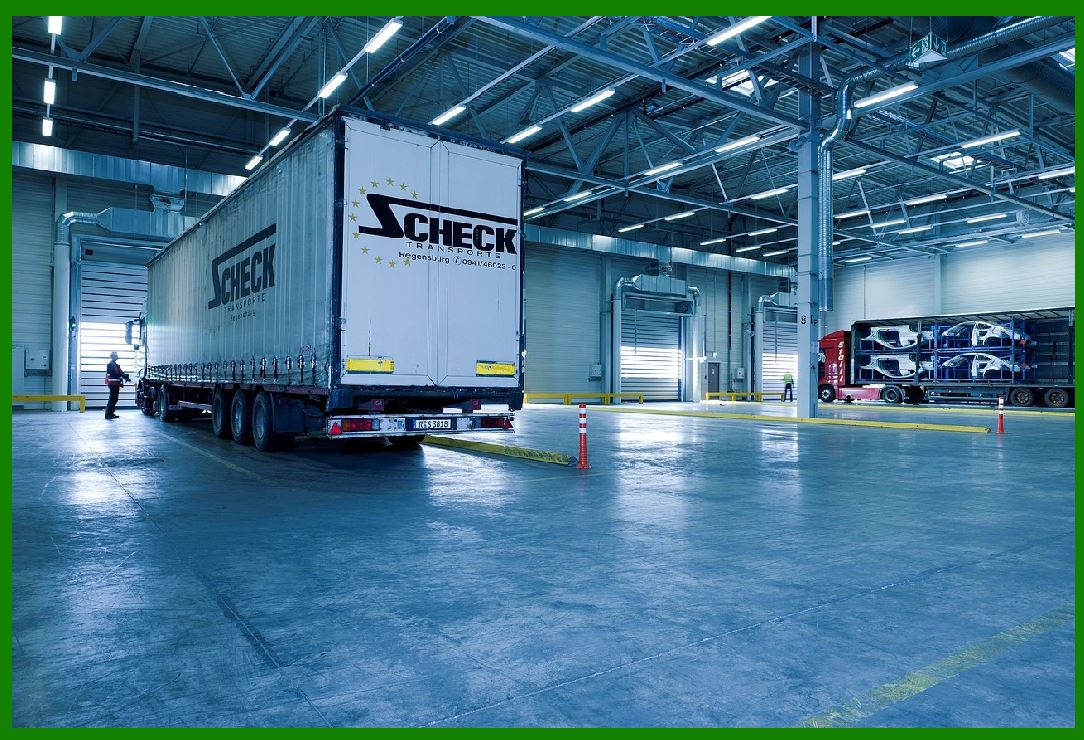
Industrial Usage: Code 25 is commonly used in industrial applications such as warehouse management (for labeling shelves and inventory items), photo processing (for print tracking), and airline ticketing (for passenger information and baggage handling). |
Limitations: Due to its numeric-only encoding and lower density compared to more modern symbologies, Code 25 is less versatile for complex data needs or high-density applications like retail. |
6. Variants and Extensions |
Interleaved Code 25: This variant allows for encoding pairs of digits into a single character, improving data density and efficiency. It alternates between encoding bars and spaces for two digits at a time, reducing the overall length of the barcode. |
Code 25 Matrix: An adaptation of Code 25 that arranges the barcode in a grid or matrix format, enhancing scanning reliability and readability in challenging environments. |
|
7. Encoding Process |
Data Input: Input numeric data to be encoded into the barcode, ensuring it adheres to the numeric-only limitation. |
Barcode Generation: Use barcode generation software or programming libraries to convert numeric data into a Code 25 format. |
Printing: Print the generated barcode on suitable media, ensuring adequate contrast and resolution for accurate scanning. |
8. Scanning and Decoding |
Scanner Requirements: Use barcode scanners capable of reading narrow and wide bar patterns, ensuring compatibility with the Code 25 format. |
Decoding: The scanner interprets the width and spacing of bars and spaces to reconstruct the encoded numeric data. |
Error Handling: The modulo 10 check digit helps scanners detect and correct errors in the scanned data, ensuring accuracy in applications like inventory management and logistics. |

|
Conclusion |
Code 25, or Code 2 of 5, is a straightforward yet effective barcode symbology for numeric data encoding in various industrial applications. Its simplicity, self-checking capability, and numeric-only format make it suitable for environments where compactness and basic data representation are essential. As technology advances, variants like Interleaved Code 25 and adaptations like Code 25 Matrix further enhance its utility in diverse scanning and data management scenarios. Understanding its components, encoding process, and applications is crucial for leveraging its benefits in logistics, inventory control, and other industrial operations. |

|
 cs@easiersoft.com