1.Introduction to EAN Barcodes |
Define what EAN barcodes are, their origin, and their general applications. |
Overview of how EAN-13, EAN-8, EAN-5, and EAN-2 fit into the EAN system and how each one is tailored for different applications. |
Importance of standardization in barcode technology. |
|
2.Structure and Specifications of EAN-13 |
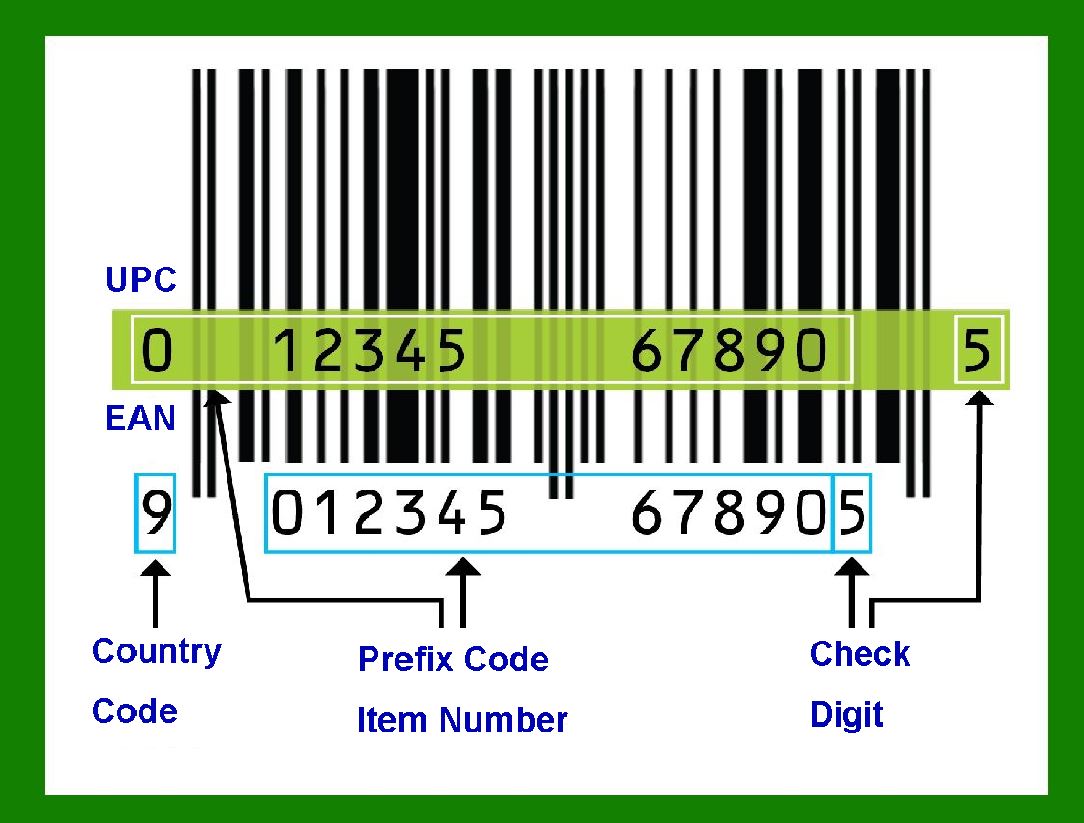
Explain the full structure of EAN-13, including its components (e.g., country code, manufacturer code, product code, check digit). |
In-depth discussion on how EAN-13 barcodes are encoded and how the algorithm checks for errors. |
Differences between EAN-13 and other barcode types like UPC. |
3.Applications of EAN-13 |
Discuss the industries and use cases for EAN-13 barcodes, including retail, inventory management, logistics, and more. |
Explore the international reach and standardization of EAN-13, including its role in global trade. |
Case studies or examples of businesses that successfully utilize EAN-13. |
|
4.Structure and Specifications of EAN-8 |
Explain the structure of EAN-8, its shorter length, and how it fits into the broader EAN system. |
Describe the encoding process for EAN-8 and its unique aspects compared to EAN-13. |
Provide details on the limitations of EAN-8, such as product identification capacity. |
5.Applications of EAN-8 |
Identify scenarios where EAN-8 is preferable over EAN-13, such as small items with limited space for labels. |
Discuss the industries that typically use EAN-8, such as pharmaceuticals, cosmetics, and small electronics. |
Explore how EAN-8 can be used in different parts of the supply chain, including retail and logistics. |

|
6.Structure and Specifications of EAN-5 |
Provide an explanation of the EAN-5 supplement, typically used for adding price information to an item. |
Discuss how EAN-5 is paired with EAN-13 or other EAN barcodes to add additional data (e.g., promotional pricing, discounts). |
The encoding and decoding processes of EAN-5. |
7.Applications of EAN-5 |
Explore industries that rely on EAN-5, such as retail and grocery stores, to manage pricing and promotional offers. |
How EAN-5 enhances the flexibility of the EAN system and can be used to display additional information on products. |

|
8.Structure and Specifications of EAN-2 |
Define EAN-2 and explain its use in applications that require a very short barcode. |
Details on how the two digits represent the issue number, price, or other data. |
Compare EAN-2 with EAN-5 in terms of functionality and use. |
9.Applications of EAN-2 |
Discuss its role in pricing and small-scale applications where only minimal data is necessary. |
How industries use EAN-2 in conjunction with larger barcodes like EAN-13 to manage small quantities or pricing on products like magazines or newspapers. |

|
10.Comparison of EAN-13, EAN-8, EAN-5, and EAN-2 |
Compare the sizes, data capacities, and error correction capabilities of the four barcodes. |
Advantages and disadvantages of each barcode type in terms of readability, space requirements, and cost-effectiveness. |
Discuss scenarios where each type is most effective (e.g., EAN-13 for global retail, EAN-8 for small products, EAN-5 for promotional data, and EAN-2 for price labeling). |
11.Global Impact of EAN Barcodes |
Explain the adoption of the EAN system worldwide, particularly in Europe, the U.S., and other regions. |
How the adoption of EAN has transformed retail, logistics, and inventory management. |
Regulatory impact and standardization efforts by organizations such as GS1. |

|
12.Future of EAN Barcodes |
How the EAN system is evolving with the integration of digital technologies, mobile scanning, and the increasing demand for RFID technology. |
Potential areas of improvement for the EAN system. |
How the future of EAN barcodes might look in the face of innovations like 2D barcodes and QR codes. |
13.Challenges and Considerations in Using EAN Barcodes |
Common challenges such as barcode printing quality, misreads, and scanning issues. |
Considerations in choosing the right type of barcode for a product, including packaging constraints and industry-specific regulations. |
14.Conclusion |
Summarize the key differences between EAN-13, EAN-8, EAN-5, and EAN-2, and how businesses can choose the best option for their needs. |
Final thoughts on the continued importance of barcode technology in the modern world and its role in supply chain efficiency. |

|
1. Introduction to EAN Barcodes |
EAN (European Article Number) barcodes are a family of barcodes used primarily for retail and supply chain management, enabling businesses to quickly and accurately track products. Developed in the 1970s and widely adopted across the world, EAN barcodes have become essential tools in modern commerce. These barcodes are used globally, and they simplify product identification, pricing, and inventory management. |
1.1 Origin of EAN Barcodes |
EAN barcodes originated as an extension of the UPC (Universal Product Code), which was designed for use primarily in the United States. The EAN system was introduced in Europe to standardize the way products are identified and tracked globally. Today, the EAN system has evolved into a global standard, widely recognized and used across various industries, from retail to pharmaceuticals. |
1.2 Overview of EAN-13, EAN-8, EAN-5, and EAN-2 |
The EAN family consists of several types of barcodes, each with its own structure, data capacity, and applications. These barcodes are as follows: |
EAN-13: This is the most commonly used barcode and is designed for general retail use. It can hold a significant amount of data, typically up to 13 digits, which includes country codes, manufacturer codes, product codes, and a check digit. |
EAN-8: A smaller version of the EAN-13, EAN-8 is designed for products where space is limited. It can hold only 8 digits, which makes it ideal for small items like cosmetics, medicines, or other small retail goods. |
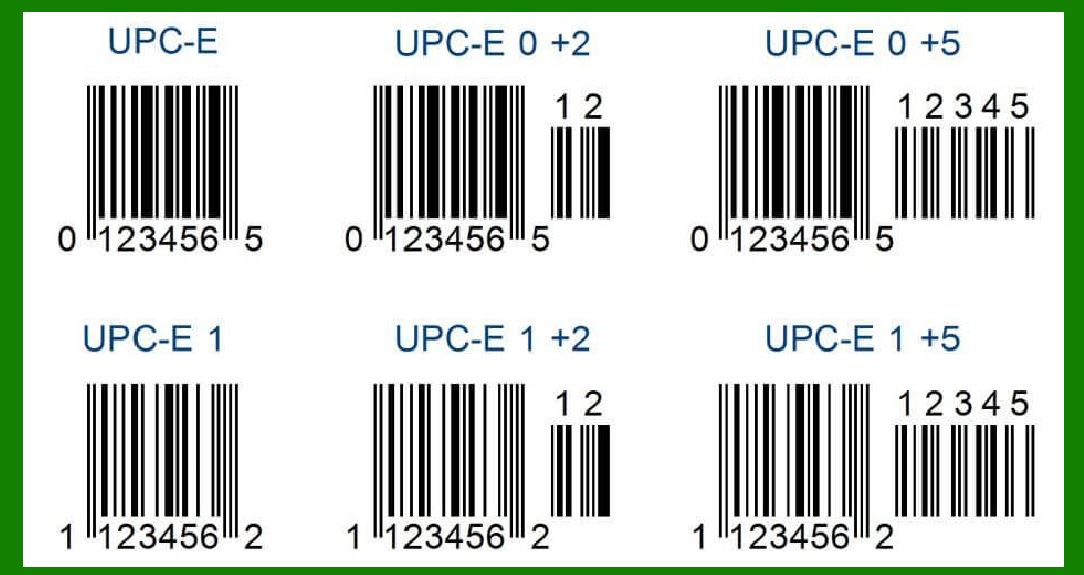
EAN-5: This is a supplement to the EAN-13 barcode and is typically used to display additional information such as pricing or promotional details. It adds 5 digits to the main barcode and can be used in tandem with other EAN barcodes. |
EAN-2: The smallest of the EAN family, EAN-2 is typically used for very specific applications, such as pricing labels or issue numbers. It holds only 2 digits and is often used on products where minimal data is required. |
1.3 Importance of Standardization |
The EAN system is standardized by GS1, a global organization that defines and manages barcode standards. Standardization ensures that barcodes are universally readable by scanners, regardless of the manufacturer, region, or system used. This promotes efficiency in retail operations, streamlines supply chains, and reduces the risk of errors in product identification. |

|
2. Structure and Specifications of EAN-13 |
EAN-13 is one of the most widely used barcode types worldwide. It is typically used in retail environments for identifying products, tracking inventory, and managing sales transactions. The barcode consists of 13 digits that are broken down into specific sections that convey different pieces of information about the product. |
2.1 Components of EAN-13 |
An EAN-13 barcode is made up of several parts: |
1.Country Code: The first 3 digits represent the country where the manufacturer is registered. For example, '840' corresponds to products from the United States, while '070' is used for Canada. |
2.Manufacturer Code: This section contains a unique identifier for the manufacturer or supplier of the product. It typically consists of 4 to 7 digits, depending on the size of the manufacturer. The length of this code is determined by the country code. |
3.Product Code: This part contains a unique number assigned to the product by the manufacturer. It can vary in length depending on the manufacturer code and the need for unique identification. |
4.Check Digit: The final digit is a check digit, calculated using a modulus 10 algorithm. This digit is used to verify the integrity of the barcode, ensuring that it has been scanned correctly and that no errors have occurred during the scanning process. |
2.2 Encoding and Decoding Process |
The EAN-13 barcode is encoded using a combination of black and white bars that represent the digits. The bars are scanned by a barcode reader, which decodes the information and converts it back into the 13-digit number. The check digit is particularly important in this process, as it helps the scanner verify the accuracy of the read data. |
2.3 Error Detection and Correction |
The EAN-13 system includes an error detection mechanism based on the check digit, which is essential for preventing misreads or data corruption during scanning. The check digit helps ensure that a small error in the barcode (such as a misaligned or poorly printed bar) can be detected and corrected by the scanner. This error detection is a crucial part of the reliability of the system. |

|
3. Applications of EAN-13 |
EAN-13 barcodes are used in a wide variety of industries and applications, making them one of the most versatile barcode types available. They are especially common in retail environments, where they enable efficient and accurate product identification, pricing, and inventory management. |
3.1 Retail and Consumer Goods |
EAN-13 is most commonly used in the retail sector, particularly for consumer goods such as food, electronics, clothing, and household products. The barcode allows retailers to scan products quickly and accurately during checkout, making the transaction process faster and more efficient. It also enables stores to track inventory levels, monitor product sales, and reorder stock as needed. |
3.2 Global Trade and Logistics |
EAN-13 barcodes are also essential in the global supply chain. Manufacturers, distributors, and retailers around the world rely on EAN-13 barcodes to track products from production to point of sale. This barcode system streamlines logistics, reduces errors, and helps manage stock levels across multiple locations. Since EAN-13 is an internationally recognized standard, it facilitates trade between countries and helps ensure that goods can be efficiently processed at customs checkpoints. |
3.3 Healthcare and Pharmaceuticals |
In the healthcare sector, EAN-13 barcodes are used to track pharmaceuticals and medical supplies. By scanning the barcode, pharmacies, hospitals, and clinics can ensure that they have the correct product, monitor inventory, and manage prescriptions. The barcode also allows for traceability, making it easier to identify and recall products in case of issues such as contamination or expiration. |
3.4 Case Study: EAN-13 in Supermarkets |
Many supermarkets use EAN-13 barcodes to manage product sales. For example, a supermarket chain may use EAN-13 barcodes to track product prices and monitor stock levels. When a customer purchases a product, the scanner reads the barcode, retrieves the pricing information from the store's database, and processes the sale. This allows the store to update its inventory in real-time and ensure accurate pricing. |

|
4.Structure and Specifications of EAN-8 |
EAN-8 is a smaller version of the EAN-13 barcode, designed for applications where space is limited. It is often used on small products such as cosmetics, pharmaceuticals, and small electronics, where the full-length EAN-13 barcode would be too large to fit on the packaging. |
4.1 Components of EAN-8 |
An EAN-8 barcode consists of 8 digits, structured as follows: |
1.Country Code: The first 3 digits represent the country of registration, similar to EAN-13, although this may be condensed for the EAN-8 format. |
2.Manufacturer Code: The next 4 digits are allocated to the manufacturer or supplier, providing a unique identifier for the product. |
3.Product Code: The remaining digits represent a unique product code that identifies the specific product. |
4.Check Digit: The final digit is a check digit, calculated using the same modulus 10 algorithm as EAN-13 to ensure the accuracy of the barcode. |
4.2 Limitations of EAN-8 |
The main limitation of EAN-8 is its reduced capacity to store data. With only 8 digits, it can identify fewer products and is limited in terms of global use compared to EAN-13. However, its compact size makes it ideal for small products, where space is at a premium. |

|
5. Applications of EAN-8 |
EAN-8 is used in situations where there is insufficient space for a full-sized barcode. It is commonly found on small retail items, such as: |
5.1 Pharmaceuticals and Cosmetics |
Small bottles of medicine or cosmetic products, such as perfumes, often use EAN-8 to identify the product. These items typically have limited space for labeling, so the smaller barcode fits within the packaging constraints. |
5.2 Small Electronics |
Certain small electronic items, such as batteries or accessories, may also use EAN-8. The smaller barcode ensures that these products are identifiable without taking up too much space on the packaging. |

|
EAN-5 is a supplement to the EAN-13 barcode, designed to provide additional information, such as pricing, to the product barcode. It is typically used in retail environments where the price of the product changes frequently or is tied to promotions. The EAN-5 supplement extends the standard EAN-13 barcode, adding 5 digits that can carry more data, often related to pricing or promotional offers. |
6.1 Components of EAN-5 |
The EAN-5 is added to the EAN-13 barcode, so it functions as an extension of the main barcode. The structure includes: |
1.EAN-13 Barcode: The standard 13-digit EAN barcode that identifies the product, manufacturer, and country. |
2.EAN-5 Supplement: This consists of 5 digits, usually used to encode additional information, such as the price or promotional discount. The 5 digits can represent a fixed price, a special offer, or a coupon code, depending on the retailer's needs. |
6.2 Encoding and Decoding Process |
The encoding and decoding of the EAN-5 supplement follow the same principles as the EAN-13 barcode. The EAN-13 barcode is scanned and decoded first, and the EAN-5 supplement is read as a separate but attached component. While the EAN-13 barcode helps identify the product, the EAN-5 provides the supplementary information, typically used at checkout for pricing adjustments. |
6.3 Error Detection |
As with the EAN-13 system, the EAN-5 barcode uses error-checking mechanisms to ensure the correct transmission of data. If any discrepancies or issues arise during scanning, such as a misread barcode or a missing digit, the scanner will alert the user to correct the issue. The check digit on the EAN-13 barcode also plays a role in validating the accuracy of the entire barcode, including the EAN-5 supplement. |

|
7. Applications of EAN-5 |
EAN-5 is widely used in retail, particularly in supermarkets, where promotions, discounts, or price changes are frequent. By supplementing the standard EAN-13 barcode with a 5-digit price or promotional code, retailers can easily manage and track pricing, ensuring that customers receive the correct discounts and that prices are consistent across sales channels. |
7.1 Retail and Promotional Pricing |
In many supermarkets, EAN-5 is used to provide a mechanism for tracking promotional discounts. For instance, a product might have an EAN-13 barcode that identifies it as a particular item, and then the EAN-5 would indicate that a discount is applied to the item for a limited time. This allows the barcode to adjust the price automatically at checkout, making the process seamless for both customers and cashiers. |
7.2 Coupon and Discount Management |
Some retailers use the EAN-5 supplement for coupon management. The additional digits can encode specific discount codes or coupons, allowing customers to redeem special offers at the point of sale. This reduces the need for separate coupon handling and speeds up the transaction process. |
7.3 Track-and-Trace Applications |
In logistics and tracking, the EAN-5 can be used to represent additional product details, such as batch numbers, expiry dates, or special packaging types, which are important for inventory management. This helps businesses quickly locate and manage inventory during distribution or retail sales. |

|
8. Structure and Specifications of EAN-2 |
EAN-2 is the smallest of the EAN family and is primarily used for applications that require minimal information, such as pricing or issue numbers. It holds only 2 digits, making it extremely compact and suitable for products with limited labeling space. It is often used in combination with other EAN barcodes, such as EAN-13, to provide a complete product profile with pricing or additional data. |
8.1 Components of EAN-2 |
The EAN-2 barcode consists of just two digits: |
1.Two-Digit Code: The digits in an EAN-2 barcode typically represent either the issue number (for periodicals) or a specific price (such as a price change in a product's life cycle). EAN-2 is not used alone but is appended to larger barcodes like EAN-13. |
8.2 Encoding and Decoding Process |
Since EAN-2 is only 2 digits, its encoding process is straightforward. It is read by barcode scanners in the same manner as larger barcodes, but it is decoded as an additional piece of information that supplements a larger barcode. Scanners can quickly identify the EAN-2 code and append the relevant data to the primary EAN barcode. |
8.3 Error Detection |
Given the small size of EAN-2, error detection is less robust than in larger barcodes. However, when combined with a larger barcode such as EAN-13, the overall integrity of the data is still verified, as the main barcode typically carries the check digit and error-detection mechanisms. |

|
9. Applications of EAN-2 |
EAN-2 is mostly used in applications where minimal data needs to be represented, such as price labeling or cataloging issues for periodicals. It is commonly used alongside other EAN barcodes to provide a supplementary data point that doesn't take up much space on the packaging. |
9.1 Pricing Labels |
EAN-2 is frequently used in retail to display price information on products. For example, a retailer might have a price tag with an EAN-13 barcode for product identification and an EAN-2 supplement to indicate the price of the product. This helps simplify the pricing process and reduces errors at checkout. |
9.2 Periodicals and Magazines |
Another common use for the EAN-2 is in the publishing industry, particularly for periodicals such as newspapers and magazines. In this case, the two digits represent the issue number, making it easy to identify and track specific editions of a publication. Publishers can use EAN-2 to manage inventory, track sales, and streamline distribution. |

|
10. Comparison of EAN-13, EAN-8, EAN-5, and EAN-2 |
While EAN-13, EAN-8, EAN-5, and EAN-2 all fall under the EAN family of barcodes, they have different strengths, weaknesses, and use cases depending on the needs of the business and the type of product being identified. |
10.1 Size and Data Capacity |
EAN-13 offers the most data capacity, with 13 digits, making it ideal for products with more complex identification needs, such as international trade, retail, and large-scale inventory systems. |
EAN-8 is a smaller option, providing just 8 digits, which is suitable for small products where space on the packaging is limited. |
EAN-5 is a supplement to EAN-13 and doesn't function as a standalone barcode but adds 5 digits to the base barcode, typically for pricing and promotional data. |
EAN-2 is the smallest, offering only 2 digits, and is generally used for small data points like pricing or issue numbers for periodicals. |
10.2 Error Checking |
EAN-13 has a robust error-checking mechanism, using a check digit to ensure data accuracy. |
EAN-8 also uses a check digit but has less capacity for error checking due to its limited data size. |
EAN-5 relies on the integrity of the main EAN barcode (usually EAN-13), as it supplements it with additional data. |
EAN-2 has no independent error-checking system and relies on the main barcode for error detection. |
10.3 Application Suitability |
EAN-13 is suitable for most retail and supply chain applications due to its ability to store a lot of information and its global recognition. |
EAN-8 is ideal for small items with limited labeling space, such as cosmetics or small electronics. |
EAN-5 is used for adding additional information to EAN-13, particularly for pricing or promotional data. |
EAN-2 is mostly used in situations where minimal data is required, such as price labels or periodical issue numbers. |

|
11. Advantages and Disadvantages of EAN-13, EAN-8, EAN-5, and EAN-2 |
Each of the EAN barcode formats-EAN-13, EAN-8, EAN-5, and EAN-2-has its own set of advantages and limitations depending on the use case. These advantages and disadvantages are key to understanding how to best implement each barcode type in different industries. |
11.1 Advantages of EAN-13 |
Global Standardization: EAN-13 is internationally recognized and used across almost all retail sectors. Its wide usage ensures compatibility with a vast range of systems, making it the preferred choice for product identification. |
High Data Capacity: With 13 digits, it can accommodate a significant amount of information, including country codes, manufacturer identifiers, and unique product codes. This makes it suitable for a broad range of applications, from global retail to logistics and healthcare. |
Error Detection: The EAN-13 includes a check digit, which ensures that the barcode is read accurately, providing a layer of security and reliability during scanning. |
Wide Applicability: EAN-13 is used in multiple industries such as retail, logistics, healthcare, and pharmaceuticals, which makes it an all-purpose barcode format that meets various business needs. |
11.2 Disadvantages of EAN-13 |
Larger Size: While EAN-13 provides comprehensive data, it also requires a larger space for printing the barcode compared to smaller formats like EAN-8 or EAN-2. This might not be ideal for small product packaging. |
Limited Flexibility: The structure of EAN-13 is rigid, and while it can handle complex data, it cannot store images or additional non-numeric data without relying on other barcode formats like QR codes. |
11.3 Advantages of EAN-8 |
Compact Size: EAN-8 is ideal for small products where space is limited, such as cosmetics, small food items, or medicine packaging. The smaller size allows for easy integration into small retail environments. |
Simplicity: With only 8 digits, the barcode is simple to create, print, and scan. This makes it a practical solution for products with less complex identification needs. |
Error Detection: Like EAN-13, the EAN-8 barcode includes a check digit, ensuring that the data is read accurately and reducing scanning errors. |
11.4 Disadvantages of EAN-8 |
Limited Data Capacity: The major downside of EAN-8 is its limited data capacity. With only 8 digits, it is not suitable for products that require extensive information to be encoded. |
Region-Specific: EAN-8 is less commonly used in regions outside of Europe and North America, making it less versatile for global trade compared to EAN-13. |
11.5 Advantages of EAN-5 |
Additional Data for Retail Applications: EAN-5 is useful for adding supplementary data to a primary EAN barcode, such as price information, discounts, or promotional offers. This reduces the need for separate pricing or discount labels and ensures more streamlined operations. |
Compatibility with EAN-13: EAN-5 supplements the EAN-13 barcode, allowing businesses to keep using the same identification system while adding additional functionality, especially for retail and inventory management. |
11.6 Disadvantages of EAN-5 |
Limited Standalone Use: EAN-5 cannot be used independently, as it requires a primary barcode (usually EAN-13) to function. This limits its flexibility and makes it less useful for other applications outside of retail. |
Limited Data Capacity: While EAN-5 adds 5 digits to the EAN-13 barcode, it still does not have the capacity for more complex data needs. |
11.7 Advantages of EAN-2 |
Compact and Simple: EAN-2 is extremely small and simple, making it ideal for products with minimal labeling requirements. It's a perfect solution for adding pricing information or issue numbers for periodicals without taking up space on the packaging. |
Cost-Effective: Because of its simplicity and size, EAN-2 is cheaper to implement and print than larger barcodes like EAN-13, making it a cost-effective solution for businesses with basic product identification needs. |
11.8 Disadvantages of EAN-2 |
Extremely Limited Data Capacity: The most significant limitation of EAN-2 is its extremely low data capacity, as it can only hold two digits. This restricts its use to very specific applications, like price labeling or periodical issue numbers, and makes it unsuitable for products with complex data requirements. |
Dependency on Other Barcodes: EAN-2 is rarely used as a standalone barcode. Instead, it is almost always used in combination with other barcodes, like EAN-13, which limits its scope and flexibility. |

|
12. Best Practices for Using EAN Barcodes |
When implementing any of the EAN barcode formats, it is essential to follow best practices to ensure that the barcodes are effective, reliable, and scalable for business operations. Below are some recommendations for using EAN-13, EAN-8, EAN-5, and EAN-2 barcodes. |
12.1 Ensure Proper Printing Quality |
Barcodes, especially EAN barcodes, need to be printed with high precision to ensure that they can be read accurately by scanners. Poor print quality can lead to scanning errors and result in delays or failures at checkout or during inventory management. Use high-quality printing methods, such as thermal printing, and ensure that the contrast between the bars and the background is clear. |
12.2 Avoid Overcrowding the Barcode |
For larger barcodes like EAN-13, ensure that the surrounding space is free of distractions and visual elements. Barcodes need a certain amount of quiet space around them (often referred to as the 'quiet zone') to allow scanners to read them accurately. Avoid placing text, logos, or other visual elements too close to the barcode. |
12.3 Validate Data Regularly |
Regularly verify that the data encoded within the barcode is accurate and up to date. This is especially important in industries like retail, pharmaceuticals, and logistics, where data accuracy is critical for inventory management, sales transactions, and tracking. Inaccurate or outdated data encoded in barcodes can lead to inventory discrepancies, product misidentification, and costly errors. |
12.4 Use the Right Barcode Format for the Right Application |
It's crucial to choose the correct barcode format for each application. For example: |
EAN-13 is ideal for general retail and global trade. |
EAN-8 is best for small products with limited space. |
EAN-5 works well for promotional pricing and discount labeling. |
EAN-2 is suitable for price tags or issue numbers on periodicals. |
Choosing the right format ensures that barcodes are used effectively and that businesses can take full advantage of the features each barcode type offers. |
12.5 Ensure Compliance with GS1 Standards |
GS1 is the organization responsible for defining global barcode standards, including EAN barcodes. Make sure that barcodes adhere to GS1's guidelines for encoding, printing, and using barcodes to ensure compatibility with global supply chain systems and retail operations. |

|
13. Future Trends and Developments in EAN Barcodes |
Although EAN barcodes have been a reliable and widely adopted standard for decades, the evolution of barcode technology is ongoing. New technologies are continually being integrated with EAN barcodes to improve functionality and adapt to modern business needs. |
13.1 Integration with RFID |
Radio Frequency Identification (RFID) technology is increasingly being integrated into traditional EAN barcodes to enable faster, more efficient tracking and management of inventory. RFID tags can store more data than traditional barcodes, and when combined with EAN barcodes, they provide enhanced tracking capabilities, especially in large-scale logistics and supply chain management. |
13.2 Mobile Scanning and Smartphone Integration |
The rise of smartphones with built-in cameras and barcode scanning capabilities has led to increased demand for mobile-friendly barcode systems. As mobile scanning technology continues to evolve, EAN barcodes will likely see more widespread use in mobile applications, where consumers can scan products directly using their phones for price checks, product reviews, or quick purchase options. |
13.3 Enhanced Data Encoding |
The increasing need for more data in supply chain management and retail operations may push the development of barcode formats with larger data capacity, such as Data Matrix or QR codes, which are already being adopted alongside traditional EAN barcodes. As businesses seek to track more detailed product information, barcodes like EAN-13 may be supplemented or replaced by more data-rich formats in certain applications. |
13.4 Sustainability Considerations |
As businesses place greater emphasis on sustainability, there is growing interest in reducing the environmental impact of barcode printing. New printing technologies, biodegradable materials, and eco-friendly inks are emerging to help minimize the environmental footprint of barcode labeling. |

|
14. Conclusion |
EAN barcodes, including EAN-13, EAN-8, EAN-5, and EAN-2, have become fundamental components of modern retail and supply chain management systems. Each barcode type offers unique advantages and is suited to specific applications based on product size, data requirements, and industry needs. As businesses continue to embrace digital transformation, the role of barcodes-both traditional and integrated with advanced technologies like RFID-will continue to evolve, ensuring that they remain essential tools for efficient and accurate product tracking worldwide. |
 cs@easiersoft.com