Chapter 21: The First 2D Code - Vericode (1980s) |
Introduction: A Brief Summary |
In the landscape of automatic identification, Vericode holds a unique historical position. Developed by Veritec Inc. during the late 1980s, this innovative symbology was one of the first commercially viable two-dimensional (2D) matrix codes to emerge in the marketplace. Unlike the linear barcodes of its time, which stored data in a single horizontal row, Vericode arranged data in a checkerboard-like matrix of dark and light cells, achieving an unprecedented data density within a remarkably small footprint. |
Vericode found its earliest and most enduring success in applications where space was at an absolute premium - most notably in the tracking and identification of extremely small items like electronic components and printed circuit boards. Its design was so forward-thinking that it earned endorsement from NASA as a code of choice for certain applications. |
However, despite its technical sophistication and clear advantages over traditional one-dimensional (1D) codes, Vericode never achieved the widespread, mainstream adoption that later 2D codes like Data Matrix and QR Code would enjoy. The primary barrier was the enabling technology: while Vericode was capable of storing vast amounts of data in a tiny area, it required 2D imaging scanners to decode it - a technology that remained expensive and less common than the simple laser scanners ubiquitous in the retail environment. |
As we explore Vericode's journey, we will also examine the concurrent evolution of linear barcodes, using Code 39 as a critical point of comparison. Code 39, a simple, self-checking alphanumeric 1D code developed by Intermec in 1974, became the backbone of industrial tracking systems precisely because its technical characteristics were perfectly suited to the hardware of its era. By contrasting Vericode's promise with Code 39's practicality, we can better understand the economic and technological forces that shape the adoption of identification technologies. |
|
The Birth of Vericode: An Ambitious Vision |
The Problem of Data Density |
Throughout the 1970s and 1980s, industries began demanding more from their identification systems. The standard linear barcodes that had revolutionized grocery checkout were showing their limitations in industrial settings. Imagine a tiny electronic component on a circuit board. It needed to carry its own unique identification number, manufacturing date, batch number, and other critical data. A traditional 1D barcode would have to be almost as long as the component itself to hold this information, which was obviously impractical. |
The industry needed a way to pack more data into a smaller area. The answer was to go two-dimensional. Instead of storing data along a single line, a 2D code arranges data in a grid pattern, using both horizontal and vertical space. This simple conceptual shift offered exponential growth in data capacity. |

|
Veritec and the Development of Vericode |
Veritec Inc., a company that recognized this pressing need, stepped in with a solution. They developed and patented the VeriCodesymbology, which they described as a 'machine writable and readable' code with 'high data density capabilities'. Their vision was not just a new barcode, but a 'secure portable data storage system' - a tiny pattern of dots that could carry a digital file's worth of information. |
The Vericode symbol was essentially a square array or matrix of data cells. Each cell was either 'on' (typically a dark dot) or 'off' (a light space), representing the binary bits of data. Unlike many later 2D codes that used complex finder patterns to help scanners locate and orient the code, Vericode employed four solid borders as a robust reference point, making it reliable even in challenging environments. |
The technical specifications of Vericode were impressive for the time. The data cell spacing was extremely tight, often between half and one data cell diameter, allowing for a very high density of information. To put this into perspective, a 16 x 16 matrix could store 172 bits of data, while a 24 x 24 matrix could store 452 bits. More importantly, Vericode was designed to be scalable. Its patented approach allowed for the expansion or reduction of data unit size without losing the encoded information, offering tremendous flexibility depending on the application's space constraints. |
|
A Code for the Ages: NASA and High-Stakes Applications |
One of the strongest validations of Vericode's potential came from an unexpected quarter: the National Aeronautics and Space Administration. NASA endorsed Vericode as the 'code of choice' for certain critical applications. This was a significant achievement. NASA's requirements are notoriously stringent, demanding reliability, durability, and data integrity even in the extreme conditions of space travel. The fact that Vericode met these standards spoke volumes about its robust design and error-resistant architecture. |
The company behind Vericode also built security features into its DNA. The technology was explicitly designed for environments 'that require security, tracking and identification of people and livestock, as well as products and services from design and manufacturing to shipping and delivery'. This emphasis on secure data storage and verification pointed toward applications in document security, with patents describing its use on secure documents like driver's licenses for authentication purposes. |

|
The Technical DNA of Vericode |
To understand Vericode's niche applications, we must first understand its technical capabilities and limitations. The code was a 'matrix symbology,' meaning it consisted of an x-y array of data cells. This digital representation of analog information was ideally suited for marking onto a wide variety of surfaces, including metals, using micro-controlled marking equipment. |

|
Data Capacity and Density |
The primary strength of Vericode was its exceptional data density. It was capable of storing significantly more information in a tiny area than any linear barcode. This was made possible by its compact matrix structure. For example, the code could be printed and read at an accuracy of 0.03mm per side, enabling it to be placed on surfaces that were simply too small for 1D codes. |
This high density, coupled with the code's inherent redundancy, gave it a distinct advantage in 'small volume, large capacity, high fault tolerance' application scenarios. A small electronic component could carry a rich data payload - a unique identifier, a serial number, a production lot code, and even test results - all within a symbol that was barely visible to the naked eye. |

|
Robustness and Error Correction |
Vericode was designed with robust error detection and correction capabilities. It incorporated 'capacity parity check and error modification codes,' which allowed the scanner to detect and even correct certain levels of damage or distortion to the symbol. This was a crucial feature for industrial applications, where codes might be subjected to wear, dirt, scratches, or other forms of damage. A single scratch across a linear barcode could render it unreadable; Vericode's matrix structure and error-correction algorithms allowed it to survive such damage with a high degree of recoverability. |
The code's rich symbolic structure was also touted for its anti-counterfeiting potential. The combination of microscopic size and graphical complexity made it extremely difficult to reproduce without specialized and expensive equipment, opening doors for its use in brand protection and product authentication. |

|
The Need for a Vision System |
While Vericode's technical capabilities were impressive, they came with a significant string attached: the need for an imaging scanner. Traditional 1D barcodes could be read by relatively simple and inexpensive laser scanners, which were already widespread in retail and industrial settings. A laser scanner projects a beam of light and measures the reflected pattern of dark bars and light spaces; it works on a fundamentally one-dimensional principle. |
To read a 2D matrix code like Vericode, however, the scanner must capture a two-dimensional image of the entire symbol. This requires an area imager - essentially a small camera - paired with sophisticated image processing software. In the late 1980s and early 1990s, this type of hardware was significantly more expensive than a standard laser scanner. This cost differential proved to be a formidable barrier to entry for Vericode, confining it to specialized applications where the benefits of high density and robustness justified the higher scanning costs. |
|
Vericode in Action: Niche Applications |
Because of its unique strengths - high data density in a tiny footprint, robust error correction, and a design that prioritized precision and security - Vericode found a natural home in a set of highly specialized applications. |
|
The Electronics Industry: A Perfect Fit |
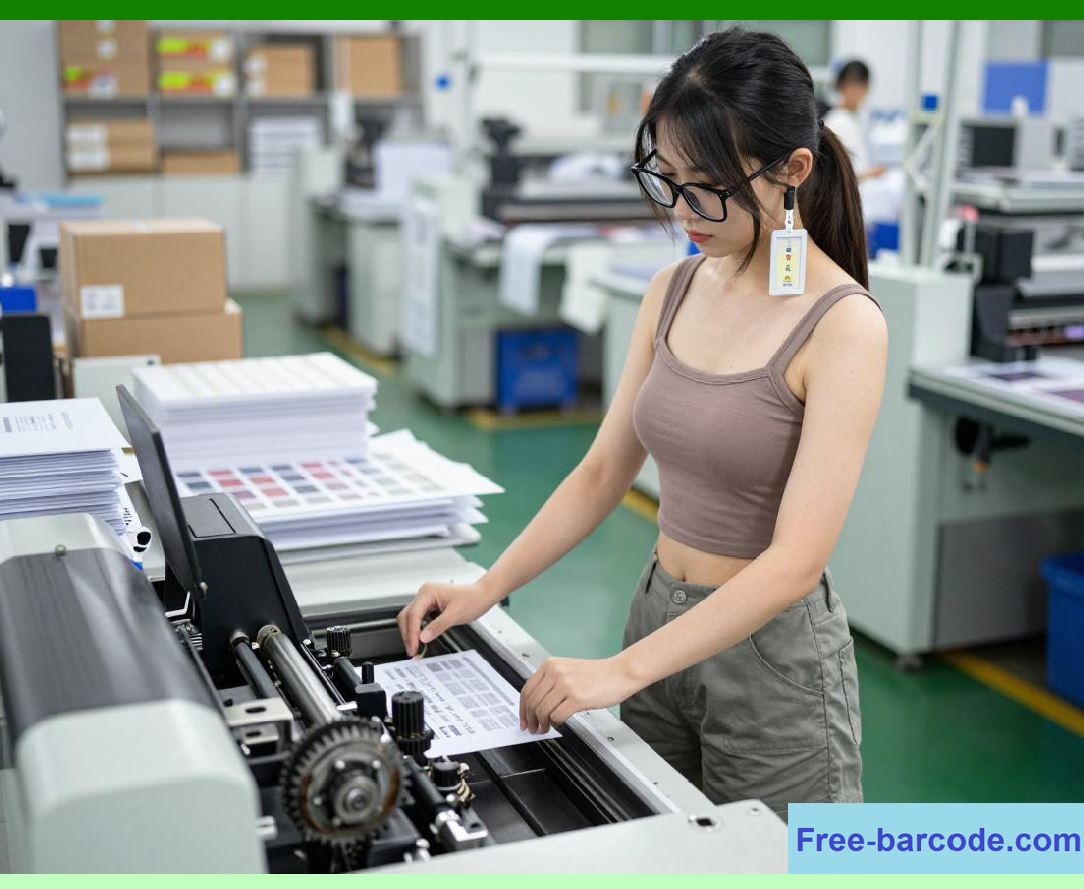
The most significant and enduring application of Vericode was in the manufacturing of electronic components. The electronics industry faced a classic problem: tiny components needed to be tracked and traced throughout the production process, but there was barely any room on them for a traditional label. Vericode offered the perfect solution. |
A Vericode symbol, with its individual cells measured in fractions of a millimeter, could be directly marked onto the surface of a printed circuit board (PCB) or a small component like a microchip or a resistor. This process was often done using laser etching or dot peening, creating a permanent mark that could withstand the harsh conditions of electronics manufacturing, including high temperatures and chemical washes. The code could store a wealth of information: the component's part number, lot code, manufacturing date, and even test data from automated inspection equipment. |
This automated marking and reading capability was a boon for the 'Factory Automation' (FA) systems that were emerging at the time. Vericode symbols were well-suited to being integrated into Computer-Aided Design (CAD) and Computer-Aided Manufacturing (CAM) systems. Automatic control over the marking process - including positioning and marking depth - meant that codes could be applied with a precision that manual methods could never achieve. This allowed for seamless digital communication between design, manufacturing, and quality control systems, eliminating manual marking operations and reducing the risk of human error. |
In this high-stakes environment, the ability to read a Vericode even if it was obscured by paint, corrosion, or other surface contaminants was a major selling point. Some patents even explored the use of magneto-optic imaging techniques to capture Vericode symbols that were hidden under layers of paint or other surface coatings. This ensured that the code remained readable throughout the component's lifecycle, even if it underwent further processing or was installed in a device. |
|
The Quest for Security: Anti-Counterfeiting |
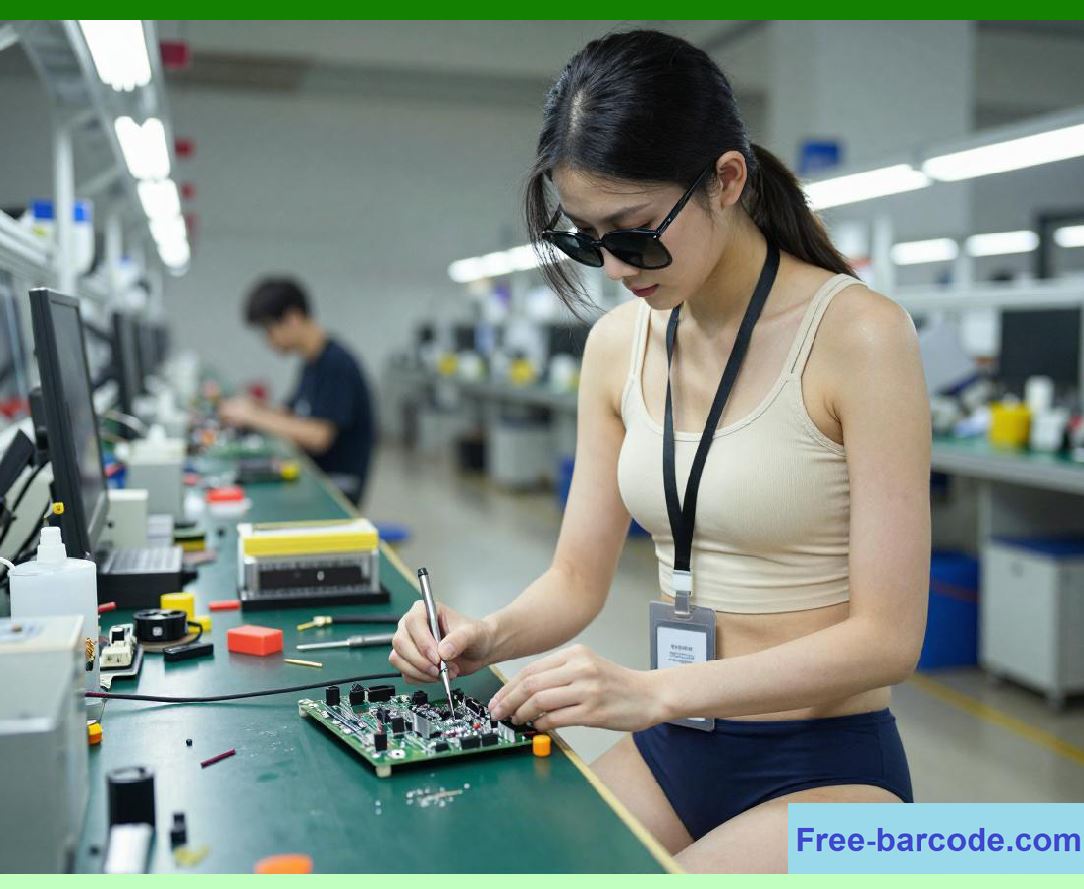
The same characteristics that made Vericode useful for electronics - small size, high capacity, and complexity - also made it an attractive tool in the fight against counterfeiting. Vericode's dense matrix of dots, readable only with specialized imaging equipment, was a formidable barrier to casual counterfeiters. |
A Vericode could be used as a covert or overt security feature on products ranging from high-value luxury goods to pharmaceuticals. The microscopic size of the code meant it could be hidden in plain sight, integrated into the packaging design without being obvious to the naked eye. But a verifier equipped with a magnifying imager could quickly and reliably authenticate the product, checking the code's data against a secure database. This concept was extended to secure documents such as driver's licenses and identification cards, where Vericode could be printed along with the user's photo and personal information to create a tamper-evident and machine-verifiable document. |
|
Early Tracking and Logistics |
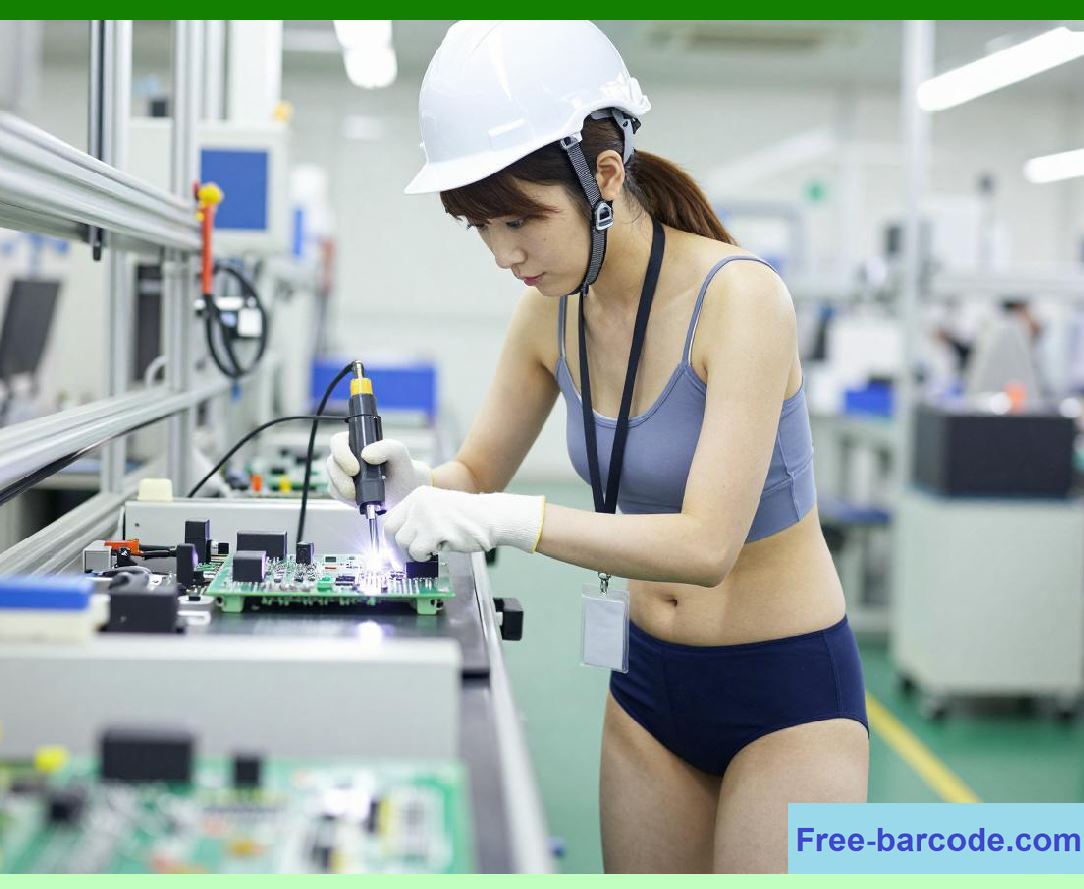
Vericode's ability to securely store and transfer data also made it a candidate for asset tracking. The system could be used for 'identification and verification purposes' for 'people and livestock, as well as products and services from design and manufacturing to shipping and delivery'. For high-value assets like aerospace components or specialized industrial equipment, a Vericode could carry a complete 'birth record' of the asset, including its manufacturing history, maintenance schedule, and ownership chain. While more expensive than a simple 1D label, this 'portable data file' approach offered a level of information traceability that was previously impossible. |
|
The Practical Contender: Code 39 and Its Widespread Adoption |
To fully appreciate Vericode's trajectory, we must contrast it with the dominant 1D symbology of the era: Code 39. While Vericode was pushing the boundaries of what was technically possible, Code 39 was achieving ubiquity by being practical, reliable, and inexpensive. |
|
What Is Code 39 |
Code 39, also known as Code 3 of 9, was developed by Intermec Corporation in 1974. It was the first barcode specification to allow the encoding of both numbers and letters, a breakthrough that dramatically expanded its usefulness compared to the earlier, numeric-only UPC codes. |
Its name comes from its structure: each character is encoded using five bars and four spaces (nine elements total). Out of these nine elements, three are wide, and six are narrow. The wide elements represent the '1' bit, and the narrow elements represent the '0' bit. This simple, binary 'wide/narrow' pattern is at the heart of Code 39's design. An asterisk (*) serves as the start and stop character, enclosing the data payload. |
Technical Characteristics of Code 39 and Their Industry Impact |
Several key technical features of Code 39 directly influenced its wide adoption across multiple industries. |
|
Self-Checking Nature |
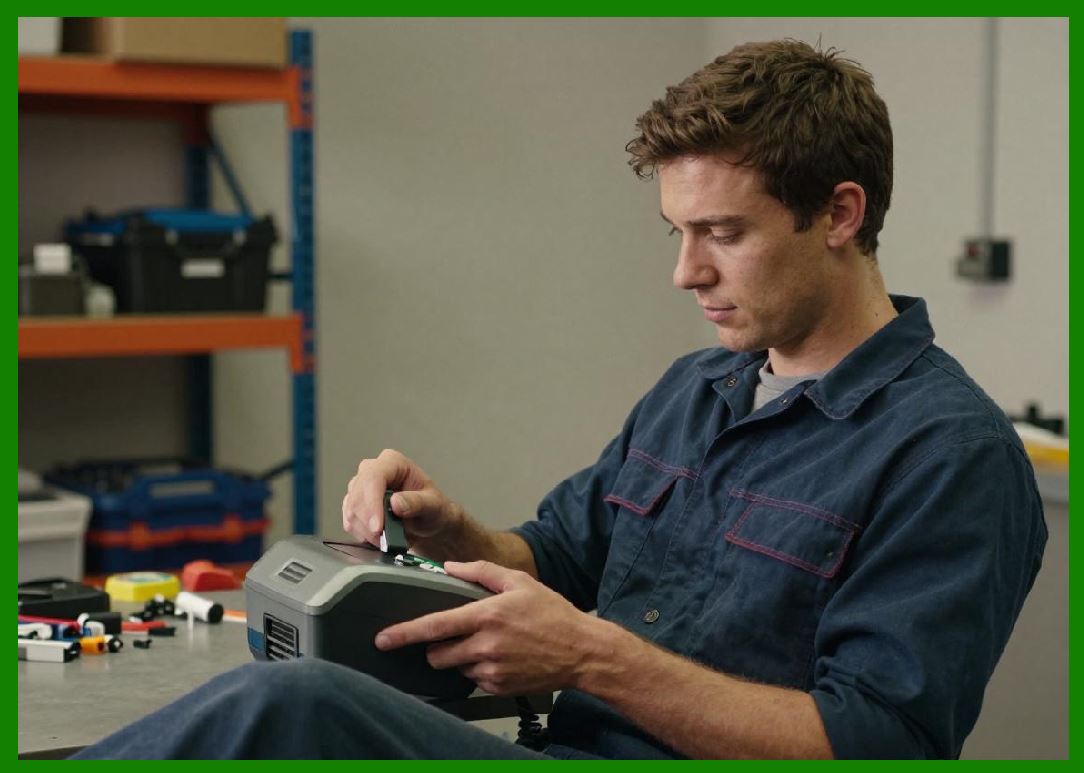
One of the most crucial features of Code 39 is that it is a 'self-checking' code. This means that a single printing defect or scanning error cannot accidentally turn one valid character into another valid character. The wide/narrow pattern of each character is distinct enough that if a bar were to be misread (for example, a narrow bar being read as a wide one due to smudging), the decoder would recognize the resulting pattern as invalid and reject it. |
This self-checking property was a major advantage in industrial environments. It meant that Code 39 didn't require a mandatory check digit (although an optional modulo-43 check digit could be added for an extra layer of accuracy). While the lack of a mandatory check digit meant it wasn't the most error-proof code possible, the self-checking nature still offered a high level of reliability at no extra cost or complexity. |
|
Variable Length and Alphanumeric Support |
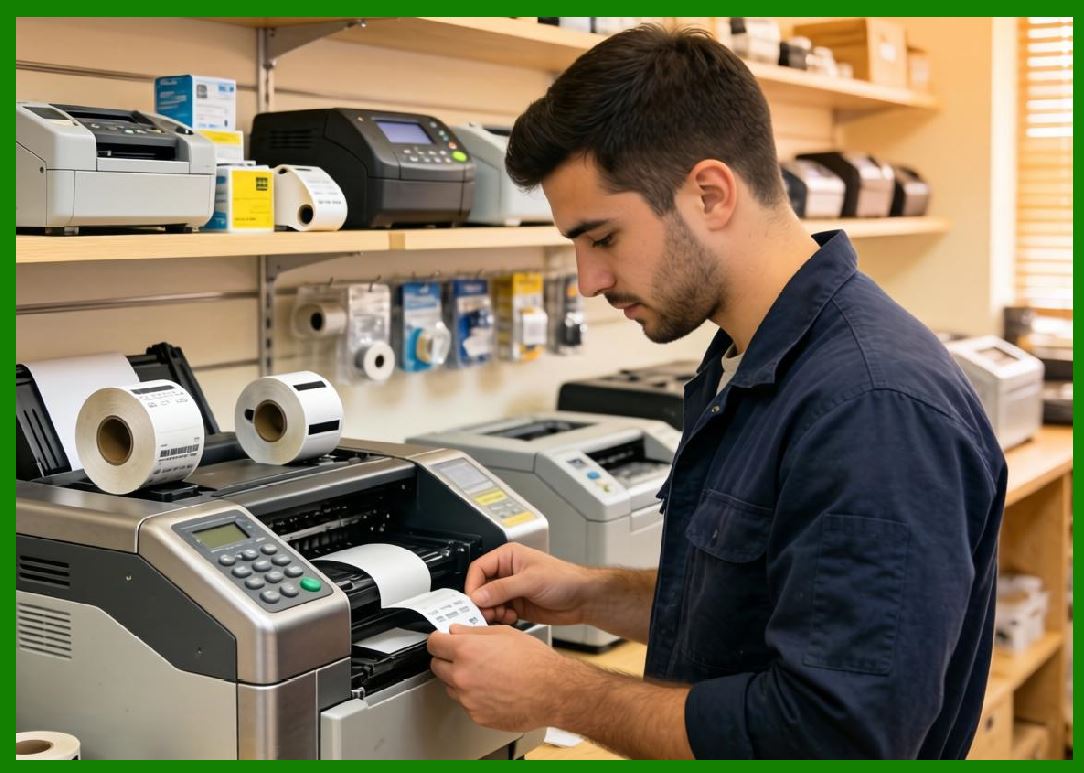
Code 39 is a variable-length code, meaning it can encode any number of characters. This was a critical advantage for applications like inventory management, where different items might have different-length part numbers. Furthermore, its ability to encode 43 characters - including all uppercase letters (A-Z), numbers (0-9), and several special characters (- . $ / + % and space) - made it versatile enough for a wide range of applications. For instance, it could encode alphanumeric model numbers used in automotive parts or military equipment. While it doesn't natively support lowercase letters, the 'Full ASCII' version of Code 39 uses combinations of standard Code 39 characters to represent the full 128-character ASCII set. |

|
The Cost of Simplicity: Low Data Density |
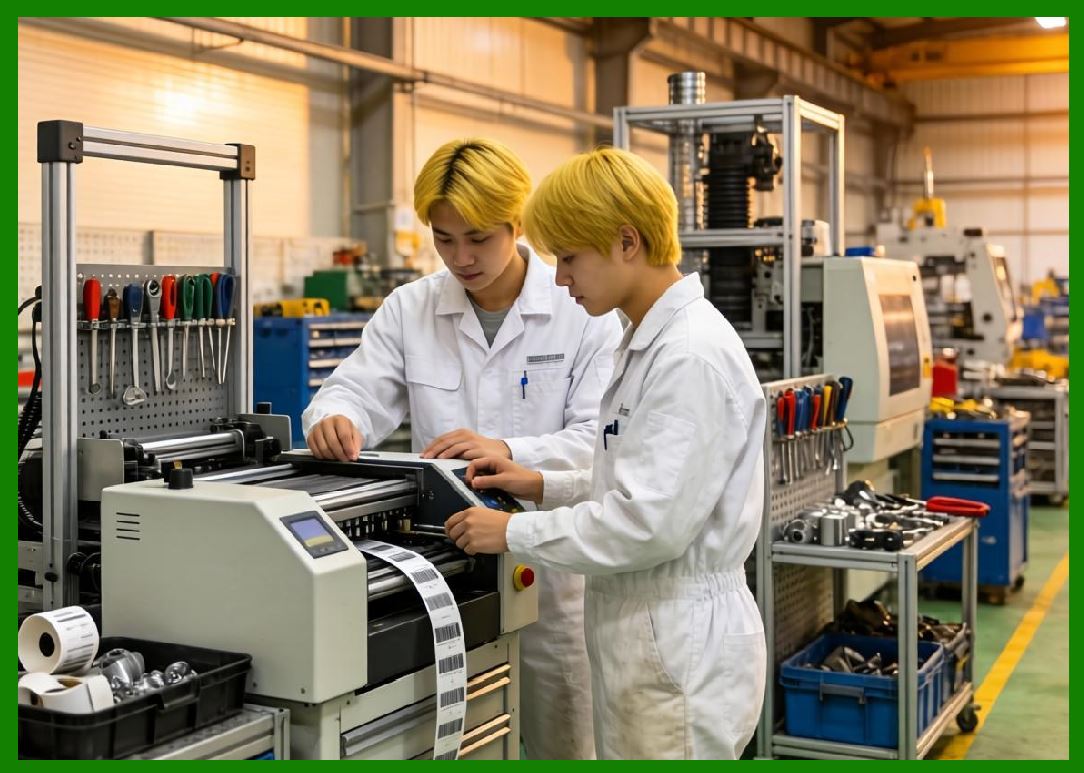
The main trade-off for Code 39's simplicity and reliability was its very low data density. Because each character required nine elements and three of those were wide, a Code 39 symbol quickly became long. A common rule of thumb for calculating the physical size of a Code 39 barcode is: (Number of characters * 12 + 25) * X-dimension, plus quiet zones. This means that as the data payload grew, so did the label's size. |
This was a significant disadvantage when space was limited. In applications where a small code was needed, Code 39 required a very high-density print setting and a small 'X-dimension' (the width of the narrowest bar), which could make the barcode more difficult to scan reliably. This is the exact niche where a 2D code like Vericode (or later, Data Matrix) would shine, as they could store far more data in a much smaller area. |
|
Code 39 Across Industries |
Despite its low data density, Code 39's simplicity, robustness, and low scanning cost led to its widespread adoption across a remarkable number of sectors. |
Defense: The LOGMARS Standard |
The United States Department of Defense (DoD) adopted Code 39 for its LOGMARS (Logistics Applications of Automated Marking and Reading Symbols) system. This standard mandated that all government property and shipments be marked with Code 39 labels. This single decision had a massive ripple effect, forcing thousands of military contractors to implement Code 39 in their own supply chains, effectively cementing its status as a standard for defense and aerospace applications. |
Automotive: The AIAG Standard |
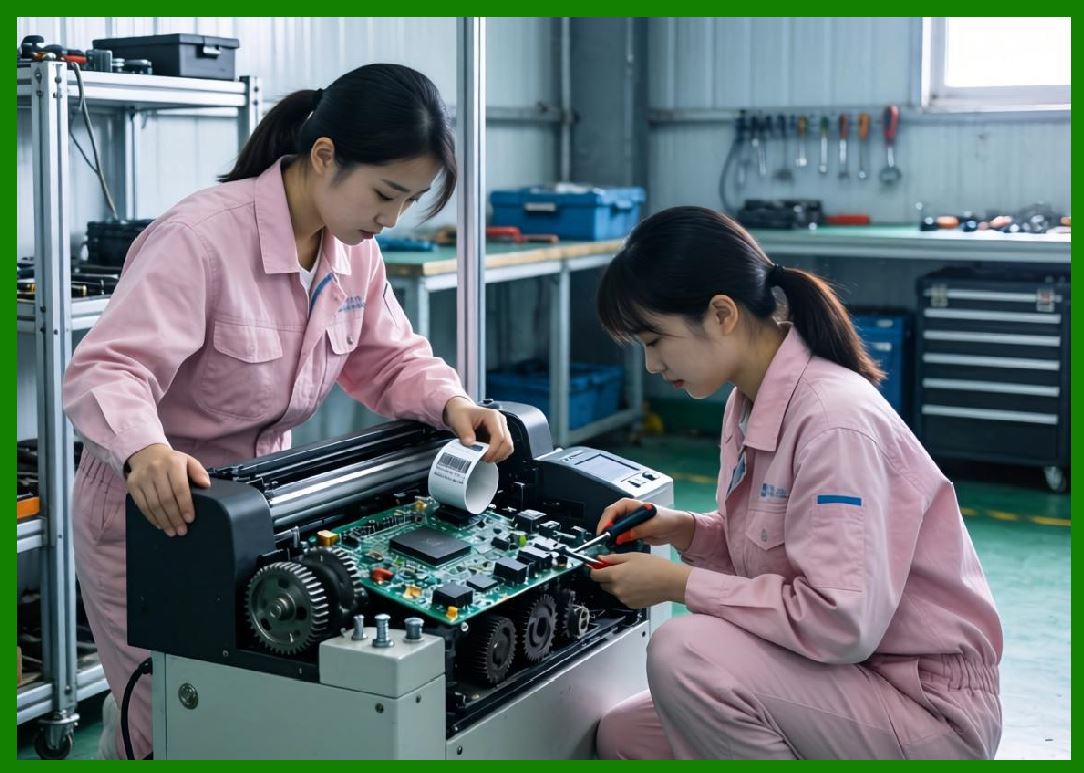
Similarly, the automotive industry adopted Code 39 as the standard for part labeling through the Automotive Industry Action Group (AIAG). In an industry with complex, multi-tiered supply chains, a common, reliable barcode was essential for tracking components from their origin through to final assembly. Code 39's ability to encode alphanumeric characters was essential for this, as automotive part numbers often combine letters and numbers. |
|
Healthcare: The HIBCC Standard |
In the healthcare sector, Code 39 was adopted by the Health Industry Business Communications Council (HIBCC) as the foundation for its labeling standard. This standard was crucial for patient safety and device identification, allowing for the tracking of medical devices, surgical instruments, and pharmaceuticals through the supply chain. While the healthcare sector has since moved toward 2D codes like Data Matrix to comply with Unique Device Identification (UDI) regulations, Code 39's legacy as the original alphanumeric workhorse remains secure. |
Other Industries: From Transportation to Retail |
Beyond these major verticals, Code 39 found use in transportation for tracking shipping containers and shipments, in the electronics industry for tracking basic components, and even in internal asset tracking systems for libraries and equipment management. Its key strength was that it was 'good enough' and, critically, could be scanned by nearly any barcode scanner on the market. This universal reader support was perhaps its most potent advantage. A simple, low-cost laser scanner could read Code 39, making it accessible to businesses of all sizes. |

|
Why Vericode Didn't Win |
The story of Vericode versus Code 39 is a classic business case study. It illustrates the difference between a technically superior product and a commercially successful one. |
The Cost of Imaging |
The most significant factor in Vericode's failure to achieve mainstream adoption was the hardware cost. Vericode required a 2D imaging scanner, a piece of technology that was still in its infancy and very expensive in the 1980s and early 1990s. In contrast, the laser scanners needed to read Code 39 were cheap, reliable, and already widely deployed. |
For most businesses, a project like asset tracking or inventory management came with a strict budget. The choice was often between a code that worked with their existing equipment (Code 39) and one that required a significant capital investment in new technology. The cost-benefit analysis almost always favored the cheaper, simpler option. The extra data capacity of Vericode was not enough to justify the massive expense of replacing the entire scanner infrastructure. |

|
Ecosystem and Standards |
Code 39 also benefited from a strong push from standards bodies and major institutions. The US Department of Defense's LOGMARS initiative, the automotive AIAG standard, and the healthcare HIBCC standard all mandated Code 39, creating a massive, captive market for the technology. This created a powerful network effect: the more Code 39 was used, the more support it had from scanner and printer manufacturers, which in turn made it even cheaper and more accessible. |
Vericode did not benefit from this kind of institutional backing. While it had a famous endorsement from NASA and found a niche in high-end industrial applications, it never secured the kind of top-down, industry-wide mandate that Code 39 had. Without a large ecosystem of users and suppliers, its cost remained high, and its adoption remained limited. |

|
Simplicity Is a Feature |
For many applications, Code 39 was simply 'good enough.' Not every application needed the massive data payload that a 2D code provided. For tracking a shipment or managing an inventory, a simple alphanumeric identifier was often all that was required. In these cases, the added complexity and cost of a 2D code were an unnecessary burden. Code 39's simplicity was its strength; it was easy to print, easy to read, and easy to implement. Vericode's sophistication, while impressive, was often overkill. |

|
The Enduring Legacy of the First 2D Code |
Although Vericode never became a household name, its impact on the industry should not be underestimated. It was a true pioneer, demonstrating that matrix coding was not just a theoretical concept but a practical solution to the problem of data density and traceability. It built the conceptual framework and, more importantly, set the stage for the success of later 2D codes. |

|
Paving the Way for Data Matrix and QR Code |
The decision by NASA to use Vericode served as a powerful proof-of-concept, demonstrating the technology's reliability in the most demanding of applications. It showed the world what was possible: that a tiny, rugged, high-capacity code could be used to reliably identify and track complex assets. |
When technologies like Data Matrix and QR Code emerged in the 1990s, they benefited from the path that Vericode had blazed. The concepts of data cells, error correction, and imaging scanners were no longer entirely new. The market was educated about the potential of 2D codes, and while Vericode didn't achieve mass adoption, it helped create a market that later entrants would exploit. |
The key difference for these later codes was the falling cost of imaging technology. As digital cameras and imaging sensors became cheaper and more powerful, the hardware barrier that had held Vericode back began to crumble. By the time QR Code was popularized by the mobile phone camera, the ecosystem was finally ready for 2D codes. |

|
Solving the Small Part Problem |
Vericode's most significant and lasting contribution was its definitive solution to the 'small part problem.' It provided a practical method for marking and tracking minuscule items in high-value manufacturing, particularly in electronics. This challenge did not disappear with Vericode's obscurity; it grew. The electronics industry continued to miniaturize, demanding ever-smaller components and ever-more-precise tracking. Today, Data Matrix codes, often as small as Vericode was, are the standard for marking PCBs and components in the electronics industry. But they stand on the shoulders of Vericode, the technology that first proved it could be done. |

|
Practical Application Examples |
The applications of Vericode, though niche, were highly sophisticated and addressed real-world industrial challenges with innovative solutions. |
Example 1: Aerospace Component Traceability |
Imagine a turbine blade for a jet engine. This single component is manufactured from expensive, high-performance alloys and must endure extreme heat and stress. Its entire lifecycle - from the metal's casting, through its machining, to its inspection and final assembly - must be meticulously tracked. A Vericode could be etched onto the root of the turbine blade, a tiny space where a traditional label would never fit. This code would contain a unique serial number, the manufacturing date, the alloy lot number, and the results of critical quality tests like X-ray inspections. When the turbine blade is serviced, a technician could use a handheld imager to read the Vericode, instantly accessing its complete history from a linked database, verifying its authenticity and ensuring its airworthiness. |
|
Example 2: Pharmaceutical Anti-Counterfeiting |
A high-value medication for treating a chronic disease is a prime target for counterfeiters. A fake version of the drug could be ineffective, or worse, lethal. A Vericode, printed at a microscopic size with a specialized ink, could be embedded in a specific location on the drug's packaging. The code would be invisible to the naked eye and nearly impossible to reproduce with standard printing equipment. A pharmacist, receiving a shipment of the drug, could use a specialized scanner to read the hidden code and instantly verify the product's authenticity against the manufacturer's secure database. This would provide a powerful layer of defense against counterfeit drugs entering the legitimate supply chain. |
|
Example 3: High-End Electronics Manufacturing |
In the manufacturing of a luxury smartphone, thousands of tiny components - processors, memory chips, cameras, and more - are assembled onto a printed circuit board. A Vericode could be laser-etched onto the surface of the processor chip itself. This code would not only identify the part but also store its binning information (performance grade), manufacturing plant, and test data. As the phone is assembled, an automated camera at each stage of the production line reads the Vericode on each component. This process ensures that the right components are used, verifies the quality of the assembly, and creates a complete digital record of the phone's construction, which can be used for quality control and warranty tracking. |
|
Example 4: Secure Government Identification |
Vericode's secure data storage and print-on-demand capabilities were patented for use in government-issued identification cards, such as driver's licenses and military ID cards. The same card that contains the driver's photo and printed personal information could have a Vericode symbol printed in a subtle, secure location. The code could encode the driver's name, license number, and even biometric data. This would allow law enforcement or border agents to quickly and securely verify the authenticity of the card and the identity of the holder by scanning the code and matching it against a government database, providing a significant deterrent against identity fraud. |
|
Detailed Summary |
In the decades since its introduction, Vericode has largely faded from the front lines of the barcode industry, but its role as a foundational technology is undeniable. It was the first commercially viable 2D matrix code, a true pioneer that demonstrated that the future of automatic identification lay in two dimensions. |
The key takeaways are: |
1. A Technical Breakthrough: Vericode was a powerful concept, a 'portable data file' that could store more information in a tiny space than any 1D code. Its design was robust, with error correction, high data density, and a compact format that made it ideal for tracking small items and securing documents. Its adoption by NASA and its use in high-security documents like driver's licenses stand as testaments to its technical excellence. |
2. A Commercial Challenge: Vericode's advanced features required advanced hardware. The need for expensive, 2D imaging scanners was the primary barrier to widespread adoption. In a market dominated by cheap, reliable laser scanners for 1D codes, Vericode was simply too expensive for the mainstream. It was constrained to niche, high-value applications where its capabilities justified the cost. |
3. The Rise of the Practical Alternative: The ascendance of Code 39 perfectly illustrates why Vericode didn't win. Code 39 was robust, simple, and cheap. Its self-checking nature and alphanumeric capacity were sufficient for most applications, and its compatibility with existing scanners made it the practical choice for industry giants like the US military and automotive manufacturers. |
4. A Lasting Legacy: Vericode was a visionary technology before its time. It proved that 2D matrix codes were a viable and valuable solution. It laid the groundwork for the Data Matrix and QR Code symbologies that would eventually fulfill the promise of 2D coding. Its pioneering work in marking small components remains a core requirement in advanced manufacturing today. |
|
Ultimately, Vericode's story is not one of failure, but of timing. It was a 'future technology' that arrived before the necessary ecosystem was ready. As the cost of imaging technology has plummeted and the demand for data-rich traceability has skyrocketed, the vision that Vericode embodied has become the new reality of the barcode industry. |
 cs@easiersoft.com