Chapter 30: The Rise of the Aztec Code (1995) | Summary: The Aztec Code, invented in 1995 by Andrew Longacre at Welch Allyn, is a highly efficient two-dimensional (2D) barcode distinguished by its central bull's-eye finder pattern. Its unique design eliminates the need for a quiet zone, maximizing data capacity in a minimal space. With robust error correction and efficient encoding, the Aztec Code has become the standard for digital airline boarding passes and electronic ticketing, while also finding significant applications in healthcare, government document authentication, and logistics. This chapter explores its technical characteristics, its practical advantages over other symbologies, and its transformative impact across multiple industries. For comparison, we will also examine the legacy Code 39, a pioneering 1D barcode that laid the groundwork for many of the asset-tracking applications now revolutionized by 2D codes. Code 39's core technical features---its alphanumeric capacity, self-checking property, and variable length---directly shaped its widespread adoption in industrial and military labeling, and its limitations highlighted the pressing need for the high-density, space-saving symbologies that followed. | 
| 1. Introduction: The Dawn of a New Code | The mid-1990s marked a pivotal moment in the history of automatic identification and data capture. While one-dimensional (1D) barcodes had successfully automated retail checkout and industrial tracking for two decades, they were increasingly showing their limitations. The world was becoming more digital, and there was a growing need for a symbology that could encode significantly more data in a smaller physical space, be readable even when damaged, and work seamlessly with the emerging digital ecosystem. | Enter Andrew Longacre, an engineer at Welch Allyn, a company renowned for its contributions to barcode scanning technology. In 1995, Longacre, along with Robert Hussey, introduced a new 2D matrix code that would come to be known as the Aztec Code . Its name was inspired by the visual resemblance of its central finder pattern to an Aztec pyramid viewed from above---a striking, concentric bull's-eye that would become its signature feature . | The Aztec Code was not the first 2D barcode; others like PDF417 and Data Matrix were already in use. However, it brought a unique combination of features that made it exceptionally well-suited for a new era of mobile and digital applications. Its design prioritized high data density, robust error correction, and ease of scanning from less-than-ideal surfaces, including the glowing screens of early mobile phones. | 
| 2. Technical Anatomy of the Aztec Code | To appreciate why the Aztec Code succeeded in its niche, it's essential to understand its underlying structure and technical characteristics. | 2.1. The Central Bull's-Eye: A Self-Discovering Pattern | The most distinctive feature of an Aztec Code is its central finder pattern. Unlike QR codes, which have three corner finder patterns, or Data Matrix, which uses an L-shaped solid line along two sides, the Aztec Code uses a bull's-eye of concentric square rings at its very center . This pattern serves as a landmark for the scanner, allowing it to quickly locate the code, determine its orientation, and begin the decoding process regardless of the symbol's rotation. This center-anchored design is not just a matter of aesthetics; it is a fundamental aspect of the code's efficiency. By placing the finder pattern in the middle, the Aztec Code does not require a quiet zone---the blank margin that most other barcodes require around their perimeter . This saves precious space, allowing the code to be considerably smaller than a QR code or Data Matrix encoding the same amount of data . | 2.2. Data Capacity and Layering | Data is arranged in layers of square modules that are added around the central bull's-eye. The Aztec Code comes in two primary variants: Compact and Full-Range . The Compact Aztec Code is designed for smaller data payloads and is the version most people will encounter on a boarding pass. It can have between 1 and 4 data layers. The Full-Range Aztec Code can have up to 32 data layers, providing a massive data capacity . At its maximum size, a Full-Range Aztec Code can encode up to 3,832 numeric digits, 3,067 alphanumeric characters, or 1,914 bytes of binary data . This makes it capable of storing a small paragraph of text, an entire biometric template, or a complex set of digital credentials. | The layering system is also how the code's size is determined. The more layers there are, the larger the overall symbol, but this growth is highly efficient. The amount of data that can be stored increases significantly with each additional layer. | 2.3. Error Correction: Reed-Solomon Redundancy | A key feature of any modern 2D barcode is its ability to be read even if part of it is damaged, obscured, or poorly printed. The Aztec Code achieves this through Reed-Solomon error correction, a powerful mathematical algorithm that adds redundant data to the message. This redundancy allows the scanner to reconstruct the original information even if some of the modules are missing or misread . The Aztec Code's error correction level is configurable, ranging from 5% to 95% of the data capacity . For a typical application like a boarding pass, the IATA standard mandates a minimum of 23% error correction . This means that even if roughly 11.5% of the code's modules are unreadable, the full data can still be recovered. This level of robustness is crucial for boarding passes and other tickets that are often folded, crumpled, scanned from phone screens with glare, or exposed to wear and tear . | 
| 3. The Legacy of Code 39: The Workhorse of a Generation | Before we can fully appreciate the impact of the Aztec Code, we must first understand the technological landscape it emerged into. The dominant alphanumeric 1D barcode of the late 20th century was Code 39. Invented in 1974 by Intermec, Code 39 was a breakthrough because, for the first time, a barcode could encode both numbers and letters . To fully grasp its influence and why a 2D code like Aztec was a necessary evolution, we need to dissect the technical characteristics that defined Code 39's application and its limitations. | 3.1. The 'Three of Nine' Structure | The name 'Code 39' (also known as Code 3 of 9) comes from its fundamental encoding structure. Each character in the Code 39 symbology is represented by a pattern of five bars and four spaces---nine elements in total . Of these nine elements, exactly three are wide, and six are narrow . The positions of the wide elements determine which character is being represented. The wide-to-narrow ratio is typically set between 2:1 and 3:1, with 2.5:1 being the most common recommendation . This simple, binary-like principle---wide or narrow---made it robust and easy to print with a variety of technologies. | 3.2. The Self-Checking Property | One of Code 39's most important features is its self-checking nature . This means that because each character is made up of a pattern of wide and narrow elements, a single printing or reading error---like a bar being printed too wide or a space being too narrow---will likely create an invalid pattern that does not correspond to any character in the set. The decoder can then recognize this and reject the symbol, rather than misreading it. This property is why a mandatory check digit was not originally required, a distinct advantage over early numeric-only codes . While an optional Modulo 43 check digit was later standardized for added security, especially in military applications like LOGMARS, the self-checking design provided a good baseline level of accuracy . | 3.3. Character Set and ASCII Compatibility | The basic Code 39 character set consists of 43 symbols: the digits 0-9, the uppercase letters A-Z, and seven special characters: space, period, dash, dollar sign, slash, plus sign, and percent sign . It also uses an asterisk (*) as its start and stop character, which is not encoded as data but simply tells the scanner where the barcode begins and ends . To encode lower-case letters or the full 128-character ASCII set, an extension called Code 39 Extended was developed . This extension works by using pairs of standard Code 39 characters to represent a single extended character. For example, the lower-case letter 'a' might be encoded as the two-character sequence '+A'. While this allowed Code 39 to be versatile, it came at a cost: the barcode had to be twice as long to encode the same amount of data, significantly reducing its data density . | 3.4. Variable Length and Practical Limits | A major advantage of Code 39 is its variable length, meaning there is no theoretical limit on the number of characters it can encode . In practice, however, limitations quickly arise. Because it is a discrete symbology (with an inter-character gap between each character), its physical length grows linearly with the number of characters. A typical Code 39 barcode is around 40% wider than a Code 128 barcode encoding the same data . For most industrial applications, practicality dictates that a Code 39 barcode be kept under 20-50 characters; otherwise, it becomes too long and wide to be easily printed and scanned . Furthermore, because it is a 1D barcode, its data is 'read' in a single, horizontal line, making it susceptible to damage and requiring a significant quiet zone (blank space) on both sides to ensure readability. | 
| 4. Code 39 in Action: Impact Across Industries | Despite its limitations, Code 39's combination of alphanumeric capability, self-checking reliability, and variable length made it a global standard for industrial and government tracking. Its technical characteristics were perfectly aligned with the needs of the pre-digital age, and it was the first symbology that allowed for human-readable data to be easily encoded and tracked. | - The Military and LOGMARS: Perhaps the most significant endorsement of Code 39 came from the US Department of Defense. Their LOGMARS (Logistics Applications of Automated Marking and Reading Symbols) system standardized Code 39 for marking all supplies shipped to the military . The self-checking property was critical in this environment, as it minimized the risk of misreads that could lead to critical parts going to the wrong place. The ability to encode alphanumeric characters was essential for military serial numbers and part numbers, which are rarely just numeric. | - The Automotive Industry: The automotive sector, through its industry group AIAG (Automotive Industry Action Group), also standardized on Code 39 for labeling parts throughout the supply chain . In a complex assembly line, tracking components from hundreds of suppliers is a monumental task. Code 39 allowed for a simple, universally scannable label that could carry a part number, supplier code, and quantity, helping to ensure that the right part was used in the right car at the right time. | - The Healthcare Sector: In healthcare, the Health Industry Business Communications Council (HIBCC) established labeling standards for patient safety and device identification, with Code 39 being one of the primary symbologies . For instance, patient wristbands would be printed with Code 39 labels containing their name, medical record number, and other critical identifiers. The self-checking nature of the code was vital for patient safety, reducing the risk of medication or procedure errors. For its time, Code 39 was the workhorse of healthcare identification. | - General Asset Tracking and Inventory: Code 39 became the default barcode for a vast range of non-retail applications: libraries used them on books, manufacturers used them for work-in-progress tracking, and offices used them for asset management . Its simplicity and the fact that it could be read by virtually any barcode scanner made it a universal tool for identifying 'things' that were not part of the standard retail UPC system. | However, by the early 1990s, the world was starting to change. The limitations of Code 39, particularly its data density and the physical space required for long labels, began to present significant challenges. This created the space for a revolution in symbology, a revolution that would culminate in the adoption of 2D codes like the Aztec Code. | 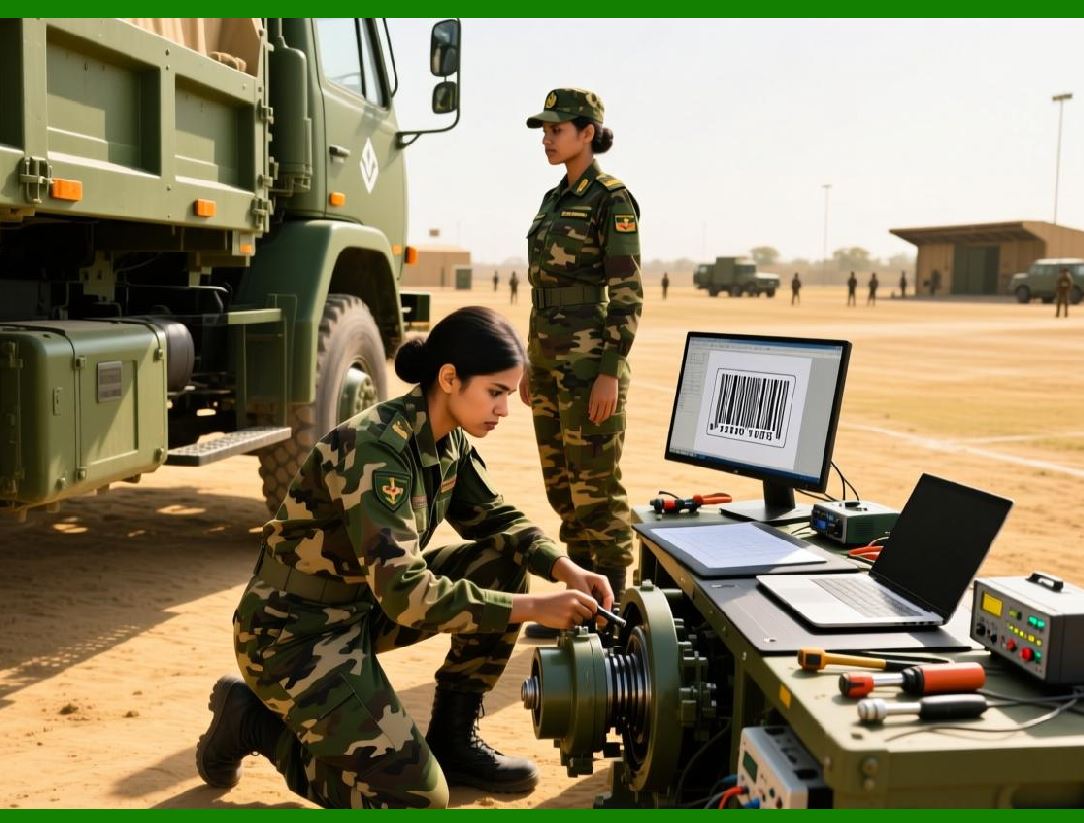
| 5. The Rise of the Aztec Code: Efficiency Meets the Digital World | As the world moved toward digital transactions, e-commerce, and mobile computing, the need for a more advanced, data-rich barcode became apparent. The Aztec Code addressed the key shortcomings of Code 39 and other 1D barcodes while offering new capabilities that would define the modern digital experience. Its triumph was in its specific technical features, which were not just incremental improvements but fundamental innovations. | 5.1. Overcoming the Limitations of 1D | The most profound difference between the Aztec Code and Code 39 is the concept of 2D encoding. Code 39 stores data linearly, which limits its capacity and makes it vulnerable to damage. The Aztec Code stores data in two dimensions (as a grid of squares), allowing a massive amount of information to be packed into a tiny space. In fact, an Aztec Code can be approximately 30 times smaller than a Code 39 barcode containing the same data . This efficiency is the result of two critical technical features. First, the lack of a required quiet zone allows the Aztec Code to be printed 'edge-to-edge,' maximizing the use of the surface area . Second, its use of Reed-Solomon error correction meant that even if the code was partially obscured, scratched, or folded, the data could still be recovered---a clear advantage over the linear, damage-vulnerable Code 39. These features made the Aztec Code a perfect fit for the emerging digital consumer economy. | 5.2. The Boarding Pass Revolution: IATA BCBP Standard | The decisive moment for the Aztec Code's mainstream adoption came in the world of air travel. In 2005, the International Air Transport Association (IATA) adopted the Aztec Code as the primary 2D symbology for its Bar Coded Boarding Pass (BCBP) standard . This decision was a victory of technical fitness over other alternatives like QR Code and Data Matrix. The IATA specification demands that the barcode be readable from phone screens, perform well under varying lighting conditions, and be compact enough to fit in the limited space of a boarding pass . The Aztec Code's lack of a quiet zone and its central bull's-eye finder pattern proved superior for these use cases. The code encodes the passenger's name, flight number, date, class, seat assignment, frequent flyer information, and security data, all within a code that can be easily printed on a small piece of paper or displayed on a phone screen . This adoption by IATA cemented the Aztec Code's place in history and demonstrated the power of a 2D symbology specifically designed for digital, high-volume, consumer-facing applications. | 5.3. Electronic Ticketing: From Railways to Events | The success in aviation quickly spilled over into other parts of the transportation and event industry. Railways worldwide have adopted the Aztec Code for electronic train tickets . These mobile tickets, sent directly to a passenger's smartphone, must be scannable through the glare of a train window, in motion, and even with low battery. The Aztec Code's robust error correction and reliable performance on screens made it an ideal choice . The use of Aztec Codes extends to electronic ticketing for concerts, sporting events, and theaters, where rapid validation of many tickets at the gate is essential . In these scenarios, the Aztec Code's capacity to store a unique, encrypted identifier that can be quickly authenticated by a mobile scanner provides a level of security and efficiency that was impossible with traditional paper tickets. | 5.4. Beyond Ticketing: Government, Healthcare, and Logistics | While the Aztec Code is best known for its consumer-facing role in ticketing, its technical advantages have led to adoption in other critical sectors. | - Government Documentation: Government agencies use Aztec Codes to authenticate documents and prevent fraud. For example, car registration documents and other official licenses may incorporate an Aztec Code containing encrypted information that can be cross-referenced with a central database . The compact size and high data capacity allow a large amount of 'digital fingerprint' data to be embedded securely within a physical document. | - Healthcare: In a fascinating shift, the same healthcare industry that standardized on Code 39 for patient wristbands is increasingly adopting Aztec Codes. The HIBCC now recommends using the Aztec Code for patient identification, drug labeling, and on curved surfaces like intravenous (IV) bags . The Aztec Code can encode significantly more patient information and safety data in a tiny symbol than Code 39 ever could. Furthermore, its ability to be printed on small, curved labels without requiring a large quiet zone makes it far more practical for hospital environments. | - Logistics and Inventory: In the logistics sector, the Aztec Code is used for tracking and authenticating items, managing shipments, and providing a 'digital passport' for products . A single Aztec Code on a small electronic component can store the entire history of its manufacturing, testing, and shipping, making it invaluable for supply chain transparency and counterfeit prevention. | 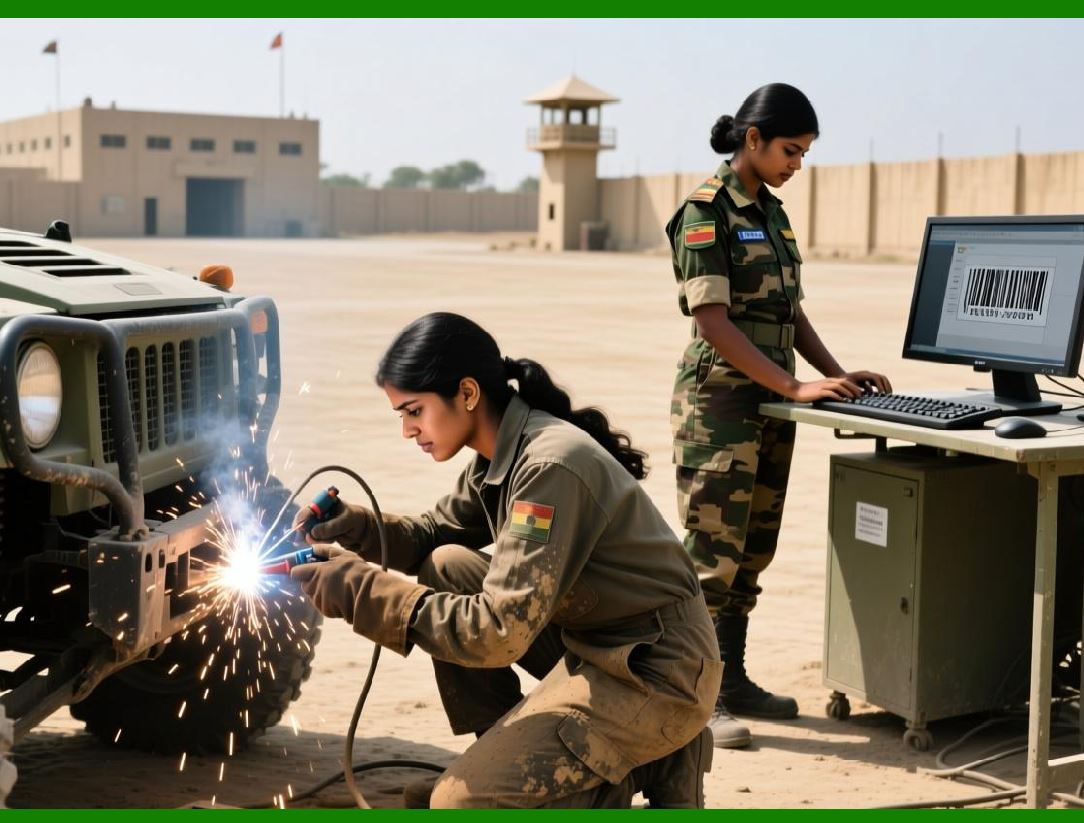
| 6. Conclusion: A Technological Succession | The journey from Code 39 to the Aztec Code is a compelling story of technological evolution driven by changing needs. Code 39 was the right symbology for its era. Its self-checking nature and alphanumeric capacity, born from the need to automate inventory and identification in the 1970s, made it a foundational technology for industries from automotive to defense. Its widespread adoption was a testament to its robustness and simplicity. However, its limitations---low data density, large physical footprint, and vulnerability to damage---created the imperative for a more sophisticated solution. | The Aztec Code, invented in 1995, was that solution. Its revolutionary central finder pattern, which eliminated the need for a quiet zone, and its use of Reed-Solomon error correction, allowed it to achieve data density and robustness that were impossible for 1D symbologies. More importantly, its design was inherently suited for a digital future. Its adoption as the IATA standard for boarding passes was a watershed moment, demonstrating the power of a 2D symbology in a high-volume, consumer-facing digital application. It paved the way for the mobile ticketing that has become ubiquitous in air travel, rail transit, and entertainment. | Today, the Aztec Code is a testament to the enduring power of well-designed technology. While its predecessor, Code 39, is still in use and still vital for many legacy and industrial applications, the Aztec Code represents the future. It exemplifies how advancements in barcode technology, driven by the pursuit of efficiency and data capacity, have been instrumental in enabling the digital transformation of ticketing, authentication, and data management. As we look toward the future of machine vision and automated data capture, the Aztec Code stands as a clear milestone: a symbology designed not just for the systems of its time, but for the mobile, interconnected world that was just beginning to emerge. |
|
 cs@easiersoft.com