Chapter 75: Standardization Wars - GS1's Role |
In Brief |
This chapter explores the fascinating history and ongoing evolution of barcode standards, focusing on the pivotal role of GS1 in resolving conflicts and shaping the future of product identification. It begins with the 'barcode wars' between the US-centric UPC and Europe's EAN, explaining how these systems competed and eventually unified under GS1. The chapter then delves into the technical characteristics of the Code 39 symbology and illustrates, through diverse industry applications, how its specific features influence its use. Finally, it looks forward to the next major transition: the move from traditional linear barcodes to a new generation of 2D codes, such as GS1 Digital Link QR Codes, which promise to revolutionize the retail experience and supply chain transparency by 2027. |
|
1. Introduction: The Quiet Revolution |
Imagine a world without barcodes. Every item in a supermarket would need a price tag manually stuck on by a store employee. Checking out would be a slow, error-prone process of reading prices and typing them into a cash register. Warehouses would rely on clipboards and handwritten tallies to track inventory, a system ripe for mistakes and delays. Hospitals would struggle to efficiently manage medical supplies or accurately match the right medication to the right patient. This was the reality before the adoption of standardized barcodes. |
Today, the barcode is an invisible but essential part of the global economy. It is the silent language that allows products to be identified, tracked, and traced as they move from factory floor to retail shelf and, ultimately, to a consumer's home. This standardized system underpins modern logistics, retail, healthcare, and countless other industries. Over 10 billion barcodes are scanned every single day across the globe, making it one of the most ubiquitous and successful information technologies in history . However, the path to this global, seamless system was not straightforward. It was a tale of competing national standards, corporate interests, and ultimately, a remarkable feat of global cooperation. |
This chapter tells the story of that journey. We will examine the early 'barcode wars,' the role of the GS1 organization as the global arbiter of standards, and the technical characteristics of foundational symbologies like Code 39 that shaped their use across industries. Finally, we will look ahead to the future, as GS1 leads the next great transition from the one-dimensional (1D) barcodes we all know to a new generation of two-dimensional (2D) codes that will unlock a world of new possibilities for consumers, businesses, and regulators alike. |

|
2. The Barcode Wars: UPC vs. EAN |
The story of modern barcoding begins in the United States. In the early 1970s, the grocery industry was seeking a way to automate checkout and reduce the labor costs associated with pricing and inventory management. This search led to the creation of the Universal Product Code, or UPC . Officially adopted in 1973, the UPC was a 12-digit numeric barcode designed specifically for the US retail market. It was a revolutionary idea, but it was built with a single country in mind . |
The system was managed by the Uniform Code Council (UCC), a US-based organization. For American businesses, it worked perfectly. But as global trade expanded, a significant problem emerged. European retailers and manufacturers wanted a similar system, but the 12-digit UPC format lacked the capacity to assign unique country prefixes to the dozens of nations in Europe and around the world . They needed a more expansive system. |
In 1977, Europe responded by establishing the International EAN Association. EAN, which stands for European Article Number, created a 13-digit barcode format, called EAN-13. The extra digit gave it the capacity for a three-digit prefix that could be assigned to each member country (e.g., 300-379 for France, 400-440 for Germany) . In principle, UPC and EAN barcodes were very similar. They used the same basic encoding and could even be read by the same type of laser scanner. Crucially, a UPC-A barcode is technically an EAN-13 barcode with a leading zero . |
However, the technical compatibility did not translate to practical compatibility. The problem was in the software. US point-of-sale (POS) scanners in the 1980s and 1990s were programmed to expect exactly 12 digits. When they encountered a European product with a 13-digit EAN barcode, the scanner would not recognize it . This incompatibility created significant friction for international trade. European companies shipping goods to the US were forced to print two separate barcodes on their products---a 13-digit EAN for the European market and a 12-digit UPC for the US market. It was a costly and inefficient workaround . |
This period of incompatibility was a classic 'standardization war,' where two rival systems, each backed by powerful economic blocs, competed for dominance. The conflict was resolved not through a victor, but through negotiation and compromise. In 1997, the UCC, the administrator of the UPC, announced the 'Sunrise 2005' initiative. This was an ambitious plan to ensure that all US and Canadian retailers could accept and scan both 12-digit UPC and 13-digit EAN barcodes by January 1, 2005 . The 'Sunrise' meant a massive upgrade of POS systems, software, and backend databases across North America. |
The initiative was a success. By the 2005 deadline, a unified technical standard was in place. In the same year, the organizational unity was made official. The UCC and the International EAN Association formally merged to create a single, global standards body: GS1 (Global Standards One) . This unification marked the end of the barcode wars and the beginning of a truly global language for business. The UPC and EAN are now a subset of the GS1 system, and the old 12-digit UPC is simply read as an EAN-13 with a leading zero. |
|
2.1. GS1: The Global Language of Business |
GS1 is a not-for-profit organization that develops and maintains the world's most widely used supply chain standards. It is not a government agency but a global community of member organizations from over 110 countries, representing nearly every industry sector. Its most famous creation is the barcode, but its work goes far beyond that. GS1 is responsible for a comprehensive suite of standards for identification, data capture, and data sharing. |
GS1 standards are built on a foundation of unique identification keys. The most important of these is the Global Trade Item Number (GTIN), the unique number that identifies a specific product (like a specific brand of toothpaste or a particular model of smartphone). The GTIN is the 'license plate' for a product, allowing it to be uniquely identified anywhere in the world. Other important keys include the Serial Shipping Container Code (SSCC) for logistics units and the Global Location Number (GLN) for identifying physical or legal entities. |
GS1's role as the central authority is crucial for ensuring interoperability. By defining how data is structured and encoded in a barcode, GS1 ensures that a barcode generated by a manufacturer in China can be read and understood by a retailer in Brazil or a hospital in Saudi Arabia. This interoperability is the bedrock of the modern global economy, enabling the seamless flow of goods, information, and money across borders. The organization's governance structure, a merger of the former US and European bodies, ensures that the system remains balanced and serves the needs of businesses worldwide. |

|
3. Code 39: The Workhorse of Industry |
While GS1's EAN/UPC barcodes have become the universal standard for retail point-of-sale, another barcode symbology has been the quiet workhorse of countless other industries: Code 39. Also known as 'Code 3 of 9,' it was introduced in 1974 by Intermec Corporation . Its historical significance is immense; it was the first barcode specification that could encode not only numbers but also uppercase letters and several special characters. This alphanumeric capability opened up a vast array of applications beyond simple product identification in a grocery store . |
Understanding Code 39's technical characteristics is key to understanding its enduring appeal, its limitations, and its wide-ranging applications across different sectors. |

|
3.1. Technical Characteristics of Code 39 |
The name 'Code 39' comes from its fundamental encoding structure. Each character in the Code 39 symbology is represented by a pattern of nine elements: five bars and four spaces . Within each set of nine elements, exactly three are wide and six are narrow. Hence, '3 of 9' . This simple, binary design makes it very easy for early barcode scanners to decode and for computer systems to generate. |
The character set for the standard Code 39 includes 43 characters: the digits 0-9, the uppercase letters A-Z, and seven special characters: space, period, dash, slash, plus sign, percent sign, and dollar sign . A unique start and stop character, represented by an asterisk (*), is included at the beginning and end of every Code 39 barcode . |
The Self-Checking Property: One of the most important features of Code 39 is that it is 'self-checking' . This does not mean it has a built-in error correction algorithm. Instead, it means that a single printing defect (like a bar that is slightly too wide or too narrow) cannot accidentally change one valid character into another. Because the pattern of wide and narrow elements for each character is so distinct, a decoding error from a single misprinted bar will simply create an invalid character that is not part of the Code 39 alphabet. The scanner will reject it rather than misreading it as a different, legitimate character . This property meant that a check digit (a mathematical checksum) was not strictly required, simplifying early implementations. |
Extended Code 39 (Full ASCII): For applications needing to encode lowercase letters or the full ASCII character set, an extension called 'Code 39 Extended' or 'Full ASCII Code 39' was developed . This works by encoding each extended character as a two-character combination of standard Code 39 symbols. For example, the lowercase 'a' is represented by '+A', and 'b' by '+B' . While this allows for complete ASCII support, it effectively doubles the length of the barcode for those characters, making it less space-efficient. |
Limitations: The primary limitation of Code 39 is its low data density. Compared to other 1D codes, like Code 128, it is very 'wide' for the amount of data it stores. A 10-character Code 39 barcode is roughly 40% wider than a Code 128 barcode containing the same data . This makes it less suitable for products with limited label space. Furthermore, the lack of a mandatory check digit means it does not provide the same level of data integrity as symbologies where a check digit is required. |
Despite these limitations, Code 39's simplicity and robustness have ensured its survival for over half a century. Its impact is most evident when we look at the diverse range of industries that adopted it and continue to use it today. |
|
3.2. Code 39 in Action: A Multitude of Applications |
The technical features of Code 39---variable length, alphanumeric capability, and the self-checking property---made it the ideal choice for a wide range of internal and industry-specific tracking systems, well beyond the retail environment. |
The U.S. Military (LOGMARS) : In perhaps its most famous application, Code 39 was adopted as the standard for the US Department of Defense's LOGMARS (Logistics Applications of Automated Marking and Reading Symbols) program . It is mandated by the MIL-STD-130 standard for the identification of all government property . This has made Code 39 a ubiquitous sight on everything from a simple wrench to a complex aircraft component. The self-checking property was particularly valued in this context, where barcodes might be printed on metal tags or exposed to harsh battlefield conditions. A misread part number could have serious, even catastrophic, consequences. |
The Automotive Industry: The automotive industry, through the Automotive Industry Action Group (AIAG), adopted Code 39 for its B-1 standard for part labeling . This standard governs how tens of thousands of unique parts are identified as they move through the complex global automotive supply chain. An engine block manufacturer in one country, a transmission supplier in another, and the final assembly plant all rely on Code 39 barcodes to identify, track, and manage these components. The need to encode alphanumeric part numbers, combined with the technology's established reliability, made Code 39 a natural choice for this sector. |
The Healthcare Industry: In hospitals and clinics, Code 39 found another stronghold through the Health Industry Bar Code (HIBC) standard . This standard is used to label medical supplies, pharmaceuticals, and patient wristbands. In a fast-paced medical environment, where accuracy is a matter of life and death, the self-checking property provides a critical layer of safety by reducing the chance of an erroneous scan from a damaged label. Furthermore, the ability to encode alphanumeric identifiers was essential for tracking complex information like lot numbers and expiration dates. |
Internal Asset Management and Document Tracking: In the corporate world, libraries, and government agencies, Code 39 became the go-to solution for internal tracking systems. Its variable length made it easy to create custom barcodes for employee ID badges, inventory items, and document routing slips. The technology was simple, the tools to generate and print Code 39 labels were cheap and widely available, and the self-checking property gave an extra measure of data reliability. As a result, many internal systems that were built in the 1980s and 1990s with Code 39 are still in use today. The cost and effort of switching to a newer symbology like Code 128 often outweigh the benefits of a higher data density. |
In summary, Code 39's technical simplicity, robustness, and alphanumeric capability made it the perfect solution for a host of specialized industrial and internal applications. It may not be the most efficient barcode in terms of space, but its reliability and widespread legacy support ensure it will remain a part of the barcode landscape for years to come. |
|
4. Dawn of the Next Generation: GS1's 2D Vision |
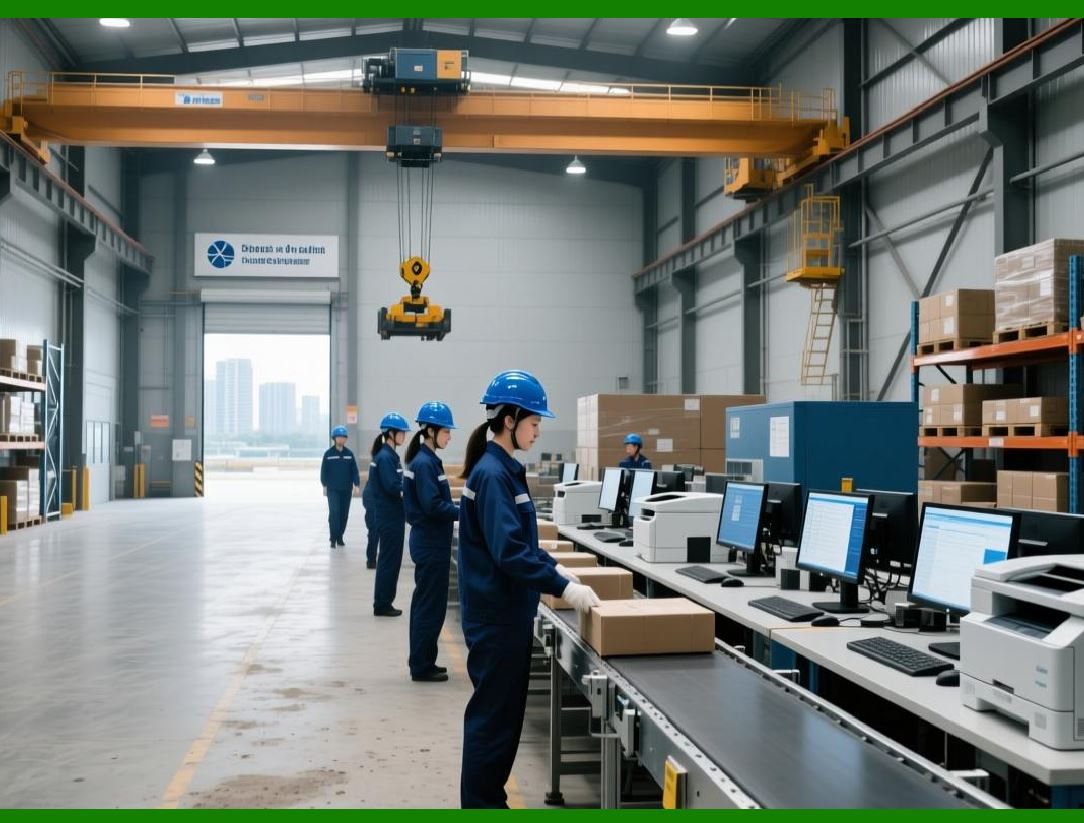
The EAN/UPC barcode, the hero of the 20th century, is now facing a limitation: it simply cannot hold enough information. A linear barcode can only encode a small amount of data, typically just the product's GTIN. For decades, this was sufficient. The product's price, name, and description were stored in the retailer's database, and the barcode was just the 'key' to look up that information. This is a 'dumb' system---the barcode tells you *what* the product is, but almost nothing *about* it. |
Today, the demand for more information is overwhelming. Consumers want to know about ingredients, allergens, sustainability credentials, and how to recycle the packaging. Retailers need to manage dynamic pricing, promotions, and loyalty programs. Regulators are demanding more stringent traceability for food safety and pharmaceutical serialization to combat counterfeiting . Supply chains need to track not just the product but also its batch number, expiry date, and individual serial numbers to enable efficient recalls and ensure product freshness . |
A traditional linear barcode, even a more advanced version like GS1-128, can encode additional data like batch numbers and expiry dates using Application Identifiers (AIs) . However, this encoded data is not typically accessible to a smartphone at the point of sale. It is primarily used in the logistics and warehouse environment. For the consumer, the EAN/UPC barcode at the checkout remains a 'dumb' barcode. |
|
4.1. The GS1 2D Code: Combining EAN and QR |
GS1's vision for the future is a 'next-generation' barcode: a single, standardized, two-dimensional (2D) code that can be used at the point of sale, just like the EAN/UPC, but is also scannable by a smartphone to deliver a wealth of digital information. This vision is a hybrid of the traditional EAN and a QR code . |
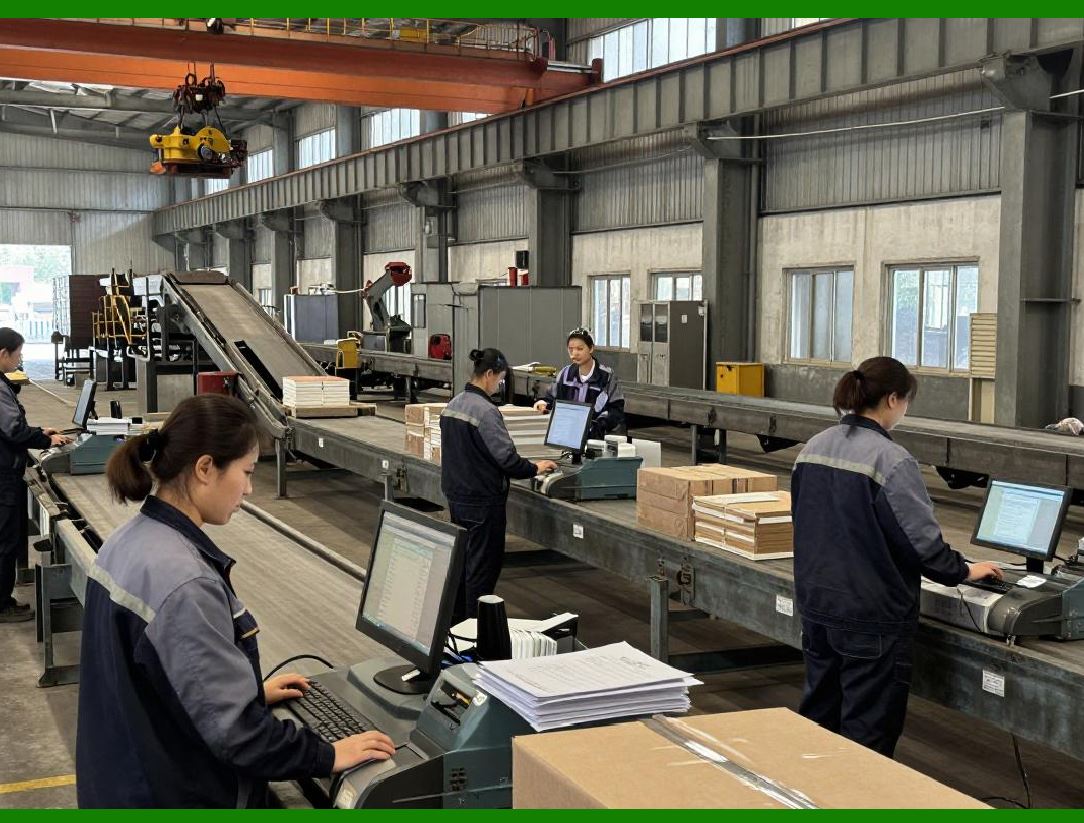
The primary vehicle for this is the GS1 Digital Link QR Code. This is not just a normal QR code; it is a QR code whose content strictly follows the GS1 Digital Link standard. This standard provides a structured, interoperable way to encode the GTIN and other data, such as a web link, batch number, expiry date, or even a serial number . Because the format is standardized, the code is readable by POS terminals (with updated software and scanners) and by smartphones. A single code serves two masters: the retailer's legacy POS system and the modern consumer's mobile device. |
The information contained in the code can be dynamic. A single GS1 Digital Link QR code could, when scanned at a store's checkout, send the GTIN to the POS system to look up the price. The same code, scanned by a consumer's smartphone, could direct them to a specific product webpage, a recipe video, information about how to recycle the packaging, or even a personalized promotional offer . This provides 'one scan, infinite possibilities,' unlocking a new level of consumer engagement and product transparency. |
|
4.2. The Sunrise 2027 Initiative: Preparing for the Transition |
A technical standard is useless without infrastructure to support it. GS1 has learned from the Sunrise 2005 transition, and it has embarked on a similar, but even more ambitious, initiative for 2D codes: Sunrise 2027 . |
The goal of Sunrise 2027 is ambitious yet pragmatic: to ensure that by the end of 2027, all retail Point-of-Sale (POS) systems are capable of scanning both traditional 1D barcodes (EAN/UPC) and the new 2D barcodes (GS1 DataMatrix and GS1 Digital Link QR Codes) at the checkout . This transition is not an overnight switch. It involves a massive, multi-year effort to upgrade millions of scanners, POS software, and backend systems at retailers worldwide. |
This global transition is supported by some of the world's leading technology providers, including Datalogic, Honeywell, Newland AIDC, and Zebra Technologies, who have publicly committed to supporting the transition . Their commitment ensures that retailers will have access to the hardware and expertise needed to make the upgrade. As of 2026, steps toward implementing the global transition have been formally approved by GS1's General Assembly, solidifying the plan for a coordinated global rollout . |
The transition is being driven by the need for greater traceability, food safety, regulatory compliance, and enhanced consumer engagement . The Sunrise 2027 initiative is a pivotal moment in the history of barcoding, representing the most significant change to retail infrastructure since the introduction of the UPC over 50 years ago. |

|
5. Real-World Applications: From Pharmacy to Food, E-commerce, and Beyond |
The new generation of GS1 2D barcodes is not just a theoretical concept; it is already being deployed across various sectors, delivering tangible benefits in traceability, efficiency, and customer trust. |
5.1. Healthcare and Pharmaceuticals: The Mandate for Patient Safety |
In the healthcare sector, the move to 2D barcodes is not just a convenience; it is often a regulatory mandate. Patient safety is paramount, and the ability to track a drug from the manufacturer to the patient is a crucial weapon in the fight against counterfeit medicines. |
GS1 DataMatrix, a high-density 2D barcode, has become the standard carrier for this information. As mandated by regulations like the EU's Falsified Medicines Directive (FMD) and similar requirements from the Saudi Food and Drug Authority (SFDA), prescription medicines must carry a DataMatrix code that encodes a unique GTIN, batch or lot number, and an individual serial number . |
When a pharmacist scans this code, they can verify the drug's authenticity and ensure it has not been tampered with or recalled, before dispensing it to the patient. This serialized traceability creates an unbroken chain of custody, from the manufacturing plant to the hospital bedside or the pharmacy counter. A global pharmaceutical company like Aspen Pharmacare has embraced this serialization, recognizing that it is critical not just for compliance in regulated markets (over 50 countries), but also for protecting patients in unregulated markets that are most vulnerable to counterfeit or diverted products . |

|
Practical Example: The Hospital Pharmacy |
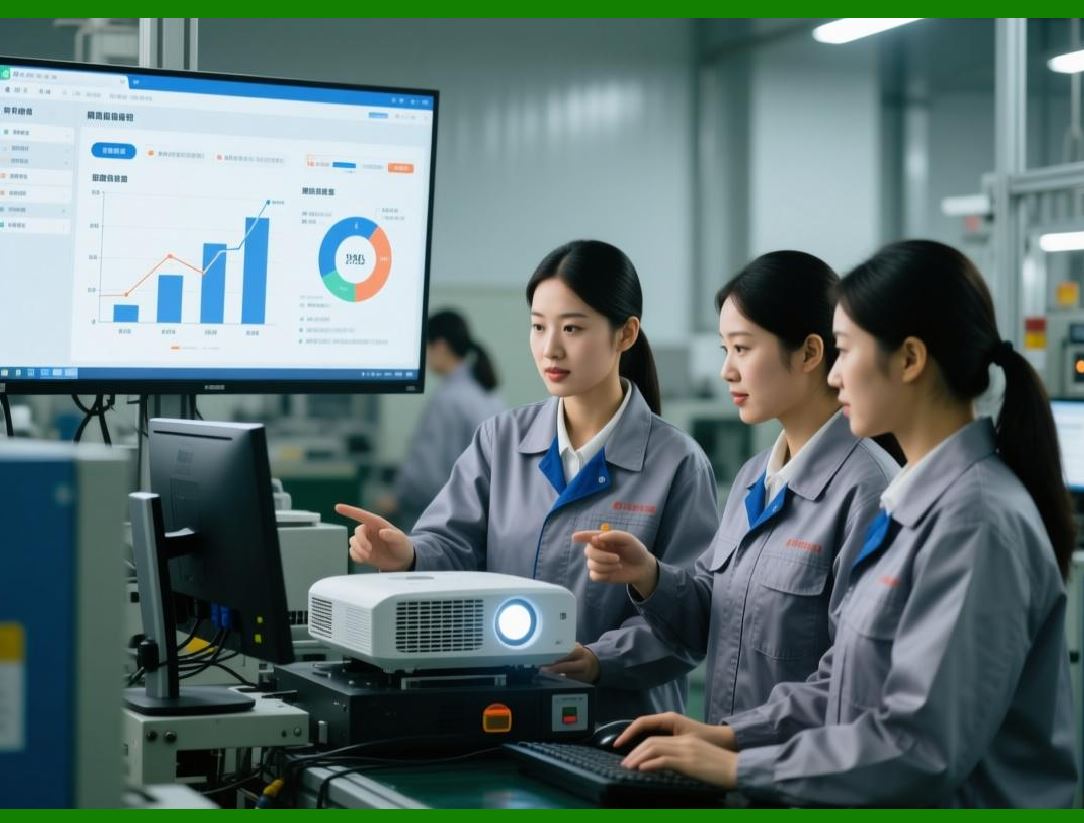
Consider the journey of a high-value cancer drug. In the past, a pharmacist might manually check a paper log to confirm the product's lot number and expiry date before dispensing it. This process is slow and prone to human error. With a GS1 DataMatrix code on the vial, the pharmacist uses a barcode scanner to capture the GTIN, lot, expiry, and serial number in a single scan. The hospital's system instantly: |
1. Verifies the drug's authenticity against a secure database. |
2. Checks if the lot number is part of any active recall. |
3. Updates the inventory system in real-time. |
4. Creates a permanent, auditable digital record linking that specific vial to the specific patient. |
This process is faster, more accurate, and provides a level of patient safety that was impossible with manual checks or simple linear barcodes . |
|
5.2. The Retail Revolution: Beyond the Shelf |
In the retail and consumer goods sector, the GS1 Digital Link QR Code is transforming the humble product package into a digital touchpoint. Retailers are using the technology not just to improve their supply chain, but also to build a new kind of relationship with their customers. |
The abka Case Study: The Polish convenience store chain abka provides a powerful example of the operational benefits. They implemented GS1 DataMatrix barcodes on fresh produce from their Nowalijka brand . This seemingly simple change transformed their inventory management. By scanning these high-density 2D codes, abka could track products with far greater precision. This improved product freshness and inventory accuracy, significantly reducing food waste. The data collected from the scans allowed them to streamline their processes and ensure they were stocking the right products. As abka's experience shows, the benefits of 2D barcodes extend far beyond the checkout lane, enabling more intelligent and efficient retail operations . |
E-commerce and Product Authenticity: The rise of e-commerce has created new challenges, particularly around product data accuracy and counterfeit goods. On a platform like Shopee Brazil, duplicate listings, inaccurate product information, and counterfeit items were significant problems . By mandating the use of GS1 GTINs and integrating them with the 'Verified by GS1' service, Shopee can authenticate product data before a listing is approved. This ensures that a product with a specific GTIN has a single, accurate listing, significantly reducing confusion and improving trust for both buyers and sellers . |
|
5.3. Logistics and Warehousing: Precision and Speed |
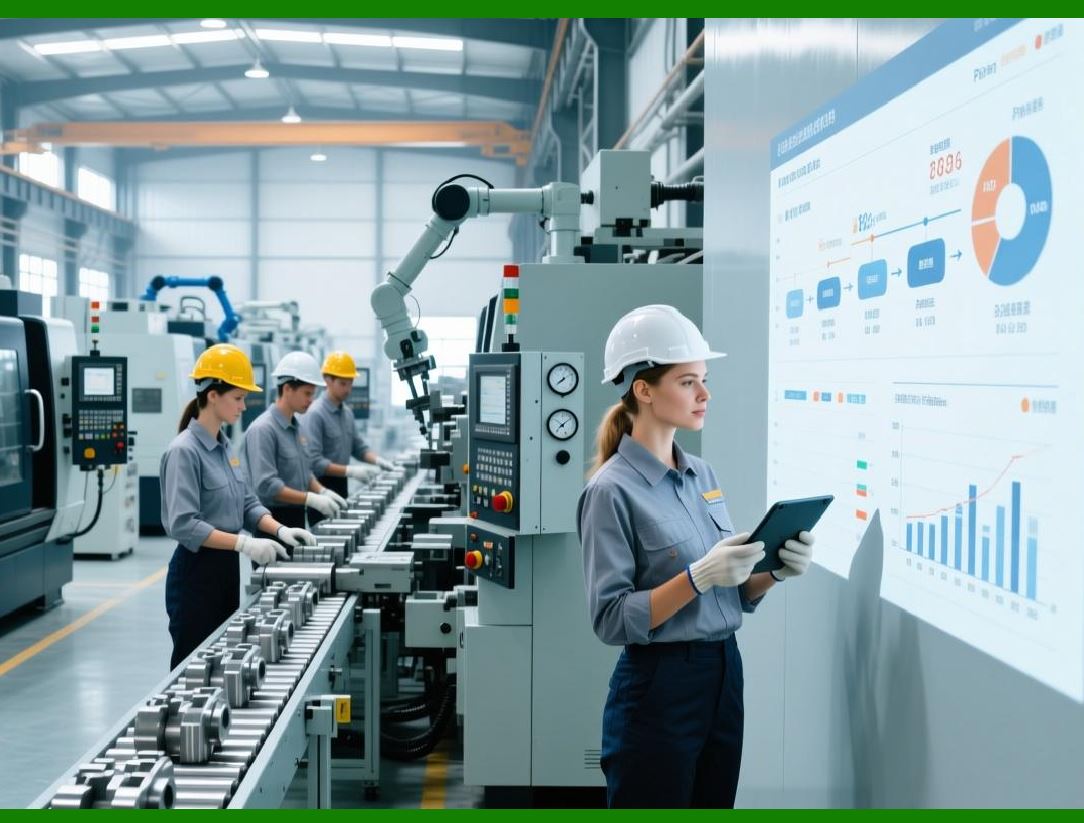
In the logistics and warehousing sector, the new generation of barcodes and their ability to carry more data directly on the label is driving major efficiency gains. Here, the focus is often on the GS1-128 linear barcode, which has long been the standard for logistics labels because it can carry Application Identifiers (AIs) for lot numbers, expiry dates, and the SSCC. However, the move towards 2D codes and RFID, often working in concert, is taking logistics to the next level. |
The Via Marte Case Study: The Brazilian retailer Via Marte, which deals with a vast variety of products and extremely fast renewal cycles, struggled to efficiently manage its operations and logistics . After adopting a consistent use of GS1 standards across its operations, they achieved remarkable results: 100% accurate real-time inventory data, highly efficient stock management, and a 4% reduction in shipping costs . By having more precise data captured from barcodes at each stage of the supply chain, they could optimize their logistics, reduce stock-outs, and save millions of dollars in transportation costs. |

|
6. Conclusion: A Future of Infinite Possibility |
The history of the barcode is a history of standardization. From the early 'barcode wars' between the 12-digit UPC and the 13-digit EAN, to the eventual merger of their governing bodies to form the global GS1 authority, the story has always been about finding a common language for global trade. This unity of purpose is what has made the barcode one of the most successful technologies in history. |
The battle now is not about which standard will win, but about how to evolve the standard to meet the needs of the 21st century. GS1's role as the central authority is more critical than ever. Its leadership in guiding the global transition from linear barcodes to 2D codes, like the GS1 Digital Link QR Code, will define the future of product identification. The Sunrise 2027 initiative, a coordinated global effort to upgrade POS infrastructure, marks the beginning of this new era. |
This new generation of barcodes promises to make products 'smarter.' A single scan will provide consumers with a world of information, from the source of their food to how to recycle its packaging. It will give regulators unprecedented traceability to protect public health. And it will give businesses the data they need to optimize their operations, build trust with their customers, and fight counterfeiting. The legacy of Code 39, a simple and robust symbology that powered the first wave of automation, will live on in the new systems it helped to create. |
The quiet revolution of the barcode is about to get much louder. The physical product is no longer just an object on a shelf. It is a digital gateway, a data point in a global information network, connecting the physical world to the digital one. And at the heart of this connection, ensuring that the language is spoken and understood by everyone, will be GS1, the global language of business. |
|
Detailed Summary |
This chapter has traced the journey of barcode standardization from its competitive beginnings to its collaborative future, highlighting the central role of GS1. |
The Path to GS1 Unification: The chapter began by recounting the 'barcode wars' of the late 20th century. The US-developed 12-digit UPC and the European-developed 13-digit EAN were technically similar but practically incompatible due to software limitations in POS systems. This incompatibility created significant friction and costs for international trade, requiring companies to print multiple barcodes on their products. The conflict was resolved through the 2005 Sunrise initiative, which upgraded North American scanners to accept both standards. This paved the way for the organizational merger of the UCC and EAN into a single global body, GS1, creating a unified global standard . GS1 now serves as the central authority, maintaining a suite of standards for identification (GTIN, GLN, SSCC) and data capture that ensure interoperability across the global supply chain. |
The Technical Foundation - Code 39's Enduring Legacy: The chapter explored the technical characteristics of Code 39, an alphanumeric symbology that became the workhorse for a wide range of industries. Its key features are its variable length, its ability to encode uppercase letters and numbers, and its 'self-checking' property, where a single printing defect cannot transform one valid character into another . While its low data density is a major limitation compared to symbologies like Code 128, its robustness and simplicity ensured its widespread adoption in the U.S. military's LOGMARS program, the automotive industry's AIAG standards, and the healthcare industry's HIBC standard. These applications showcase how its specific technical features---reliability and alphanumeric capability---made it indispensable for internal asset tracking, part identification, and patient safety labeling . |
The Next Generation and Sunrise 2027: The chapter then examined the limitations of legacy linear barcodes, which can hold only a small amount of data. To meet the modern demand for more information from consumers, regulators, and businesses, GS1 is leading a transition to a new generation of 2D barcodes. The primary standard is the GS1 Digital Link QR Code, a hybrid code that works at the POS and on a consumer's smartphone. It can encode the GTIN alongside a wealth of other data, such as batch numbers, expiry dates, and links to dynamic web content . The coordinated global rollout of this technology is being driven by the 'Sunrise 2027' initiative, which aims to have all retail POS systems capable of scanning 2D codes by the end of 2027 . Major technology providers like Datalogic, Honeywell, Newland, and Zebra have committed to supporting this transition . |
Industry Applications: Delivering on the Promise: Finally, the chapter provided concrete examples of how these new standards are already transforming industries. In the pharmaceutical sector, the GS1 DataMatrix code is mandated for drug serialization to prevent counterfeiting and ensure patient safety, providing end-to-end traceability from manufacturer to patient . In retail, the GS1 Digital Link QR Code is enabling new levels of consumer engagement, as seen with abka, which uses DataMatrix codes to improve inventory management and reduce food waste . In e-commerce, platforms like Shopee Brazil use GS1 GTINs to ensure data accuracy and combat counterfeit goods . In logistics and warehousing, consistent use of GS1 standards leads to 100% accurate inventory data and significant cost savings, as demonstrated by Via Marte . |
|
In conclusion, the evolution of the barcode is a testament to the power of global standards. From the resolution of historical incompatibilities to the future promise of intelligent, data-rich 2D codes, GS1's role as the guardian of this universal language continues to be essential for facilitating global trade, ensuring consumer safety, and unlocking the next wave of supply chain and retail innovation. |
 cs@easiersoft.com