Code 128 Barcodes: A Technical Deep Dive and Industry-Wide Integration with ERP Systems |
Chapter 38: Pharmaceutical - Clinical Trial Kit Management |
Summary: |
This chapter explores the critical role of Code 128 barcodes in managing kits for clinical trials, with a special focus on the pharmaceutical industry. We will examine how these barcodes are used to encode blinded treatment information for trial patients, ensuring the integrity of double-blind studies. A key aspect of this process is the integration with Electronic Data Capture (EDC) systems like Medidata Rave, which enforces strict protocols to ensure that unblinding only occurs after the database is locked, safeguarding the trial`s scientific validity. The discussion will highlight practical applications and real-world examples from the United States. |

|
Introduction: The Silent Language of Clinical Trials |
In the high-stakes world of pharmaceutical development, the journey of a new drug from the laboratory to the pharmacy shelf is long, complex, and laden with regulatory scrutiny. At the heart of this journey lies the clinical trial, a meticulously designed study that tests the safety and efficacy of an investigational product on human volunteers. The success of any clinical trial hinges on the integrity of its data, a goal that requires unwavering precision in every step, from patient recruitment to the final statistical analysis. |
One of the most critical yet often overlooked components of this process is the management of clinical trial kits. These kits, containing the investigational drug, a placebo, or a comparator treatment, are the lifeblood of the study. They must be packaged, labeled, distributed, and tracked with absolute accuracy. Errors in this chain can lead to patient safety risks, compromised data, and significant financial losses due to delayed approvals or even failed trials. |
In the United States, where the Food and Drug Administration (FDA) enforces rigorous standards under regulations such as 21 CFR Part 211 (Current Good Manufacturing Practice for Finished Pharmaceuticals) and 21 CFR Part 312 (Investigational New Drug Application), the margin for error is virtually non-existent . This is where the humble barcode steps in as a powerful tool for automation and error reduction. Specifically, the Code 128 barcode symbology has become a workhorse in clinical trial supply chains due to its high density, flexibility, and global acceptance. |

|
The Code 128 Advantage: Why This Barcode |
Barcodes are machine-readable representations of data that allow for rapid, accurate, and automated data capture. While several symbologies exist, Code 128 offers distinct advantages for clinical trial applications. It is a high-density linear barcode that can encode a large amount of information in a relatively small space. This is crucial because clinical trial labels are often small and crowded with mandatory regulatory text, including cautionary statements and expiry dates . A Code 128 barcode can encode a wealth of data---such as a unique kit ID, protocol number, site number, and treatment arm---all within a footprint that fits comfortably on a vial or a carton. |
Furthermore, Code 128 is an alphanumeric symbology, meaning it can encode both letters and numbers. This flexibility is essential for creating complex, unique identifiers that are at the heart of modern clinical trial management. Its widespread adoption across the pharmaceutical supply chain means it can be scanned by a vast array of hardware, from handheld scanners in a research pharmacy to automated systems in a central warehousing facility. The standardization is also supported by entities like GS1, which provides global standards for barcoding to ensure interoperability across the entire healthcare ecosystem . |

|
The Core Mission: Managing Blinded Treatment Codes |
The primary reason Code 128 barcodes are indispensable in clinical trial kit management is their role in maintaining the blind. In a double-blind study, the gold standard for clinical research, neither the patient nor the investigator knows which treatment the patient is receiving---the investigational drug or a placebo. This prevents bias and ensures that the study results are objective. |
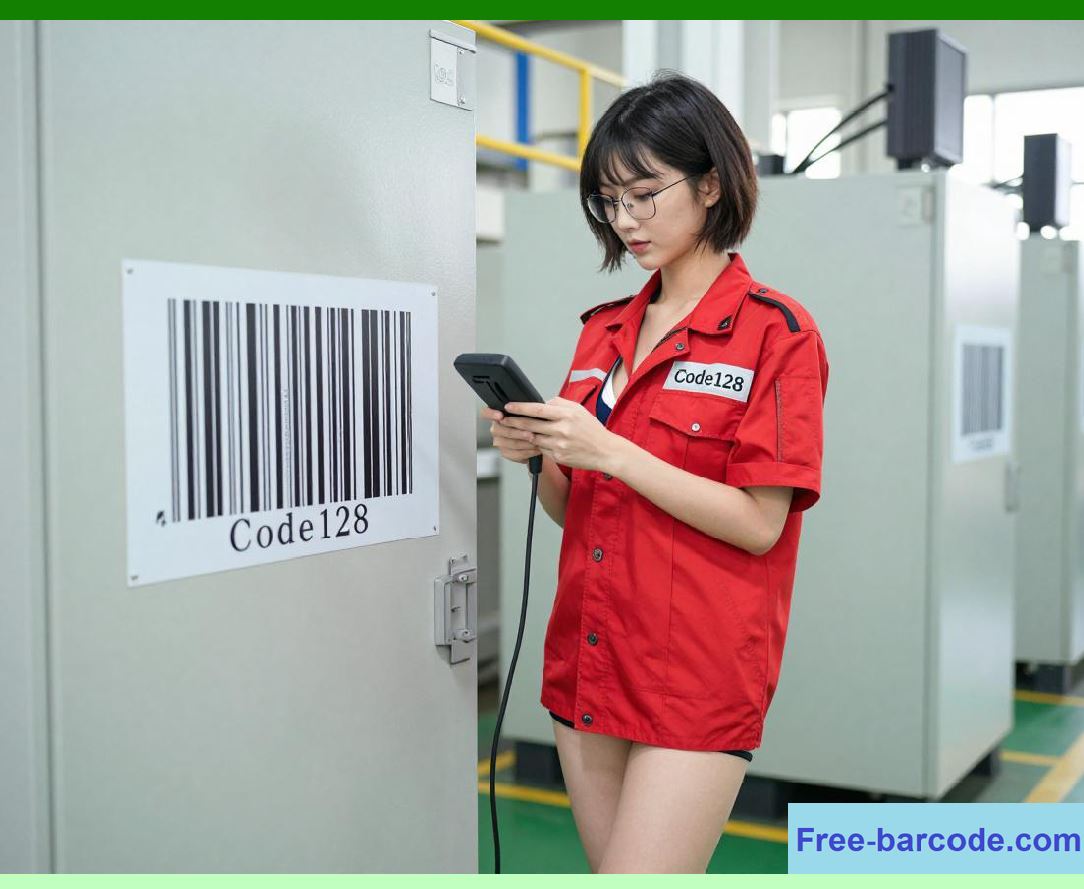
To achieve this, each kit is assigned a unique, randomized code. This code, often referred to as a 'blinded treatment code,' is what is physically printed on the kit label, both in human-readable form and encoded within the Code 128 barcode. The human-readable text might simply be a series of numbers and letters (e.g., `KT-2024-0187-XY`), while the barcode contains the same code in a format a machine can read instantly. This code has no inherent meaning to anyone who looks at it; it does not say 'Drug X, 100mg' or 'Placebo.' |
The actual mapping of this code to the specific treatment is held in a secure, computerized randomization schedule generated by an Interactive Response Technology (IRT) system. The IRT, often a web-based application, is the central brain that manages the entire supply chain, from forecasting and kit allocation to drug dispensing and patient visits . When a patient is enrolled and randomized, the IRT assigns them a specific kit number. |
|
Behind the Scenes: Kit Labeling and Assembly |
The process of creating a clinical trial kit is a highly regulated operation, typically performed at a contract packaging organization (CPO) or within a pharmaceutical company`s own GMP-compliant facility. The assembly and labeling process must adhere to strict standard operating procedures (SOPs) and is subject to rigorous quality assurance (QA) checks . |
When it is time to label a batch of kits, the packaging facility receives the approved label design and a list of randomized codes from the study team. Using specialized software and high-quality thermal-transfer printers, they print labels that include the randomized code, expiry date, lot number, storage conditions, and other required regulatory text, all alongside a high-quality Code 128 barcode . A thermal-transfer printer is often preferred for clinical labels as it produces durable, smudge-proof images that can withstand harsh environments, including extreme temperatures and chemical exposure . |
Barcode verification is a critical step in this process. Before the labels are applied to the kits, they must be verified to ensure they meet quality standards, such as those defined by ISO/IEC 15416, and that the data encoded is correct and readable . A human error in the print queue, such as a mistake in a lot number or expiry date, can have severe consequences and lead to a costly and time-consuming re-labeling effort. To mitigate this, many CPOs use automated verification systems that scan every label immediately after printing, grading the barcode quality and flagging any that are unreadable or contain incorrect data. Some facilities have reported that implementing barcode verification has reduced labeling errors from 8% to under 1% . |
Once verified, the labels are applied to the primary (e.g., a vial) and secondary (e.g., a carton) packaging. The packaging team must then reconcile the labels issued against those applied. A sophisticated operation will scan the barcode on each final packaged kit to record it in their system and confirm it matches the issued count, closing the loop on the packaging process . |

|
Integration with ERP and IRT Systems |
The true power of Code 128 barcodes is unlocked when they are integrated with enterprise-level systems. In a pharmaceutical company, the clinical supply chain is often managed by a combination of an Enterprise Resource Planning (ERP) system and an IRT. The ERP system (like SAP or Oracle) handles the broader business and financial aspects of supply chain, including inventory management, procurement, and logistics. The IRT system is specialized for clinical trial management, handling patient randomization, kit allocation, and site-level inventory. |
When a clinical site needs more kits for an upcoming patient visit, they use the IRT to request them. The IRT then dispatches a shipment from the central depot. Every step of this journey is tracked using the barcodes. When a kit is scanned at the depot before shipping, the barcode links the physical item to its digital record in both the IRT and the ERP system, updating inventory levels in real-time. This seamless integration is not just about efficiency; it is about compliance. It provides a robust audit trail for regulators like the FDA, demonstrating exactly where each kit has been and how it was handled . |

|
The Gatekeeper: Medidata Rave and Database Lock |
While IRT manages the supply, the clinical data itself is managed in an Electronic Data Capture (EDC) system. Medidata Rave is one of the most widely used EDC systems in the industry, known for its robust data management capabilities and its ability to integrate with other critical clinical systems . In the context of clinical trial kit management, the integration between the IRT (which holds the treatment assignments) and Medidata Rave (which holds the patient data) is vital for maintaining the blind. |
This is where the rule 'unblinding only occurs after database lock' becomes paramount. During the active phase of a trial, while patients are being treated and data is being entered, the link between the kit code and the actual treatment must remain hidden from the study team, including the data managers and the statisticians who are overseeing the trial. Medidata Rave is configured so that it cannot access the treatment assignment data from the IRT during this period. |
Once the last patient has completed their final visit, the process of 'database lock' begins. This is a formal process where the clinical database is reviewed, cleaned, and then declared final. No further data changes are permitted after the database is locked. It is only at this point, when the integrity of the data is secured, that the link to the treatment codes can be opened. |
Medidata Rave and the IRT (often the Medidata Rave RTSM---Randomization and Trial Supply Management module) are designed to allow for this controlled unblinding. Post-database lock, a designated person, such as the lead statistician, can initiate the unblinding process. The Rave system will then securely communicate with the IRT to retrieve the treatment assignments for each kit code and populate the appropriate fields in the database. This data is then used for the final statistical analysis, which determines whether the drug is safe and effective. |
This controlled integration is a critical part of the validation process for these systems. The FDA looks for evidence during an inspection that the system was validated to ensure data integrity and that blind was maintained until the appropriate time . |

|
U.S. Application Examples |
The principles described above are not just theoretical; they are applied daily in clinical research across the United States. Here are several examples: |
1. The Phase III Oncology Trial: A large U.S. pharmaceutical company is running a Phase III oncology trial across 150 sites nationwide . The trial is complex, with multiple treatment arms and complex dosing schedules. The company partners with a global Contract Research Organization (CRO) and a specialty logistics provider. They use a combination of IRT and Medidata Rave to manage the trial. All kits are labeled with unique Code 128 barcodes. The barcode on the kit is scanned at the clinical site pharmacy upon receipt, updating the IRT inventory. When a patient arrives for their scheduled infusion, the site pharmacist uses the IRT to dispense the next assigned kit and records the dispensing by scanning its barcode. This process ensures real-time visibility of the global supply chain and minimizes waste and expiries. In one such instance, a sponsor reported a 60% reduction in label reconciliation time and improved kit tracking across regions by implementing barcoding . |
2. A Vaccine Clinical Trial in a Pandemic Setting: A U.S. government initiative collaborated with a biotech company to test a new vaccine during an outbreak. The trial had an urgent need to enroll thousands of patients quickly. The kits were labeled with Code 128 barcodes. The rapid enrollment and tight deadlines left little room for error. The integration with a Rave-like EDC system was critical. Using mobile scanners, site staff could scan the Code 128 barcode on the kit to automatically record the administration time, lot number, and batch data directly into the patient`s electronic case report form (eCRF), saving time and eliminating manual data entry errors. The post-database lock unblinding was performed automatically via the system, providing the government agency with a clear and rapid analysis of the vaccine`s efficacy. |
3. Medical Device Trials: While this chapter focuses on pharmaceuticals, the principles are similar for medical device trials. The FDA requires a Unique Device Identification (UDI) system for all medical devices . While GS1 DataMatrix is becoming more common for devices, Code 128 is still used extensively for barcoding in this space, often as part of a GS1-128 standard on shipping labels and some packaging . In a trial for a new cardiac stent, each device is tracked from manufacturing to implantation using a Code 128 barcode. This helps ensure the correct device is used for the correct patient and facilitates a rapid recall in the event of a safety issue. |

|
4. Decentralized Clinical Trials (DCTs): The pandemic accelerated the adoption of DCTs, where trial activities are conducted in or near a patient`s home. In these studies, clinical trial kits may be shipped directly to a patient`s home. Code 128 barcodes are essential for this process. The patient or a home health nurse can scan the barcode to confirm receipt and, using a smartphone app integrated with the EDC system, record the administration of the drug. The system is designed to maintain the blind; the app shows the patient that they are taking 'Kit 1234,' but the IRT ensures the patient and the nurse have no idea whether it is the drug or placebo . This direct-to-patient model relies heavily on automated systems and barcodes to maintain patient safety and data integrity in a less controlled environment. |
5. Central Pharmacy Management: Many large academic medical centers in the U.S., such as those at Johns Hopkins, Mayo Clinic, or Cleveland Clinic, have research pharmacies that handle hundreds of clinical trials simultaneously. These pharmacies must manage thousands of kits, each with a different Code 128 barcode. They use specialized pharmacy management software that can read these barcodes to manage inventory, dispense drugs, and maintain chain-of-custody records. This is a powerful example of integration at the site level, where the pharmacy relies on the barcode to ensure the 'five rights' of medication safety (right patient, right drug, right dose, right route, right time) while navigating the complex web of numerous active, blinded studies . This often involves scanning the barcode to confirm the drug is being given to the right patient, a process known as Barcode-Assisted Medication Administration (BCMA) . |

|
Mitigating Risks and Ensuring Compliance |
The use of Code 128 barcodes and EDC integration is a primary strategy for mitigating risks associated with clinical trial kits. Common audit findings by the FDA include incorrect randomization codes on kits, missing cautionary statements, and labeling errors . These can lead to unblinding, protocol deviations, and even a Form 483 observation from the FDA, which can severely delay a drug`s approval. |
By adopting barcode-based verification and automated data capture, sponsors can implement strong Corrective and Preventive Actions (CAPA). For example, if a labeling error is discovered, the root cause can often be traced to a specific point in the packaging or data entry workflow. The company can then implement a corrective action, such as retraining staff on the SOP, or a preventive action, such as adding an additional barcode verification step in the IRT integration. A robust electronic system with an audit trail, like Medidata Rave, also creates an immutable record of all actions, making it easier for a sponsor to demonstrate to the FDA that they have control over the clinical trial materials . |

|
Conclusion |
Code 128 barcodes are more than just inventory tags in the world of clinical trials; they are fundamental to the integrity and success of pharmaceutical research. They serve as the silent language that communicates critical data points across a complex, global supply chain without revealing the secret of the study: the identity of the treatment. |
Their power is fully realized when integrated into a sophisticated digital ecosystem that includes IRT and EDC systems like Medidata Rave. This integration automates error-prone manual processes, provides real-time visibility into the supply chain, and most importantly, ensures the strict maintenance of the blind. The rule that unblinding only occurs after database lock is not just a best practice but a regulatory expectation, safeguarded by the careful architecture of these interconnected systems. |
From the high-pressure environment of a Phase III oncology trial to the patient-centric model of a decentralized trial, the U.S. pharmaceutical industry relies on Code 128 barcodes to navigate the challenges of drug development. They help protect patient safety, reduce trial costs, accelerate timelines, and ensure the validity of the data that will eventually support a new drug application to the FDA. The use of this technology, combined with a commitment to rigorous regulatory standards like 21 CFR Part 211 and Part 312, is central to the industry`s mission of bringing safe and effective therapies to patients in need. |

|
Detailed Summary: |
* Code 128 Role: This chapter detailed how Code 128 barcodes are the primary tool for encoding blinded treatment codes on clinical trial kits. Their high data density, alphanumeric capability, and global acceptance make them ideal for clinical labels, which are often small and require a high degree of information storage. |
* Maintaining the Blind: We discussed the critical mission of maintaining the treatment blind in double-blind trials. The barcodes themselves contain only a meaningless, randomized code. The true meaning of this code is securely held in an IRT system, preventing accidental unblinding. |
* Packaging & Assembly: The creation of these labels is a GMP-compliant process involving thermal-transfer printers and stringent barcode verification to meet ISO standards. This step is crucial to prevent labeling errors that can lead to severe regulatory citations from the FDA. |
* System Integration (IRT/ERP): The power of the barcode is unlocked through integration with IRT and ERP systems. This integration allows for real-time inventory tracking, efficient site-level kit management, and a comprehensive audit trail. |
* EDC Integration (Medidata Rave): The chapter explained how the integration of IRT with EDC systems like Medidata Rave is the gatekeeper for the blind. The system is configured to prevent unblinding until the database is locked, ensuring data integrity is maintained until the final analysis. |
* U.S. Applications: Several real-world examples were discussed: |
* A large Phase III oncology trial where scanning barcodes reduced reconciliation time by 60% and improved global supply chain visibility. |
* A pandemic vaccine trial where barcodes enabled rapid patient enrollment and error-free data capture. |
* Medical device trials where Code 128 barcodes are used for tracking and compliance with FDA UDI requirements. |
* Decentralized trials (DCTs) where kits are shipped directly to patients` homes, and barcodes enable remote confirmation of receipt and administration. |
* Centralized research pharmacies at major U.S. hospitals that use barcodes to manage numerous concurrent trials and ensure patient safety. |

|
* Risk Mitigation: The use of these integrated systems is a primary strategy for mitigating risks, handling FDA inspections, and implementing effective CAPA plans when deviations occur. By automating data capture and creating an immutable digital trail, sponsors can demonstrate to regulators like the FDA that they have complete control over the trial supply chain. |
 cs@easiersoft.com