DataMatrix Decoded: A Technical Deep-Dive | Executive Summary | GS1 DataMatrix is a specialized subset of the DataMatrix symbology that encodes structured data using GS1 Application Identifiers (AIs). These AIs are two-to-four-digit numeric prefixes that define the meaning and format of the data that follows, enabling standardized identification of trade items, expiration dates, batch numbers, serial numbers, and other critical attributes within a single compact symbol . Unlike a generic DataMatrix code, which simply stores arbitrary text, a GS1 DataMatrix symbol tells the scanner exactly what each piece of data represents---whether it is a Global Trade Item Number (GTIN), a lot number, or an expiry date. | This structured approach creates a common language for supply chain partners. A GS1 DataMatrix code encoded with AIs such as (01) for GTIN, (10) for batch number, (17) for expiration date, and (21) for serial number can be scanned by any compliant system anywhere in the world, and the data will be interpreted consistently. In the United States, GS1 DataMatrix is the mandatory standard for pharmaceutical serialization under the Drug Supply Chain Security Act (DSCSA) and is increasingly being adopted for medical device identification, vaccine tracking, retail food traceability, and postal logistics . More than 16 billion medicine packages in the US and EU now carry GS1 DataMatrix codes. This article explores the technical structure of GS1 DataMatrix, the key Application Identifiers, and the diverse American applications that depend on this standard. | 
| Part One: Technical Foundations of GS1 DataMatrix | Chapter 1: What is GS1 DataMatrix | GS1 DataMatrix is a subset of the DataMatrix symbology that follows the GS1 standards for data structure and encoding. While a standard DataMatrix code can encode any text string, a GS1 DataMatrix code encodes data in a specific structured format using GS1 Application Identifiers . The symbology itself is still the same DataMatrix ECC 200 code defined in ISO/IEC 16022, but the data content and encoding rules are governed by the GS1 General Specifications. The code includes a special Function 1 Symbol Character (FNC1) in the first position to signal to the scanner that the data follows GS1 formatting rules. | Chapter 2: What Are Application Identifiers | Application Identifiers (AIs) are numeric prefixes, two to four digits in length, that define the meaning and format of the data that follows . They provide context to the information encoded in the barcode, ensuring that data such as GTIN, weight, dimension, expiration date, and lot numbers are universally understood . Without AIs, a scanner would simply read a string of characters with no indication of what each segment represents. With AIs, the scanner can automatically parse the data, extracting the product identifier, batch number, expiry date, and serial number as separate, meaningful fields. The AIs appear in parentheses next to the barcode for human readability, but these parentheses are not encoded in the symbol itself . | 
| Chapter 3: The FNC1 Character | GS1 DataMatrix codes require a special Function 1 Symbol Character (FNC1) placed at the beginning of the symbol. This character is not data itself but a control character that tells the scanner that the symbol is a GS1-formatted symbol and should be parsed using GS1 Application Identifiers. The FNC1 is also used after variable-length AIs to separate one field from the next . Proper placement of FNC1 is essential for correct decoding; if it is missing or misplaced, the scanner may either refuse the symbol or read it as one concatenated string. | Chapter 4: Key Application Identifiers for Product Identification | The most common AIs in GS1 DataMatrix applications include: | - AI (01) - Global Trade Item Number (GTIN), 14 fixed digits . This uniquely identifies a product at a global level. If a 13-digit GTIN is used, a leading zero is added. | - AI (10) - Batch or lot number, up to 20 alphanumeric characters . This identifies the production batch. | - AI (17) - Expiration date, 6 fixed digits in YYMMDD format . | - AI (21) - Serial number, up to 20 alphanumeric characters . This uniquely identifies an individual unit. | These four AIs together provide complete traceability from manufacturer to patient. | 
| Chapter 5: Additional Application Identifiers | Beyond the core AIs, GS1 DataMatrix can encode a wide range of additional data. AI (00) encodes the Serial Shipping Container Code (SSCC) for logistics units . AI (02) encodes the GTIN of contained items . AI (11) encodes production date, AI (13) packaging date, and AI (15) best-before date . AIs (310x) through (316x) encode net weight, length, width, height, area, and volume . AIs (400) through (417) encode order numbers, customer POs, GLN codes, and ship-to identifiers . AIs (7001) through (7023) encode NATO stock numbers and fishing/meat traceability fields. AIs (8001) through (8112) encode GRAI, GIAI, GMN, IBAN, coupon codes, and roll product dimensions. AIs (90) through (99) are reserved for company-internal data . | Chapter 6: How GS1 DataMatrix Differs from Generic DataMatrix | A generic DataMatrix code simply stores a text string. When scanned, the output is exactly that string. A GS1 DataMatrix code stores structured data with AIs and FNC1 control characters. When scanned, the decoder parses the structure and can output the data as separate fields, making it immediately usable by inventory systems, electronic health records, and other software. For example, a generic DataMatrix might output '09521234543213261231LOT1SER1' with no structure. A GS1 DataMatrix with the same data would encode '(01)09521234543213(17)261231(10)LOT1(21)SER1' and the scanner would output separate fields for GTIN, expiry date, lot number, and serial number. | 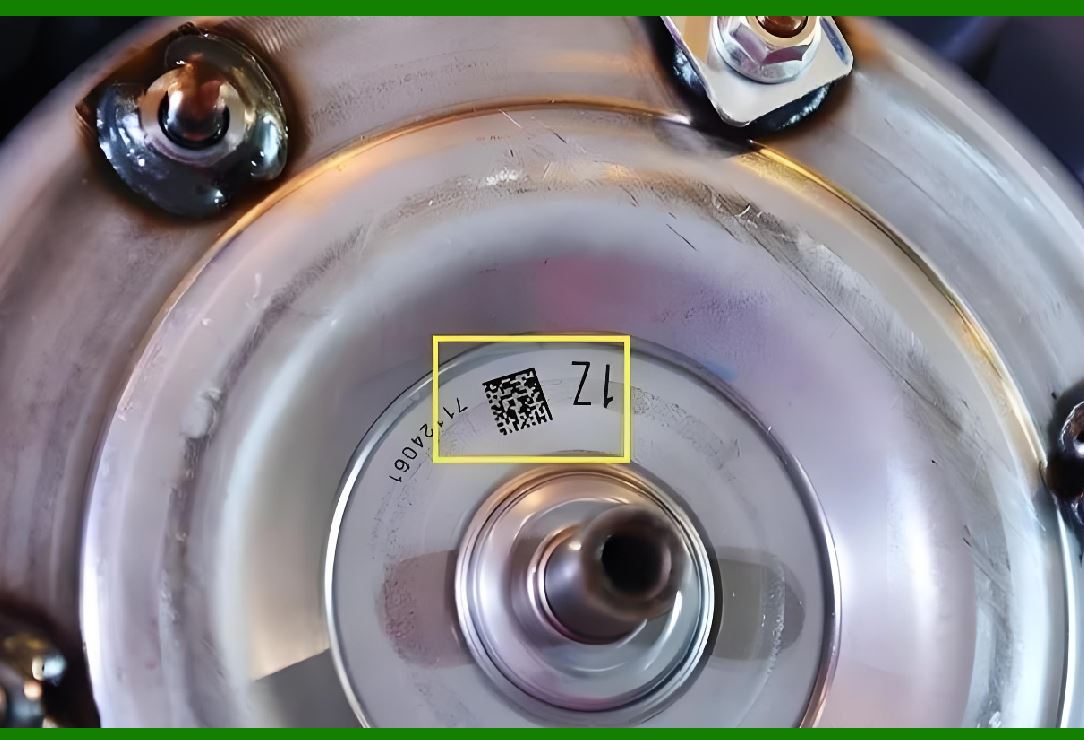
| Chapter 7: Structured Data in a Compact Space | The combination of AIs and the compact DataMatrix symbology allows a remarkable amount of structured information to be encoded in a very small space. A typical pharmaceutical code containing GTIN, lot number, expiry date, and serial number fits easily on a vial or syringe label. This is why GS1 DataMatrix is the preferred data carrier for healthcare products, where packaging space is often extremely limited . | Chapter 8: How GS1 DataMatrix Supports Traceability | GS1 DataMatrix enables end-to-end traceability because every scan of the code provides both product identification and batch/serial identification. A product can be tracked from the manufacturer through distribution to the point of dispensing, with each scan recording the GTIN, lot number, expiry date, and serial number. This is essential for recalls, where only specific batches need to be identified and removed from the supply chain. | Chapter 9: Verification and Quality Standards | GS1 DataMatrix codes must meet print quality standards to be reliably decodable. The GS1 General Specifications require a print quality grade of at least 1.5/06/660 for most applications, and direct part marks (DPM) must meet ISO/IEC 29158 standards . Verification systems analyze the code's contrast, modulation, and other parameters to assign a grade. Codes that fail verification must be corrected before they can be used in regulated supply chains. | 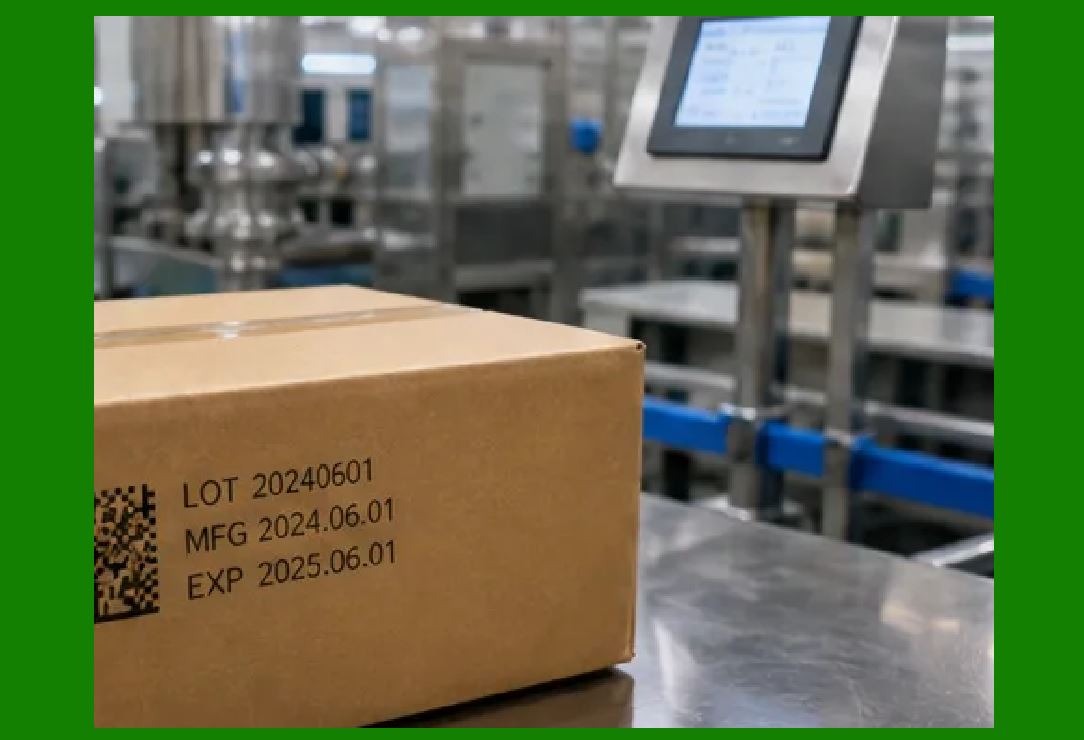
| Chapter 10: The GS1 General Specifications | The foundational GS1 standard defines how identification keys, data attributes, and 2D barcodes must be used in business applications . The latest release, which includes the GS1 DataMatrix specification, is a comprehensive document that provides the rules for encoding, printing, and verifying GS1 DataMatrix codes across all industries. Compliance with the GS1 General Specifications ensures interoperability across the global supply chain. Section 3 of the document contains the full list of Application Identifiers and details of the FNC1 usage . | Part Two: American Applications of GS1 DataMatrix | Chapter 11: Pharmaceutical Serialization Under DSCSA | The most significant American application of GS1 DataMatrix is pharmaceutical serialization under the Drug Supply Chain Security Act (DSCSA), enacted by Congress on November 27, 2013 as Title II of the Drug Quality and Security Act . The DSCSA mandates the serialization of prescription drugs at the package level, requiring each package to carry a unique product identifier that includes the National Drug Code (NDC), lot number, expiration date, and a serial number . GS1 DataMatrix is the mandatory data carrier for this requirement . Each drug package carries a GS1 DataMatrix barcode encoding four data elements: (01) the GTIN (incorporating the NDC in GTIN-14 format), (17) the expiration date in YYMMDD format, (10) the lot number, and (21) the serial number . The DSCSA is why GS1 DataMatrix codes appear on nearly every prescription drug package in the United States today. | 
| Chapter 12: DSCSA Compliance and Enforcement | Since November 27, 2023, manufacturers, wholesale distributors, and large dispensers have been required to serialize every salable unit, verify the identity of individual packages, maintain transaction records for each product movement, and respond to verification requests within 24 hours . As of 2025, FDA enforcement has begun for manufacturers, wholesale distributors, and large dispensers . The ERP systems used by pharmaceutical companies must capture compliant GS1 DataMatrix barcodes at the package level, automatically matching received items against EPCIS data to support DSCSA serialization workflows . | Chapter 13: Quva Pharma's 2D DataMatrix Barcode Implementation | Quva Pharma, a U.S.-based pharmaceutical company specializing in compounded sterile products, announced in May 2023 that it was adding 2D DataMatrix barcodes to all product labels, adhering to GS1 standards. Quva includes the 2D barcode at the package level, as well as on the primary labels at the unit of use, supporting greater traceability. The 2D DataMatrix barcode includes not only the product number, but also lot number, expiration date, and serialization. Quva's CEO noted that hospitals desire operational efficiencies and achieving compliance with the DSCSA. Even though DSCSA compliance is not a requirement for 503B products, Quva's investment in GS1 2D DataMatrix barcodes was compelling, supporting a more transparent and accountable supply chain that enables hospitals to more accurately track medications, reduce errors, and improve patient safety. The products with 2D barcodes started releasing in May 2023. | 
| Chapter 14: Fresenius Kabi's Unit-of-Use 2D Barcodes | Fresenius Kabi, a global healthcare company, has committed to marking its pharmaceutical products with GS1 DataMatrix codes in the US. With more than 700 products, many in small packaging like vials and syringes, the company needed a barcode that could fit on tiny surfaces while carrying critical drug information. The 2D barcode's added capacity accommodates product identification that enables traceability, and the miniature size is helpful for smaller products that need to be scanned at point of care, such as the vials and syringes manufactured by Fresenius Kabi. With one 2D barcode scan, clinicians can automatically capture the medication's NDC, lot number, and expiration date, which a linear barcode does not provide. Automatic capture saves time and improves accuracy by eliminating the need to enter this information manually during patient care. The 2D barcode scan also enables clinicians to accurately confirm they are using the right product in the right dosage for the patient, and automatically import that information into the patient's health record. | Chapter 15: Google Lens Integration for Pharmaceutical Scanning | In a global collaboration with Google, GS1 has made it possible for users to scan GS1 DataMatrix codes using Google Lens on Android devices. When a consumer or healthcare professional scans the code on a medicine package, they gain instant access to reliable medical product information directly on their device. The scanning feature is already available globally through Google Lens on Android devices, with support for iOS expected soon. This initiative builds on two decades of digitalization efforts in healthcare, where GS1 DataMatrix is already a recommended or required standard for identification and traceability in more than 70 countries. | 
| Chapter 16: Miami VA Medical Center UDI Scanning | The Miami Veterans Affairs Medical Center in Florida has demonstrated the practical benefits of GS1 DataMatrix scanning for medical device tracking. As medical device manufacturers mark their products with unique device identifiers to address the requirements of the FDA's Unique Device Identification (UDI) Rule, these identifiers can be scanned at the point of care . For manufacturers that have chosen to use the GS1 System of Standards, the GS1 Global Trade Item Number (GTIN) is used as the unique device identifier (DI) and GS1 Application Identifiers (AIs) are used to represent production identifiers (batch/lot, serial number, expiration date, and/or production date) . This information is encoded into a GS1 DataMatrix barcode and, as such, is available for scanning . | Hospital technicians at the Miami VA found that manually entering a single device code took an average of 70 seconds, whereas with a barcode scanner, the same data could be captured in just 20 seconds . Over the course of a week, this amounted to more than an hour of potential time savings for approximately 100 procedures . The medical center estimates a savings of $5,000 to $10,000 each month as a result of using inventory that might otherwise have expired . Most important, scanning barcodes has improved patient safety by helping to eliminate human error. Since capturing unique device identification information saves tracking time, it could be used in the event of a recall. The hospital's UDITracker system includes a recall feature that shows every patient in which a recalled device was used and where the remaining devices are stored . | 
| Chapter 17: Healthcare Non-Retail Applications | GS1 US has published guidelines specifically for implementing GS1 DataMatrix in non-retail healthcare channels, including hospitals, pharmacies, clinics, infusion centers, long-term care facilities, and ambulances . The guideline, 'Unlocking Benefits of GS1 DataMatrix in Non-Retail Healthcare,' was developed to assist healthcare stakeholders in implementing the technology where products are not sold at retail but still require tracking . Key benefits of GS1 DataMatrix include efficient recall management, improved inventory management, enhanced traceability, and support for electronic health records . The GS1 healthcare community recommends GS1 DataMatrix as the preferred data carrier for healthcare products across both retail and non-retail areas, recognizing the need for a single coordinated approach to 2D barcodes to ensure labeling consistency and efficiency for brand owners . | Chapter 18: Vaccine 2D Barcoding | The Centers for Disease Control and Prevention (CDC) actively supports the application of 2D barcodes to vaccines. The Drug Supply Chain Security Act, enacted in 2013, mandated 2D barcodes on the secondary packaging of vaccines. An increasing number of manufacturers have added 2D barcodes to the unit of use (UoU) packaging such as vials and syringes for the purpose of scanning upon vaccine administration. The CDC, in collaboration with the American Academy of Pediatrics (AAP) and GS1 Healthcare US, has published application guidelines for creating GS1 DataMatrix 2D barcodes at the point-of-care or primary vaccine package. In 2012, CDC held a 2D Barcode Vaccine Manufacturers Forum attended by 26 representatives from 10 vaccine manufacturing companies, along with representatives from the FDA, WHO, and other organizations, to discuss the changing requirements and standards for 2D barcodes on vaccines. | 
| Chapter 19: Medical Device Unique Device Identification | The FDA's Unique Device Identification (UDI) Rule requires medical devices to carry a unique identifier encoded in a format that complies with GS1 or HIBCC standards . GS1 DataMatrix is the preferred data carrier for UDI in many healthcare applications . The code encodes the Device Identifier (DI) and Production Identifier (PI), which includes lot number, serial number, and expiration date . The compact size of DataMatrix is essential for marking small medical devices and implants. As healthcare products are sold in both retail and non-retail environments, GS1 DataMatrix is recommended by industry as the preferred data carrier for healthcare products across both areas . | Chapter 20: U.S. Postal Service Intelligent Mail Matrix Barcode | The United States Postal Service has developed the Intelligent Mail Matrix Barcode (IMmb), a two-dimensional GS1 DataMatrix barcode used for routing and tracking of packages within the USPS processing network . Presently the IMmb is used in combination with the Intelligent Mail Package Barcode (IMpb) to improve processing efficiency . The IMmb's smaller footprint allows it to be added to standard shipping labels, providing additional scanning opportunities. This application demonstrates the versatility of GS1 DataMatrix beyond healthcare, extending into logistics. | 
| Chapter 21: Retail Industry's Sunrise 2027 | The American retail industry has set the Sunrise 2027 timeline for scanning 2D barcodes at point-of-sale . GS1 US has issued guidelines for implementing 2D barcodes in apparel and general merchandise, explaining how 2D barcodes can be used to provide improved product information, traceability, authentication, and streamlined checkout and returns . The goal is to eventually have two barcodes on packaging, with at least one being 2D, enabling consumer engagement and supply chain visibility . Importantly, 1D barcodes are not being phased out; there will be a transition period in which dual marking is acceptable . GS1 DataMatrix is one of the 2D carriers being considered for this transition, alongside QR codes. | Chapter 22: Food Traceability and Waste Prevention | GS1 DataMatrix codes are used in food traceability applications to encode product identifiers, batch numbers, and expiration dates. By encoding batch and expiry information, GS1 DataMatrix enables retailers to manage perishable inventory more effectively, optimizing margins and reducing food waste. A 2D barcode can include the batch number and expiration date of a product, information that traditional 1D barcodes cannot provide . With this deeper information, 2D barcodes are excellent for managing fresh food and consumer packaged goods in stores . | 
| Chapter 23: Environmental Benefits of Digital DataMatrix | Digital access to pharmaceutical leaflets through GS1 DataMatrix scanning offers substantial sustainability benefits. In the United States, printed pharmaceutical leaflets are estimated to require around 12 million trees annually. By enabling digital access to package inserts through DataMatrix codes, the industry can significantly reduce this environmental impact. Google Lens integration with GS1 DataMatrix allows consumers to access electronic package leaflets directly from their mobile devices, supporting the transition from paper to digital. | Chapter 24: Combined Use Cases | Increasingly, manufacturers use both GS1 DataMatrix and GS1 QR codes on the same product: a DataMatrix code for the machine-read production record and a QR code nearby for the human-read documentation. This allows the product to serve both the supply chain and the consumer. The GS1 standards support both symbologies, providing flexibility for different use cases while maintaining data structure consistency. For example, a DataMatrix code on a data plate or label supports automated tracking in the factory and supply chain, while a QR code gives a customer or maintenance engineer quick access to a manual, warranty registration, or service history. | 
| Chapter 25: The Future of GS1 DataMatrix | As American industries continue to digitize, GS1 DataMatrix will remain central to traceability and compliance. The DSCSA and FDA UDI regulations ensure its continued use in pharmaceuticals and medical devices. The USPS IMmb demonstrates its value in logistics. The retail industry's Sunrise 2027 initiative is driving 2D barcode adoption, with GS1 DataMatrix playing a key role alongside QR codes. The structured data approach of GS1 DataMatrix, with its standardized Application Identifiers, creates the common language that supply chain partners need for interoperability, transparency, and accountability. From the medicine cabinet to the delivery truck, GS1 DataMatrix silently ensures that products are identified, tracked, and traced reliably. | 
| Detailed Summary | GS1 DataMatrix is a specialized subset of the DataMatrix symbology that encodes structured data using GS1 Application Identifiers (AIs) . These AIs---two-to-four-digit numeric prefixes---define the meaning and format of the data that follows, enabling standardized identification of trade items, expiration dates, batch numbers, and serial numbers within a single compact symbol . The code includes a Function 1 Symbol Character (FNC1) at the beginning to signal GS1 formatting, and the data is structured using AIs such as (01) for GTIN, (10) for batch number, (17) for expiration date, and (21) for serial number . This structured approach creates a common language for supply chain partners, ensuring consistent data interpretation across industries . | In the United States, GS1 DataMatrix is the mandatory standard for pharmaceutical serialization under the Drug Supply Chain Security Act (DSCSA), enacted by Congress in 2013 . Each drug package carries a GS1 DataMatrix code encoding the GTIN (incorporating the NDC), expiration date, lot number, and a unique serial number . Fresenius Kabi has committed to marking over 700 pharmaceutical products with GS1 DataMatrix codes in the US, enabling clinicians to scan vials and syringes for medication verification. Quva Pharma has added 2D DataMatrix barcodes to all product labels, enhancing traceability and supporting hospital workflows. The CDC actively supports vaccine 2D barcoding, with application guidelines developed in collaboration with the AAP and GS1 Healthcare US. | The FDA's Unique Device Identification (UDI) requirements drive GS1 DataMatrix adoption on medical devices . The Miami VA Medical Center has demonstrated that scanning GS1 DataMatrix codes for UDI saves time, reduces waste, and improves patient safety, with estimated monthly savings of $5,000 to $10,000 . The GS1 healthcare community recommends GS1 DataMatrix as the preferred data carrier for healthcare products across both retail and non-retail environments . | Beyond healthcare, the USPS uses GS1 DataMatrix for the Intelligent Mail Matrix Barcode (IMmb), improving package routing efficiency . The retail industry's Sunrise 2027 initiative is driving 2D barcode adoption at point-of-sale, with GS1 DataMatrix as one of the key data carriers alongside QR codes . Food traceability applications use GS1 DataMatrix to encode batch and expiry information, enabling dynamic pricing and waste reduction . | 
| Digital access to pharmaceutical leaflets through GS1 DataMatrix scanning offers substantial sustainability benefits, potentially saving millions of trees annually. GS1 DataMatrix is not merely a barcode; it is a structured data carrier that enables interoperability, traceability, and accountability across the American economy. Its application, from healthcare to logistics, continues to grow as industries recognize the value of a single, standardized data language. |
|
 cs@easiersoft.com