DataMatrix Decoded: A Technical Deep-Dive |
Executive Summary |
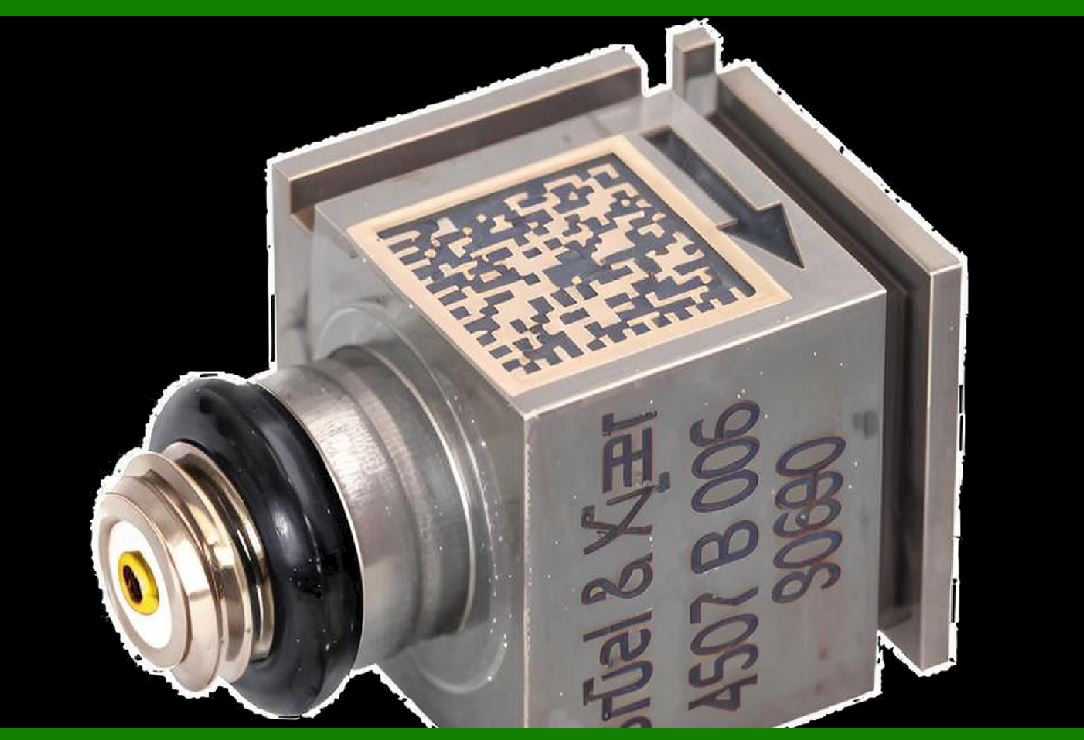
DataMatrix is a two-dimensional barcode that stores information in a compact grid of black and white squares, offering far greater capacity and durability than traditional linear barcodes. Developed in 1987 by Robotic Vision Systems Inc. (RVSI), it was specifically engineered for harsh industrial environments where conventional barcodes would fail. Its built-in error correction allows it to remain readable even when scratched, dirty, or partially damaged. Today, DataMatrix has become the backbone of traceability across American healthcare, aerospace, automotive, logistics, retail, and defense industries. It powers pharmaceutical serialization required by the FDA, package routing in the USPS network, equipment tracking for the Department of Defense, and is poised to become the new standard barcode on virtually every product sold in the United States through the retail industry's Sunrise 2027 initiative. The following article explores the technical foundations and historical development of this remarkable technology, with a focus on real-world applications across the American economy. |
|
Part One: The Genesis and Technical Evolution |
Chapter 1: The Birth of DataMatrix in 1987 |
DataMatrix was developed in 1987 by RVSI (Robotic Vision Systems Inc.), a company based in New York that specialized in machine vision systems for industrial automation. The invention came at a time when traditional barcodes were becoming insufficient for the growing demands of manufacturing and logistics. RVSI engineers recognized that linear barcodes, with their single-dimensional data storage, could not hold enough information and were too fragile for harsh industrial environments. The company set out to create a new symbology that would be smaller, more durable, and capable of storing much more data. |
Chapter 2: The Industrial Motivation |
The primary motivation behind DataMatrix was the need to mark small components in manufacturing. In the late 1980s, the electronics and automotive industries were increasingly producing miniature parts that needed individual identification. A linear barcode, such as the ubiquitous UPC code found on retail products, required a certain minimum width to hold even a simple product number. These codes could not fit on small electronic components, and they were easily damaged by the heat, chemicals, and abrasion common in industrial production processes. |
Chapter 3: The Unique Design Philosophy |
RVSI's design philosophy for DataMatrix was fundamentally different from existing barcodes. Instead of storing data in a single row of varying-width bars and spaces, DataMatrix arranges data in a two-dimensional grid. This grid structure allows information to be packed much more densely, so that a small square of a few millimeters on a side can hold the same data as a linear barcode several inches long. The two-dimensional structure also provides redundancy: if part of the code is damaged, the remaining parts still contain enough information to reconstruct the original data. |
|
Chapter 4: Early Patent and Development |
The original DataMatrix patent was filed in the United States in 1989 and granted in 1992. RVSI conducted extensive research and development to refine the encoding algorithms and error correction methods. Early prototypes were tested in automotive assembly plants and electronics manufacturing facilities. The feedback from these early adopters helped shape the final design, particularly the addition of the L-shaped finder pattern that makes the code easy to locate and read from any angle. |
Chapter 5: The First Commercial Applications |
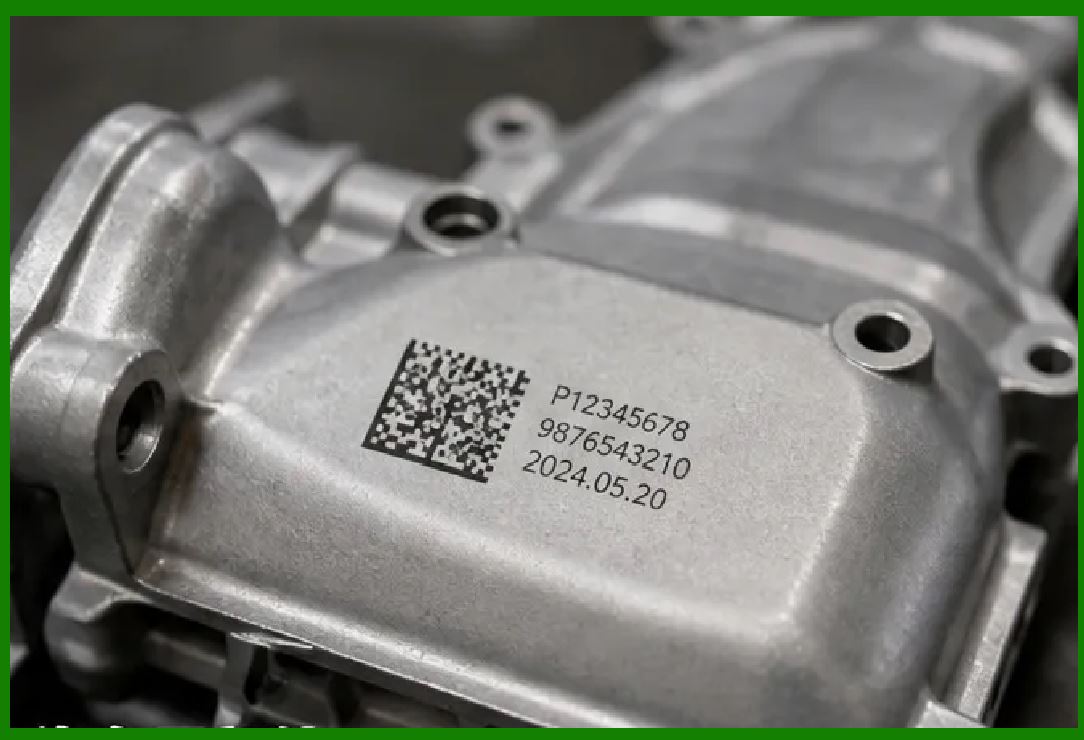
The first commercial applications of DataMatrix were in the aerospace and automotive industries. American manufacturers needed to track parts through complex supply chains and ensure that components could be traced back to their origins in case of defects or safety issues. DataMatrix provided a solution that worked on the factory floor, surviving exposure to oils, high temperatures, and physical handling. The codes could be applied using laser etching, which was a relatively new technology at the time but proved ideal for creating permanent marks on metal parts. |
Chapter 6: Standardization Efforts |
As DataMatrix gained traction in the 1990s, the need for a formal standard became apparent. Different manufacturers were implementing the technology in slightly different ways, and this lack of uniformity threatened to limit adoption. The standardization effort began in the United States under the auspices of the Automatic Identification Manufacturers Association (AIM USA). This work eventually led to the publication of ISO/IEC 16022, which established a single international standard for DataMatrix. |
|
Chapter 7: The ECC 200 Revolution |
The original DataMatrix specification used a different error correction scheme than the one in use today. The early versions, designated ECC 000 through ECC 140, had limited error correction capabilities. In 1994, RVSI introduced a major revision called ECC 200, which implemented Reed-Solomon error correction. This was a transformative improvement. Reed-Solomon error correction, originally developed for deep-space communications, allowed the code to survive much higher levels of damage. With ECC 200, up to 30% of the code could be destroyed and the data could still be recovered. |
Chapter 8: Reed-Solomon Error Correction Explained |
Reed-Solomon error correction works by adding redundant data to the original message in a mathematically precise way. The redundant data is not a simple duplicate of the original; instead, it is carefully calculated so that even if some parts of the code are lost, the mathematical relationships between the remaining data and the redundant data allow the original information to be reconstructed. This is the same technology used in CDs and DVDs, satellite communications, and QR codes. In DataMatrix, the amount of redundancy depends on the size of the code: larger codes have a higher proportion of error correction codewords, making them more robust against damage. |
Chapter 9: The Evolution of Reading Technology |
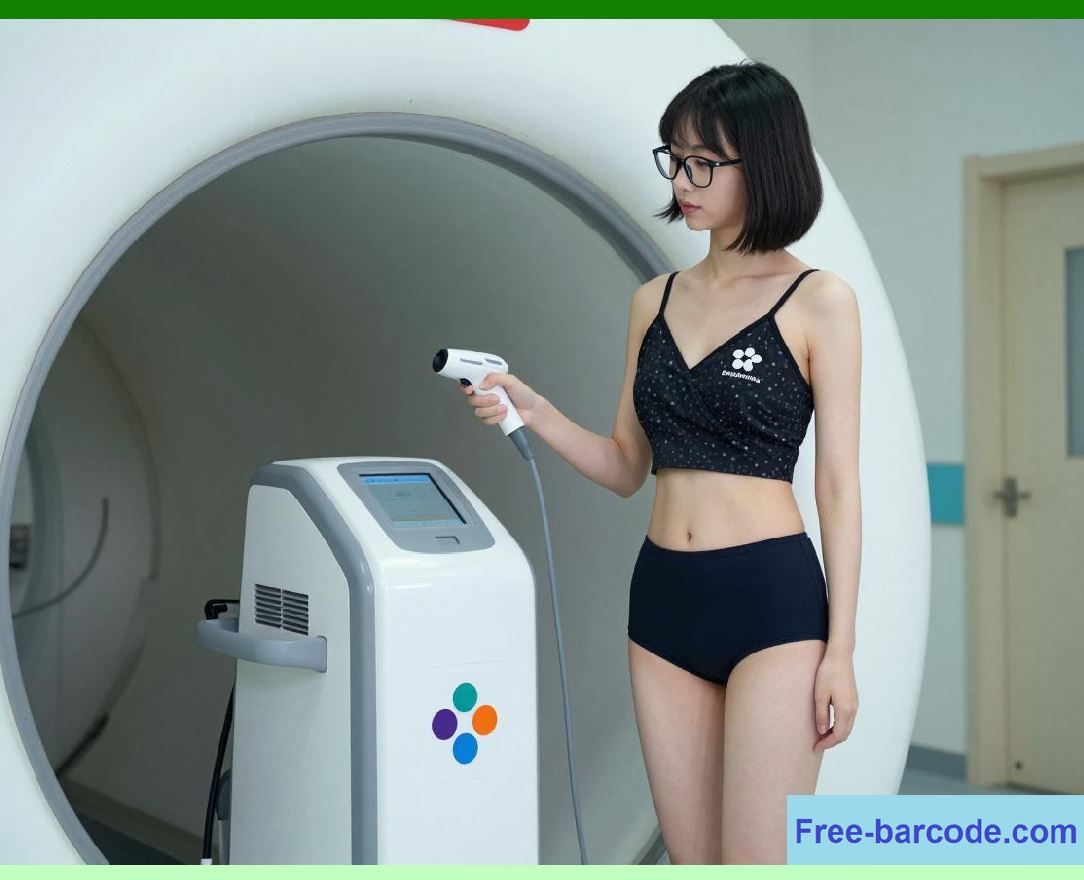
In the early days, DataMatrix codes were read using specialized laser scanners that were expensive and required careful positioning. As camera technology improved, particularly with the advent of cheap CMOS sensors, reading DataMatrix codes became much more accessible. Modern smartphone cameras can now read DataMatrix codes, although they are still more commonly read with industrial scanners. The development of sophisticated image processing algorithms has enabled reading of codes that are distorted, printed at low contrast, or on curved surfaces. |
|
Chapter 10: The Role of Direct Part Marking |
One of the most important innovations associated with DataMatrix is direct part marking (DPM). In DPM applications, the code is permanently inscribed onto the surface of a product rather than printed on a separate label. In the United States, DPM is accomplished using several technologies: laser etching is the most common for metal parts, while dot peening (using a small stylus to create indentations) is often used for rough surfaces, and chemical etching or inkjet printing are used for other materials. DPM ensures that the code remains with the product for its entire lifetime, providing permanent traceability. |
Chapter 11: The Importance of Contrast |
For a DataMatrix code to be readable, there must be sufficient contrast between the dark and light modules. The minimum print contrast signal requirement is 0.4. However, modern readers can decode codes with much lower contrast, especially with the help of advanced image processing algorithms. This is particularly important for DPM applications on metal or glass surfaces, where the contrast between the mark and the background may be subtle. The ability to read low-contrast codes has expanded the range of surfaces that can be marked with DataMatrix, including reflective, transparent, and curved materials. |
Chapter 12: The Quiet Zone Requirement |
Every DataMatrix code must be surrounded by a blank margin known as a quiet zone. The quiet zone is required to be at least one module width on all sides of the code. This blank space helps the scanner know where the code begins and ends, preventing confusion with other printed elements. In practice, most applications use a larger quiet zone to be safe, but the minimum requirement is surprisingly small, which is one of the reasons DataMatrix can be used on such tiny surfaces. |

|
Chapter 13: The Finder Pattern in Detail |
The finder pattern of a DataMatrix code consists of two solid, perpendicular lines forming an L-shape. These lines are called the L finder pattern. The opposite two sides are dotted lines consisting of alternating dark and light modules, called the clock track or timing pattern. The L finder pattern is used to locate the code, determine its size, and correct for orientation. The clock track provides additional structural information that helps the decoding algorithm accurately map the data modules. The combination of the L pattern and the clock track allows the code to be read from any angle, even if the code is distorted or viewed from an oblique angle. |
Chapter 14: Module Sizing and Density |
The size of the individual black or white squares, called modules, determines the physical size of the DataMatrix code. A code with smaller modules can fit into a smaller space, but it requires higher-quality printing and may be more susceptible to errors from printing imperfections. In industrial applications, the module size is typically between 0.075 millimeters and 0.5 millimeters. For very small components, such as medical implants or semiconductor dies, modules as small as 0.025 millimeters have been used. The choice of module size involves a trade-off between available space and the reliability of the marking and reading equipment. |
Chapter 15: Data Encoding Methods |
DataMatrix supports multiple encoding schemes to optimize data capacity. The ASCII encoding is the simplest and is used for alphanumeric characters. The C40 encoding is more efficient for numbers and uppercase letters. The X12 encoding is optimized for the American National Standards Institute's ASC X12 data interchange format. The EDIFACT encoding is similarly optimized for that international electronic data interchange format. The Base256 encoding is used for binary data, such as images or encrypted information. The encoding scheme is selected automatically or specified by the system generating the code, and the decoding process automatically detects which scheme was used. |

|
Chapter 16: Structured Append Functionality |
One of the lesser-known features of DataMatrix is structured append, which allows data to be split across multiple symbols. Up to 16 separate DataMatrix codes can be linked together, and the scanning software will automatically concatenate the data from all the codes. This is useful for applications where the data to be encoded is too large for a single symbol, or where it is convenient to apply multiple smaller codes to different parts of a large object. For example, a large piece of equipment might have DataMatrix codes on several components, and scanning all of them would assemble a complete dataset about the entire machine. |
Chapter 17: The FNC1 Character |
In GS1 applications, the first position of the DataMatrix code contains a special character called the Function 1 Symbol Character (FNC1). This character signals to the decoding software that the data is in GS1 format and should be parsed using GS1 Application Identifiers. The FNC1 is not a data character itself but a control character that modifies how the subsequent data is interpreted. The presence of the FNC1 distinguishes GS1 DataMatrix from generic DataMatrix codes, which are simply read as strings of characters without any particular structure. |
Chapter 18: Application Identifiers in Practice |
GS1 DataMatrix uses Application Identifiers (AIs) to organize data. Each AI consists of two to four digits, followed by data of a specified length and format. For example, AI 01 is two digits and is followed by a 14-digit Global Trade Item Number (GTIN). AI 10 is three digits and is followed by an alphanumeric batch or lot number of up to 20 characters. AI 15 is three digits and is followed by a six-digit date in YYMMDD format (best-before date). AI 21 is three digits and is followed by an alphanumeric serial number of up to 20 characters. The use of these AIs allows scanning software to automatically extract specific pieces of data without requiring custom parsing for each application. |
|
Chapter 19: Maximum Data Capacity |
The data capacity of DataMatrix depends on the size of the symbol and the encoding scheme used. The largest square format, 144 modules by 144 modules, can store up to 3,116 numeric characters, 2,335 alphanumeric characters, or 1,556 bytes of binary data. For rectangular formats, the maximum capacity varies: a 16x48 rectangular symbol can store 244 numeric characters, while a 16x64 rectangular symbol can store 433 numeric characters. These capacities are more than sufficient for the vast majority of industrial and healthcare applications, which typically require only a few hundred characters at most. |
Chapter 20: The Revision of ISO/IEC 16022 in 2024 |
The ISO/IEC 16022 standard, which defines DataMatrix, underwent a major revision that was published in May 2024. This revision updated the specification to reflect improvements in marking and reading technology over the past decade. The 2024 revision also added UTF-8 support, which is particularly important for applications involving international trade and non-English characters. The revision maintained backward compatibility with existing DataMatrix codes, so scanners designed to the previous standard can still read codes produced to the new standard, and vice versa. |
Chapter 21: The Evolution of Scanner Technology |
Early DataMatrix readers were expensive, bulky, and required precise alignment with the code. Today, scanners have become smaller, faster, and more versatile. Industrial scanners can read DataMatrix codes on moving assembly lines at speeds of hundreds of parts per minute. Some scanners can read codes that are moving at high velocity, while others are designed for stationary applications where the code is presented to the reader. Modern scanners use advanced machine vision algorithms to handle a wide variety of codes, including those with poor contrast, distorted shapes, or partial damage. The improvement in scanner technology has been as important to DataMatrix adoption as the development of the symbology itself. |

|
Chapter 22: DataMatrix for Authentication and Anti-Counterfeiting |
One increasingly important application of DataMatrix is in authentication and anti-counterfeiting. In the United States, the technology has been adopted by federal agencies and private companies to help verify the authenticity of products and documents. Because DataMatrix codes can be printed with tiny features that are difficult to counterfeit, and because they can store encrypted information, they provide a robust way to authenticate items. The codes can be scanned with a smartphone or a specialized reader, and the resulting data can be checked against a central database to confirm authenticity. This is particularly valuable for high-value products, government documents, and military equipment. |
Chapter 23: The Role of Machine Vision in Decoding |
Machine vision, the technology that allows computers to interpret images, is fundamental to DataMatrix decoding. The decoding process involves several steps. First, the captured image is preprocessed to enhance contrast and reduce noise. Then the finder pattern is located using edge detection and pattern matching algorithms. The orientation and size of the code are determined from the finder pattern. The grid is sampled to extract the values of individual modules, and any distortion is corrected using the timing pattern. Finally, the codewords are extracted, error correction is applied, and the data is decoded according to the encoding scheme. Advances in machine vision have made it possible to decode DataMatrix codes in conditions that would have been impossible just a few years ago. |
Chapter 24: DataMatrix in the Internet of Things |
The Internet of Things (IoT) has created new opportunities for DataMatrix. In the IoT vision, every physical object is connected to the digital world, and DataMatrix provides a low-cost, durable way to identify objects. A DataMatrix code on a machine, part, or product can be scanned to retrieve its digital identity, which in turn can be used to access a wealth of information stored in the cloud. This includes operating manuals, maintenance records, warranty information, and real-time sensor data. The small size and durability of DataMatrix make it well-suited to IoT applications, where identification marks may need to survive for decades. |

|
Chapter 25: DataMatrix Compared to Other 2D Codes |
While DataMatrix is the dominant 2D code for industrial applications, it is not the only one. QR codes, developed by the Japanese company Denso Wave in 1994, are more widely recognized by the general public because of their use in marketing and consumer applications. DataMatrix codes are generally smaller than QR codes for the same amount of data and require a smaller quiet zone. However, QR codes can store more data overall and can be read by a wider range of consumer devices out of the box. Aztec codes, developed by Welch Allyn, are another 2D symbology, but they are less common than either DataMatrix or QR codes. PDF417 is a stacked linear barcode that can store large amounts of data but is physically larger than DataMatrix for the same data volume. The choice of symbology depends on the specific requirements of the application, including the available space, required durability, and scanning environment. |

|
Part Two: Early Applications in American Manufacturing |
Chapter 26: The Automotive Industry Pioneers |
The American automotive industry was one of the first to embrace DataMatrix in the early 1990s. Manufacturers such as General Motors, Ford, and Chrysler needed to track engine blocks, transmissions, and other major components through their assembly plants. These components were heavy, subject to high temperatures during manufacturing, and often covered in oil and dirt. Paper labels could not survive these conditions, and linear barcodes were too large to fit on many components. DataMatrix, applied using laser etching, proved to be the ideal solution. The codes could be read reliably in the factory environment, and they provided a permanent record of each component's manufacturing history. |
Chapter 27: The Electronics Industry Adopts |
The electronics industry quickly followed the automotive lead. American electronics manufacturers, including Motorola, Texas Instruments, and Intel, began using DataMatrix codes on circuit boards, semiconductor packages, and other components. The small size of DataMatrix was essential for these applications, as components were increasingly miniaturized. The codes allowed manufacturers to track each component from production through assembly, testing, and final product integration. This traceability was essential for quality control, failure analysis, and warranty management. |
Chapter 28: The Aerospace Industry's Demands |
The aerospace industry, with its extreme safety requirements, found DataMatrix to be an indispensable tool. American aerospace companies such as Boeing, Lockheed Martin, and Northrop Grumman began marking critical components with DataMatrix codes in the 1990s. The codes enabled lifetime traceability of parts, from manufacture through installation, maintenance, and eventual retirement. In the event of a safety incident, the codes allowed investigators to quickly determine which parts were involved and where they came from. The FAA recognized the value of this technology and began incorporating DataMatrix into its regulatory framework. |

|
Chapter 29: The Department of Defense Requirements |
The U.S. Department of Defense (DoD) recognized the potential of DataMatrix for equipment tracking and began incorporating it into its Item Unique Identification (IUID) policy. The IUID policy requires every piece of equipment acquired by the DoD to have a unique identifier that is permanently marked on the item. DataMatrix, with its small size, durability, and high data capacity, became the preferred method for marking IUIDs. The DoD's adoption of DataMatrix drove significant demand for the technology and encouraged the development of standardized marking and reading equipment that could be used across the defense supply chain. |
Chapter 30: The FDA Mandate for Medical Devices |
The U.S. Food and Drug Administration (FDA) began requiring Unique Device Identifiers (UDIs) for medical devices in 2013, with phased implementation over several years. The UDI is a unique numeric or alphanumeric code that identifies a medical device throughout its distribution and use. DataMatrix codes are widely used to encode UDIs on implantable devices, surgical instruments, and other medical products. The FDA's mandate has driven widespread adoption of DataMatrix in the American medical device industry, with hospitals and healthcare providers now routinely scanning DataMatrix codes to verify device information and manage inventory. |
Part Three: Government and Regulatory Applications |
Chapter 31: The Drug Supply Chain Security Act |
The Drug Supply Chain Security Act (DSCSA), enacted by the U.S. Congress in 2013, mandates the serialization of prescription drugs to enable tracking from manufacturing to dispensing. Under the DSCSA, each package of prescription drugs must carry a product identifier that includes the National Drug Code (NDC), lot number, and expiration date. GS1 DataMatrix is the standard format for encoding this information. The DSCSA has driven the adoption of DataMatrix across the entire American pharmaceutical supply chain, from manufacturers to wholesalers to pharmacies. More than 16 billion medicine packages in the United States now carry GS1 DataMatrix codes. |

|
Chapter 32: The Federal Trade Commission and Consumer Protection |
The Federal Trade Commission (FTC) has recognized the value of 2D barcodes for consumer protection. The FTC has issued guidance encouraging the use of 2D barcodes on consumer products to provide easier access to product information, including safety warnings, recall notices, and usage instructions. DataMatrix codes, as one of the standard 2D symbologies, are well-suited to this purpose. Consumer scanning of DataMatrix codes on products can provide instant access to the most current information about the product, rather than relying on printed information that may become outdated. |
Chapter 33: The USPS Intelligent Mail Matrix Barcode |
The United States Postal Service (USPS) has adopted DataMatrix in the form of the Intelligent Mail Matrix Barcode (IMmb). This code is used in combination with the Intelligent Mail Package Barcode (IMpb) to route and track packages through the USPS processing network. The IMmb is a 2D GS1 DataMatrix symbol that encodes delivery point information and other routing data. It enables the automated sorting of packages using high-speed scanning equipment, improving processing efficiency and reducing labor costs. The USPS has been a significant adopter of DataMatrix, demonstrating the technology's viability for large-scale logistics applications. |
Chapter 34: The Veterans Administration Healthcare System |
The U.S. Department of Veterans Affairs (VA) operates the largest integrated healthcare system in the United States, with more than 1,300 healthcare facilities serving millions of veterans. The VA has adopted DataMatrix for pharmaceutical serialization and medical device tracking. The codes are used in VA hospitals and clinics to identify prescription drugs, track medical implants, and manage supplies. The VA's adoption of DataMatrix has helped drive standardization across the American healthcare system and has provided a model for other healthcare providers. |
|
Chapter 35: The Centers for Medicare and Medicaid Services |
The Centers for Medicare and Medicaid Services (CMS) have recognized the potential of 2D barcodes for improving healthcare quality and reducing costs. CMS has issued guidance encouraging the use of barcodes, including DataMatrix, for medication administration, patient identification, and supply chain management. The use of DataMatrix codes in these applications can reduce medication errors, improve inventory management, and enhance the traceability of medical products. CMS's support for barcode technology has been an important factor in driving adoption across the American healthcare system. |
Chapter 36: The Department of Transportation |
The U.S. Department of Transportation (DOT) has considered DataMatrix for various transportation-related applications, including hazardous materials transportation. The DOT's Pipeline and Hazardous Materials Safety Administration (PHMSA) requires the identification of hazardous materials during transportation, and DataMatrix could provide a more reliable and information-rich alternative to traditional placards and labels. The codes could store detailed information about the material, its hazards, and emergency response procedures, accessible through a simple scan. |
Chapter 37: The Environmental Protection Agency |
The Environmental Protection Agency (EPA) has considered the use of 2D barcodes, including DataMatrix, for tracking hazardous waste and other regulated materials. The codes could provide quick access to information about the material's composition, origin, and handling requirements. This would improve compliance with environmental regulations and enhance the EPA's ability to track and manage regulated materials throughout their lifecycle. |

|
Chapter 38: State-Level Applications |
Several U.S. states have adopted DataMatrix for various applications. For example, California's Department of Public Health requires pharmaceutical serialization for certain drugs distributed in the state. New York's Department of Health has explored the use of DataMatrix for tracking medical supplies in emergency preparedness programs. Texas has used DataMatrix for animal identification in its livestock traceability programs. These state-level applications demonstrate the versatility and broad utility of DataMatrix across different government functions. |
Part Four: Modern American Industry Applications |
Chapter 39: Pharmaceutical Manufacturing and Distribution |
In American pharmaceutical manufacturing, DataMatrix codes are applied to every package of prescription drugs. The codes are typically printed on the package label using high-quality thermal transfer or inkjet printing. The label must meet strict quality standards to ensure that the code is readable throughout the supply chain. The code is read at multiple points along the supply chain: at the manufacturing facility, at the distributor's warehouse, at the pharmacy, and ultimately at the point of dispensing to the patient. Each scan confirms the product's identity and authenticity, ensuring that counterfeit or expired products do not enter the supply chain. |
Chapter 40: Hospital and Clinical Applications |
American hospitals are increasingly scanning DataMatrix codes on pharmaceutical packaging, medical devices, and patient wristbands. The scans are integrated with electronic health records (EHRs) to automate medication administration, device tracking, and patient identification. For example, when a nurse administers medication to a patient, the nurse scans the DataMatrix code on the medication package and the code on the patient's wristband. The system confirms that the medication is correct for that patient and records the administration in the patient's EHR. This 'five rights' verification (right patient, right drug, right dose, right route, right time) reduces medication errors, which are a significant cause of preventable harm in American hospitals. |

|
Chapter 41: The Medical Device Supply Chain |
The American medical device supply chain involves thousands of manufacturers, distributors, and healthcare providers. DataMatrix codes provide a common language for identifying and tracking medical devices throughout this complex system. Each device has a unique identifier encoded in a DataMatrix code, which is scanned at key points in the supply chain. This enables real-time inventory management, automated reordering, and rapid recall response. The traceability provided by DataMatrix is essential for ensuring that the right device is available when needed and that defective devices are quickly removed from use. |
Chapter 42: Food and Agriculture Traceability |
American food producers, in response to consumer demand and regulatory pressure, are increasingly using DataMatrix codes for food traceability. The codes are applied to packaging for fresh produce, meat, dairy, and processed foods. They encode information about the product's origin, production date, batch number, and supply chain history. In the event of a foodborne illness outbreak, the codes allow investigators to quickly trace the contaminated product back to its source and identify other potentially contaminated products. This rapid traceability is essential for protecting public health and minimizing the economic impact of food safety incidents. |
Chapter 43: The Livestock Industry |
American livestock producers use DataMatrix codes for animal identification in their traceability programs. The codes are applied to ear tags, RFID readers, or other identification devices. They encode information about the animal's breed, birth date, health history, and ownership. The codes are read at various points in the animal's life, from birth through processing, and provide a complete record of the animal's history. This traceability is important for disease control, food safety, and consumer confidence in the quality of the animal products. |

|
Chapter 44: The U.S. Postal Service Operations |
The USPS processes billions of packages and letters each year, and DataMatrix codes are a critical part of its automated processing systems. The IMmb codes on packages are read by high-speed tunnel scanners at mail processing facilities. These scanners capture the code from any orientation, regardless of how the package is positioned on the conveyor belt. The decoded data is used to route the package to the correct destination, track its progress through the network, and generate delivery confirmations. The automation enabled by DataMatrix has significantly improved the efficiency and accuracy of USPS operations. |
Chapter 45: The Freight and Parcel Industry |
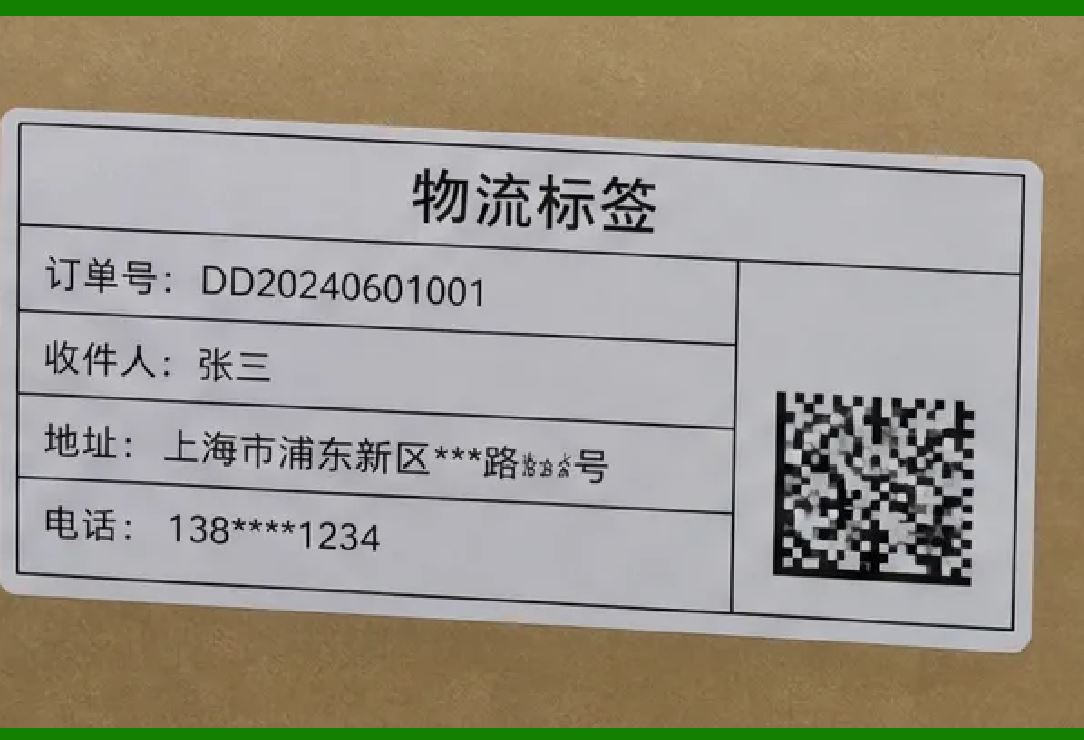
Private freight and parcel companies, such as UPS and FedEx, also use DataMatrix codes on their shipping labels. The codes complement the traditional linear barcodes used for package tracking, providing additional capacity for routing information and customer data. The codes are read by automated sorting equipment at distribution hubs, enabling packages to be routed to the correct trucks and delivery routes with minimal manual intervention. The use of DataMatrix in the freight industry has helped these companies handle the explosive growth of e-commerce while maintaining service quality. |
Chapter 46: The Retail Industry's Sunrise 2027 |
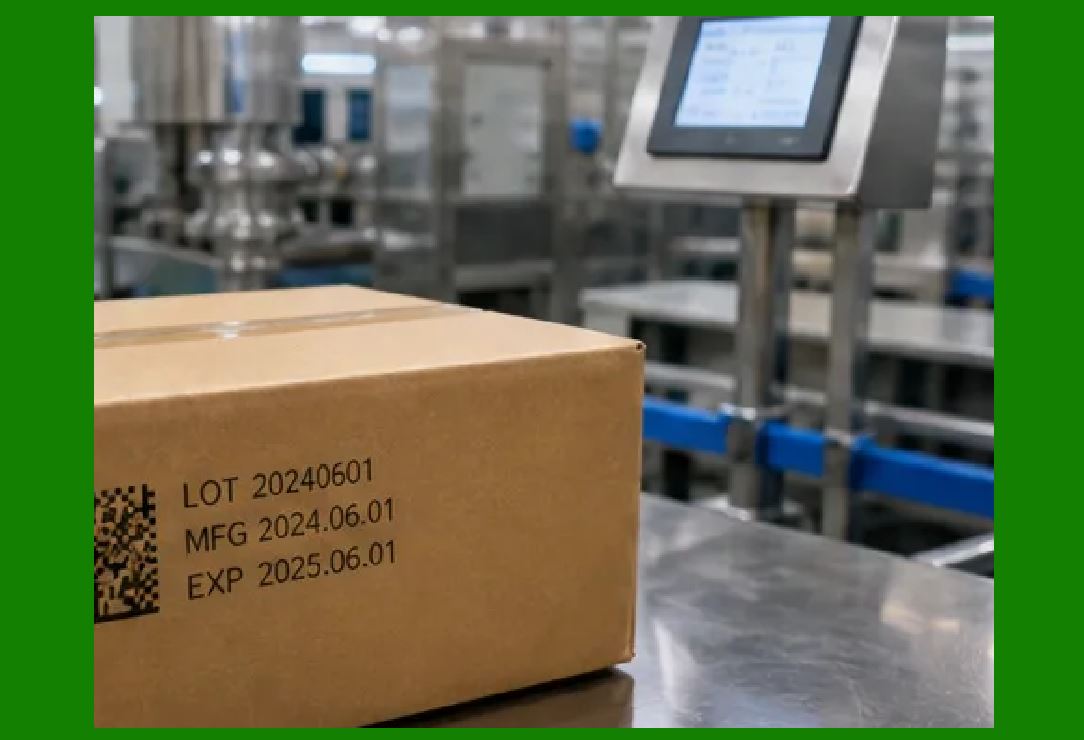
The American retail industry is preparing for a major transition in barcode technology. The Sunrise 2027 initiative, led by GS1 US in collaboration with major retailers, aims to enable the scanning of 2D barcodes at the point of sale. While traditional 1D barcodes (UPC codes) are not being phased out, retailers are increasingly adopting 2D codes like QR codes and GS1 DataMatrix to provide richer product information. The goal is to eventually have two barcodes on product packaging, with at least one being 2D. This transition will enable consumers to access more detailed product information, including nutritional data, allergen warnings, sustainability claims, and promotional offers, by scanning the code with their smartphones. |
|
Chapter 47: The Apparel and General Merchandise Guidelines |
GS1 US has released comprehensive guidelines for implementing 2D barcodes in the apparel and general merchandise sectors. These guidelines cover everything from code placement on different types of packaging to integration with existing point-of-sale systems. The guidelines emphasize the importance of ensuring that 2D codes are scannable by consumer smartphones, not just by industrial scanners. This consumer-facing aspect is a significant departure from traditional industrial applications of DataMatrix, where codes are intended only for machine reading. The guidelines also address the transition from the current 'one barcode, one product identifier' paradigm to a more flexible system where a single 2D code can provide a wide range of product information. |
Chapter 48: The Promise of Digital Package Inserts |
One of the most promising applications of DataMatrix in retail is digital package inserts. Currently, pharmaceutical products in the United States come with printed package inserts that provide information about the drug's usage, dosage, side effects, and warnings. These paper inserts are expensive to produce, generate significant waste, and are often discarded before they can be used. By replacing paper inserts with a DataMatrix code that links to a digital document, pharmaceutical companies can reduce costs, eliminate waste, and provide consumers with more accessible and up-to-date information. The environmental benefits are substantial: printed pharmaceutical leaflets in the United States are estimated to require approximately 12 million trees annually, which could be saved by widespread adoption of digital inserts. |
Chapter 49: DataMatrix in Aerospace Manufacturing Today |
American aerospace manufacturing continues to be a major user of DataMatrix. Current applications include marking of jet engine components, airframe structures, avionics, and cabin interiors. The codes are applied using laser etching, which creates a permanent mark that can survive the extreme conditions of flight, including high temperatures, vibration, and exposure to chemicals. The codes are read using handheld scanners during assembly and maintenance, and using automated vision systems on production lines. The data encoded in the codes includes part numbers, serial numbers, manufacturing dates, and quality inspection results. This detailed traceability is essential for meeting FAA requirements and for the safe operation of American aircraft. |
|
Chapter 50: DataMatrix in Automotive Manufacturing Today |
American automotive manufacturing remains a strong user of DataMatrix, with applications expanding beyond engine and transmission components to include electronic control units, sensors, and even body panels. The codes are used for just-in-time production scheduling, where the arrival of components at an assembly station triggers the exact sequence of assembly operations. The codes are also used for quality control, linking each component to its inspection results and enabling rapid root cause analysis when defects occur. As American automotive manufacturing becomes more automated and data-driven, the role of DataMatrix is likely to expand further. |
Chapter 51: DataMatrix in Electronics Manufacturing Today |
American electronics manufacturing, while smaller than its Asian counterparts, remains an important user of DataMatrix. The codes are used on high-value products such as medical electronics, military electronics, and aerospace electronics. The codes enable traceability of components through complex manufacturing processes that involve multiple suppliers and assembly stages. The codes also support authentication of products, helping to detect and prevent counterfeiting, which is a significant problem in the electronics industry. |
Chapter 52: DataMatrix in Defense and National Security |
The U.S. Department of Defense and the defense industrial base use DataMatrix extensively for equipment tracking, supply chain management, and security. The codes are used on munitions, vehicles, aircraft, ships, and a wide range of other military equipment. The traceability provided by DataMatrix enables the DoD to manage its vast inventory of equipment, ensure that maintenance is performed at the right intervals, and account for equipment losses. The codes also support the logistics of deploying military forces, ensuring that the right supplies arrive at the right place at the right time. |

|
Chapter 53: DataMatrix in Energy and Infrastructure |
American energy companies use DataMatrix for tracking equipment in power plants, oil refineries, pipelines, and other critical infrastructure. The codes are applied to pumps, valves, generators, and other high-value components. They encode information about the component's specifications, installation date, and maintenance history. Scanning the codes enables maintenance crews to quickly access the information they need to perform repairs and inspections. The codes' durability is essential for this application, as they may need to survive for decades in harsh industrial environments. |
Chapter 54: DataMatrix in Transportation and Logistics |
Beyond the USPS and private parcel carriers, DataMatrix is used throughout the American transportation and logistics industry. The codes are used on shipping containers, pallets, and individual packages. They encode data about the contents, destination, and handling requirements of each shipment. The codes are read by scanners at ports, warehouses, and distribution centers, enabling real-time tracking of freight. This visibility into the movement of goods is essential for managing complex supply chains and meeting the demands of American consumers for fast and reliable delivery. |
Chapter 55: DataMatrix in Healthcare Beyond Pharmaceuticals |
DataMatrix is not limited to pharmaceutical applications in healthcare. The codes are also used for patient identification, specimen tracking, and inventory management of medical supplies. In hospitals, patient wristbands often carry DataMatrix codes that encode the patient's medical record number, name, and date of birth. Scanning these codes ensures that patients are correctly identified throughout their hospitalization. In laboratories, DataMatrix codes on specimen containers ensure that samples are correctly linked to patients and test results. In supply chain management, DataMatrix codes on medical supplies enable automated inventory tracking, reducing waste and ensuring that critical supplies are always available. |

|
Chapter 56: DataMatrix in Retail and Consumer Goods |
As noted earlier, DataMatrix is increasingly used in retail applications, particularly in the context of Sunrise 2027. The codes are appearing on product packaging in the consumer goods sector, enabling consumers to access product information using their smartphones. In addition to regulatory information, the codes can link to promotional content, user manuals, and customer reviews. The codes also support anti-counterfeiting efforts, allowing consumers to verify the authenticity of the products they purchase. |
Chapter 57: DataMatrix in Industrial Safety |
DataMatrix codes are used on safety equipment and hazardous materials in American industrial settings. For example, the codes may appear on fire extinguishers, chemical storage containers, and personal protective equipment. Scanning the code provides instant access to safety data sheets, inspection records, and emergency response procedures. This capability can save valuable time in emergency situations and help prevent accidents. |
Chapter 58: DataMatrix in Research and Development |
Research laboratories in the United States, both academic and industrial, use DataMatrix codes to track samples, reagents, and experimental equipment. The small size of DataMatrix allows these codes to be placed on microtiter plates, test tubes, and other small labware. The codes encode sample identifiers, experimental parameters, and tracking information, enabling researchers to manage large numbers of samples efficiently and accurately. The use of DataMatrix in research settings contributes to the reproducibility and reliability of scientific results. |
|
Chapter 59: DataMatrix in Agriculture |
American farmers and agricultural companies use DataMatrix codes to track crops, livestock, and agricultural inputs. The codes are used on seed bags, fertilizer containers, and pesticide containers to track their distribution and use. The codes also appear on livestock ear tags and on boxes of produce destined for grocery stores. The traceability provided by DataMatrix helps ensure food safety, comply with regulations, and meet consumer demands for transparency about the origin of their food. |
Chapter 60: DataMatrix in the Food Service Industry |
American restaurants and food service establishments use DataMatrix codes on their inventory and supply items. The codes enable them to track the shelf life of perishable items, manage inventory levels, and quickly respond to food safety issues. The codes are also used on menus to provide nutritional information and to verify the origin of ingredients. |
Chapter 61: DataMatrix in Emergency Preparedness |
Federal, state, and local emergency management agencies in the United States use DataMatrix codes to track and manage emergency supplies, including medical supplies, food, and water, as well as to identify response equipment and personnel. In the event of a natural disaster or other emergency, the ability to quickly identify and track resources is essential for an effective response. |

|
Detailed Summary |
The genesis of DataMatrix in 1987 by RVSI marked a turning point in automatic identification technology. Conceived for harsh industrial environments where traditional barcodes could not survive, DataMatrix has evolved into a versatile and widely adopted symbology that is transforming American industry. Its two-dimensional grid structure, powered by Reed-Solomon error correction, enables it to store large amounts of data in a very small space while remaining readable despite damage, dirt, or distortion. |
The historical development of DataMatrix reflects the changing needs of American manufacturing and logistics. From its early adoption in automotive and aerospace manufacturing in the 1990s, to its expansion into electronics and defense, to its current role in healthcare, retail, and government, DataMatrix has consistently proven its value wherever durable, compact, and reliable identification is needed. |
The technical foundations of DataMatrix are the key to its success. The finder pattern, the quiet zone requirement, the flexible encoding schemes, and the robust error correction all work together to make the code reliable in a wide range of environments. The standardization of DataMatrix under ISO/IEC 16022 has ensured interoperability across different systems and suppliers, facilitating its widespread adoption. The 2024 revision of the standard, which added UTF-8 support, has made DataMatrix even more suitable for global applications. |
In the United States, DataMatrix has become an integral part of regulatory compliance in multiple industries. The Drug Supply Chain Security Act mandates the use of GS1 DataMatrix for pharmaceutical serialization, enabling the tracking of prescription drugs from manufacturing to dispensing. The FDA's Unique Device Identifier requirements for medical devices are often met using DataMatrix codes. The Department of Defense's Item Unique Identification policy relies on DataMatrix for equipment tracking across the military supply chain. The USPS uses DataMatrix for automated package routing in the Intelligent Mail Matrix Barcode. |
The retail industry's Sunrise 2027 initiative represents a new chapter for DataMatrix. As 2D barcodes become common at the point of sale, DataMatrix will be read by consumers as well as by industrial scanners. This will open up new possibilities for product information delivery, consumer engagement, and anti-counterfeiting. The environmental benefits of replacing paper package inserts with digital access through DataMatrix codes could be substantial, potentially saving millions of trees annually. |

|
Looking to the future, DataMatrix will continue to evolve. Advances in marking technology will enable codes to be printed on even smaller surfaces and in even harsher environments. Advances in reading technology will enable codes to be decoded more quickly and reliably, even in challenging conditions. Integration with artificial intelligence and the Internet of Things will enable DataMatrix codes to serve as gateways to comprehensive digital twins of physical objects. The combination of DataMatrix with blockchain-based traceability systems could provide unprecedented transparency and security for supply chains. |
DataMatrix has truly come a long way since its birth in 1987. From a niche solution for industrial marking, it has become a universal standard for traceability, identification, and authentication. It is a quiet but essential part of the American economy, enabling the safe and efficient production, distribution, and use of the products we all rely on every day. Its reliability, versatility, and durability ensure that DataMatrix will remain an important technology for years to come. |
In summary, DataMatrix is a remarkable example of how a well-designed technology can evolve over decades to meet changing needs. What began in 1987 as a solution for marking small components in harsh environments has become a critical infrastructure element of the modern American economy. It is a testament to the vision of the engineers at RVSI who saw the limitations of traditional barcodes and created something better. As American industries continue to digitize and the demand for traceability and transparency grows, DataMatrix will continue to play a central role in securing the supply chains that support our daily lives. |
 cs@easiersoft.com