DataMatrix Decoded: A Technical Deep-Dive |
Executive Summary |
In the clinical laboratory, a single sample is the starting point for a cascade of diagnostic decisions. A mislabeled test tube can lead to a misdiagnosis, a wrong treatment, or a missed opportunity to save a life. Micro DataMatrix codes, permanently etched or printed on the bottoms of test tubes, have become the silent guardians of laboratory accuracy. These tiny, machine-readable codes link a unique patient identifier to hundreds of chemical assay results, ensuring that the right tests are performed on the right samples and that the results are returned to the right patient . |
Unlike traditional linear barcodes that are easily smudged, torn, or misread, DataMatrix codes are robust. They are small enough to fit on the tiny footprint of a tube bottom, yet their two-dimensional structure and built-in error correction allow them to be read even when partially scratched or obscured by condensation . This makes them the ideal technology for the high-throughput, automated environment of the modern clinical lab. Automated analyzers and robotic systems can scan entire racks of tubes simultaneously, decoding the DataMatrix codes in a fraction of a second. This seamless integration of physical sample and digital data is the foundation of modern healthcare. This article explores the technology behind these micro DataMatrix codes and presents real-world examples of how American laboratories are leveraging them to enhance patient safety and operational efficiency. |

|
Part One: Technical Foundations of DataMatrix on Laboratory Tubes |
Chapter 1: The Need for Permanent Identification |
The journey of a clinical sample begins in a hospital room or clinic and ends in a laboratory analyzer. The test tube is the vessel for this journey, and its identification must be absolute and unambiguous. Traditional adhesive labels with linear barcodes were the industry standard for decades. However, these labels are susceptible to a range of failures: they can peel off during centrifugation, smudge when wet, fade in the cold, or be partially torn during transport . Any of these failures breaks the chain of custody, rendering the sample unusable and requiring a new draw, which delays treatment and can compromise patient care. |

|
Chapter 2: The DataMatrix Advantage |
The DataMatrix code solves these problems by being directly applied to the tube itself, typically on the bottom. This 'direct part marking' approach uses a process that creates a durable, high-contrast mark that is integral to the tube . Early patents from the year 2000 describe this process, involving layered opaque coatings on the planar exterior surface of the tube bottom to create a machine-readable DataMatrix code . This approach ensures the code survives the harsh conditions of the laboratory environment. |

|
Chapter 3: From Patent to Practice |
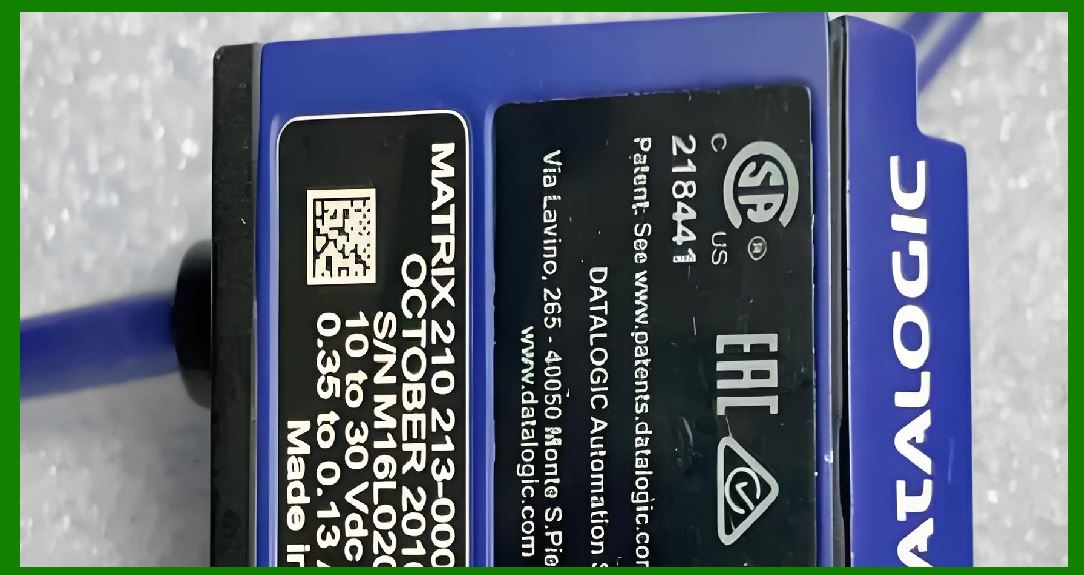
The concept of a DataMatrix code on the bottom of a test tube is not new. Key patents filed in the early 2000s laid the groundwork for this technology . These early patents described methods for creating multi-layered coatings on the tube's bottom, where a machine-readable DataMatrix code could be formed by removing portions of the top layer to expose a contrasting color underneath . Another innovative approach involved firing the bottom of a glass vial to bond paint and then laser-etching the code directly into the glass . This provided a permanent, solvent-resistant mark that could not be easily removed or altered. |
|
Chapter 4: The Evolution of Manufacturing |
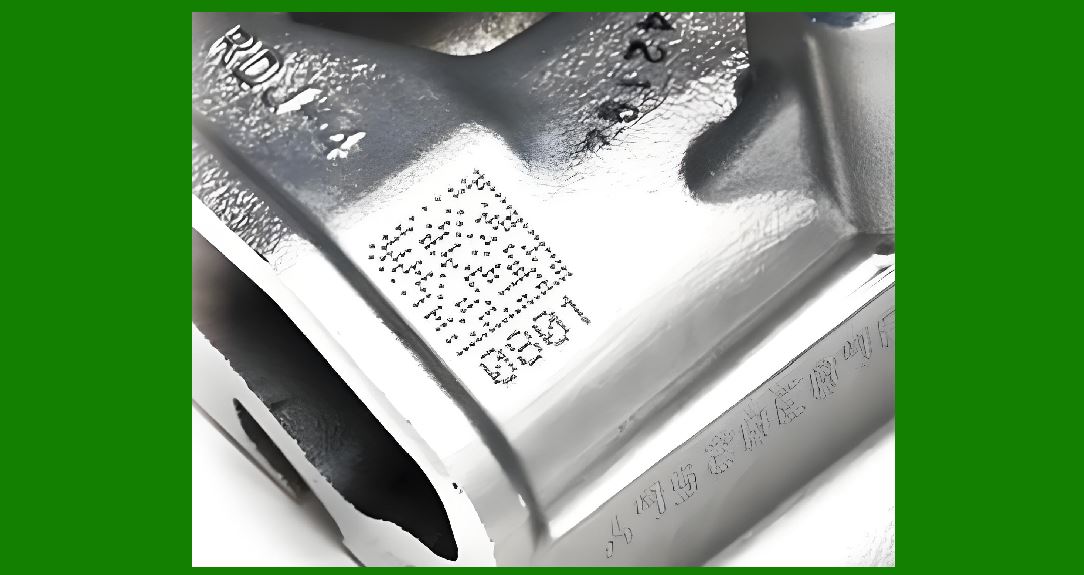
Over time, the manufacturing process has evolved. Today, in addition to the layered coating methods, laser marking is widely used. Manufacturers like Schott, a major glass and tubing supplier, have been developing methods for laser-marking tubes with DataMatrix codes . Laser marking offers extreme precision and creates a mark that is an integral part of the glass surface, ensuring that it cannot be abraded or chemically removed. |
|
Chapter 5: Reading the Micro Code |
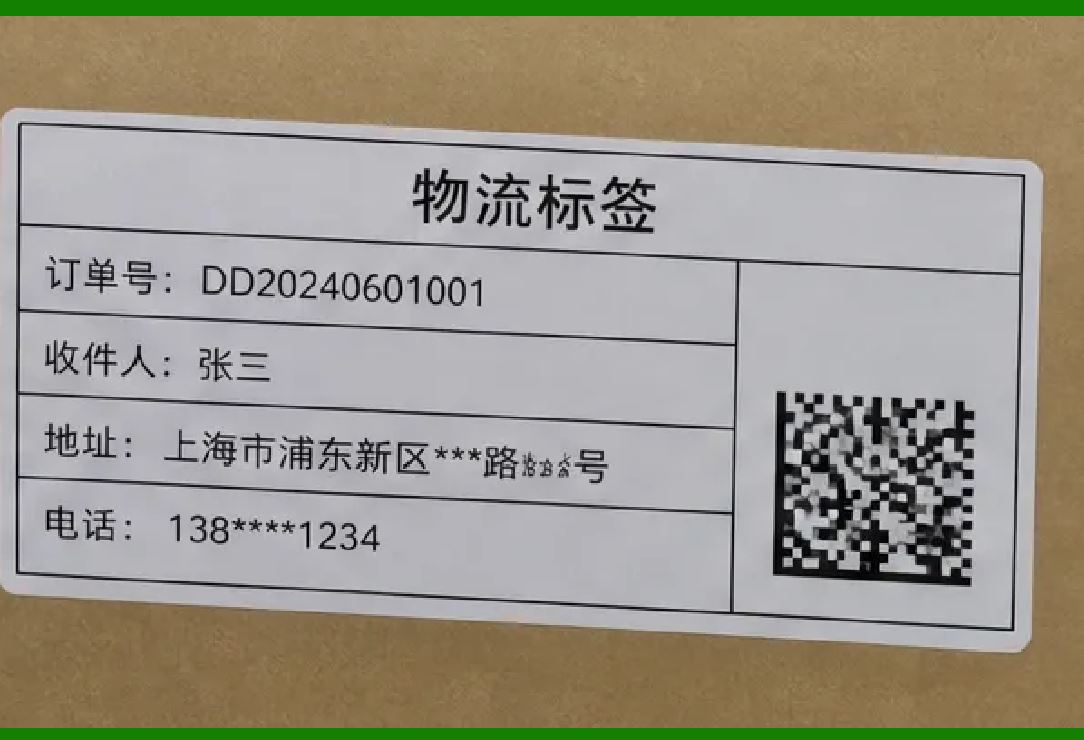
The primary advantage of putting the code on the bottom of the tube is that it allows for high-speed, automated scanning. In a modern laboratory, tubes are placed in racks, and an overhead or bottom-mounted camera captures an image of the entire rack at once . The system then uses sophisticated software to locate each DataMatrix code, decode it, and match it to the corresponding patient's electronic health record . This process is repeated hundreds or thousands of times a day with near-perfect accuracy. |
|
Part Two: American Applications in Action |
Chapter 6: ARUP Laboratories - The Data Matrix Scanner |
ARUP Laboratories, a national reference laboratory headquartered in Salt Lake City, Utah, developed a custom robotic solution to read micro DataMatrix codes. The challenge was to photograph and decode 96 tiny 2D codes on a rack of test tubes in a single image. Previously, technologists manually recorded the IDs of these tubes, a process that took two to three hours per tray . The lab's in-house engineering team designed a 'Data Matrix Scanner,' a machine that uses a specialized camera and LED lighting to capture and decode the codes . The system was initially deployed for a high-volume cholesterol particle test called LipoFit, processing 3,000 test tubes a month . This project demonstrates how American labs are not just using off-the-shelf tools but are innovating to solve their specific automation challenges, with in-house engineering teams building custom solutions for their unique needs . |

|
Chapter 7: Vanderbilt University - REDCap Integration |
Beyond the physical lab, DataMatrix codes are also being integrated with research data capture systems. At Vanderbilt University, a study published in 2025 detailed the implementation of a scalable barcode system for clinical data management . The researchers found that DataMatrix barcodes were the most resilient under difficult conditions, such as blurred images, compared to traditional 1D barcodes . The team implemented a system that allowed researchers to link the DataMatrix code on a sample tube to a dynamic database, including organ-specific archives for precise tracking of biological samples like biopsies . |
|
Chapter 8: Automated Analyzers and Reagent Traceability |
The use of DataMatrix codes is not limited to patient samples. In vitro diagnostic (IVD) reagent manufacturers and clinical analyzers also rely on them for quality control and traceability. The EUROIMMUN Analyzer I, an automated ELISA system, uses a built-in scanner to automatically identify reagents via DataMatrix codes . This ensures that the correct reagent is used for the correct test and allows for the automatic import of quality control data, reducing human error . This is a critical feature in modern labs where a single mistake can compromise a patient's results. Similarly, Yaskawa Motoman, a leading robotics company, offers solutions for clinical labs that include 'Container Scanning Systems' capable of reading DataMatrix codes to determine the specimen processing sequence . |

|
Chapter 9: Sample Storage and Long-Term Biobanking |
DataMatrix codes are the standard for long-term sample storage in biobanks. The ability to maintain traceability of millions of specimens stored for decades requires a marking system that will not degrade. The German company Eppendorf, a major supplier of lab consumables, uses the DataMatrix code technology on microtubes to ensure that laboratory samples can be tracked . These tubes are designed with a raised protective edge around the code to prevent scratching, ensuring consistent scanning even after years of freezing and handling . The integration of 2D codes and robotic systems allows for automated inventory management of these vast collections. |

|
Chapter 10: Decoding the Future |
The journey of the DataMatrix code in the clinical laboratory is a story of precision and reliability. From the early patents of the 2000s to the custom-built robotic scanners at ARUP Laboratories, the technology has proven itself indispensable. As laboratories continue to automate and the volume of tests increases, the ability to accurately and efficiently link a physical sample to its digital data becomes paramount . The micro DataMatrix code on the bottom of a test tube is a small but essential piece of this puzzle, enabling high-throughput diagnostics that are the backbone of modern American healthcare. |

|
Detailed Summary |
Micro DataMatrix codes printed on the bottoms of laboratory test tubes have become the unsung heroes of clinical diagnostics. They enable automation, eliminate human error, and ensure patient safety by providing an unbreakable link between a physical sample and its digital health record. The technology has evolved from early patents for layered coatings and laser etching to become the industry standard for high-throughput clinical labs and research biobanks . |
In the United States, the implementation of DataMatrix code technology is a model of innovation. ARUP Laboratories designed and built a custom Data Matrix Scanner to photograph and decode 96 codes in a single image, reducing manual data entry time from hours to minutes . Vanderbilt University integrated DataMatrix codes with its REDCap database, enabling precise tracking of research samples and demonstrating the resilience of the technology over traditional 1D barcodes . Leading automation companies like Yaskawa Motoman offer solutions incorporating DataMatrix code scanning for sorting and analyzing up to 6,000 tubes per hour . These are not theoretical applications; they are real solutions in use today, solving real-world problems in some of the nation's most demanding laboratories. |
As the healthcare industry moves towards more personalized medicine and advanced diagnostics, the reliance on automated, error-free systems will only increase. DataMatrix codes are not just a convenience; they are an insurance policy against one of the most common and dangerous errors in healthcare: sample misidentification. The small square of black and white dots is a powerful guarantee of precision in the complex world of laboratory medicine. |
 cs@easiersoft.com