DataMatrix Decoded: A Technical Deep-Dive |
Executive Summary |
In the paint and chemical industries, the contents of a metal pail can range from a harmless water-based latex to a highly corrosive acid or flammable solvent. Material Safety Data Sheets (MSDS) or Safety Data Sheets (SDS) are no longer just paper documents tucked into a box; they are vital digital records that must be accessible instantly. DataMatrix codes printed directly on metal pails provide a permanent, durable, and machine-readable link to this critical hazard information, encoding batch numbers, formulation IDs, and hazard classes essential for regulatory compliance. |
The application to metal pails presents significant technical challenges. The print surface is often curved, reflective, and sometimes oily. Codes must survive shipping, storage, and exposure to chemicals. Yet, the benefits are clear: a quick scan of a DataMatrix code on a pail allows a worker to instantly pull up an MSDS in an emergency, verify the product's authenticity, and log the batch for quality control. This ensures workplace safety, regulatory compliance, and supply chain integrity. |
|
Chapter 1: The Regulatory Imperative |
The Occupational Safety and Health Administration (OSHA) requires that Safety Data Sheets (SDS) be readily accessible to employees for all hazardous chemicals in the workplace. The Globally Harmonized System (GHS) for classification and labeling of chemicals standardizes how hazard information is communicated, including pictograms, signal words, and precautionary statements. |
A permanent, machine-readable code on the container itself ensures that the link between the physical product and its SDS is never broken, even if paper documentation is lost or misplaced. In an emergency, a responder can scan the code to identify the specific material and its hazards without relying on human-readable text, which may be in a foreign language or obscured by damage. |
|
Chapter 1.1: The Role of the Batch Number and Formulation ID |
A critical element encoded in a DataMatrix code on a chemical pail is the batch or lot number. This alphanumeric identifier links the specific pail to its production records, including the exact formulation used, the raw material lots, and quality control test results. If a problem is discovered with a specific batch, the DataMatrix code allows the manufacturer to identify and recall only the affected pails, rather than an entire product line. The formulation ID ensures that the correct mixture is used in production or application, preventing costly errors. |

|
Chapter 2: Printing on Metal Pails |
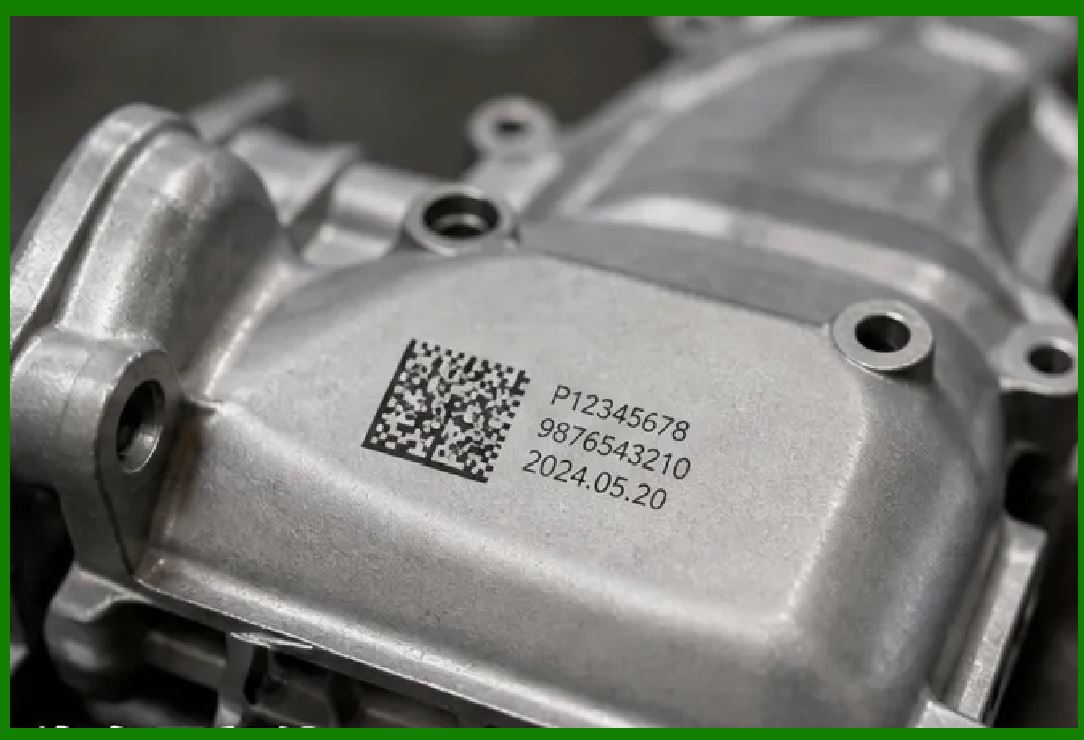
Printing a high-quality DataMatrix code on a metal pail is more complex than printing on a paper label. The surface is often curved, particularly on smaller pails, which can cause distortion of the code. Metal surfaces are also reflective, making it difficult for scanners to distinguish between the dark and light modules. Furthermore, the pails may be exposed to oil, grease, or other contaminants that can obscure the code. |
Chapter 2.1: Laser Marking |
Laser marking is a common method for applying permanent DataMatrix codes to metal surfaces. A fiber laser or CO2 laser can ablate the surface or change its color to create a high-contrast code. Laser marking is extremely durable, resistant to chemicals and abrasion, and can produce very small, high-resolution codes. The process is often integrated into the filling line to mark each pail with variable data like the batch number and date of manufacture. |
Chapter 2.2: Inkjet Printing |
High-resolution inkjet printers are used to print DataMatrix codes directly onto metal pails. The ink must be formulated to adhere to the metal and resist smudging or fading. This method is generally less expensive than laser marking and can be implemented on existing filling lines. However, inkjet codes are less durable than laser-etched codes and may be susceptible to chemical exposure. The challenge lies in maintaining consistent print quality on a curved, potentially oily surface. |

|
Chapter 3: Reading and Verification |
A DataMatrix code on a metal pail must be readable under a variety of conditions, including warehouse lighting, outdoor environments, and emergency situations. |
Chapter 3.1: Handheld Scanners |
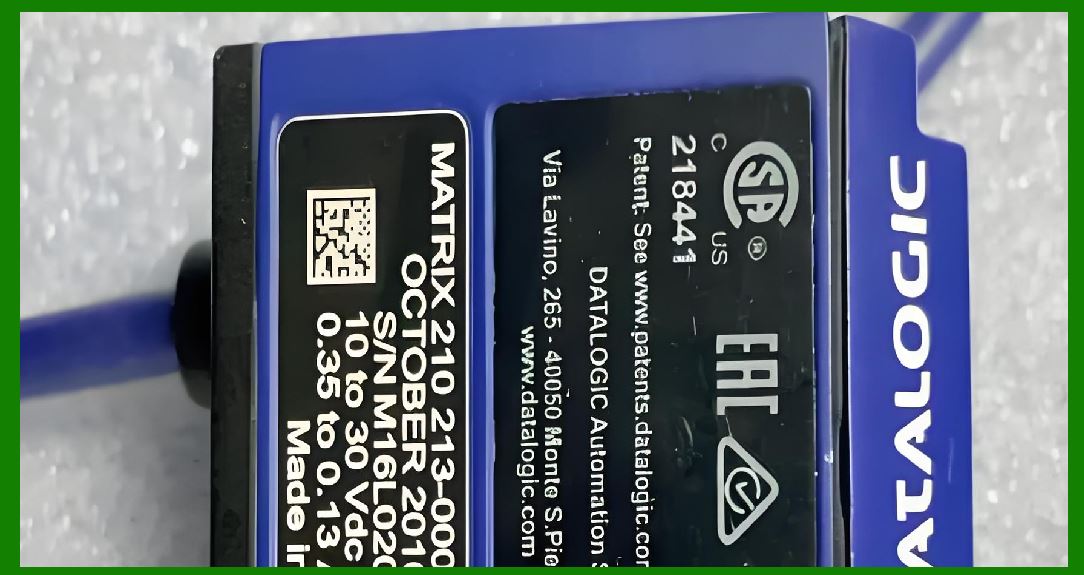
In a warehouse or manufacturing environment, workers use handheld imagers to scan DataMatrix codes on pails. These scanners are designed to read codes on curved, reflective, or low-contrast surfaces. They use advanced illumination and decoding algorithms to overcome the challenges of a metal substrate. A single scan captures the batch number, formulation ID, and product code, linking the pail to its digital record. |
Chapter 3.2: Automated Scanning |
In high-volume production and logistics, automated systems use fixed-mount scanners to read DataMatrix codes on pails as they move along conveyor belts. These systems can track the pails through the production process, verify that they have been correctly labeled, and sort them for shipping. The automated capture of batch and formulation data ensures that every pail is accounted for and that the correct information is linked to the product. |

|
Chapter 4: Applications in the Field |
Chapter 4.1: Emergency Response |
In a chemical spill or fire, first responders must quickly identify the substances involved. A DataMatrix code on a damaged or partially burnt pail can be scanned to retrieve the SDS, providing immediate information on hazards, protective measures, and first-aid procedures, even if the label is damaged. |
Chapter 4.2: Inventory Management |
DataMatrix codes allow for automated inventory management in warehouses and retail stores. Scanners can quickly identify the product, check its expiration date, and verify its batch number. This speeds up receiving, put-away, and order-picking processes. |

|
Chapter 5: The Future of Chemical Container Labeling |
As the chemical industry continues its digital transformation, the DataMatrix code on a metal pail will serve as a gateway to a comprehensive digital record. In the future, a single scan may provide not just the SDS and batch information, but also the product's full supply chain history, including the origin of its raw materials and its journey to the end user. This will enable enhanced traceability, compliance, and sustainability. |

|
Detailed Summary |
DataMatrix codes are not just a convenient way to track inventory; they are a critical component of safety and regulatory compliance for the paint and chemical industries. Their high data density, error correction, and ability to be read on challenging surfaces make them the ideal carrier for batch numbers, formulation IDs, and hazard class data. They provide a durable, permanent link between the physical product and its digital records, ensuring worker safety and supply chain integrity. |
The application to metal pails demonstrates the adaptability of the technology. Whether applied by laser or inkjet, these codes survive harsh environments and are readable by a range of devices. By choosing DataMatrix, chemical manufacturers are not just meeting regulatory requirements; they are creating a smarter, safer, and more efficient supply chain. |
 cs@easiersoft.com