DataMatrix Decoded: A Technical Deep-Dive |
Executive Summary |
In the fast-paced world of fashion and textile distribution, the journey of a garment from factory to consumer is a complex logistical puzzle. A single mis-sorted shirt or a mislabeled dress can lead to costly delays, inventory discrepancies, and frustrated customers. To streamline this process, the apparel and textile industry has increasingly turned to DataMatrix codes woven or printed onto garment tags and care labels. These compact two-dimensional symbols encode critical data such as style, size, and dye lot, acting as a digital passport for each item. |
Unlike the traditional UPC barcode, which only identifies the product class, a DataMatrix code on a garment tag enables automated sorting and tracking at an individual item or batch level. This granularity is essential for modern distribution centers, where high-speed conveyor systems rely on machine-readable codes to route thousands of garments to their correct destinations. The adoption of DataMatrix codes is being accelerated by industry-wide initiatives like GS1's Sunrise 2027, which aims to standardize 2D barcodes for use at retail point-of-sale and beyond. This article explores the technical application of DataMatrix in the textile and garment industry and the real-world uses that are making supply chains smarter and more efficient. |

|
Part One: Technical Foundations of Garment Labeling |
Chapter 1: The Limitations of Legacy Tags |
For decades, the textile industry relied on human-readable text and simple linear barcodes (Code 39 or UPC) on care labels and hang tags. While these systems provided basic identification, they are often insufficient for modern automated warehouses. A linear barcode can hold a single number---typically a SKU. It cannot easily encode variable data like a specific dye lot, a unique serial number, or an individual item's country of origin without requiring a complex database lookup. This makes it challenging to sort garments based on multiple attributes simultaneously or to verify authenticity at the unit level. |

|
Chapter 2: The DataMatrix Advantage for Apparel |
The shift to DataMatrix codes is driven by several technical strengths. First, size. A DataMatrix symbol can be printed very small, fitting seamlessly onto a narrow care label or a small hang tag without compromising readability. Second, data density. A single GS1 DataMatrix code can hold a GS1 Application Identifier (AI) and a full GTIN, batch/lot number, and serial number (creating a Serialized GTIN or SGTIN). This eliminates the need to store all product data in a central database to be looked up by a numeric code. Third, durability. DataMatrix codes can be printed using robust techniques that survive industrial washing, dry cleaning, and ironing, making them suitable for long-life garments. |

|
Chapter 3: The GS1 Framework for Textiles |
For DataMatrix to work effectively across a global supply chain, the data structure must be standardized. The GS1 System provides this common language. For the apparel sector, GS1 US has issued specific guidelines to help brands transition from 1D to 2D barcodes. This framework defines the structure of the data, ensuring that a scanner at a warehouse in California can decode a code printed in a factory in Vietnam. By encoding data like the Global Trade Item Number (GTIN) and batch/lot number, the DataMatrix is transformed from a simple label into a rich digital record that powers everything from automated sorting to product authentication. |

|
Part Two: American and Global Applications in Action |
Chapter 4: Automated Sorting in Distribution Centers |
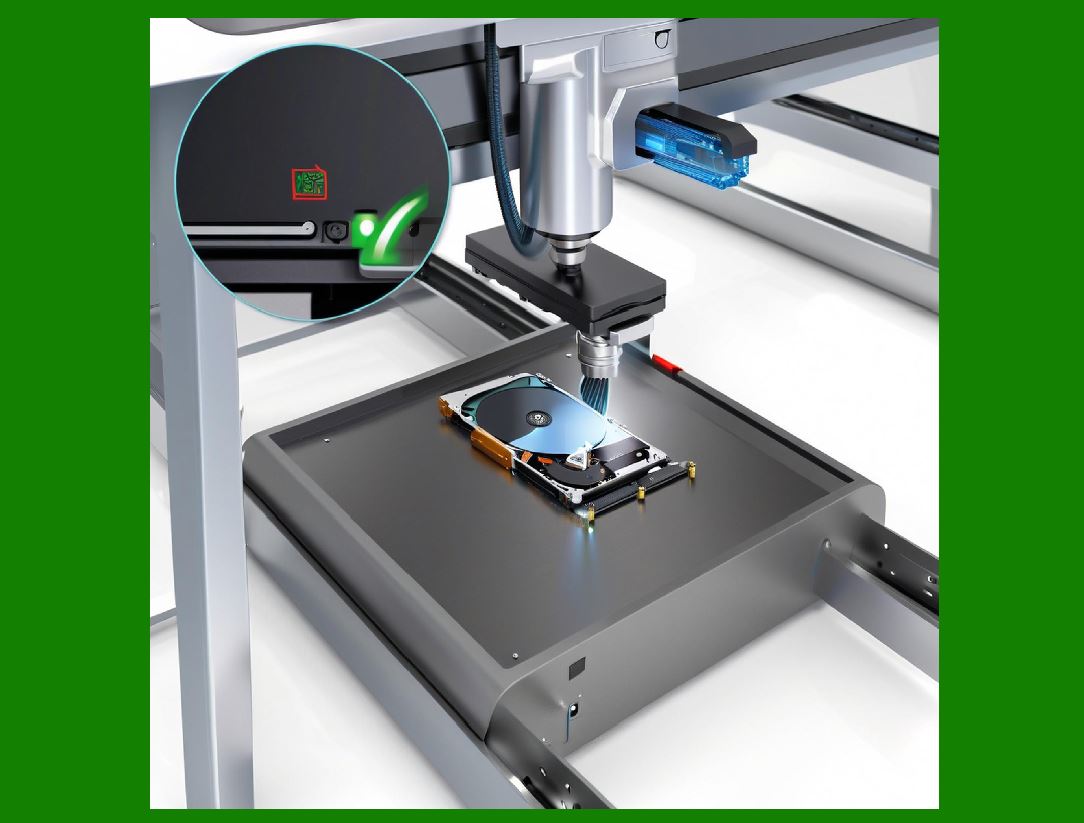
The primary driver for adopting DataMatrix on garment tags is the need for high-speed automation in distribution centers. Imagine a large apparel fulfillment center for a major American retailer. Thousands of items move along conveyor belts each hour, destined for different stores, e-commerce orders, or returns processing. Traditional scanners reading a simple UPC code can route items based only on the product class. However, a system reading a DataMatrix code with a Serialized GTIN can instantly know the exact item's identity and route it to a specific bin or packing station based on the retailer's real-time inventory requirements. This is a key component of 'reverse logistics' and 'returns management,' where the 2D barcode helps determine if a returned item is authentic and which channel it should go back to. |
|
Chapter 5: Product Authentication and Counterfeit Prevention |
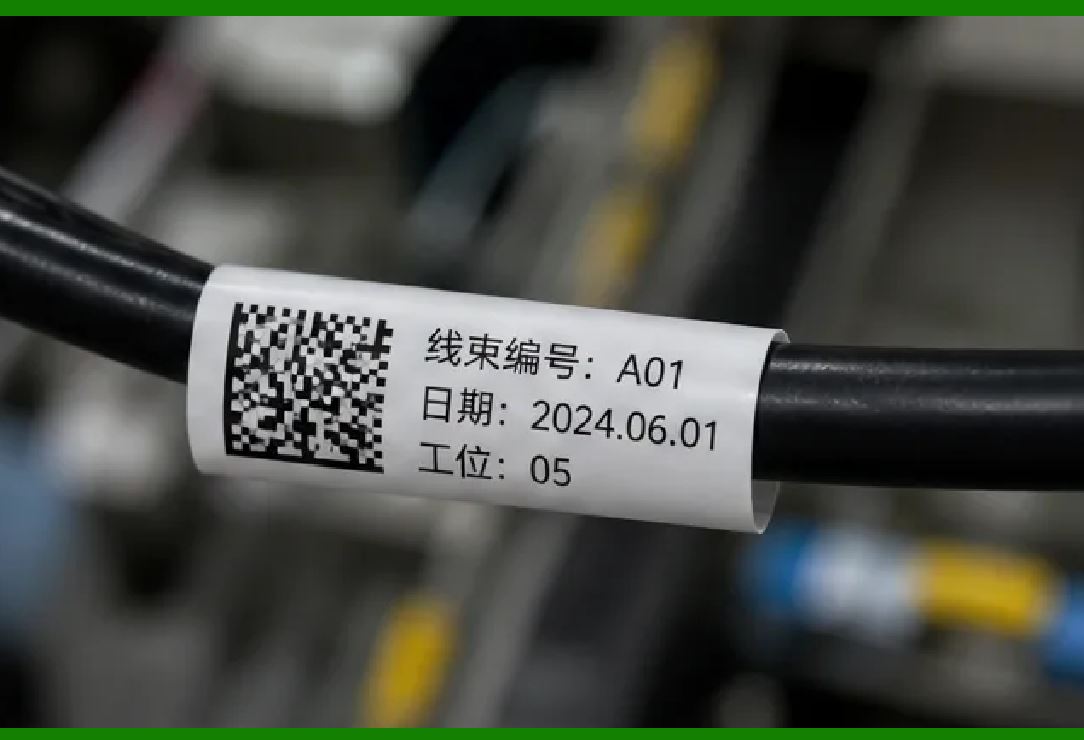
The luxury goods sector has been a pioneer in using DataMatrix for authentication. The EU's Digital Product Passport (DPP) regulation now mandates that luxury textiles and apparel have a permanently attached, machine-readable identifier to fight counterfeiting. Brands are laser-engraving DataMatrix codes directly onto metal parts like zippers or clasps, or embedding them in woven labels. This is a significant anti-counterfeiting measure, as these tiny, low-contrast codes are extremely difficult for counterfeiters to replicate accurately. For a consumer, scanning the code with a smartphone confirms they are buying an authentic product and links them directly to its Digital Product Passport, detailing the item's origin, materials, and sustainable credentials. |
|
Chapter 6: Inventory Management and Returns |
For retailers, the granular data provided by DataMatrix codes is a game-changer for inventory accuracy. Using batch/lot number AIs, they can identify and locate specific dye lots for rapid recall management, similar to how food products are tracked. For mis-mated items (like a pair of shoes that are returned as a set but are different sizes), a 2D barcode can identify when the proper pair is not returned, triggering a quality control alert. Furthermore, in reverse logistics, scanning the code can inform store associates of the disposition of a returned item---whether to return it to the vendor, put it back on the selling floor, or mark it out of stock. |

|
Chapter 7: Industrial Laundry and Textile Rental |
Beyond retail, DataMatrix codes are making a significant impact in the industrial laundry and textile rental sector. Here, the ability of a tag to survive hundreds of wash cycles is paramount. Companies like Rosa TOIFL & CO have successfully used durable DataMatrix codes to track reusable surgical textiles and workwear. This allows them to monitor the complete history of a textile item, ensuring quality control and efficient logistics. While the industry is moving toward integrated RFID tags for even greater speed, printed DataMatrix codes provide a reliable, cost-effective hybrid solution that can still be processed individually when needed. |
|
Detailed Summary |
DataMatrix codes are rapidly becoming the new standard for automated sorting and traceability in the textile and garment industry. Their ability to store structured data---including style, size, and dye lot---makes them far more powerful than legacy linear barcodes. This precision enables high-speed automation in distribution centers, allowing for error-proof routing and advanced inventory management. The adoption is being propelled by major regulatory shifts, such as the EU's Digital Product Passport, and industry-led initiatives like GS1 US's Sunrise 2027, which is preparing the apparel sector for a future where 2D barcodes are read at the point of sale. |
From the factory floor to the consumer's closet, the DataMatrix code acts as a silent digital companion to the garment. It authenticates luxury goods, provides crucial data for returns management, and ensures that sustainable sourcing claims are verifiable. For industrial laundry services, it ensures that critical textiles like surgical gowns are tracked through a rigorous sterilization process. As technology evolves and consumer expectations for transparency grow, the DataMatrix code will remain a cornerstone of the smart, connected supply chain. |
 cs@easiersoft.com