DataMatrix Decoded: A Technical Deep-Dive |
Executive Summary |
In fiber optic networks, the quality of a connection depends on the precise physical characteristics of each connector. A single connector with excessive insertion loss or incorrect polarity can degrade an entire high-speed data link. For years, documenting these critical parameters meant reams of paper printouts and manual data entry---a process that was not only tedious but error-prone. |
DataMatrix codes have emerged as a transformative solution for fiber optic connector traceability. These tiny two-dimensional symbols, marked on the ferrule end or the connector housing, encode a link to a comprehensive digital record of each connector's measured performance. When scanned with a smartphone or specialized microscope, the code instantly retrieves insertion loss, return loss, and other critical measurement data from a cloud database. |
This application of DataMatrix technology offers several advantages. It eliminates manual data entry, dramatically reducing the time required for network documentation . It creates a digital 'personality profile' for each connector, enabling precise tracking of individual components . And it ensures that installers can access current specifications and installation instructions on-site, improving the quality and consistency of fiber optic installations . |
This article explores the technical foundations of DataMatrix marking on fiber optic connectors, the cloud-based systems that make these codes useful, and the real-world applications that demonstrate how this technology is transforming network installation and documentation. |

|
Part One: Technical Foundations of Connector Traceability |
Chapter 1: The Importance of Connector Documentation |
A fiber optic link is only as good as its connectors. Each connector has unique performance characteristics that must be documented for quality assurance and network maintenance . Every time a connector is installed in a network cabinet, its insertion loss, return loss, and other physical properties must be recorded. If a link fails, network operators need to know which connector is at fault and what its expected performance should be. |
The traditional method of documenting connectors relies on paper. Technicians measure each connector, print the results on a protocol sheet, and file it away . This process is time-consuming and error-prone. A single network cabinet can contain dozens of connectors, each requiring its own page of documentation . For large data centers with thousands of connections, the paper burden becomes overwhelming. |

|
Chapter 2: The DataMatrix Solution |
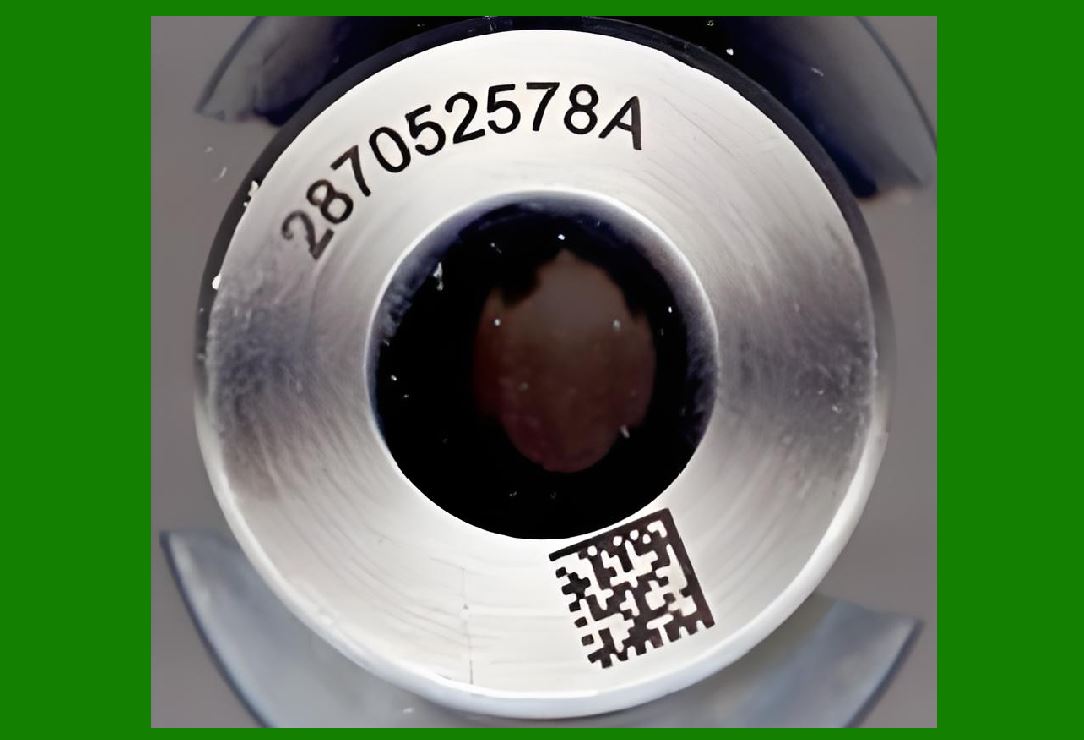
DataMatrix codes provide a simple, elegant solution to the documentation challenge. Each connector---whether it's a patch cord, an adapter, or a splice---receives a unique DataMatrix code . This code is typically marked on the connector housing or printed on a small label attached to the cord. |
The code does not store the measurement data itself. Instead, it contains a unique identifier, often a serial number, that serves as a key to a cloud-based database . When scanned, the code triggers a query to the database, which returns the connector's complete measurement history . |

|
Chapter 3: Creating the Digital 'Personality Profile' |
The term 'personality profile' refers to the complete set of a connector's measured values: its insertion loss at different wavelengths, its return loss, its end-face geometry, and other relevant parameters . This profile is created during the manufacturing or quality assurance process. Each connector is tested, the results are recorded in the database, and the unique DataMatrix code is linked to that record . |
The profile is stored in a standardized format, making it easy to share, analyze, and archive . This standardization ensures that the data can be read by any compliant system, regardless of the equipment manufacturer. |

|
Chapter 4: Cloud-Based Data Access |
The DataMatrix code on a connector typically encodes a URL or other identifier that points to a cloud-based measurement database . When a technician scans the code, their smartphone or specialized reader connects to the database and retrieves the relevant data . |
Cloud-based access offers several advantages. It eliminates the need for paper records, reduces the risk of data loss, and enables real-time access to the most current information . It also allows for the inclusion of additional data, such as installation instructions, warranty information, and maintenance logs . |

|
Chapter 5: The Measurement Data on Demand Model |
R&M's Measurement Data on Demand service exemplifies the modern approach to connector documentation . The service allows installers to use a smartphone app to scan a DataMatrix code on a connector, instantly retrieving its measured values from the cloud . These values can then be processed digitally and copied into the project documentation . |
The service reduces documentation time by up to 80% while increasing the quality and consistency of the records . By eliminating manual data entry, it also reduces the risk of transcription errors. The digital documentation becomes the basis for long-term warranties and maintenance agreements. |

|
Chapter 6: Supporting Standards and Certifications |
For DataMatrix codes to be useful across different manufacturers and systems, standards are essential. R&M has been developing a comprehensive digitalization model that encompasses all aspects of cabling and network technology, from project planning and logistics to quality assurance . This includes support for building information modeling (BIM), where planners can incorporate 3D data into their designs. |
The use of standardized DataMatrix codes ensures that connectors from different manufacturers can be read by the same scanning equipment. This interoperability is essential for large-scale network projects that involve multiple suppliers. |

|
Part Two: American and Global Applications in Action |
Chapter 7: R&M and the Measurement Data on Demand Service |
R&M, a Swiss-based network infrastructure company, has been a leader in digitizing connector product data . The company's Measurement Data on Demand service is deployed in projects across Europe and is being adopted globally, including in the United States. |
The service addresses a persistent problem in the network cabling industry: the mountain of paper documentation that accompanies every installation. Measurement protocols with transmission and attenuation values are printed and filed to document a cabling project . R&M's solution eliminates this paper burden entirely. |
The implementation is straightforward. Each connector produced by R&M carries a DataMatrix code . During installation, technicians use a smartphone app to scan the code. The app retrieves the connector's measured values from R&M's cloud database . The values are then processed digitally and incorporated into the project documentation. |
The system also allows installers to access installation instructions locally, ensuring that they are properly installed on the building site . Future enhancements may include access to fiber optic measurement data on interferometry and fiber end-face quality. |
|
Chapter 8: Building Information Modeling (BIM) Integration |
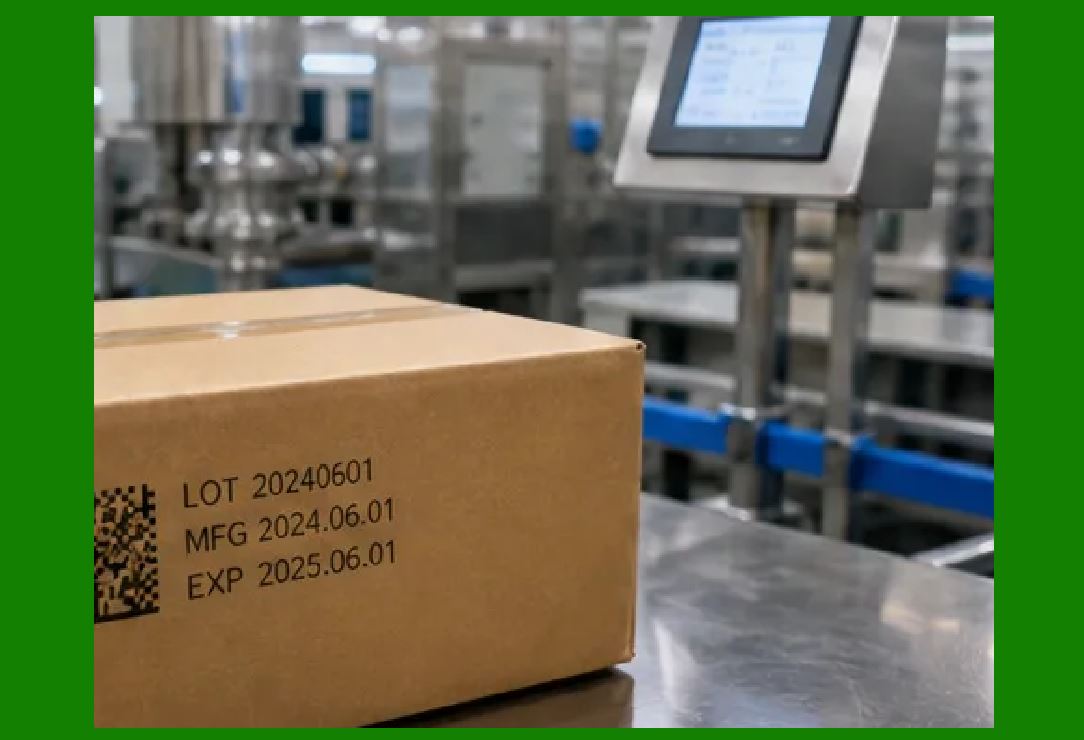
The digitization of connector data supports integration with Building Information Modeling (BIM), a digital representation of the physical and functional characteristics of a facility . In the BIM framework, planners will be able to adopt construction plans and 3D data and integrate them into the design . This means that connector specifications and performance data can be incorporated directly into the building's digital model, creating a single source of truth for the entire network infrastructure. |
|
Chapter 9: Reducing Documentation Time and Errors |
The primary benefit of DataMatrix-based connector documentation is the dramatic reduction in documentation time . R&M estimates that the time required to document a network cabinet is reduced by up to 80% . The quality of documentation also improves, as the digital records are more consistent and less prone to error than manually transcribed paper records. |
For data center operators, this efficiency gain translates to lower installation costs and faster time-to-market for new services. For network maintenance teams, it means quicker troubleshooting and more accurate record-keeping. |

|
Chapter 10: Supporting Long-Term Warranties |
The digital documentation created by the Measurement Data on Demand service provides the foundation for long-term warranties . When a network is properly documented, the manufacturer can vouch for the quality of the installation. If a problem arises, the digital records provide a clear audit trail, making it easier to determine whether the issue is due to a manufacturing defect or an installation error. |

|
Chapter 11: Broadening the Scope of Traceability |
The DataMatrix approach to connector documentation is not limited to patch cords and connectors. R&M plans to include products such as patch panels, racks, and multi-fiber cables in the program . This expansion will create a comprehensive traceability system that covers every component in the network infrastructure. |
Installers will be able to scan a DataMatrix code on a patch panel to access its specifications, installation instructions, and warranty information. They will be able to scan a code on a rack to see its load capacity and cooling requirements. This unified approach to product data will streamline the entire installation and maintenance process. |

|
Chapter 12: Future Enhancements |
The capabilities of DataMatrix-based connector documentation are likely to expand in the future. R&M plans to incorporate measurement data on interferometry and the quality of fiber end faces . This will enable installers to verify not just the connector's performance but also the physical condition of the fiber itself. |
The system could also be extended to support remote diagnostics and predictive maintenance. By continuously monitoring the performance of connectors in the network, it might be possible to predict failures before they occur, enabling proactive maintenance and reducing downtime. |

|
Detailed Summary |
DataMatrix codes have become an essential tool for fiber optic connector documentation, enabling installers, network operators, and project managers to digitize and automate the recording of critical measurement data. The DataMatrix code on each connector encodes a unique identifier that points to a cloud-based database containing the connector's complete 'personality profile'---its insertion loss, return loss, and other performance characteristics. |
This approach offers several key advantages. It eliminates the need for paper-based measurement protocols, saving time and reducing errors. It creates a digital record that can be searched, analyzed, and shared across the organization. And it provides a foundation for long-term warranties and maintenance agreements. |
Real-world implementations, such as R&M's Measurement Data on Demand service, demonstrate the power of this technology. Installers use a smartphone app to scan the DataMatrix code on a connector, instantly retrieving its measured values from the cloud. Documentation time can be reduced by up to 80%, while the quality of documentation improves dramatically. |
The technology is being extended to cover other network components, including patch panels, racks, and multi-fiber cables. This comprehensive approach to digitization supports Building Information Modeling (BIM) and other advanced project management frameworks. |

|
From the manufacturing line to the data center floor, DataMatrix codes on fiber optic connectors provide a digital thread that links each physical component to its complete performance history. This tiny pattern of dots enables the transparency, accountability, and efficiency that modern high-speed networks depend on. |
 cs@easiersoft.com