DataMatrix Decoded: A Technical Deep-Dive |
Executive Summary |
In the construction industry, the integrity of a building depends on the quality of its structural steel. Every beam, column, and plate must meet exacting specifications for yield strength, chemical composition, and mill certification. When a structural engineer arrives on-site to verify these properties, they need more than a faded paint mark or a hard-to-read stamp---they need a permanent, machine-readable record that can be instantly verified. |
DataMatrix codes applied via handheld dot-peen markers have emerged as the standard solution for on-site steel verification. These compact two-dimensional codes are permanently indented into the steel surface, deep enough to survive sandblasting, painting, galvanization, and decades of exposure to the elements . When a structural engineer scans the code with a smartphone or portable reader, they instantly retrieve the beam's mill certification, yield strength, heat number, and other critical data from a cloud database. |
The application of DataMatrix to construction steel presents unique technical challenges. Steel surfaces are often rough, curved, or coated, and the marks must survive harsh environmental conditions. Dot-peen marking, which uses a pneumatic or electromagnetic stylus to indent the metal, is the preferred technology because it creates deep, durable marks that remain readable even after heavy protective coatings are applied . The handheld nature of these markers allows workers to bring the marking tool directly to large, immovable structural components---eliminating the need to move heavy steel beams to a stationary marking station . |
This article explores the technical foundations of DataMatrix marking on construction steel, the handheld technologies that make it possible, and the real-world applications that demonstrate how this tiny code is transforming structural verification and construction quality assurance. |

|
Part One: Technical Foundations of Steel Traceability |
Chapter 1: Why Steel Needs Permanent Traceability |
Structural steel is the backbone of modern construction. From skyscrapers to bridges, stadiums to industrial facilities, steel provides the strength and durability that modern infrastructure demands. But steel is not a uniform material. Each beam, column, and plate comes from a specific mill, a specific cast, and a specific heat treatment batch. These properties---yield strength, tensile strength, chemical composition, and ductility---are documented in mill test reports and material test certificates. |
During erection, a clear and simple marking system for fabricated components is vital to ensure that all components are correctly located and orientated within the structure . If a beam is misidentified or installed in the wrong location, the consequences can be catastrophic. Structural engineers must be able to verify the properties of every piece of steel on-site, and this verification must be documented for regulatory compliance. |
Traditional methods of steel identification have significant limitations. Paint markings are temporary and can fade or be obscured. Human-readable stamps can be difficult to read, especially after protective coatings are applied. Paper documentation is cumbersome and prone to errors. DataMatrix codes provide a permanent, machine-readable solution that can be verified instantly. |

|
Chapter 2: The DataMatrix Solution |
DataMatrix codes offer several advantages for construction steel applications. They can store a substantial amount of data in a very small area---typically 5 to 10 millimeters square---encoding the beam's unique identifier, heat number, grade, and mill certification data . The Reed-Solomon error correction built into the code allows it to be read even if up to 30% of the mark is damaged, which is essential for steel that will be subjected to sandblasting, painting, and exposure to the elements. |
When correctly configured, DataMatrix codes on steel remain scannable after painting or galvanization, with cell modules generally 0.25 millimeters or larger to support reliable automated reading . On steel, performance levels are consistently high: thousands of parts can be marked with read rates exceeding 99% . |
The code itself serves as a key to a comprehensive digital record. When a structural engineer scans the DataMatrix code on a steel beam, the system retrieves the beam's complete manufacturing history: the mill where it was produced, the heat number, the yield strength, the tensile strength, the chemical composition, and the results of any quality control tests. This information can be displayed on a smartphone or tablet, allowing the engineer to verify the beam's properties in seconds. |

|
Chapter 3: Dot-Peen Marking - The Technology of Choice |
Dot-peen marking is the preferred technology for applying DataMatrix codes to structural steel. This process uses a pneumatically or electromagnetically driven stylus to create a series of tiny indentations on the surface of the steel . The indentations form the dark modules of the DataMatrix code, while the unmarked steel surface forms the light modules. |
Dot-peen marking offers several advantages for construction steel applications: |
Depth and Durability: Dot-peen marks can be applied to depths of 0.05 to 0.6 millimeters, ensuring they remain readable even after sandblasting, galvanization, and the application of thick protective coatings . The deep physical craters in the steel ensure the ID stays highly tactile and readable through the thickest coatings . |
Material Compatibility: Dot-peen marking works on a wide range of materials, from soft aluminum to mild steel, stainless steel, and hardened alloys . The marking force can be adjusted to suit the specific material and required marking depth. |
Permanence: Unlike painted or printed marks that can fade or be removed, dot-peen marks are permanent. They are resistant to abrasion, corrosion, and environmental exposure. |
Portability: Handheld dot-peen markers allow workers to bring the marking tool directly to the steel component, eliminating the need to move heavy beams to a stationary marking station . |

|
Chapter 4: Portable Marking Systems |
The development of portable dot-peen marking systems has been a key enabler of DataMatrix adoption in construction. Traditional stationary marking machines require the steel beam to be brought to the marking station, which is inefficient and creates safety hazards. Portable markers eliminate this bottleneck. |
The MNSB 53, for example, is a highly portable, industrial-grade dot-peen marker that allows workers to deep-engrave serial numbers, heat codes, and ISO compliance data right on the sawhorses or out in the staging yard . The system comes in a rugged, portable chassis with Wi-Fi connectivity, enabling it to sync directly with the shop's network. Workers can pull exact work order details straight onto the screen without the need for paper documents. |
The FlyMarker mini is another example of a portable dot-peen marking system. This battery-operated handheld marker weighs only 2.7 kilograms and offers a marking area of 65 by 30 millimeters . The integrated keyboard allows operators to program marking files directly, and the system can mark DataMatrix codes, alphanumeric text, and logos on a wide range of materials . |
The MNSBTC-103 is a portable cordless dot-peen marking machine with a 7-inch touch screen that can mark all types of material, from plastic to hardened steel . It uses standard Makita batteries, providing up to 4 hours of continuous use, and supports DataMatrix code marking, QR code marking, and serial incremental counters . |

|
Chapter 5: Marking Depth and Coating Considerations |
One of the critical considerations for steel marking is the depth of the indentations. Modern protective coatings for bridge steelwork and structural steel can be thick---often 300 microns or more . If the marking is not deep enough, the coating will fill the indentations and obscure the code. |
The normal method of marking by fabricators in bridge construction has been hard stamping with standard or low-stress stamps . However, manual hard stamping typically produces indentations of 300 to 500 microns, which can be substantially obscured by modern thick coatings. Automated markings tend to be deeper---at least 50% deeper than manual markings---and are less likely to be obscured . |
Dot-peen marking, particularly with high-force systems, can achieve depths of 0.3 to 0.6 millimeters or more, ensuring that the marks remain readable even after the application of thick coatings . The use of V-shaped front plates on dot-peen markers allows the tool to sit flush against curved surfaces, maintaining consistent marking depth . |

|
Chapter 6: Reading DataMatrix Codes on Steel |
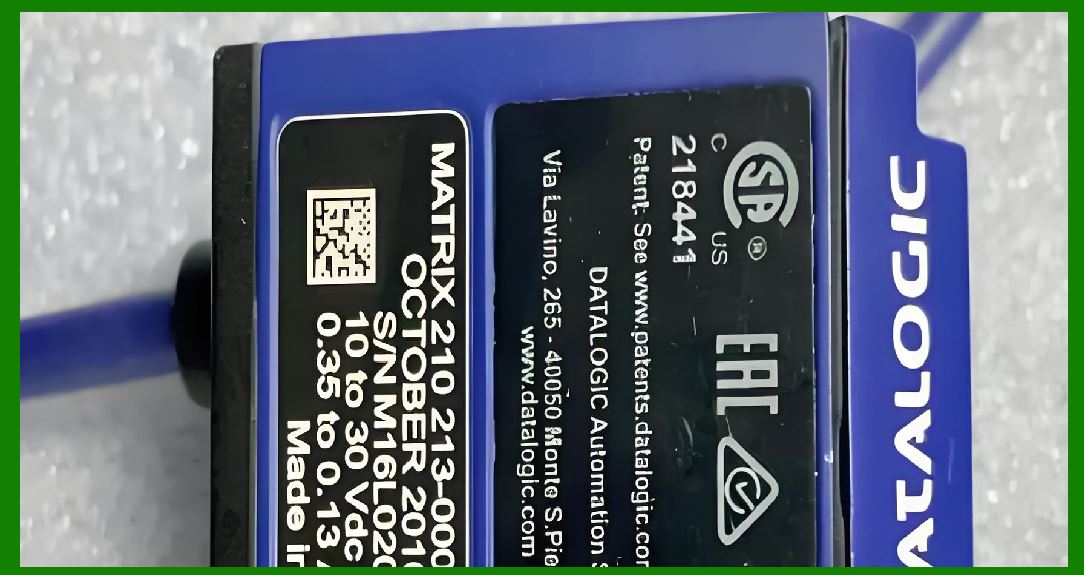
Reading DataMatrix codes on steel presents its own set of challenges. Steel surfaces are often rough, curved, or coated, and the contrast between the indentations and the background can be low. However, modern code readers with powerful decoding algorithms can reliably read codes on challenging surfaces. |
For on-site verification, structural engineers typically use smartphones or specialized handheld readers. The integrated camera captures an image of the DataMatrix code, and the decoding software processes the image to extract the data. The system can then query a cloud database to retrieve the beam's complete manufacturing history. |
The use of DataMatrix codes also supports integration with Building Information Modeling (BIM). By scanning the code on a steel beam, an engineer can instantly access the beam's digital twin---a comprehensive model that includes its specifications, installation location, and maintenance history. This integration reduces errors and improves the quality and consistency of construction documentation. |
|
Chapter 7: Industry Standards and Specifications |
Several industry standards govern the marking of structural steel. For bridge construction, the Steel Construction Institute's guidance notes that hard stamping is the normal method of marking, with dot-matrix stamps used by some plate suppliers . For defense and aerospace applications, MIL-STD-130 mandates that items be permanently marked with a two-dimensional DataMatrix barcode that meets stringent quality and durability requirements. |
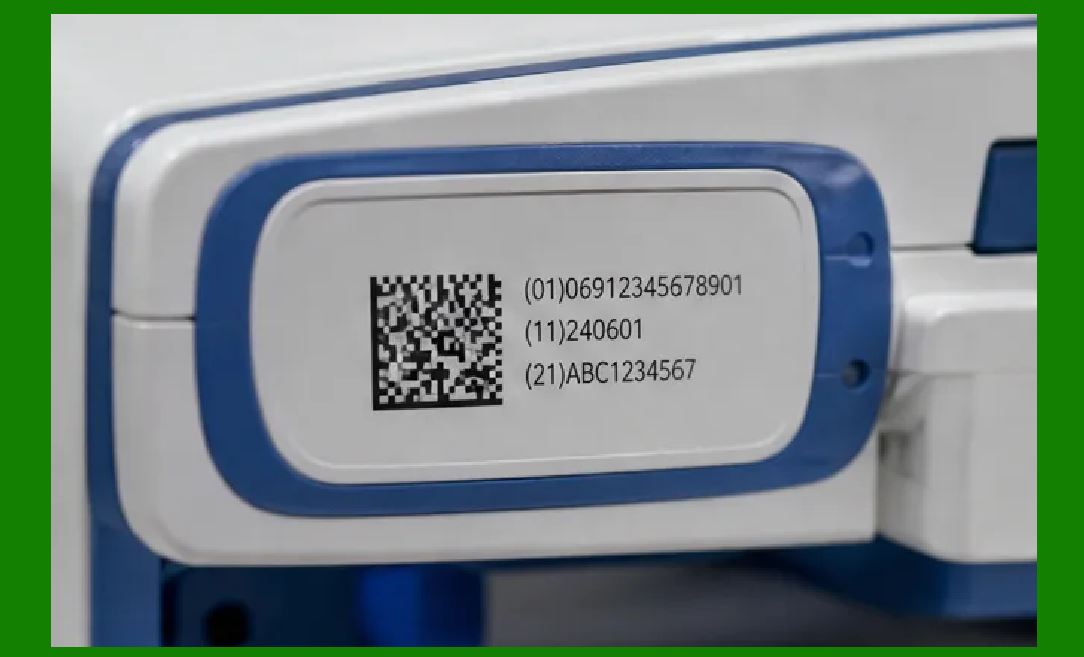
GS1 standards are also relevant for steel supply chain traceability. The GS1 standard defines a common data structure for DataMatrix encoding, ensuring that codes from different suppliers can be read by the same scanning systems. This interoperability is essential for large-scale construction projects that involve multiple steel fabricators and suppliers. |
|
Part Two: American Applications in Action |
Chapter 8: USCG ARSC Onsite Steel Marking |
One of the most compelling examples of DataMatrix marking on structural components is the U.S. Coast Guard's Aviation Readiness and Support Center (ARSC) project. Monode, a leading provider of marking systems, was tasked with marking 500 flight-critical parts for the USCG, including structural and mechanical components . |
The challenge was significant: parts needed to be marked on-site, including installed components, painted fuselage, structural components, and removed parts. The solution involved several innovations: |
- The world's first handheld laser marker was created and used for the project |
- All parts were marked successfully with 2D DataMatrix ECC 200 codes |
- A mark enhancement kit and methodology was invented for 2D marks |
- The first mobile marking platform using the same software to run multiple technologies was deployed |
This project was used as a case study to lay the foundation of the IUID (Item Unique Identification) program for the Department of Defense . It demonstrated that DataMatrix marking could be performed reliably in the field on installed components, not just in a factory setting. |

|
Chapter 9: Handheld Dot-Peen Marking on Construction Sites |
The construction industry has been a major adopter of handheld dot-peen marking for structural steel traceability. The MNSB 53, for example, is used in fabrication shops and construction sites to mark beams, pipes, and other structural components . The marker allows workers to bring the marking tool directly to the asset---no need to move heavy steel around the shop floor. |
The system uses a high-frequency carbide stylus to physically displace the metal, creating a deep, permanent mark that survives sandblasting, galvanizing, and thick industrial epoxy coatings . Integrated Wi-Fi allows the marker to sync directly with the shop's network, pulling exact work order details without manual data entry. This eliminates misread handwriting and transposed numbers. |
The ergonomic design of portable dot-peen markers also addresses operator fatigue. Workers no longer need to hold a heavy, vibrating marking head against a steel pipe manually for an entire shift. With magnetic clamping bases, the operator hits a button, the magnet locks onto the steel, and the machine does the work hands-free . |

|
Chapter 10: Structural Steel Marking in Bridge Construction |
Bridge construction demands robust traceability for structural steel components. As the Steel Construction Institute's guidance notes, components and sub-assemblies in steel bridges receive protective treatment, and the various coatings tend to fill hard stamp indentations . This is more of a problem with modern thicker epoxy coatings than with previously used high-solvent coatings. |
The effective way around this potential problem is to either use deeper marking methods (such as high-force dot-peen marking) or to mask the hard stamp area after priming . In the majority of cases, the extra paint work on-site to reinstate these areas after erection is minimal. |
Automatic stamping equipment, including dot-peen marking systems, is gradually replacing manual hard stamping in bridge fabrication. These systems achieve greater marking depth and consistency, ensuring that DataMatrix codes remain readable even after the application of multiple protective coatings. |

|
Chapter 11: Traceability in Rail and Infrastructure |
The railway industry, with its heavy steel components exposed to vibration, weather, and abrasion, has also adopted DataMatrix traceability. Dot-peen marking is the go-to traceability system when maximum resistance and longevity are required . |
As Gravotech notes, dot-peen and scribing equipment create deep, direct markings that remain readable even after decades of exposure to vibration, friction, rust, and tough environments . This makes them ideal for marking structural components such as axles, suspension parts, and undercarriage elements that endure continuous mechanical stress. |
The GS1 Rail standard, ratified in 2018, provides a structured framework for component identification in the rail sector. DataMatrix codes support all identification levels defined by GS1 Rail, including class-level (GTIN), lot-level (GTIN + lot ID), and serial-level (GTIN + serial ID or GIAI) . |

|
Chapter 12: Steel Pipeline and Valve Marking |
Handheld dot-peen marking is also used for steel pipeline and valve traceability. The ability to mark directly on as-cast or unfinished surfaces, maintaining legibility despite contamination, deposits, and abrasion, is essential for pipeline infrastructure . |
Portable dot-peen markers allow workers to mark large-diameter steel pipe directly in the field or in the fabrication shop, without the need to move the pipe to a stationary marking station. The deep indentations survive sandblasting, painting, and thermal cycling, ensuring that the DataMatrix codes remain readable throughout the pipe's service life. |

|
Chapter 13: Integration with Digital Twins and BIM |
The adoption of DataMatrix codes on construction steel is part of a broader digital transformation in the construction industry. By linking each steel component to a digital record, DataMatrix codes enable the creation of 'digital twins'---comprehensive digital models of physical structures. |
When a structural engineer scans the DataMatrix code on a steel beam, they are not just accessing a mill certificate. They are accessing the beam's complete digital history: its origin, its journey through the supply chain, its installation location, and its maintenance records. This digital thread provides unprecedented transparency and accountability, supporting quality assurance, regulatory compliance, and lifecycle management. |

|
Chapter 14: The Future of Construction Steel Traceability |
The adoption of DataMatrix codes on construction steel is accelerating as the technology becomes more accessible and the benefits become more widely recognized. Handheld dot-peen markers are becoming more portable, more affordable, and easier to use. Cloud-based databases are making it easier to store and retrieve steel certification data. And the integration of DataMatrix codes with BIM is creating a seamless digital thread from the steel mill to the construction site and beyond. |
For structural engineers, the DataMatrix code on a steel beam is more than just a barcode. It is a digital birth certificate---a permanent, verifiable record of the beam's identity and properties. It ensures that the steel in the building is what it claims to be, that it meets the required specifications, and that it can be traced throughout its lifecycle. |
From the fabrication shop to the construction site, DataMatrix codes on structural steel provide the digital thread that connects a physical component to its complete history. This tiny pattern of dots enables the transparency, accountability, and safety that modern construction depends on. |

|
Detailed Summary |
DataMatrix codes have become an essential technology for traceability in construction steel, enabling structural engineers and fabricators to verify the properties of steel components on-site. The DataMatrix symbology, with its high data density and robust Reed-Solomon error correction, is ideal for the demanding conditions of steel fabrication, construction, and long-term service. |
The technical implementation relies on dot-peen marking as the preferred technology for applying DataMatrix codes to steel. Dot-peen markers, using a pneumatic or electromagnetic stylus, create deep indentations in the steel surface that remain readable even after sandblasting, galvanization, and the application of thick protective coatings . The development of portable, battery-operated dot-peen markers has been a key enabler, allowing workers to bring the marking tool directly to large, immovable steel components . |
Handheld systems like the FlyMarker mini, MNSB 53, and MNSBTC-103 provide on-site marking capability with integrated software, Wi-Fi connectivity, and ergonomic design. These systems mark DataMatrix codes, alphanumeric text, and logos on a wide range of materials, from soft aluminum to hardened steel . |
Real-world applications demonstrate the technology's impact. The U.S. Coast Guard ARSC project marked 500 flight-critical structural components using the world's first handheld laser marker, laying the foundation for the DoD's IUID program . In bridge construction, deep marking is essential to ensure readability after modern thick coatings are applied . The railway industry uses dot-peen marking for components exposed to vibration, weather, and abrasion, supporting GS1 Rail standards . |

|
From the steel mill to the construction site, DataMatrix codes on structural steel provide the digital thread that connects a physical component to its complete history. This tiny pattern of dots enables the transparency, accountability, and safety that modern construction depends on. |
 cs@easiersoft.com