DataMatrix Decoded: A Technical Deep-Dive |
Executive Summary |
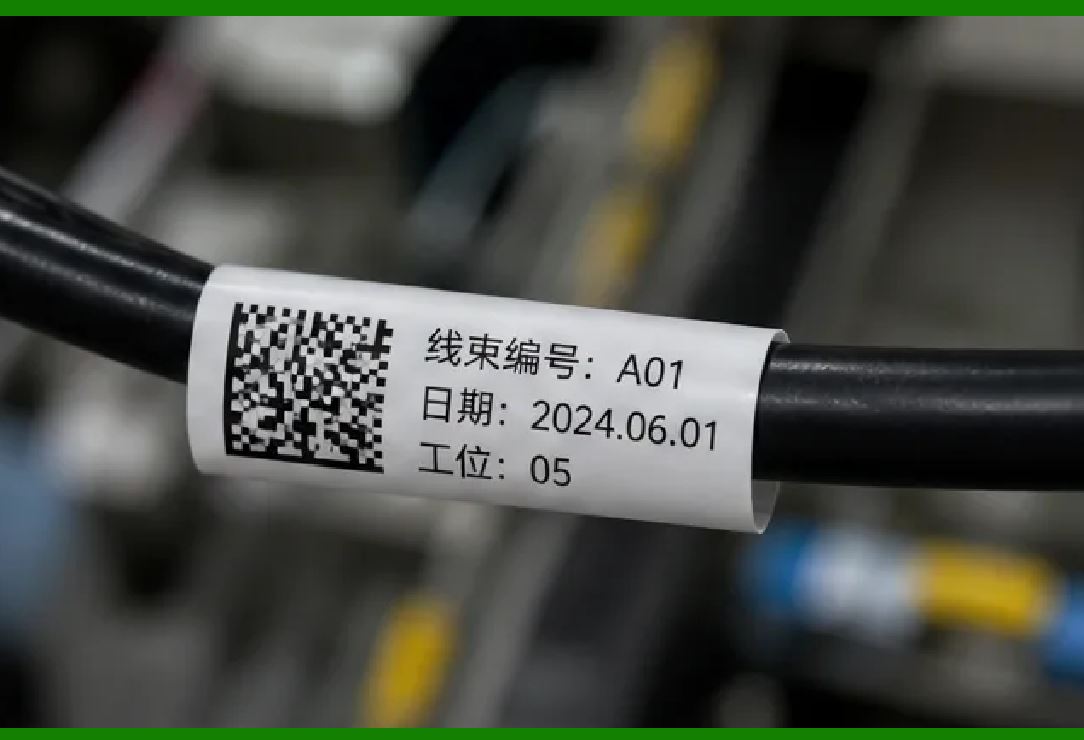
A single DataMatrix symbol, at its maximum size of 144 by 144 modules, can hold up to 3,116 numeric characters, 2,335 alphanumeric characters, or 1,556 bytes of binary data. This remarkable capacity, achieved in a code that can be as small as a postage stamp, is what makes DataMatrix indispensable across American industry. The capacity scales with symbol size, allowing the same technology to encode everything from a simple serial number on a tiny semiconductor die to comprehensive product information on a pharmaceutical shipping case. In the United States, this data capacity enables the Drug Supply Chain Security Act's requirement for serialized pharmaceutical codes that include National Drug Code, lot number, and expiration date. It allows the Department of Defense to encode equipment identifiers with supply chain provenance. It enables the aerospace industry to store manufacturing histories on critical components. This article explores the technical foundations of DataMatrix data capacity, the encoding schemes that optimize space, and the wide range of American applications that rely on this capacity. |
|
Part One: Technical Foundations of Data Capacity |
Chapter 1: What is Data Capacity |
Data capacity refers to the maximum amount of information a DataMatrix symbol can store. Unlike traditional linear barcodes, which can only hold a few dozen characters, DataMatrix is a two-dimensional matrix that stores data in both directions. This two-dimensional structure dramatically increases capacity relative to physical size. The capacity is defined in codewords---units of data that the error correction algorithm processes. Depending on the encoding scheme used, each codeword can represent different amounts of data, which is why the same symbol size has different capacities for numeric, alphanumeric, and binary data. |
Chapter 2: The Maximum Symbol Size |
The largest DataMatrix symbol size is 144 modules by 144 modules. This is defined in ISO/IEC 16022 as the maximum square format. At this size, the symbol contains 20,736 individual black or white modules. Not all of these modules store data; some are dedicated to the finder pattern, alignment patterns, and error correction. The remaining modules are data modules that actually encode the information. The 144 by 144 size is used for large shipping labels, packaging, and applications where space is not constrained. |
Chapter 3: Numeric Capacity |
The maximum numeric capacity of DataMatrix is 3,116 characters. This is achieved when the encoding scheme is optimized for numeric data, which uses the most compact representation. Numeric data is encoded using a base 10 compression method that packs three digits into ten bits. This is the most efficient encoding because numbers have the smallest character set (ten symbols: 0-9). Applications that need to encode long numeric strings, such as serial numbers, dates, or identification numbers, benefit from this high capacity. |

|
Chapter 4: Alphanumeric Capacity |
The maximum alphanumeric capacity is 2,335 characters. This includes uppercase letters (A-Z), digits (0-9), and some punctuation. Alphanumeric encoding uses a base 45 compression method, which is less compact than numeric encoding because the character set is larger. However, it is still efficient for text data. Many DataMatrix applications encode alphanumeric product identifiers, batch codes, and lot numbers, making this capacity important for a wide range of industries. |
Chapter 5: Binary Data Capacity |
The maximum binary data capacity is 1,556 bytes. Binary data includes any 8-bit values, including non-text data such as images, encrypted information, or compressed files. Binary encoding is the least efficient because it cannot use compression methods that rely on limited character sets. However, it is essential for applications that need to store raw binary data, such as cryptographic signatures, machine instructions, or sensor readings. The ability to store 1,556 bytes of binary data makes DataMatrix suitable for a wide range of advanced applications. |
Chapter 6: How Encoding Schemes Affect Capacity |
DataMatrix supports multiple encoding schemes, each optimized for different data types. ASCII encoding is used for general text and is reasonably efficient for printable characters. C40 encoding is optimized for uppercase alphanumeric data and uses a compact representation that saves space compared to ASCII. X12 encoding is optimized for the American National Standards Institute's ASC X12 data interchange format. EDIFACT encoding is similarly optimized for that international electronic data interchange format. Base256 encoding is used for binary data and is the least efficient but most flexible. |

|
Chapter 7: The Reed-Solomon Overhead |
Not all codewords in a DataMatrix symbol store data. A significant portion is dedicated to error correction. The amount of error correction overhead varies with symbol size. For the maximum 144 by 144 symbol, the overhead is approximately 28% of the total codewords. This means that about 72% of the codewords store actual data, and 28% are redundant codewords used to detect and correct errors. This overhead is what enables the 30% damage recovery capability described in the previous chapter. |
Chapter 8: Symbol Size Scaling |
Data capacity scales with symbol size. The smallest square format (10 by 10 modules) can store only a few characters---typically just a serial number or small identifier. As the symbol size grows, the capacity increases non-linearly because the number of data modules grows as the square of the module count. A 20 by 20 symbol holds significantly more than four times the data of a 10 by 10 symbol, because the error correction overhead also scales. This non-linear growth allows designers to choose the smallest symbol that meets their data needs. |
Chapter 9: Rectangular Format Capacities |
Rectangular formats have different capacities than square formats of the same overall module count. The maximum rectangular format, 16 by 48 modules, can store 244 numeric characters, 173 alphanumeric characters, or 115 bytes of binary data. Smaller rectangular formats have proportionally lower capacities. The rectangular formats are essential for applications where space is constrained in one dimension, such as narrow labels, cylindrical objects, or edge markings. The 2024 revision of ISO/IEC 16022 made rectangular format support mandatory. |

|
Chapter 10: Data Versus Error Correction Trade-off |
The relationship between data capacity and error correction is a trade-off. Larger symbols have more total codewords but a slightly lower proportion of error correction overhead, allowing them to store more data. Smaller symbols have a higher proportion of error correction overhead relative to data, making them more robust but with less data capacity. A 10 by 10 symbol dedicates a significant portion to error correction, but its total data capacity is low. A 144 by 144 symbol dedicates less of its total capacity to error correction but has far more data capacity overall. |
Chapter 11: The Effect of Module Size |
The physical size of the DataMatrix symbol depends on the module size. A 144 by 144 symbol with modules of 0.5 millimeters would be 72 millimeters square (about 2.8 inches). With modules of 1 millimeter, it would be 144 millimeters square (about 5.7 inches). The capacity in characters does not depend on module size, only on the number of modules. This means the same data can be encoded in a tiny code with small modules or a large code with large modules, depending on the printing technology and reading equipment. |
Chapter 12: Encoding in Practice |
In practice, DataMatrix encoding software automatically selects the most efficient encoding scheme for the data being encoded. The software analyzes the data to be encoded, determines which encoding scheme will produce the smallest symbol, and applies that scheme. The decoder automatically detects which scheme was used, so the user does not need to specify the scheme. This automatic selection simplifies implementation and ensures optimal capacity for all applications. |

|
Chapter 13: Data Compression Techniques |
Some DataMatrix implementations use external data compression before encoding to increase effective capacity. For example, product data may be compressed using standard algorithms like GZIP before being encoded in Base256. The compressed data takes fewer bytes than the original, allowing more information to be stored. This is particularly useful for applications that need to encode large amounts of text or complex data structures. The compressed data is decoded and decompressed by the reading software. |
Chapter 14: Extended Channel Interpretations |
The Extended Channel Interpretation (ECI) feature in DataMatrix allows characters from character sets other than ASCII and extended ASCII to be encoded. This includes international character sets such as Arabic, Chinese, Cyrillic, Greek, and Hebrew. ECI adds overhead to the encoding, reducing the effective data capacity compared to encoding in ASCII. However, this overhead is small enough that ECI-encoded DataMatrix codes still have ample capacity for most applications. The 2024 revision of ISO/IEC 16022 made ECI support mandatory. |
Chapter 15: UTF-8 Support |
The 2024 revision of ISO/IEC 16022 added explicit UTF-8 support to DataMatrix. UTF-8 is the dominant encoding on the Internet and can represent any character in the Unicode standard. This makes DataMatrix suitable for global applications where product information must be displayed in multiple languages. UTF-8 is a variable-length encoding, so the number of characters that can be stored depends on the specific characters used. ASCII characters take one byte, while characters from other scripts take two or more bytes. |

|
Chapter 16: Practical Capacity Considerations |
While the maximum capacities are impressive, most real-world DataMatrix applications do not need them. A typical pharmaceutical serialization code encodes the National Drug Code (10 digits), lot number (up to 20 alphanumeric characters), and expiration date (6 digits), which is around 36 characters. This fits easily in a small symbol. Even the most demanding applications---such as storing manufacturing histories or supply chain provenance---rarely exceed a few hundred characters. The maximum capacity is there for applications that need it, but most can use smaller symbols. |
Chapter 17: The Future of Data Capacity |
The DataMatrix specification is stable, but future revisions may increase capacity. Advances in printing technology allow smaller modules, enabling larger symbols to fit in the same physical space. Advances in reading technology allow lower-contrast and smaller modules to be decoded. These advances could lead to increased practical capacity without changing the specification. However, for most applications, the current capacity is already more than sufficient. |
Part Two: American Applications Leveraging Data Capacity |
Chapter 18: Pharmaceutical Serialization |
Under the Drug Supply Chain Security Act, every package of prescription drugs in the United States must carry a GS1 DataMatrix code encoding the National Drug Code (NDC), lot number, and expiration date. The code also includes a serial number that is unique to each package. The total data is typically around 50 to 100 characters, which fits comfortably in a small DataMatrix symbol. This capacity allows the FDA and supply chain partners to track each package from manufacturing to dispensing. |

|
Chapter 19: Fresenius Kabi's Unit-of-Use Barcodes |
Fresenius Kabi, a global healthcare company, marks its pharmaceutical products with GS1 DataMatrix codes in the United States. With over 700 products, many in small packaging like vials and syringes, the company needs a labeling solution that fits on tiny surfaces while carrying critical drug information. The data capacity of DataMatrix allows the company to encode the NDC, lot number, expiration date, and serial number on packages as small as a few centimeters square. |
Chapter 20: Medical Device Identification |
The FDA's Unique Device Identification (UDI) rule requires medical devices to carry a unique identifier encoded in a DataMatrix code. The UDI includes a Device Identifier (DI), which identifies the specific device model, and a Production Identifier (PI), which includes the lot number, serial number, and expiration date. The total data can range from 30 to over 100 characters, depending on the device complexity. DataMatrix capacity easily handles this. |
Chapter 21: Medical Implants with Manufacturing History |
American medical implant manufacturers use DataMatrix codes on hip stems, pacemaker cases, and dental screws. These codes encode not only the device identifier and serial number but also manufacturing parameters such as material lot, sterilization date, and test results. The capacity of DataMatrix allows all this information to be stored directly on the implant. This is essential for post-market surveillance and quality control. |

|
Chapter 22: Department of Defense Item Unique Identification |
The DoD's Item Unique Identification (IUID) program requires a unique identifier for every piece of equipment. The identifier, encoded in a DataMatrix symbol, includes the enterprise identifier, part number, serial number, and other data elements. Depending on the item, this can range from a simple serial number to a comprehensive identifier with provenance information. The data capacity of DataMatrix supports the full range of DoD requirements. |
Chapter 23: Defense Supply Chain Provenance |
The DoD's IUID codes often include information about the item's manufacturing history, maintenance records, and supply chain provenance. This can include dates, locations, and organizations involved in the item's production and distribution. DataMatrix capacity allows this comprehensive data to be stored directly on the item, enabling rapid access without relying on external databases. This is critical for military readiness and accountability. |
Chapter 24: Aerospace Parts Manufacturing Records |
American aerospace manufacturers use DataMatrix on turbine blades, engine housings, and airframe structures. The codes encode part numbers, serial numbers, manufacturing dates, and quality inspection results. For critical components, the codes may also include material certifications, test data, and maintenance history. The capacity of DataMatrix allows this wealth of information to be stored directly on the part, supporting safety and regulatory compliance. |

|
Chapter 25: NASA Space Applications |
NASA has issued guidance on the application of DataMatrix to aerospace parts. The codes are used on spacecraft components, where they encode manufacturing histories, test results, and configuration data. The capacity of DataMatrix allows comprehensive records to be stored on each component, essential for the rigorous quality assurance requirements of space missions. |
Chapter 26: Automotive Parts Tracking |
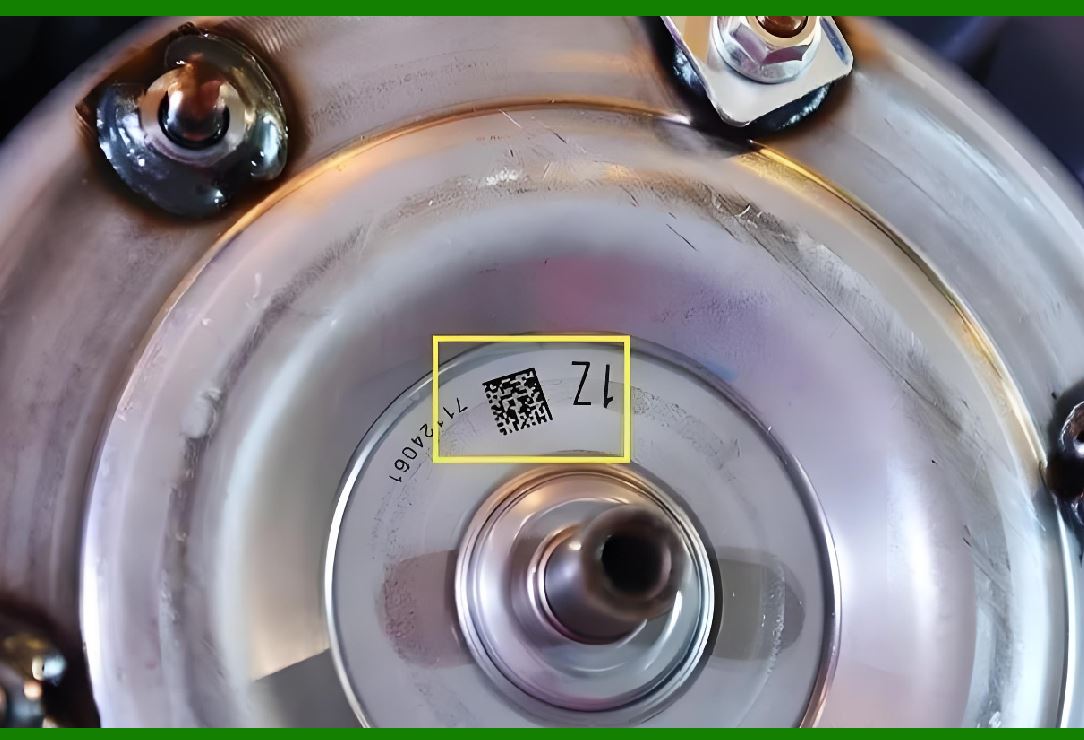
American automotive manufacturers use DataMatrix on engine blocks, transmissions, and electronic control units. The codes encode part numbers, serial numbers, and manufacturing dates. For components with complex configurations, the codes may also include calibration data, software versions, and test results. DataMatrix capacity supports this comprehensive tracking across the vehicle's life cycle. |
Chapter 27: Automotive Recalls |
When a safety issue is discovered in an automotive component, manufacturers need to identify which vehicles are affected. DataMatrix codes on components allow rapid identification of affected parts. The codes encode enough information to uniquely identify each component, enabling precise recall targeting. This reduces costs and protects consumer safety. |

|
Chapter 28: Electronics Manufacturing Traceability |
American electronics manufacturers use DataMatrix on PCBs, semiconductor packages, and components. The codes encode part numbers, revision codes, manufacturing dates, and test results. For complex assemblies, the codes may include configuration data and component provenance. DataMatrix capacity supports the detailed traceability needed for quality control and warranty management. |
Chapter 29: Semiconductor Manufacturing |
DataMatrix codes on semiconductor wafers and dies encode wafer numbers, die coordinates, and test results. The data capacity allows comprehensive manufacturing information to be stored on each die. This enables yield analysis, failure analysis, and process improvement across the semiconductor supply chain. |
Chapter 30: Printed Circuit Board Marking |
American electronics manufacturers mark PCBs with DataMatrix codes that include board specifications, revision numbers, and manufacturing parameters. The codes may also include test points and configuration data. The capacity of DataMatrix allows all this information to be stored in a small code that fits on the board without interfering with component placement. |

|
Chapter 31: USPS Intelligent Mail Matrix Barcode |
The United States Postal Service uses a DataMatrix-based symbol called the Intelligent Mail Matrix Barcode (IMmb) for package routing. The code encodes delivery point information, routing data, and package tracking identifiers. The data capacity of DataMatrix allows the USPS to route packages through its automated sorting system without the need for bulky labels. |
Chapter 32: Private Parcel Carrier Labels |
FedEx, UPS, and other private carriers use DataMatrix on shipping labels. The codes encode tracking numbers, routing information, and customer data. The capacity allows comprehensive tracking across the carrier's network, supporting real-time visibility and delivery confirmation. |
Chapter 33: Warehouse Inventory Management |
American warehouses use DataMatrix on rack beams, storage locations, and individual items. The codes encode location identifiers, product identifiers, and inventory data. DataMatrix capacity allows detailed inventory tracking, supporting just-in-time logistics and efficient warehouse operations. |

|
Chapter 34: Retail Sunrise 2027 |
The American retail industry's Sunrise 2027 initiative aims to enable scanning of 2D barcodes at point-of-sale. DataMatrix codes on product packaging will encode Global Trade Item Numbers (GTINs), expiration dates, and batch numbers. The capacity also allows product information, sustainability claims, and promotional content to be stored directly on the packaging. |
Chapter 35: Apparel and General Merchandise |
American apparel brands use DataMatrix on care labels and garment tags. The codes encode style numbers, sizes, dye lots, and other product characteristics. DataMatrix capacity allows detailed product information to be stored on the garment, supporting automated sorting, inventory management, and consumer engagement. |
Chapter 36: Food Safety Traceability |
American food producers use DataMatrix on packaging to encode farm origin, harvest dates, and batch information. The capacity allows comprehensive traceability data to be stored, supporting rapid recall response and consumer transparency. In the event of a foodborne illness outbreak, investigators can read the codes to trace contaminated product back to its source. |

|
Chapter 37: Dairy and Meat Processing |
Vacuum-packed meat and dairy products carry DataMatrix codes storing slaughterhouse ID, temperature logs, and best-before dates. The capacity allows cold-chain verification and detailed production records. This supports food safety and quality assurance from farm to table. |
Chapter 38: Surgical Instrument Tracking |
American hospitals use DataMatrix codes on surgical instruments. The codes encode instrument identifiers, manufacturing dates, and sterilization histories. DataMatrix capacity allows comprehensive tracking of each instrument through its lifecycle, supporting patient safety and maintenance scheduling. |
Chapter 39: EV Battery Manufacturing |
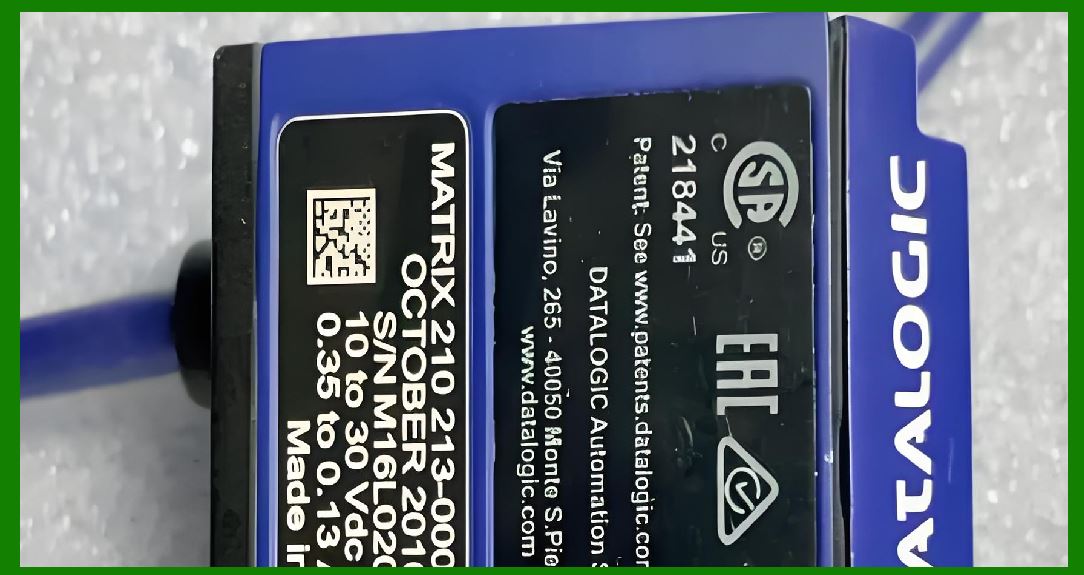
American electric vehicle battery manufacturers use DataMatrix on battery cells and modules. The codes link to formation test data, capacity readings, and internal resistance measurements. DataMatrix capacity allows this comprehensive data to be stored on each cell, supporting warranty claims, performance monitoring, and battery passport initiatives. |
|
Chapter 40: Solar Panel Manufacturing |
American solar panel manufacturers use DataMatrix on panel frames and junction boxes. The codes encode panel serial numbers, IV-curve data, and warranty start dates. DataMatrix capacity allows comprehensive product records to be stored on the panel, supporting performance monitoring and warranty management over decades of outdoor operation. |
Chapter 41: 3D Printed Parts |
American manufacturers of 3D printed parts embed DataMatrix codes directly into the CAD model. The codes encode part identifiers, manufacturing parameters, and material certifications. DataMatrix capacity allows comprehensive manufacturing records to be integrated into the part itself, supporting quality assurance and traceability. |
Chapter 42: Construction Structural Steel |
American steel fabricators apply DataMatrix to structural steel beams using dot-peen markers. The codes encode yield strength, mill certification data, and manufacturing dates. DataMatrix capacity allows structural engineers to verify materials on-site and ensure building safety. The codes can store enough data for comprehensive material tracking. |
|
Chapter 43: Industrial Tools and Equipment |
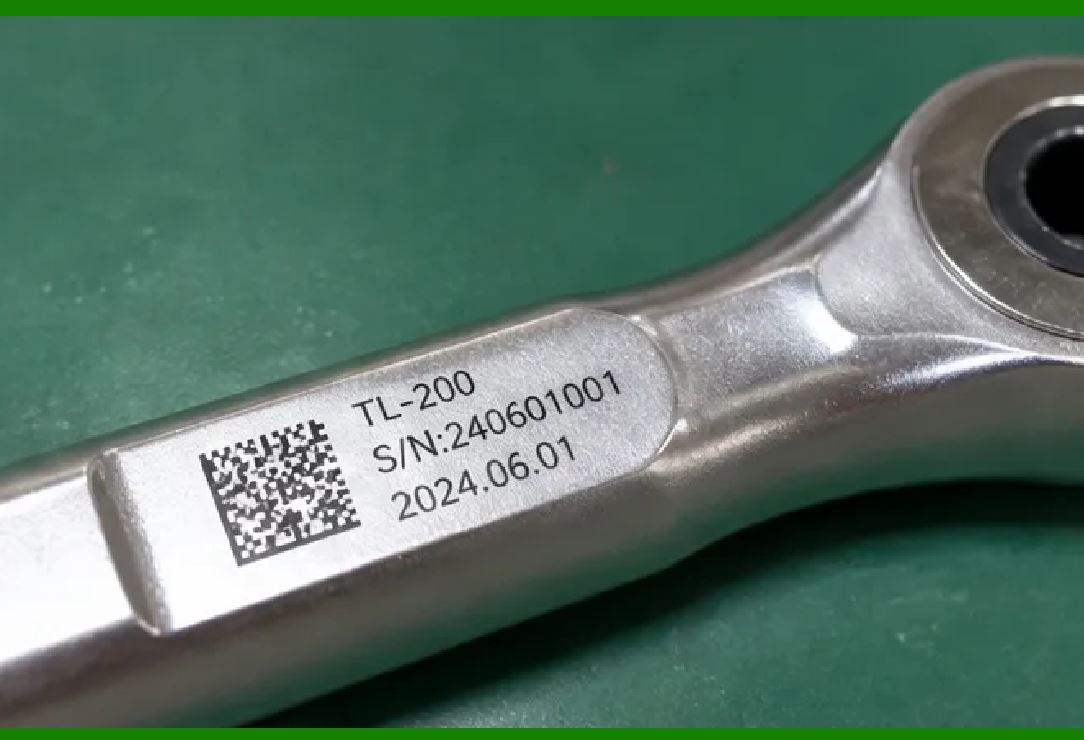
American manufacturers of industrial tools use DataMatrix for asset tracking. The codes encode tool identifiers, calibration dates, and maintenance histories. DataMatrix capacity allows comprehensive lifecycle tracking, supporting safety, warranty, and regulatory compliance. |
Chapter 44: Chemical and Biomedical Instruments |
American manufacturers of chemical and biomedical analysis instruments use DataMatrix on consumables, reagents, and instrument parts. The codes encode lot numbers, expiration dates, and test results. DataMatrix capacity allows traceability of test results back to specific components, supporting quality control and regulatory compliance. |
Chapter 45: Document Management |
American government agencies and corporations use DataMatrix on archival folders and documents. The codes link physical documents to scanned digital copies. DataMatrix capacity allows comprehensive document identification, supporting efficient retrieval and archival management. |
|
Chapter 46: Access Control |
American organizations use DataMatrix on identification badges, access cards, and visitor passes. The codes encode user credentials, access permissions, and biometric data. DataMatrix capacity allows comprehensive security credentials to be stored on a small card, supporting efficient and secure access management. |
Chapter 47: Event Ticketing |
American event venues use DataMatrix on wristbands and paper tickets. The codes encode ticket identifiers, seat assignments, attendee information, and promotional codes. DataMatrix capacity allows comprehensive event management data to be stored on each ticket, supporting entry validation, fraud prevention, and marketing. |
Chapter 48: Jewelry and Luxury Goods |
American jewelry retailers engrave DataMatrix on rings, watch clasps, and other luxury items. The codes store SKU, carat weight, certificate numbers, and ownership history. DataMatrix capacity allows comprehensive product provenance to be stored on the item, supporting authentication, resale, and insurance. |

|
Chapter 49: Museum Artifact Preservation |
American museums use DataMatrix on artifact labels. The codes store accession numbers, provenance, conservation history, and research data. DataMatrix capacity allows comprehensive curatorial records to be stored on the artifact, supporting research, exhibition, and collection management. |
Chapter 50: The Future of Data Capacity Applications |
As American industry continues to digitize, the demand for storing more data on physical objects will grow. DataMatrix capacity will support emerging applications including digital twins, blockchain traceability, and embedded machine learning models. The ability to store over 3,000 characters in a tiny code will enable new use cases that we cannot yet imagine. The capacity that DataMatrix provides today will be the foundation of tomorrow's intelligent supply chains. |

|
Detailed Summary |
DataMatrix offers remarkable data capacity. At the maximum symbol size of 144 by 144 modules, it can store up to 3,116 numeric characters, 2,335 alphanumeric characters, or 1,556 bytes of binary data. This capacity scales with symbol size, allowing the same technology to serve applications from tiny semiconductor dies to large shipping labels. The capacity is achieved through efficient encoding schemes---numeric encoding is most compact, followed by alphanumeric, with binary being the least efficient. The Reed-Solomon error correction overhead occupies a portion of the codewords, reducing the data capacity but providing robustness against damage. |
The data capacity is a critical enabler of American applications. Under the Drug Supply Chain Security Act, pharmaceutical codes must encode the National Drug Code, lot number, expiration date, and serial number---all of which fit comfortably in a small DataMatrix symbol. The FDA's Unique Device Identification rule requires medical devices to carry identifiers that include device and production identifiers, also within DataMatrix capacity. The Department of Defense's Item Unique Identification program uses DataMatrix to encode comprehensive equipment identifiers with supply chain provenance. The aerospace industry stores manufacturing records, test data, and certifications on critical components. |
Beyond regulatory applications, DataMatrix capacity supports a wide range of American industries. The USPS uses DataMatrix for package routing, private carriers for shipping labels, warehouses for inventory management, and retailers for product identification. The food industry uses DataMatrix for traceability from farm to table. The automotive industry uses it for parts tracking and recall management. The electronics industry uses it for component traceability and quality control. The energy industry uses it for equipment tracking and maintenance management. |
As emerging technologies like digital twins, blockchain traceability, and the Internet of Things develop, the capacity of DataMatrix will become even more valuable. The ability to store comprehensive data directly on physical objects enables decentralized, resilient, and transparent supply chains. DataMatrix, with its combination of high capacity and robust error correction, is uniquely positioned to support this future. |

|
From a tiny vial of medicine to a massive steel beam, from a jet engine turbine blade to a museum artifact, DataMatrix silently encodes the information that keeps American industry safe, efficient, and accountable. Its data capacity, while impressive on paper, is even more impressive in practice, enabling applications that were unimaginable just a few decades ago. As the standard continues to evolve, adding UTF-8 support and other enhancements, DataMatrix will continue to meet the growing data demands of the modern world. |
 cs@easiersoft.com