DataMatrix Decoded: A Technical Deep-Dive |
Executive Summary |
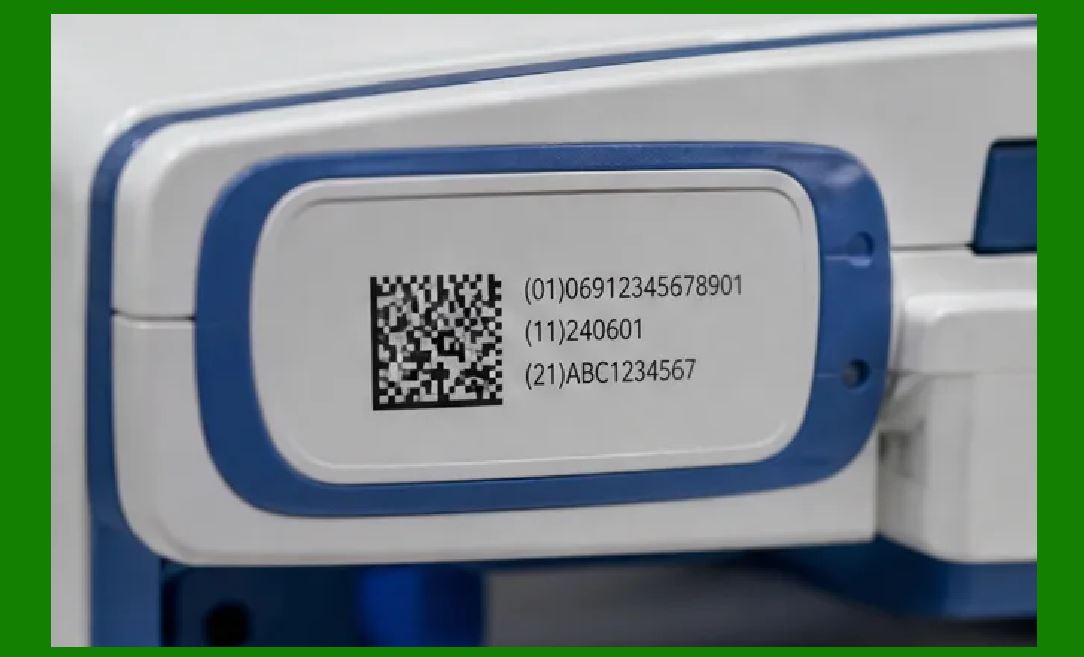
DataMatrix symbols come in 24 different square sizes, ranging from 10 by 10 modules up to 144 by 144 modules, plus six rectangular formats for space-constrained applications . This remarkable flexibility allows the same technology to encode data on a tiny semiconductor die measuring just a few millimeters square and on a massive shipping pallet label spanning several inches. The size increases in even-numbered increments, and each size offers a different balance between data capacity, physical footprint, and robustness. In the United States, this size flexibility enables an extraordinary range of applications: the smallest codes mark printed circuit boards in consumer electronics, while the largest codes appear on logistics labels for the USPS and major parcel carriers. Aerospace manufacturers use intermediate sizes for turbine blades, pharmaceutical companies use compact sizes for vial labels, and the Department of Defense uses a variety of sizes depending on the equipment being tracked. This article explores the technical dimensions of DataMatrix size flexibility and presents over 50 real-world American applications that leverage this adaptability. |
|
Part One: Technical Foundations of Size Flexibility |
Chapter 1: The Range of Square Sizes |
DataMatrix ECC 200 supports 24 square symbol sizes, ranging from 10 by 10 modules to 144 by 144 modules . The sizes increase in even-numbered increments: 10, 12, 14, 16, 18, 20, 22, 24, 26, 28, 30, 32, 34, 36, 40, 44, 48, 52, 64, 72, 80, 88, 96, 104, 120, and 144 modules . This even-number requirement is a direct consequence of the Reed-Solomon encoding process used in ECC 200. The largest size, 144 by 144, contains 20,736 individual modules, while the smallest contains just 100 modules. |
Chapter 2: The Even-Number Increment Reason |
The even-numbered module count is not arbitrary. It is required by the Reed-Solomon error correction encoding process, which operates on data regions that are themselves subdivided into even-sized blocks. The 2024 revision of ISO/IEC 16022 removed the odd-numbered ECC 000-140 variants, making even-numbered sizes the only standard. This ensures that all modern DataMatrix codes share the same structural properties and can be decoded by the same algorithms. |
Chapter 3: The Six Rectangular Formats |
In addition to square formats, DataMatrix supports six rectangular symbol formats: 8 by 18, 8 by 32, 12 by 26, 12 by 36, 16 by 36, and 16 by 48 modules . These rectangular formats are essential for applications where horizontal or vertical marking space is constrained. For example, a narrow label on a small cylindrical object may only accommodate a rectangular code. The 2024 revision of ISO/IEC 16022 made rectangular formats a mandatory feature for all new implementations. |

|
Chapter 4: Data Capacity by Size |
The data capacity of a DataMatrix symbol grows with its size. A 10 by 10 symbol can store only about 6 alphanumeric characters---essentially a short identifier. A 32 by 32 symbol can store about 100 characters---enough for a typical product code with serial number. A 64 by 64 symbol can store about 400 characters---sufficient for comprehensive manufacturing records. The largest 144 by 144 symbol can store up to 2,335 alphanumeric characters---more than a full page of text . |
Chapter 5: Error Correction by Size |
The error correction capacity also varies by symbol size. Smaller symbols have a higher proportion of error correction codewords relative to data, making them more robust for their size. A 10 by 10 symbol dedicates a significant portion of its modules to error correction, allowing it to survive damage even though it has very few data modules. Larger symbols have more absolute error correction codewords but a slightly lower proportion relative to data. In practice, all DataMatrix sizes can recover from approximately 25-30% damage. |
Chapter 6: Physical Module Size |
The physical size of a DataMatrix symbol is determined by the module size---the size of each individual black or white square. Module sizes typically range from 0.075 millimeters to 0.5 millimeters for industrial applications. The module size is chosen based on the available marking space, the printing technology, and the reading equipment. A 10 by 10 symbol with 0.075 millimeter modules is just 0.75 millimeters square, while a 144 by 144 symbol with 0.5 millimeter modules is 72 millimeters square (about 2.8 inches). |

|
Chapter 7: The Impact of Module Size on Readability |
Smaller modules allow smaller physical codes but require higher-quality printing and more precise scanning. If the modules are too small for the printing technology, they will be indistinct and unreadable. If they are too small for the scanner, the camera may not have enough resolution to distinguish individual modules. The module size must be carefully chosen based on the capabilities of both the marking and reading equipment. |
Chapter 8: Choosing the Right Size |
The choice of DataMatrix size involves a trade-off between data needs, available space, and robustness. If the data to be encoded is short, a smaller symbol can be used, saving space and reducing cost. If the data is long, a larger symbol is required. If the marking surface is small, smaller modules may be needed. If the code will be exposed to harsh conditions, a larger symbol with more error correction may be preferable, even if the data is short. |
Chapter 9: The Relationship Between Data Length and Symbol Size |
The relationship between data length and symbol size is non-linear. A small increase in symbol size can yield a significant increase in data capacity, because the number of data modules grows as the square of the module count. For example, a 20 by 20 symbol has four times the data modules of a 10 by 10 symbol, while a 40 by 40 symbol has sixteen times the data modules. This non-linear scaling makes it efficient to use a slightly larger symbol when data needs increase. |

|
Chapter 10: Rectangular Format Applications |
Rectangular formats are particularly useful for narrow packaging, cylindrical objects, and edge markings. A 16 by 48 rectangular symbol has a similar data capacity to a 32 by 32 square but is much narrower, fitting on a label that is only 16 modules tall. This flexibility allows DataMatrix to be used on products that cannot accommodate a square code. The 2024 revision made rectangular formats mandatory, recognizing their importance in real-world applications. |
Chapter 11: Standardization and Size |
All DataMatrix sizes are defined in ISO/IEC 16022, ensuring that codes produced in one size can be read by any compliant scanner. The standard specifies the data capacity, error correction parameters, and structural properties for each size. This consistency across sizes means that organizations can choose the size that best fits their application without worrying about compatibility. |
Chapter 12: The Trade-off with Printing Technology |
Different printing technologies have different minimum module sizes. Laser etching can produce very small modules on metal surfaces, enabling tiny codes for miniature components. Inkjet printing produces larger modules on paper or cardboard, suitable for packaging and labeling. Thermal transfer printing falls in between. The choice of printing technology often determines the minimum practical module size and, therefore, the minimum physical code size. |

|
Chapter 13: The Trade-off with Scanning Technology |
Scanning technology also affects the practical module size. Industrial scanners with high-resolution cameras can read smaller modules than consumer smartphone cameras. In applications where codes will be read by both industrial scanners and consumer devices, the module size must be large enough for the least capable device. This consideration is particularly important for retail applications where consumers will scan codes with their phones. |
Chapter 14: The Role of Quiet Zone |
The quiet zone---the blank margin surrounding the DataMatrix symbol---must be at least one module wide on all sides. For very small codes, this quiet zone is correspondingly small. For large codes, the quiet zone is larger. The quiet zone requirement is proportional to module size, so it does not affect the choice of symbol size relative to code size. However, it must be accounted for when designing labels and packaging. |
Chapter 15: Future Size Extensions |
The DataMatrix specification is stable, but future revisions may add additional sizes. The current size range already covers the vast majority of applications, but as technology advances, even smaller or larger sizes may become practical. The 2024 revision added no new sizes but reinforced the existing ones by removing obsolete variants. Any future additions would be carefully designed to maintain backward compatibility. |

|
Part Two: American Applications by Symbol Size |
Chapter 16: 10x10 to 16x16 Modules---Micro Applications |
These tiny symbols are used for marking miniature components where space is extremely limited. A 10 by 10 symbol can store only a few characters, but that is enough for a simple serial number or identifier. These are the smallest practical DataMatrix codes and require the highest-quality marking and reading equipment. |
Chapter 17: Semiconductor Die Marking |
American semiconductor manufacturers mark individual dies on wafers with tiny DataMatrix codes. The codes are typically 10 by 10 or 12 by 12 modules, with module sizes as small as 0.025 millimeters. The codes encode die coordinates, wafer numbers, and test results. The tiny size is essential because space on a semiconductor die is extremely valuable and cannot be wasted on marking. |
Chapter 18: Medical Implant Marking |
American medical device manufacturers laser-etch DataMatrix codes on hip stems, pacemaker cases, and dental screws. The codes are typically 12 by 12 to 16 by 16 modules, with module sizes of 0.05 to 0.1 millimeters. They encode device identifiers, serial numbers, and manufacturing dates. The small size allows the code to fit on an implant surface that may be only a few millimeters across. |

|
Chapter 19: PCB Component Marking |
Printed circuit boards in American electronics manufacturing feature DataMatrix codes as small as 10 by 10 modules. The codes are etched or printed on the board surface, encoding board specifications, revision numbers, and test points. The small size allows the code to fit in the limited space between components, without interfering with circuit traces or component placement. |
Chapter 20: Fiber Optic Connector Marking |
American fiber optic component manufacturers use DataMatrix codes on connector ferrule ends. The codes are extremely small---often 10 by 10 to 12 by 12 modules---and are read with specialized microscope-based scanners. They encode splice loss, polarity, and installation information. The tiny size is essential because the ferrule end has very limited space. |
Chapter 21: 18x18 to 32x32 Modules---Small Component Applications |
These sizes are used for small components and compact packaging. A 32 by 32 symbol can store about 100 alphanumeric characters, enough for comprehensive product identification. These sizes are common in the medical device, pharmaceutical, and electronics industries. |

|
Chapter 22: Pharmaceutical Vial Marking |
American pharmaceutical companies mark small vials, ampoules, and syringes with DataMatrix codes typically 22 by 22 to 32 by 32 modules. The codes encode the National Drug Code, lot number, expiration date, and serial number. The size is small enough to fit on the limited label space of a tiny vial but large enough to store all required data. |
Chapter 23: Laboratory Test Tubes |
American clinical laboratories use DataMatrix codes on test tubes and specimen containers. The codes are typically 24 by 24 to 32 by 32 modules, printed or laser-etched on the tube surface. They encode patient identifiers, sample numbers, and test requisition data. The size allows the code to fit on the round surface of a test tube while remaining readable by automated analyzers. |
Chapter 24: Surgical Instrument Marking |
American hospitals and surgical instrument manufacturers use DataMatrix codes on scalpels, clamps, and retractors. The codes are typically 18 by 18 to 26 by 26 modules, laser-etched on the instrument surface. They encode instrument identifiers, manufacturing dates, and sterilization histories. The size is small enough to fit on the instrument without interfering with its function. |

|
Chapter 25: Jewelry and Luxury Goods |
American jewelry retailers engrave DataMatrix codes on the inside of rings, watch clasps, and other small luxury items. The codes are typically 18 by 18 to 24 by 24 modules, with small module sizes for the limited surface area. They encode SKU, carat weight, certificate numbers, and ownership history. The small size is essential for fitting on rings and other small surfaces. |
Chapter 26: 34x34 to 52x52 Modules---Mid-Size Component Applications |
These sizes offer a good balance of data capacity and physical footprint, making them suitable for a wide range of products. A 52 by 52 symbol can store about 200 alphanumeric characters, sufficient for comprehensive product records. These sizes are common in automotive, aerospace, and industrial applications. |
Chapter 27: Automotive Component Marking |
American automotive manufacturers use DataMatrix codes on engine blocks, transmission housings, and electronic control units. The codes are typically 34 by 34 to 48 by 48 modules, laser-etched on the component surface. They encode part numbers, serial numbers, manufacturing dates, and test results. The size is appropriate for the available space on these relatively large components. |

|
Chapter 28: Aerospace Turbine Blade Marking |
American aerospace manufacturers mark turbine blades with DataMatrix codes typically 36 by 36 to 44 by 44 modules. The codes are laser-etched on the blade root or surface, encoding part numbers, serial numbers, material certifications, and maintenance histories. The size is small enough to fit on the blade but large enough to store comprehensive data. |
Chapter 29: Defense Equipment Marking |
The U.S. Department of Defense uses DataMatrix codes on a wide range of equipment, from small components to major systems. Mid-size codes from 34 by 34 to 52 by 52 modules are common, encoding the Item Unique Identification (IUID) that includes enterprise identifier, part number, and serial number. The size is chosen based on the available marking space on each item. |
Chapter 30: EV Battery Cell Marking |
American electric vehicle battery manufacturers use DataMatrix codes on cylindrical and pouch battery cells. The codes are typically 34 by 34 to 44 by 44 modules, laser-etched or inkjet-printed on the cell surface. They encode cell identifiers, capacity readings, internal resistance measurements, and manufacturing dates. The size fits on the limited surface of each cell. |

|
Chapter 31: Solar Panel Marking |
American solar panel manufacturers use DataMatrix codes on panel frames and junction boxes. The codes are typically 36 by 36 to 48 by 48 modules, laser-etched or printed on the frame. They encode panel serial numbers, IV-curve data, and warranty start dates. The size is appropriate for the available space on the panel frame. |
Chapter 32: 64x64 to 96x96 Modules---Large Component and Packaging Applications |
These sizes are used for larger products and packaging where more data needs to be stored. A 96 by 96 symbol can store about 900 alphanumeric characters, enough for comprehensive manufacturing records and supply chain data. These sizes are common in logistics, retail, and heavy industry. |
Chapter 33: Pharmaceutical Shipping Cases |
American pharmaceutical distributors use DataMatrix codes on shipping cases and pallets. The codes are typically 64 by 64 to 88 by 88 modules, printed on large labels. They encode the contents, quantities, batch numbers, and destination information. The size allows comprehensive data to be stored on the shipping container. |

|
Chapter 34: Medical Device Packaging |
American medical device manufacturers use DataMatrix codes on product packaging for large devices such as imaging equipment and surgical robots. The codes are typically 64 by 64 to 80 by 80 modules, printed on labels. They encode device identifiers, serial numbers, and installation requirements. The size is appropriate for the larger packaging surfaces. |
Chapter 35: Aerospace Structural Component Marking |
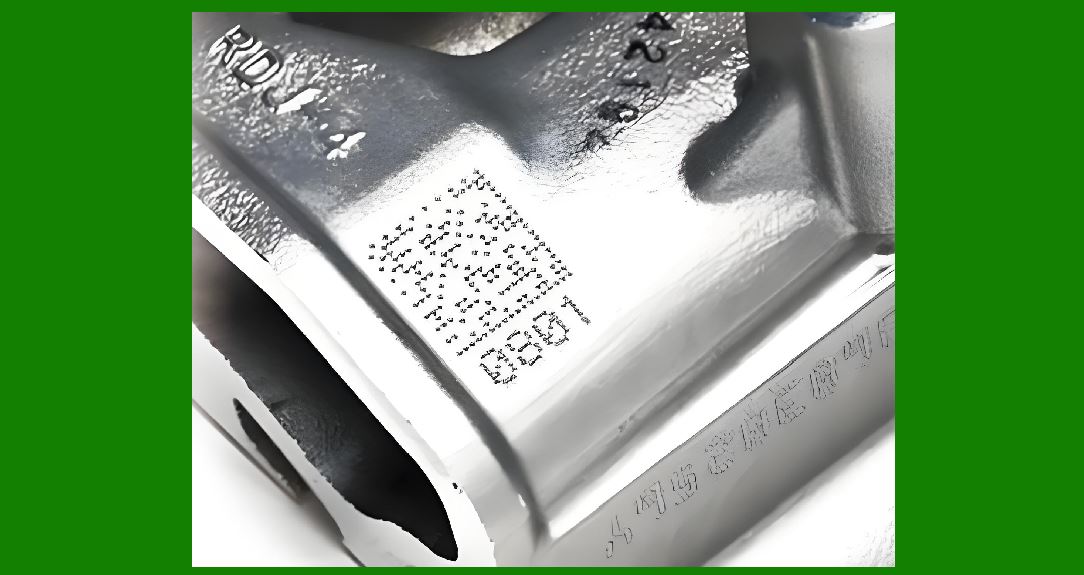
American aerospace manufacturers mark large structural components such as airframe sections, wing spars, and fuselage panels with DataMatrix codes. The codes are typically 64 by 64 to 88 by 88 modules, laser-etched or dot-peened on the component surface. They encode part numbers, serial numbers, material certifications, and inspection records. |
Chapter 36: Construction Structural Steel |
American steel fabricators apply DataMatrix codes to structural steel beams and columns. The codes are typically 64 by 64 to 88 by 88 modules, dot-peened or etched on the steel surface. They encode yield strength, mill certification data, and fabrication dates. The size is appropriate for the large surface area of structural steel. |

|
Chapter 37: 104x104 to 144x144 Modules---Maximum Capacity Applications |
These are the largest DataMatrix sizes, used when maximum data capacity is required. A 144 by 144 symbol can store over 2,300 alphanumeric characters, enough for a full page of text. These sizes are common in logistics, warehousing, and applications requiring comprehensive data storage. |
Chapter 38: USPS Package Labels |
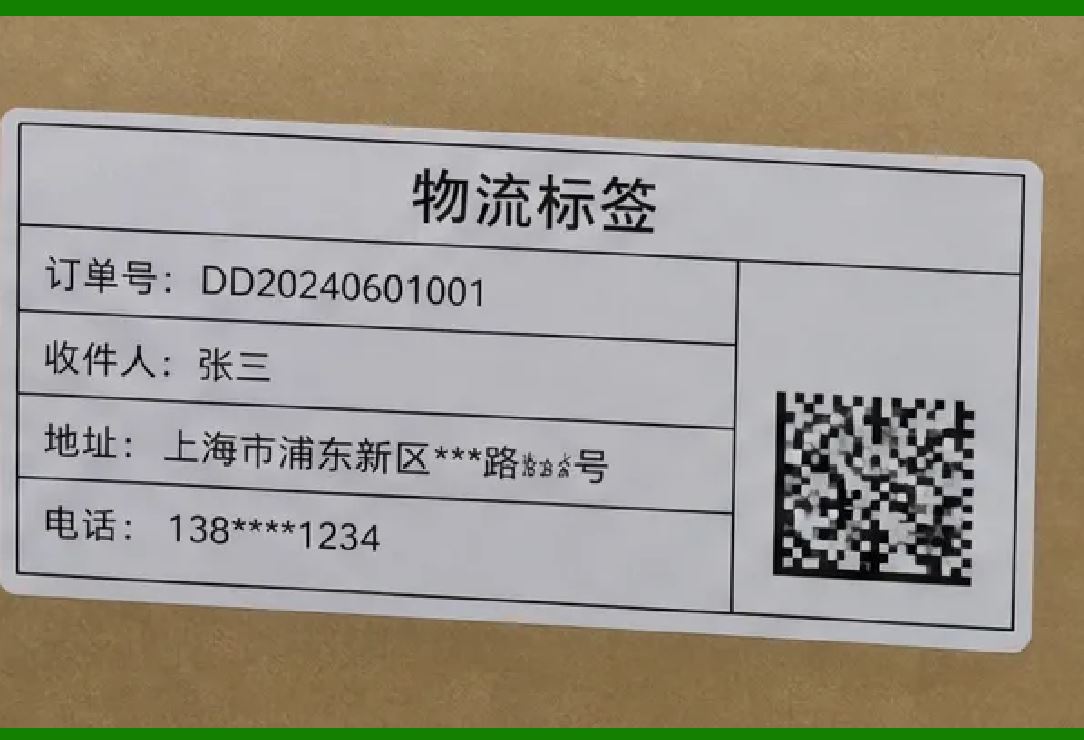
The United States Postal Service uses DataMatrix codes on package labels for the Intelligent Mail Matrix Barcode (IMmb). The codes are typically large, up to 144 by 144 modules, printed on shipping labels. They encode delivery point information, routing data, and tracking identifiers. The large size allows comprehensive routing and tracking information to be stored on each package. |
Chapter 39: Parcel Carrier Shipping Labels |
FedEx, UPS, and other private carriers use large DataMatrix codes on shipping labels. The codes are typically 104 by 104 to 144 by 144 modules, printed on thermal transfer labels. They encode tracking numbers, routing information, and customer data. The size allows comprehensive logistics data to be stored on each label. |

|
Chapter 40: Warehouse Pallet Labels |
American warehouses use DataMatrix codes on pallet and carton labels. The codes are typically 104 by 104 to 144 by 144 modules, printed on large adhesive labels. They encode contents, quantities, storage locations, and routing information. The size allows comprehensive inventory data to be stored on each pallet. |
Chapter 41: Retail Product Packaging |
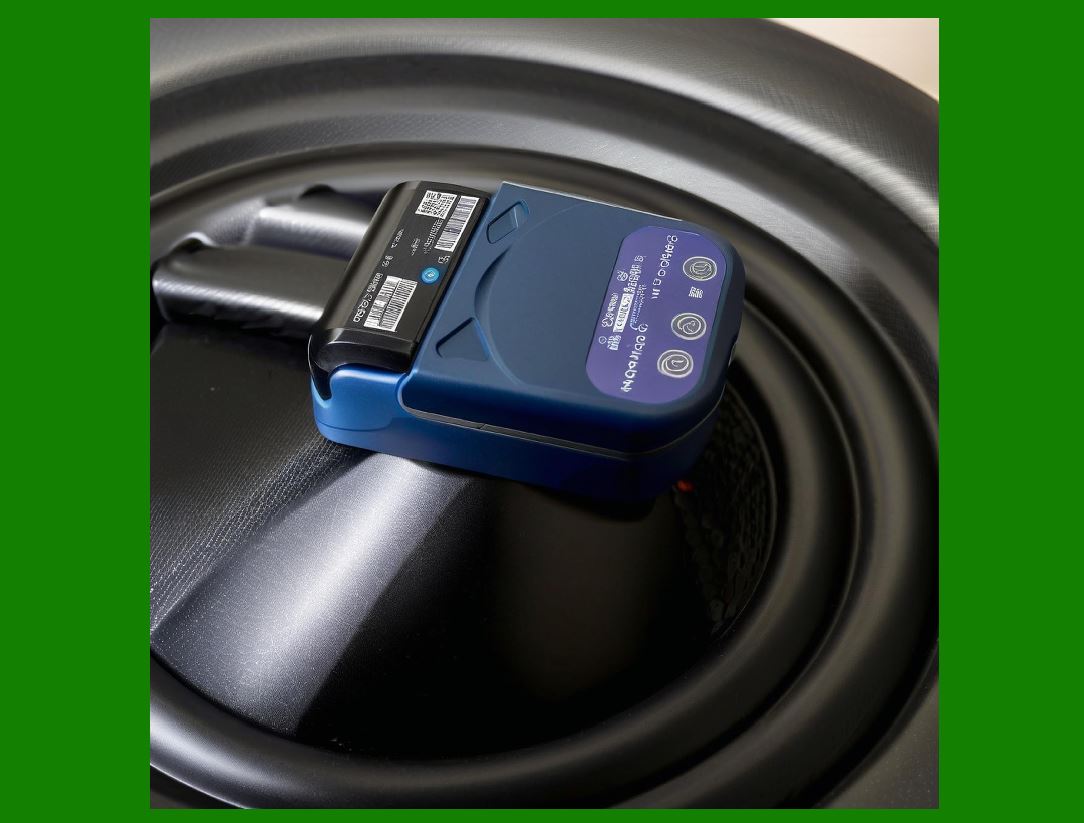
Under the Sunrise 2027 initiative, American retailers are adopting DataMatrix codes on consumer product packaging. The codes are typically 64 by 64 to 104 by 104 modules, depending on the label space. They encode Global Trade Item Numbers, expiration dates, batch numbers, and sustainability claims. The size is chosen based on the available space on each product's packaging. |
Chapter 42: Apparel and General Merchandise Labels |
American apparel brands use DataMatrix codes on care labels and garment tags. The codes range from 34 by 34 to 64 by 64 modules, depending on the label size. They encode style numbers, sizes, dye lots, and product information. The size fits on the label without obscuring care instructions. |
|
Chapter 43: Food and Beverage Packaging |
American food and beverage producers use DataMatrix codes on product packaging. The codes range from 52 by 52 to 104 by 104 modules, depending on the package size. They encode farm origin, harvest dates, batch information, and nutritional data. The size is chosen based on the available space on each package. |
Chapter 44: Industrial Equipment Marking |
American manufacturers of large industrial equipment use DataMatrix codes on nameplates and equipment surfaces. The codes are typically 88 by 88 to 144 by 144 modules, laser-etched or printed on metal plates. They encode equipment identifiers, specifications, maintenance histories, and warranty information. The large size allows comprehensive data to be stored on the equipment. |
Chapter 45: Defense Major Systems Marking |
The Department of Defense uses DataMatrix codes on major systems such as vehicles, aircraft, and ships. The codes are typically 104 by 104 to 144 by 144 modules, applied using various marking technologies. They encode the Item Unique Identification and comprehensive supply chain provenance. The large size allows all required data to be stored on the system. |
|
Chapter 46: Rectangular Formats---Narrow Applications |
Rectangular formats are used when space is constrained in one dimension. These include 8 by 18, 8 by 32, 12 by 26, 12 by 36, 16 by 36, and 16 by 48 modules. They are essential for narrow labels, cylindrical objects, and edge markings. |
Chapter 47: Cylindrical Vial Marking |
American pharmaceutical companies use rectangular DataMatrix codes on cylindrical vials and ampoules. The 8 by 18 or 8 by 32 formats fit on the narrow surface of a small vial, encoding the National Drug Code and lot number. The rectangular shape wraps around the cylinder, making the code readable from the side. |
Chapter 48: Narrow Package Edges |
American food and consumer goods companies print rectangular DataMatrix codes on the narrow edges of boxes and cartons. The 12 by 26 or 12 by 36 formats fit on the edge of a box that is only a few modules tall. The codes encode product identifiers and batch information, enabling tracking without requiring large label space. |
|
Chapter 49: Cable and Wire Marking |
American manufacturers of cables and wires use rectangular DataMatrix codes on cable labels. The 8 by 32 or 16 by 36 formats fit on the narrow labels used for cable identification. The codes encode cable specifications, lengths, and installation data. The rectangular shape is ideal for the long, narrow labels. |
Chapter 50: The Future of Size Flexibility |
As printing and scanning technologies continue to advance, the practical range of DataMatrix sizes will expand. Smaller module sizes will enable even tinier codes for nano-components. Larger module sizes, combined with high-capacity printing, will enable even more data on large labels. The flexibility of DataMatrix, with its 24 square sizes and 6 rectangular formats, will continue to meet the diverse needs of American industry. |

|
Detailed Summary |
DataMatrix offers remarkable size flexibility, with 24 square symbol sizes ranging from 10 by 10 modules to 144 by 144 modules, plus six rectangular formats. The sizes increase in even-numbered increments, a requirement of the Reed-Solomon encoding process used in ECC 200. Each size offers a different balance between data capacity, physical footprint, and robustness. The smallest symbols can store only a few characters, while the largest can store over 2,300 alphanumeric characters---a full page of text. |
The physical size of a DataMatrix code depends on the module size, which typically ranges from 0.075 millimeters to 0.5 millimeters. A 10 by 10 symbol with 0.075 millimeter modules is just 0.75 millimeters square, small enough to fit on a semiconductor die. A 144 by 144 symbol with 0.5 millimeter modules is 72 millimeters square (about 2.8 inches), suitable for a large shipping label. The choice of module size depends on the available marking space, the printing technology, and the reading equipment. |
In the United States, this size flexibility enables an extraordinary range of applications. The smallest DataMatrix codes, from 10 by 10 to 16 by 16 modules, mark semiconductor dies, medical implants, and printed circuit boards. These codes are read with specialized high-resolution scanners and encode simple identifiers that fit in the extremely limited space on tiny components. The smallest codes are essential for the electronics and medical device industries, where space is at a premium. |
Mid-size codes, from 18 by 18 to 52 by 52 modules, are used on automotive components, aerospace turbine blades, defense equipment, EV battery cells, and solar panels. These codes store comprehensive identification and manufacturing data in a size that fits on the component surface. They are read by industrial scanners on assembly lines and in the field, supporting traceability and quality control throughout the product lifecycle. |
Large codes, from 64 by 64 to 96 by 96 modules, are used on pharmaceutical shipping cases, medical device packaging, aerospace structural components, and construction steel. These codes store extensive data including manufacturing records, certifications, and inspection histories. They are read by handheld and fixed scanners in warehouses, construction sites, and maintenance facilities. |
Maximum-size codes, from 104 by 104 to 144 by 144 modules, are used on USPS package labels, parcel carrier shipping labels, warehouse pallet labels, and major defense systems. These codes store comprehensive routing, tracking, and provenance data. They are read by high-speed tunnel scanners at sorting facilities and by handheld scanners at distribution points. |
Rectangular formats, including 8 by 18, 8 by 32, 12 by 26, 12 by 36, 16 by 36, and 16 by 48 modules, are essential for space-constrained applications. They are used on cylindrical vials, narrow package edges, and cable labels. The rectangular shape allows DataMatrix to be used on products that cannot accommodate a square code, such as small ampoules, narrow boxes, and wire spools. |

|
The flexibility of DataMatrix sizes has made it the preferred data carrier for applications across American industry. The same standardized technology that marks a tiny semiconductor die also labels a massive shipping pallet. This adaptability ensures that DataMatrix can meet the needs of any application, from the smallest electronic component to the largest industrial equipment. As printing and scanning technologies continue to advance, the practical range of DataMatrix sizes will expand, enabling new applications that we cannot yet imagine. The size flexibility of DataMatrix is not just a technical detail---it is a fundamental feature that makes the technology universally applicable and indispensable. |
 cs@easiersoft.com