DataMatrix Decoded: A Technical Deep-Dive |
Executive Summary |
The DataMatrix finder pattern is the key that unlocks the code's remarkable usability. Consisting of two solid adjacent borders forming an L-shape and two alternating dashed borders on the opposite sides, this design allows scanners to locate the code, determine its size and orientation, and correct for distortion from any angle . This L-shaped pattern and the alternating 'Clock Track' enable 360-degree omnidirectional reading, meaning a DataMatrix code can be scanned regardless of how it is positioned relative to the reader . In the United States, this capability has made DataMatrix indispensable across a wide range of industries. The U.S. Department of Defense uses it for equipment tracking, where parts may be oriented haphazardly. The USPS relies on it for automated package sorting, where high-speed cameras read codes from any angle. Hospitals use it on medication packages and patient wristbands, where rapid, orientation-free scanning is critical for patient safety. This article explores the technical design of the finder pattern and presents dozens of real-world American applications that depend on its versatility. |
|
Part One: Technical Design of the Finder Pattern |
Chapter 1: What is the Finder Pattern |
The finder pattern is the structural framework of a DataMatrix symbol. It consists of two distinct components that together form the perimeter of the code . The first is a solid L-shaped line along two adjacent sides, known as the L finder pattern. The second is a dotted L-shaped pattern on the opposite two sides, known as the Clock Track or timing pattern . The finder pattern defines the shape, size, and orientation of the symbol and allows the scanner to locate it within an image . |
Chapter 2: The L Finder Pattern |
The L finder pattern is a solid dark border that runs along two adjacent sides of the DataMatrix symbol, forming an L shape . This pattern is one module wide and is composed entirely of dark (black) modules . Its primary function is to enable the scanner to locate the symbol, determine its size, and detect any distortion or skew . The L finder pattern is the first thing a scanner looks for when trying to read a DataMatrix code. |
Chapter 3: The Clock Track (Timing Pattern) |
The two sides opposite the L finder pattern consist of alternating light and dark modules, forming a dotted line known as the Clock Track or timing pattern . The Clock Track alternates between light and dark modules (e.g., white, black, white, black) and provides a count of the number of rows and columns in the symbol . This alternating pattern helps the decoder determine the module size and correct for distortion, ensuring accurate data extraction . |

|
Chapter 4: The Role of the Finder Pattern in Decoding |
The finder pattern serves multiple functions in the decoding process. First, it allows for rapid detection and location of the code within a captured image . Second, it enables auto-discrimination, allowing the scanner to distinguish a DataMatrix code from other symbologies like QR codes . Third, it provides the basis for creating a reference grid that is used to check the validity of each cell in the data matrix . The finder pattern is essentially the anchor that makes reliable decoding possible. |
Chapter 5: 360-Degree Omnidirectional Reading |
One of the most important benefits of the finder pattern design is that it allows omnidirectional reading . Because the L finder pattern and Clock Track define the code's orientation unambiguously, the scanner can determine the code's rotation angle during the decoding process. This means the code can be read from any angle, whether it is upright, sideways, upside-down, or tilted. This eliminates the need to orient the product or barcode in a specific direction before scanning . |
Chapter 6: Distortion Correction |
The finder pattern also enables the decoder to correct for distortion . When a DataMatrix code is printed on a curved surface, such as a cylindrical vial, or when it is viewed at an oblique angle, the grid of modules may appear warped in the captured image. The L finder pattern provides the reference geometry, while the Clock Track provides the spacing information. The decoder uses these two components to mathematically transform the warped image back into a regular grid, allowing accurate data extraction. |

|
Chapter 7: The Quiet Zone |
Like all barcodes, DataMatrix requires a quiet zone---a blank margin surrounding the symbol . The quiet zone must be at least one module wide on all four sides and must be free of any printing or graphics . The quiet zone allows the scanner to distinguish the code from its background and is essential for reliable decoding. The small quiet zone requirement (just one module) is one of the reasons DataMatrix can be used on very small surfaces. |
Chapter 8: The Null Module at the Corner |
In ECC 200 DataMatrix symbols, a distinctive feature is that the module at the corner opposite the L finder pattern is always light (white) . This 'null module' or empty corner allows scanners to distinguish ECC 200 symbols from older, obsolete DataMatrix variants . This design feature simplifies the decoding process and ensures compatibility with the current standard. |
Chapter 9: Multi-Region Finder Patterns |
For larger DataMatrix symbols, typically those that are 32 by 32 modules or larger, additional finder patterns are included within the symbol to distinguish the individual data regions . These internal finder patterns help the decoder navigate the larger symbol and ensure accurate data extraction from each region. This is analogous to having multiple landmarks within a large city to help with navigation. |

|
Chapter 10: Finder Pattern and Print Quality |
The quality of the finder pattern directly affects the readability of the DataMatrix symbol. If the L finder pattern is broken, faded, or distorted, the scanner may not be able to locate the code or may misread its orientation. Similarly, if the Clock Track is irregular, the decoder may have difficulty determining the module size. This is why DataMatrix print quality standards, such as ISO/IEC 15415, assess the finder pattern as part of the overall symbol quality. |
Chapter 11: Finder Pattern in Rectangular Formats |
Rectangular DataMatrix formats also use an L finder pattern and Clock Track, but the proportions are different from square formats. The L finder pattern still runs along two adjacent sides, and the Clock Track runs along the opposite two sides. The rectangular shape provides less space for data but allows DataMatrix to be used in narrow applications such as the edges of packaging or small cylindrical objects. |
Chapter 12: Finder Pattern and Inverse Printing |
DataMatrix codes can be printed in inverse reflectance, where the modules are light on a dark background instead of dark on a light background . In inverse printing, the L finder pattern consists of light modules instead of dark modules, and the null module at the opposite corner is dark. Scanners are typically designed to recognize both normal and inverse DataMatrix symbols, provided there is sufficient contrast. |

|
Chapter 13: The Finder Pattern and Machine Vision |
The finder pattern is optimized for machine vision systems. The solid L shape provides strong contrast edges that are easy for edge detection algorithms to find. The alternating Clock Track provides a high-frequency pattern that is useful for determining resolution and distortion. This optimization for machine vision is one of the reasons DataMatrix is preferred for industrial applications where codes are read by automated cameras. |
Chapter 14: Finder Pattern vs. QR Code Position Markers |
DataMatrix's L finder pattern is different from the position markers used in QR codes. QR codes use three large square position markers located in three corners of the symbol, each containing a smaller square. DataMatrix uses a simpler L-shaped pattern along two sides. This makes DataMatrix more compact and efficient for small codes, while QR codes are easier for consumer smartphones to locate and read. |
Chapter 15: The Finder Pattern in the ISO Standard |
The finder pattern is defined in detail in ISO/IEC 16022, the international standard for DataMatrix . The standard specifies the dimensions of the finder pattern, the module arrangement, and the requirements for the quiet zone. This standardization ensures that any DataMatrix symbol produced anywhere in the world can be read by any compliant scanner, regardless of the manufacturer. |

|
Part Two: American Applications Enabled by the Finder Pattern |
Chapter 16: Department of Defense Equipment Tracking |
The U.S. Department of Defense uses DataMatrix for Item Unique Identification (IUID) marking on military equipment . Equipment may be stored in warehouses, loaded onto trucks, or deployed in the field, often in orientations that are not controlled. The 360-degree reading capability of DataMatrix allows military personnel to scan equipment with handheld readers without having to orient the item or the reader precisely. This saves time and reduces errors in inventory and maintenance tracking. |
Chapter 17: Defense Supply Chain Logistics |
The defense supply chain involves millions of parts moving through hundreds of facilities. DataMatrix codes on parts and packages are read by automated scanners at receiving docks, warehouses, and distribution centers. The omnidirectional reading capability allows high-speed conveyor systems to scan codes as packages pass by, regardless of how the package is oriented on the belt. This enables efficient, automated logistics without manual intervention. |
Chapter 18: Pharmaceutical Serialization |
Under the Drug Supply Chain Security Act, each package of prescription drugs in the United States carries a GS1 DataMatrix code . In pharmacies, pharmacists and technicians scan these codes to verify medications before dispensing. The 360-degree reading capability means they do not have to orient the package in a specific direction; they can simply point a handheld scanner at the code from any angle. This speeds up the dispensing process and reduces the risk of medication errors. |

|
Chapter 19: Fresenius Kabi's Unit-of-Use Barcodes |
Fresenius Kabi, a global healthcare company, marks its pharmaceutical products with GS1 DataMatrix codes. The codes are printed on small vials and syringes where label space is limited. The finder pattern's ability to correct for distortion is particularly valuable when reading codes on curved vial surfaces or when the vial is rotated. This ensures that clinicians can reliably scan the codes even on irregularly shaped or small packages. |
Chapter 20: Hospital Medication Administration |
American hospitals use DataMatrix codes on medication packages and patient wristbands for the 'five rights' verification (right patient, right drug, right dose, right route, right time). Nurses scan the codes during medication administration. The 360-degree reading capability allows them to scan codes quickly without having to adjust the orientation of the medication package or the patient's wristband. This improves workflow efficiency and patient safety. |
Chapter 21: Medical Device Identification |
The FDA requires Unique Device Identifiers (UDIs) on medical devices, often encoded in DataMatrix codes . In operating rooms, surgical staff scan DataMatrix codes on device packaging to verify device identity before surgery. The finder pattern's ability to read from any angle is essential in the fast-paced, high-pressure environment of the operating room, where staff need to scan codes quickly without fumbling with orientation. |

|
Chapter 22: Medical Implant Tracking |
American medical implant manufacturers mark hip stems, pacemaker cases, and dental screws with DataMatrix codes. The codes are read during surgery to verify implant identity and after surgery for inventory tracking. The distortion correction capability of the finder pattern is essential because the codes are often laser-etched on curved or irregular surfaces, and the scanner may not be perfectly aligned with the code. |
Chapter 23: Laboratory Sample Tracking |
Clinical laboratories across the United States use DataMatrix codes on specimen containers, slides, and test tubes. The codes are read by automated analyzers that process hundreds of samples per hour. The 360-degree reading capability allows the analyzers to read codes from any orientation as the tubes rotate on carousels or move along conveyor belts. This automation enables high-throughput testing without manual data entry. |
Chapter 24: USPS Package Routing |
The United States Postal Service uses DataMatrix-based Intelligent Mail Matrix Barcodes (IMmb) for package routing . Packages move through high-speed sorting equipment where they are scanned by tunnel scanners. The 360-degree reading capability of DataMatrix is essential because packages can be oriented in any direction on the conveyor belt. The finder pattern allows the scanners to locate and decode the code regardless of package orientation, enabling automated sorting and routing. |

|
Chapter 25: Private Parcel Carrier Sorting |
FedEx, UPS, and other private carriers use DataMatrix codes on shipping labels. The codes are read by high-speed cameras at sorting hubs. The omnidirectional reading capability of DataMatrix, enabled by the finder pattern, allows packages to be processed at high speed without manual orientation. This is essential for handling the billions of packages that move through the U.S. parcel delivery network each year. |
Chapter 26: Warehouse Racking and Inventory |
American warehouses use DataMatrix codes on rack beams and storage locations. Forklift-mounted scanners read the codes to confirm bin locations during put-away and picking operations. The 360-degree reading capability allows the forklift operator to scan the code from any angle without precisely aligning the forklift with the rack. This improves efficiency and reduces the risk of inventory errors. |
Chapter 27: Retail Sunrise 2027 |
The American retail industry's Sunrise 2027 initiative aims to enable scanning of 2D barcodes at point-of-sale. DataMatrix codes on product packaging will be scanned by consumer smartphones and retail checkout scanners. The omnidirectional reading capability of DataMatrix means consumers can scan codes with their phones from any angle without having to orient the product perfectly. This improves the consumer experience and enables new applications like product information lookup and digital coupon redemption. |

|
Chapter 28: Food Safety Traceability |
American food producers use DataMatrix codes on packaging to encode farm origin, harvest dates, and batch information. The codes are read at various points in the supply chain, from distribution centers to retail stores. The finder pattern's ability to read from any angle and correct for distortion is valuable when scanning codes on flexible packaging, irregular surfaces, or codes that may have been smudged or damaged during handling. |
Chapter 29: Aerospace Parts Marking |
The American aerospace industry uses DataMatrix for part marking on turbine blades, engine housings, and airframe structures. The codes are laser-etched on metal surfaces and read during manufacturing, assembly, and maintenance. The distortion correction capability of the finder pattern is essential because the codes are often on curved surfaces, and the scanner may be at an oblique angle during inspection. |
Chapter 30: NASA and Space Applications |
NASA has issued guidance on the application of DataMatrix to aerospace parts. The codes are used on spacecraft components, where they are read during assembly and pre-launch inspections. The finder pattern's reliability and distortion correction are critical in space applications, where component identification must be accurate and inspection conditions may be challenging. |

|
Chapter 31: Automotive Assembly Lines |
American automotive manufacturers use DataMatrix on engine blocks, transmissions, and electronic control units. The codes are read by robotic cameras on assembly lines for just-in-sequence production. The 360-degree reading capability of DataMatrix allows the cameras to read codes as components move along the assembly line, regardless of the component's orientation. This enables automated production scheduling and quality control. |
Chapter 32: Automotive Quality Control |
DataMatrix codes on automotive components are read at quality control stations to verify that the correct parts are installed and to record inspection results. The finder pattern's ability to read from any angle allows quality control inspectors to scan components quickly without repositioning them, improving inspection efficiency and reducing the risk of errors. |
Chapter 33: Electronics Manufacturing |
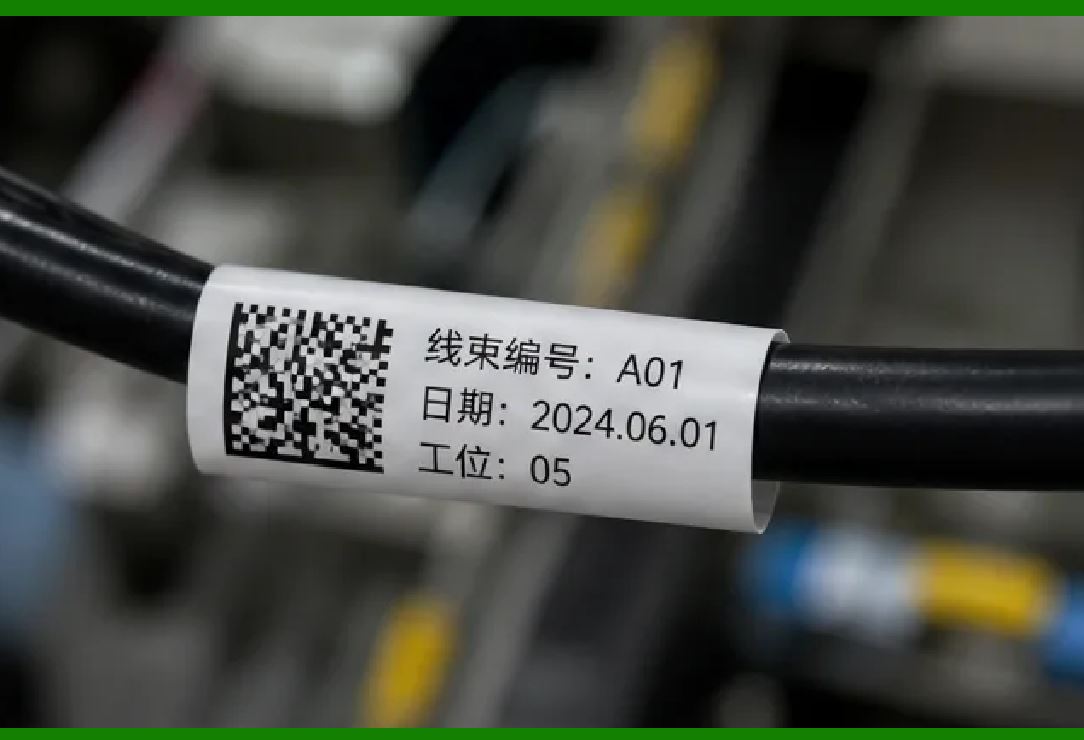
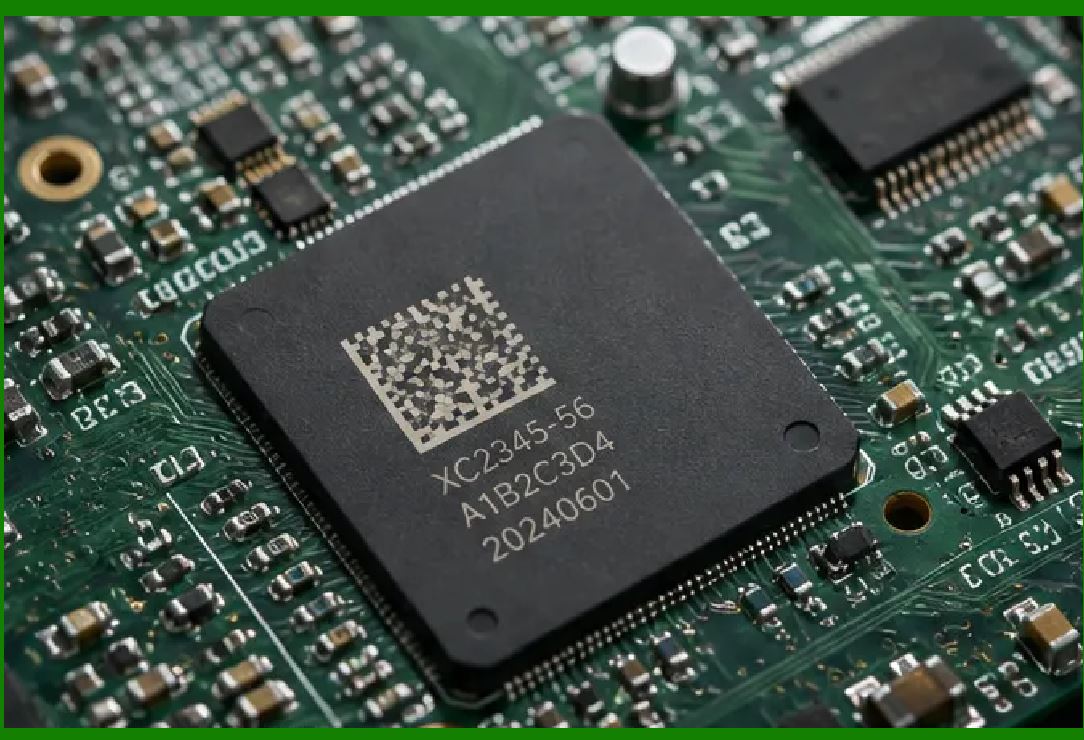
American electronics manufacturers use DataMatrix on PCBs, semiconductor packages, and components. The codes are often very small, with modules as small as 0.075 millimeters. The finder pattern enables high-resolution cameras to locate and decode these tiny codes, even when the board is rotated or tilted on the assembly line. This ensures accurate component tracking and quality control in high-volume manufacturing. |

|
Chapter 34: Semiconductor Wafer Marking |
DataMatrix codes are etched onto semiconductor dies and wafer frames. The codes are read by microscope-based inspection systems. The L finder pattern and Clock Track allow the inspection system to locate and decode the code even when the die is rotated or slightly tilted, as is common during wafer handling. This enables yield analysis and failure tracking across the semiconductor supply chain. |
Chapter 35: Solar Panel Manufacturing |
American solar panel manufacturers use DataMatrix on panel frames and junction boxes. The codes are read during manufacturing and installation to track panel performance and warranty information. The 360-degree reading capability allows installers to scan panels in the field without having to orient them precisely, which is important when panels are already mounted on roofs or structures. |
Chapter 36: EV Battery Manufacturing |
American electric vehicle battery manufacturers use DataMatrix on battery cells and modules. The codes are read during assembly to link cells to test data and to track them through the manufacturing process. The distortion correction of the finder pattern is valuable because the codes are often on cylindrical or pouch cells, and the scanner may not be perfectly aligned with the cell surface. |

|
Chapter 37: Construction Structural Steel |
American steel fabricators apply DataMatrix to structural steel beams using dot-peen markers. The codes are read on-site by structural engineers to verify yield strength and mill certifications. The 360-degree reading capability allows engineers to scan beams from any angle, even when beams are stacked or partially obscured. This improves construction efficiency and safety. |
Chapter 38: Industrial Tools and Equipment |
American manufacturers of industrial tools use DataMatrix for asset tracking. The codes are applied to tools, engine components, and motor parts. They are read in maintenance shops and field service operations. The finder pattern's ability to read from any angle is valuable when tools are stored in toolboxes or racks where they may not be oriented consistently. |
Chapter 39: Chemical and Biomedical Instruments |
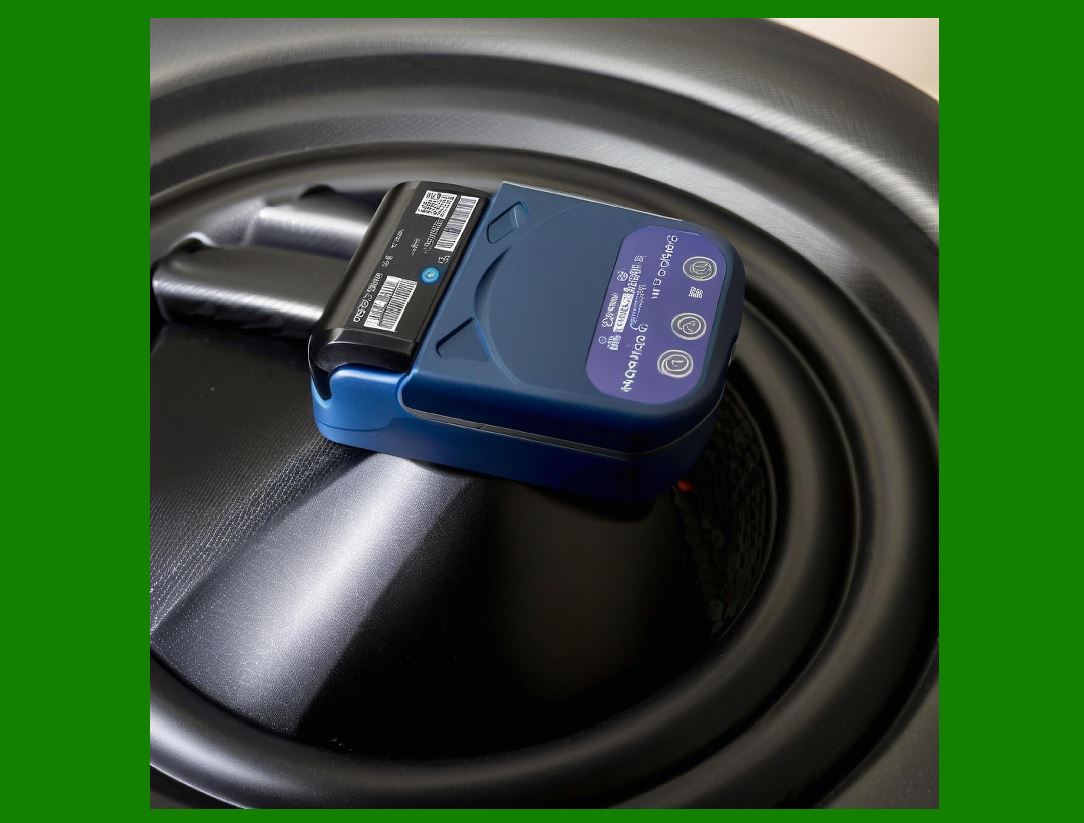
American manufacturers of chemical and biomedical analysis instruments use DataMatrix on consumables, reagents, and instrument parts. The codes are read by automated analyzers and laboratory personnel. The omnidirectional reading capability allows codes on small vials and tubes to be scanned without precise orientation, speeding up laboratory workflows. |
|
Chapter 40: Document Management |
American government agencies and corporations use DataMatrix on archival folders and documents. The codes link physical documents to scanned digital copies. The 360-degree reading capability allows staff to scan documents in file folders without having to orient each document precisely, improving retrieval efficiency. |
Chapter 41: Access Control |
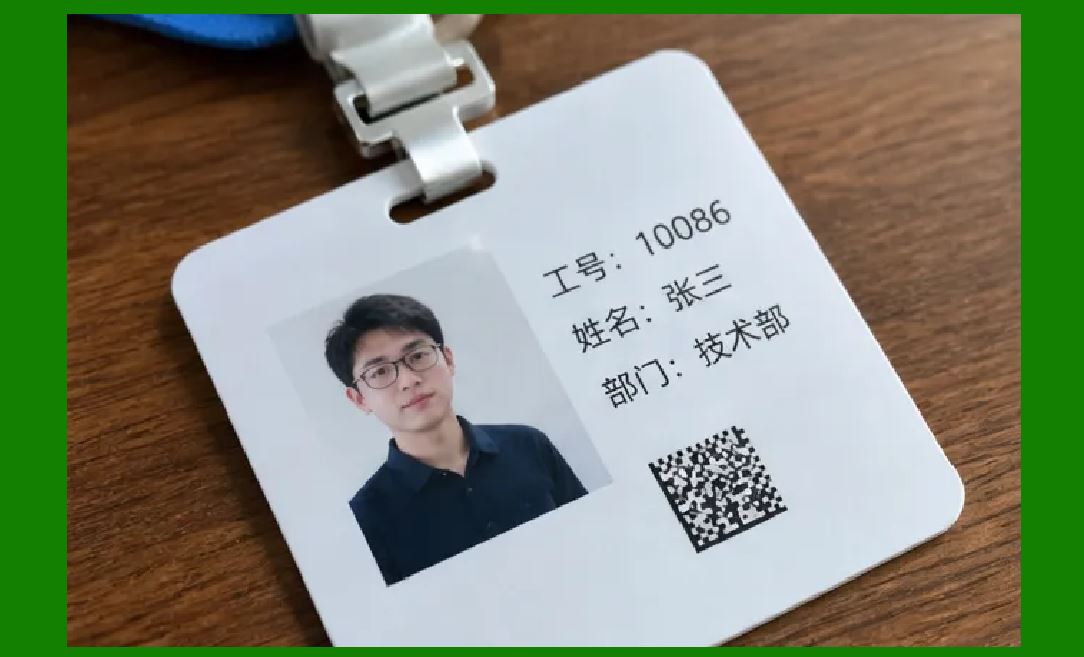
American organizations use DataMatrix on identification badges, access cards, and visitor passes. The codes are read by door readers and handheld scanners. The finder pattern's ability to read from any angle allows users to present their badges to readers without having to orient them in a specific direction, improving access flow and user experience. |
Chapter 42: Event Ticketing |
American event venues use DataMatrix on wristbands and paper tickets. The codes are read by entry gates and handheld scanners. The 360-degree reading capability allows attendees to quickly present tickets or wristbands to scanners without precise orientation, reducing entry wait times and improving the attendee experience. |
|
Chapter 43: Jewelry and Luxury Goods |
American jewelry retailers engrave DataMatrix on the inside of rings, watch clasps, and other luxury items. The codes are read for inventory management and authentication. The finder pattern's ability to read from any angle is valuable when scanning small, curved items that cannot be precisely oriented under the scanner. |
Chapter 44: Hospital Surgical Instrument Tracking |
American hospitals use DataMatrix codes on surgical instruments for tracking and sterilization management. The codes are read as instruments are processed through sterilization cycles and before surgery. The 360-degree reading capability allows staff to scan instruments quickly, even when they are in trays or baskets where orientation is not controlled. |
Chapter 45: Apparel and General Merchandise |
American apparel brands use DataMatrix on care labels and garment tags. The codes are read in distribution centers for automated sorting and inventory management. The finder pattern's ability to read from any angle allows the codes to be scanned as garments move along conveyor belts, regardless of how they are oriented. |
|
Chapter 46: Mail and Document Tracing |
The USPS and private couriers use DataMatrix on envelopes and packages for automated routing and tracking. The codes are read by sorting machines that process mail at high speed. The 360-degree reading capability is essential because envelopes and packages can be oriented in any direction as they move through the sorting equipment. |
Chapter 47: 3D Printed Parts |
American manufacturers of 3D printed parts embed DataMatrix codes directly into the CAD model. After printing, the code is integral to the part. The finder pattern is printed as part of the part surface. The omnidirectional reading capability allows the codes to be scanned in any orientation, which is important when parts are inspected or tracked after printing. |
Chapter 48: Food and Beverage Canning |
American food and beverage producers use DataMatrix codes on can lids and labels for tracking and consumer engagement. The codes are read by consumer smartphones and by scanning equipment at distribution centers. The 360-degree reading capability allows consumers to scan cans by pointing their phone at the code from any angle, without having to rotate the can. |

|
Chapter 49: Museum and Archive Management |
American museums use DataMatrix on artifact labels, and archives use them on storage boxes. The codes are read by curators and researchers to access records. The finder pattern's ability to read from any angle allows staff to scan labels on the backs of artifacts, on boxes in crowded shelves, or in other orientations where precise alignment is not possible. |
Chapter 50: The Future of Finder Pattern Applications |
As printing and scanning technologies continue to advance, the finder pattern will remain a central feature of DataMatrix. New applications will emerge in augmented reality, where DataMatrix codes on physical objects will be scanned by AR glasses to retrieve digital information. The 360-degree reading capability will be essential as users will not have to orient themselves perfectly relative to the code. The finder pattern, with its combination of reliability, speed, and orientation independence, will continue to be the foundation of DataMatrix for decades to come. |

|
Detailed Summary |
The DataMatrix finder pattern is the structural framework that makes the symbology so versatile and reliable. It consists of two solid adjacent borders forming an L-shape, known as the L finder pattern, and two alternating dashed borders on the opposite sides, known as the Clock Track or timing pattern . The L finder pattern is used to locate the code, determine its size, and correct for distortion, while the Clock Track provides module spacing information . This design enables four key capabilities: rapid code location, 360-degree omnidirectional reading, distortion correction, and reliable decoding even on curved surfaces. |
The finder pattern's design is optimized for machine vision systems. The solid L shape provides strong edges for detection algorithms, while the alternating Clock Track provides a high-frequency pattern for resolution and distortion assessment. This optimization makes DataMatrix ideal for industrial automation, where codes are read by cameras on assembly lines, conveyor belts, and sorting equipment. The small quiet zone requirement (just one module) allows DataMatrix to be used on very small surfaces where other symbologies would not fit . |
In the United States, the finder pattern's capabilities enable an extraordinary range of applications. The U.S. Department of Defense uses DataMatrix for equipment tracking, where parts may be oriented haphazardly in warehouses and field conditions . The USPS relies on DataMatrix for automated package routing, where high-speed tunnel scanners read codes from any angle as packages move along conveyor belts . The pharmaceutical and medical device industries depend on DataMatrix for serialization and unique device identification, enabling rapid scanning of small vials, syringes, and implants . |
Hospitals use DataMatrix on medication packages and patient wristbands for medication safety checks, where the 360-degree reading capability speeds up workflow and reduces errors. Clinical laboratories use DataMatrix on specimen containers for automated sample processing, where analyzers read codes from any orientation as tubes rotate on carousels. The automotive and aerospace industries use DataMatrix on components for just-in-sequence production and quality control, where cameras read codes on moving parts without precise orientation control. |
The retail industry's Sunrise 2027 initiative will expand DataMatrix use to consumer-facing applications. The omnidirectional reading capability will allow consumers to scan codes with their smartphones from any angle, improving the user experience. The finder pattern's reliability will ensure that codes can be read even on flexible packaging, irregular surfaces, or codes that have been smudged or damaged. |
|
The finder pattern is not just a technical detail; it is a fundamental feature that makes DataMatrix universally applicable. Its ability to enable quick, reliable, orientation-free scanning has made DataMatrix the standard for industries where efficiency and accuracy are paramount. From the assembly line to the operating room, from the warehouse to the consumer's smartphone, the finder pattern quietly does its work, making modern supply chains and healthcare systems possible. As technology advances, the finder pattern will continue to be the anchor that makes DataMatrix one of the most reliable and versatile data carriers ever developed. |
 cs@easiersoft.com