A Technical Deep-Dive into QR Codes and Their Multispectral Industrial Applications |
Chapter 15: Industry 2 - Healthcare: Patient Wristbands |
Short Summary |
This chapter explores the critical role of QR codes in American healthcare, with a primary focus on patient wristbands and medication safety. QR codes on wristbands encode medication schedules and allergy alerts, enabling nurses to verify the 'Five Rights' of medication administration through scanning. The technology uses H-level error correction to ensure readability even after exposure to sanitization wipes and physical wear. We examine how hospitals like Doylestown Hospital in Pennsylvania and The Hospital of Central Connecticut have implemented bar-coded medication administration systems. The chapter also covers innovative VA pharmacy programs that use QR codes on prescription bottles to protect patient privacy, nursing education initiatives using QR scanning for simulation training, and broader patient education tools that leverage QR codes for care coordination. We present real-world data on medication error rates and demonstrate how scanning technology serves as the final safety check before medication administration. |
|
Introduction: The Final Line of Defense |
Every day in American hospitals, nurses administer millions of medications to patients. Each administration is a moment of potential risk: the wrong patient, the wrong drug, the wrong dose, the wrong route, or the wrong time. These 'Five Rights' of medication administration are the bedrock of patient safety, and ensuring them is a complex, high-stakes process. |
Nurses are the final line of defense between patients and medication errors. Studies estimate that medication errors harm approximately 1.5 million patients per year in the United States and are responsible for up to 98,000 patient deaths annually . The nursing workforce is under unprecedented strain, with chronic understaffing and increasing patient acuity creating pressures that can lead to shortcuts and workarounds . |
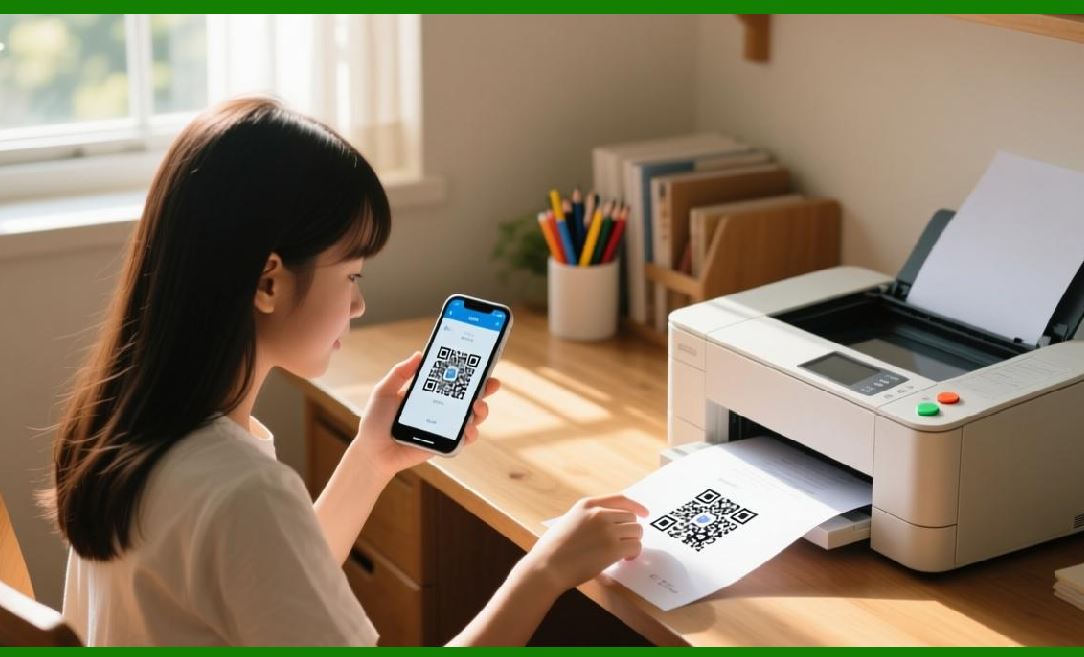
This is where QR codes on patient wristbands become a critical safety tool. A QR code on a patient's wristband encodes essential information: the patient's identity, medication schedule, allergy alerts, and other clinical data. When a nurse scans the wristband before administering a medication, the system verifies that the Five Rights are satisfied. If there is a mismatch---for example, the medication is not ordered for that patient, or the patient has a documented allergy---the system alerts the nurse and prevents the error. |
The technology is a form of Bar-Coded Medication Administration (BCMA), and it has been shown to significantly reduce medication errors. The system typically uses H-level error correction, the highest level available in QR codes, to ensure that the code remains readable even after the wristband has been exposed to water, sanitization wipes, and physical abrasion during a patient's hospital stay. |
This chapter explores the many ways QR codes are used in American healthcare, from patient wristbands and medication administration to pharmacy innovations and nursing education. |

|
The Five Rights and Bar-Coded Medication Administration |
The 'Five Rights' of medication administration are a cornerstone of nursing practice: |
1. Right Patient - ensuring the medication is given to the correct individual |
2. Right Medication - verifying the drug matches the prescription |
3. Right Dose - confirming the amount is correct |
4. Right Route - administering via the proper method |
5. Right Time - giving the medication at the scheduled time |
Bar-Coded Medication Administration (BCMA) systems automate the verification of these rights. The system works through a simple but powerful workflow : |
1. Patient Identification: Upon admission, each patient receives a wristband with a unique bar code or QR code. This wristband becomes the patient's digital identity throughout their stay . |
2. Medication Labeling: Each unit-dose medication is labeled with a bar code or QR code that identifies the drug, dose, and route . |
3. Scanning at the Bedside: Before administering a medication, the nurse scans the patient's wristband and then scans the medication . |
4. Electronic Verification: The Electronic Medication Administration Record (eMAR) system checks the scanned data against the patient's medication orders . |
5. Alert or Authorization: If the scan verifies the Five Rights, the system authorizes administration. If there is a mismatch---wrong patient, wrong drug, wrong dose, or a documented allergy---the system generates a warning, preventing the error . |

|
The Hospital of Central Connecticut explains the system clearly: 'Before a medication is given, the nurse or respiratory therapist will use a small electronic device to scan bar codes on the ID wristband and on medications. This will be done to ensure patients receive what are called the 'Five Rights' of patient medication administration' . If there is any mismatch, 'the nurse or therapist will receive a warning on the computer and will take action to ensure these five rights are met' . |

|
US Application Examples: QR Wristbands in Practice |
Example 1: Doylestown Hospital, Pennsylvania |
Doylestown Hospital in Doylestown, Pennsylvania, implemented an Electronic Medication Administration Record (eMAR) system that uses bar-coded wristbands for patient identification . The system integrates Bluetooth wireless technology and hand-held scanners to read medication bar codes . |
The workflow is comprehensive. The system tracks a patient's drug dosage from the pharmacy to the nursing station and finally to the patient bedside . All patients are given a bar-coded wristband used for identification. The nurse scans the wristband before medication is administered. When the nurse scans both the wristband and the medication, the eMAR system alerts the nurse if there is any allergy or incompatibility . |
This is a classic BCMA implementation, demonstrating the fundamental safety benefits of bar-code technology in healthcare. The system ensures that the right patient receives the right medication, and it provides real-time allergy alerts that can prevent serious adverse events. |

|
Example 2: The Hospital of Central Connecticut |
The Hospital of Central Connecticut, part of the Hartford HealthCare network, describes its bar-coding program as part of a broader patient safety initiative . The hospital's approach emphasizes the 'Five Rights' and uses a combination of bar-code technology, eMAR, and Positive Patient Identification (PPID) . |
Key features of the program include: |
ID Wristbands: All patients receive an ID bracelet at admission. The bracelet lists the patient's name and other appropriate information . |
Supplemental Bracelets: Patients with allergies receive supplemental bracelets with this information . |
Bar-Coded Verification: The bar code on the wristband is scanned before any medication is given . |
Double-Checking: Pharmacy and nursing staff double-check medication orders before the first dose is administered . |
The hospital also encourages patients to be active participants in their own safety. Patients are advised to be sure the information on their ID bracelet is correct, to notify staff of any allergies, and to ask caregivers to check their ID bracelet before any medication or procedure . |
|
Example 3: VA Pharmacy QR Codes - Privacy and Convenience |
The Department of Veterans Affairs has pioneered an innovative use of QR codes that, while not on wristbands, demonstrates the broader potential of QR technology in healthcare. The Minneapolis VA Medical Center and Milwaukee VA Medical Center are replacing multi-page medication information sheets with QR codes printed directly on prescription bottles . |
The problem was significant. Each prescription traditionally included two to six pages of printed information, often containing personal details like addresses and medication information. These papers were frequently discarded without being read, creating both privacy risks and waste . |
The solution is elegant. A QR code printed on the prescription bottle links to drug information only---no personal data is embedded in the code . Veterans scan the code with their smartphone to view medication details instantly, including instructional videos for inhalers and injectables . No login or account creation is required . |
The benefits are substantial. The Minneapolis VA typically goes through 40 cases of paper each month; the new system will save nearly $3,000 per month in paper and toner costs . The Milwaukee VA, which filled more than 270,000 prescriptions in 2024, expects similar savings . Privacy is enhanced because the QR code contains no personal information, and veterans can access their medication information 24/7 from anywhere . |
Veteran Tom Cocchiarella, who served in the Air Force, is enthusiastic: 'With no patient information tied to the QR code, patient safety is greatly enhanced. It will be great to have my medication information digitally, especially when I go to visit my daughter in Los Angeles, CA' . |
Veterans who prefer printed information can request paper copies at any time. The QR codes are being phased in gradually, with full implementation at the Minneapolis VA expected by May 2026 . Eighteen VA pharmacies across the country have already made the switch, with overwhelmingly positive feedback . |

|
Example 4: Nursing Education and QR Simulation |
QR codes are also being used to train the next generation of nurses. A study conducted with pre-licensure nursing students tested a low-cost QR scanning intervention during simulated medication administration . The study, published in BMC Nursing in 2024, involved 166 students across seven simulations in pediatric and obstetric courses . |
The intervention group used QR codes created with a free online generator. QR codes were placed on the patient's wristband and medications used within the simulation scenarios. Upon scanning the patient identification band, students viewed a video displaying the patient chart. When they scanned the medication bar codes, another video played with medication information . |
The results were instructive. While there was no statistically significant difference in the rate or type of medication errors between the QR scanning and traditional groups, the majority of participants felt that QR scanning more closely mimicked medication administration in clinical settings. Half of the participants responded that it improved their safety practices . |
The study concluded: 'The results of this pilot study indicate that while there is a high risk for error among pre-licensure nursing students, the use of QR scanning did not increase the risk of medication errors' . The researchers plan to build upon these pilot findings with multi-site implementation . |
This research is significant because it demonstrates how low-cost QR technology can be used to create realistic simulation experiences for nursing students, better preparing them for clinical practice. |

|
The Technology Behind QR Wristbands |
QR codes on patient wristbands are typically encoded with a unique patient identifier, such as a medical record number, and sometimes with additional clinical data. The choice of H-level error correction is deliberate, ensuring readability under adverse conditions. |
H-Level Error Correction: H-level correction can recover up to 30% of a QR code's data. This is essential for wristbands because they are frequently exposed to: |
Sanitization wipes: Hand sanitizers and disinfectants can smear or degrade the printing. |
Water and bodily fluids: Wristbands are worn in environments where they may get wet. |
Physical wear: Wristbands are rubbed against bedding and clothing. |
Curved surfaces: The wrist is curved, creating potential distortion. |
Finder Patterns and Alignment: The finder patterns, which help the scanner locate and orient the code, are critical when scanning at the bedside. Nurses often scan wristbands at various angles and under varying lighting conditions. QR codes' rotation-invariance ensures they can be read even if the wristband is twisted. |
Data Capacity: A typical wristband QR code stores a medical record number, a name, and possibly a URL that links to a full patient profile. This data is relatively small, fitting easily in a low version QR code. However, the code's size must be balanced against the available space on the wristband. Micro QR codes, discussed in Chapter 11, are sometimes used for very small wristbands. |

|
Patient Education and Care Coordination |
Beyond wristbands, QR codes are also being used for patient education and care coordination. A study published in 2025 described how researchers disseminated and adapted patient-facing educational materials across VA primary care clinics, using QR codes to link patients to online information . |
The tools, which included pamphlets and handouts, were adapted based on feedback from frontline providers and veteran patients. Feedback resulted in the use of larger fonts, pictures and colors, less dense text, and QR codes . The QR codes served a dual purpose: they linked patients to up-to-date online information and allowed researchers to track real-world uptake . |
The uptake was substantial. The tools received over 2,000 tool page views and more than 3,000 QR code accesses . This demonstrates the value of simple patient-facing tools and the utility of QR codes for measuring their real-world impact. |
The VA also developed new tools addressing current challenges, including a 'Save a Trip' tool that helps patients understand the difference between routine, non-urgent, and urgent medical situations, and guides them on the appropriate actions . |

|
Medication Error Statistics and the Impact of Scanning |
The impact of medication scanning technology on patient safety is significant, though measuring it precisely is challenging. The Academy of Managed Care Pharmacy (AMCP) estimates that medication errors harm 1.5 million patients per year in the United States and are responsible for up to 98,000 patient deaths annually . |
A survey found that 55% of recent graduate nurses reported having made a medication error . Nursing students are not immune: a study found that by the end of four semesters, 80% of participants were not engaging in safe medication administration practices . These statistics underscore the importance of both education and technology in medication safety. |
Nurses spend approximately 40% of their time at work focused on medication management . This high proportion of time makes efficiency gains from scanning technology particularly valuable. By automating verification, scanning systems reduce the cognitive load on nurses and free them to focus on other aspects of patient care. |
The goal is to create a system where the technology handles routine verification, allowing the nurse to focus on critical thinking and patient interaction. The barcode scanning system 'is used to verify important information about patients and their treatment, including their medications' . This verification is the final check before a medication reaches the patient. |

|
Future Directions and Innovations |
The healthcare applications of QR codes continue to evolve. Several innovations are worth watching: |
MediScan Pro: A system proposed in 2025 embeds QR codes directly on medication tablets. The system uses a smartphone app that reads and decodes QR codes to show dosage, expiration dates, and drug interactions . This approach circumvents the drawbacks of conventional labeling, which is vulnerable to deterioration and misunderstanding. |
AI-Integrated Medicine Dispenser: A 2025 IEEE paper described an automated medicine dispensing system using IoT and QR codes. The system logs patient information, allocates devices to specific beds, and organizes medication schedules with alerts for missed doses . The system reduces the chances of accidental overdoses and underdoses by up to 98% and achieves 96% accuracy in medication alert notifications . |
Integration with Electronic Health Records: Future developments could integrate QR scanning systems with electronic health records for real-time monitoring and personalized medication plans . This integration would enable more comprehensive patient safety monitoring and medication adherence tracking. |
Predictive Analytics: Expanding into predictive analytics for adherence and patient behavior could further enhance healthcare outcomes . |

|
Detailed Closing Summary |
Let us now consolidate everything we have covered in this chapter, reflecting on the significance of QR codes in American healthcare. |
QR codes on patient wristbands are a cornerstone of Bar-Coded Medication Administration (BCMA) systems. These systems automate the verification of the 'Five Rights' of medication administration: right patient, right medication, right dose, right route, and right time. Nurses scan the wristband and the medication before administration; the system checks for matches and alerts the nurse to any discrepancies . |
Hospitals like Doylestown Hospital in Pennsylvania and The Hospital of Central Connecticut have implemented BCMA systems using bar-coded wristbands. The systems integrate with Electronic Medication Administration Records (eMAR) and provide real-time allergy alerts . This technology reduces medication errors, which harm 1.5 million patients annually in the US . |
QR codes on wristbands typically use H-level error correction to ensure readability after exposure to sanitization wipes, water, and physical wear. The scanner system requires the nurse to verify both the patient and the medication before administration, making it the final line of defense against errors . |
The VA has innovated beyond wristbands by using QR codes on prescription bottles to replace multi-page medication information sheets. The Minneapolis and Milwaukee VAs are phasing in the system, which enhances patient privacy, reduces paper waste, and saves thousands of dollars . Veterans can scan the QR code to access medication information and instructional videos without logging in. |
Nursing education has also embraced QR technology. A pilot study involving 166 pre-licensure nursing students used QR codes in simulation scenarios, with participants reporting that QR scanning more closely mimicked real clinical settings and improved their safety practices . |
Beyond wristbands and medications, QR codes are used for patient education and care coordination. VA primary care clinics have disseminated educational materials with QR codes, tracking real-world uptake of over 3,000 scans . |
The future of QR codes in healthcare includes direct tablet marking, IoT-integrated medicine dispensers, and EHR integration for real-time monitoring . The goal is a comprehensive system where technology supports nurses and reduces the risk of medication errors. |
For patients, the QR code on their wristband is an invisible safeguard---a small square that represents a complex system working to ensure their safety. For nurses, it is a tool that supports their critical work, allowing them to focus on what matters most: caring for the patient. |
 cs@easiersoft.com