1. Introduction to QR Code |
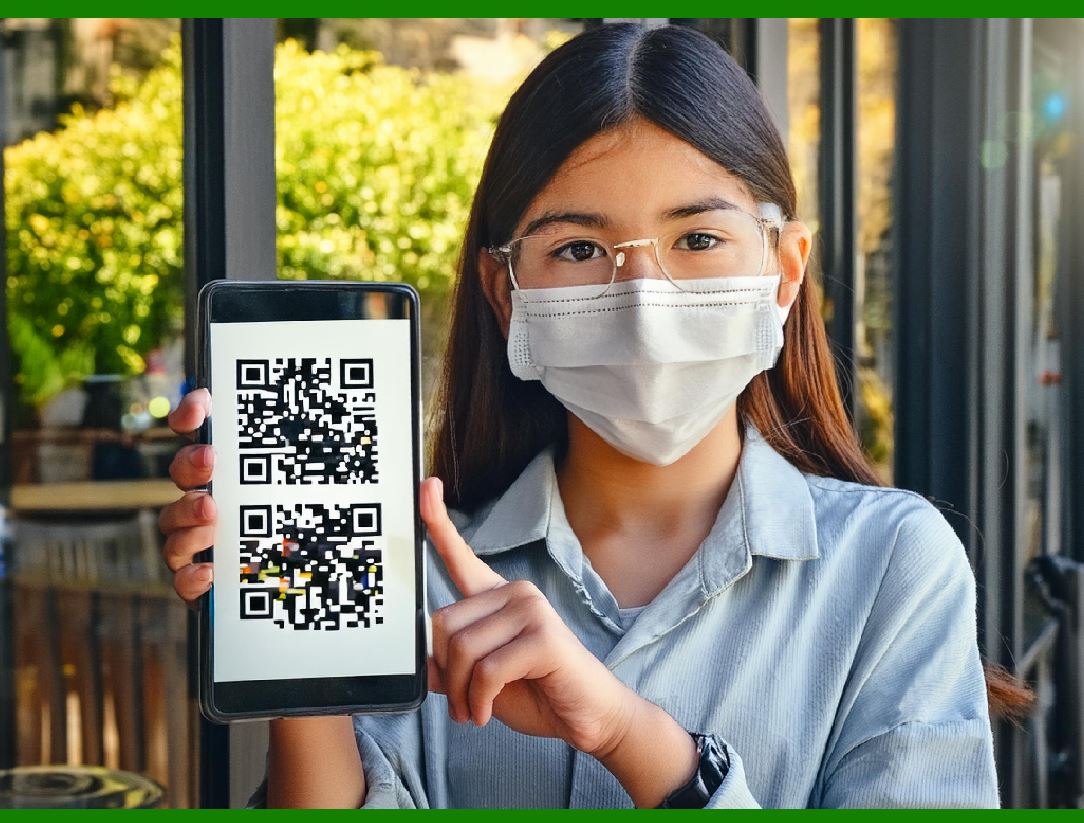
The QR Code (Quick Response Code) is a type of matrix barcode (two-dimensional barcode) that was developed by Denso Wave, a subsidiary of Toyota, in 1994. Initially, the QR Code was designed to track vehicles during manufacturing, but it quickly became widely adopted for various applications due to its versatility and speed in scanning. |
QR Codes encode information in two dimensions, using both horizontal and vertical spaces to store data, which allows them to hold significantly more data than traditional barcodes (1D codes). QR Codes can store numeric, alphanumeric, byte/binary, and Kanji data, with error correction capabilities to ensure data integrity even if part of the code is damaged. |
|
2. Classification of QR Codes |
QR Codes can be classified into several types based on various factors like their functionality, encoding methods, and usage. Below is a breakdown of the primary classifications: |
2.1 Based on Data Capacity and Error Correction Level |
1.Numeric QR Code: This is a specialized form of QR Code that can only encode numeric data (0-9). Numeric QR Codes are the smallest in size, offering the most efficient storage for numbers. |
2.Alphanumeric QR Code: Alphanumeric QR Codes support a larger character set, including letters (A-Z), digits (0-9), and a few special characters. The data capacity increases compared to numeric-only QR Codes. |
3.Byte/Binary QR Code: These codes can store any 8-bit data, such as characters from any character encoding system like UTF-8. It can encode a much larger variety of data compared to alphanumeric or numeric QR Codes. |
4.Kanji QR Code: Kanji QR Codes are designed to encode the Kanji characters of the Japanese writing system. These codes require a specific encoding method (Shift-JIS) and can store a higher density of data than alphanumeric codes. |

|
2.2 Based on Error Correction Level |
QR Codes incorporate error correction to ensure readability even if part of the code is damaged. There are four levels of error correction: |
1.Level L (Low): Can correct up to 7% of the data. |
2.Level M (Medium): Can correct up to 15% of the data. |
3.Level Q (Quartile): Can correct up to 25% of the data. |
4.Level H (High): Can correct up to 30% of the data. |
Higher error correction levels result in more data being stored in the QR Code, which can make the code appear denser. |

|
2.3 Based on Physical Appearance |
1.Static QR Code: A static QR Code encodes data that cannot be modified once it is created. It is best suited for encoding fixed data, such as URLs or contact information. |
2.Dynamic QR Code: A dynamic QR Code points to a URL where the actual content can be updated without changing the QR Code itself. This is especially useful for marketing purposes, where the content might need to be updated over time. |

|
3. QR Code Structure |
QR Codes consist of several components that work together to encode data and ensure the QR Code is correctly interpreted by scanners. |
3.1 Finder Patterns |
These are the large squares located in three of the four corners of the QR Code. The finder patterns allow scanners to easily locate the code, determine its orientation, and calculate its size. |
3.2 Alignment Patterns |
In larger QR Codes, alignment patterns are placed at specific locations within the code to help the scanner correctly read the data. These patterns ensure that the code can be read even if it is distorted or rotated. |
3.3 Timing Patterns |
The timing patterns are the alternating black and white modules that run along the horizontal and vertical edges of the QR Code. These patterns help the scanner determine the size of each module (the smallest unit of data). |
3.4 Data and Error Correction Codewords |
This is the actual data stored in the QR Code. The data is encoded in the form of black and white squares, representing binary values (1s and 0s). Error correction codewords are also included in the QR Code to ensure data integrity. |
3.5 Format Information |
The format information provides data about the QR Code's error correction level and mask pattern. This information helps the scanner interpret the QR Code correctly. |
3.6 Version Information |
The version information in QR Codes indicates the size of the QR Code and is encoded in the format of a 6-bit or 12-bit codeword, depending on the version of the code. There are 40 different QR Code versions, with version 1 being the smallest (21x21 modules) and version 40 being the largest (177x177 modules). |

|
4. QR Code Encoding Process |
The process of encoding a QR Code involves converting the input data into a format that can be interpreted by the QR Code scanner. Below is a detailed description of the encoding process: |
4.1 Data Analysis |
The first step is to analyze the data that needs to be encoded. The data is classified according to the encoding mode (numeric, alphanumeric, byte, or Kanji) based on its content. |
4.2 Encoding the Data |
Once the data is analyzed, it is encoded into binary form according to the appropriate encoding scheme. For example, a numeric QR Code would use a 10-bit encoding system, while an alphanumeric code might use 11 bits per character. |
4.3 Error Correction |
Error correction codewords are generated based on the error correction level selected for the QR Code. These codewords are added to the data, ensuring that up to 30% of the QR Code can be damaged without losing the data. |
4.4 Masking and Finalization |
The QR Code design process involves applying a mask to the data to improve its readability. Masking is applied to balance the distribution of black and white modules, ensuring that no part of the code is too dark or too light for the scanner to detect. |

|
5. Applications of QR Codes |
QR Codes have found applications in a wide range of industries and services. Here are some examples of how QR Codes are utilized: |
5.1 Marketing and Advertising |
QR Codes are widely used in marketing and advertising campaigns. Businesses often place QR Codes in print media (e.g., flyers, posters, magazines) or on products to direct consumers to online promotions, websites, or product information. |
5.2 Payment Systems |
QR Codes have become a staple in mobile payment systems. Services like PayPal, Alipay, and WeChat Pay allow users to scan QR Codes to make payments directly from their smartphones. |
5.3 Inventory Management |
QR Codes are commonly used in warehouse and retail inventory management. Products are tagged with QR Codes that contain information like product IDs, stock levels, and supplier information, enabling faster and more accurate inventory tracking. |
5.4 Ticketing and Authentication |
QR Codes are frequently used in digital ticketing systems, where they store event tickets, boarding passes, or digital coupons. Airlines, cinemas, and concert halls use QR Codes to allow for easy access control and check-in procedures. |
5.5 Healthcare |
In healthcare, QR Codes are used to store patient information, medical prescriptions, and drug details. QR Codes on medications can also include safety information, dosage instructions, and expiry dates. |
5.6 Social Media and Online Content |
Social media platforms like Facebook, Instagram, and Twitter use QR Codes to link users to specific profiles, posts, and hashtags. This makes it easier to share content or access social media platforms without typing in URLs manually. |

|
6. Security Considerations and Privacy Issues with QR Codes |
While QR Codes offer many benefits, they also present security risks. Because QR Codes can easily link to websites or other external content, they can be used to direct users to phishing sites or install malicious software on devices. |
6.1 Malicious QR Codes |
Malicious QR Codes can be placed on public posters, advertisements, or websites. When scanned, these QR Codes can direct users to fraudulent websites or initiate harmful downloads. To mitigate this risk, it is recommended to use caution when scanning QR Codes from untrusted sources. |
6.2 Data Privacy Concerns |
Since QR Codes can store a variety of personal information, including contact details, location data, and payment information, it is important for businesses and consumers to be mindful of how data is being collected and used when interacting with QR Codes. |
|
7. Future of QR Codes |
The future of QR Codes looks promising as technology continues to advance. Some of the trends shaping the future of QR Codes include: |
1.Integration with Augmented Reality (AR): QR Codes can trigger AR experiences, offering a more immersive interaction between physical and digital worlds. |
2.Increased Use in Contactless Transactions: As contactless payments and interactions become more prevalent, QR Codes are expected to play an increasingly central role in the payment ecosystem. |
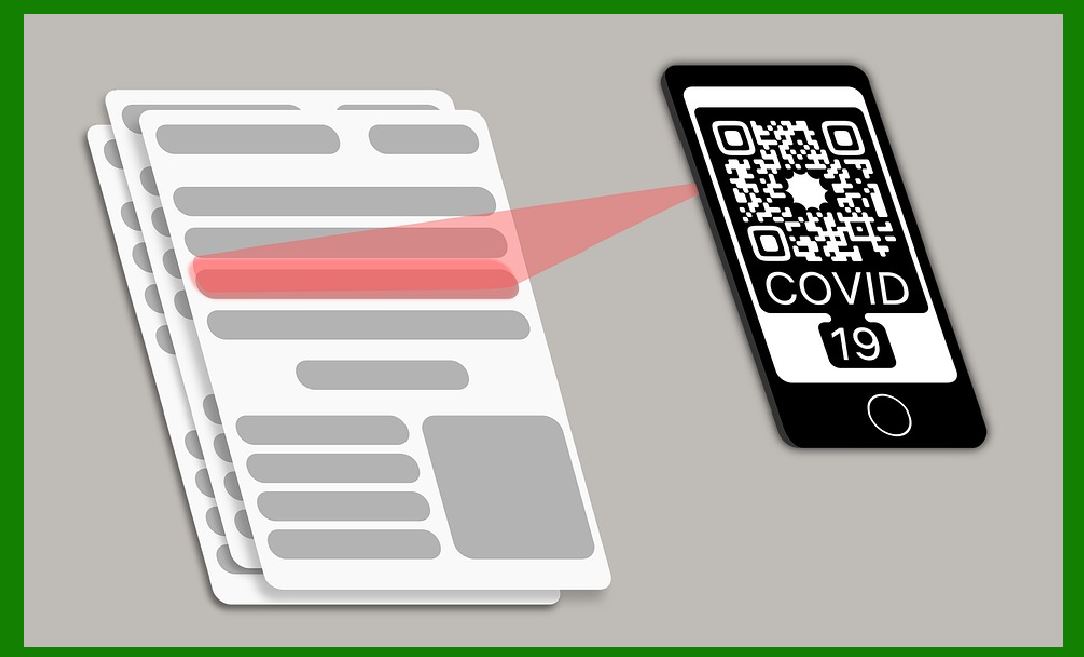
3.Enhanced Security: With advancements in encryption and digital signatures, QR Codes may be used in more secure applications, such as identity verification and access control. |
|
7. Future of QR Codes: In-Depth Exploration |
The future of QR Codes is poised to evolve significantly, driven by advancements in technology, changes in user behavior, and the increasing demand for more seamless, secure, and interactive digital experiences. Below is a detailed exploration of the various factors and trends that will shape the future of QR Codes: |
7.1 Integration with Augmented Reality (AR) |
Augmented Reality (AR) is transforming the way we interact with the digital world, and QR Codes are becoming an important enabler of AR experiences. With the proliferation of smartphones and AR technologies, QR Codes are increasingly used to trigger AR content in real-time. |
7.1.1 How QR Codes Work with AR |
When a QR Code is scanned, it can trigger an AR experience, such as displaying 3D models, animations, or interactive content overlaid onto the physical world. For example, a user might scan a product's QR Code on a retail shelf and instantly see a virtual demo of how the product works in their environment. |
7.1.2 Applications in Marketing and E-Commerce |
For marketers, combining QR Codes with AR offers an exciting opportunity to create interactive campaigns. By scanning a code on a billboard, for instance, consumers could experience a product demonstration in their own space through their smartphone or AR glasses. This offers a much richer and engaging experience compared to traditional advertising. |
7.1.3 Retail and Consumer Experiences |
The retail sector is already experimenting with AR and QR Codes to enhance the shopping experience. For example, AR-based product trials, such as 'try before you buy' for clothing, furniture, or makeup, could be initiated through scanning a QR Code. Customers can visualize products in 3D in their homes, ensuring better purchasing decisions. |
|
7.2 Increased Use in Contactless Transactions |
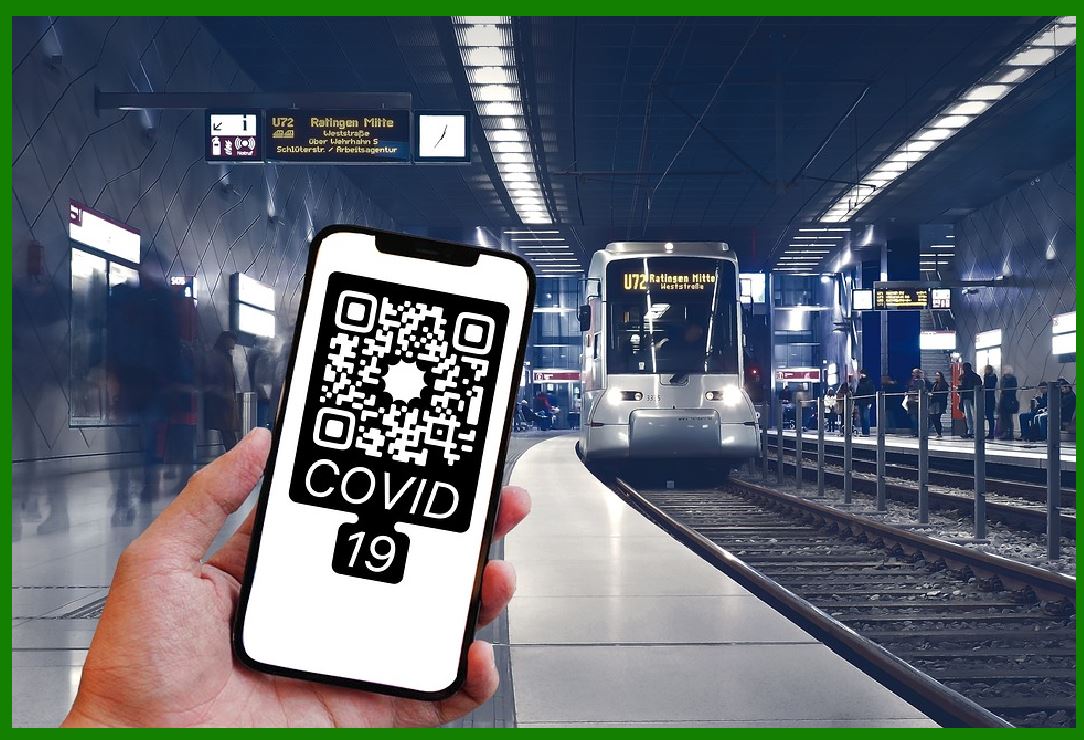
The COVID-19 pandemic has accelerated the adoption of contactless transactions, and QR Codes are central to this trend. As consumers continue to seek hygienic, touch-free ways of interacting with businesses, QR Codes offer an ideal solution for payments, ticketing, and information sharing. |
7.2.1 Contactless Payments |
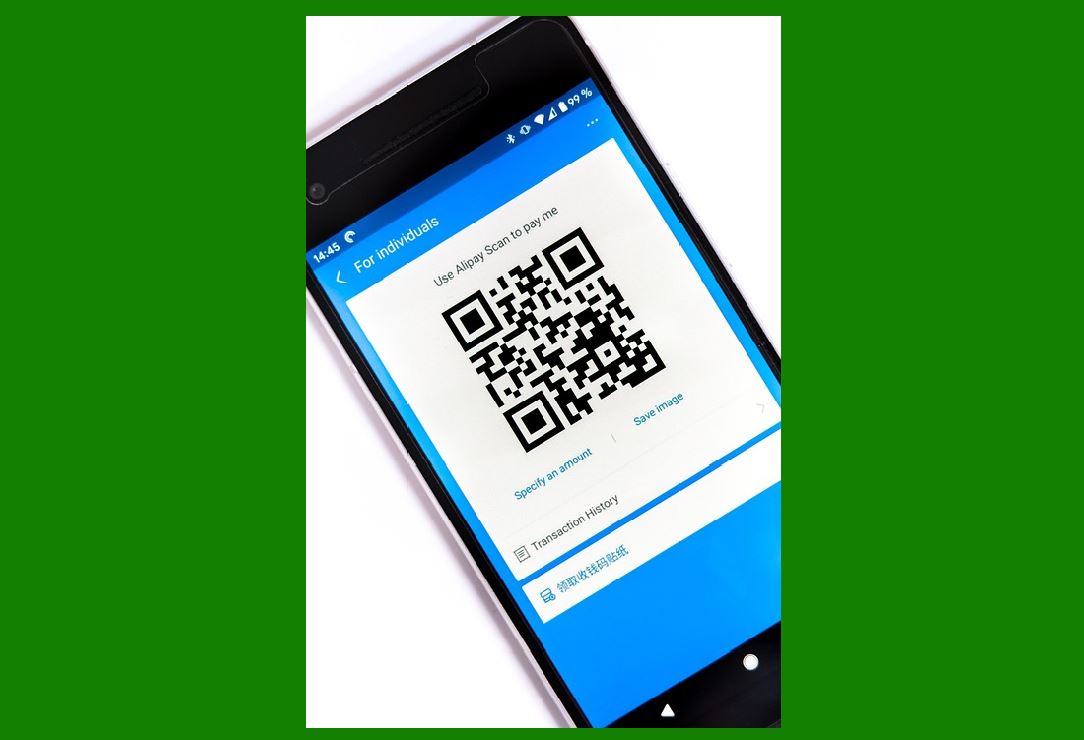
QR Codes are already widely used for mobile payment systems, especially in countries like China, where services such as Alipay and WeChat Pay dominate the payment landscape. By simply scanning a QR Code displayed by a merchant or printed on an invoice, customers can instantly make payments through their smartphones. |
The future of QR-based payments is likely to see more integration with global payment systems, as well as improvements in security and ease of use. This could include features like dynamic QR Codes (which change with each transaction to prevent fraud) and better integration with blockchain for enhanced security. |
7.2.2 Ticketing and Boarding Passes |
QR Codes are also widely used in digital ticketing for events, transportation, and flights. In the future, QR Codes could be further integrated into digital wallets and smart devices, making the ticketing experience even more seamless. Instead of printing physical tickets, travelers and event-goers could simply scan a QR Code from their smartphones, even using wearable devices. |
7.2.3 Improved Security Features |
As QR Codes become more integral to financial transactions, security will be a major concern. In the future, we can expect QR Codes to adopt advanced encryption methods, making them less susceptible to hacking or tampering. Some possibilities include embedding multi-factor authentication (MFA) protocols or using digital signatures to verify the authenticity of transactions. |

|
7.3 Advanced Analytics and Data Tracking |
As QR Codes continue to evolve, their potential for gathering and analyzing data will become more sophisticated. Marketers, businesses, and organizations will increasingly rely on QR Codes to gather valuable insights into customer behavior, location data, and engagement patterns. |
7.3.1 Dynamic QR Codes with Real-Time Analytics |
Dynamic QR Codes allow businesses to track and update the data contained in the code. This provides the ability to gather real-time analytics about user interaction. For example, businesses can track how many times a QR Code was scanned, where it was scanned, and the device type used to scan it. |
7.3.2 Personalized Marketing |
The future of QR Codes could see greater integration with AI and machine learning to create personalized experiences. By collecting data on user preferences and behaviors, businesses can tailor content delivered through QR Codes. For instance, a retailer could use a QR Code to offer personalized discounts or product recommendations based on previous interactions with the consumer. |
7.3.3 Location-Based Data |
QR Codes can be integrated with geolocation data to provide hyper-localized marketing opportunities. For example, when a QR Code is scanned in a specific location, it could trigger a location-based offer, such as a discount at a nearby store. This could be particularly useful in tourism, where QR Codes provide interactive guides and location-based promotions to travelers. |

|
7.4 Enhanced Security and Privacy |
With the growing concern over data security and privacy, QR Codes will need to adapt to more secure methods of information exchange. As QR Codes are often used to direct users to websites or apps that collect sensitive data, ensuring the security of these interactions is crucial. |
7.4.1 Secure QR Codes for Digital Identity |
In the future, QR Codes could be used as secure, digital identification methods. Instead of relying on passwords or credit cards, users could authenticate themselves using QR Codes linked to their digital identity. This could become a major development in fields like online banking, e-commerce, and even governmental services. |
7.4.2 Encrypted QR Codes |
To address privacy concerns, QR Codes could adopt encryption technologies that protect the sensitive data contained in the code. For example, a QR Code used for a mobile payment system could be encrypted with end-to-end security, ensuring that personal and financial information is not exposed to hackers. |
7.4.3 Blockchain Integration |
Blockchain technology has already begun to influence QR Codes in areas such as cryptocurrency transactions and digital asset verification. Blockchain-enabled QR Codes could provide an immutable record of transactions, offering higher levels of security and transparency. This could be used in applications such as ticketing, digital contracts, or supply chain tracking. |

|
7.5 QR Codes in the Internet of Things (IoT) |
The Internet of Things (IoT) is transforming how we interact with everyday objects, and QR Codes are well-positioned to play a key role in the development of IoT ecosystems. By linking physical objects with digital content and services, QR Codes enable smarter, more interactive environments. |
7.5.1 Smart Devices and Connected Products |
QR Codes can be embedded into a wide range of IoT devices, from home appliances to wearables. When a QR Code is scanned, it could trigger automated actions or display information about the device. For example, scanning the QR Code on a smart thermostat could provide the user with device settings, manuals, or troubleshooting instructions. |
7.5.2 Supply Chain and Logistics |
QR Codes are already used in supply chain management for tracking products from manufacturing to distribution. With the rise of IoT, QR Codes could be further integrated into IoT-enabled sensors that monitor inventory levels, temperature, or humidity. This would allow for real-time tracking and analysis of goods in transit. |
7.5.3 Smart Cities |
QR Codes could play an important role in the development of smart cities. For example, QR Codes could be used on street signs, public transport systems, or even waste bins to provide real-time information about traffic, routes, or recycling efforts. Citizens could scan these codes to access services and get immediate updates. |

|
7.6 Evolution in User Experience (UX) |
As QR Codes evolve, their design and functionality will need to adapt to provide a more user-friendly and seamless experience. With the growth of mobile-first interactions, users expect simple and intuitive ways to interact with digital content. |
7.6.1 QR Codes in Wearable Technology |
Wearable devices, like smartwatches and AR glasses, will likely become a significant platform for QR Code scanning in the future. This would enable users to quickly scan QR Codes without having to pull out their smartphones. This could improve the convenience of scanning QR Codes in various contexts, such as at events, in public transportation, or while shopping. |
7.6.2 QR Codes with Embedded Multimedia |
The future of QR Codes may also involve the integration of multimedia content, such as videos, 3D models, or audio. Scanning a QR Code could trigger an interactive video or provide a 3D visualization of the product, enhancing the overall user experience. |
7.6.3 Enhanced Visual Design |
QR Codes may undergo design changes that make them more visually appealing and integrated into branding. Instead of the traditional black-and-white square patterns, future QR Codes could incorporate logos, colors, and creative shapes, making them more aesthetically pleasing while still being scannable. |
|
8. Conclusion |
The future of QR Codes is bright and full of potential. As technology evolves, QR Codes will become more integrated with AR, IoT, blockchain, and enhanced security features. They will continue to play a central role in mobile payments, marketing, supply chain management, and even the development of smart cities. With an ever-increasing focus on user convenience and data security, QR Codes will remain a vital tool in the digital ecosystem for years to come. |
 cs@easiersoft.com