1. Introduction to QR Code |
1.1 Definition of QR Code |
A QR (Quick Response) Code is a type of two-dimensional (2D) barcode designed for fast readability and high data capacity. It was invented by Masahiro Hara at Denso Wave, a subsidiary of the Toyota Group, in 1994. |
1.2 The Importance of QR Code Today |
QR Codes are used in a wide array of applications, ranging from marketing, logistics, and product tracking to mobile payment systems and healthcare applications. Its development significantly impacted how we interact with physical and digital worlds. |
1.3 A Brief History of Barcodes |
Before the advent of QR Codes, one-dimensional barcodes like UPC and EAN were widely used. However, these were limited in terms of data storage and required a direct line-of-sight for scanning. |

|
2. The Precursor Technologies Leading to QR Code Development |
2.1 The Evolution of Barcode Technology |
Early barcodes, including the Universal Product Code (UPC) in 1973, revolutionized the retail industry by automating product identification. However, the limitation of one-dimensional barcodes became apparent. |
2.2 Two-Dimensional Barcodes: The Need for Improvement |
One-dimensional barcodes could store a limited amount of information-just a series of digits or characters. The need for better storage capacity and faster scanning methods led to the research and development of 2D barcodes. |
2.3 The Development of Data Matrix Codes |
Data Matrix codes, developed in the 1980s, offered a solution to the limited data storage in 1D barcodes. It became widely used in industrial applications, especially for smaller items requiring more detailed tracking. |
2.4 The Advent of PDF417 |
PDF417, introduced in 1990 by Dr. Yasuhiro Sato, was another key 2D barcode standard that could store significant amounts of information in both horizontal and vertical dimensions. It became popular in applications requiring the storage of personal data and shipping labels. |
|
3. The Invention of QR Code |
3.1 Denso Wave and the Need for Innovation |
Denso Wave, a subsidiary of Toyota, recognized the limitations of existing barcode systems, especially in tracking automotive parts in a fast-paced environment. They sought a new solution to improve inventory tracking and data retrieval. |
3.2 Masahiro Hara's Invention |
In 1994, Masahiro Hara and his team at Denso Wave developed the QR Code. The goal was to create a code that could be scanned quickly (hence the name 'Quick Response') and could store significantly more data than conventional barcodes. |
3.3 Key Features of QR Code |
QR Code was designed to hold a large amount of data, be read quickly, and be robust in various environments. The features of QR Code included: |
Fast scanning capabilities. |
High data capacity. |
Ability to be read in any direction (360 degrees). |
Error correction using Reed-Solomon error correction, ensuring readability even when part of the code is damaged or obscured. |

|
4. The Early Adoption of QR Code |
4.1 QR Code in the Automotive Industry |
Initially, QR Codes were used in automotive manufacturing to track parts and components. The automotive industry's high demand for efficiency, accuracy, and speed made QR Codes an ideal solution. |
4.2 Commercial and Retail Adoption |
As QR Codes demonstrated their potential for large data storage and easy scanning, companies began exploring their use in marketing, product labeling, and logistics. Retailers saw the potential for QR Codes to streamline operations and enhance customer engagement. |
4.3 The Growth of Mobile Phones and the Introduction of QR Code Scanning |
With the rise of mobile phones, particularly smartphones with cameras and internet capabilities, QR Code adoption spread into consumer-facing applications. QR Codes could be scanned with mobile devices to access websites, download apps, and even make payments. |
|
5. Globalization and Standardization of QR Code |
5.1 The Formation of QR Code Standard |
In 1997, Denso Wave published the first QR Code specification, and by 2000, the International Organization for Standardization (ISO) recognized the QR Code as an international standard under ISO/IEC 18004. |
5.2 Expansion Across Industries |
QR Codes found a wide range of uses across industries including retail, logistics, advertising, healthcare, and finance. Their ability to be printed on physical products or displayed on digital screens made them versatile for a global market. |
5.3 QR Code and the Rise of Mobile Payments |
With the rise of mobile payments, QR Codes became an essential part of the financial ecosystem. They enabled consumers to scan codes to make transactions directly from their phones, reducing the need for physical credit cards or cash. |
5.4 The Role of QR Codes in Contactless Transactions |
During the COVID-19 pandemic, QR Codes played a critical role in enabling contactless transactions, especially in restaurants, stores, and other public spaces, by allowing users to scan a code to view menus, make payments, and more. |
|
6. Technical Aspects of QR Code |
6.1 Structure of QR Code |
QR Codes consist of several key components: |
Position Detection Patterns: These are the three large squares located at the top-left, top-right, and bottom-left corners of the QR Code. |
Timing Patterns: These ensure the QR Code is aligned properly during scanning. |
Data Cells: The grid that stores the data in the code. |
Error Correction: This allows the code to be readable even if part of the code is damaged. |
6.2 Types of QR Codes |
QR Codes can be static or dynamic: |
Static QR Codes: The data is fixed and cannot be modified after creation. |
Dynamic QR Codes: The data can be modified or redirected after creation, providing more flexibility for marketing campaigns and analytics. |
|
7. QR Code in Marketing and Advertising |
7.1 Revolutionizing Marketing Strategies |
QR Codes introduced new ways for brands to connect with consumers. They enabled a direct link between physical products and online content, such as promotional websites, social media pages, and exclusive offers. |
7.2 QR Codes in Print and Outdoor Advertising |
One of the major use cases for QR Codes has been in print advertising. By adding QR Codes to magazines, billboards, and flyers, brands could instantly connect print media with digital experiences, increasing consumer engagement. |
7.3 QR Code Campaigns and Tracking |
With dynamic QR Codes, companies could track how often the codes were scanned, where they were scanned, and what content users engaged with. This created new opportunities for data-driven marketing. |

|
8. QR Code in the Age of Digitalization |
8.1 Integration with Digital Ecosystems |
QR Codes became an integral part of digital ecosystems, particularly in the areas of digital wallets, online payments, and contactless services. |
8.2 The Future of QR Codes in Blockchain and Cryptocurrency |
QR Codes are also used in cryptocurrency transactions, where they can encode wallet addresses, simplifying the process for users. |
8.3 QR Code and Augmented Reality (AR) |
QR Codes are being integrated with AR technologies, allowing users to scan a code and experience immersive content such as 3D models, virtual product try-ons, and more. |

|
9. QR Code in Logistics and Supply Chain Management |
9.1 The Role of QR Code in Tracking and Inventory Management |
One of the primary applications of QR Codes has been in logistics and supply chain management. Due to their high storage capacity and quick scanning capabilities, QR Codes have revolutionized the way goods are tracked. They allow for real-time tracking of products, making it easier for businesses to monitor inventory and shipments. |
Asset Tracking: QR Codes have been used for tracking assets, from raw materials to finished products. By scanning the code at each point in the supply chain, companies can access detailed information about a product's movement and status. |
Inventory Control: QR Codes simplify inventory management by providing an easy method for employees to scan products, track their location in a warehouse, and update stock levels. |
9.2 QR Code in Shipment and Packaging |
QR Codes are increasingly being applied to packaging materials. By including QR Codes on shipping labels, companies can quickly access product details, shipping information, and customs data with a simple scan. |
Cross-Border Logistics: QR Codes are instrumental in international logistics, as they store critical information regarding shipments, including customs declarations and handling instructions, which streamline cross-border shipments. |
9.3 Automated Warehouses and QR Code Integration |
In modern automated warehouses, QR Codes play a vital role. With robots and autonomous systems in place, QR Codes are used to guide these systems to the correct locations in a warehouse, ensuring goods are placed, retrieved, and shipped efficiently. |
|
10. QR Code in Healthcare |
10.1 QR Code for Patient Identification and Records |
The healthcare industry has leveraged QR Codes for managing patient identification and records. QR Codes are used to link patients to their electronic health records (EHRs) or hospital databases, making it easier for healthcare professionals to access critical information at the point of care. |
Medical Device Tracking: QR Codes are also applied to medical devices and pharmaceuticals for tracking purposes. By scanning the code, healthcare providers can check product information, expiration dates, and maintenance histories. |
10.2 Medication Management |
QR Codes have been integrated into the pharmaceutical sector, ensuring proper medication dispensing and preventing medication errors. When scanned, QR Codes on drug packaging can provide real-time data on dosage, potential side effects, and contraindications, improving patient safety. |
10.3 QR Codes for Appointment Scheduling and Telemedicine |
With the rise of telemedicine and digital health tools, QR Codes have facilitated easy access to online appointment scheduling, doctor consultations, and health check-ups. Patients can scan QR Codes to book appointments, access medical portals, or even consult doctors via virtual platforms. |

|
11. Security Features of QR Codes |
11.1 QR Code Vulnerabilities |
While QR Codes offer convenience, they also present security concerns. Malicious actors have exploited QR Codes for phishing attacks, spreading malware, or redirecting users to fraudulent websites. Because QR Codes store a variety of data types, they could potentially contain harmful URLs or executable files. |
11.2 QR Code Security Protocols |
To mitigate the security risks associated with QR Codes, several methods have been implemented: |
Secure URLs and Encryption: Many businesses use encryption to protect URLs embedded in QR Codes, ensuring that data cannot be easily intercepted. |
Verification and Authentication: Users can be prompted to authenticate their identity when scanning a QR Code, especially in sensitive applications like banking and payments. |
Dynamic QR Codes for Monitoring: The ability to change the content of a dynamic QR Code after it has been created adds an extra layer of security. Even if a QR Code is intercepted or copied, the data it links to can be updated, reducing the potential for malicious use. |
11.3 QR Code Scanners with Security Features |
Specialized QR Code scanning apps are being developed with built-in security features to detect and warn users of potentially dangerous codes. These scanners can also verify the authenticity of a QR Code by checking the source and integrity of the URL before directing the user to a destination. |
|
12. QR Code and Digital Identity |
12.1 The Role of QR Code in Digital Identity Management |
QR Codes have become an essential tool in digital identity management. They are used for user authentication in various services, including banking, online shopping, and public services. By scanning a QR Code, users can quickly access secure logins and verify their identity without needing to remember passwords. |
Two-Factor Authentication (2FA): QR Codes are often integrated into 2FA systems, where a user scans a code from their mobile device to verify their identity. |
12.2 QR Codes in E-Government Services |
Governments worldwide are utilizing QR Codes to simplify digital services. Citizens can use QR Codes to access government services, such as applying for permits, submitting taxes, and verifying official documents like identification cards and passports. |
12.3 QR Codes for Secure Digital Transactions |
Digital wallets and banking apps leverage QR Codes for secure transactions. Whether for peer-to-peer payments, bill settlements, or transfers, QR Codes provide a seamless method for conducting financial activities without needing physical cards or cash. |
|
13. QR Code in Mobile Payment Systems |
13.1 The Rise of Mobile Payment Systems |
One of the most transformative impacts of QR Codes has been in mobile payments. QR Codes have allowed users to conduct payments by simply scanning a code at retail locations or online platforms. This has facilitated the growth of digital wallets like Apple Pay, Google Pay, and Alipay, which rely heavily on QR Code technology. |
13.2 The Functionality of QR Codes in Payments |
In mobile payment systems, QR Codes serve two primary functions: |
Consumer Scanning: The consumer scans a merchant's QR Code to make a payment. |
Merchant Scanning: The merchant scans a consumer's QR Code, which contains the transaction details, to process the payment. |
13.3 QR Codes for Contactless Payments |
With the increasing demand for contactless payment methods, QR Codes have become a vital tool. They enable consumers to make payments without physically touching a payment terminal, reducing the risk of virus transmission during events like the COVID-19 pandemic. |
|
14. QR Code in Education |
14.1 Enhancing Learning with QR Codes |
QR Codes are making waves in education, as they provide an interactive way for students to engage with learning materials. Teachers use QR Codes to link to additional resources, such as instructional videos, articles, or websites, making learning more dynamic. |
Interactive Assignments: QR Codes on assignments or worksheets can link to supplemental information, quizzes, or assignments that enhance the student's understanding of a topic. |
14.2 QR Code in Campus Management |
On college and university campuses, QR Codes are used for everything from class registration to accessing digital campus maps and attendance tracking. QR Codes are placed on posters, event tickets, and student ID cards, allowing for quick access to various campus resources. |
14.3 QR Codes for Educational Games and Virtual Classrooms |
QR Codes are increasingly used in gamified learning environments, where students scan codes to unlock challenges or lessons. In virtual classrooms, QR Codes provide a quick way for students to connect with digital learning tools or live streams. |

|
15. The Future of QR Code Technology |
15.1 QR Code 2.0 and Beyond |
As technology continues to advance, so too does QR Code functionality. New iterations of QR Code standards, such as QR Code 2.0, aim to offer greater data capacity, enhanced security features, and even richer media support. Future versions may support advanced features like holographic displays, multi-dimensional data encoding, and integration with emerging technologies such as artificial intelligence and IoT (Internet of Things). |
15.2 The Role of QR Codes in the Internet of Things (IoT) |
With the rise of IoT devices, QR Codes are poised to play a key role in the seamless interaction between physical and digital worlds. QR Codes can link IoT devices to user applications, allowing users to control smart home devices, monitor health devices, and interact with connected products via simple scans. |
15.3 The Integration of QR Codes with AI and Blockchain |
In the future, we can expect QR Codes to work in tandem with AI and blockchain technologies. For example, QR Codes could be used in supply chains to enable automatic tracking and verification of goods, with AI algorithms analyzing data for optimization. Similarly, QR Codes may be used to validate digital assets or transactions in a blockchain network. |

|
16. QR Code in the Retail and E-commerce Industry |
16.1 Streamlining Customer Engagement |
In the retail sector, QR Codes have transformed the way businesses interact with their customers. They provide a direct and seamless way to engage with consumers, offering easy access to promotions, product information, and loyalty programs. |
Product Information and Reviews: By scanning a QR Code on a product label, consumers can instantly access detailed product information, reviews, and even video demonstrations, enabling more informed purchasing decisions. |
Loyalty Programs: Retailers often use QR Codes to manage customer loyalty programs. Customers can scan QR Codes to collect points, redeem rewards, or access special discounts. |
16.2 QR Codes in E-commerce Transactions |
In e-commerce, QR Codes facilitate a more efficient checkout process. Instead of manually entering payment information, customers can scan a QR Code to complete transactions via digital wallets or payment gateways, making the process smoother and faster. |
Cart Abandonment Reduction: QR Codes allow businesses to provide quick checkout options via mobile apps or websites, helping reduce cart abandonment rates. |
16.3 QR Codes for In-Store Navigation and Contactless Experiences |
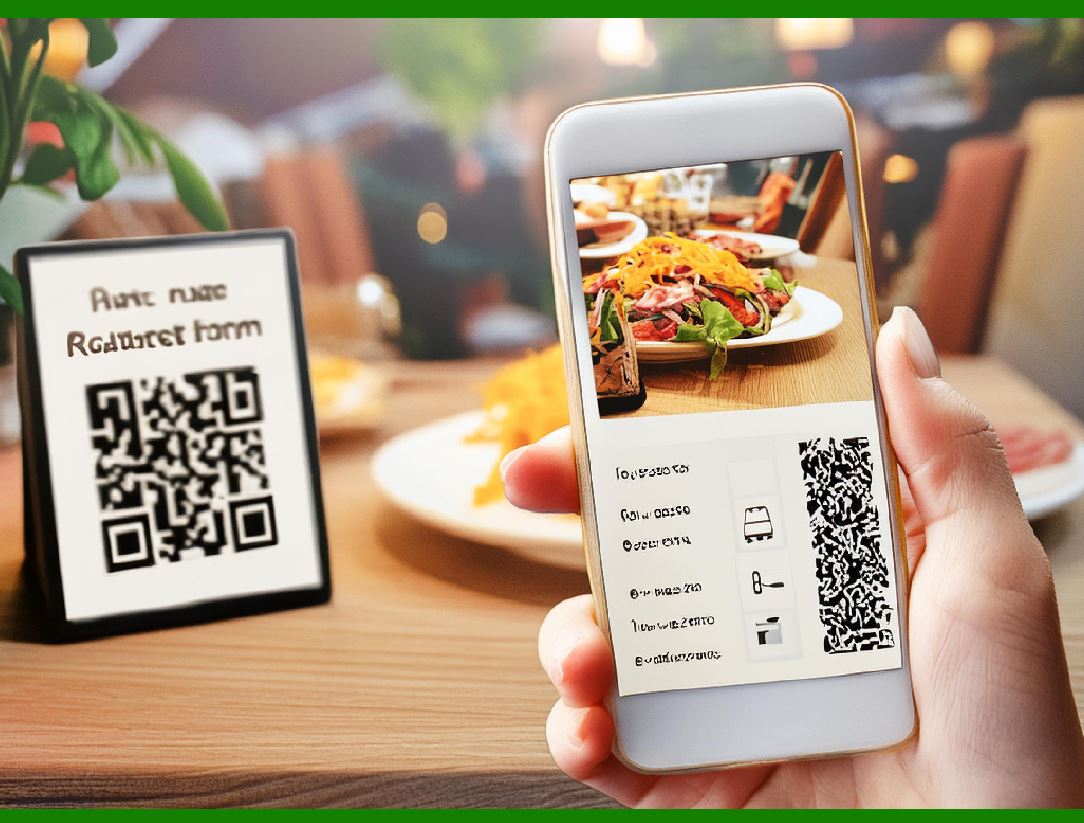
In brick-and-mortar stores, QR Codes assist with in-store navigation, guiding customers to product locations, current promotions, and virtual trial experiences. For example, stores can place QR Codes near product displays that lead to augmented reality (AR) experiences, allowing customers to virtually try on clothes, view 3D models of furniture, or test out tech gadgets before making a purchase. |
|
17. QR Code in Tourism and Travel |
17.1 QR Code for Boarding Passes and Travel Tickets |
The travel industry has been one of the most significant adopters of QR Codes. Airlines, trains, and buses now offer QR Code-based boarding passes and travel tickets. |
Seamless Check-In: Travelers can scan QR Codes on their smartphones to check in to their flight or train, avoiding the need for paper tickets or long queues at check-in counters. |
Simplified Baggage Handling: QR Codes can also be attached to luggage to help with tracking and ensure bags are delivered to the correct destination. |
17.2 QR Codes for Tourist Information and Self-Guided Tours |
In tourism, QR Codes are frequently used to provide visitors with interactive guides to attractions, museums, and historical sites. Tourists can scan QR Codes placed on signage, monuments, or brochures to access audio tours, multilingual information, or AR experiences, enhancing their travel experience. |
Contactless Travel and Safety: Amidst the COVID-19 pandemic, QR Codes were particularly useful for facilitating contactless experiences in airports, hotels, and tourist attractions, keeping both staff and visitors safe while maintaining convenience. |
17.3 QR Code in Travel Agency and Hotel Services |
Hotels are increasingly using QR Codes in room service menus, check-in procedures, and other guest services. Instead of handing over physical menus or brochures, hotels can provide guests with QR Codes to scan and access digital menus or service requests via their mobile phones. |

|
18. QR Code in Event Management |
18.1 QR Codes for Event Registration and Tickets |
QR Codes are widely used for managing event registration and ticketing in both virtual and in-person events. Event attendees can register online and receive a QR Code on their mobile devices, which acts as both their entry ticket and proof of registration. |
Event Check-In: At the event, attendees can simply scan their QR Code at the entrance to gain access, eliminating the need for paper tickets or lengthy check-in procedures. |
Tracking Attendance and Engagement: Event organizers can also use QR Codes to track attendee participation and engagement, offering insights into which sessions or speakers were most popular. |
18.2 QR Codes in Networking and Interactive Experiences |
During conferences or exhibitions, QR Codes allow attendees to exchange contact details, view event schedules, or join networking sessions. By scanning a speaker's QR Code or a booth's QR Code, attendees can instantly learn more about the speaker, product, or service, fostering better engagement. |
Interactive Voting and Feedback: QR Codes are also used to collect feedback from event attendees in real-time. Participants can scan a QR Code to rate sessions, participate in polls, or engage with interactive displays. |
18.3 Virtual and Hybrid Events |
In the rise of hybrid and virtual events, QR Codes have allowed users to quickly access event portals, virtual booths, and online sessions. In hybrid events, QR Codes on physical signage lead to digital versions of the event, offering a seamless transition between physical and virtual spaces. |
|
19. QR Code in the Food and Beverage Industry |
19.1 QR Codes for Menus and Ordering Systems |
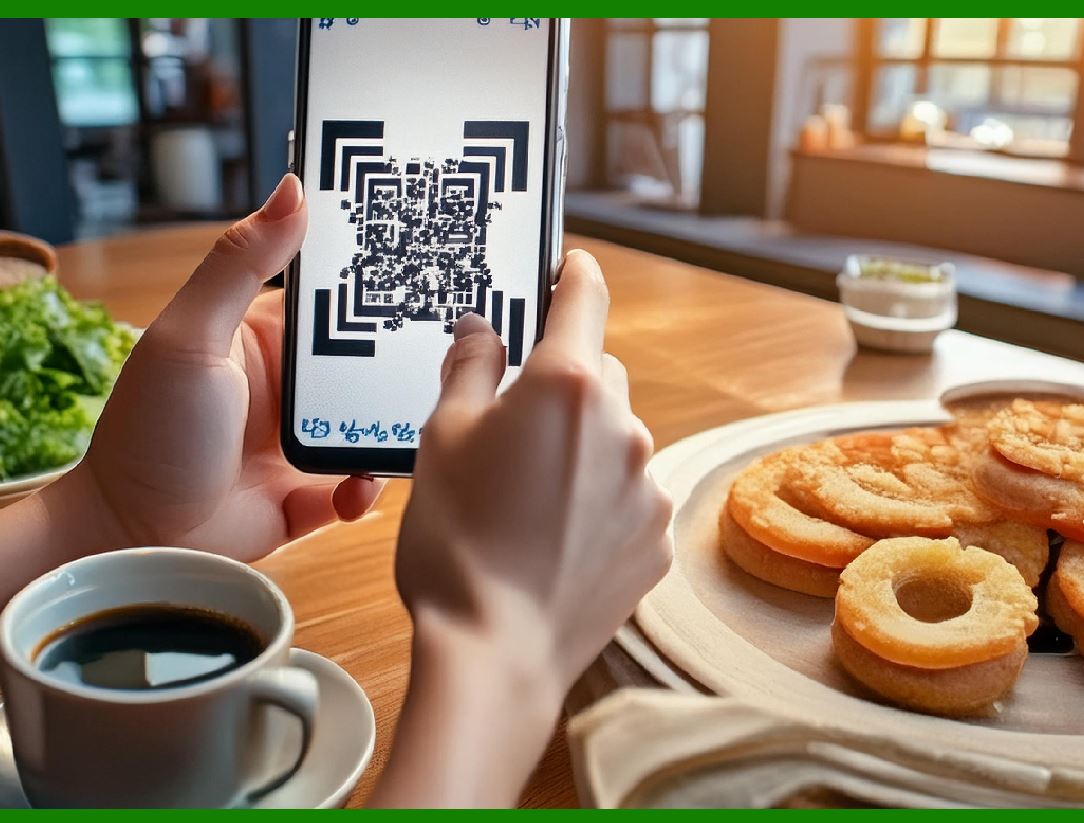
One of the most widespread applications of QR Codes in recent years has been in the food and beverage industry, especially in restaurants and caf¨¦s. Instead of handing out physical menus, restaurants now encourage customers to scan QR Codes placed on tables or walls to view digital menus. |
Contactless Ordering: Customers can place orders directly from their mobile devices, eliminating the need for interaction with waitstaff. This offers a faster, more convenient dining experience and reduces the potential for virus transmission, especially during the COVID-19 pandemic. |
19.2 QR Codes for Ingredient Transparency and Food Safety |
QR Codes can be used to provide customers with detailed information about the food they're consuming, including the sourcing of ingredients, nutritional information, allergen warnings, and certification labels. This transparency fosters trust and helps customers make informed choices. |
Traceability and Supply Chain Integrity: Restaurants and food producers can use QR Codes to track the journey of ingredients, offering consumers insight into the food's provenance. This can be especially important for products with stringent sourcing requirements, like organic food or Fair Trade-certified goods. |
19.3 QR Code-Based Loyalty Programs |
The food and beverage industry has adopted QR Codes for loyalty and reward programs. Customers can scan QR Codes to earn points for purchases, redeem discounts, or access special offers. These digital loyalty cards are more convenient and sustainable than traditional paper cards. |
|
20. The Role of QR Codes in Environmental Sustainability |
20.1 QR Codes and Paper Reduction |
One of the notable environmental benefits of QR Codes is the reduction of paper waste. By using QR Codes instead of printed brochures, tickets, or manuals, businesses can cut down on the amount of paper required for everyday operations. |
20.2 QR Codes in Sustainable Packaging |
QR Codes are increasingly incorporated into sustainable packaging strategies. Instead of using printed inserts or tags, companies can include QR Codes on packaging to provide product information, instructions, and promotional content. This reduces paper waste and encourages more sustainable consumption practices. |
20.3 Supporting Circular Economy and Recycling |
QR Codes are used to help companies and consumers track the recyclability of products and packaging. Scanning a code can provide information on how to dispose of the item responsibly, promote recycling programs, and foster circular economy principles. |
|
21. Future Trends and Innovations in QR Code Technology |
21.1 Advancements in QR Code Error Correction and Data Capacity |
As QR Codes evolve, there are ongoing improvements in error correction algorithms, allowing QR Codes to maintain their readability even with greater data density. Researchers are exploring more advanced techniques for enhancing QR Code reliability and increasing their capacity to store larger amounts of data. |
21.2 Integration with Blockchain for Authenticity and Anti-Counterfeiting |
The integration of QR Codes with blockchain technology could help fight counterfeiting, especially in industries like luxury goods, pharmaceuticals, and art. Each QR Code could be linked to a secure, immutable record on the blockchain, verifying the authenticity and history of the item. |
21.3 Multi-Modal QR Codes |
As QR Codes evolve, future iterations may incorporate multimedia elements. Imagine QR Codes that not only direct users to websites but also deliver video, audio, or interactive content directly to mobile devices when scanned. This could create a more engaging user experience across marketing, education, and entertainment. |
21.4 QR Code in Augmented Reality (AR) and Virtual Reality (VR) |
The integration of QR Codes with AR and VR technologies is another exciting frontier. QR Codes could unlock AR experiences when scanned, such as 3D visualizations of products, virtual try-ons, or immersive environments, making them a key component of interactive marketing and entertainment. |
 cs@easiersoft.com