1. Introduction to 1D Barcodes |
1.1 Definition of 1D Barcodes |
1D barcodes (also known as linear barcodes) are the most common type of barcode used in many industries today. These codes encode data into patterns of vertical lines or bars and spaces, which are then read by barcode scanners. The data density refers to how much data is stored in a given length of the barcode. Generally, 1D barcodes have lower data density than 2D barcodes because they encode fewer bits of data, but advancements have been made in improving their capacity. |
1.2 Importance of Data Density |
Data density is a key factor in the performance of barcodes. Higher data density allows for more information to be encoded in a smaller physical space, making it ideal for situations where space is limited or where high-volume data tracking is required. However, the relationship between data density and readability is crucial; as the density increases, so does the difficulty of accurately scanning the code, particularly under adverse conditions. |
1.3 Categories of 1D Barcodes |
There are several types of 1D barcodes, each designed for specific applications. Some common types include: |
UPC (Universal Product Code) |
EAN (European Article Number) |
Code 128 |
Code 39 |
Interleaved 2 of 5 |
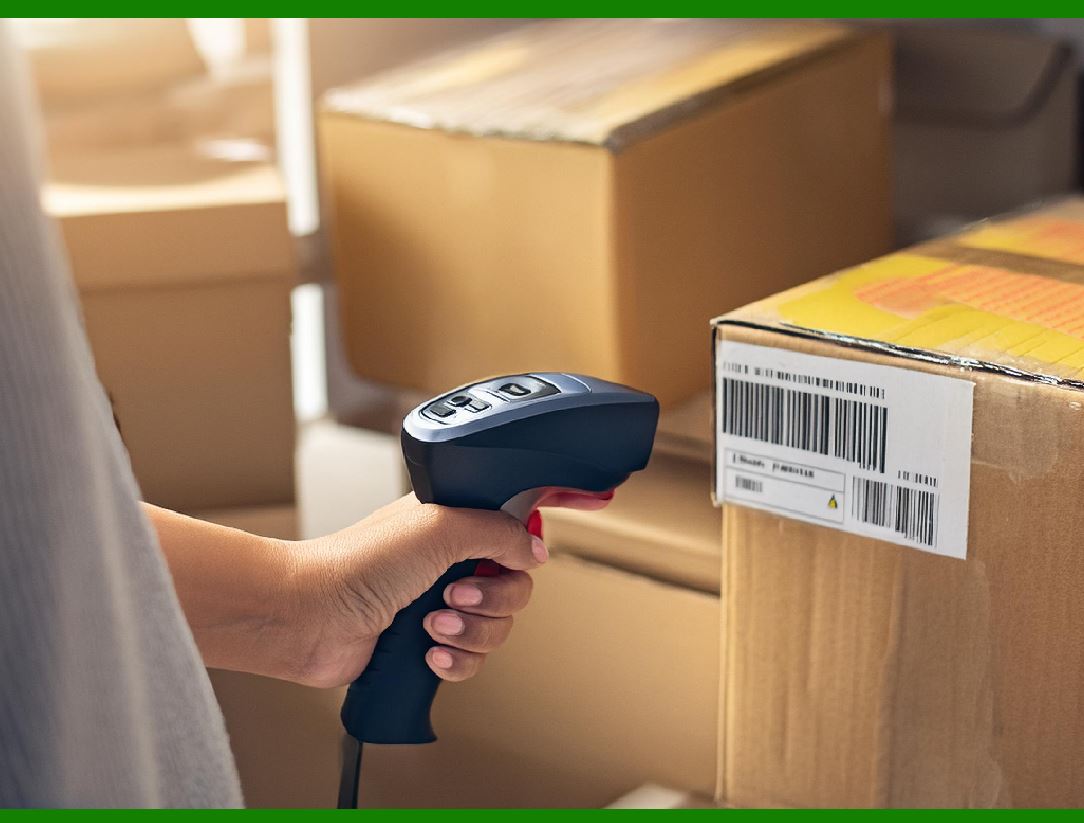
Each of these barcodes has different data densities, strengths, and weaknesses depending on the encoding scheme and application. |
|
2. High Data Density in 1D Barcodes |
2.1 Defining High Data Density in 1D Barcodes |
In 1D barcodes, the data density is determined by the number of data units (bars and spaces) that are packed into a given length of the barcode. A barcode with high data density means it can store more information per unit length. Typically, the density of a barcode is limited by the width of the bars and spaces, the type of scanner used, and the resolution of the printing technology. |
2.2 Factors Affecting Data Density in 1D Barcodes |
Bar Width: Narrower bars allow for more data to fit into the same space, increasing the barcode's data density. |
Number of Characters: Some barcodes, like Code 128, can encode a wide range of characters, which increases their potential data density compared to others, like Code 39, which can only encode a limited character set. |
Error Correction: Barcodes with higher data density often incorporate error correction algorithms, which use extra data bits to ensure that even if part of the barcode is unreadable, the correct information can still be retrieved. |
2.3 Challenges of High Data Density |
While increasing the data density of a barcode is beneficial, there are trade-offs: |
Scanner Limitations: Higher data density requires scanners with greater resolution to read the barcode accurately. |
Printing Limitations: High-density barcodes may not print well on low-quality printers or surfaces that cannot support fine detail. |
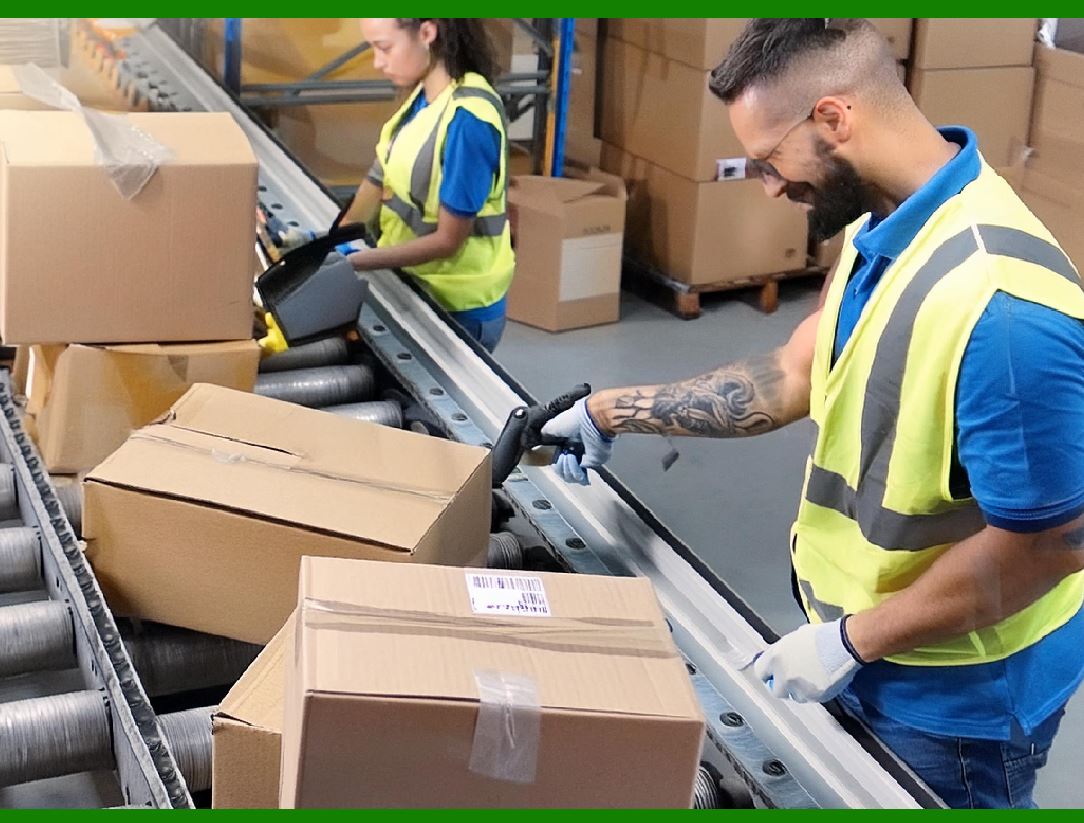
Error Prone: The higher the data density, the greater the risk of errors during scanning, especially in low-contrast or poorly printed barcodes. |
|
3. Types of 1D Barcodes with High Data Density |
3.1 Code 128 Barcode |
3.1.1 Overview |
Code 128 is a high-density 1D barcode that is widely used across various industries, including logistics, retail, and transportation. Code 128 can encode all 128 ASCII characters and is known for its compact size and versatility. |
3.1.2 Data Capacity |
Code 128 can store up to 48 characters in a single barcode, with the amount of data varying depending on the character set used and the overall length of the barcode. Code 128 barcodes are highly efficient because they use the full width of the barcode to store data, making them ideal for applications requiring a lot of information in a small space. |
3.1.3 Advantages |
High data capacity per unit length |
Supports the full ASCII character set |
Compatible with a wide range of scanners and readers |
3.1.4 Limitations |
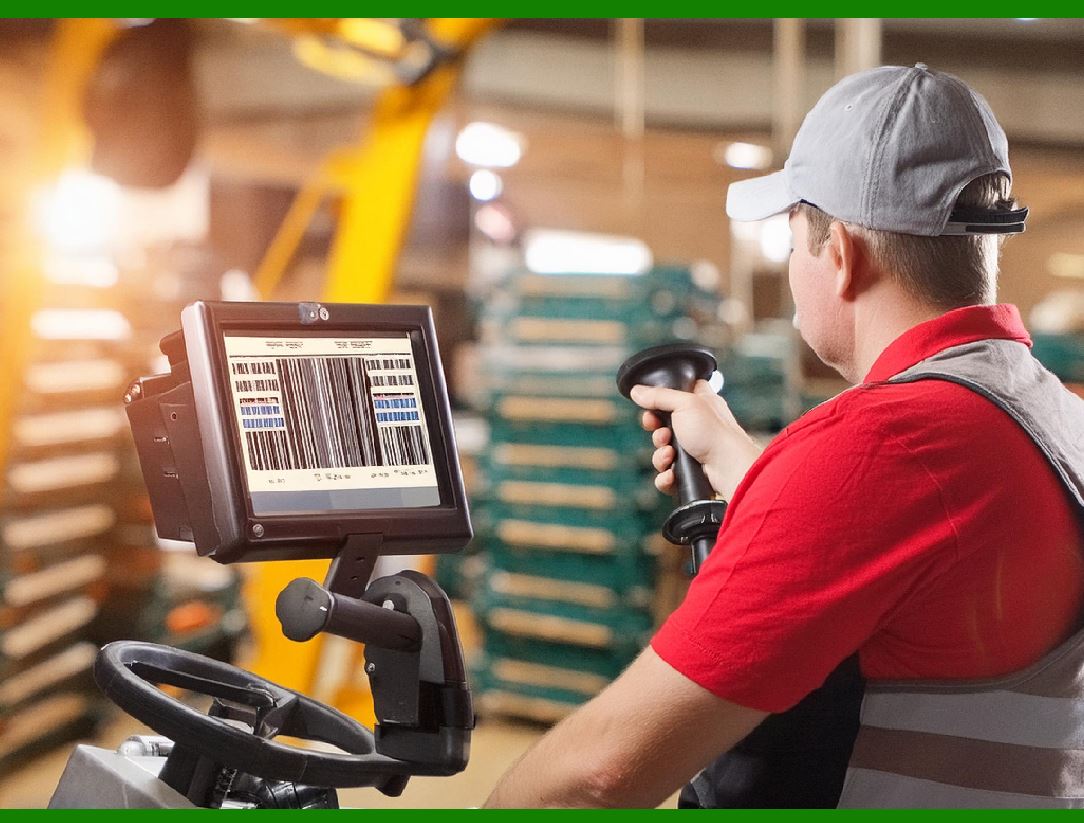
Higher density can make the barcode difficult to read under poor scanning conditions |
Requires high-resolution printing for optimal readability |
|
3.2 Interleaved 2 of 5 (ITF) |
3.2.1 Overview |
Interleaved 2 of 5 (ITF) is a high-density 1D barcode that encodes data in pairs of digits. Each pair is encoded as a series of bars and spaces, which allows for a relatively high amount of data to be encoded in a compact barcode. |
3.2.2 Data Capacity |
Each ITF barcode can encode a 14-digit number, but the data density increases when using additional digit pairs. By using interleaving (encoding pairs of digits in single bars), ITF barcodes can store more data in the same physical space compared to standard 2 of 5 barcodes. |
3.2.3 Advantages |
High data density for numeric data |
Compact design makes it suitable for industrial applications |
Can be used with high-speed scanners |
3.2.4 Limitations |
Primarily for numeric data only |
Requires high contrast and good quality printing to maintain accuracy during scanning |

|
3.3 Code 39 |
3.3.1 Overview |
Code 39 is a high-density 1D barcode that is capable of encoding both alphanumeric data (letters and numbers). Although it is not as dense as Code 128, it is still widely used, especially in government and healthcare applications. |
3.3.2 Data Capacity |
Code 39 can encode up to 43 characters, which includes uppercase letters, numbers, and some special characters. It is not as efficient in terms of data density compared to other high-density 1D barcodes, but its ability to encode a wide range of characters makes it useful in many different fields. |
3.3.3 Advantages |
Alphanumeric capability |
Simple to read and decode |
Well-supported by a wide variety of scanning devices |
3.3.4 Limitations |
Lower data density compared to Code 128 or ITF |
Limited to a smaller character set than more modern barcodes |

|
4. Applications of High Data Density 1D Barcodes |
4.1 Retail and Supply Chain Management |
High-density 1D barcodes are essential in the retail and supply chain sectors where large amounts of information need to be encoded in a compact space. Code 128, for instance, is commonly used for tracking products in warehouses and managing inventory. |
4.2 Healthcare Industry |
In healthcare, barcodes like Code 39 and ITF are used to label medications, medical equipment, and patient identification bracelets. These barcodes often store a wealth of information in a very small area, which is crucial for ensuring accuracy and efficiency in patient care. |
4.3 Transportation and Logistics |
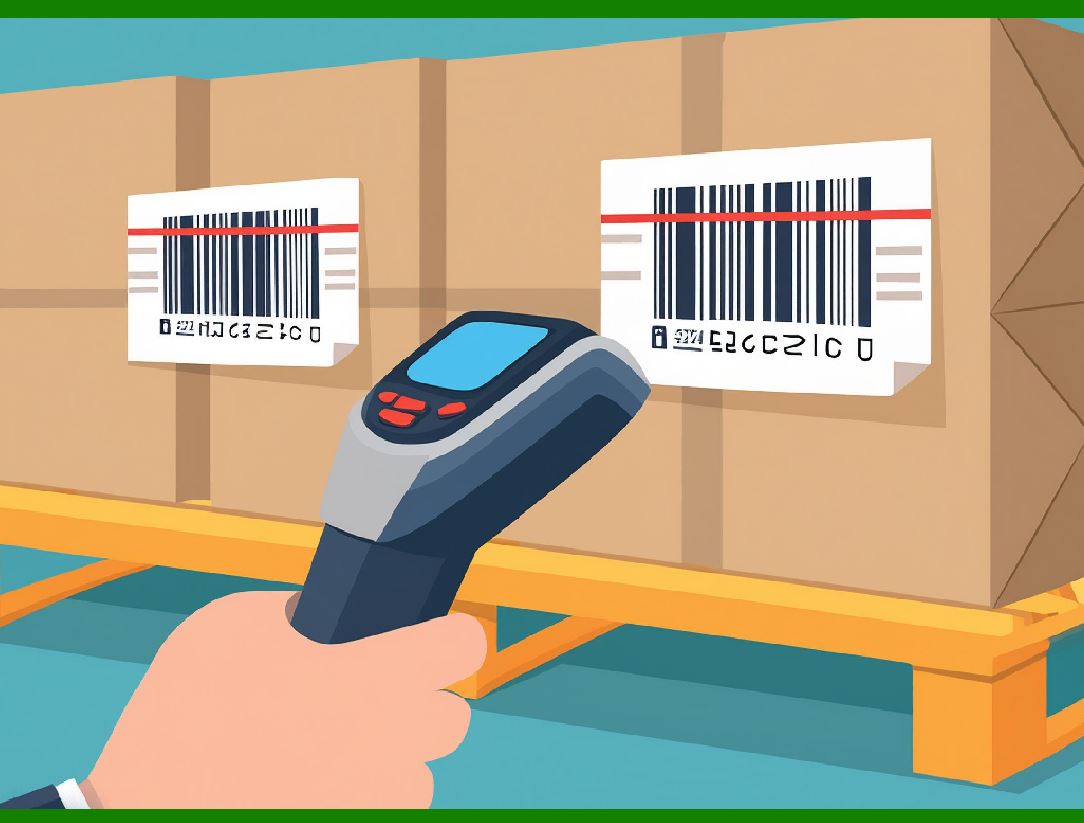
Barcodes with high data density, particularly Code 128 and ITF, are commonly used in logistics for tracking packages and shipments. These codes provide a large amount of information, such as shipment details, addresses, and tracking numbers, all in a format that is quick to scan and read during transit. |
|
5. Future Trends and Innovations in 1D Barcodes |
5.1 Miniaturization of Barcodes |
One of the key trends in 1D barcode development is the miniaturization of barcodes while maintaining or increasing their data density. As scanners and printing technologies continue to improve, it will become possible to store more data in even smaller barcodes. |
5.2 Integration with RFID |
Although RFID (Radio Frequency Identification) is a different technology from barcodes, there is increasing interest in integrating 1D barcodes with RFID technology for greater efficiency in data collection and asset tracking. |
5.3 Improvements in Error Correction |
Another area of innovation is improving the error correction capabilities of high-density 1D barcodes. By incorporating more advanced error correction algorithms, it will be possible to increase the reliability of these barcodes even when they are damaged or partially obscured. |
|
6. Detailed Analysis of High Data Density 1D Barcodes |
6.1 Code 128 Barcode (Continued) |
6.1.1 Encoding Scheme |
Code 128 is a highly efficient barcode because it utilizes three distinct character sets: Code Set A, Code Set B, and Code Set C. Each set encodes different characters, including letters, numbers, and special characters. Code Set C is particularly important because it allows for numeric data to be encoded in pairs of digits, which effectively doubles the encoding efficiency for numbers. |
6.1.2 Compactness and Efficiency |
Code 128's data density can be influenced by the character set chosen. Code Set C, with its ability to encode two digits in one symbol, dramatically increases the capacity of the barcode. For example, instead of encoding each digit as a separate symbol, Code Set C pairs digits together, allowing it to store more data in a given physical space. |
6.1.3 Real-World Examples and Use Cases |
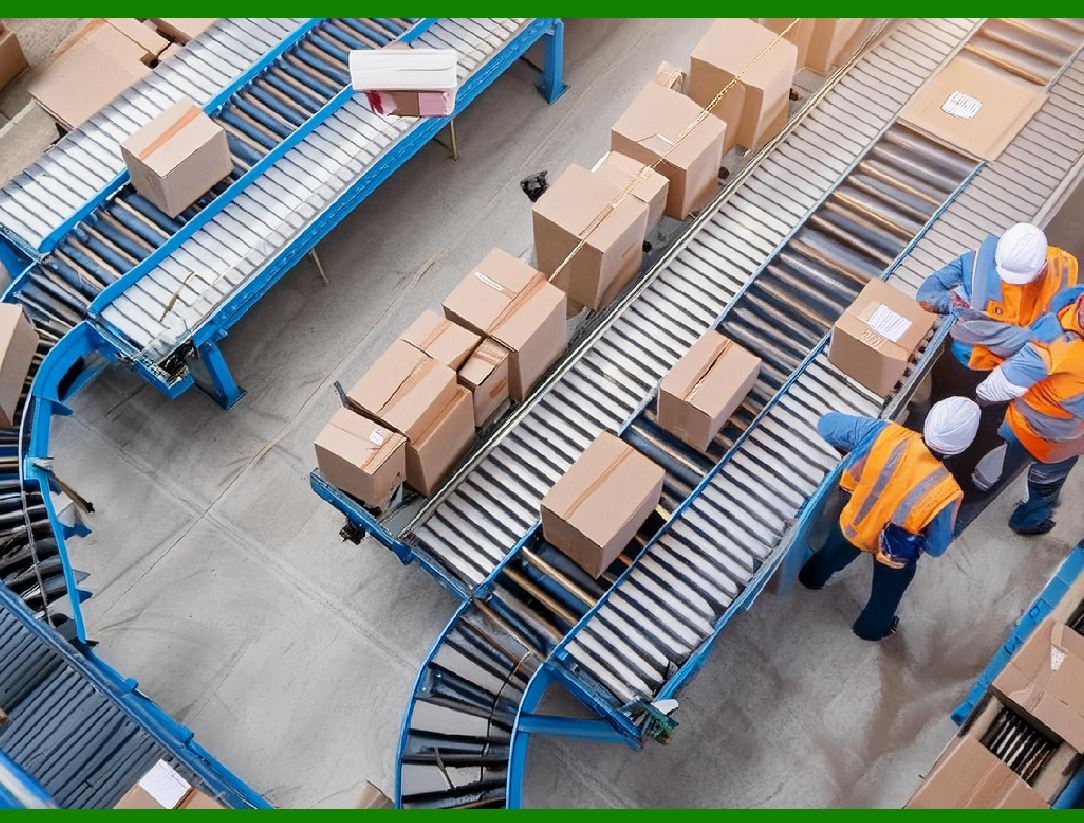
Code 128 is extensively used in the logistics industry, especially for package tracking and shipping labels. Retailers also rely on Code 128 for product identification, as it can store a SKU, product name, and price in a compact barcode. Additionally, it's used in inventory management systems, where its density helps track a wide array of products efficiently. |
6.1.4 Printing and Scanning Considerations |
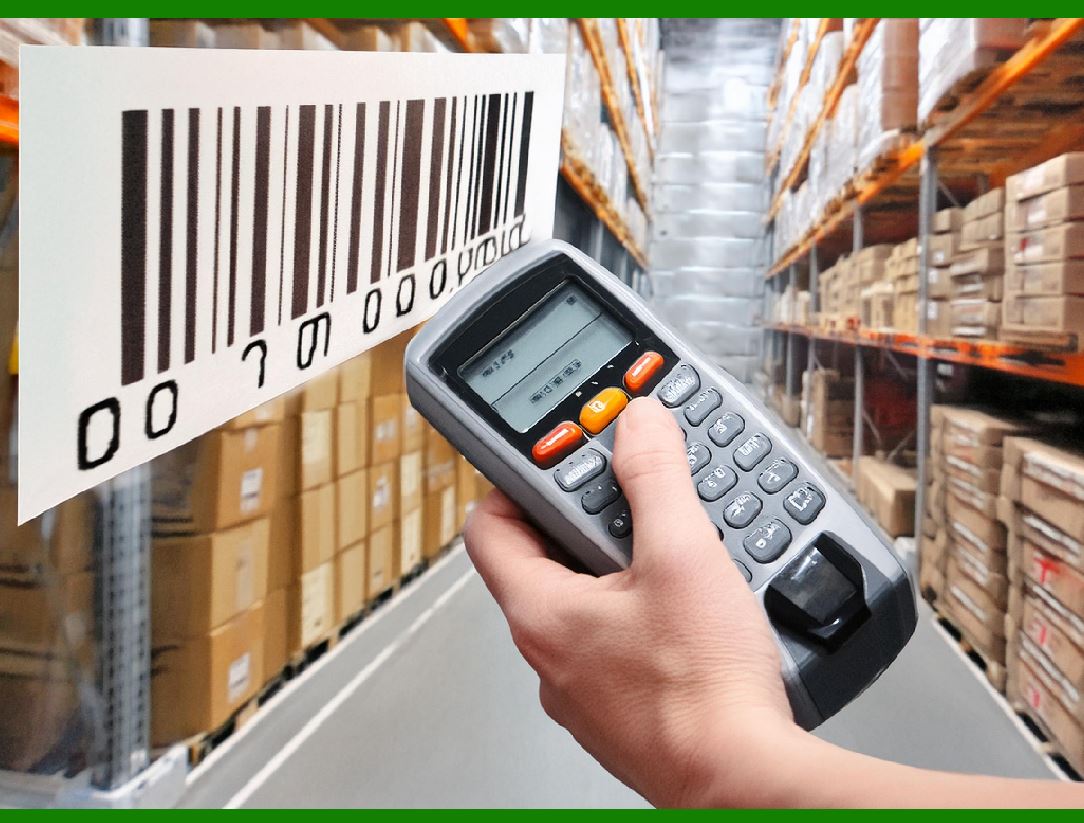
While Code 128 provides high data density, its readability depends significantly on the quality of the printer and scanner. High-density printing requires a higher resolution to ensure the bars and spaces are crisp enough for scanners to read. If the printing resolution is too low, there is a risk of misreads or scan failures, which can affect overall productivity. |
|
6.2 Interleaved 2 of 5 (ITF) Barcode (Continued) |
6.2.1 Encoding Format |
Interleaved 2 of 5 (ITF) encodes data in pairs of digits, with each pair of digits represented by a combination of bars and spaces. This interleaving format increases the data density because each symbol encodes two digits. ITF is primarily designed for encoding numeric data, which limits its flexibility compared to more generalized barcode formats like Code 128. |
6.2.2 Performance and Efficiency |
Although ITF is not as widely used as Code 128, it is still highly effective in certain industries. Its compact design makes it ideal for applications where space is limited, and numeric data needs to be encoded. ITF barcodes typically store between 8 to 14 numeric digits, with the potential for greater density if additional digits are added. |
6.2.3 Use Cases and Applications |
ITF barcodes are commonly used in industrial applications where numeric data, such as serial numbers, lot numbers, or inventory counts, needs to be encoded. For example, ITF is often used in pallet labels for warehouse management or in shipping labels for packages where numeric data needs to be easily accessible. |
6.2.4 Challenges with ITF |
One of the limitations of ITF is that it is a purely numeric barcode, which restricts its use in applications requiring alphanumeric data. Additionally, ITF requires careful attention to printing quality. Due to its high data density, it is sensitive to distortions, and low-quality printing can lead to errors during scanning. |
|
6.3 Code 39 Barcode (Continued) |
6.3.1 Overview of Code 39's Data Density |
Code 39, also known as Code 3 of 9, encodes alphanumeric data and a set of special characters. It is widely used because it's simple and easy to implement, but its data density is not as high as that of Code 128. Code 39 typically encodes between 1 and 43 characters, with the most common usage being product identifiers or serial numbers. |
6.3.2 Application in Government and Healthcare |
Although its data density is lower compared to Code 128 or ITF, Code 39 remains an important choice for many industries. Government organizations use Code 39 for vehicle identification numbers (VINs) and other regulatory tracking systems. In healthcare, Code 39 barcodes are commonly used on medical devices and pharmaceuticals, as they are easy to generate and read with a wide range of scanners. |
6.3.3 Limitations of Code 39 |
The main limitation of Code 39 is its data density. As it can only encode 43 characters, it may not be sufficient for applications requiring the storage of larger volumes of information. Additionally, the longer the barcode, the more susceptible it becomes to scanning errors, especially when barcodes are printed at small sizes. |
6.3.4 Code 39 vs Code 128 |
While Code 39 is often used for its simplicity and ability to handle alphanumeric data, it is less efficient than Code 128 in terms of data density. Code 128 can store a significantly higher volume of information in a smaller barcode. However, Code 39's simplicity and ease of use make it an excellent choice for applications where maximum data density is not a critical requirement. |
|
7. Performance Factors Impacting Data Density |
7.1 Scanner Resolution and Performance |
The ability to scan high-density 1D barcodes is heavily dependent on the resolution of the scanner used. Scanners with higher resolution are capable of reading smaller and denser barcodes with greater accuracy. As the data density increases, so does the need for precise scanning equipment to avoid misreads. This is particularly important in environments where scanners are used at high speeds, such as manufacturing or logistics. |
7.2 Printing Resolution |
Equally important to the scanning process is the quality of printing. A high-density barcode requires a high-quality printer that can print small, precise bars and spaces. Low-resolution printers may produce blurry or misaligned codes, which can result in errors when the barcode is scanned. Therefore, both the scanning resolution and the printing resolution must be compatible for optimal performance. |
7.3 Barcode Length and Physical Size |
The physical length of a barcode is inversely related to its data density. As data density increases, the barcode becomes shorter. However, high-density barcodes also require more precise printing and scanning, especially when printed at smaller sizes. Too small a barcode might be difficult for a scanner to read, leading to errors or inefficiencies in the scanning process. |

|
8. Comparative Analysis of High Data Density 1D Barcodes |
8.1 Code 128 vs ITF |
Both Code 128 and ITF are high-density barcodes, but they are suited for different applications. Code 128 is more versatile because it can encode a broader range of characters, including both numbers and letters. In contrast, ITF is more limited as it can only encode numeric data. However, ITF can be printed in a very compact form and is often used in industrial applications where numeric data is sufficient. |
8.2 Code 39 vs Code 128 |
Code 39 is less dense than Code 128, but it has an advantage in its simplicity and widespread support. Code 39 is used in applications where the encoding of alphanumeric characters is necessary, and it doesn't require a lot of space. Code 128, on the other hand, is better for applications requiring larger amounts of data in a smaller space, as it can store more information in a smaller area than Code 39. |
8.3 ITF vs Code 39 |
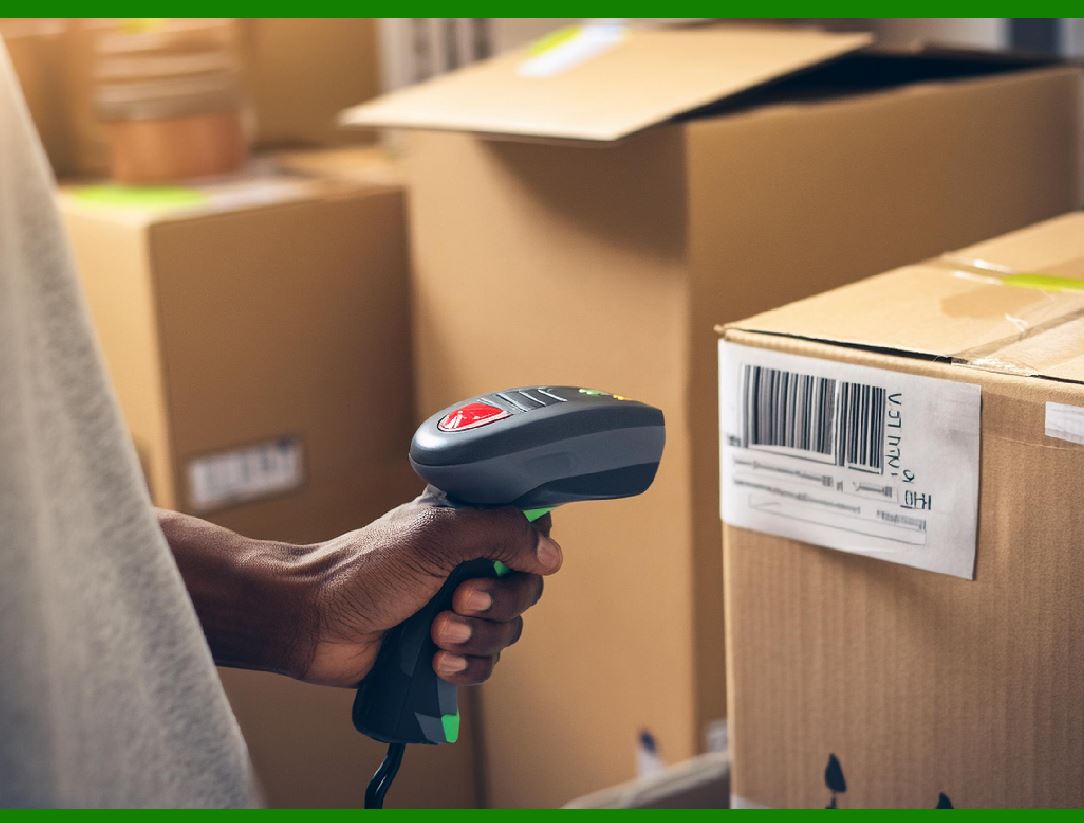
ITF is more suitable for numeric-only applications, whereas Code 39 is used for both alphanumeric data. The compact nature of ITF makes it ideal for applications where space is at a premium, but it is limited by its inability to encode non-numeric data. Code 39, being more flexible, is still widely used in situations where a mix of letters and numbers needs to be encoded. |
|
9. Challenges and Solutions in Implementing High-Density 1D Barcodes |
9.1 Printing Challenges |
High-density barcodes require precise printing. Low-quality printers may not be able to produce the small, detailed bars and spaces required for these codes. To mitigate this, companies often invest in high-resolution thermal printers that are specifically designed for barcode printing. |
9.2 Environmental Factors |
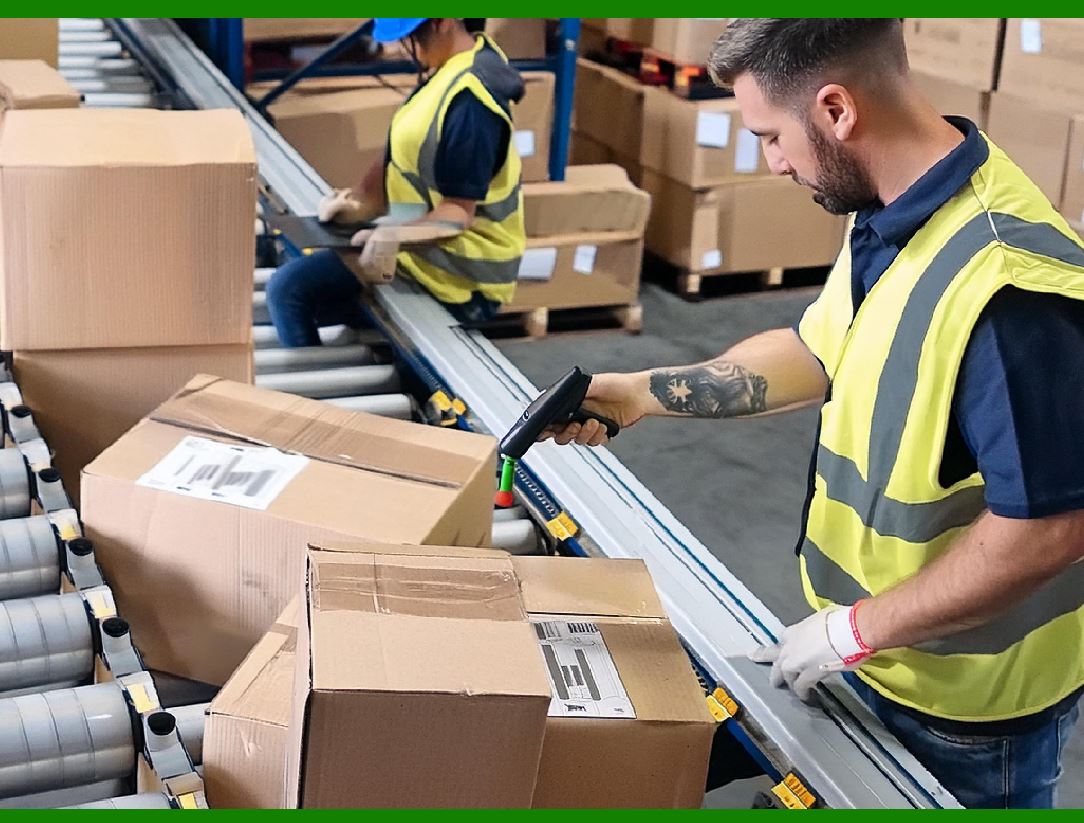
Barcodes are susceptible to environmental factors such as dirt, moisture, or damage. This is especially true for high-density barcodes, where even small imperfections can result in misreads. Solutions such as protective coatings or labels with enhanced durability are often employed to ensure barcode readability in harsh environments. |
|
10. Detailed Use Cases for High Data Density 1D Barcodes |
10.1 Retail and E-commerce |
10.1.1 Product Identification and Inventory Management |
In the retail industry, especially in e-commerce and brick-and-mortar stores, high-density barcodes such as Code 128 and ITF are used extensively for product identification and inventory tracking. Retailers use these barcodes to encode data like product numbers, SKU codes, and pricing information. High-density barcodes enable efficient scanning at checkout counters, warehouse stock taking, and distribution centers. |
10.1.2 Tracking and Managing Returns |
High-density barcodes also play a crucial role in handling returns and exchanges. For example, barcodes on return labels encode critical information such as the reason for the return, the original purchase details, and any special instructions. These can be easily scanned during the return process, ensuring faster and more accurate processing. |
10.1.3 Challenges |
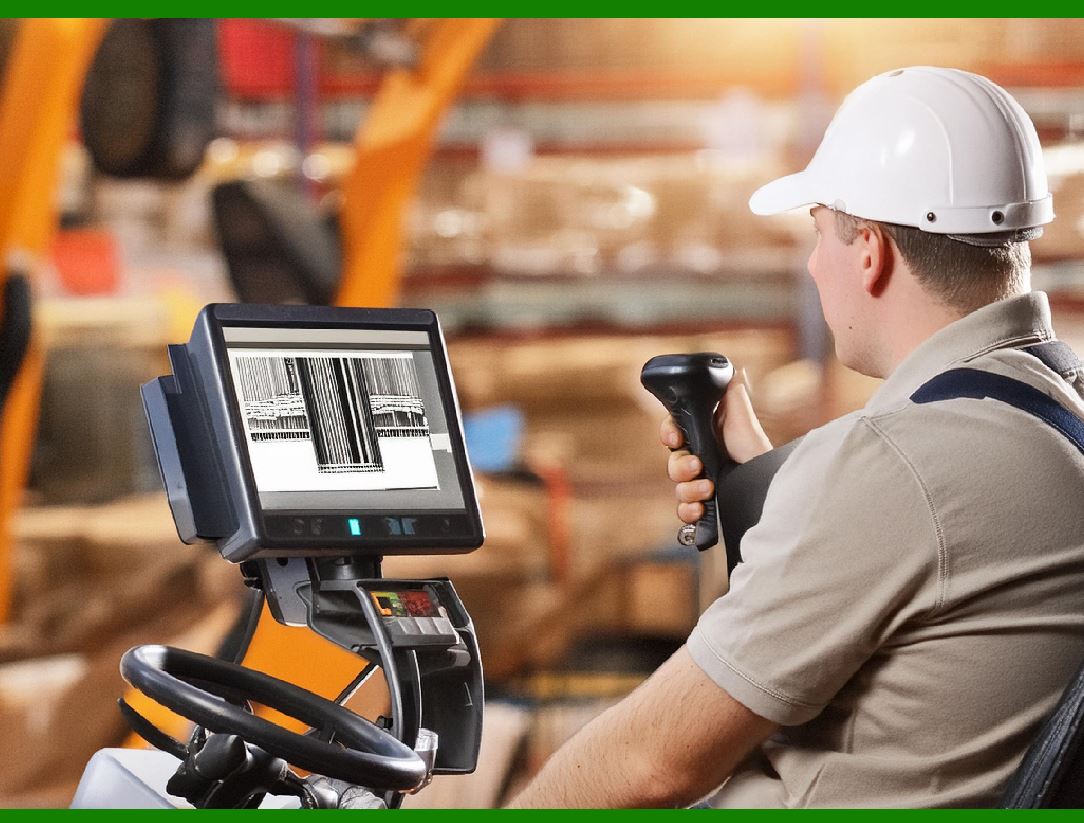
In high-volume environments such as retail stores, the barcodes must be easy to scan and durable to withstand wear and tear. One challenge is ensuring that the barcodes are printed at the correct size and resolution so that they remain legible over time. Additionally, barcodes in high-density formats like Code 128 or ITF must be scanned quickly, which requires high-quality scanners capable of reading smaller or denser codes at high speeds. |
|
10.2 Healthcare and Medical Applications |
10.2.1 Medication Labeling and Tracking |
In healthcare, high-density 1D barcodes such as Code 128 are often used to label medications. These barcodes encode essential information, including the medication's name, dosage, batch number, and expiration date. Such barcodes help healthcare providers quickly and accurately track medications, ensuring they are administered correctly to patients. |
10.2.2 Patient Identification |
Patient wristbands often contain 1D barcodes like Code 39 or Code 128, which encode patient identification numbers, medical records, and treatment information. These barcodes help prevent errors in medication administration and ensure that healthcare professionals can quickly access a patient's medical history or test results. The high-density nature of these barcodes means that additional patient-specific data can be encoded in the same barcode, making it easier to track patients through their treatment journey. |
10.2.3 Medical Equipment and Device Identification |
High-density barcodes are used to track medical devices and equipment in hospitals. Since medical devices often come in a wide range of models and configurations, high-density barcodes like Code 128 can store more detailed information such as model numbers, serial numbers, maintenance schedules, and repair histories. This enhances the efficiency of medical equipment management and ensures compliance with regulatory requirements. |
10.2.4 Challenges |
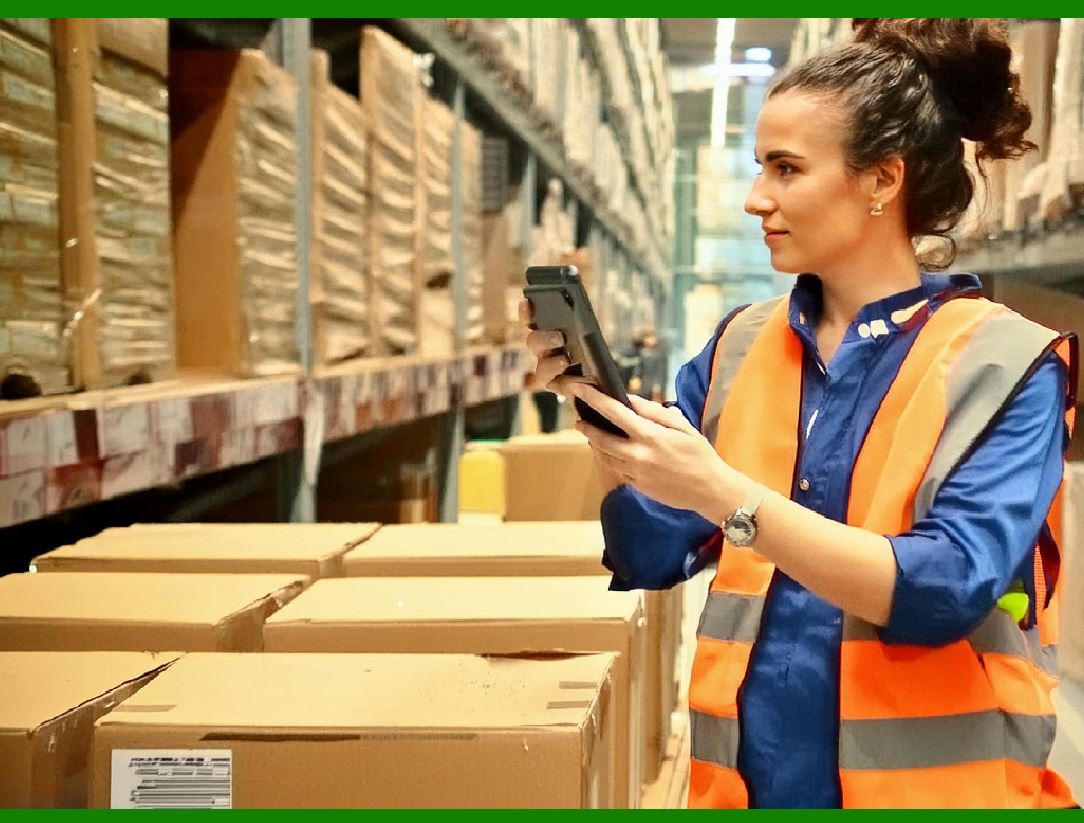
A major challenge in the healthcare environment is ensuring that barcodes are printed in high-quality, durable formats. Since medical devices and medications can be exposed to harsh conditions (e.g., heat, humidity, chemicals), the labels must be resistant to fading, peeling, or distortion over time. Healthcare environments also require scanners that are capable of reading high-density barcodes quickly and accurately to avoid delays in patient care. |
|
10.3 Logistics, Shipping, and Warehousing |
10.3.1 Parcel and Shipment Tracking |
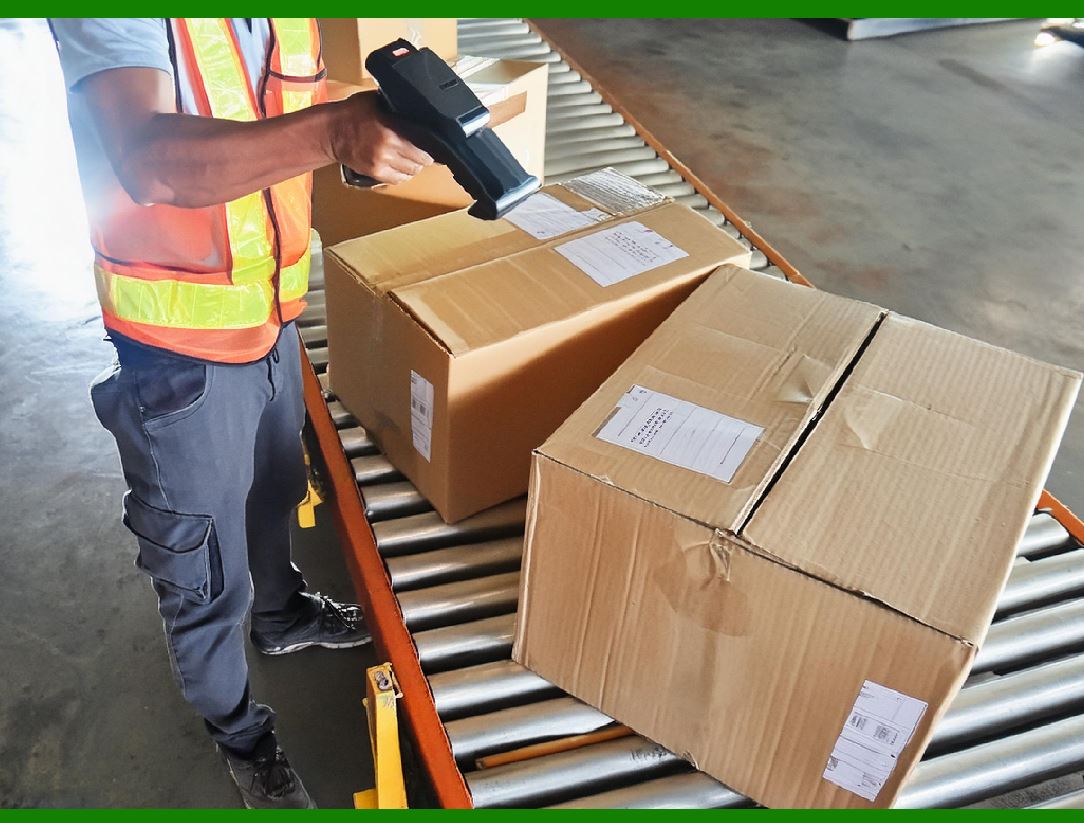
In the logistics and shipping industries, high-density barcodes such as ITF and Code 128 are critical for tracking parcels, containers, and shipments. These barcodes encode information like tracking numbers, shipment destinations, delivery instructions, and customer details. Barcodes with high data density help logistics companies efficiently track shipments from point A to point B, reducing errors and improving the speed of operations. |
10.3.2 Supply Chain Visibility |
Supply chain management relies heavily on high-density barcodes to ensure real-time visibility into product movements. Code 128, for example, is used to encode production lot numbers, manufacturing dates, and expiration dates for perishable goods. This data can be scanned and logged at various stages of the supply chain to ensure products are delivered on time and in compliance with regulations. |
10.3.3 Inventory and Stock Management |
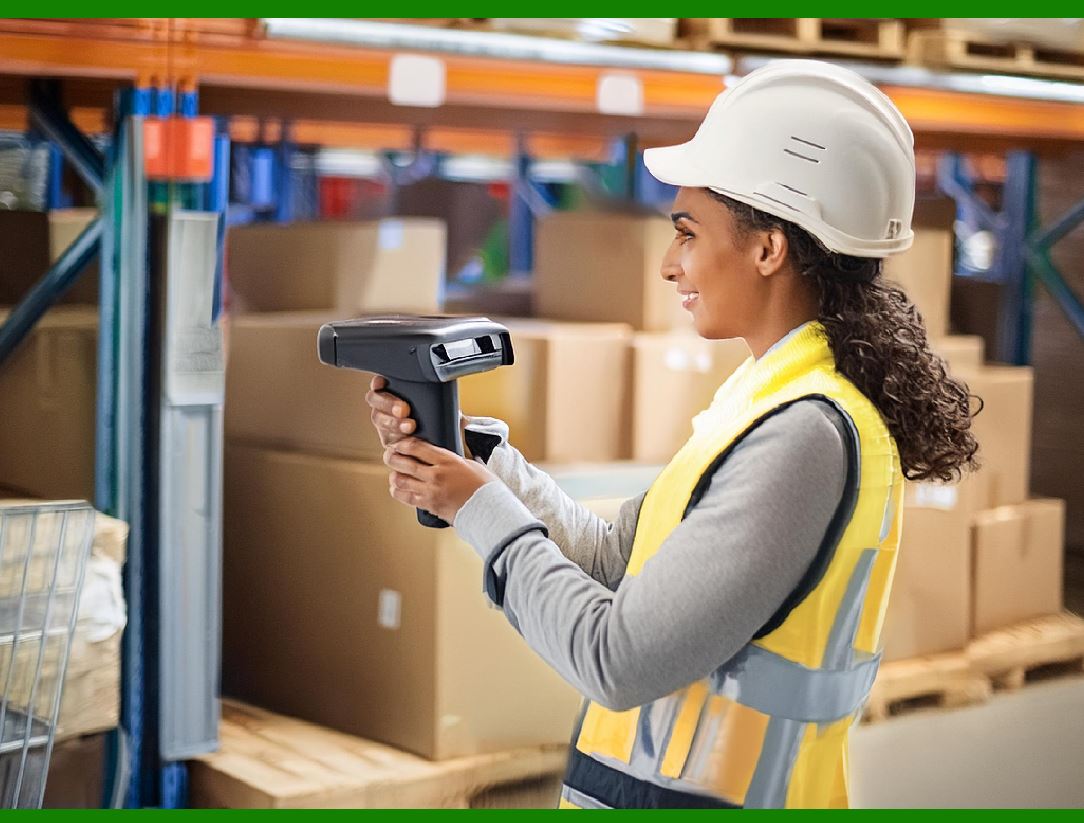
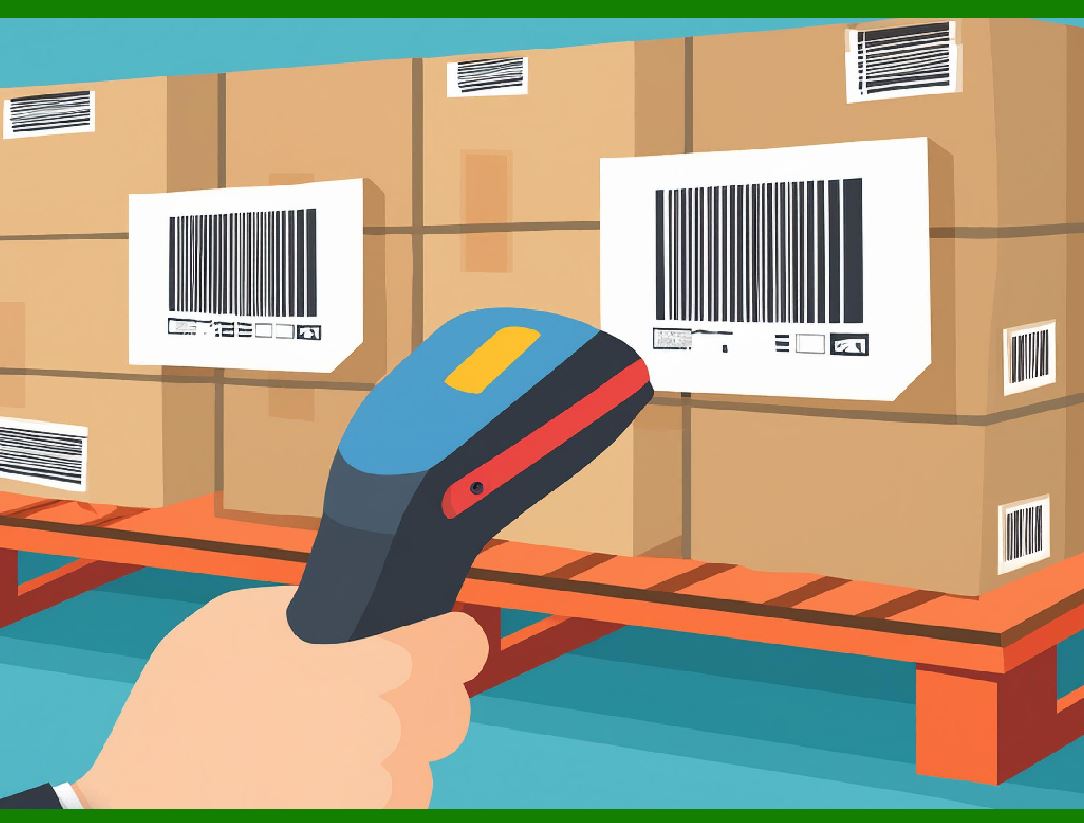
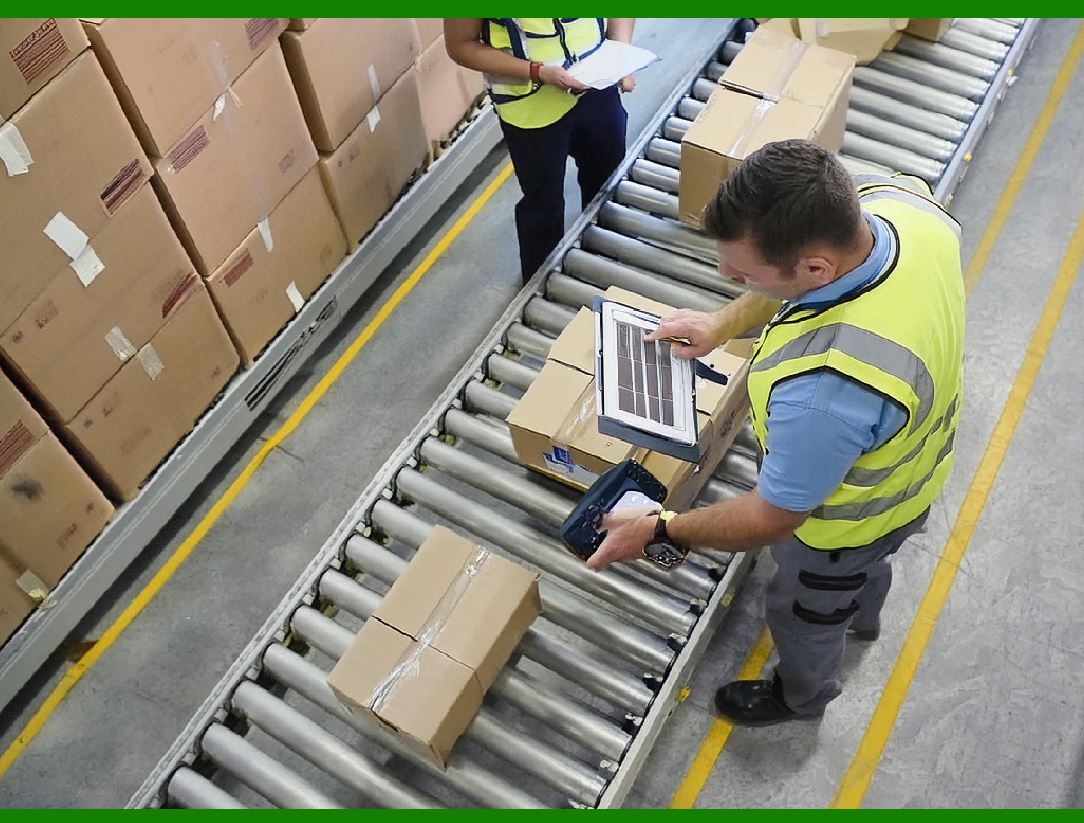
In warehouses, high-density 1D barcodes are used to manage and track inventory. Barcodes with higher data density help warehouse workers quickly locate and retrieve products from the shelves. The use of barcodes allows inventory data to be updated instantly, ensuring real-time tracking of stock levels and reducing errors associated with manual stocktaking. |
10.3.4 Challenges |
Warehouses are often fast-paced environments, which means that barcodes must be easy to scan in high-speed operations. Furthermore, barcodes need to be printed on labels that can withstand environmental challenges such as dust, dirt, or exposure to moisture. High-quality printers and scanners are essential to maintaining barcode accuracy and readability in these demanding conditions. |

|
11. Innovations and Advancements in High-Density 1D Barcodes |
11.1 Error Correction and Redundancy |
One of the key areas of development for high-density 1D barcodes is the integration of more advanced error correction algorithms. Barcodes like Code 128 can incorporate error detection and correction, ensuring that even if part of the barcode is obscured or damaged, the data can still be recovered. This is especially important for barcodes used in environments where there is a high risk of wear and tear, such as shipping or manufacturing. |
11.2 Miniaturization of 1D Barcodes |
With advancements in printing technology, there is a growing trend towards miniaturization of high-density barcodes. Smaller barcodes are now possible, thanks to innovations in high-resolution printing and scanning equipment. These miniaturized barcodes are particularly useful for applications where space is limited but a large amount of data still needs to be encoded. For instance, small parts in the automotive industry or medical devices now commonly feature high-density barcodes that fit in tight spaces. |
11.3 Integration with Mobile Technology |
As mobile devices continue to dominate consumer and business environments, there is a push to integrate high-density barcodes with mobile technology. Modern smartphones equipped with high-quality cameras and barcode scanning apps are now capable of reading high-density 1D barcodes. This opens up a wide range of possibilities, from mobile inventory tracking to barcode-based authentication for security purposes. |
11.4 Hybrid Barcodes |
Another emerging trend is the use of hybrid barcodes that combine 1D and 2D technologies. These hybrid barcodes, such as those combining Code 128 with QR codes, can store more data than traditional 1D barcodes while maintaining the compatibility of standard 1D barcode readers. Hybrid barcodes are becoming more common in industries like retail, where both product identification and customer engagement need to be handled by a single code. |
|
12. Real-World Performance of High-Density 1D Barcodes |
12.1 Scanning Speed and Efficiency |
The efficiency of high-density 1D barcodes is closely tied to the scanning technology used. Scanners with high resolution and fast processing capabilities can read dense barcodes quickly, even when they are small in size. In logistics and retail, high scanning speed is essential to maintain throughput and prevent bottlenecks at checkout lines or shipping docks. |
12.2 Durability and Resilience |
One of the main challenges of high-density 1D barcodes in real-world scenarios is their durability. Barcodes used in harsh environments-such as manufacturing floors, warehouses, or outdoor logistics-are exposed to dirt, moisture, and physical abrasion. To improve the lifespan and reliability of high-density barcodes, many labels are now made with materials resistant to these environmental factors, such as laminated coatings or durable synthetic paper. |
12.3 Compatibility with Legacy Systems |
Another consideration for real-world barcode implementation is compatibility with existing barcode readers and systems. Many industries have large-scale operations that rely on older barcode scanning infrastructure. While newer high-density barcode formats are more efficient, they need to be backward-compatible with legacy systems to ensure a smooth transition and minimize the cost of equipment upgrades. |
|
13. Future Directions for High-Density 1D Barcodes |
13.1 Increased Adoption of AI and Machine Learning |
The future of high-density barcodes may involve the integration of AI and machine learning. These technologies can help improve barcode recognition by compensating for imperfections in the barcode, such as damage or distortion. AI-powered barcode readers can adapt to different printing qualities and environmental conditions, enhancing the overall performance and reliability of high-density 1D barcodes. |
13.2 Use in IoT and Smart Systems |
With the rise of the Internet of Things (IoT), high-density barcodes are being incorporated into smart systems that allow for automatic tracking and data collection. For example, in smart warehouses, barcodes can be linked to sensors that monitor stock levels in real-time, providing instant updates on inventory status and product movements. |
13.3 Sustainability Initiatives |
As sustainability becomes a more significant concern for businesses, there is a growing trend towards eco-friendly barcoding solutions. Companies are exploring ways to reduce the environmental impact of barcode production by using recycled materials, biodegradable labels, and energy-efficient printing technologies. In the future, high-density barcodes may be a key part of these sustainability initiatives, helping companies optimize resources while minimizing waste. |
 cs@easiersoft.com