The Fundamental Question of RFID: How Does a Physical Object 'Talk' to a Computer Without Being Seen or Touched |
Synopsis |
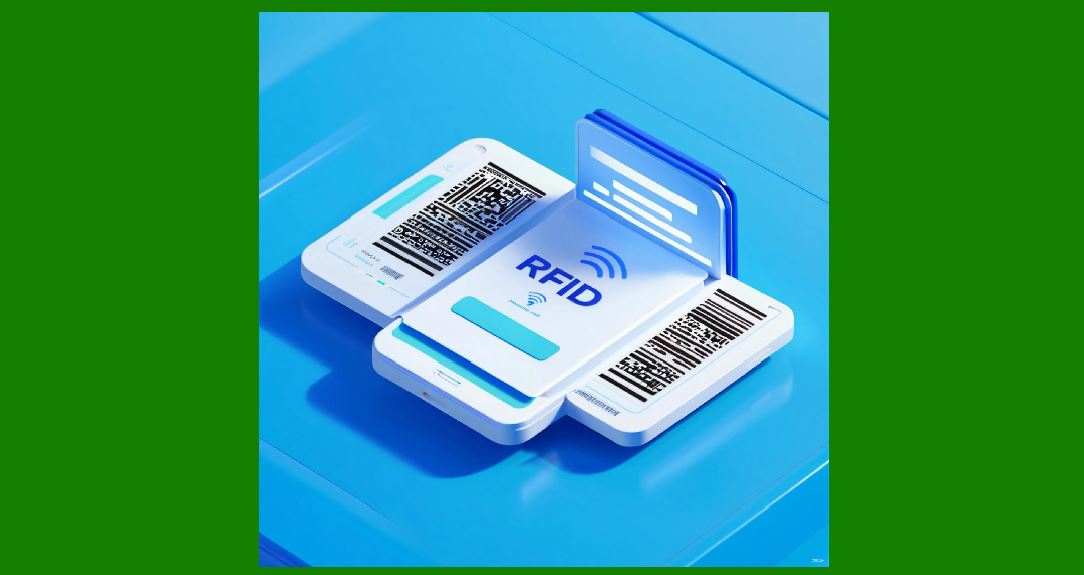
At its core, this chapter addresses a deceptively simple question: how can an inanimate object---a shirt, a shipping crate, a book, or even a pet---communicate its identity to a digital system without any physical contact or line of sightThe answer lies in Radio Frequency Identification (RFID), a technology that uses radio waves to create a silent, invisible conversation between a tag attached to an object and a reader device. Unlike its optical cousin, the barcode, which requires a direct visual 'glance,' RFID enables objects to 'speak' through materials, in bulk, and without human intervention. This chapter explores the physical principles that make this possible, contrasting the 'seeing' nature of barcodes with the 'listening' nature of RFID, and then illustrates the profound impact of this capability through a wide array of real-world applications across diverse industries. We will see how this silent network is quietly mapping the physical world for the digital realm. |
|
1. The Visible Voice: The Barcode and Its Limits |
To appreciate the revolutionary nature of RFID, we must first understand the technology it often complements and sometimes surpasses: the barcode. For decades, the barcode has been the workhorse of identification. Its principle is beautifully simple and entirely optical. A barcode is a visual pattern of black bars and white spaces of varying widths. When a laser or camera scans this pattern, it translates the reflected light into a series of ones and zeros, revealing a unique identification number. |
This process is a form of 'seeing.' The scanner needs a clear, unobstructed line of sight to the barcode. The human operator must physically orient the object so the code faces the scanner. It is a one-to-one transaction: one scan, one item. This manual intervention introduces a bottleneck. Each item must be handled individually, making processes like inventory counts labor-intensive and time-consuming. Furthermore, a dirty, torn, or poorly printed barcode is a silent object. It cannot be 'read' if it cannot be 'seen.' The barcode gave objects a voice, but it demanded that we look them directly in the eye. |

|
2. The Silent Voice: The Physics of Radio Frequency Identification |
RFID changes the rules of the conversation. It moves from the visual spectrum to the radio spectrum. It grants objects a voice that can be heard even when hidden from view. The system is composed of two fundamental parts: the tag and the reader. |
The tag is a small, often tiny, device that can be attached to an object. Its core components are a microchip, which stores data (most importantly, a unique identifier), and an antenna. The reader is a device that emits a radio frequency signal and listens for a reply. |
The magic is in how the tag, especially the most common and inexpensive kind, powers itself. This brings us to the marvel of the 'passive' tag. Unlike an active tag which has its own battery, a passive tag has no internal power source. When it comes within range of a reader, a sophisticated physical process unfolds. |
The Dance of Electromagnetic Induction and Backscatter |
The reader constantly transmits a radio frequency signal. For tags operating at lower frequencies (like those used for key cards and animal implants), the process relies on a principle called electromagnetic induction . Imagine the reader's antenna and the tag's antenna as two separate coils of wire that are magnetically linked, much like the coils in a transformer. The reader's coil generates a magnetic field. When the tag's coil enters this field, the fluctuating magnetic field induces a tiny voltage---an electrical current---in the tag's coil . This induced current is then rectified and regulated by the tag's chip to power its circuits . The tag wakes up because it is 'touched' by the reader's magnetic field. This is similar to how an electric toothbrush charges without a direct connection. |
For tags operating at higher frequencies, such as in the Ultra-High Frequency (UHF) range used for supply chain management, the physics is slightly different but equally elegant. This process, called backscatter, is based on radar principles . The reader transmits a continuous wave of radio energy. The passive tag receives this energy via its antenna, which powers its microchip. But how does the tag 'talk' backIt doesn't generate its own radio signal; that would require too much power. Instead, it alters the characteristics of the radio waves it is already reflecting back to the reader . By rapidly changing the impedance of its antenna (effectively changing how 'reflective' it is), the tag can encode a stream of data onto the reflected signal. It is like a person standing in a spotlight using a mirror to flash a signal in Morse code to a distant observer. The observer sees not a new light, but the original light being modified in a detectable pattern. |
This is the fundamental answer to our question: a physical object 'talks' by harvesting a tiny amount of energy from radio waves to power its identity chip, and then uses that energy to subtly modulate the very same waves to whisper its unique 'name' back to the reader . This entire conversation happens in a fraction of a second and is entirely invisible to the human eye. |
Barcode vs. RFID: A Comparison |
The implications of these physical differences are profound. A barcode must be 'seen.' An RFID tag can be 'heard.' This distinction leads to the key advantages of RFID: |
Line of Sight: RFID does not require a direct line of sight. It can be read through cardboard, plastic, wood, and other non-metallic materials. A pallet of tagged items can be read as it passes through a doorway without being unpacked. |
Bulk Reading: A barcode scanner can only read one code at a time. An RFID reader can simultaneously identify hundreds of tags in its field . This enables bulk inventory checks that take minutes instead of days. |
Data Capacity: A standard barcode holds a relatively small amount of data. An RFID chip can store significantly more information, including not just an ID number but also the object's history, manufacturing date, or even sensor data. |
Durability: Barcodes can be smudged or torn. RFID tags are much more robust and can be encapsulated to withstand harsh environments, extreme temperatures, and moisture . |
Automation: Because it doesn't require human intervention to orient and scan, RFID enables fully automated identification processes, such as a cart passing a reader on a factory floor. |
While barcodes remain cheaper and perfectly adequate for many applications (a pack of gum at the checkout), RFID provides the ability to 'listen' to the physical world, enabling the creation of a vast, silent network of talking objects. |
|
3. The Silent Network in Action: A World of Applications |
The ability to identify objects without seeing or touching them is not just a neat trick; it is a transformative capability that is reshaping industries. The 'silent network' is already woven into the fabric of our daily lives, often in ways we don't even realize. |
Retail and Apparel: The Smart Store |
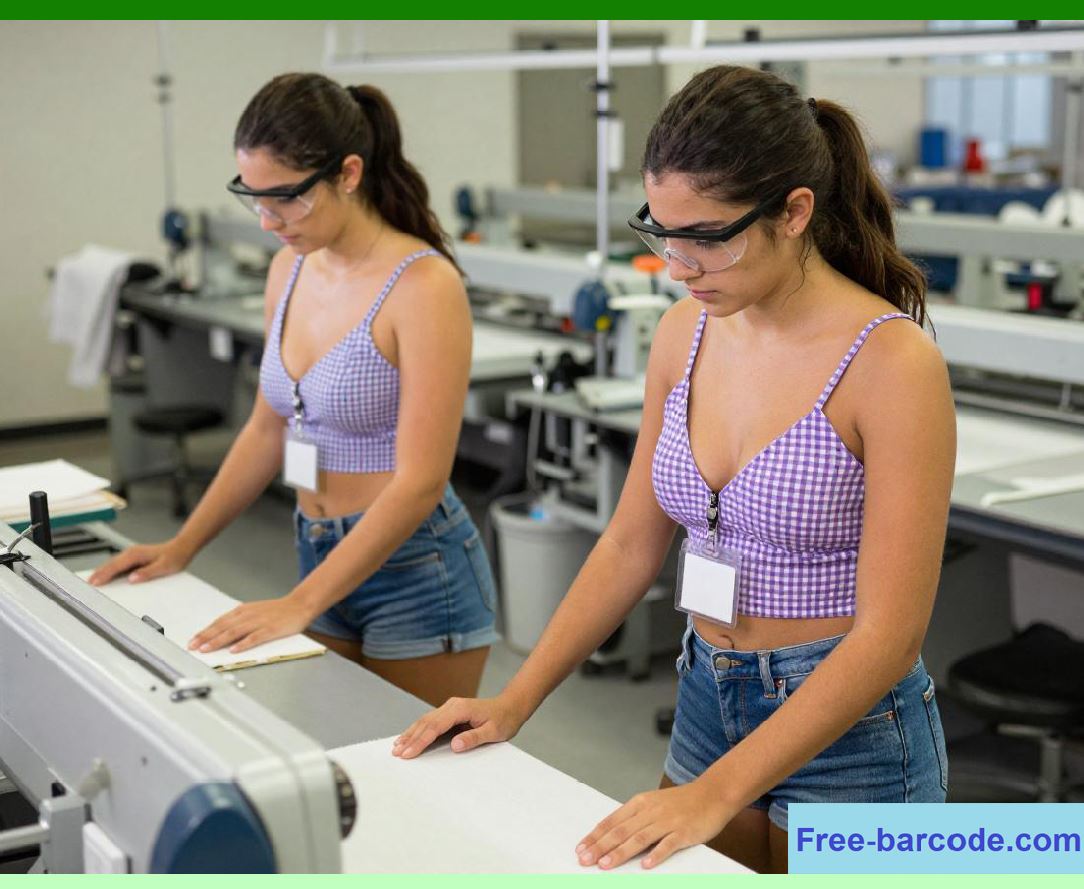
Perhaps the most visible application to the average consumer is in retail. In a modern clothing store, a garment is not just a shirt; it is a talking entity. RFID tags are stitched into or attached to the garment's hang tag . This simple act unlocks a cascade of data-driven efficiency. |
When boxes of new shirts arrive at the back of the store, an employee doesn't need to open every box and scan each item with a barcode scanner. They simply walk past the boxes with a handheld RFID reader, which instantly counts every item . The process of receiving goods, which used to take hours, now takes minutes. At the store, smart shelves can detect when a particular size or style is running low and trigger an automatic reorder. The true magic, however, happens at the checkout. This is no longer a process of locating a barcode and hearing a 'beep.' In some stores, a customer can place a full shopping basket or a pile of clothing onto a special pad, and the RFID reader reads every single tag simultaneously in under three seconds . It is a frictionless, nearly magical transaction. |
This capability is powered by major tag manufacturers who have turned the production of these 'digital identities' into a massive industry. Companies like Guangdong Zhongshifa in China, a national 'Specialized and Sophisticated' enterprise, produce billions of these labels annually . For them, RFID is more than a product; it is a service. Their 'smart store solution' integrates the entire process from manufacturing to the final sale, creating a seamless digital thread for the garment . A key example is the global fashion retail giant Uniqlo, which has deployed such RFID solutions in its stores, enabling a seamless and fast customer experience . |

|
Supply Chain and Logistics: Seeing Beyond the Box |
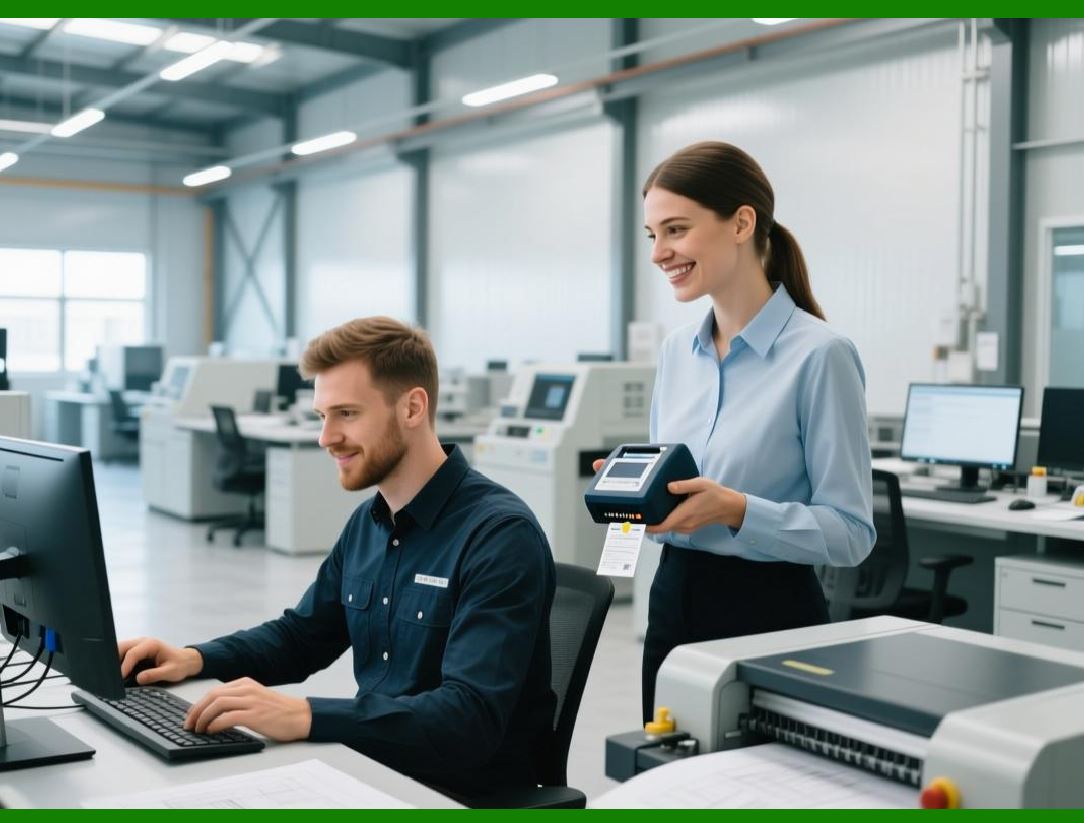
The power of RFID to 'see' through packaging makes it invaluable for logistics. Consider a major distribution center. A conveyor belt carries thousands of cardboard boxes. A traditional barcode scan would require each box to be oriented correctly, a process that is slow and can cause jams. An RFID-enabled portal is a doorway or archway with built-in readers. As a pallet of boxes passes through, the readers automatically identify every single tagged item inside, verifying that the shipment is complete and correct . This drastically reduces the labor involved in shipping and receiving. It transforms a tedious, error-prone manual task into a swift, automated confirmation. |
Companies like Checkpoint Systems provide this infrastructure for major brands . The goal is to ensure that a box of high-value items, like consumer electronics, contains exactly what the shipping manifest says it contains. This accuracy prevents costly chargebacks and ensures that the right product reaches the right store. The system operates in harsh industrial environments without issue, a testament to the ruggedness of the tags and readers. |
Healthcare: The Patient's Silent Guardian |
In the healthcare industry, the question 'who is this' can be a matter of life or death. RFID is becoming a critical tool in ensuring patient safety and operational efficiency. When a patient is admitted to a hospital, they might receive an RFID wristband . This wristband can be more than just an ID. It can contain a history of the patient's medical records, allergies, and medication schedule. |
Imagine a nurse about to administer a blood transfusion. She scans the patient's wristband and the blood bag with an RFID reader. The system instantly cross-references the two and alerts the nurse if there is a mismatch. This 'silent guardian' provides an additional layer of safety that is far more robust than a visual check. Furthermore, hospitals can use the technology to track expensive and critical equipment. Instead of searching for a vital signs monitor that has gone missing on a ward, staff can scan the room to locate it instantly . This saves valuable time and prevents the over-purchasing of equipment. |

|
Manufacturing: The Digital Thread |
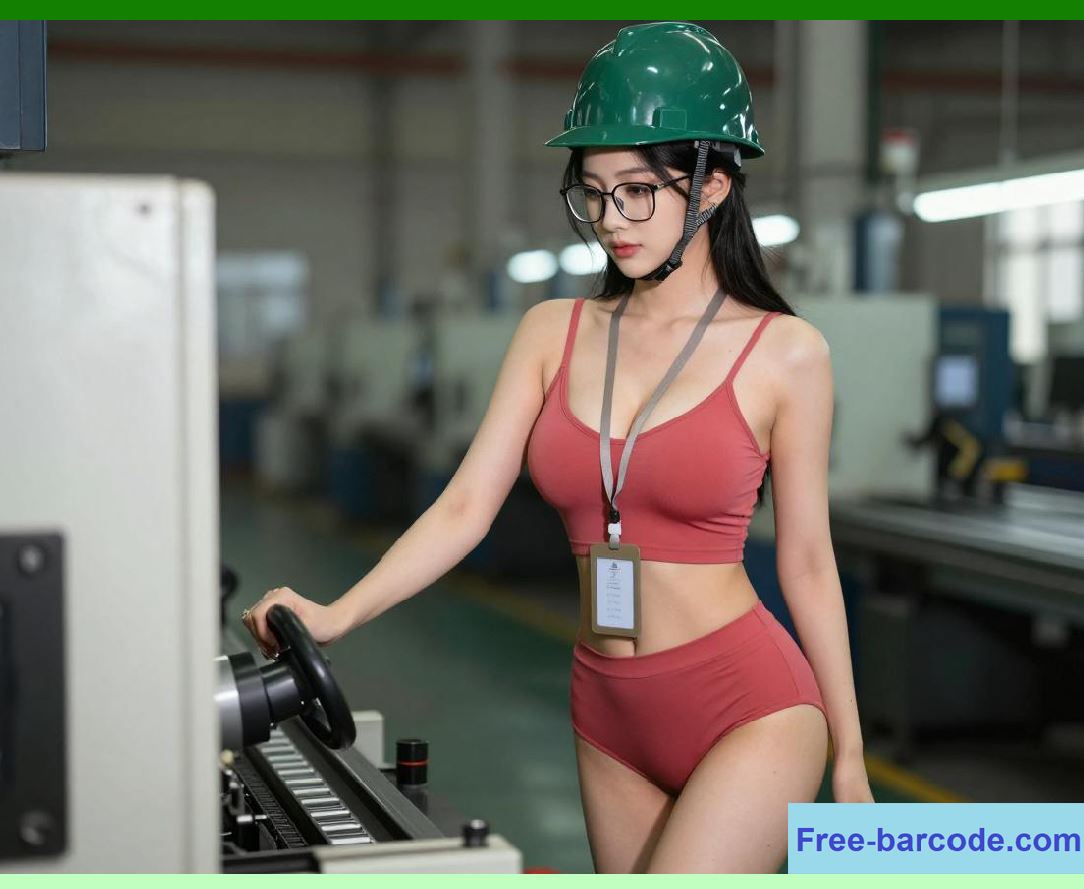
The concept of the 'digital thread'---a single, unbroken data trail from raw material to finished product---is central to Industry 4.0, and RFID is the technology that makes it possible. In a car factory, for example, a chassis might carry an RFID tag as it moves down the assembly line . The tag 'tells' the reader at each workstation exactly which part to install next, ensuring that a custom-ordered car is built to the precise specifications of its future owner. |
The benefits go beyond customization. The tag acts as a digital record of every step in the manufacturing process. If a car part is later found to be defective, engineers can look at the history stored on the tag to trace exactly when and where it was installed, allowing for a highly targeted recall . This traceability is also crucial in the furniture industry, where furniture pieces are tracked from the lumberyard to the customer's home, ensuring that not a single component is lost or mis-ordered . |
Animal and Agricultural Management: Guardians of the Herd |
It is not just inanimate objects that 'talk' to computers via RFID. The technology plays a crucial role in animal husbandry. When a cow is born on a large dairy farm, it might receive a small RFID ear tag. This ear tag is its digital identity for life. Throughout its life, the cow passes through readers at milking stations and feeding areas. The tag instantly 'tells' the system the cow's identity, and the system can then respond accordingly---providing the correct amount of feed, tracking its milk yield, and monitoring its health records . |
The challenge is significant. The tag must be robust enough to withstand the harsh conditions of a farm, including mud, water, and being knocked against fences. One of the specific challenges is that a cow might lay on its ear, pressing the tag against a metal surface and potentially detuning its antenna. This has led to innovations in tag design by companies who focus on challenging environments, developing tags that can be reliably read regardless of their physical orientation . Similarly, for pet owners, a small, passive RFID chip implanted under the skin of a dog or cat provides a permanent, tamper-proof form of identification that a shelter or veterinarian can read with a simple handheld scanner . |

|
Transportation and Access: The Unlocking Signal |
We interact with this silent network daily without thinking. When you tap your contactless credit card or your smartphone on a reader to pay for a coffee, you are using the near-field communication (NFC) variant of RFID . When you use a key card to enter your office building or your hotel room, you are using RFID. When you drive through an Electronic Toll Collection (ETC) lane on a highway, the transponder on your windshield is 'talking' to the reader on the gantry, allowing you to pass without stopping and automatically billing your account . |
The airport is another hub of this silent conversation. Your checked luggage is often affixed with an RFID tag, which allows the automated baggage handling system to sort it onto the correct plane, dramatically reducing the chances of your bag ending up on the wrong continent . |
Beyond the Tag: The New Frontiers |
The capabilities of the network are expanding. The tag is no longer just a simple, static ID. In some applications, the RFID chip is becoming a smart sensor. For instance, in the logistics of sensitive goods like pharmaceuticals or fresh produce, tags can be integrated with sensors to record temperature and humidity throughout the journey . The tag becomes a time-stamped record of the item's environment, 'telling' the receiving party not just what it is, but the conditions it experienced along the way. This allows companies to pinpoint exactly when and where a cold chain was broken, helping to reduce waste and ensure product quality. |
|
4. Summary and Conclusion |
The fundamental question of how a physical object can communicate with a computer without being seen or touched is answered by the elegant physics of RFID. It is a technology based on radio waves, where a passive tag harvests energy from a reader to power itself and uses that same energy to transmit its identity back through a process called backscatter. This 'silent voice' is a powerful counterpoint to the 'visible voice' of the barcode. It grants objects the ability to be heard in bulk, through obstacles, and without human intervention, opening up a world of automation and data intelligence. |
The comparison between the barcode and RFID is not a competition but a complementarity. The barcode will always have a place for its simplicity and low cost. However, for the objects that need to participate in the digital realm without being seen, the silent network of RFID is the only viable answer. We have seen this answer play out across diverse industries. |
In the cluttered back room of a clothing retailer, the silent network is the voice of a garment, enabling effortless counts and lightning-fast checkouts . In a sprawling warehouse, it is the invisible inspector, verifying the contents of a sealed box as it speeds along a conveyor belt . At a busy hospital, it is a tireless sentinel, making sure the right treatment goes to the right patient . On a manufacturing floor, it is the living record of a product's creation . In a field full of cows, it is the name tag of a herd . And in our pockets and on our keychains, it is a convenience that unlocks a door or pays for our morning coffee . |
The technology is not without its challenges. The need to protect sensitive data from potential unauthorized reading is a growing privacy concern that the industry is actively addressing . The cost of implementing the tags and infrastructure, while decreasing, remains a barrier for some applications. Yet, the trend is unmistakable. The cost of tags continues to fall, their capabilities continue to rise, and the 'digital thread' they create is becoming the essential fabric of the physical world. |
|
Ultimately, RFID is the foundation of the Internet of Things (IoT). It is the sensory organ that allows the digital world to perceive the physical. It is how a silent, physical object acquires a voice and tells its story to a computer. As we move further into an age of automation and data, this silent network will only become more ubiquitous, quietly mapping the physical world and making it intelligible to the machines that help us run it. |
 cs@easiersoft.com