Chapter 12: The 1948 Breakthrough |
A Brief Summary |
In 1948, a quiet but remarkable paper appeared in the Proceedings of the IRE. It was written by Harry Stockman and titled Communication by Means of Reflected Power. The paper did not announce a finished product. It did not describe a factory-ready machine. It did not even use the words radio frequency identification or RFID. What it did was something more important. It laid out the theoretical foundation for a whole family of technologies that would eventually connect physical objects to information systems. Stockman showed that a device could communicate by reflecting and modulating radio waves, using energy that someone else had transmitted. That single idea, explored with patience and clarity, became one of the roots of the silent network that now maps the physical world. |
This chapter tells the story of that breakthrough. It explains the problem Stockman was addressing, the insight he offered, and the long journey from a theoretical paper to the everyday systems that read barcodes and RFID tags. It also looks at how the 1948 idea grew into practical applications across many industries. The goal is not to turn the reader into an electrical engineer. The goal is to show how one paper helped create a world in which objects can be counted, tracked, identified, and managed without a human typing every detail into a computer. |
|
The Problem Before 1948 |
Before 1948, radio was already a mature technology in many ways. People broadcast music and news. Ships communicated across oceans. Radar helped detect aircraft and ships. But most radio systems followed a simple pattern. A transmitter sent out a signal. A receiver listened for that signal. The receiver was usually a separate device with its own power supply, its own antenna, and its own complex electronics. If you wanted to identify a distant object, you often needed a human operator, a camera, or a mechanical switch. There was no easy way for a small, powerless object to announce its identity over the air. |
The idea of identifying objects by radio was not entirely new. During World War II, radar operators noticed that the radio waves reflected from aircraft changed depending on the shape and orientation of the aircraft. Some engineers experimented with friendly-or-else identification systems. These systems used radio signals to ask a question and receive a coded reply. But these early systems were large, expensive, and power-hungry. They were not something you could attach to a package, a cow, or a library book. |
The missing piece was a way for a simple device to communicate without its own power source. Could a device use the energy of an incoming radio wave to send back a messageCould it change the way it reflected that wave so that the reflection carried informationThese were the questions that Stockman explored. |
|
Harry Stockman and His Paper |
Harry Stockman was an engineer and researcher who worked on radio and electronics. In the 1940s, he was interested in the physics of reflection and modulation. He wanted to understand how a radio wave behaves when it hits an object, and how that object can alter the wave in a controlled way. His paper, Communication by Means of Reflected Power, was published in 1948. It was not a long paper by modern standards, but it was dense with insight. |
Stockman began by noting that a radio wave carries energy. When that wave strikes an object, some of the energy is absorbed, some passes through, and some is reflected. The reflected wave can be picked up by a receiver. If the object can change its reflective properties over time, then the reflected wave will change over time. Those changes can encode a message. In other words, the object does not need to generate its own radio wave. It can simply modulate the wave that hits it. The transmitter provides the power. The object provides the information. |
This is the core of what we now call backscatter communication. The term backscatter refers to the fact that the reflected wave often travels back toward the source, or at least in a useful direction. Stockman described how a simple antenna could be connected to a load that changes between different states. When the load changes, the amount of energy reflected by the antenna changes. A receiver watching the reflected signal sees a pattern of changes. That pattern can represent bits, letters, numbers, or any other information. |
Stockman also discussed the limits of this approach. The reflected signal is usually much weaker than the original transmitted signal. The receiver must be sensitive enough to detect small changes. The object must be close enough or the transmitter must be powerful enough. Noise and interference can corrupt the message. But these were engineering challenges, not fundamental barriers. The theoretical foundation was solid. |

|
Why This Was a Breakthrough |
The 1948 paper was a breakthrough for several reasons. First, it separated the power source from the information source. In most radio systems, the device that sends information also needs power to generate the radio wave. Stockman showed that a device could send information by reflecting someone else's wave. This meant that the device could be extremely simple and low-power. It might even be passive, meaning it has no battery at all. |
Second, it opened the door to tiny, inexpensive tags. If a tag does not need a battery or a transmitter, it can be made very small and very cheap. It can be attached to almost anything. This is the key to mapping the physical world. You cannot put a battery-powered radio on every can of soup or every shirt. But you can put a tiny passive tag on them, if the tag can communicate by reflecting power. |
Third, it provided a theoretical language for later engineers. Stockman's paper gave them a way to think about modulated backscatter. It described the relationship between the incoming wave, the reflection, and the information. Later researchers could build on this language. They could design better antennas, better modulation schemes, and better receivers. They could turn a theoretical idea into practical systems. |
Fourth, it connected radio to identification. If a tag can send a unique code, then a reader can identify the object to which the tag is attached. This is the essence of RFID. Stockman may not have used the term, but he laid the groundwork for it. |
|
From Theory to Practice: The Long Road |
The journey from Stockman's paper to modern RFID and barcode systems was not a straight line. It took decades of work by many people in many fields. In the 1950s and 1960s, researchers experimented with reflected power for various purposes. Some worked on radar improvements. Some worked on remote sensing. Some worked on identification systems for the military. The ideas slowly moved from the laboratory to the factory. |
One important development was the invention of the integrated circuit. In the 1960s and 1970s, electronic circuits became smaller, cheaper, and more reliable. This made it possible to build complex logic on a tiny chip. A tag could now contain a small memory and a simple processor. It could store a unique identifier and respond to a reader's query. The passive tag became practical. |
Another important development was the standardization of barcodes. In 1974, the first barcode was scanned on a pack of chewing gum in a grocery store. Barcodes were not radio-based. They used light, not radio waves. But they shared the same goal: to identify a physical object quickly and automatically. Barcodes and RFID grew up together. They complemented each other. Barcodes were extremely cheap and simple. RFID was more expensive but could be read without line of sight, from a distance, and in bulk. |
In the 1980s and 1990s, RFID began to find real applications. Farmers used it to track livestock. Toll roads used it to collect fees without stopping cars. Factories used it to track parts and products. Libraries used it to manage books. Retailers used it to manage inventory. Each application pushed the technology further. Each success brought down the cost. Each failure taught engineers what needed to be improved. |
The 2000s saw a major push toward RFID in supply chains. Large retailers and logistics companies wanted to track goods from the factory to the store shelf. They envisioned a world where every pallet, every case, and every item had a tag. This vision was sometimes called the Internet of Things, though that term later expanded to include many other technologies. The goal was ambitious. The challenges were many. But the foundation laid by Stockman was still there, under all the new engineering. |
|
How Barcodes and RFID Work Together |
To understand the silent network, it helps to see how barcodes and RFID complement each other. A barcode is a pattern of lines or squares that encodes information. A scanner shines light on the barcode and reads the pattern of reflections. The scanner then decodes the pattern into a number or a string. Barcodes are cheap, reliable, and easy to print. They are everywhere. But they have limits. They need line of sight. They can only be read one at a time. They can be damaged or dirty. They cannot be updated. |
RFID tags use radio waves instead of light. A reader sends out a radio signal. A tag receives that signal, uses some of its energy, and reflects back a modulated signal. The reader decodes the reflected signal. RFID tags can be read without line of sight. They can be read in bulk. They can be read from a distance. Some tags can be rewritten. Some tags can sense their environment. But RFID tags are more expensive than barcodes. They can be affected by metal and water. They raise privacy concerns. |
Together, barcodes and RFID cover a wide range of needs. Barcodes handle the billions of low-cost items that need a simple identity. RFID handles the items that need more flexibility, more range, or more data. In many systems, both are used. A pallet might have an RFID tag. The individual items on the pallet might have barcodes. The reader might scan the RFID tag to identify the pallet, then scan the barcodes to identify the items. The two technologies work together to map the physical world. |

|
Industry Applications: Retail |
Retail was one of the first industries to adopt barcodes on a massive scale. Every time you buy a product at a supermarket, the cashier scans a barcode. The barcode identifies the product. The point-of-sale system looks up the price. The inventory system updates the count. This seems simple, but it changed everything. Before barcodes, cashiers had to type in prices manually. This was slow and error-prone. Barcodes made checkout faster and more accurate. They also gave retailers real-time data about what was selling and what was not. |
RFID took retail further. In the 2000s, large retailers began requiring their suppliers to put RFID tags on pallets and cases. This allowed the retailers to track goods as they moved through the supply chain. A reader at the loading dock could scan an entire pallet in seconds. A reader in the back room could check inventory without opening boxes. A reader on the sales floor could tell when items were running low. Some retailers even experimented with item-level tagging. This meant putting an RFID tag on every individual item, such as every shirt or every pair of shoes. Item-level tagging is more expensive, but it gives retailers unprecedented visibility. |
One famous example is a large apparel retailer that used RFID to track jeans. Each pair of jeans had a tag. The tag was read at the factory, at the distribution center, and at the store. When a customer tried on a pair of jeans in the fitting room, a reader could detect which jeans were taken in. If the customer did not buy them, the staff knew they needed to be returned to the shelf. This reduced theft and improved customer service. It also gave the retailer accurate data about which sizes and styles were popular. |
Another example is a grocery chain that used RFID to track fresh produce. The tags were attached to reusable plastic containers. The containers moved from farm to distribution center to store. The tags helped the chain manage the containers, reduce loss, and ensure food safety. If there was a recall, the chain could quickly identify which containers had been affected and where they had gone. |
Retail is still a major driver of RFID and barcode innovation. The goal is always the same: to know what is where, and to know it now. |

|
Industry Applications: Logistics and Supply Chain |
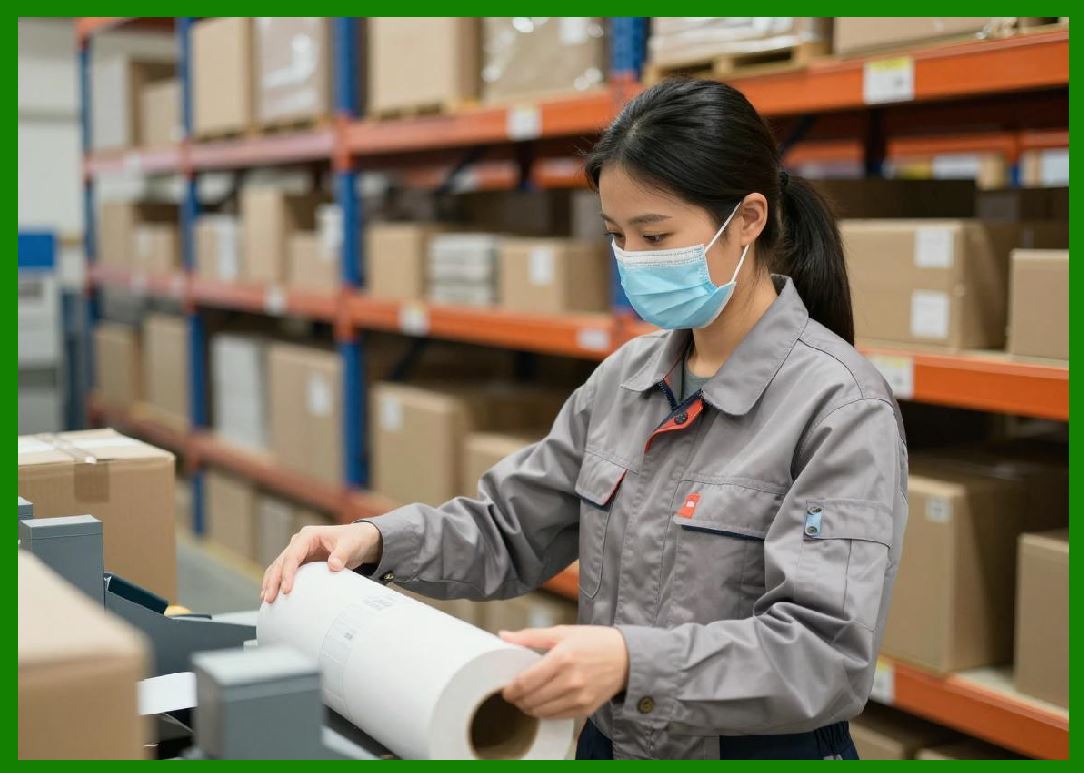
Logistics is the art and science of moving things from one place to another. It is a natural fit for barcodes and RFID. A package with a barcode can be scanned at every step of its journey. The barcode tells the carrier where the package is, where it is going, and when it should arrive. This is how modern package delivery works. You can go online and see that your package left a facility, arrived at another facility, and is out for delivery. That visibility comes from barcodes and scanners. |
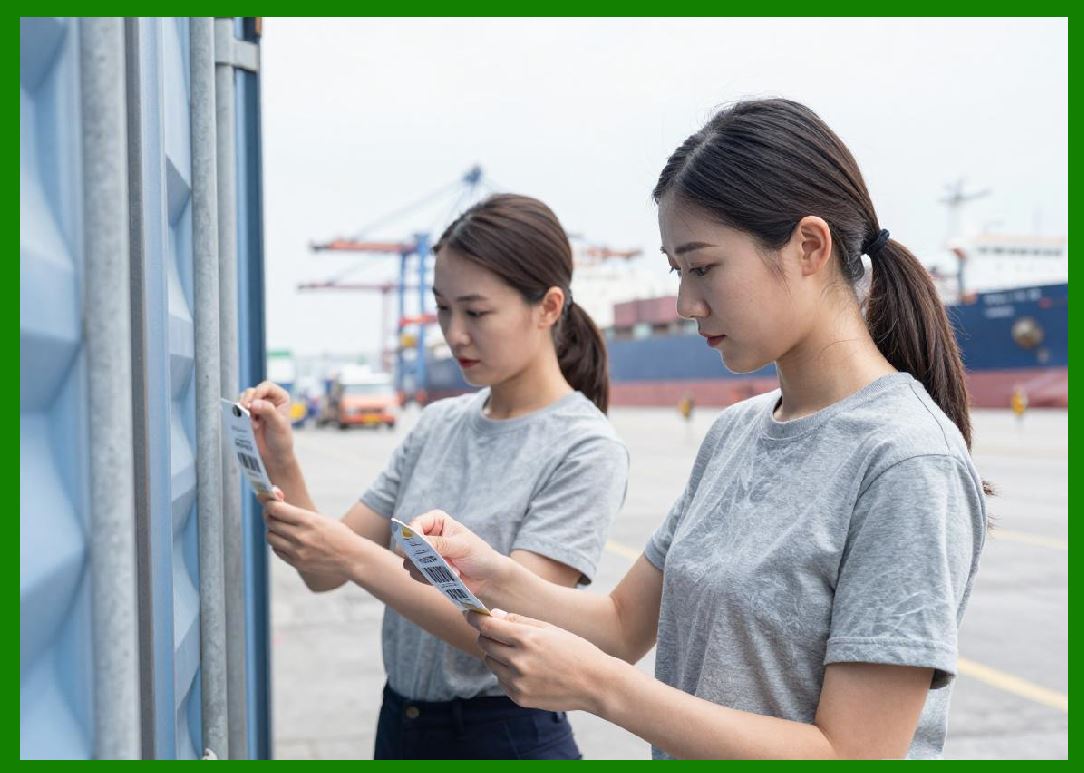
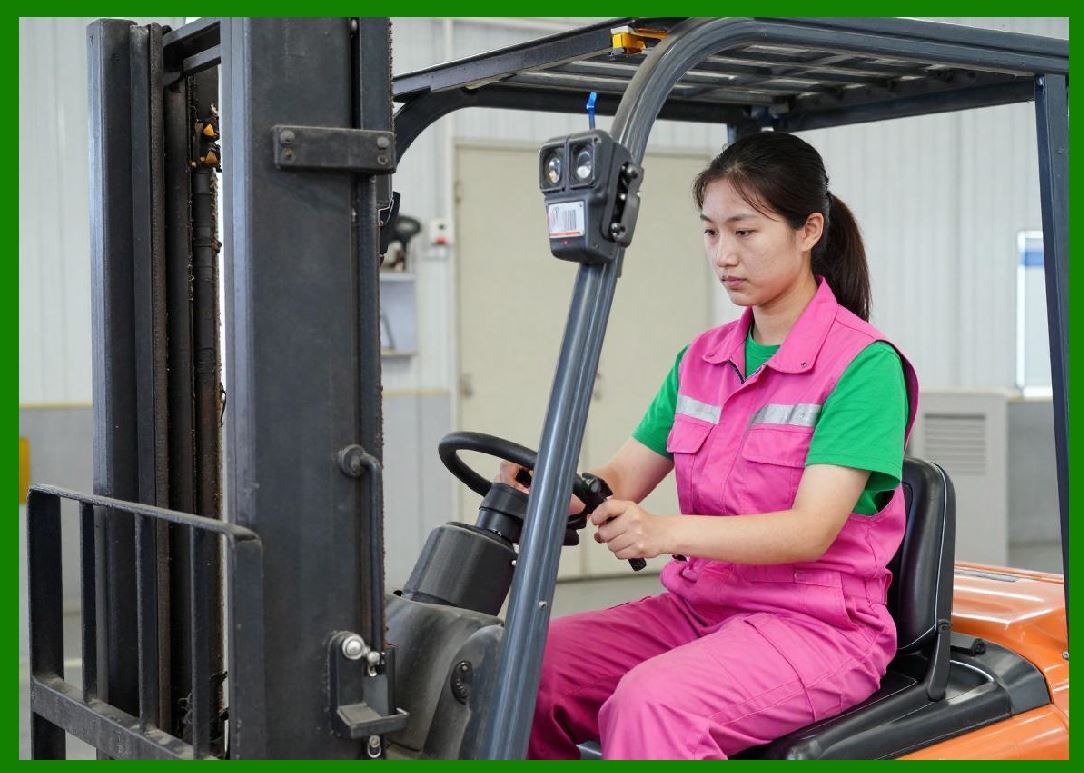
RFID adds another layer. In a warehouse, a forklift with an RFID reader can drive down an aisle and read every pallet without stopping. This is much faster than scanning barcodes one by one. In a shipping yard, a crane with an RFID reader can identify containers as it moves them. This reduces errors and speeds up operations. In a truck yard, a gate reader can identify trucks as they enter and leave. This automates check-in and check-out. |
One of the most ambitious logistics projects was the use of RFID to track military supplies. The United States Department of Defense used RFID tags to track food, fuel, ammunition, and spare parts as they moved to troops in the field. This saved time and money. It also saved lives. If a convoy knew exactly what was on each truck, it could avoid sending trucks that were not needed. It could also avoid running out of critical supplies. |
Another example is a global shipping company that used RFID to track containers. Each container had a tag. Readers at ports and on ships could identify the container. This helped the company know where every container was at any moment. It also helped with security. If a container was tampered with, the tag could record that fact. When the container arrived, the reader would alert the authorities. |
Logistics is all about efficiency. Barcodes and RFID make logistics more efficient. They reduce manual labor. They reduce errors. They provide data that can be used to optimize routes, schedules, and inventory levels. |
|
Industry Applications: Healthcare |
Healthcare is another industry where barcodes and RFID have made a big difference. In a hospital, every patient, every medication, every sample, and every piece of equipment needs to be tracked. Mistakes can be deadly. Barcodes and RFID help reduce mistakes. |
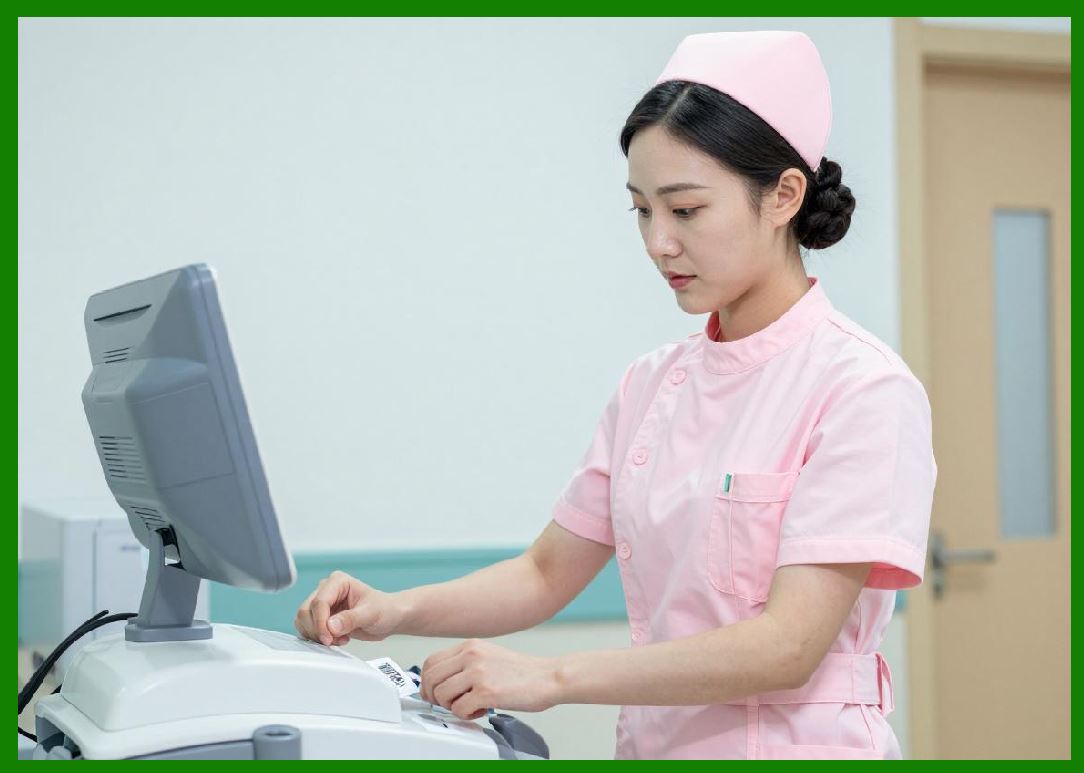
One common application is medication administration. A nurse scans the patient's wristband and the medication's barcode. The system checks that the right patient is getting the right drug at the right dose at the right time. If there is a mismatch, the system alerts the nurse. This prevents errors. It also creates a record of what was given and when. |
Another application is specimen tracking. When a blood sample is taken, it gets a barcode label. The label is scanned at every step. This ensures that the sample is not lost or mixed up. It also ensures that the results are linked to the right patient. |
RFID is used for high-value equipment. A hospital may put an RFID tag on a wheelchair, a pump, or a ventilator. When the equipment is moved, readers can track it. This helps staff find equipment quickly. It also helps prevent theft. Some hospitals use RFID to track surgical instruments. Each instrument has a tag. After surgery, the instruments are scanned to make sure none were left inside the patient. This is a safety check that can save lives. |
One example is a hospital that used RFID to track patients with dementia. The patients wore wristbands with RFID tags. If a patient wandered into a restricted area, the system would alert the staff. This allowed the hospital to give patients more freedom while keeping them safe. |
Another example is a blood bank that used RFID to track blood bags. Each bag had a tag that recorded its temperature and location. If a bag got too warm, the system would alert the staff. This helped ensure that the blood was safe to use. |
Healthcare is a field where accuracy and speed matter. Barcodes and RFID provide both. |
|
Industry Applications: Manufacturing |
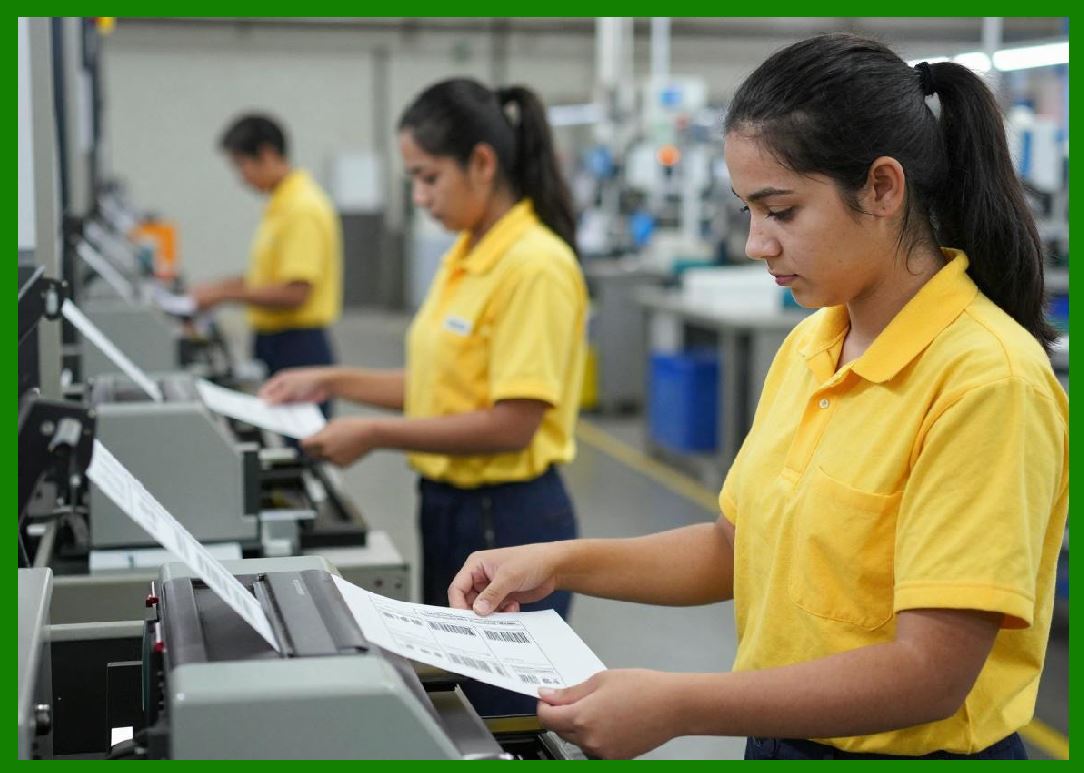
Manufacturing is all about turning raw materials into finished products. To do this efficiently, manufacturers need to know what is where on the factory floor. Barcodes and RFID provide that knowledge. |
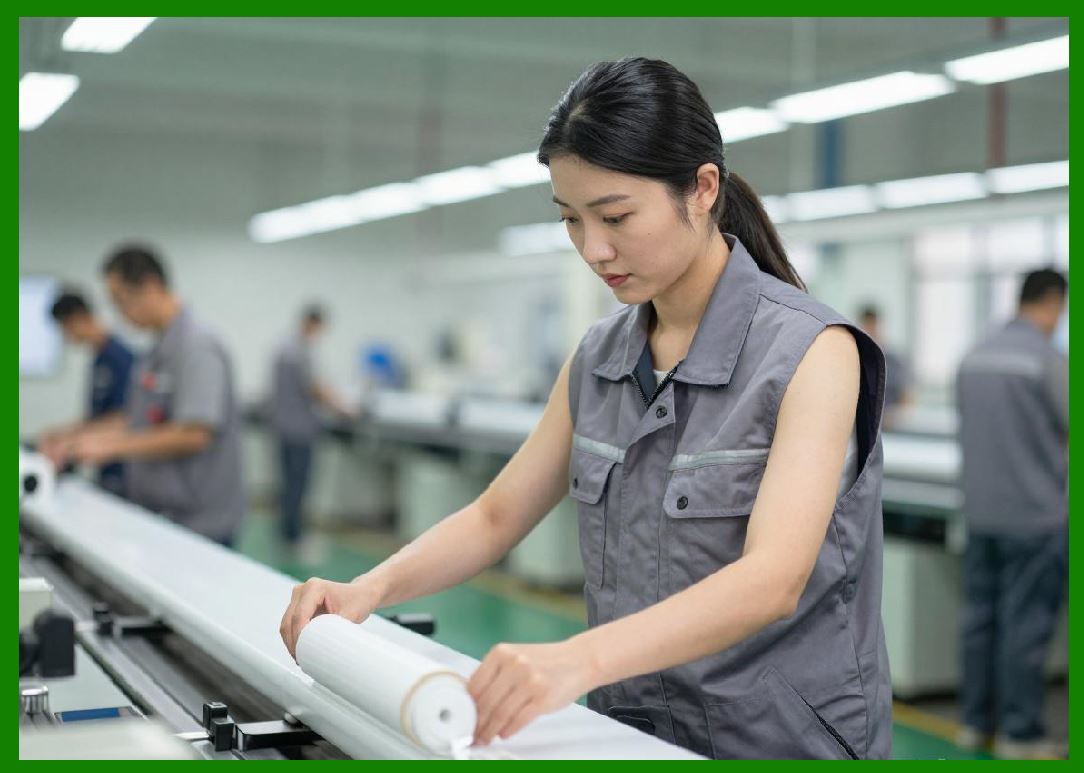
In a car factory, for example, each car body may have a barcode or an RFID tag. As the car moves down the assembly line, readers scan the tag. The tag tells the system which model is being built, which color it should be, and which options it should have. The system then tells the robots and the workers what to do. This is called just-in-time manufacturing. It reduces waste and increases flexibility. |
In an electronics factory, each circuit board may have a barcode. The barcode is scanned at each stage of assembly. This helps the factory track defects. If a board fails a test, the factory can look at its history. It can see which machines and which workers were involved. This helps identify the root cause of the problem. |
RFID is used in factories to track tools and molds. A mold may have an RFID tag. When the mold is put into a machine, the reader identifies it. The machine then loads the correct program. This prevents errors. It also ensures that the mold is used the right number of times before it is replaced. |
One example is an aircraft manufacturer that used RFID to track parts. Each part had a tag. The tag recorded the part's history, including when it was made, who made it, and what tests it passed. This made it easy to trace any problems. It also made it easy to find the right part when it was needed. |
Another example is a food processing plant that used RFID to track ingredients. Each ingredient had a tag. The tag recorded where it came from and when it arrived. If there was a recall, the plant could quickly identify which products were affected. This is important for food safety. |
Manufacturing is a complex dance of people, machines, and materials. Barcodes and RFID help keep the dance in step. |
|
Industry Applications: Agriculture |
Agriculture is the oldest industry in the world. It is also one of the most important. Farmers need to track animals, crops, and equipment. Barcodes and RFID help them do it. |
One of the earliest uses of RFID was in livestock tracking. A farmer can put an RFID tag on a cow's ear. The tag has a unique number. When the cow comes to a feeder or a milking station, a reader identifies it. The system can then record how much the cow ate or how much milk it gave. This helps the farmer manage the herd. It also helps with disease control. If a cow gets sick, the farmer can quickly identify which other cows were near it. |
RFID is also used to track crops. A farmer can put a tag on a pallet of fruit. The tag records when the fruit was picked and where it came from. This helps with food safety and quality control. If there is a problem, the farmer can trace it back to the field. |
Barcodes are used on seed bags and fertilizer bags. The farmer scans the barcode to record what was used and where. This helps with planning and compliance. |
One example is a vineyard that used RFID to track its grapes. Each row of vines had a tag. When the grapes were picked, the tag was scanned. The winery could then know exactly which grapes went into which bottle of wine. This is important for quality and for marketing. A bottle of wine can tell a story about the soil, the weather, and the care that went into it. |
Another example is a fish farm that used RFID to track its fish. Each fish had a tag. The tag recorded the fish's growth and health. This helped the farmer optimize feeding and reduce waste. |
Agriculture is a business of uncertainty. Weather, pests, and markets can change quickly. Barcodes and RFID help farmers reduce uncertainty. They provide data that can be used to make better decisions. |
|
Industry Applications: Transportation |
Transportation is the movement of people and goods. Barcodes and RFID are used in many ways to make transportation safer and more efficient. |
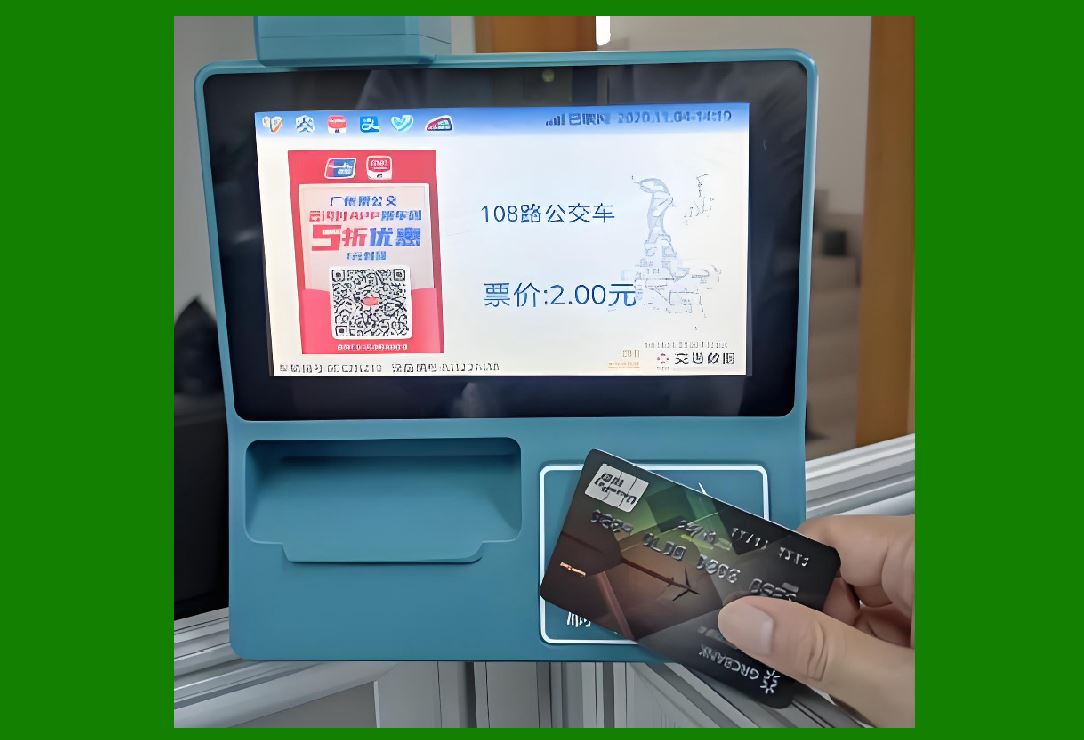
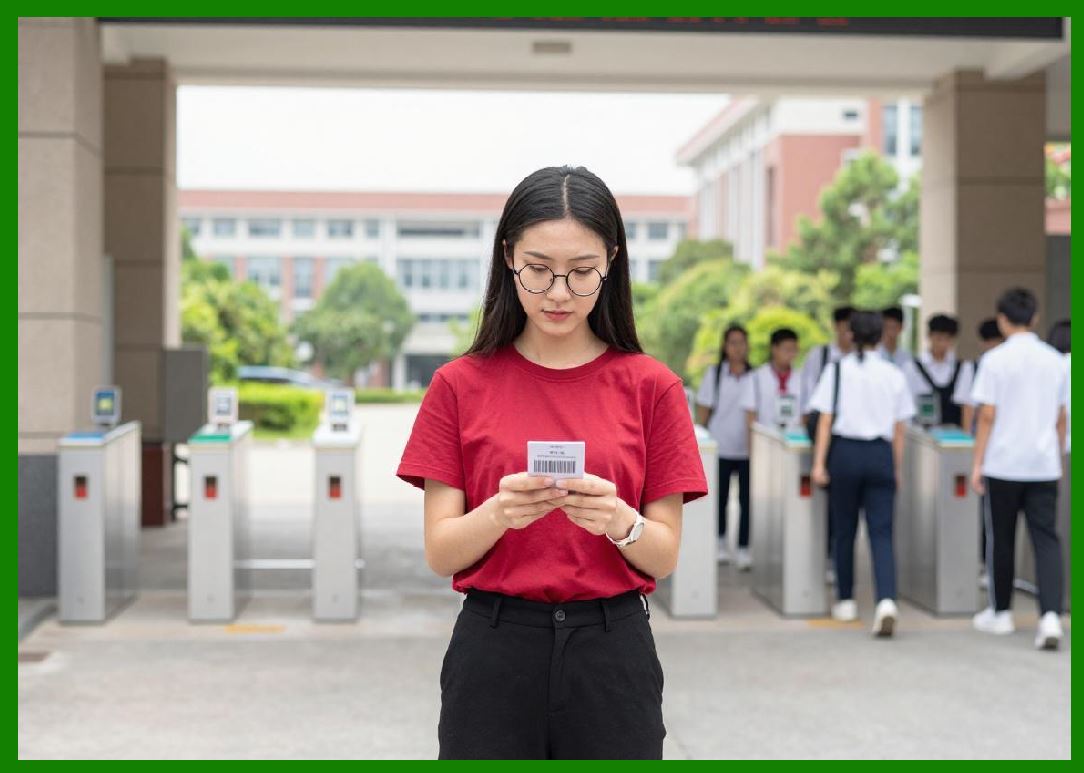
In public transit, barcodes and RFID are used for fare collection. A passenger can have a card with an RFID chip. The passenger taps the card on a reader when entering a bus or train. The reader identifies the card and deducts the fare. This is faster and more convenient than paying with cash. It also gives the transit agency data about how many people are riding and where they are going. |
In toll roads, RFID is used for electronic toll collection. A car has a tag on its windshield. A reader at the toll booth identifies the tag. The toll is deducted from the driver's account. The driver does not have to stop. This reduces traffic and saves fuel. |
In parking, RFID is used for access control. A car with a tag can enter and exit a parking garage without a ticket. The system identifies the car and charges the account. This is convenient for the driver and efficient for the operator. |
In aviation, barcodes are used on boarding passes and baggage tags. A passenger's bag gets a barcode tag. The tag is scanned at check-in, at security, and at the gate. This helps ensure that the bag gets on the right plane. It also helps track lost bags. Some airlines use RFID tags for baggage. RFID can be read from a distance, so the airline can track bags without slowing down the conveyor belt. |
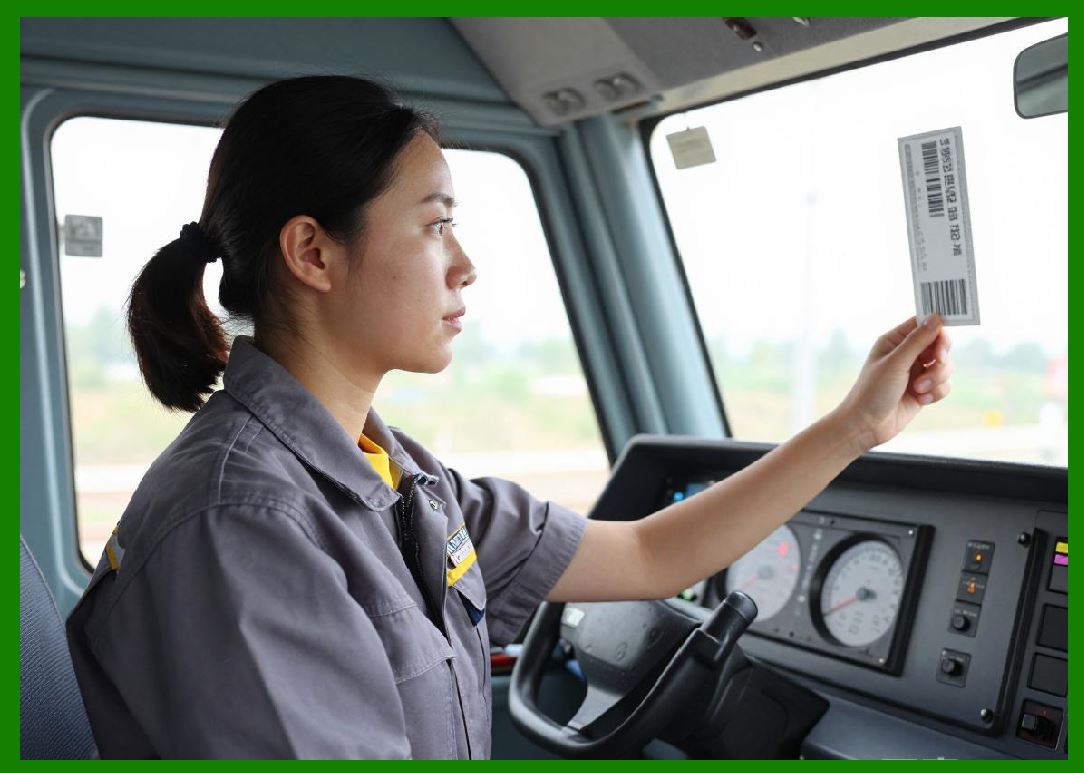
One example is a railway company that used RFID to track its train cars. Each car had a tag. Readers along the track identified the cars as they passed. This helped the company know where its cars were and how they were being used. It also helped with maintenance. If a car needed repair, the company could find it quickly. |
Another example is a trucking company that used RFID to track its trailers. Each trailer had a tag. Readers at the company's yards identified the trailers as they came and went. This helped the company manage its fleet. It also helped prevent theft. |
Transportation is about moving things quickly and safely. Barcodes and RFID help make that possible. |
|
Industry Applications: Libraries and Archives |
Libraries were among the first institutions to adopt barcodes and RFID on a large scale. A library has thousands or millions of items. Each item needs to be tracked. Barcodes made it possible to check out a book with a simple scan. This replaced the old system of stamping cards and writing names. |
RFID took library automation further. A library can put an RFID tag in each book. The tag contains a unique identifier. A reader at the checkout desk can read the tag without opening the book. A reader at the return slot can read the tag as the book is dropped off. A handheld reader can be used to take inventory. A librarian can walk down an aisle and read every tag on the shelf. This is much faster than scanning barcodes one by one. |
RFID also improves security. A library can put a security gate at the entrance. The gate reads the tags. If a book has not been checked out, the gate alarms. This reduces theft. |
One example is a large public library that used RFID to manage its collection. The library had millions of items. With barcodes, taking inventory took weeks. With RFID, it took days. The library could also tell which books were on the shelf and which were checked out. This improved customer service. If a patron wanted a book, the library could tell them exactly where it was. |
Another example is a museum that used RFID to track its artifacts. Each artifact had a tag. The tag recorded the artifact's history and location. This helped the museum manage its collection. It also helped with security. If an artifact was moved without authorization, the system would alert the staff. |
Libraries and archives are about preserving knowledge. Barcodes and RFID help them do it more efficiently. |
|
Industry Applications: Sports and Events |
Sports and events are about timing, access, and participation. Barcodes and RFID are used in many ways to make these things better. |
In marathons and triathlons, runners wear RFID tags on their shoes or race bibs. Mats on the ground read the tags as the runners pass. This records their times. It also allows friends and family to track the runners online. This has become a standard part of major races. |
In stadiums, RFID is used for ticketing. A fan has a card or a phone with an RFID chip. The fan taps the card on a reader at the gate. The reader identifies the fan and allows entry. This is faster and more secure than paper tickets. It also gives the stadium data about who is attending. |
In ski resorts, RFID is used for lift tickets. A skier has a card with an RFID chip. The card is read at the lift. The skier does not have to stop or show a ticket. This speeds up the line and reduces fraud. |
In gyms and fitness centers, RFID is used for access control. A member has a card or a wristband. The member taps the card on a reader at the door. The reader identifies the member and unlocks the door. This is convenient and secure. |
One example is a major golf tournament that used RFID to track players and fans. Each player had a tag. Each fan had a tag. Readers around the course tracked their movements. This helped the organizers manage crowds and improve the experience. It also gave the broadcasters data about which players were on which holes. |
Another example is a music festival that used RFID wristbands. The wristbands served as tickets. They also allowed fans to share their contact information with friends. They could even be used to pay for food and drinks. This made the festival more fun and more efficient. |
Sports and events are about excitement and community. Barcodes and RFID help make them run smoothly. |
|
Industry Applications: Government and Public Services |
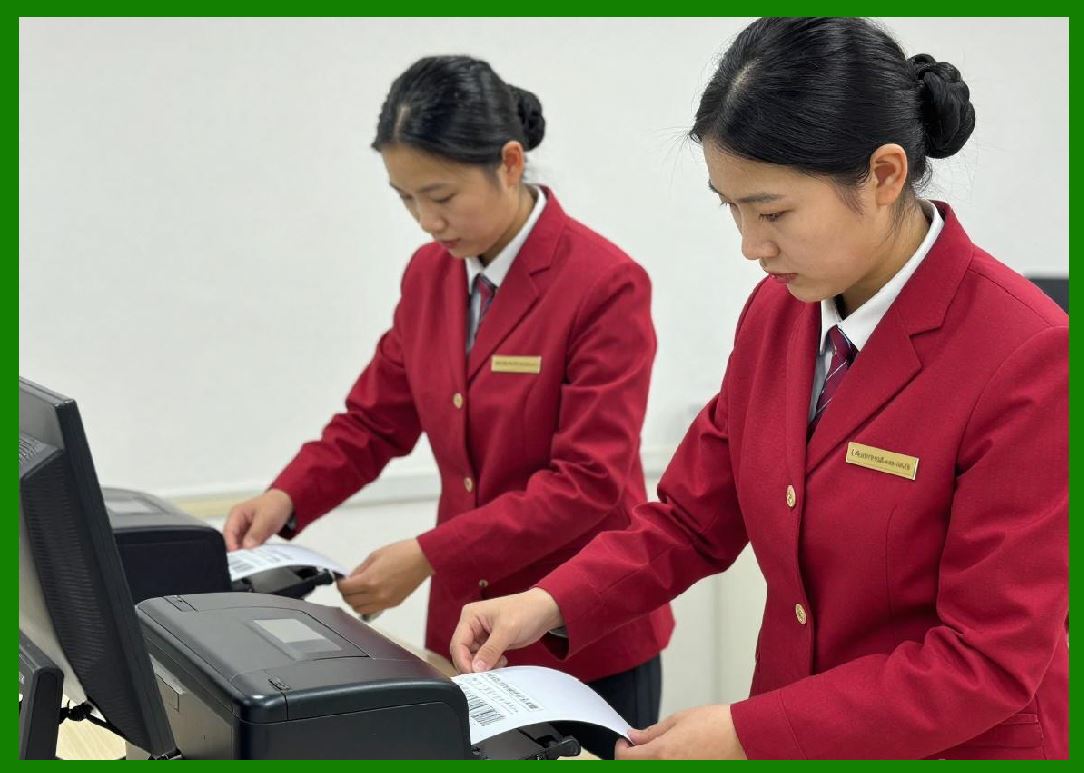
Governments use barcodes and RFID for many purposes. They track documents, vehicles, assets, and people. They use these technologies to improve services and reduce fraud. |
In vehicle registration, a government can use barcodes on license plates. A camera or a scanner can read the barcode and identify the vehicle. This is used for toll collection, parking enforcement, and traffic monitoring. |
In document management, a government can use barcodes on passports and identity cards. The barcode or RFID chip contains the person's information. This is used for border control and security. The chip can be read at a distance, which speeds up processing. |
In asset management, a government can use RFID to track its property. This includes computers, furniture, and vehicles. The tags help the government know what it owns and where it is. This reduces waste and theft. |
In waste management, a government can use RFID to track garbage bins. Each bin has a tag. When the truck lifts the bin, the reader identifies it. The government can then charge the homeowner based on how much waste they produce. This encourages recycling and reduces waste. |
One example is a city that used RFID to track its buses. Each bus had a tag. Readers at bus stops identified the buses as they passed. This gave the city real-time data about bus locations. It also gave passengers accurate arrival times. |
Another example is a national park that used RFID to track wildlife. Each animal had a tag. Readers around the park tracked the animals' movements. This helped the park manage the ecosystem. It also helped protect endangered species. |
Government and public services are about serving the public. Barcodes and RFID help governments do it more effectively. |
|
Industry Applications: Food Safety and Traceability |
Food safety is a matter of life and death. Barcodes and RFID help ensure that food is safe to eat. They do this by providing traceability. Traceability means that you can follow a food product from the farm to the fork. |
A barcode on a package of lettuce can tell you where the lettuce was grown and when it was harvested. If there is an outbreak of foodborne illness, health officials can use that information to find the source. They can then recall the affected products. This saves lives. |
RFID can provide even more detail. A tag on a pallet of meat can record the temperature of the meat as it travels. If the temperature gets too high, the tag can record that fact. When the meat arrives at the store, the reader can check the tag. If the temperature was too high, the meat can be rejected. This prevents spoiled meat from reaching consumers. |
One example is a large food company that used RFID to track its products. The company made everything from soup to nuts. Each case had a tag. The tag recorded the product's name, lot number, and expiration date. If there was a recall, the company could quickly identify which cases were affected. It could then tell its customers to remove those cases from the shelves. This was much faster than using paper records. |
Another example is a seafood company that used RFID to track its fish. Each fish had a tag. The tag recorded where the fish was caught, when it was caught, and how it was handled. This helped the company prove that its fish was sustainable and safe. It also helped the company get a better price. |
Food safety and traceability are important to everyone. Barcodes and RFID help make them a reality. |

|
Industry Applications: Automotive and Transportation |
The automotive industry uses barcodes and RFID in many ways. In manufacturing, as we saw earlier, they track parts and vehicles. In transportation, they track vehicles and cargo. In retail, they track cars on the lot. In service, they track repairs and maintenance. |
One example is a car rental company that used RFID to track its cars. Each car had a tag. The tag was read at the rental lot. This helped the company know which cars were available and which were out. It also helped the company find cars that were returned to the wrong lot. |
Another example is a car dealership that used RFID to track its inventory. Each car had a tag. A reader at the entrance could identify the car as it was driven onto the lot. This helped the dealership manage its inventory. It also helped with security. If a car was moved without authorization, the system would alert the staff. |
In automotive manufacturing, RFID is used to track car bodies as they move down the assembly line. The tag tells the robots what color to paint the car and what options to install. This is a key part of flexible manufacturing. It allows a factory to build many different models on the same line. |
One example is a tire manufacturer that used RFID to track its tires. Each tire had a tag. The tag recorded the tire's history, including when it was made and where it was sold. If a tire was recalled, the manufacturer could quickly identify which tires were affected. This improved safety. |
Automotive and transportation are about movement. Barcodes and RFID help manage that movement. |
|
Industry Applications: Aerospace and Defense |
Aerospace and defense are industries where reliability and security are critical. Barcodes and RFID are used to track parts, tools, and people. They are used to ensure that the right parts are on the right aircraft. They are used to ensure that the right people have the right access. |
In aircraft manufacturing, each part has a barcode or an RFID tag. The tag records the part's history. This is important for safety. If a part fails, engineers can trace it back to its source. They can then check other aircraft that have the same part. This can prevent accidents. |
In aircraft maintenance, RFID is used to track tools. A mechanic checks out a tool with an RFID tag. After the repair, the mechanic checks the tool back in. The system ensures that no tools are left inside the aircraft. This is a critical safety check. |
In defense, RFID is used to track supplies. As we saw earlier, the military uses RFID to track food, fuel, and ammunition. This helps ensure that troops have what they need when they need it. |
One example is a space agency that used RFID to track its equipment. Each piece of equipment had a tag. The tag recorded the equipment's location and status. This helped the agency manage its inventory. It also helped with safety. If a piece of equipment was missing, the agency could find it quickly. |
Another example is a defense contractor that used RFID to track its tools. Each tool had a tag. The tag was read at the tool crib. This helped the contractor manage its tools. It also helped prevent theft. |
Aerospace and defense are about precision and reliability. Barcodes and RFID help achieve both. |

|
The Silent Network |
The silent network is the web of barcodes and RFID tags that surrounds us. It is silent because it does not make noise. It does not flash lights. It does not require human attention. It simply waits. When a reader comes near, it responds. It tells the reader what it is and where it is. It does this billions of times a day. |
The silent network maps the physical world. It connects objects to information systems. It allows computers to know what is where. This knowledge is used to move goods, treat patients, manage libraries, and run factories. It is used to make the world more efficient, safer, and more responsive. |
The silent network is not a single technology. It is a combination of technologies. Barcodes and RFID are the two most important. They are different, but they work together. Barcodes are cheap and simple. RFID is more flexible and more powerful. Together, they cover a wide range of needs. |
The silent network is also not a single system. It is many systems. Each industry has its own systems. Each company has its own systems. Each country has its own systems. But they all share the same basic principles. They all use a tag to identify an object. They all use a reader to capture that identity. They all use a database to store and use the information. |
The 1948 breakthrough was a key moment in the history of the silent network. Stockman's paper showed that a device could communicate by reflecting power. This made it possible to build tiny, inexpensive tags. These tags are now everywhere. They are on the products we buy, the books we read, the cars we drive, and the animals we raise. They are part of the infrastructure of modern life. |
|
Detailed Summary |
The 1948 breakthrough was Harry Stockman's paper Communication by Means of Reflected Power. The paper laid the theoretical foundation for RFID and, more broadly, for the silent network that maps the physical world. Stockman's key insight was that a device can communicate by reflecting and modulating a radio wave that someone else transmits. This means the device does not need its own power source or transmitter. It can be passive, tiny, and inexpensive. The device can change how it reflects the wave, and those changes can encode information. A receiver can pick up the reflected wave and decode the information. |
This idea was important because it separated the power source from the information source. In most radio systems, the device that sends information also needs power to generate the wave. Stockman showed that a device could send information by reflecting someone else's wave. This opened the door to passive tags. Passive tags can be attached to almost anything. They can be read without line of sight, from a distance, and in bulk. They can be used to identify objects, track them, and manage them. |
The journey from Stockman's paper to modern systems took decades. It required advances in integrated circuits, antennas, modulation, and standardization. It also required the development of barcodes, which grew up alongside RFID. Barcodes use light, not radio waves, but they share the same goal: to identify a physical object quickly and automatically. Barcodes are cheap and simple. RFID is more flexible and more powerful. Together, they cover a wide range of needs. |
The applications of barcodes and RFID are vast. In retail, they speed up checkout and improve inventory management. In logistics, they track packages and containers. In healthcare, they prevent medication errors and track equipment. In manufacturing, they track parts and products. In agriculture, they track livestock and crops. In transportation, they collect fares and tolls. In libraries, they manage collections. In sports, they time races and control access. In government, they track assets and documents. In food safety, they provide traceability. In automotive, they track vehicles and parts. In aerospace and defense, they track tools and supplies. |
Each of these applications relies on the same basic principle. A tag identifies an object. A reader captures that identity. A database stores and uses the information. The tag can be a barcode or an RFID tag. The reader can be a scanner or a radio reader. The database can be small or large. But the principle is the same. |
|
The silent network is the result. It is a web of tags and readers that surrounds us. It is silent because it does not make noise. It does not flash lights. It does not require human attention. It simply waits. When a reader comes near, it responds. It tells the reader what it is and where it is. It does this billions of times a day. |
The silent network maps the physical world. It connects objects to information systems. It allows computers to know what is where. This knowledge is used to move goods, treat patients, manage libraries, and run factories. It is used to make the world more efficient, safer, and more responsive. |
The 1948 breakthrough was not the end of the story. It was the beginning. It was a seed that grew into a forest. It was a spark that lit a fire. It was a paper that changed the world. Harry Stockman may not have known how far his ideas would go. But he laid the foundation. And on that foundation, we have built the silent network. |
 cs@easiersoft.com