Chapter 20: The 2020s - Sensor Integration |
Chapter Summary |
In the 2020s, RFID stopped being just an identity technology. It became a sensing technology. By combining radio frequency identification with temperature, humidity, motion, shock, light, pressure, and gas sensors, businesses gained the ability to monitor the condition of goods, not just their location. This chapter explores how sensor-integrated RFID transformed cold-chain monitoring, healthcare, food safety, pharmaceuticals, industrial manufacturing, logistics, agriculture, and retail. It explains why the 2020s became the decade when the silent network learned to feel. |

|
Introduction: When Tags Learned to Feel |
For decades, RFID had one job: to say 'I am here.' A tag attached to a pallet, a box, or a garment would respond to a reader with a unique identifier. That was useful. It helped warehouses count inventory, retailers prevent theft, and logistics companies track shipments. But an identifier alone tells you nothing about condition. A tagged vaccine shipment could be located in a truck, yet be ruined by heat. A tagged steak could be scanned at a loading dock, yet be unsafe because of a temperature excursion two days earlier. A tagged server could be inventoried in a data center, yet be failing because of vibration damage. |
The 2020s changed this. RFID tags began to carry sensors. Temperature sensors. Humidity sensors. Motion sensors. Shock sensors. Light sensors. Pressure sensors. Gas sensors. These tiny devices, often no larger than a postage stamp, could now record and transmit information about the physical state of the things they were attached to. The silent network of tags and barcodes that had mapped the physical world for location began to map it for condition as well. |
This chapter is about that transformation. It is about how sensor integration turned RFID from a tracking tool into a monitoring platform. It is about the industries that adopted it first, the problems it solved, and the new possibilities it created. And it is about why the 2020s will be remembered as the decade when the silent network learned to feel. |

|
Why Sensor Integration Took So Long |
The idea of combining RFID with sensors is not new. Engineers were experimenting with sensor tags in the 1990s and 2000s. But several barriers prevented widespread adoption until the 2020s. |
The first barrier was power. Passive RFID tags harvest energy from the reader's radio waves. That energy is tiny. Running a temperature sensor and a memory chip on that energy is difficult. Early sensor tags either needed batteries, which made them expensive and bulky, or they could only take a single measurement at the moment of scanning. They could not record a history. |
The second barrier was cost. A basic passive RFID tag cost a few cents by the 2010s. Adding a sensor could push the cost to several dollars. For tracking individual items, that was too expensive. Sensor tags only made economic sense for high-value goods or reusable containers. |
The third barrier was data. A sensor tag that records temperature every hour for a week generates hundreds of data points. Multiply that by thousands of shipments, and you have a data management problem. Early RFID systems were not built to handle time-series sensor data. The software, the databases, and the analytics were not ready. |
The fourth barrier was standards. Different vendors used different protocols for sensor data. A temperature tag from one company might not work with a reader from another. There was no common language for sensor-enabled RFID. This fragmentation slowed adoption. |
The 2020s saw all four barriers fall. Ultra-low-power microcontrollers and energy-harvesting chips made battery-free sensor tags possible. Manufacturing scale brought costs down. Cloud computing and streaming analytics made it possible to handle massive sensor data streams. And industry consortia developed standards for sensor data formats and communication. The stage was set for sensor integration to go mainstream. |
|
The Technology: How Sensor RFID Works |
Before exploring applications, it helps to understand the basic technology. Sensor-enabled RFID comes in several forms. |
The simplest form is a passive sensor tag. This tag has no battery. It harvests power from the reader's signal. When the reader powers it up, the tag measures temperature, humidity, or another condition and reports the value along with its identifier. Passive sensor tags are cheap and small, but they only work when a reader is present. They cannot record data continuously. |
The next form is a battery-assisted passive tag. This tag has a small battery that powers the sensor and the memory. The tag can record data continuously, even when no reader is nearby. When a reader comes into range, the tag transmits its stored data. Battery-assisted tags are more expensive than passive tags but can monitor conditions over time. |
The most capable form is an active sensor tag. This tag has a larger battery and a radio transmitter. It can communicate over longer distances and can form mesh networks with other tags. Active tags are used for high-value assets where continuous monitoring is critical. |
In all these forms, the sensor data is associated with the tag's unique identifier. This means every measurement is tied to a specific item. You do not just know that a truck was too hot. You know which boxes in that truck were exposed to the heat. You do not just know that a machine vibrated excessively. You know which component was affected. |
The sensors themselves have become remarkably small and power-efficient. Temperature and humidity sensors are often integrated directly into the RFID chip. Motion and shock sensors use tiny accelerometers. Light sensors use photodiodes. Pressure sensors use MEMS technology. Gas sensors use chemical reactions that change electrical resistance. All of these can be fabricated on a single chip or module. |
The data from these sensors is typically stored in the tag's memory with timestamps. When the tag is read, the data is transferred to a reader, then to a gateway, then to a cloud platform. There, software applies rules and analytics. If a temperature exceeds a threshold, an alert is sent. If a shock exceeds a limit, the item is flagged for inspection. If humidity is too high, the shipment is redirected. The silent network becomes an early warning system. |
|
Cold Chain Monitoring: The First Big Win |
The first industry to embrace sensor RFID at scale was the cold chain. The cold chain is the system of refrigerated production, storage, and distribution that keeps perishable goods at safe temperatures. It includes vaccines, medicines, fresh food, seafood, flowers, and biological samples. Cold chain failures cost the global economy billions of dollars every year. A single broken refrigerator can ruin an entire shipment of vaccines. A delay at a border can spoil a container of fish. A power outage can destroy a blood bank. |
Traditional cold chain monitoring used standalone data loggers. These are small devices that record temperature. They are placed in shipments and collected at the destination. The problem is that they are not connected. You only find out about a temperature excursion after the shipment arrives. By then, it is too late. The goods are already spoiled. You cannot intervene. |
Sensor RFID changed this. By attaching sensor tags to individual boxes or pallets, companies could monitor temperature in real time. Readers at warehouses, trucks, and ports could collect data automatically. If a temperature went out of range, alerts could be sent immediately. Staff could check the refrigeration unit, move the shipment, or divert it to a closer facility. The cold chain became proactive instead of reactive. |
One of the most important applications was vaccine distribution. The COVID-19 pandemic in the early 2020s highlighted the need for precise temperature monitoring. Some vaccines had to be kept at ultra-low temperatures, as cold as minus seventy degrees Celsius. Others had to be kept between two and eight degrees. Sensor RFID tags allowed health workers to track every vial. They could see which vials had been exposed to heat or cold and which were still viable. This reduced waste and improved immunization coverage. |
In the food industry, sensor RFID helped reduce spoilage. A supermarket chain could track a shipment of strawberries from the farm to the store. If the temperature rose above a threshold during transport, the store could reject the shipment or sell it faster. A seafood company could monitor fish from the boat to the plate. If the cold chain broke, the fish could be diverted to a processing plant instead of a fresh market. This improved food safety and reduced waste. |
The pharmaceutical industry also benefited. Many medicines are sensitive to temperature and humidity. Insulin, for example, must be kept cool. If it freezes or gets too warm, it loses potency. Sensor RFID tags on insulin shipments allowed pharmacies to verify that the medicine had been stored correctly. If not, it could be replaced before it reached patients. This improved patient safety and reduced liability for manufacturers. |

|
Healthcare: Beyond the Cold Chain |
Healthcare adopted sensor RFID for more than cold chain monitoring. Hospitals used sensor tags to track patients, staff, and equipment. They also used them to monitor conditions. |
One application was hand hygiene monitoring. Hospitals have long struggled to ensure that staff wash their hands before touching patients. Sensor RFID badges could detect when a staff member entered a patient room and whether they used a sanitizer dispenser. If they did not, the badge could remind them. This reduced hospital-acquired infections. |
Another application was patient monitoring. Sensor tags on wristbands could track vital signs like heart rate, temperature, and movement. This allowed nurses to monitor patients remotely. If a patient's temperature spiked or their heart rate became irregular, an alert could be sent. This was especially useful during pandemics when staff wanted to minimize contact. |
Sensor RFID also improved equipment tracking. Hospitals have thousands of pumps, monitors, and wheelchairs. Finding a needed device could take hours. Sensor tags made it possible to locate equipment in real time. Some tags also monitored battery levels and usage. This ensured that devices were charged and ready when needed. |
In surgery, sensor tags tracked instruments and sponges. If a sponge was left inside a patient, it could cause serious infection. Sensor tags allowed staff to verify that all items were accounted for before closing the incision. This improved patient safety. |

|
Food Safety and Agriculture |
Agriculture and food production are natural fits for sensor RFID. Crops and livestock are sensitive to temperature, humidity, and handling. Sensor tags can monitor these conditions from farm to fork. |
In livestock farming, sensor tags on ear tags or boluses could monitor animal health. A bolus is a capsule that sits in the animal's stomach. It can measure temperature, which indicates fever or estrus. This helped farmers detect sick animals early and breed at the right time. It also helped with traceability. If a disease outbreak occurred, officials could trace it back to a specific farm and animal. |
In crop farming, sensor tags monitored soil moisture, temperature, and humidity. This helped farmers decide when to irrigate and when to harvest. It also helped with post-harvest handling. A tag on a crate of apples could record temperature during storage and transport. If the apples were exposed to too much heat, they could be sold faster or processed into sauce. |
In fisheries, sensor tags monitored water temperature and fish handling. A tag on a fishing boat could record the temperature of the hold. If the fish were not cooled quickly enough, the quality would suffer. A tag on a shipping container could record temperature and humidity. If the container was opened or left in the sun, the fish could spoil. This helped ensure that only high-quality fish reached the market. |
In restaurants and grocery stores, sensor tags monitored display cases and storage rooms. If a refrigerator failed, an alert could be sent before food spoiled. If a freezer door was left open, staff could be notified. This reduced waste and improved food safety. |

|
Industrial Manufacturing and Maintenance |
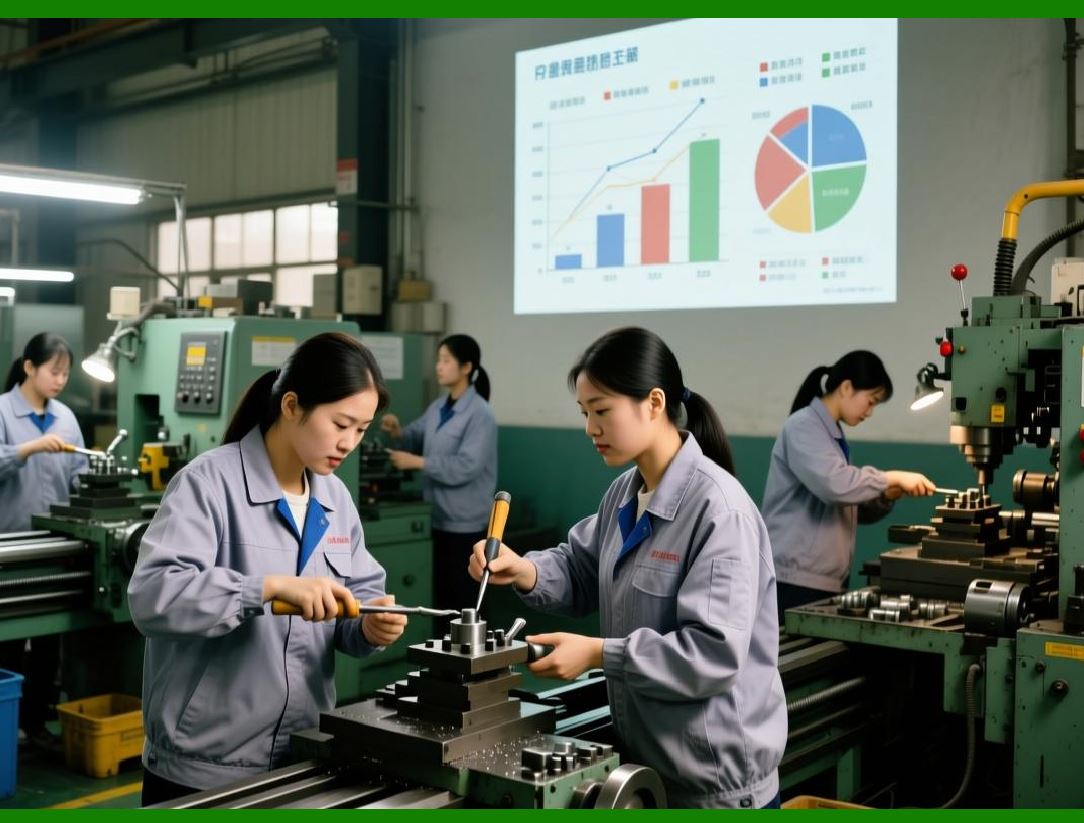
Manufacturing is another major adopter of sensor RFID. In a factory, sensor tags monitor machines, tools, and products. They help predict failures, improve quality, and reduce downtime. |
One application is predictive maintenance. A sensor tag on a motor or pump can measure vibration, temperature, and current. If the vibration increases or the temperature rises, it may indicate a bearing failure. Maintenance can be scheduled before the machine breaks. This avoids unplanned downtime, which can cost millions of dollars per hour in some industries. |
Another application is tool tracking. In aerospace and automotive manufacturing, tools are often expensive and safety-critical. A sensor tag can track a tool's location, usage, and calibration. If a tool is dropped or exposed to extreme conditions, the tag can record it. This ensures that only properly functioning tools are used. |
Sensor RFID also improves quality control. In electronics manufacturing, sensor tags monitor temperature and humidity during soldering and assembly. If conditions go out of range, the product may be defective. By catching this early, manufacturers can reduce scrap and rework. |
In chemical manufacturing, sensor tags monitor pressure, temperature, and gas concentration. If a leak occurs, an alert can be sent. This improves safety and environmental compliance. |

|
Logistics and Supply Chain |
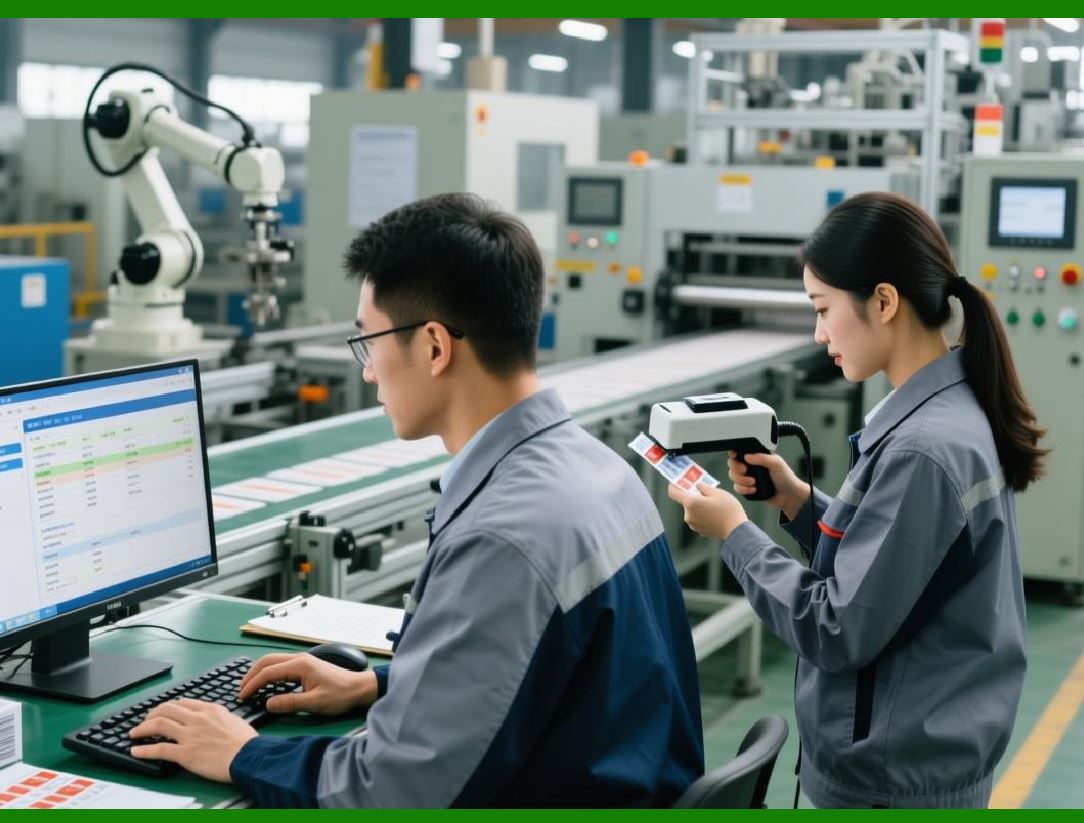
Logistics is the backbone of global trade. Sensor RFID makes logistics smarter and more reliable. |
In container shipping, sensor tags monitor temperature, humidity, shock, and light. A container of electronics might be damaged by shock during loading. A container of chemicals might be exposed to heat. A container of artwork might be exposed to light. Sensor tags record these conditions and alert the shipper. This allows for immediate action and insurance claims. |
In air freight, sensor tags monitor temperature and pressure. Some goods, like pharmaceuticals and biological samples, are sensitive to pressure changes. Sensor tags ensure that they are transported safely. |
In rail freight, sensor tags monitor vibration and shock. A train derailment or rough coupling can damage goods. Sensor tags identify which cars and which goods were affected. This speeds up inspection and claims. |
In trucking, sensor tags monitor temperature, humidity, and door openings. A refrigerated truck might have a door left open. A dry van might be exposed to rain. Sensor tags catch these issues and alert the driver or dispatcher. |
In last-mile delivery, sensor tags monitor temperature and shock. A package of wine might be left in a hot delivery van. A package of electronics might be dropped. Sensor tags record these events and provide proof of condition. This reduces disputes between shippers and customers. |
|
Retail and Consumer Goods |
Retailers use sensor RFID to improve inventory accuracy and reduce waste. Sensor tags on perishable goods monitor temperature and humidity. If a display case fails, staff can act before food spoils. If a product is stored in a back room too long, it can be marked down or moved to the front. |
Sensor tags also improve freshness. A grocery store can use sensor data to rotate stock. If a shipment of milk is older or has been exposed to heat, it can be sold first. This reduces waste and improves customer satisfaction. |
In apparel, sensor tags monitor humidity and temperature. If a shipment of leather goods is exposed to moisture, it can be damaged. Sensor tags catch this before the goods reach the store. |
In electronics, sensor tags monitor shock and temperature. If a shipment of laptops is dropped, the retailer can inspect for damage before selling. This reduces returns and improves customer trust. |
|
Healthcare and Pharmaceuticals: A Deeper Look |
The pharmaceutical industry is one of the most regulated in the world. Governments require that medicines be safe, effective, and properly stored. Sensor RFID helps companies comply with these regulations. |
In clinical trials, sensor tags monitor the storage and transport of investigational drugs. If a drug is exposed to heat or humidity, it may lose potency. Sensor data provides proof of proper handling. This is important for regulatory submissions. |
In vaccine distribution, sensor tags monitor temperature from the factory to the clinic. If a vial is exposed to heat, it can be discarded. If it is kept cold, it can be used. This reduces waste and improves immunization rates. |
In biologics, sensor tags monitor temperature and shock. Biologics are fragile proteins and cells. If they are shaken or frozen, they can become ineffective. Sensor tags ensure that they are handled correctly. |
In hospitals, sensor tags monitor blood bags and organ transplants. A blood bag must be kept at a specific temperature. If it gets too warm or too cold, it cannot be used. Sensor tags provide continuous monitoring. This saves lives. |
|
Agriculture and Livestock: A Deeper Look |
Agriculture is increasingly data-driven. Sensor RFID is a key part of this trend. |
In precision farming, sensor tags monitor soil and crops. A tag in a field can measure moisture and temperature. This helps farmers decide when to plant, irrigate, and harvest. It also helps with pest control. If a field is too wet, it may be prone to fungus. If it is too dry, it may be prone to insects. |
In livestock, sensor tags monitor health and behavior. A tag on a cow can measure temperature, activity, and rumination. If a cow is sick, its temperature rises and its activity drops. The farmer can treat it early. If a cow is in estrus, its activity increases. The farmer can breed it at the right time. This improves productivity and animal welfare. |
In aquaculture, sensor tags monitor water quality and fish health. A tag in a fish pond can measure temperature, oxygen, and pH. If oxygen drops, the fish can die. Sensor tags alert the farmer to turn on aerators. This saves fish and money. |
In forestry, sensor tags monitor trees and logs. A tag on a log can record when it was cut, where it came from, and how it was transported. This helps with sustainability and traceability. It also helps with fire prevention. If a forest is too dry, sensor tags can alert authorities. |

|
Energy and Utilities |
Energy and utilities use sensor RFID to monitor infrastructure. A sensor tag on a power line can measure temperature and current. If a line overheats, it can sag or fail. Sensor tags alert operators to reduce load or repair the line. This prevents blackouts. |
A sensor tag on a pipeline can measure pressure and flow. If a leak occurs, pressure drops. Sensor tags alert operators to shut off the valve. This prevents environmental damage. |
A sensor tag on a wind turbine can measure vibration and temperature. If a bearing fails, the turbine stops. Sensor tags allow maintenance to be scheduled before failure. This improves reliability and reduces cost. |
A sensor tag on a solar panel can measure temperature and output. If a panel is shaded or dirty, output drops. Sensor tags alert operators to clean or repair. This improves efficiency. |

|
Automotive and Transportation |
Automotive companies use sensor RFID to track parts and vehicles. A sensor tag on an engine can measure temperature and vibration. If the engine overheats or vibrates excessively, it can be flagged for inspection. This improves quality and safety. |
In electric vehicles, sensor tags monitor battery temperature and voltage. If a battery cell overheats, it can catch fire. Sensor tags alert the driver or the charging station. This improves safety. |
In public transit, sensor tags monitor buses and trains. A tag on a brake can measure temperature and wear. If a brake is overheating, it can be repaired before failure. This improves safety and reliability. |
In aviation, sensor tags monitor engines and landing gear. A tag on a landing gear can measure shock and vibration. If a hard landing occurs, the gear can be inspected. This improves safety. |
|
Construction and Infrastructure |
Construction companies use sensor RFID to monitor concrete, steel, and equipment. A sensor tag in concrete can measure temperature and moisture. If concrete dries too quickly, it can crack. Sensor tags alert builders to adjust curing. This improves quality and durability. |
A sensor tag on a bridge can measure strain and vibration. If the bridge is overloaded or damaged, it can be closed for repair. This improves public safety. |
A sensor tag on a tunnel can measure humidity and temperature. If humidity is too high, it can corrode equipment. Sensor tags alert operators to improve ventilation. This extends the life of the tunnel. |

|
Environmental Monitoring |
Environmental agencies use sensor RFID to monitor air, water, and soil. A sensor tag in a river can measure temperature, oxygen, and pollution. If pollution spikes, it can be traced to a source. This improves enforcement and cleanup. |
A sensor tag in a forest can measure temperature and humidity. If conditions are dry, it can alert firefighters to a high risk of wildfire. This improves response time. |
A sensor tag in a landfill can measure methane and temperature. If methane builds up, it can explode. Sensor tags alert operators to vent the gas. This improves safety. |

|
Challenges and Limitations |
Sensor RFID is not without challenges. One challenge is cost. Although sensor tags have become cheaper, they are still more expensive than basic tags. For low-value goods, the cost may not be justified. |
Another challenge is power. Passive sensor tags can only measure when a reader is present. Battery-assisted tags can measure continuously, but the battery eventually dies. Replacing batteries in thousands of tags is expensive. |
A third challenge is data management. Sensor tags generate huge amounts of data. Companies need systems to store, process, and analyze this data. They also need to protect it from cyberattacks. |
A fourth challenge is standards. Although progress has been made, there is still fragmentation. Different industries use different protocols. This makes it hard to share data across supply chains. |
A fifth challenge is privacy. Sensor tags can track people as well as goods. If used improperly, they can invade privacy. Laws and regulations are needed to protect individuals. |
|
The Future of Sensor RFID |
The future of sensor RFID is bright. As technology improves, tags will become smaller, cheaper, and more capable. They will harvest more energy from their environment, including light, vibration, and heat. They will communicate over longer distances and with less power. They will integrate more sensors, including those for gases, radiation, and biological agents. |
In the future, sensor RFID will be embedded in more products. A carton of milk will have a tag that changes color when the milk spoils. A bottle of pills will have a tag that records when it was opened. A pair of shoes will have a tag that measures how far you have run. The silent network will become part of everyday life. |
In the future, sensor RFID will be combined with other technologies. It will work with blockchain to provide tamper-proof records. It will work with artificial intelligence to predict failures and optimize routes. It will work with robots to automate handling and inspection. The silent network will become a nervous system for the physical world. |

|
Detailed Summary |
The 2020s marked a turning point in the evolution of RFID. For decades, RFID had been an identification technology. It told you what something was and where it was. In the 2020s, it became a sensing technology. It told you what condition something was in. This was made possible by advances in low-power electronics, energy harvesting, cloud computing, and standards. The result was a wave of innovation across many industries. |
In cold chain monitoring, sensor RFID transformed the way vaccines, medicines, food, and biological samples are handled. Real-time temperature and humidity monitoring allowed companies to prevent spoilage instead of merely detecting it. This reduced waste, improved safety, and saved lives. |
In healthcare, sensor RFID improved patient monitoring, hand hygiene, equipment tracking, and surgical safety. It helped hospitals run more efficiently and safely. |
In food safety and agriculture, sensor RFID monitored crops, livestock, and fisheries. It improved traceability, reduced waste, and improved food quality. |
In industrial manufacturing, sensor RFID enabled predictive maintenance, tool tracking, and quality control. It reduced downtime and improved product quality. |
In logistics and supply chain, sensor RFID monitored containers, trucks, trains, and planes. It provided proof of condition and reduced disputes. |
In retail and consumer goods, sensor RFID improved inventory accuracy, reduced waste, and improved freshness. |
In energy and utilities, sensor RFID monitored power lines, pipelines, wind turbines, and solar panels. It improved reliability and safety. |
In automotive and transportation, sensor RFID monitored engines, batteries, brakes, and landing gear. It improved safety and quality. |
In construction and infrastructure, sensor RFID monitored concrete, bridges, and tunnels. It improved durability and public safety. |
In environmental monitoring, sensor RFID tracked air, water, and soil. It improved enforcement and disaster response. |
Despite challenges related to cost, power, data, standards, and privacy, the trajectory is clear. Sensor RFID is becoming more capable and more affordable. It is moving from niche applications to mainstream adoption. It is turning the silent network of barcodes and RFID tags into a global sensory system. |
|
In the next chapter, we will look at how this sensory system is being combined with artificial intelligence and edge computing. We will see how the silent network is becoming not just a way to map the physical world, but a way to understand and predict it. The 2020s are just the beginning. |
 cs@easiersoft.com