Chapter 21: The Linear Code |
Summary |
The barcode is one of the most successful technologies ever invented. It is simple, cheap, and incredibly effective. A barcode is an optical, machine-readable representation of data using parallel lines of varying widths. Those lines, and the spaces between them, encode information that a scanner can read in a fraction of a second. This chapter explores the linear barcode in depth. We will look at how it works, why it became so widespread, and how it is used in many different industries. From grocery stores to hospitals, from warehouses to libraries, from airlines to factories, the linear code quietly keeps the physical world organized. We will examine real applications in retail, logistics, healthcare, manufacturing, agriculture, transportation, entertainment, and more. By the end, you will understand why this simple pattern of black and white lines remains essential even in an age of advanced wireless technologies. The barcode did not disappear when RFID arrived. Instead, it became a foundation that other technologies build upon. This chapter tells the story of that foundation. |
|
1. What Is a Linear Barcode |
Imagine you are standing in a supermarket checkout line. The cashier picks up a box of cereal and passes it over a glass window. You hear a short beep. The price appears on the screen. That beep came from a barcode. The box has a small label printed with a series of parallel black lines of different widths, separated by white spaces. Those lines and spaces are not random. They are a code. A machine reads that code and translates it into a number. That number is linked to a database that knows everything about the product: its name, its price, its manufacturer, and more. |
This is the essence of a linear barcode. The word 'linear' means the information is arranged in one direction along a single line. You can scan it from left to right or right to left. The pattern of bars and spaces represents data. The bars are usually black, and the spaces are usually white, but other colors can work as long as there is enough contrast for the scanner to distinguish them. The scanner shines a light on the barcode and measures how much light reflects back. Black bars absorb light. White spaces reflect light. The scanner converts those reflections into an electrical signal, which is then decoded into characters. |
The first patent for a barcode-like system was filed in 1949 by Norman Joseph Woodland and Bernard Silver. Their idea was inspired by Morse code. They imagined extending the dots and dashes into lines. The technology took decades to become practical. It was not until the 1970s that barcodes became common in grocery stores. The Universal Product Code, or UPC, was the first widespread standard. It was adopted in 1974. The first UPC scanner was installed in a supermarket in Troy, Ohio. The first product scanned was a pack of Wrigley's chewing gum. That pack of gum is now in the Smithsonian Institution. It marked the beginning of a revolution. |
Today, there are many different linear barcode symbologies. A symbology is a specific way of encoding data into bars and spaces. Common linear symbologies include UPC, EAN, Code 39, Code 128, ITF, and Codabar. Each has its own rules. Some are designed for numbers only. Some can encode letters and punctuation. Some are fixed length. Some can be any length. Some are designed for very small items. Some are designed for rough environments. But they all share the same basic principle: parallel lines of varying widths represent data. |
The linear barcode is different from a two-dimensional barcode, such as a QR code. A two-dimensional barcode stores information in both horizontal and vertical directions. That allows it to hold much more data. A linear barcode typically holds only a small amount of data, often just a dozen or so digits. But that small amount of data is often enough. A product number, a shipment tracking number, a patient ID, a library book number. These are all short strings of characters. The linear barcode is perfect for them. |
|
Why did the linear barcode become so successfulThere are several reasons. First, it is extremely cheap to print. You can print a barcode on a piece of paper, a label, a cardboard box, or a plastic bag. The cost is negligible. Second, it is easy to scan. A basic laser scanner can read a barcode from several inches away. Third, it is reliable. As long as the barcode is not damaged or obscured, it will scan correctly almost every time. Fourth, it is an open standard. Many companies make scanners and printers. Competition keeps prices low. Fifth, it solves a real problem. Before barcodes, every item had to be manually entered into a system. That was slow and error-prone. Barcodes made data entry fast and accurate. |
The linear barcode is a bridge between the physical world and the digital world. A physical object, like a can of soup, gets a digital identity, like a UPC number. That number can be stored, transmitted, and processed by computers. The barcode is the link. Without it, the digital world would be blind to the physical world. With it, computers can track millions of items as they move through supply chains, hospitals, libraries, and more. |
In the following sections, we will explore how linear barcodes are used in many different industries. We will see that the same basic technology adapts to very different needs. We will start with retail, where barcodes first became famous. Then we will move to logistics, healthcare, manufacturing, agriculture, transportation, entertainment, and other fields. Along the way, we will meet the people who use barcodes every day. We will see how barcodes save time, reduce errors, and save lives. We will also see the limitations of linear barcodes and how they are sometimes combined with other technologies, like RFID. But for now, let us begin with the checkout line. |
|
2. Retail: The Birthplace of the Barcode |
Retail is where the barcode grew up. The grocery store was the first big testing ground. In the early 1970s, grocery stores were facing a problem. The number of products was growing rapidly. Each product had a price. Cashiers had to manually enter every price into the cash register. That was slow. It also led to mistakes. Customers sometimes complained about wrong prices. Stores sometimes lost money because cashiers entered the wrong price. A better system was needed. |
The solution was the Universal Product Code. The UPC is a linear barcode that encodes a 12-digit number. The first digit identifies the type of product. The next five digits identify the manufacturer. The next five digits identify the specific product. The last digit is a check digit, which helps the scanner verify that the barcode was read correctly. The UPC is printed on almost every product sold in the United States and Canada. A similar system, the European Article Number, or EAN, is used in Europe and many other parts of the world. The EAN is a 13-digit number. It is compatible with the UPC in many ways. |
When a cashier scans a UPC, the scanner reads the barcode and sends the number to the store's computer system. The computer looks up the number in a database. The database returns the product name and the current price. The price is displayed on the screen and printed on the receipt. The computer also updates the inventory. It knows that one unit of that product has been sold. If the inventory falls below a certain level, the computer can automatically order more. This is a huge improvement over manual entry. It is faster, more accurate, and more efficient. |
The benefits of barcodes in retail go far beyond the checkout line. Barcodes help stores manage inventory. When a shipment arrives at the back of the store, workers scan each box. The computer knows exactly what was received. When items are placed on shelves, they can be scanned again. When items are sold, they are scanned at the register. The computer always knows how many items are on hand. This is called perpetual inventory. It helps stores avoid running out of popular items. It also helps them avoid overstocking items that do not sell. Both of these problems cost money. Barcodes help solve them. |
Barcodes also help with pricing. In some stores, electronic shelf labels are used. These are small digital displays that show the price of each item. They can be updated automatically from the central computer. But even without electronic labels, barcodes make price changes easier. When a price changes, the store only needs to update the central database. The barcode on the product does not change. The next time the product is scanned, the new price appears. This is much easier than changing price tags on every individual item. |
|
Barcodes also help with customer service. If a customer wants to return an item, the store can scan the barcode on the receipt or the product. The computer can verify that the item was purchased at that store. It can also check the return policy. This makes returns faster and less prone to fraud. Some stores use barcodes on loyalty cards. When a customer scans their card, the store can track their purchases. This allows the store to offer personalized coupons and discounts. It also helps the store understand what products are popular with different types of customers. |
The retail industry has also adopted barcodes for many other purposes. For example, barcodes are used on shipping labels. When a store orders products from a supplier, the supplier ships them in boxes. Each box has a barcode that identifies the shipment. The store can scan the barcode when the box arrives. This tells the computer that the shipment has been received. It also helps the store track the shipment if it is delayed or lost. Barcodes are also used on return labels. If a customer wants to return an item by mail, the store can provide a prepaid shipping label with a barcode. The customer attaches the label to the package and drops it off. The shipping company scans the barcode at each step. The store can track the package as it travels back. |
Barcodes are also used in retail for age verification. When a customer buys alcohol or tobacco, the cashier must verify that the customer is old enough. Some stores use barcodes on driver's licenses or ID cards. The cashier scans the barcode, and the computer checks the birth date. This is faster and more accurate than manually reading the ID. It also helps prevent underage sales. Some stores use barcodes on gift cards. The barcode encodes the card number. When the card is purchased, the barcode is scanned to activate the card. When the card is used, the barcode is scanned again to deduct the amount. This is a simple and effective system. |
Barcodes are also used in retail for self-checkout. Many supermarkets now have self-checkout lanes. Customers scan their own items. The scanner reads the barcode on each item. The customer places the item in a bag. The computer keeps a running total. When the customer is finished, they pay. Self-checkout would be impossible without barcodes. The customer would have to manually enter every price. That would be too slow and too error-prone. Barcodes make self-checkout fast and easy. |
Barcodes are also used in retail for online order fulfillment. When a customer orders a product online, the store needs to find that product in the warehouse or store. The product is often stored in a bin with a barcode. The worker scans the bin barcode and the product barcode to confirm that the correct item is being picked. This reduces errors. It also speeds up the process. Once the item is picked, it is packed and shipped. The shipping label has a barcode. The worker scans the label to confirm that the package is going to the right address. The customer can then track the package using the tracking number on the label. |
The retail industry continues to innovate with barcodes. Some stores are experimenting with barcodes that can be scanned from a distance. Some are using barcodes that are invisible to the human eye but can be read by special scanners. Some are using barcodes that can be printed on curved surfaces. Some are using barcodes that can survive extreme temperatures. These innovations help barcodes work in more situations. But the basic principle remains the same. A linear barcode is a simple, cheap, and reliable way to link a physical product to a digital record. |
In the next section, we will leave the retail store and enter the warehouse. There, barcodes are used on a much larger scale. We will see how barcodes help move goods across the world. |
|
3. Logistics and Warehousing: Moving Goods at Scale |
Logistics is the art and science of moving goods from one place to another. It includes transportation, warehousing, inventory management, and order fulfillment. Barcodes are essential to modern logistics. They allow companies to track individual items, boxes, pallets, and containers as they move through the supply chain. Without barcodes, logistics would be much slower and much more expensive. |
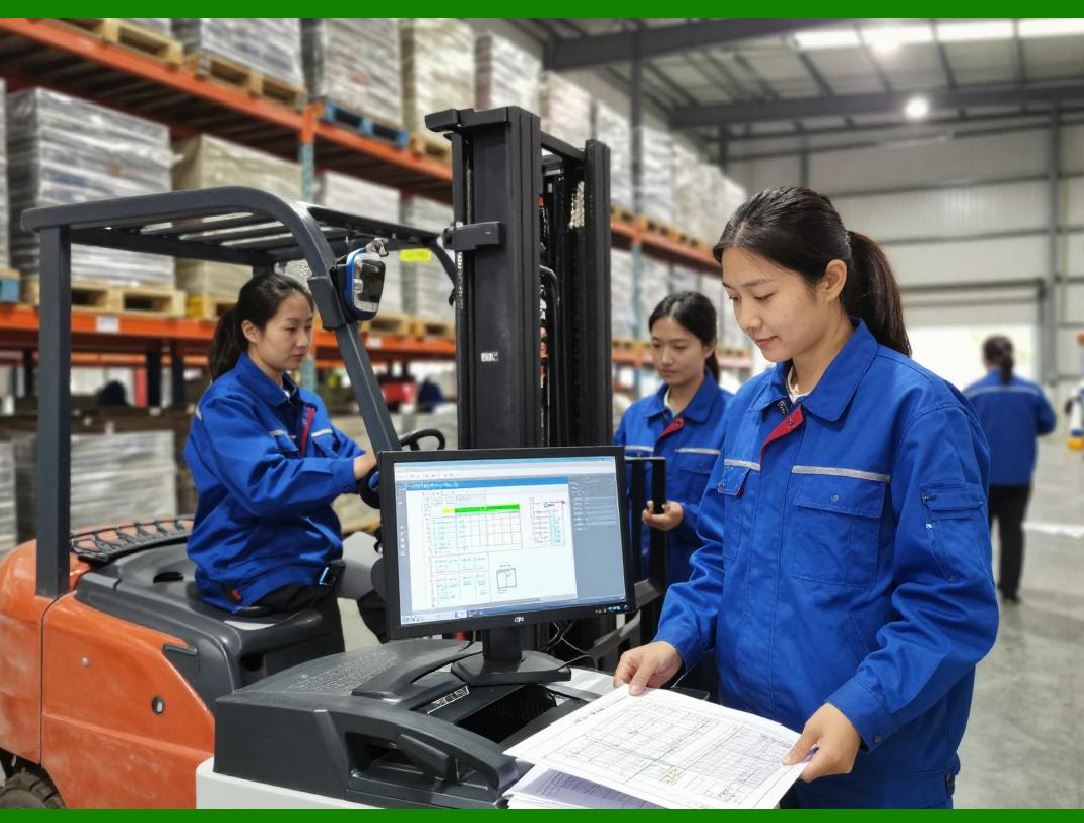
Consider a typical warehouse. It is a large building filled with shelves and bins. Thousands of different products are stored there. When an order comes in, a worker must find the products, pick them, and pack them for shipping. This is called order picking. Order picking is one of the most labor-intensive parts of warehousing. Barcodes make it faster and more accurate. Each product has a barcode. Each shelf or bin has a barcode. The worker uses a handheld scanner to read the barcodes. The scanner tells the worker which product to pick and where to find it. The worker scans the product barcode to confirm that the correct item was picked. The scanner then tells the worker where to put the item. This is called scan-to-pick or scan-to-put. It reduces errors and increases speed. |
Barcodes also help with receiving. When a truck arrives at the warehouse, workers unload the boxes. Each box has a barcode. The workers scan the barcodes to record what was received. The computer compares the received items to the expected items. If something is missing or extra, the computer alerts the workers. This helps catch mistakes early. It also helps resolve disputes with suppliers. If a supplier claims to have shipped 100 units but only 95 arrived, the barcode records can prove what was actually received. |
Barcodes also help with shipping. When an order is packed, a shipping label is printed. The label has a barcode that encodes the tracking number. The worker scans the barcode to confirm that the package is ready to ship. The package then moves to the loading dock. It is loaded onto a truck. The truck driver may scan the barcode to confirm that the package is on the truck. The package then travels to a distribution center. At each step, the barcode is scanned. This creates a record of the package's journey. The customer can use the tracking number to see where the package is. The company can use the records to analyze its performance. It can see how long each step takes. It can identify bottlenecks. It can improve its processes. |
|
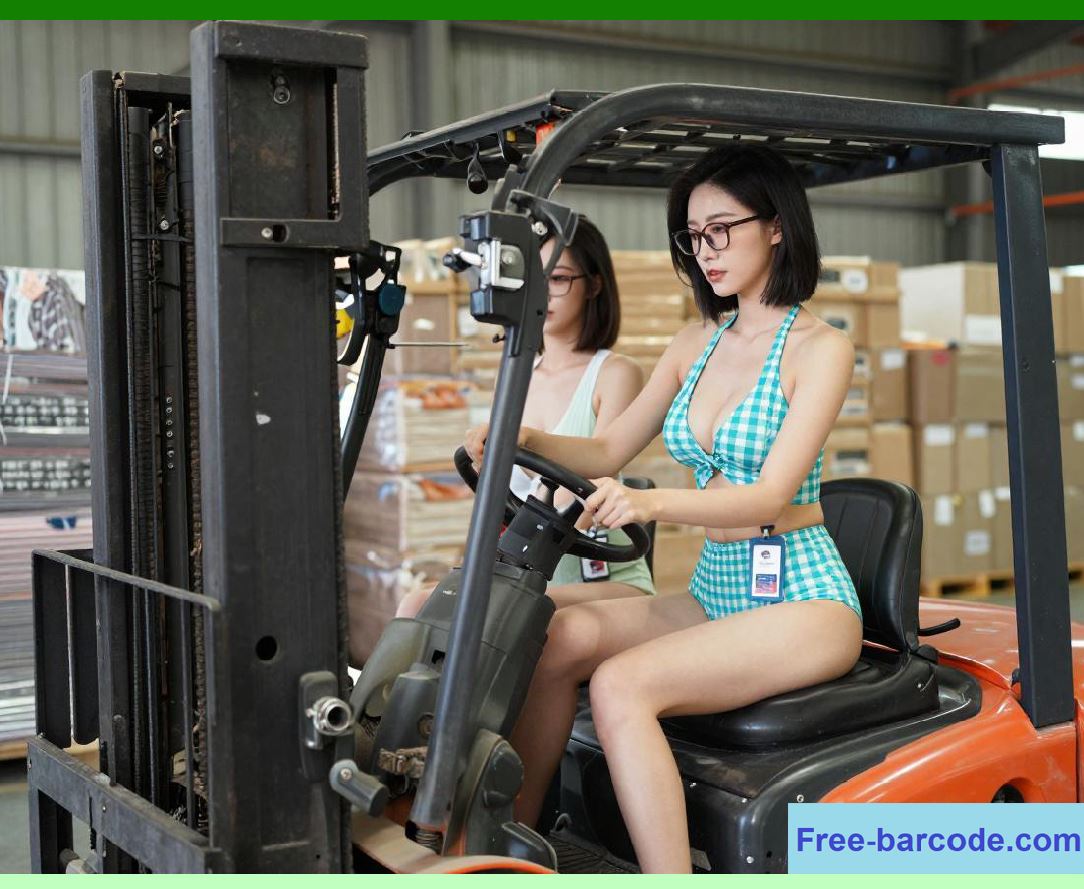
Barcodes are also used on pallets. A pallet is a flat structure that holds boxes. It allows a forklift to move many boxes at once. A pallet barcode, often called a license plate, identifies the pallet. When the pallet is built, the worker scans the barcode on each box and associates it with the pallet barcode. This tells the computer which boxes are on which pallet. When the pallet is moved, the worker only needs to scan the pallet barcode. The computer knows that all the boxes on that pallet are moving with it. This is much faster than scanning every box individually. It is also more accurate. |
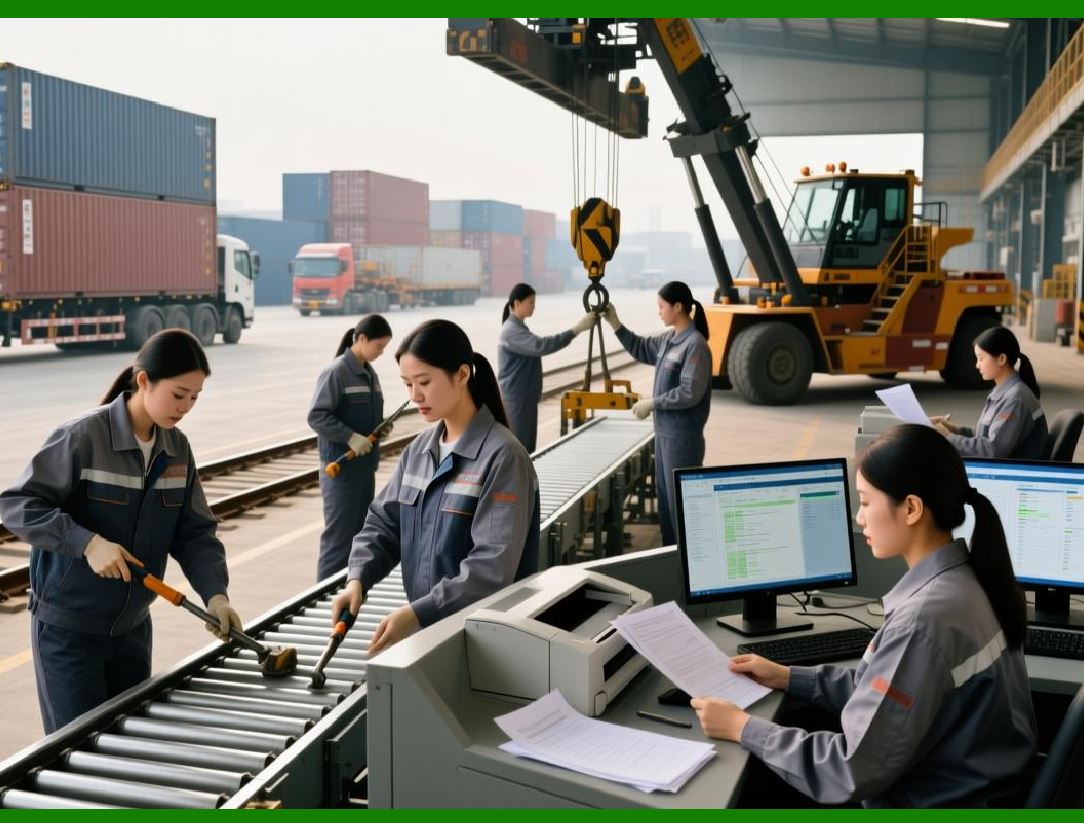
Barcodes are also used on containers. A container is a large metal box used for international shipping. Containers can hold thousands of boxes. Each container has a unique identification number. This number is often printed as a barcode on the side of the container. When the container is loaded onto a ship, the barcode is scanned. When it is unloaded at the port, it is scanned again. This helps track the container as it moves around the world. It also helps customs officials clear the container. They can scan the barcode to see what is inside. This speeds up the process and reduces the risk of errors. |
Barcodes are also used in transportation. Trucks, trains, and airplanes all use barcodes to track shipments. For example, a trucking company may put a barcode on each trailer. When the trailer is attached to a tractor, the driver scans the barcode. This tells the computer which tractor is pulling which trailer. When the trailer is dropped off at a customer site, the driver scans the barcode again. This tells the computer that the trailer has been delivered. This helps the company manage its fleet. It also helps the customer know when their shipment has arrived. |
Barcodes are also used in cross-docking. Cross-docking is a logistics practice where goods are unloaded from an incoming truck and loaded directly onto an outgoing truck. There is no storage in between. This saves time and money. Barcodes make cross-docking possible. When the incoming truck arrives, the workers scan the barcodes on the boxes. The computer tells them which outgoing truck each box should go to. The workers then move the boxes directly to the outgoing truck. This is much faster than putting the boxes in storage and then picking them later. It also reduces the risk of damage. The boxes are handled less. |
Barcodes are also used in reverse logistics. Reverse logistics is the process of moving goods backward through the supply chain. This includes returns, repairs, and recycling. When a customer returns a product, the company needs to track it. The product may have a barcode. The company can scan the barcode to see where the product came from. It can also see if the product is still under warranty. This helps the company decide what to do with the returned product. It may be restocked, repaired, or recycled. Barcodes make this process faster and more accurate. |
Barcodes are also used in inventory counting. Many companies do a physical inventory count once a year. This means counting every item in the warehouse. This is a huge task. Barcodes make it easier. Workers use handheld scanners to scan each item. The scanner records the item number and quantity. The computer compares the counted quantity to the expected quantity. If there is a discrepancy, the company can investigate. This helps ensure that the inventory records are accurate. It also helps identify theft or loss. |
Barcodes are also used in yard management. A yard is the area around a warehouse where trucks and trailers are parked. Yard management is the process of tracking these vehicles. Some companies put barcodes on the trailers. When a trailer enters the yard, a worker scans the barcode. This tells the computer that the trailer has arrived. When the trailer leaves, the worker scans the barcode again. This tells the computer that the trailer has departed. This helps the company know where its trailers are. It also helps the company plan loading and unloading. |
Barcodes are also used in freight forwarding. A freight forwarder is a company that arranges the shipment of goods for other companies. The freight forwarder needs to track shipments from many different customers. Barcodes help. The freight forwarder can put its own barcode on each shipment. This barcode is separate from the manufacturer's barcode. It identifies the shipment within the freight forwarder's system. The freight forwarder can scan the barcode at each step. This helps the freight forwarder provide accurate tracking information to its customers. |
|
Barcodes are also used in customs. When goods cross a border, they must be cleared by customs. Customs officials need to know what is in the shipment. They also need to know if any duties or taxes are owed. Barcodes help. The shipment may have a barcode that encodes the harmonized system code. This code tells customs what type of product it is. Customs can scan the barcode to quickly identify the product. This speeds up the clearance process. It also reduces the risk of errors. |
Barcodes are also used in port operations. Ports are busy places. Thousands of containers move through them every day. Barcodes help track these containers. When a container is unloaded from a ship, the barcode is scanned. This tells the port's computer system that the container has arrived. The container is then moved to a storage area. When it is loaded onto a truck or train, the barcode is scanned again. This tells the system that the container has left the port. This helps the port manage its space. It also helps the port provide accurate information to shipping companies. |
Barcodes are also used in rail transport. Railroads move large amounts of freight. Each railcar has a unique identification number. This number is often printed as a barcode on the side of the car. When the car passes a trackside scanner, the barcode is read automatically. This tells the railroad where the car is. It also tells the railroad what is in the car. This helps the railroad manage its fleet. It also helps the railroad provide accurate tracking information to its customers. |
Barcodes are also used in air cargo. Airlines move freight in the bellies of passenger planes and in dedicated cargo planes. Each shipment has a barcode. The barcode is scanned when the shipment is received at the airport. It is scanned again when it is loaded onto the plane. It is scanned again when it is unloaded at the destination. This helps the airline track the shipment. It also helps the airline provide accurate tracking information to its customers. |
Barcodes are also used in last-mile delivery. Last-mile delivery is the final step of the supply chain. It is the movement of goods from a distribution center to the customer's door. Barcodes help. The delivery driver scans the barcode on each package when it is loaded onto the truck. The driver scans the barcode again when the package is delivered. This tells the company that the package has been delivered. It also provides proof of delivery. Some companies use barcodes on signature capture devices. The customer signs on the device. The signature is stored with the barcode. This helps resolve disputes. |
In short, barcodes are the glue that holds modern logistics together. They allow companies to track goods at every step of the supply chain. They reduce errors, increase speed, and lower costs. They are simple, cheap, and reliable. They work in warehouses, on trucks, on ships, on trains, and on airplanes. They work in rain, snow, heat, and cold. They are one of the most important technologies in the global economy. |
In the next section, we will move from logistics to healthcare. There, barcodes are used to save lives. |
|
4. Healthcare: Barcodes That Save Lives |
Healthcare is an industry where errors can be deadly. A wrong medication, a wrong dose, a wrong patient, a wrong procedure. These are all serious problems. Barcodes help reduce these errors. They are used in hospitals, clinics, pharmacies, laboratories, and blood banks. They help ensure that the right patient gets the right care at the right time. |
One of the most important uses of barcodes in healthcare is medication administration. In many hospitals, nurses use barcode scanners to verify medications before giving them to patients. The patient wears a wristband with a barcode. The medication has a barcode. The nurse scans the patient's wristband and the medication barcode. The computer checks that the medication is correct for that patient. It also checks the dose and the time. If there is a problem, the computer alerts the nurse. This is called barcode medication administration, or BCMA. Studies have shown that BCMA reduces medication errors significantly. It prevents wrong patient errors, wrong drug errors, wrong dose errors, and wrong time errors. It is one of the most successful patient safety technologies ever introduced. |
Barcodes are also used for specimen collection. When a patient needs a blood test, a nurse or phlebotomist collects a sample. The sample tube has a barcode. The nurse scans the patient's wristband and the tube barcode. This links the sample to the patient. The sample is then sent to the laboratory. In the laboratory, the barcode is scanned again. The laboratory equipment can read the barcode automatically. This ensures that the right test is done on the right sample. It also ensures that the results are reported to the right patient. Without barcodes, specimens can be mislabeled. That can lead to wrong diagnoses and wrong treatments. Barcodes prevent this. |
|
Barcodes are also used for blood transfusion. Blood transfusions can be life-saving, but they can also be dangerous if the wrong blood type is given. Barcodes help prevent this. The blood bag has a barcode. The patient has a wristband with a barcode. The nurse scans both barcodes before starting the transfusion. The computer checks that the blood type is compatible. It also checks that the blood is intended for that patient. This is a critical safety check. It has saved many lives. |
Barcodes are also used for surgical instruments. In some hospitals, surgical instruments have barcodes. Before surgery, the instruments are scanned to ensure that the correct set is available. After surgery, the instruments are scanned again to ensure that none are missing. This is important because a missing instrument could be left inside a patient. Barcodes help prevent this. They also help track the instruments through sterilization. This ensures that the instruments are properly cleaned and sterilized before each use. |
Barcodes are also used for patient identification. Every patient in a hospital wears a wristband with a barcode. The barcode encodes the patient's medical record number. When the patient is admitted, the barcode is scanned. This creates a record in the hospital's computer system. When the patient is moved to a different department, the barcode is scanned again. This tells the computer where the patient is. When the patient is discharged, the barcode is scanned again. This tells the computer that the patient has left. This helps the hospital keep track of its patients. It also helps ensure that the patient gets the right care. |
Barcodes are also used for medical equipment. Hospitals have many pieces of medical equipment, such as infusion pumps, ventilators, and monitors. These devices need to be maintained and calibrated regularly. Barcodes help track this. Each device has a barcode. When the device is used, the barcode is scanned. This tells the computer which patient is using the device. When the device needs maintenance, the barcode is scanned again. This tells the maintenance team which device needs attention. This helps ensure that the equipment is safe and working properly. |
Barcodes are also used for medical records. In some hospitals, paper medical records have barcodes. When a record is pulled for a patient visit, the barcode is scanned. This tells the computer that the record has been removed from the file room. When the record is returned, the barcode is scanned again. This tells the computer that the record is back. This helps the hospital keep track of its records. It also helps ensure that the records are available when needed. |
Barcodes are also used in pharmacies. When a prescription is filled, the pharmacist scans the barcode on the medication bottle. This ensures that the correct medication is being dispensed. The pharmacist also scans the barcode on the prescription label. This ensures that the label matches the prescription. This reduces the risk of dispensing errors. Some pharmacies use barcodes on the prescription itself. The doctor prints a barcode on the prescription. The pharmacist scans the barcode to read the prescription. This reduces the risk of misreading the doctor's handwriting. It also speeds up the process. |
Barcodes are also used in laboratories. Laboratories process thousands of tests every day. Each test tube has a barcode. The barcode identifies the patient and the test. The laboratory equipment reads the barcode automatically. This ensures that the right test is done on the right sample. It also ensures that the results are reported correctly. Barcodes also help track samples through the laboratory. This helps the laboratory manage its workflow. It also helps the laboratory provide accurate turnaround times. |
|
Barcodes are also used in blood banks. Blood banks collect, test, and store blood. Each unit of blood has a barcode. The barcode identifies the blood type, the donor, and the collection date. When the blood is tested, the barcode is scanned. When the blood is stored, the barcode is scanned. When the blood is shipped to a hospital, the barcode is scanned. This helps the blood bank track its inventory. It also helps ensure that the blood is safe and available when needed. |
Barcodes are also used in public health. For example, during a vaccination campaign, each vaccine dose has a barcode. The barcode identifies the vaccine, the lot number, and the expiration date. When the vaccine is administered, the barcode is scanned. This creates a record of who received which vaccine. This helps public health officials track vaccination coverage. It also helps them investigate any adverse events. Barcodes also help manage vaccine inventory. They ensure that vaccines are not wasted. They also ensure that vaccines are not expired. |
Barcodes are also used in medical research. Clinical trials often use barcodes to track participants and samples. Each participant has a barcode. Each sample has a barcode. The barcodes are scanned at each step of the trial. This ensures that the data is accurate. It also ensures that the trial is conducted according to the protocol. This helps researchers get reliable results. |
Barcodes are also used in telemedicine. In some telemedicine programs, patients use home testing kits. The kits have barcodes. The patient scans the barcode with a smartphone. The smartphone sends the data to the healthcare provider. This allows the provider to monitor the patient remotely. This is especially useful for patients with chronic conditions. It helps them manage their health without going to the hospital. |
Barcodes are also used in emergency medical services. Ambulances carry barcodes on their equipment and supplies. When a paramedic uses a supply, they scan the barcode. This tells the ambulance service that the supply needs to be replaced. It also helps track what was used for each patient. This improves documentation and billing. |
Barcodes are also used in long-term care facilities. Nursing homes use barcodes to track residents and medications. This helps ensure that residents get the right medications at the right times. It also helps track residents' locations. This is important for residents with dementia who may wander. |
Barcodes are also used in home healthcare. Home health nurses use barcodes to track visits and supplies. When a nurse visits a patient, they scan the patient's barcode. This records the visit. When the nurse uses a supply, they scan the supply barcode. This helps with billing and inventory. |
In short, barcodes are everywhere in healthcare. They are on wristbands, medication bottles, specimen tubes, blood bags, surgical instruments, medical records, and more. They help ensure that patients get the right care. They reduce errors. They save lives. They are a simple technology that has a profound impact. |
In the next section, we will move from healthcare to manufacturing. There, barcodes are used to build products efficiently and correctly. |
|
5. Manufacturing: Building Products with Precision |
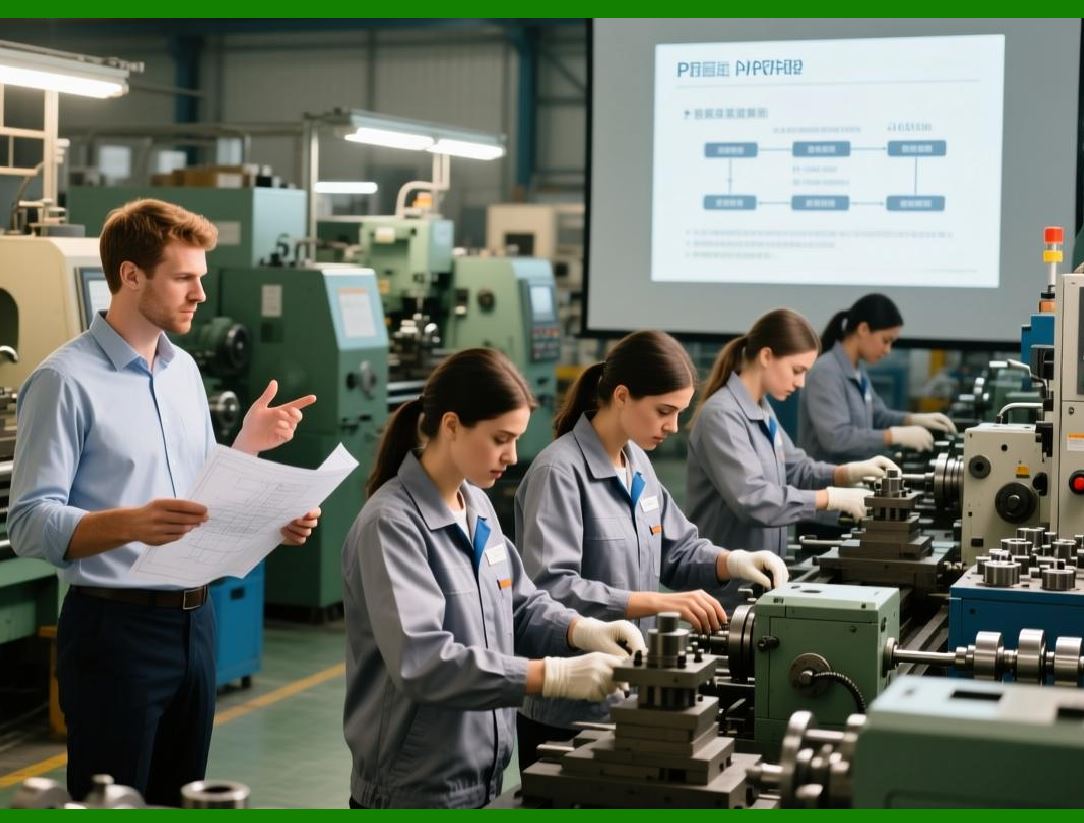
Manufacturing is the process of turning raw materials into finished products. It involves many steps, from design to assembly to quality control. Barcodes are used at every step. They help manufacturers track materials, manage production, and ensure quality. They are essential to modern manufacturing. |
One of the most important uses of barcodes in manufacturing is work-in-progress tracking. As a product moves through the production line, it passes through many stations. At each station, a worker or machine performs a task. The product may have a barcode. The worker scans the barcode at each station. This tells the computer where the product is. It also tells the computer what tasks have been completed. This helps the manufacturer track the progress of each product. It also helps identify bottlenecks. If products are piling up at one station, the manufacturer can add more workers or machines to that station. |
Barcodes are also used for component tracking. Many products are made from many components. For example, a car has thousands of parts. Each part needs to be tracked. Barcodes help. Each part has a barcode. When the part is received, the barcode is scanned. When the part is installed, the barcode is scanned again. This tells the computer which part went into which product. This is important for quality control. If a defective part is found, the manufacturer can trace it to all the products that used it. This allows the manufacturer to recall only the affected products. This saves money and protects the brand. |
Barcodes are also used for tool tracking. In many manufacturing processes, tools are used. These tools need to be calibrated and maintained. Barcodes help track this. Each tool has a barcode. When the tool is used, the barcode is scanned. This tells the computer which tool was used on which product. When the tool needs calibration, the barcode is scanned again. This tells the maintenance team which tool needs attention. This helps ensure that the tools are accurate and reliable. |
Barcodes are also used for inventory management in manufacturing. Manufacturers need to keep track of raw materials, components, and finished goods. Barcodes help. When materials are received, they are scanned. When they are used, they are scanned again. When finished goods are produced, they are scanned. This gives the manufacturer a real-time view of inventory. This helps avoid shortages and overstocking. It also helps with production planning. |
|
Barcodes are also used for quality control. In many manufacturing processes, products are inspected at various stages. The inspector may scan a barcode to record the results. If a product fails inspection, the barcode is scanned again. This tells the computer that the product needs rework or scrap. This helps the manufacturer track quality trends. It also helps identify the root causes of defects. |
Barcodes are also used for shipping and receiving in manufacturing. When raw materials arrive, they are scanned. When finished goods are shipped, they are scanned. This helps the manufacturer track its shipments. It also helps the manufacturer provide accurate delivery information to its customers. |
Barcodes are also used for asset tracking in manufacturing. Manufacturers have many assets, such as machines, forklifts, and computers. Barcodes help track these assets. Each asset has a barcode. When the asset is moved, the barcode is scanned. This tells the computer where the asset is. This helps the manufacturer manage its assets. It also helps prevent theft. |
Barcodes are also used for employee tracking in manufacturing. In some factories, employees wear badges with barcodes. When employees enter or leave the factory, they scan their badges. This records their working hours. It also helps control access to secure areas. This improves security and payroll accuracy. |
Barcodes are also used for safety in manufacturing. Some manufacturers use barcodes on safety equipment. For example, a fire extinguisher may have a barcode. When the extinguisher is inspected, the barcode is scanned. This records the inspection. It also reminds the manufacturer when the next inspection is due. This helps ensure that safety equipment is always ready. |
Barcodes are also used for compliance in manufacturing. Many industries have regulations that require traceability. For example, the automotive industry requires that certain parts be traceable. The aerospace industry requires that certain parts be traceable. The medical device industry requires that certain products be traceable. Barcodes help manufacturers meet these requirements. They provide a record of what was made, when, and with what materials. |
|
Barcodes are also used for lean manufacturing. Lean manufacturing is a philosophy that focuses on eliminating waste. Barcodes help. They provide real-time data that can be used to identify waste. For example, if a machine is idle, the barcode data can show why. If a product is waiting, the barcode data can show where. This helps manufacturers improve their processes. |
Barcodes are also used for just-in-time manufacturing. Just-in-time means making products only when they are needed. This reduces inventory costs. Barcodes help. They provide the real-time data needed to coordinate production and delivery. They ensure that materials arrive just in time. They ensure that finished goods are shipped just in time. |
Barcodes are also used for mass customization. Mass customization means making products that are customized for each customer. This is common in industries like computers and furniture. Barcodes help. Each product has a unique barcode. The barcode tells the workers what options to include. This ensures that each product is built correctly. It also helps track the product through the production line. |
Barcodes are also used for additive manufacturing. Additive manufacturing, also known as 3D printing, is a process of making objects by adding material layer by layer. Barcodes help track the materials and the finished parts. They also help track the printers themselves. This ensures that the printers are properly maintained. |
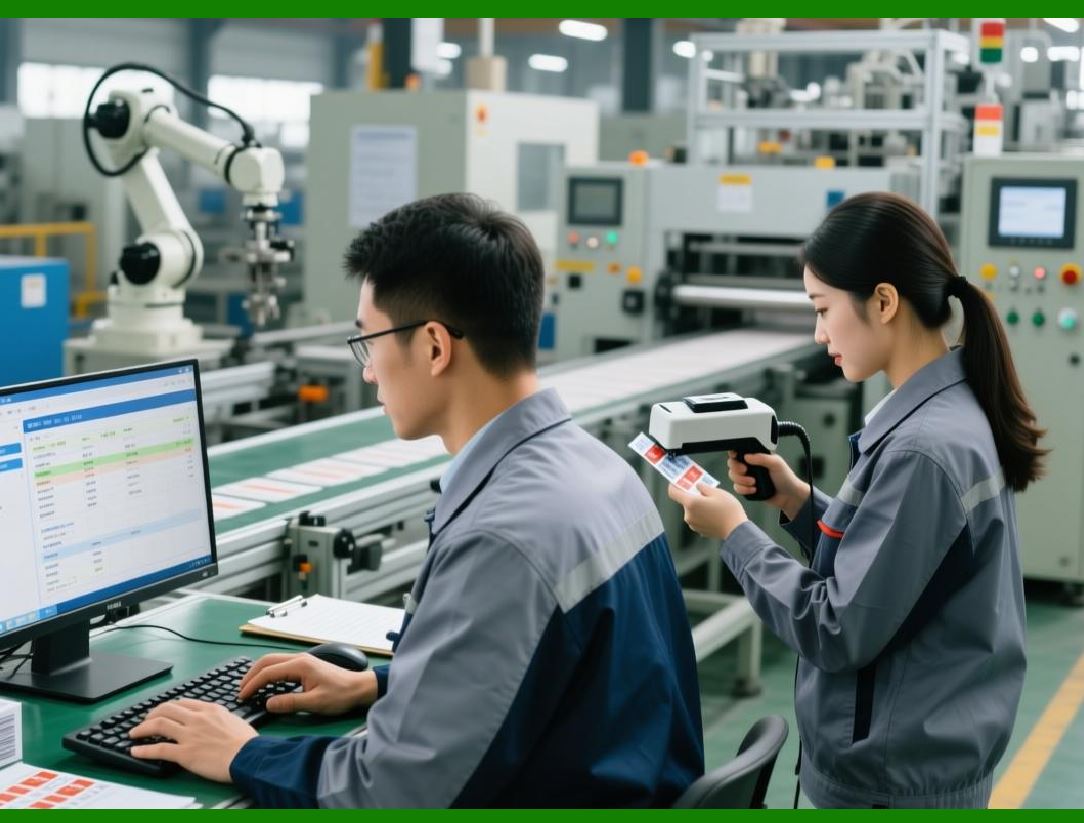
Barcodes are also used for robotics in manufacturing. Many factories use robots. Barcodes help the robots identify parts. The robot has a scanner. The robot scans the barcode on a part. This tells the robot what to do with the part. This is common in electronics manufacturing. It is also common in automotive manufacturing. |
Barcodes are also used for augmented reality in manufacturing. Some manufacturers use augmented reality glasses. The glasses display information to the worker. The information is linked to a barcode. The worker scans the barcode, and the glasses display the instructions. This helps workers assemble products correctly. It also helps them find parts quickly. |
In short, barcodes are essential to modern manufacturing. They help track materials, components, tools, and products. They help ensure quality. They help improve efficiency. They help manufacturers meet regulations. They are a simple technology that has a big impact. |
In the next section, we will move from manufacturing to agriculture. There, barcodes are used to track food from the farm to the table. |
|
6. Agriculture and Food: From Farm to Table |
Agriculture is the practice of growing crops and raising animals. The food industry is the business of processing, distributing, and selling food. Barcodes are used throughout the food supply chain. They help track food from the farm to the table. They help ensure food safety. They help reduce waste. They help consumers make informed choices. |
One of the most important uses of barcodes in agriculture is traceability. Traceability is the ability to track food through all stages of production, processing, and distribution. Barcodes help. When a crop is harvested, a barcode is applied to the bin or box. The barcode identifies the farm, the field, and the harvest date. When the crop is processed, the barcode is scanned. When the food is packaged, a new barcode is applied. This barcode identifies the product and the lot number. When the food is shipped, the barcode is scanned. When the food is sold, the barcode is scanned at the checkout. This creates a record of the food's journey. If there is a food safety problem, the manufacturer can use the barcode to trace the problem back to its source. This allows for a targeted recall. It also helps identify the cause of the problem. |
Barcodes are also used for livestock tracking. In many countries, cattle, pigs, and sheep have ear tags with barcodes. The barcode identifies the animal. When the animal is born, the barcode is recorded. When the animal is moved, the barcode is scanned. When the animal is sold, the barcode is scanned. When the animal is processed, the barcode is scanned. This helps track the animal from birth to slaughter. It also helps with disease control. If an animal gets sick, the barcode can be used to trace its movements. This helps prevent the spread of disease. |
Barcodes are also used for crop management. Farmers use barcodes to track seeds, fertilizers, and pesticides. When a farmer buys seeds, the barcode is scanned. This records the variety and the lot number. When the farmer plants the seeds, the barcode is scanned again. This tells the farmer which seeds were planted in which field. This helps the farmer manage the crop. It also helps the farmer comply with regulations. |
Barcodes are also used for food processing. In a food processing plant, barcodes are used to track ingredients. When ingredients are received, they are scanned. When they are used, they are scanned again. This ensures that the correct ingredients are used in the correct amounts. It also helps track allergens. If a product contains an allergen, the barcode can be used to identify all the products that used that ingredient. This helps prevent allergic reactions. |
Barcodes are also used for food packaging. When food is packaged, a barcode is printed on the label. The barcode identifies the product, the lot number, and the expiration date. This helps the manufacturer track the product. It also helps the retailer manage inventory. It also helps the consumer check the expiration date. |
Barcodes are also used for food distribution. When food is shipped, the barcode is scanned. This helps the distributor track the shipment. It also helps the distributor provide accurate delivery information to the retailer. When the food arrives at the retailer, the barcode is scanned again. This tells the retailer that the food has arrived. It also tells the retailer where to put the food. |
Barcodes are also used for food retail. As we saw in the retail section, barcodes are used at the checkout. They are also used for inventory management. They are also used for price checks. They are also used for self-checkout. Barcodes make food retail faster and more accurate. |
|
Barcodes are also used for food service. Restaurants use barcodes to track inventory. They also use barcodes to track orders. Some restaurants use barcodes on menus. The customer scans the barcode to see the menu on their phone. This reduces the need for printed menus. It also allows the restaurant to update the menu easily. |
Barcodes are also used for food safety inspections. Inspectors use barcodes to record their findings. When an inspector visits a restaurant, they scan the barcode on the restaurant's license. This records the inspection. It also helps the inspector track the restaurant's history. This helps ensure that restaurants are following food safety rules. |
Barcodes are also used for organic certification. Organic food must meet certain standards. Barcodes help track organic food from the farm to the table. This ensures that the food is truly organic. It also helps prevent fraud. |
Barcodes are also used for fair trade certification. Fair trade food must meet certain social and environmental standards. Barcodes help track fair trade food. This ensures that the farmers get a fair price. It also helps consumers make ethical choices. |
Barcodes are also used for food waste reduction. Some companies use barcodes to track food expiration dates. When food is close to expiring, the company can discount it or donate it. This reduces waste. It also helps feed people who need it. |
Barcodes are also used for precision agriculture. Precision agriculture is a farming method that uses data to optimize crop yields. Barcodes help collect data. For example, a farmer may use barcodes to track which seeds were planted in which field. The farmer can then use that data to determine which seeds work best in which conditions. This helps the farmer increase yields and reduce costs. |
Barcodes are also used for aquaculture. Aquaculture is the farming of fish and other aquatic animals. Barcodes help track fish from the hatchery to the market. This helps ensure food safety. It also helps with disease control. |
Barcodes are also used for forestry. Forestry is the practice of managing forests. Barcodes help track trees from the forest to the sawmill. This helps ensure sustainable forestry. It also helps prevent illegal logging. |
Barcodes are also used for horticulture. Horticulture is the practice of growing plants. Barcodes help track plants from the nursery to the garden center. This helps ensure plant health. It also helps with inventory management. |
In short, barcodes are essential to modern agriculture and food. They help track food from the farm to the table. They help ensure food safety. They help reduce waste. They help consumers make informed choices. They are a simple technology that has a big impact. |
In the next section, we will move from agriculture to transportation. There, barcodes are used to move people and goods. |
|
7. Transportation: Moving People and Goods |
Transportation is the movement of people and goods from one place to another. It includes airlines, railroads, buses, subways, taxis, and more. Barcodes are used throughout the transportation industry. They help track tickets, luggage, shipments, and vehicles. They help improve efficiency and security. |
One of the most common uses of barcodes in transportation is airline tickets. When you buy a plane ticket, you receive a confirmation number. That number is often encoded in a barcode. You can print your boarding pass at home or at the airport. The boarding pass has a barcode. When you go through security, the officer scans the barcode. This verifies that you have a valid ticket. When you board the plane, the gate agent scans the barcode again. This confirms that you are on the flight. Barcodes make the boarding process faster and more accurate. They also reduce the risk of fraud. |
Barcodes are also used for luggage tracking. When you check in for a flight, the airline attaches a tag to your luggage. The tag has a barcode. The barcode identifies your luggage and your flight. When your luggage is loaded onto the plane, the barcode is scanned. When it is unloaded at your destination, the barcode is scanned again. This helps the airline track your luggage. It also helps the airline reunite you with your luggage if it is lost. Some airlines now send you a notification when your luggage is loaded onto the plane. This gives you peace of mind. |
Barcodes are also used for train tickets. When you buy a train ticket, you may receive a paper ticket with a barcode. The conductor scans the barcode to validate the ticket. This helps prevent fraud. It also helps the train company track how many people are on the train. Some train companies use barcodes on mobile tickets. You show the barcode on your phone to the conductor. The conductor scans it. This is convenient and environmentally friendly. |
Barcodes are also used for bus tickets. Many bus companies use barcodes on their tickets. The driver scans the barcode when you board. This helps the bus company track ridership. It also helps prevent fraud. Some bus companies use barcodes on monthly passes. You show the barcode to the driver. The driver scans it. This is faster than checking a paper pass. |
Barcodes are also used for subway tickets. Many subway systems use barcodes on their tickets. You scan the barcode at the turnstile. The turnstile opens. This helps the subway system track ridership. It also helps prevent fare evasion. Some subway systems use barcodes on reloadable cards. You add money to the card. The card has a barcode. You scan the barcode at the turnstile. This is convenient and fast. |
Barcodes are also used for taxi and ride-sharing services. When you request a ride, you may receive a barcode. The barcode identifies your ride. When the driver arrives, you show the barcode to the driver. The driver scans it. This confirms that you are the correct passenger. This improves safety. It also helps the ride-sharing company track the ride. |
Barcodes are also used for car rentals. When you rent a car, the rental company may use barcodes to track the car. The car has a barcode. When you pick up the car, the barcode is scanned. When you return the car, the barcode is scanned again. This helps the rental company track its fleet. It also helps the rental company bill you correctly. |
Barcodes are also used for parking. Many parking garages use barcodes on their tickets. You take a ticket when you enter. The ticket has a barcode. When you leave, you insert the ticket into a machine. The machine scans the barcode. It calculates how long you parked. You pay. The gate opens. This helps the parking garage manage its space. It also helps prevent theft. |
|
Barcodes are also used for tolls. Many toll roads use barcodes on their transponders. The transponder is a small device that you attach to your windshield. It has a barcode. When you pass through a toll plaza, a scanner reads the barcode. The toll is deducted from your account. This is faster than stopping to pay cash. It also reduces congestion. |
Barcodes are also used for freight rail. As we saw in the logistics section, railroads use barcodes to track railcars. This helps the railroad manage its fleet. It also helps the railroad provide accurate tracking information to its customers. |
Barcodes are also used for air cargo. As we saw in the logistics section, airlines use barcodes to track shipments. This helps the airline manage its cargo. It also helps the airline provide accurate tracking information to its customers. |
Barcodes are also used for maritime shipping. As we saw in the logistics section, shipping companies use barcodes to track containers. This helps the shipping company manage its containers. It also helps the shipping company provide accurate tracking information to its customers. |
Barcodes are also used for bicycle sharing. Many cities have bicycle sharing programs. The bicycles have barcodes. When you rent a bicycle, you scan the barcode with your phone. The bicycle unlocks. When you return the bicycle, you scan the barcode again. The bicycle locks. This helps the bicycle sharing company track its bicycles. It also helps the company bill you correctly. |
Barcodes are also used for scooter sharing. Similar to bicycle sharing, scooter sharing programs use barcodes. You scan the barcode to unlock the scooter. You scan it again to lock it. This helps the scooter sharing company track its scooters. |
Barcodes are also used for ferry tickets. Many ferry companies use barcodes on their tickets. The crew scans the barcode when you board. This helps the ferry company track ridership. It also helps prevent fraud. |
Barcodes are also used for airport security. Some airports use barcodes on employee badges. The employees scan their badges to enter secure areas. This helps the airport control access. It also helps the airport track who is in which area. |
Barcodes are also used for airline maintenance. Airlines use barcodes to track parts and tools. This helps the airline maintain its aircraft. It also helps the airline comply with regulations. |
Barcodes are also used for train maintenance. Railroads use barcodes to track parts and tools. This helps the railroad maintain its trains. It also helps the railroad comply with regulations. |
Barcodes are also used for bus maintenance. Bus companies use barcodes to track parts and tools. This helps the bus company maintain its buses. It also helps the bus company comply with regulations. |
In short, barcodes are everywhere in transportation. They are on tickets, luggage tags, boarding passes, toll transponders, and more. They help move people and goods faster, safer, and more efficiently. They are a simple technology that has a big impact. |
In the next section, we will move from transportation to entertainment. There, barcodes are used to enhance experiences. |
|
Detailed Summary |
In this chapter, we have explored the linear barcode in depth. We have seen that a barcode is an optical, machine-readable representation of data using parallel lines of varying widths. We have seen how it works, why it became so widespread, and how it is used in many different industries. We have seen that the linear barcode is simple, cheap, and reliable. We have seen that it is a bridge between the physical world and the digital world. |
We began with an introduction to the linear barcode. We learned that it was invented in the 1940s and became common in the 1970s. We learned that there are many different symbologies, such as UPC, EAN, Code 39, Code 128, ITF, and Codabar. We learned that a linear barcode typically holds a small amount of data, such as a product number or a tracking number. We learned that it is different from a two-dimensional barcode, such as a QR code, which holds much more data. We learned that the linear barcode became successful because it is cheap to print, easy to scan, reliable, and an open standard. |
We then explored retail, the birthplace of the barcode. We learned that the UPC was the first widespread standard. We learned that barcodes are used at the checkout, for inventory management, for pricing, for customer service, for returns, for loyalty cards, for shipping labels, for age verification, for gift cards, for self-checkout, and for online order fulfillment. We learned that barcodes make retail faster, more accurate, and more efficient. |
We then explored logistics and warehousing. We learned that barcodes are used for order picking, receiving, shipping, pallet tracking, container tracking, transportation, cross-docking, reverse logistics, inventory counting, yard management, freight forwarding, customs, port operations, rail transport, air cargo, and last-mile delivery. We learned that barcodes are the glue that holds modern logistics together. They allow companies to track goods at every step of the supply chain. |
We then explored healthcare. We learned that barcodes are used for medication administration, specimen collection, blood transfusion, surgical instruments, patient identification, medical equipment, medical records, pharmacies, laboratories, blood banks, public health, medical research, telemedicine, emergency medical services, long-term care, and home healthcare. We learned that barcodes reduce errors and save lives. They are one of the most successful patient safety technologies ever introduced. |
We then explored manufacturing. We learned that barcodes are used for work-in-progress tracking, component tracking, tool tracking, inventory management, quality control, shipping and receiving, asset tracking, employee tracking, safety, compliance, lean manufacturing, just-in-time manufacturing, mass customization, additive manufacturing, robotics, and augmented reality. We learned that barcodes help manufacturers build products efficiently and correctly. They are essential to modern manufacturing. |
|
We then explored agriculture and food. We learned that barcodes are used for traceability, livestock tracking, crop management, food processing, food packaging, food distribution, food retail, food service, food safety inspections, organic certification, fair trade certification, food waste reduction, precision agriculture, aquaculture, forestry, and horticulture. We learned that barcodes help track food from the farm to the table. They help ensure food safety. They help reduce waste. They help consumers make informed choices. |
We then explored transportation. We learned that barcodes are used for airline tickets, luggage tracking, train tickets, bus tickets, subway tickets, taxi and ride-sharing services, car rentals, parking, tolls, freight rail, air cargo, maritime shipping, bicycle sharing, scooter sharing, ferry tickets, airport security, airline maintenance, train maintenance, and bus maintenance. We learned that barcodes help move people and goods faster, safer, and more efficiently. |
We then explored entertainment and media. We learned that barcodes are used for event ticketing, movie rentals, music sales, book sales, video game sales, magazine sales, newspaper sales, interactive entertainment, museum exhibits, zoo exhibits, theme park tickets, sporting events, concerts, festivals, arcades, casinos, libraries, video rental kiosks, Redbox, DVD rental stores, video game rental stores, music rental stores, instrument rental stores, party rental stores, tool rental stores, car rental companies, and equipment rental companies. We learned that barcodes enhance experiences. They help with ticketing, inventory, marketing, and interactivity. |
We then explored government and public services. We learned that barcodes are used on identification documents, driver's licenses, passports, visas, social security cards, Medicare and Medicaid cards, food stamp cards, unemployment benefit cards, tax forms, property tax bills, utility bills, parking tickets, court documents, evidence bags, inmate wristbands, patient wristbands, library books, public transportation tickets, postal mail, packages, ballots, census forms, permit applications, license plates, vehicle registration stickers, inspection stickers, fishing licenses, hunting licenses, park permits, camping permits, boat registration, aircraft registration, and firearms registration. We learned that barcodes help improve efficiency, reduce fraud, and improve services. |
We then explored education. We learned that barcodes are used for student identification, library management, cafeteria management, bus management, textbook management, test management, attendance tracking, gym management, event management, parking management, access management, online education, digital textbooks, educational games, science experiments, field trips, school lunch payments, school supply lists, and school fundraising. We learned that barcodes support learning. They help with attendance, library management, testing, and more. |
In every industry, we saw the same basic technology at work. A pattern of parallel lines of varying widths. A scanner that reads the pattern. A computer that translates the pattern into data. A database that stores the data. A user who benefits from the data. The linear barcode is a simple idea that has changed the world. It has made the physical world legible to computers. It has made the digital world aware of physical objects. It has made supply chains faster, safer, and more efficient. It has reduced errors and saved lives. It has enhanced experiences and improved services. It has supported learning and enabled discovery. |
|
The linear barcode is not perfect. It can be damaged or obscured. It can only hold a small amount of data. It requires line of sight to scan. It cannot be updated once printed. These limitations have led to the development of other technologies, such as two-dimensional barcodes and RFID. But the linear barcode has not disappeared. It has become a foundation that other technologies build upon. It is still the most common auto-identification technology in the world. It is still printed on billions of items every year. It is still scanned billions of times every day. It is still the silent network that maps the physical world. |
As we move into an age of advanced wireless technologies, the linear barcode remains essential. It is the workhorse of the digital economy. It is the quiet hero of modern life. It is the linear code. And it is here to stay. |
 cs@easiersoft.com