Chapter 23: The 2D Evolution |
Summary |
Linear barcodes changed retail, logistics, and manufacturing by giving every product a machine-readable number. But a linear barcode is a one-dimensional symbol. It stores data only along its horizontal axis, and its capacity is limited to a few dozen characters at most. Two-dimensional symbols broke that limit. QR codes and Data Matrix codes store data across both width and height, packing hundreds of times more information into a space no larger than a postage stamp. This chapter explains how 2D symbols work in plain language, why they matter, and how industries around the world use them every day. We will look at manufacturing, healthcare, pharmaceuticals, aerospace, automotive, food and agriculture, retail, payments, advertising, transit, government, and emergency response. The goal is not to turn you into a barcode engineer. The goal is to show you how a small square of black and white modules became one of the most important bridges between the physical world and the digital world. |
|
From One Dimension to Two |
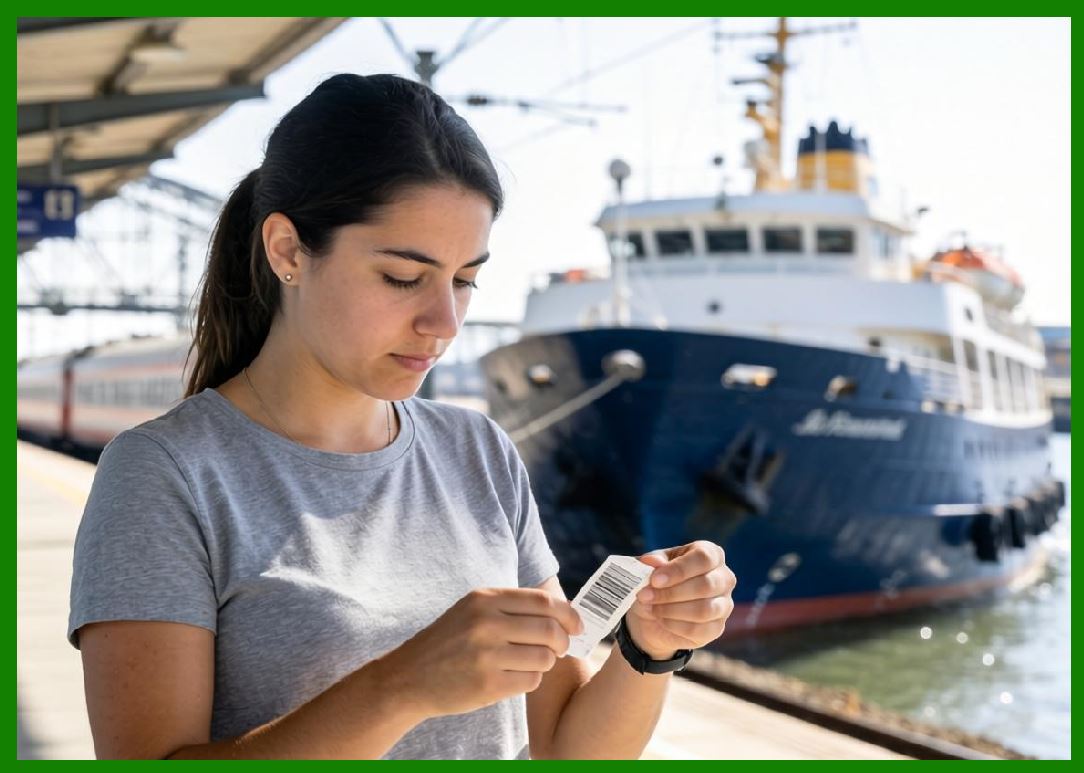
Imagine a conventional barcode on a cereal box. It is a row of vertical bars of different widths. A laser scanner sweeps across the row and measures the pattern of light and dark reflections. The pattern encodes a number, usually twelve or thirteen digits. That number is the only thing the symbol contains. Everything else, the product name, the price, the manufacturer, the inventory count, lives in a database somewhere else. The barcode is a key, not a container. |
This design is elegant and cheap. It is also fragile in a specific way. If the label is torn, smudged, or curved around a bottle, the laser may fail to read the single line of data. And because the data lives along one axis only, the symbol cannot hold much. A typical retail barcode holds about a dozen digits. Some industrial linear symbols hold a few dozen characters. That is enough for a part number. It is not enough for a batch number, a serial number, an expiration date, a country of origin, and a tracking history all at once. |
A two-dimensional symbol solves both problems. It spreads data across a grid. Instead of one row of bars, it uses many rows and columns of small cells, often called modules. Each module is either dark or light. The pattern of dark and light modules encodes data in two directions at once. The result is a dramatic increase in capacity. A symbol the size of a fingernail can hold a few hundred characters. A larger symbol can hold thousands. And because the data is spread across an area rather than a line, the symbol can often be read even when part of it is damaged, thanks to error correction. |
Two families dominate the world of 2D symbols: QR codes and Data Matrix codes. They were invented for different reasons, they look different, and they have different strengths. But together they have become the workhorses of a quiet revolution. They are the reason a package can be tracked across ten countries, a surgical tray can be verified before an operation, and a farmer can trace a lettuce from a field to a supermarket shelf. |
|
What a 2D Symbol Actually Contains |
Before we tour the industries, it helps to understand what is inside a 2D symbol. The details vary between QR codes and Data Matrix, but the basic idea is shared. |
Every 2D symbol has three kinds of content. The first is the payload, the actual data you want to store. This could be a web address, a serial number, a patient identifier, a shipping tracking number, or a block of text. The second is the error correction data. This is extra information added by the encoder so that the decoder can reconstruct the payload even if some modules are unreadable. The third is the structural information, the patterns that tell the scanner where the symbol begins and ends, how it is oriented, and how large it is. |
Error correction is the quiet hero of 2D symbols. In a linear barcode, a single scratch through the bars can make the symbol unreadable. In a 2D symbol, the error correction can recover a surprising amount of lost data. Depending on the level chosen, a QR code can still be decoded when up to about thirty percent of its area is obscured. Data Matrix codes can be designed to survive even more damage. This is why 2D symbols are used on parts that will be painted, baked, sterilized, or scrubbed. The symbol does not need to remain pretty. It only needs to remain readable. |
Another important property is orientation independence. A linear barcode must be scanned along its axis. A 2D symbol can be read from any direction because it contains finder patterns that tell the scanner how it is rotated. This makes 2D symbols far easier to scan in busy, messy environments. A worker on a factory floor does not need to align a part perfectly. A nurse does not need to hold a scanner at a precise angle. The symbol cooperates. |
Finally, 2D symbols can be tiny. Data Matrix codes are especially good at small sizes. A Data Matrix symbol can be etched or laser-marked onto a metal component smaller than a grain of rice. This is why they are ubiquitous in electronics, aerospace, and medical devices. QR codes tend to be a bit larger for the same amount of data, but they are unmatched for consumer-facing applications because every smartphone can read them. |
|
QR Codes: From Automotive Curiosity to Global Standard |
The QR code was invented in 1994 by a Japanese company, Denso Wave, which was supplying components to the automotive industry. The problem was practical. Parts moving through a factory needed labels that could hold more information and be read faster than conventional barcodes. The engineers developed a two-dimensional symbol with finder patterns in three corners, which allowed high-speed reading from any angle. They called it the Quick Response code, or QR code. |
For years, QR codes lived mostly in industrial settings. Then smartphones arrived. Once a phone could scan a QR code and open a web link, the symbol escaped the factory and entered everyday life. Today QR codes are printed on posters, restaurant menus, business cards, bus stops, product packaging, and television screens. They have become a universal bridge between the physical world and the internet. |
The genius of the QR code is its flexibility. It can hold numeric data, alphabetic text, binary data, and Japanese characters. It can be small or large. It can be displayed on a screen or printed on paper. It can be read by a cheap camera. And because the specification is open, anyone can generate one for free. |

|
Data Matrix: The Industrial Workhorse |
Data Matrix was developed in the late 1980s by a company called International Data Matrix. It was designed for applications where space is tight and reliability is critical. A Data Matrix symbol is square or rectangular, with a solid L-shaped border on two sides and a alternating pattern on the other two sides. This border tells the scanner where the symbol is and how it is oriented. Inside, the data modules are arranged in a grid. |
Data Matrix codes are often smaller than QR codes for the same payload. They are also very robust. They can be marked directly onto surfaces using laser etching, dot peening, or inkjet printing. This makes them ideal for parts that must survive harsh conditions. If you look at a printed circuit board, a medical implant, or an aircraft engine component, you will often find a tiny Data Matrix code stamped into the material. That code may hold a serial number, a manufacturing date, a batch number, and a unique identifier that can be traced for decades. |

|
The Quiet Infrastructure of Trust |
Before we walk through the industries, it is worth pausing on a broader point. QR codes and Data Matrix codes are not just convenience tools. They are infrastructure for trust. When a hospital scans a Data Matrix code on a surgical instrument, it is not just saving typing time. It is verifying that the instrument was properly sterilized and belongs to the correct tray. When a pharmacy scans a QR code on a medicine box, it is not just reading a price. It is checking that the drug is authentic, not expired, and correctly prescribed. When a food company scans a Data Matrix code on a crate of produce, it is not just tracking inventory. It is building a record that can be used to trace a contamination back to a specific field on a specific day. |
In each case, the 2D symbol is a small, cheap, durable link between a physical object and a digital record. The symbol itself does not contain the whole history. It contains a key. But that key unlocks a chain of custody, a maintenance log, a patient record, or a safety certificate. Multiply that by billions of objects, and you begin to see why 2D symbols matter. They are one of the ways modern society keeps track of things that are too numerous, too mobile, or too dangerous to track by hand. |

|
Manufacturing: Where 2D Symbols Grew Up |
Manufacturing was the first home of the 2D symbol, and it remains one of the most demanding. A modern factory is a river of parts. Components arrive from suppliers, move through assembly stations, get tested, get packed, and get shipped. At every step, someone or something needs to know what the part is, where it came from, and what has happened to it. |
Linear barcodes handled the simple cases. But as products became more complex, the simple cases ran out. A car has tens of thousands of parts. An airplane has millions. A smartphone has hundreds of components from dozens of countries. Each part may have a serial number, a batch number, a supplier code, and a date code. A linear barcode cannot hold all of that. A 2D symbol can. |
In electronics manufacturing, Data Matrix codes are everywhere. They are laser-marked onto printed circuit boards, connectors, and chips. The codes are tiny, often just a few millimeters across, and they must survive the soldering process, which involves high temperatures. Because Data Matrix codes have strong error correction, they can still be read after being partially damaged by heat or flux. |
The payoff is traceability. If a batch of circuit boards fails in the field, the manufacturer can scan the Data Matrix code on a failed board and trace it back to the exact production line, the exact shift, the exact batch of components, and the exact test results. This kind of traceability is not a luxury. In automotive and aerospace, it is often a regulatory requirement. |
In automotive manufacturing, 2D symbols are used on engine blocks, transmissions, airbag modules, and brake systems. A single vehicle may carry dozens of these codes. When a recall is issued, the manufacturer can identify exactly which vehicles are affected by scanning the codes, rather than recalling an entire model year. This saves money and, more importantly, saves lives. |
In aerospace, the stakes are even higher. Every part that goes into an aircraft must be traceable from raw material to installation. Data Matrix codes are marked on turbine blades, fasteners, and structural components. The codes must survive decades of service, extreme temperatures, and vibration. Some are etched into the metal itself. When a part is inspected or replaced, the code is scanned and the maintenance record is updated. This creates a continuous history for every critical component. |

|
Healthcare: Scanning for Safety |
Healthcare is a field where small errors can have large consequences. A mislabeled specimen can lead to a wrong diagnosis. A misidentified patient can receive the wrong medication. A surgical instrument that was not properly sterilized can cause a deadly infection. 2D symbols help reduce these risks by making it easy to verify identity and status at the point of care. |
In hospitals, Data Matrix codes are used on surgical instruments, implantable devices, specimen containers, and medication packaging. A nurse preparing a procedure can scan a tray of instruments and instantly see whether the tray is complete and whether it has been sterilized. If an instrument is missing or expired, the system raises an alert before the procedure begins. |
For implantable devices, such as artificial joints or pacemakers, the Data Matrix code carries a unique device identifier. This identifier is recorded in the patient's medical record. If the device is later recalled, the hospital can quickly find the affected patients and contact them. Before 2D symbols, this kind of tracking was slow and error-prone. Now it can be done in minutes. |
QR codes are also used in healthcare, particularly for patient education and appointment management. A patient may scan a QR code on a discharge summary to watch a video about their condition or to schedule a follow-up visit. During public health campaigns, QR codes on posters can link to vaccination information or testing sites. |
The COVID-19 pandemic accelerated the use of 2D symbols in healthcare. QR codes became a common way to show vaccination status, check in at clinics, and access test results. While some of these uses were temporary, they demonstrated how quickly 2D symbols can be deployed at scale when the need is urgent. |

|
Pharmaceuticals: Fighting Counterfeits and Errors |
The pharmaceutical industry faces a unique challenge. Its products are valuable, widely distributed, and easy to counterfeit. A fake medicine may contain no active ingredient, the wrong ingredient, or a dangerous substance. It may be packaged to look exactly like the real thing. For decades, governments and manufacturers have struggled to keep fake drugs out of the supply chain. |
2D symbols are a central part of the solution. In many countries, pharmaceutical packages now carry a Data Matrix code that contains a unique serial number. This is often called serialization. Each box of medicine has its own identity, like a passport. As the box moves from the factory to the wholesaler to the pharmacy, the code is scanned at each step. If a box appears in two places at once, or if its serial number is not in the expected range, the system flags it as suspicious. |
The results have been significant. In countries that have implemented serialization, counterfeit medicines are easier to detect and remove from the supply chain. Patients can also verify their medicines by scanning a code with a smartphone, although the exact features vary by country. |
Data Matrix codes also help with something less dramatic but equally important: expiry management. A pharmacy can scan a box and immediately see its expiration date. This reduces the chance that an expired medicine reaches a patient. In hospitals, where thousands of doses are prepared every day, this kind of automation prevents errors that would be impossible to catch by eye. |

|
Food and Agriculture: From Farm to Fork |
The food industry has a saying: from farm to fork. The idea is that every step in the food supply chain should be traceable, so that if something goes wrong, the source can be found quickly. 2D symbols make this possible. |
On a farm, a crate of tomatoes may carry a Data Matrix code that identifies the field, the harvest date, and the worker who picked it. When the crate arrives at a packing house, the code is scanned and the tomatoes are graded and sorted. When they are shipped to a distribution center, the code is scanned again. When they arrive at a supermarket, the code is scanned one more time. If a contamination is discovered, the retailer can use the code to trace the tomatoes back to the exact field and harvest. This allows the supplier to recall only the affected produce, rather than everything the company shipped that week. |
QR codes are increasingly used on consumer-facing food packaging. A shopper can scan a QR code on a carton of eggs to see the farm where they were laid, or on a bag of coffee to see the cooperative that grew the beans. This kind of transparency builds trust and allows consumers to make informed choices. |
In agriculture, 2D symbols are also used on seed bags, fertilizer containers, and pesticide labels. A farmer can scan a code to get application instructions, safety warnings, and regulatory information. In some cases, the code links to a digital record that must be kept for compliance purposes. |

|
Retail: Beyond the Checkout |
Retail was built on the linear barcode. The familiar beep at the checkout counter is one of the most successful applications of machine-readable technology in history. But retail is changing, and 2D symbols are changing with it. |
One major shift is the move toward 2D codes at the point of sale. A single QR code or Data Matrix code can replace several linear barcodes on a product. It can contain the price, the product identifier, the batch number, and the expiration date. This is especially useful for fresh food, where prices change frequently and expiration dates matter. |
Another shift is the use of QR codes for customer engagement. A shopper can scan a QR code on a shelf to see product reviews, nutritional information, or recipe suggestions. They can scan a QR code on a receipt to participate in a survey or to get a digital copy of their purchase. They can scan a QR code on a poster to order a product for home delivery. |
In some stores, QR codes are used for payment. The customer scans a code displayed at the register, enters the amount, and completes the transaction through a mobile app. This is common in Asia and is spreading elsewhere. It reduces the need for cash and cards, and it gives retailers a digital record of the sale. |
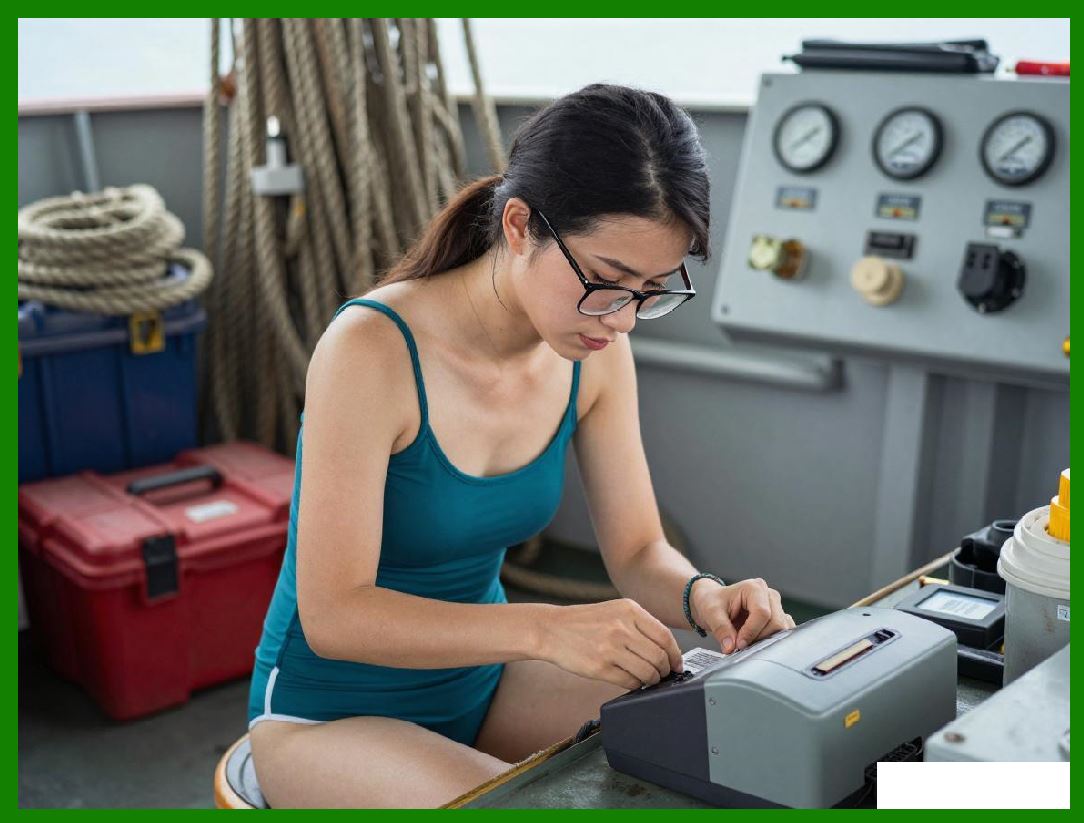
Data Matrix codes are also used behind the scenes in retail logistics. They are placed on cartons, pallets, and returnable containers. They help distribution centers sort and route goods quickly. A single scan can capture a carton's contents, destination, and priority. This speeds up the movement of goods and reduces errors. |
|
Payments and Advertising: The Consumer Face of 2D |
For most people, the first 2D symbol they ever scanned was probably a QR code. And the reason they scanned it was probably to open a link, make a payment, or get a discount. QR codes have become the most visible face of the 2D revolution. |
In mobile payments, QR codes are used in two ways. In one model, the merchant displays a QR code and the customer scans it with a payment app. In the other model, the customer displays a QR code on their phone and the merchant scans it. Both models are fast, cheap, and secure. They are especially popular in countries where traditional banking infrastructure is limited, because they allow anyone with a smartphone to accept digital payments. |
In advertising, QR codes turn a static poster or a television screen into an interactive gateway. A movie trailer may end with a QR code that takes viewers to a ticket page. A billboard may display a QR code that offers a discount to anyone who scans it. A magazine ad may include a QR code that links to a product demonstration video. The code is a bridge between the physical world of print and the digital world of the internet. |
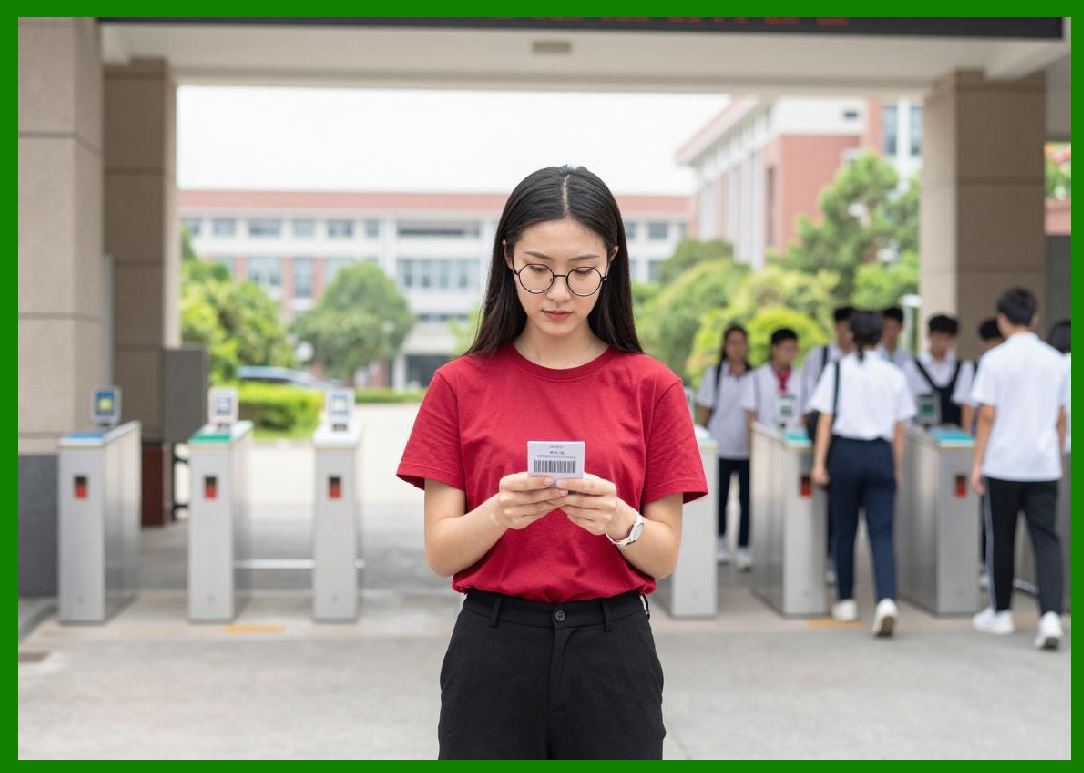
QR codes are also used for event ticketing. A ticket may be a QR code stored on a phone. At the entrance, a staff member scans the code and verifies that the ticket is valid. This reduces fraud and speeds up entry. During the COVID-19 pandemic, QR codes became a common way to check in at venues and to access health questionnaires. |
|
Logistics and Supply Chain: Moving Things Across the World |
Global trade depends on the ability to track goods as they move from one country to another. A single shipment may involve multiple carriers, ports, customs agencies, and warehouses. At each handoff, someone needs to know what is in the shipment, where it came from, and where it is going. 2D symbols make this possible. |
Data Matrix codes are used on shipping labels, pallets, and containers. They can hold more information than linear barcodes, including tracking numbers, destination codes, and handling instructions. They can also be read from a greater distance and at more angles, which is important in busy ports and warehouses. |
QR codes are used for last-mile delivery. A delivery driver may scan a QR code on a package to confirm delivery. A customer may scan a QR code to track a package or to leave special instructions. In some countries, QR codes are used for customs declarations, allowing travelers to fill out forms online and present a code at the border. |
The combination of 2D symbols and cloud databases has created something new: end-to-end visibility. A manufacturer can see where its raw materials are. A retailer can see where its inventory is. A customer can see where their order is. This visibility reduces uncertainty, lowers costs, and improves service. |
|
Government and Public Services: Identity, Taxes, and Benefits |
Governments are among the largest users of 2D symbols. They use them for identity documents, tax forms, permits, licenses, and benefit cards. A QR code on a driver's license can hold a digital copy of the holder's information. A Data Matrix code on a vehicle registration sticker can be scanned by police to verify insurance and ownership. |
In some countries, QR codes are used on election materials to help verify results. In others, they are used on public health notices to link to official information. During natural disasters, QR codes can be used to distribute aid and to track the delivery of supplies. |
The appeal of 2D symbols for government is the same as for business: they are cheap, reliable, and hard to counterfeit. A QR code can be printed on a document and verified with a smartphone. A Data Matrix code can be etched onto a metal plate and read for decades. This makes them ideal for applications where trust and durability matter. |

|
Emergency Response: When Every Second Counts |
In an emergency, information is critical. Paramedics need to know a patient's medical history. Firefighters need to know the layout of a building. Rescue workers need to know who is trapped and where. 2D symbols can help. |
Some people carry medical alert cards or bracelets with QR codes that link to their medical information. A paramedic can scan the code and see allergies, medications, and emergency contacts. This can save precious minutes in a crisis. |
In buildings, Data Matrix codes or QR codes can be placed on equipment, exits, and utility shutoffs. First responders can scan the codes to get instructions, floor plans, or maintenance records. This helps them respond more effectively and safely. |
In disaster relief, QR codes are used to register survivors, distribute supplies, and track medical treatment. They can be printed on wristbands or cards and scanned at different stations. This creates a record that follows a person through the relief system, reducing the chance of lost information or duplicate aid. |

|
The Technology Behind the Scenes |
It is easy to take 2D symbols for granted. They look simple. But behind every scan is a chain of technology that has been refined over decades. |
The first link is the symbol itself. It must be designed so that it can be printed or marked on a surface, and so that it can be read by a scanner. The size, contrast, and error correction level must be chosen for the application. A symbol on a sterile surgical tray must survive steam and chemicals. A symbol on a shipping label must survive rubbing and moisture. A symbol on a smartphone screen must be readable in bright sunlight. |
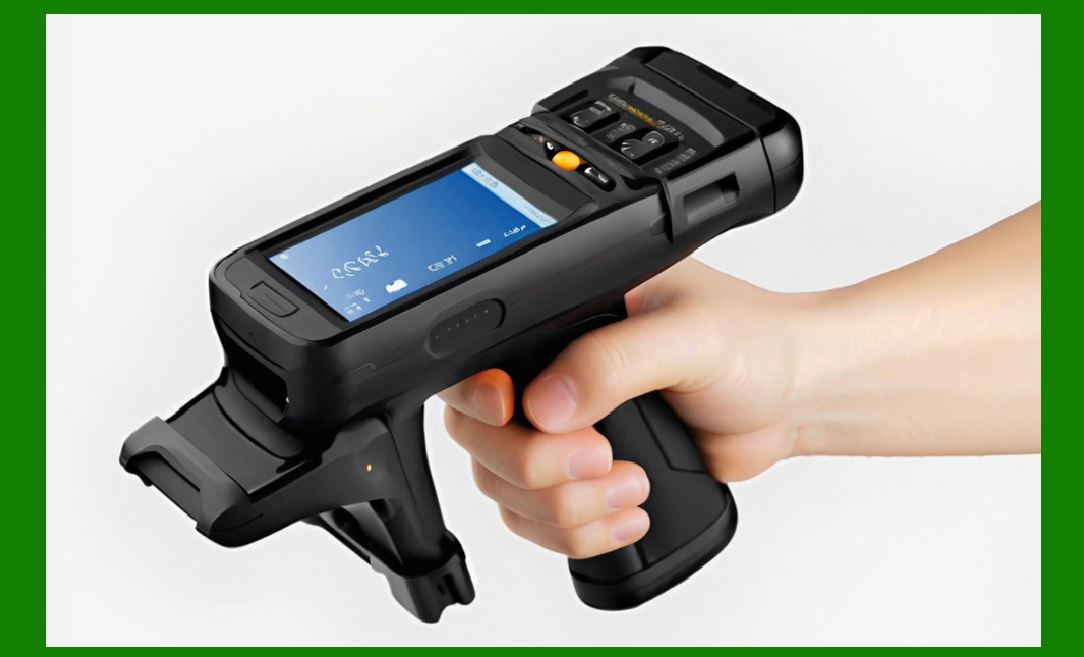
The second link is the scanner. Early 2D scanners used lasers, but modern scanners use cameras. A camera captures an image of the symbol, and software locates the finder patterns, corrects for distortion, and decodes the data. This is why a smartphone can read a QR code even if the code is at an angle or partially obscured. |
The third link is the database. The symbol itself holds a limited amount of data. In most applications, the symbol holds a key, and the key unlocks a record in a database. The database may be on a local server, in the cloud, or on the device itself. The design of the database determines what can be done with the scan. A simple inventory system may only record that a part was scanned. A sophisticated traceability system may record who scanned it, when, where, and what happened next. |
The fourth link is the network. In many applications, the scan must be transmitted to a central system in real time. This requires wireless connectivity, which may be provided by Wi-Fi, cellular, or satellite. In remote locations, such as farms or mines, connectivity may be limited. In these cases, the scanner may store the data and upload it later. |
The fifth link is the software. This is where the value is created. The software interprets the scan, compares it to expected values, triggers alerts, updates records, and generates reports. A good software system makes 2D symbols useful. A bad one makes them a nuisance. |

|
Why 2D Symbols Succeeded Where Other Technologies Failed |
Many technologies have promised to revolutionize the way we track physical objects. Some have succeeded. Many have failed. 2D symbols succeeded for several reasons. |
First, they are cheap. The cost of printing a QR code or a Data Matrix code is essentially zero. The cost of a scanner has fallen dramatically. Today, a smartphone can serve as a scanner. This means that the barrier to entry is very low. |
Second, they are open. The specifications for QR codes and Data Matrix codes are publicly available. Anyone can create a symbol or build a scanner without paying a license fee. This has led to a huge ecosystem of products and services. |
Third, they are robust. Error correction allows them to survive damage that would destroy a linear barcode. This makes them suitable for harsh environments. |
Fourth, they are flexible. They can hold different types of data. They can be small or large. They can be printed on paper, etched into metal, or displayed on a screen. This flexibility means they can be used in many different industries. |
Fifth, they are familiar. People know what a QR code is. They have seen them on posters, menus, and packages. This familiarity reduces resistance to adoption. A worker on a factory floor may be skeptical of a new technology, but they already know how to scan a code. |
|
The Limits of 2D Symbols |
No technology is perfect, and 2D symbols have their limits. |
One limit is data capacity. Although 2D symbols hold far more data than linear barcodes, they still cannot hold everything. A QR code can hold a few thousand characters. That is enough for a web address or a serial number, but not enough for a detailed medical record or a full maintenance history. This is why most applications use the symbol as a key, not as a container. |
Another limit is readability. A 2D symbol must be printed or marked with sufficient contrast. If the surface is too reflective, too dark, or too curved, the scanner may fail. If the symbol is too small, the scanner may not be able to resolve the modules. If the symbol is damaged beyond the error correction capacity, it cannot be read. |
A third limit is security. A QR code can be copied. A malicious actor can create a fake QR code that looks legitimate but directs the user to a harmful website. This is sometimes called QR code phishing or quishing. Users must be cautious about scanning codes from untrusted sources. Data Matrix codes are less commonly targeted because they are used in industrial settings, but they are not immune to tampering. |
A fourth limit is privacy. When a QR code links to a web page, the website can collect information about the user. This has raised concerns about tracking and data collection. In some jurisdictions, regulations require that users be informed about what data is collected and how it is used. |
A fifth limit is standardization. Although QR codes and Data Matrix codes are standardized, there are many variations and extensions. This can cause compatibility problems. A scanner that works with one type of code may not work with another. This is less of a problem today than it was in the past, but it still exists. |
|
The Future of 2D Symbols |
What comes next2D symbols are already ubiquitous, but they are still evolving. |
One trend is the integration of 2D symbols with other technologies. For example, a 2D symbol can be combined with a sensor to create a smart label that changes color when a product expires. A 2D symbol can be combined with a blockchain to create a tamper-proof record of ownership. A 2D symbol can be combined with augmented reality to overlay digital information on the physical world. |
Another trend is the use of 2D symbols in new materials. Researchers are developing ways to print 2D symbols with conductive ink, so that the symbol itself can act as an antenna or a sensor. Others are developing ways to embed 2D symbols in glass, metal, or plastic, so that they can survive extreme conditions. |
A third trend is the growth of 2D symbols in emerging markets. As smartphones become more common, QR codes are becoming a standard way to pay, communicate, and access services. In some countries, QR codes are used for everything from ordering food to paying taxes. This is likely to continue as mobile connectivity improves. |
A fourth trend is the development of new 2D symbol formats. Researchers are working on symbols that can hold more data, resist more damage, and be read from greater distances. Some of these formats may eventually replace QR codes and Data Matrix codes. Others may be designed for specific applications, such as medical implants or space exploration. |

|
Detailed Summary |
In this chapter, we explored the evolution from one-dimensional barcodes to two-dimensional symbols, focusing on QR codes and Data Matrix codes. We began by explaining the limitations of linear barcodes. They store data along a single axis, hold only a few dozen characters, and are easily damaged. 2D symbols overcome these limitations by spreading data across a grid, using error correction to survive damage, and allowing reading from any orientation. |
We examined the two dominant 2D formats. QR codes were invented in Japan in 1994 for the automotive industry and later became a global standard for consumer-facing applications. Data Matrix codes were developed in the late 1980s for industrial applications where space is tight and reliability is critical. Both formats are open, cheap, and widely supported. |
We then toured the industries where 2D symbols are used. In manufacturing, they provide traceability for parts, components, and assemblies. In healthcare, they improve patient safety by verifying instruments, specimens, and medications. In pharmaceuticals, they help fight counterfeits and manage expiration dates. In food and agriculture, they enable farm-to-fork traceability. In retail, they support point-of-sale scanning, customer engagement, and payment. In payments and advertising, they connect the physical world to the internet. In logistics, they provide end-to-end visibility. In government, they support identity documents and public services. In emergency response, they deliver critical information when it is needed most. |
We also looked behind the scenes at the technology that makes 2D symbols work. This includes the symbol design, the scanner, the database, the network, and the software. Each link in the chain must work for the system to be useful. |
We discussed why 2D symbols succeeded. They are cheap, open, robust, flexible, and familiar. We also discussed their limits. They have limited data capacity, they require good contrast, they can be copied, they raise privacy concerns, and they can suffer from compatibility issues. |

|
Finally, we looked to the future. 2D symbols are likely to become even more integrated with other technologies, such as sensors, blockchain, and augmented reality. They are likely to spread further in emerging markets. And they are likely to evolve into new formats that hold more data and survive even harsher conditions. |
The quiet revolution of 2D symbols is not about a single invention. It is about a simple idea: that a small square of black and white modules can connect a physical object to a digital record. That idea has spread across industries, across borders, and across the world. It has become part of the invisible infrastructure that keeps modern life running. And it is still evolving. The next time you scan a QR code or see a Data Matrix code on a package, take a moment to appreciate the technology behind it. It is one of the ways the silent network maps the physical world. |
 cs@easiersoft.com