Chapter 27: The Data Capacity | A Summary to Begin | A single one-dimensional barcode, the kind you see on a cereal box or a library book, can hold roughly twenty digits. A two-dimensional code, like the square matrix on a shipping label or a concert ticket, can hold about four thousand characters. An RFID chip, the tiny invisible engine inside a transit card or a passport, can hold two kilobytes or more, which is thousands of characters. These three numbers describe a quiet hierarchy of data capacity that shapes how the physical world is mapped, tracked, and managed. This chapter explores what those numbers actually mean in practice, why they matter, and how different industries choose among these technologies based on how much information they need to carry. We will look at retail, healthcare, manufacturing, logistics, agriculture, aviation, libraries, museums, sports, and more. By the end, you will understand why a barcode is not just a barcode, why a QR code is not just a square, and why an RFID chip is not just a tiny radio. Each has a distinct data capacity, and that capacity determines its role in the silent network that connects objects to information. | 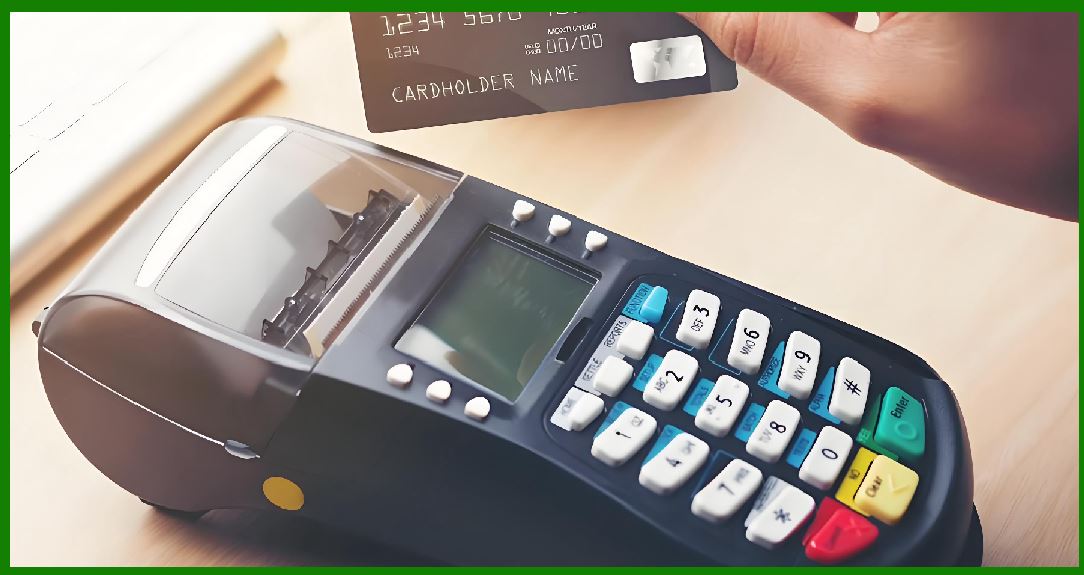
| The One-Dimensional Barcode: Twenty Digits That Changed the World | The one-dimensional barcode, often called a linear barcode, is the oldest and simplest member of the family. It consists of a series of vertical bars of varying widths, separated by spaces. A scanner shines a light on the bars and measures the reflected light. The pattern of dark and light is translated into a string of digits or characters. The most common version, the Universal Product Code, or UPC, holds twelve digits. The European Article Number, or EAN, holds thirteen digits. Some industrial barcodes, like Code 128, can hold a few dozen characters, but the typical consumer-facing barcode stays within the range of twenty digits. That is not a lot of data. Twenty digits can identify a product, a manufacturer, and a country of origin. It can hold a serial number. It cannot hold a description, a price, a date, or a location. For that, the scanner must look up the number in a database. The barcode is a key, not a container. It points to information stored elsewhere. | This limitation is also its strength. Because the barcode holds so little data, it can be printed very small, very cheaply, and very quickly. A barcode can be printed on a curved surface, on a flexible package, on a tiny vial. It can be read from a distance of a few inches to a few feet. It can be read by a machine that costs less than twenty dollars. The low data capacity makes the barcode robust, inexpensive, and universal. It is the workhorse of retail. Every time you buy a product at a grocery store, the cashier scans a barcode. The scanner reads the twelve or thirteen digits. The point-of-sale system sends those digits to a database. The database returns the product name, the price, and the tax category. The entire transaction takes less than a second. The barcode itself holds only the number. The intelligence is in the network. | In retail, the barcode's twenty digits are enough to manage millions of products. A single store might carry fifty thousand distinct items. Each item has a unique UPC. The barcode on the package identifies the item. The store's inventory system tracks how many units are on the shelf, how many are in the back room, and how many have been sold. When the count drops below a threshold, the system orders more. This is automatic replenishment. It relies on the barcode's ability to uniquely identify each product type. The barcode does not need to know the price. It does not need to know the description. It only needs to be a unique key. That is why twenty digits are enough. The number of possible UPC codes is ten to the twelfth power, which is one trillion. That is more than enough for every product in the world. | But the barcode's low data capacity becomes a problem when you need to track individual items, not just product types. A UPC identifies a brand of toothpaste, not a specific tube of toothpaste. If you want to track a specific tube from the factory to the landfill, you need more data. You need a serial number. You need a batch number. You need an expiration date. You need a location. A one-dimensional barcode can hold some of this information if you use a longer symbology, like Code 128 or Code 39. But even then, the data capacity is limited to a few dozen characters. That is why the two-dimensional code was invented. | 
| The Two-Dimensional Code: Four Thousand Characters in a Square | A two-dimensional code, or 2D code, stores data in both the horizontal and vertical dimensions. Instead of a single row of bars, it uses a matrix of dark and light modules. The most familiar 2D code is the QR code, which stands for Quick Response. A QR code can hold up to about four thousand characters, depending on the version and the error correction level. Other 2D codes include the Data Matrix, the PDF417, and the Aztec code. Each has its own strengths and weaknesses. But they all share the same basic advantage: they can hold much more data than a one-dimensional barcode in the same amount of space. | Four thousand characters is a lot. It is enough to hold a short essay. It is enough to hold a name, an address, a phone number, an email address, a website URL, and a paragraph of instructions. It is enough to hold a digital signature. It is enough to hold a small image. It is enough to hold a structured data record with dozens of fields. This capacity opens up new applications. A QR code on a business card can hold all the contact information. A QR code on a museum exhibit can hold a description of the artifact. A QR code on a prescription bottle can hold the patient's name, the drug name, the dosage, the instructions, and the prescribing doctor's information. A QR code on a shipping label can hold the tracking number, the origin, the destination, the weight, the dimensions, and the contents. The 2D code is not just a key. It is a container. It can hold the data itself, without needing a database lookup. | This is a fundamental shift. With a one-dimensional barcode, the scanner must be connected to a database. With a 2D code, the scanner can read the data directly. This is useful in situations where a database is not available. For example, a farmer in a remote field can scan a QR code on a seed bag and read the planting instructions without an internet connection. A soldier in a battlefield can scan a QR code on a medical supply package and read the dosage instructions without a network. A hiker in the wilderness can scan a QR code on a trail marker and read the map coordinates without a cell signal. The 2D code is self-contained. It is a portable database. | 
| In healthcare, the 2D code has become essential. Hospitals use 2D codes on patient wristbands. The code holds the patient's name, date of birth, medical record number, allergies, and current medications. A nurse can scan the wristband before administering a drug. The scanner checks the drug against the patient's allergies and medications. If there is a conflict, the scanner alerts the nurse. This reduces medication errors. The 2D code holds enough data to make the check possible without a network connection. The nurse can be in a patient's room, far from a computer, and still have access to critical information. The 2D code is a safety net. | In manufacturing, the 2D code is used to track parts and components. A single engine might have thousands of parts. Each part has a 2D code. The code holds the part number, the serial number, the manufacturing date, the batch number, and the supplier. When the engine is assembled, the codes are scanned and recorded. If a defect is found later, the manufacturer can trace the defective part back to its source. This is called traceability. The 2D code makes it possible. A one-dimensional barcode would not have enough data to hold all the necessary information. The 2D code can hold it all in a small square that is resistant to damage. In fact, 2D codes often include error correction. Even if part of the code is scratched or smudged, the scanner can still read the data. This is crucial in harsh industrial environments. | In logistics, the 2D code is used on shipping labels. A single label can hold the tracking number, the sender, the recipient, the weight, the dimensions, the contents, the hazardous material classification, and the customs declaration. This reduces the need for multiple labels. It speeds up sorting. A package can be routed automatically based on the data in the 2D code. The code can be read from any angle, unlike a one-dimensional barcode, which must be aligned with the scanner. This makes the sorting process faster and more reliable. In a large distribution center, thousands of packages move along conveyor belts every hour. Each package has a 2D code. The scanners read the codes and divert the packages to the correct trucks. The 2D code's data capacity makes this possible. | 
| In agriculture, the 2D code is used to track produce from farm to table. A single crate of apples might have a 2D code that holds the orchard name, the harvest date, the variety, the grade, and the pesticide history. If there is a recall, the retailer can scan the code and know exactly which orchard produced the apples. This is called farm-to-fork traceability. The 2D code holds enough data to make the recall precise. A one-dimensional barcode would only identify the product type, not the specific batch. The 2D code allows for a more granular response. This protects consumers and reduces waste. If only one orchard is affected, only that orchard's apples need to be recalled. The rest can stay on the shelf. | In aviation, the 2D code is used on aircraft parts. A single aircraft has millions of parts. Each part must be tracked. A 2D code on a part can hold the part number, the serial number, the installation date, the maintenance history, and the airworthiness certificate. When a mechanic inspects the aircraft, he or she scans the codes and records the inspection. This creates a digital history of the aircraft. If a part fails, the airline can trace it back to the manufacturer. The 2D code's data capacity makes this possible. A one-dimensional barcode would not be able to hold the maintenance history. The 2D code can. This improves safety and reduces downtime. | In libraries, the 2D code is used on books and media. A single 2D code can hold the title, the author, the ISBN, the call number, the location, and the status. A patron can scan the code with a smartphone and check out the book. The library's system updates automatically. The 2D code holds enough data to identify the book and the patron. This speeds up the checkout process. It also allows for self-service. The patron does not need to wait in line. The 2D code makes the library more efficient. | 
| In museums, the 2D code is used on exhibits. A single 2D code can hold a description of the artifact, its history, its origin, and its significance. A visitor can scan the code with a smartphone and read the description. The 2D code can also hold a link to a website with more information. This enhances the visitor experience. The museum does not need to print large labels. The 2D code holds all the information in a small square. The visitor can choose to read as much or as little as they want. The 2D code is a gateway to deeper knowledge. | In sports, the 2D code is used on tickets. A single 2D code can hold the event name, the date, the time, the venue, the seat number, and the price. The code can also hold a digital signature to prevent counterfeiting. A scanner at the gate reads the code and verifies the signature. If the code is valid, the gate opens. The 2D code holds enough data to make the ticket secure. A one-dimensional barcode would be easier to copy. The 2D code is more secure. It can also hold a photograph of the ticket holder. This prevents scalping. The 2D code is a powerful tool for event management. | In advertising, the 2D code is used to connect print media to the internet. A single 2D code in a magazine ad can hold a website URL. A reader can scan the code with a smartphone and go directly to the website. The 2D code can also hold a coupon code, a phone number, or a text message. This makes print media interactive. The 2D code bridges the physical and digital worlds. It is a simple way to drive traffic to a website. It is also a way to track the effectiveness of an ad. The advertiser can count how many times the code was scanned. This provides valuable data. | The 2D code's four thousand characters are enough for most applications. But there are some applications that need more. For example, a passport needs to hold a photograph, a fingerprint, and a digital signature. A 2D code cannot hold that much data. That is where RFID comes in. | 
| The RFID Chip: Two Kilobytes or More | RFID stands for Radio Frequency Identification. An RFID chip is a tiny computer that can store data and transmit it wirelessly. The chip is attached to an antenna. When the chip is near a reader, the reader sends out a radio signal. The chip uses the energy from the signal to power itself and transmit its data back to the reader. This is called passive RFID. There is also active RFID, which has its own battery. Active RFID can transmit over longer distances, but it is more expensive. Passive RFID is cheaper and more common. A passive RFID chip can hold two kilobytes or more. That is about two thousand characters. Some chips can hold much more. For example, a chip in a passport can hold a photograph, which is a large file. A chip in a shipping container can hold a manifest, which is a long list of items. A chip in a medical device can hold a patient's entire medical history. The RFID chip is a container. It can hold a lot of data. | Two kilobytes is not a lot by modern computer standards. A single smartphone photo is several megabytes. But two kilobytes is a lot for an RFID chip. It is enough to hold a name, an address, a date of birth, a place of birth, a nationality, a passport number, an issue date, an expiration date, and a digital signature. It is enough to hold a patient's medical record number, blood type, allergies, and current medications. It is enough to hold a product's serial number, batch number, manufacturing date, expiration date, and shipping history. The RFID chip's data capacity makes it suitable for applications where the data must travel with the object. The object becomes self-describing. | In healthcare, RFID chips are used to track patients, staff, and equipment. A patient wears an RFID wristband. The wristband holds the patient's identity and medical information. A doctor or nurse can read the wristband with a handheld reader. The reader displays the patient's information. This ensures that the right patient gets the right treatment. The RFID chip can also be used to track expensive equipment, like infusion pumps and wheelchairs. The chip holds the equipment's serial number and maintenance history. If the equipment is due for maintenance, the system alerts the staff. This reduces downtime and improves patient care. The RFID chip's data capacity makes it possible to store the maintenance history on the equipment itself. The equipment becomes self-monitoring. | 
| In manufacturing, RFID chips are used to track work-in-progress. A single product might go through dozens of stations. At each station, the RFID chip is read and updated. The chip holds the product's serial number, the current station, the time spent at each station, and the quality checks. This provides real-time visibility into the production process. If a bottleneck occurs, the system can identify it immediately. If a defect is found, the system can trace it back to the station that caused it. The RFID chip's data capacity makes it possible to store the entire production history on the product itself. The product becomes a moving database. | In logistics, RFID chips are used to track pallets, cases, and individual items. A single pallet might have an RFID chip that holds the pallet's serial number, the contents, the origin, the destination, and the weight. A reader at the warehouse door can read the chip as the pallet passes by. This eliminates the need for manual scanning. The entire pallet can be inventoried in seconds. The RFID chip's data capacity makes it possible to store the manifest on the pallet itself. The pallet becomes self-identifying. This speeds up the receiving and shipping process. It also reduces errors. A manual scan might miss a barcode. An RFID reader can read hundreds of chips simultaneously. This is a huge advantage in a busy warehouse. | In retail, RFID chips are used to track inventory. A single item, like a pair of jeans, has an RFID chip on the tag. The chip holds the item's serial number, the size, the color, the price, and the manufacturing date. A reader on the shelf can read the chips and tell the store how many items are in stock. If an item is missing, the system alerts the staff. This reduces theft and improves inventory accuracy. The RFID chip's data capacity makes it possible to store the item's unique identity on the item itself. The item becomes self-counting. This is a major improvement over the one-dimensional barcode, which only identifies the product type. The RFID chip identifies the individual item. This allows for more precise inventory management. | In agriculture, RFID chips are used to track livestock. A single cow has an RFID chip in its ear. The chip holds the cow's identification number, its birth date, its health records, and its breeding history. A reader at the feedlot can read the chip and know exactly which cow is which. If a disease outbreak occurs, the farmer can trace the cow back to its herd. This is called traceability. The RFID chip's data capacity makes it possible to store the cow's entire history on the cow itself. The cow becomes self-documenting. This improves food safety and reduces the spread of disease. | 
| In aviation, RFID chips are used to track baggage. A single bag has an RFID chip on the tag. The chip holds the bag's identification number, the passenger's name, the flight number, the origin, the destination, and the weight. A reader at the baggage handling system can read the chip and route the bag to the correct plane. This reduces lost baggage. The RFID chip's data capacity makes it possible to store the bag's itinerary on the bag itself. The bag becomes self-routing. This speeds up the baggage handling process and improves the passenger experience. | In libraries, RFID chips are used to track books. A single book has an RFID chip in the cover. The chip holds the book's identification number, the title, the author, the call number, and the status. A reader at the checkout desk can read the chip and check out the book. A reader at the security gate can read the chip and detect if a book has not been checked out. The RFID chip's data capacity makes it possible to store the book's information on the book itself. The book becomes self-checking. This speeds up the checkout process and reduces theft. | In museums, RFID chips are used to track artifacts. A single artifact has an RFID chip attached to it. The chip holds the artifact's identification number, its description, its history, and its location. A reader can read the chip and know exactly where the artifact is. This helps the museum manage its collection. If an artifact is moved, the system updates automatically. The RFID chip's data capacity makes it possible to store the artifact's entire record on the artifact itself. The artifact becomes self-locating. This improves the museum's ability to care for its collection. | In sports, RFID chips are used to track athletes. A single runner has an RFID chip on their shoe. The chip holds the runner's identification number, their name, their age, and their category. A reader at the finish line can read the chip and record the runner's time. This is used in marathons and triathlons. The RFID chip's data capacity makes it possible to store the runner's information on the runner themselves. The runner becomes self-timing. This eliminates the need for manual timing and reduces errors. | 
| In access control, RFID chips are used in key cards. A single card has an RFID chip that holds the employee's identification number and access level. A reader at the door can read the chip and decide whether to unlock the door. The RFID chip's data capacity makes it possible to store the employee's access rights on the card itself. The card becomes self-authorizing. This is more secure than a one-dimensional barcode, which can be copied easily. The RFID chip can also be encrypted. This prevents unauthorized access. | In payment, RFID chips are used in credit cards and mobile phones. A single card has an RFID chip that holds the account number and a digital signature. A reader at the point of sale can read the chip and process the payment. The RFID chip's data capacity makes it possible to store the payment information on the card itself. The card becomes self-paying. This is faster and more convenient than swiping a magnetic stripe. The RFID chip can also be used for contactless payment. This is becoming increasingly popular. | In passports, RFID chips are used to store the holder's personal information. A single passport has an RFID chip that holds the holder's name, date of birth, place of birth, nationality, photograph, and fingerprint. A reader at the border can read the chip and verify the holder's identity. The RFID chip's data capacity makes it possible to store the biometric data on the passport itself. The passport becomes self-verifying. This improves border security and reduces fraud. | In animal tracking, RFID chips are used in pets. A single pet has an RFID chip implanted under its skin. The chip holds the pet's identification number and the owner's contact information. A reader at the vet's office or the animal shelter can read the chip and identify the pet. The RFID chip's data capacity makes it possible to store the owner's information on the pet itself. The pet becomes self-identifying. This helps reunite lost pets with their owners. | 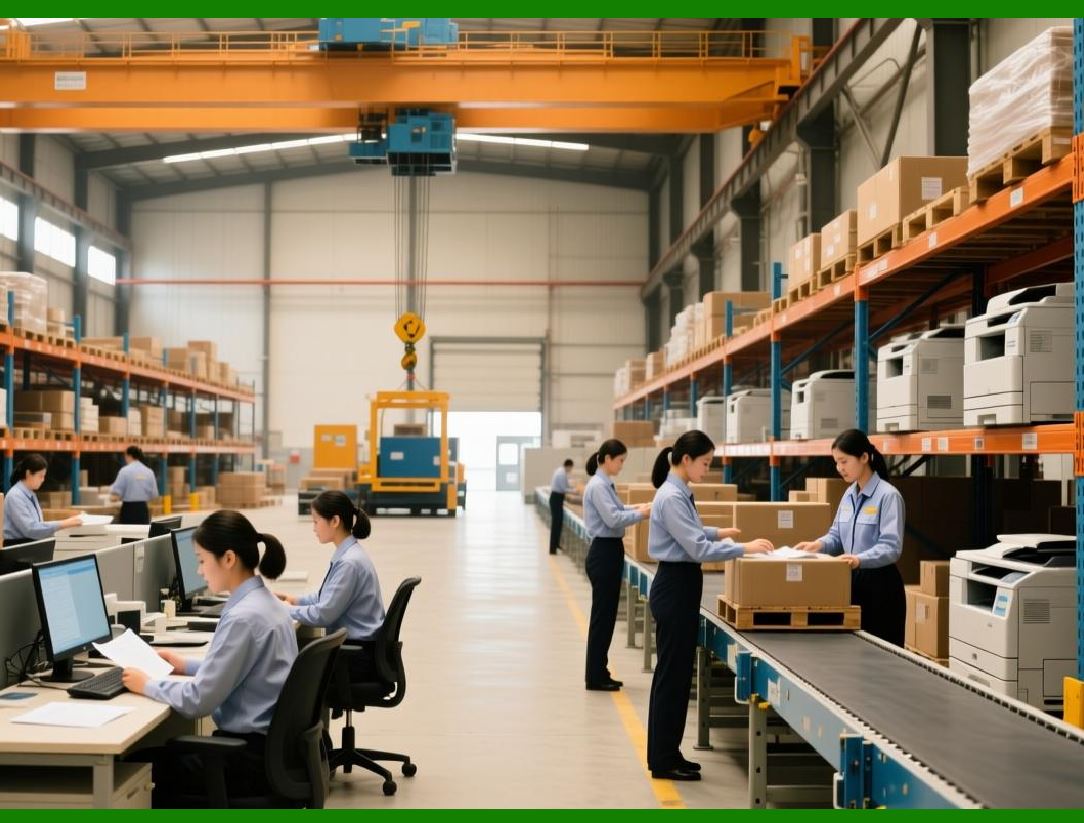
| In supply chain, RFID chips are used to track containers. A single container has an RFID chip that holds the container's identification number, the contents, the origin, the destination, and the seal number. A reader at the port can read the chip and know exactly what is inside. The RFID chip's data capacity makes it possible to store the manifest on the container itself. The container becomes self-describing. This speeds up customs clearance and reduces delays. | In healthcare, RFID chips are used to track surgical instruments. A single instrument has an RFID chip that holds the instrument's identification number, its sterilization history, and its usage count. A reader in the operating room can read the chip and ensure that all instruments are accounted for before and after surgery. The RFID chip's data capacity makes it possible to store the instrument's history on the instrument itself. The instrument becomes self-accounting. This improves patient safety and reduces the risk of retained surgical items. | In manufacturing, RFID chips are used to track tools. A single tool has an RFID chip that holds the tool's identification number, its calibration date, and its maintenance history. A reader at the tool crib can read the chip and ensure that the tool is calibrated and ready for use. The RFID chip's data capacity makes it possible to store the tool's history on the tool itself. The tool becomes self-calibrating. This improves quality and reduces downtime. | In agriculture, RFID chips are used to track produce. A single pallet of produce has an RFID chip that holds the pallet's identification number, the farm, the harvest date, and the temperature history. A reader at the distribution center can read the chip and verify that the produce was kept at the correct temperature. The RFID chip's data capacity makes it possible to store the temperature history on the pallet itself. The pallet becomes self-monitoring. This improves food safety and reduces waste. | 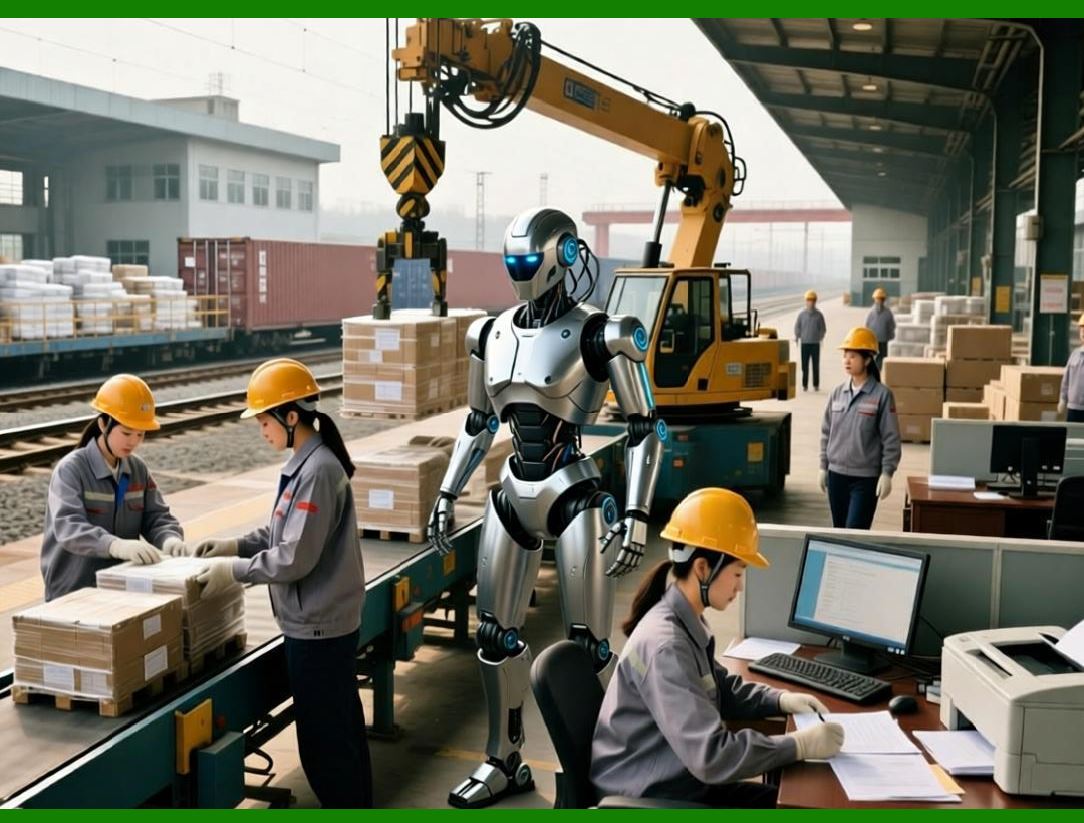
| In retail, RFID chips are used to track apparel. A single garment has an RFID chip on the tag. The chip holds the garment's identification number, the size, the color, the style, and the price. A reader in the fitting room can read the chip and suggest matching items. The RFID chip's data capacity makes it possible to store the garment's information on the garment itself. The garment becomes self-merchandising. This improves the shopping experience and increases sales. | In logistics, RFID chips are used to track parcels. A single parcel has an RFID chip on the label. The chip holds the parcel's identification number, the sender, the recipient, the weight, and the tracking history. A reader at the sorting center can read the chip and route the parcel to the correct truck. The RFID chip's data capacity makes it possible to store the tracking history on the parcel itself. The parcel becomes self-tracking. This improves delivery speed and reduces errors. | In aviation, RFID chips are used to track parts. A single part has an RFID chip that holds the part's identification number, its serial number, its installation date, and its maintenance history. A reader at the maintenance hangar can read the chip and know exactly when the part was last inspected. The RFID chip's data capacity makes it possible to store the maintenance history on the part itself. The part becomes self-inspecting. This improves safety and reduces downtime. | In healthcare, RFID chips are used to track patients. A single patient has an RFID wristband that holds the patient's identification number, their name, their date of birth, their allergies, and their medications. A reader at the nursing station can read the wristband and know exactly what the patient needs. The RFID chip's data capacity makes it possible to store the patient's medical history on the patient themselves. The patient becomes self-documenting. This improves care and reduces errors. | In manufacturing, RFID chips are used to track assets. A single machine has an RFID chip that holds the machine's identification number, its maintenance schedule, and its operating history. A reader at the factory floor can read the chip and know exactly when the machine needs service. The RFID chip's data capacity makes it possible to store the machine's history on the machine itself. The machine becomes self-maintaining. This improves efficiency and reduces downtime. | 
| In retail, RFID chips are used to track inventory. A single shelf has an RFID reader that reads the chips on the items. The reader sends the data to the store's computer. The computer knows exactly how many items are on the shelf. If the count drops below a threshold, the computer orders more. The RFID chip's data capacity makes it possible to store the item's identity on the item itself. The item becomes self-counting. This improves inventory accuracy and reduces out-of-stocks. | In logistics, RFID chips are used to track containers. A single container has an RFID chip that holds the container's identification number, the contents, the origin, the destination, and the seal number. A reader at the port can read the chip and know exactly what is inside. The RFID chip's data capacity makes it possible to store the manifest on the container itself. The container becomes self-describing. This speeds up customs clearance and reduces delays. | In agriculture, RFID chips are used to track livestock. A single cow has an RFID chip in its ear. The chip holds the cow's identification number, its birth date, its health records, and its breeding history. A reader at the feedlot can read the chip and know exactly which cow is which. If a disease outbreak occurs, the farmer can trace the cow back to its herd. The RFID chip's data capacity makes it possible to store the cow's entire history on the cow itself. The cow becomes self-documenting. This improves food safety and reduces the spread of disease. | In aviation, RFID chips are used to track baggage. A single bag has an RFID chip on the tag. The chip holds the bag's identification number, the passenger's name, the flight number, the origin, the destination, and the weight. A reader at the baggage handling system can read the chip and route the bag to the correct plane. This reduces lost baggage. The RFID chip's data capacity makes it possible to store the bag's itinerary on the bag itself. The bag becomes self-routing. This speeds up the baggage handling process and improves the passenger experience. | In libraries, RFID chips are used to track books. A single book has an RFID chip in the cover. The chip holds the book's identification number, the title, the author, the call number, and the status. A reader at the checkout desk can read the chip and check out the book. A reader at the security gate can read the chip and detect if a book has not been checked out. The RFID chip's data capacity makes it possible to store the book's information on the book itself. The book becomes self-checking. This speeds up the checkout process and reduces theft. | 
| In museums, RFID chips are used to track artifacts. A single artifact has an RFID chip attached to it. The chip holds the artifact's identification number, its description, its history, and its location. A reader can read the chip and know exactly where the artifact is. This helps the museum manage its collection. If an artifact is moved, the system updates automatically. The RFID chip's data capacity makes it possible to store the artifact's entire record on the artifact itself. The artifact becomes self-locating. This improves the museum's ability to care for its collection. | In sports, RFID chips are used to track athletes. A single runner has an RFID chip on their shoe. The chip holds the runner's identification number, their name, their age, and their category. A reader at the finish line can read the chip and record the runner's time. This is used in marathons and triathlons. The RFID chip's data capacity makes it possible to store the runner's information on the runner themselves. The runner becomes self-timing. This eliminates the need for manual timing and reduces errors. | In access control, RFID chips are used in key cards. A single card has an RFID chip that holds the employee's identification number and access level. A reader at the door can read the chip and decide whether to unlock the door. The RFID chip's data capacity makes it possible to store the employee's access rights on the card itself. The card becomes self-authorizing. This is more secure than a one-dimensional barcode, which can be copied easily. The RFID chip can also be encrypted. This prevents unauthorized access. | In payment, RFID chips are used in credit cards and mobile phones. A single card has an RFID chip that holds the account number and a digital signature. A reader at the point of sale can read the chip and process the payment. The RFID chip's data capacity makes it possible to store the payment information on the card itself. The card becomes self-paying. This is faster and more convenient than swiping a magnetic stripe. The RFID chip can also be used for contactless payment. This is becoming increasingly popular. | In passports, RFID chips are used to store the holder's personal information. A single passport has an RFID chip that holds the holder's name, date of birth, place of birth, nationality, photograph, and fingerprint. A reader at the border can read the chip and verify the holder's identity. The RFID chip's data capacity makes it possible to store the biometric data on the passport itself. The passport becomes self-verifying. This improves border security and reduces fraud. | 
| In animal tracking, RFID chips are used in pets. A single pet has an RFID chip implanted under its skin. The chip holds the pet's identification number and the owner's contact information. A reader at the vet's office or the animal shelter can read the chip and identify the pet. The RFID chip's data capacity makes it possible to store the owner's information on the pet itself. The pet becomes self-identifying. This helps reunite lost pets with their owners. | In supply chain, RFID chips are used to track containers. A single container has an RFID chip that holds the container's identification number, the contents, the origin, the destination, and the seal number. A reader at the port can read the chip and know exactly what is inside. The RFID chip's data capacity makes it possible to store the manifest on the container itself. The container becomes self-describing. This speeds up customs clearance and reduces delays. | In healthcare, RFID chips are used to track surgical instruments. A single instrument has an RFID chip that holds the instrument's identification number, its sterilization history, and its usage count. A reader in the operating room can read the chip and ensure that all instruments are accounted for before and after surgery. The RFID chip's data capacity makes it possible to store the instrument's history on the instrument itself. The instrument becomes self-accounting. This improves patient safety and reduces the risk of retained surgical items. | In manufacturing, RFID chips are used to track tools. A single tool has an RFID chip that holds the tool's identification number, its calibration date, and its maintenance history. A reader at the tool crib can read the chip and ensure that the tool is calibrated and ready for use. The RFID chip's data capacity makes it possible to store the tool's history on the tool itself. The tool becomes self-calibrating. This improves quality and reduces downtime. | In agriculture, RFID chips are used to track produce. A single pallet of produce has an RFID chip that holds the pallet's identification number, the farm, the harvest date, and the temperature history. A reader at the distribution center can read the chip and verify that the produce was kept at the correct temperature. The RFID chip's data capacity makes it possible to store the temperature history on the pallet itself. The pallet becomes self-monitoring. This improves food safety and reduces waste. | 
| In retail, RFID chips are used to track apparel. A single garment has an RFID chip on the tag. The chip holds the garment's identification number, the size, the color, the style, and the price. A reader in the fitting room can read the chip and suggest matching items. The RFID chip's data capacity makes it possible to store the garment's information on the garment itself. The garment becomes self-merchandising. This improves the shopping experience and increases sales. | In logistics, RFID chips are used to track parcels. A single parcel has an RFID chip on the label. The chip holds the parcel's identification number, the sender, the recipient, the weight, and the tracking history. A reader at the sorting center can read the chip and route the parcel to the correct truck. The RFID chip's data capacity makes it possible to store the tracking history on the parcel itself. The parcel becomes self-tracking. This improves delivery speed and reduces errors. | In aviation, RFID chips are used to track parts. A single part has an RFID chip that holds the part's identification number, its serial number, its installation date, and its maintenance history. A reader at the maintenance hangar can read the chip and know exactly when the part was last inspected. The RFID chip's data capacity makes it possible to store the maintenance history on the part itself. The part becomes self-inspecting. This improves safety and reduces downtime. | In healthcare, RFID chips are used to track patients. A single patient has an RFID wristband that holds the patient's identification number, their name, their date of birth, their allergies, and their medications. A reader at the nursing station can read the wristband and know exactly what the patient needs. The RFID chip's data capacity makes it possible to store the patient's medical history on the patient themselves. The patient becomes self-documenting. This improves care and reduces errors. | In manufacturing, RFID chips are used to track assets. A single machine has an RFID chip that holds the machine's identification number, its maintenance schedule, and its operating history. A reader at the factory floor can read the chip and know exactly when the machine needs service. The RFID chip's data capacity makes it possible to store the machine's history on the machine itself. The machine becomes self-maintaining. This improves efficiency and reduces downtime. | In retail, RFID chips are used to track inventory. A single shelf has an RFID reader that reads the chips on the items. The reader sends the data to the store's computer. The computer knows exactly how many items are on the shelf. If the count drops below a threshold, the computer orders more. The RFID chip's data capacity makes it possible to store the item's identity on the item itself. The item becomes self-counting. This improves inventory accuracy and reduces out-of-stocks. | 
| A Detailed Summary to End | The data capacity of identification technologies is not just a technical specification. It is a design choice that determines what is possible. A one-dimensional barcode holds about twenty digits. It is a key. It points to a database. It is cheap, robust, and universal. It is used in retail, libraries, and logistics. It identifies product types, not individual items. A two-dimensional code holds about four thousand characters. It is a container. It holds data directly. It is used in healthcare, manufacturing, and advertising. It identifies individual items and carries instructions. An RFID chip holds two kilobytes or more. It is a database. It travels with the object. It is used in passports, healthcare, and supply chains. It identifies individual items and carries their history. Each technology has its place. The silent network that maps the physical world is built on this hierarchy of data capacity. The barcode, the 2D code, and the RFID chip work together. They are not competitors. They are complements. They each do what they do best. The barcode is the key. The 2D code is the container. The RFID chip is the database. Together, they connect the physical world to the digital world. They make the invisible visible. They make the silent network speak. |
|
 cs@easiersoft.com