Chapter 28: The Read Speed |
Summary |
A barcode takes one to two seconds per scan. An RFID reader can scan more than two hundred tags per second. That single difference, small as it sounds, changes what is possible. When you can only read one thing at a time, every process must be built around that limit. When you can read hundreds of things at once, whole new ways of working appear. This chapter explores how read speed shapes real operations across many industries, from a cashier scanning groceries to a warehouse moving thousands of packages a day, from a hospital tracking surgical instruments to a farm counting livestock, from a library checking in books to an airport routing luggage. The goal is not to compare technologies as better or worse, but to show how each one finds its place when speed matters in different ways. |
|
Introduction: The Cost of a Second |
Imagine you are standing at a checkout counter in a busy supermarket. The cashier picks up a box of cereal, turns it so the barcode faces the scanner, hears a beep, and moves on. That beep takes about one to two seconds. It feels instant. But multiply that by a hundred items in a full cart, and you have two to three minutes of pure scanning time. Multiply that by a thousand customers a day, and you have hours of labor spent just presenting items to a laser. |
Now imagine a different scene. A delivery truck backs up to a warehouse dock. Inside are five hundred packages, each with a small RFID tag. A worker standing at the door holds a handheld reader. Without opening the truck, without touching a single box, the reader fires radio waves into the cargo space. In two or three seconds, the screen shows five hundred unique IDs. The worker confirms the count, and the truck is cleared to unload. |
The difference is not just speed. It is the difference between a process that requires human attention for every single item and a process that requires human attention only for the exceptions. That is the real power of read speed. It removes the need to slow down the physical world in order to count it. |
This chapter is about that difference. We will look at how barcodes and RFID each handle the challenge of reading many things, and we will travel through factories, hospitals, farms, libraries, airports, stores, and construction sites to see how read speed plays out in practice. Along the way, we will see that speed is never just about speed. It is about labor, accuracy, safety, cost, and the ability to do things that were previously impossible. |
|
Part One: The One-at-a-Time World |
To understand why RFID changes so much, we first need to appreciate the world that barcodes built. The barcode is one of the most successful technologies in history. It is cheap, simple, and reliable. A barcode is just a pattern of dark and light lines that a laser or camera can translate into a number. That number is usually a product code, a serial number, or a tracking identifier. The barcode itself costs almost nothing to print. The scanner is inexpensive. The system works everywhere. |
But the barcode has a fundamental limitation. It must be seen. The scanner must have a clear line of sight to the barcode. The barcode must be undamaged, flat enough, and properly oriented. And most importantly, the barcode must be presented one at a time. A laser scanner reads a single barcode in a single pass. If you have a hundred items, you need a hundred passes. That is the one-at-a-time world. |
In that world, speed is measured in seconds per item. A skilled cashier can scan maybe twenty to thirty items per minute. A warehouse worker with a handheld scanner can scan perhaps one item every two to three seconds, including the time to find the label and aim the scanner. A librarian checking in returned books might process one book every three to five seconds. These numbers are not criticisms. They are simply the physics of line-of-sight reading. |
The one-at-a-time world shaped entire industries. Checkout lanes were designed around the speed of a cashier. Warehouse layouts were designed around the paths workers take to reach shelves. Library return desks were staffed based on how many books a person can scan in an hour. The barcode did not just label products. It labeled the pace of work. |
And yet, the barcode is not going away. In many situations, one-at-a-time is exactly what you want. When you buy a single item, you do not need to read a hundred tags. When you scan a patient's wristband before giving medication, you want to be sure you are reading the right wristband, not all the wristbands in the room. The barcode's focus is its strength. It reads one thing, and it reads it deliberately. |
So the story of read speed is not a story of replacement. It is a story of fit. The right technology depends on whether the physical world needs to be read one item at a time or all at once. |

|
Part Two: The Many-at-Once World |
RFID, which stands for radio frequency identification, works differently. An RFID tag contains a tiny chip and an antenna. When a reader sends out radio waves, the tag harvests energy from those waves and uses it to send back its unique identifier. The reader can do this with many tags at the same time, as long as they are within range and the radio environment allows it. |
This is called bulk reading, and it is the heart of the RFID advantage. A single reader can inventory hundreds of tags per second. In some controlled settings, the number can be even higher. But the exact number matters less than the principle. With RFID, the time to read a hundred items is not a hundred times the time to read one item. It is closer to the time to read one item, plus a little extra for the collisions and the sorting. |
That changes everything. It means you can count a pallet of goods without opening it. You can check a rack of clothes without touching each hanger. You can verify a tray of surgical instruments without unwrapping it. You can track a herd of cattle as they walk through a gate. You can inventory a library shelf while walking past it. You can know what is in a truck before it arrives. |
The speed of RFID is not just about convenience. It is about creating a real-time map of the physical world. When you can read hundreds of things per second, you can afford to read them often. You can read them at every step of a journey. You can read them automatically, without a human deciding to scan. The result is a stream of data that matches the flow of physical goods. |
But RFID is not magic. It has its own limits. Radio waves can be blocked by metal and absorbed by water. Tags can collide with each other when many respond at once. The read range can vary. The cost per tag is higher than a printed barcode. And the data is only useful if the systems behind it can handle the volume. Still, when the goal is to read many things quickly, RFID is often the only practical answer. |

|
Part Three: Retail and Checkout |
Let us begin our tour of industries with the place most people first encounter read speed: the retail store. |
In a traditional supermarket, the barcode is king. Every product has a barcode. The cashier scans each one. The system looks up the price. The customer pays. This works because the number of items per customer is manageable, and the barcode is cheap enough to put on every can, box, and bottle. |
But consider a clothing store. A customer walks in with a cart full of shirts, pants, and jackets. Each item has a barcode tag. At checkout, the cashier must find the tag on each item, which is often hidden in a seam or under a collar. The cashier must orient the tag toward the scanner. This takes time. During a busy sale, the line can stretch to the back of the store. |
Now consider the same store with RFID tags. Each item has a small RFID label, often embedded in the price tag. At checkout, the customer simply places the entire cart near a reader. In a second or two, the system reads every tag. The total appears on the screen. The customer pays. The line moves. |
This is not a hypothetical. Many large apparel retailers have adopted RFID for exactly this reason. The speed of checkout is one benefit. But the bigger benefit is inventory accuracy. With barcodes, a store might count its stock once or twice a year. It takes days of labor. With RFID, a worker can walk through the store with a handheld reader and count every item in a few hours. Some stores do this daily. The result is fewer out-of-stocks, fewer overstocks, and a better understanding of what sells. |
The same principle applies to electronics stores, sporting goods stores, and pharmacies. In each case, the question is the same: how long does it take to read everythingIf the answer is 'too long,' RFID becomes attractive. |

|
Part Four: Warehousing and Logistics |
If retail is where read speed is most visible to the public, warehousing and logistics is where it matters most to the economy. |
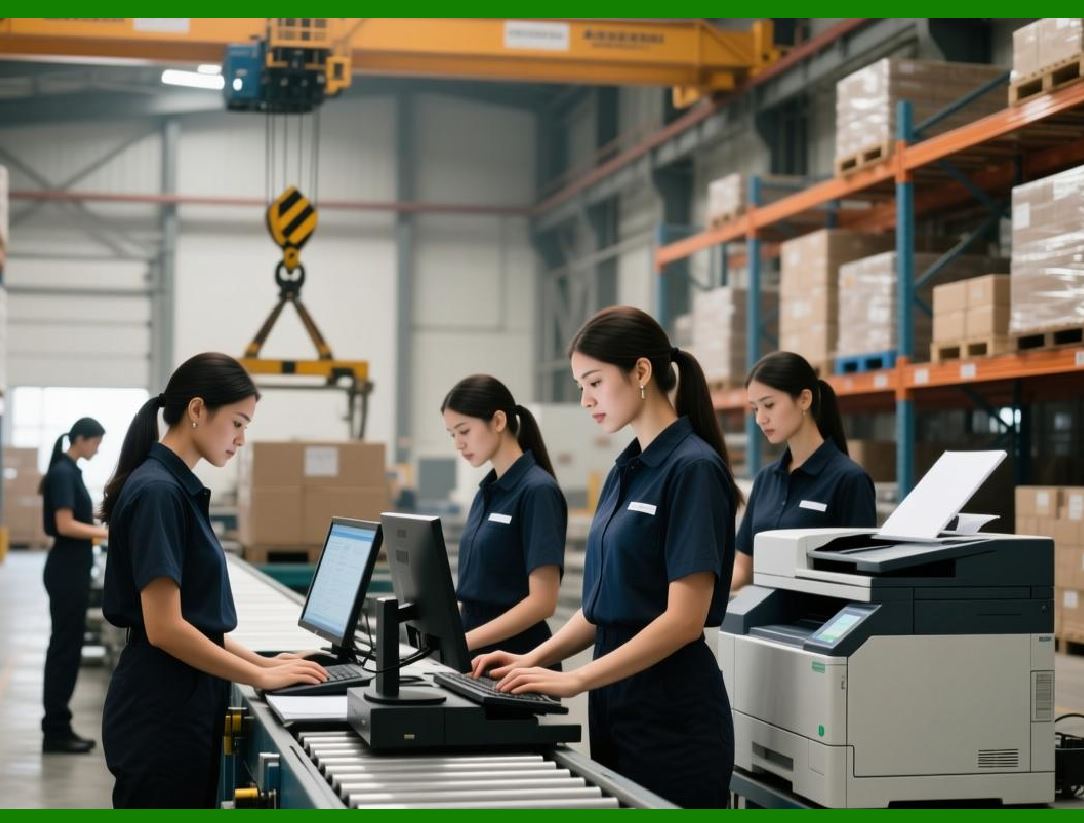
A modern warehouse is a river of goods. Trucks arrive. Pallets are unloaded. Boxes are moved to shelves. Orders are picked. Packages are packed. Trucks leave. Every step requires knowing what is where. Barcodes have been the backbone of this system for decades. A worker scans a barcode on a pallet. A worker scans a barcode on a shelf. A worker scans a barcode on a package. Each scan is a deliberate act. |
But consider the receiving dock. A truck arrives with a thousand boxes. With barcodes, a worker must open the truck, walk to each pallet, find the label, and scan it. If the pallet is wrapped in plastic, the worker may need to cut the wrap. If the label is facing the wrong way, the worker must turn the pallet. This can take an hour or more. With RFID, the worker can stand at the dock door and read every pallet as it is unloaded. The system confirms the shipment in minutes. |
Consider the picking process. A worker walks through the aisles, collecting items for an order. With barcodes, the worker scans each item to confirm it is correct. With RFID, the worker can push a cart through the aisle, and a reader on the cart can verify that the right items are being picked. The worker's hands are free. The speed increases. The errors decrease. |
Consider the shipping dock. A worker loads boxes onto a truck. With barcodes, each box must be scanned as it is loaded. With RFID, a reader at the dock door can record every box as it passes. The truck is loaded, and the manifest is already complete. |
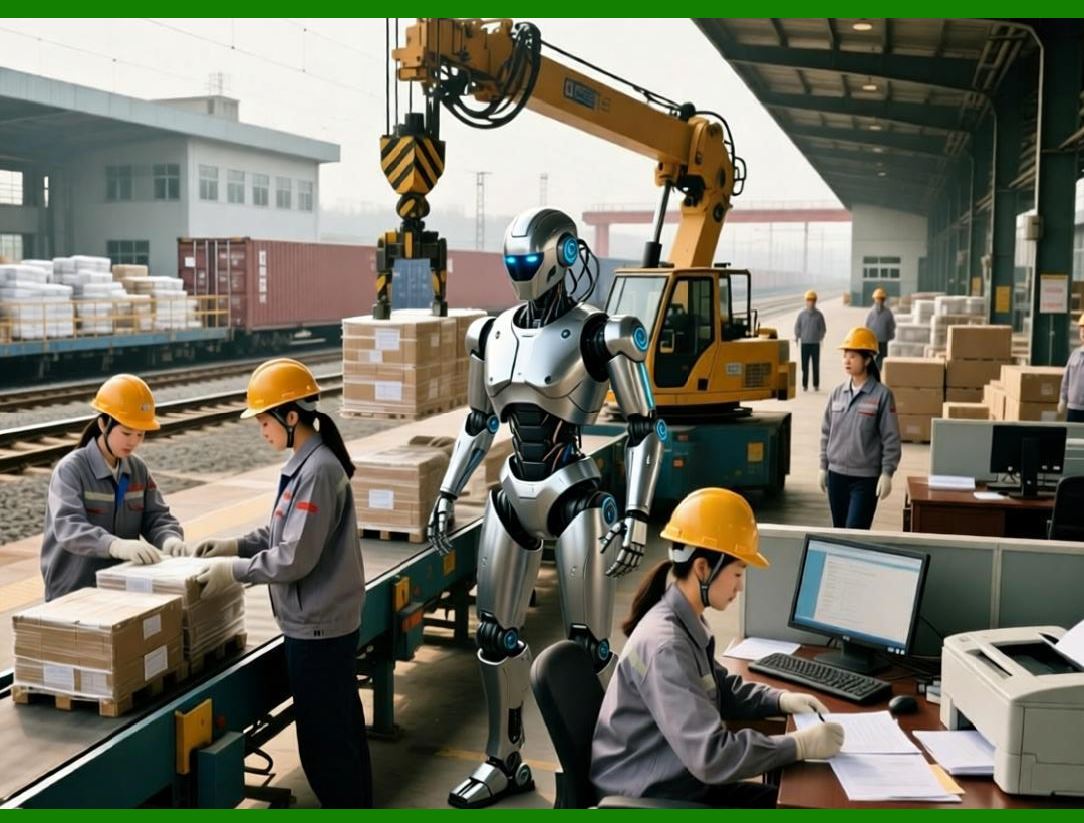
In all these cases, the read speed of RFID does not just save time. It changes the workflow. It moves the scan from a separate step to a background process. The worker's job becomes moving goods, not reading labels. The data is collected as a byproduct of the work, not as the work itself. |
This is why many large logistics companies have invested heavily in RFID. They are not just buying tags. They are buying the ability to see their entire network in real time. When a package is delayed, they know where it is. When a shipment is short, they know before it leaves the dock. When a customer asks for an update, they have an answer. |
|
Part Five: Manufacturing and Production |
Factories are another place where read speed matters. A factory floor is a controlled environment, but it is also a complex one. Raw materials arrive. They are transformed into components. Components are assembled into products. Products are tested, packaged, and shipped. At every step, the factory needs to know what is being made and where it is. |
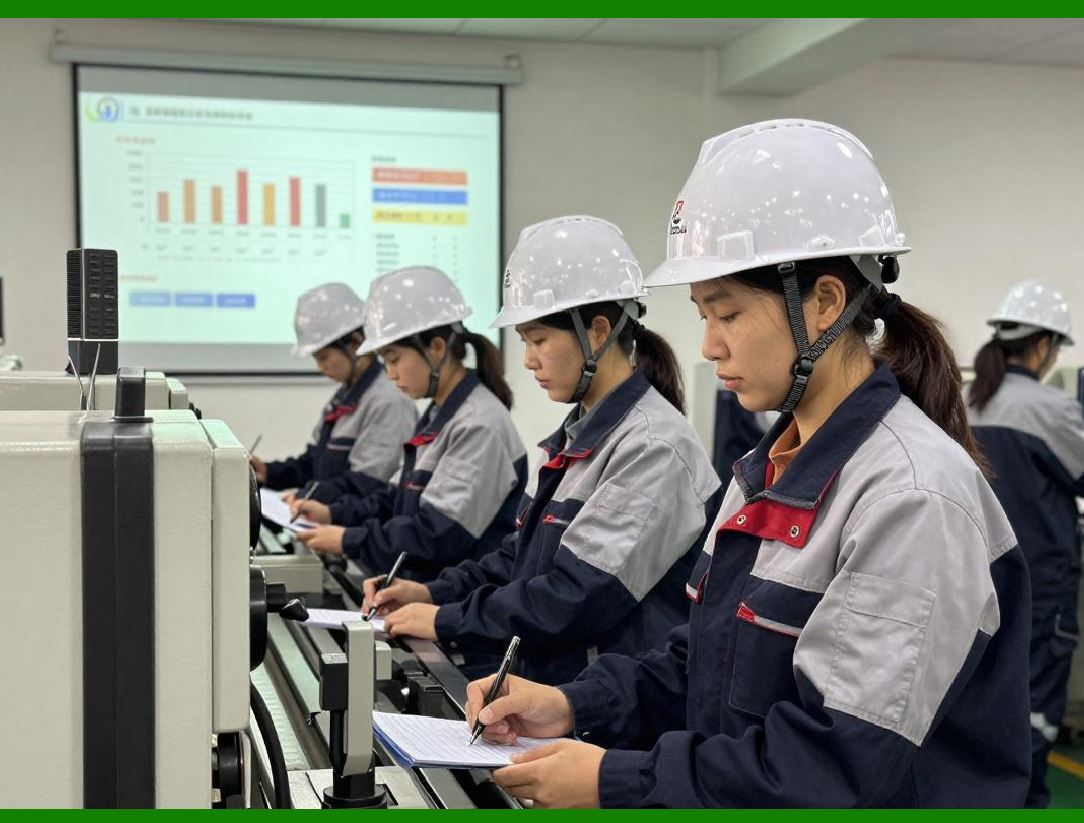
Barcodes are common in factories. A work order might have a barcode. A bin of parts might have a barcode. A finished product might have a barcode. But barcodes require a worker to stop and scan. In a high-speed production line, stopping is not an option. The line moves at a constant pace. If a worker cannot scan an item in time, the item moves on without being recorded. |
RFID solves this problem. Tags can be read automatically as items move past a fixed reader. A pallet of raw materials can be read as it enters the factory. A tray of components can be read as it moves down the line. A finished product can be read as it leaves the assembly area. No worker needs to stop. No line needs to slow down. |
Consider an automotive factory. A car body moves along a conveyor. Thousands of parts are added. Each part must be correct for that specific car. With barcodes, a worker might scan a part before installing it. With RFID, the part can be read automatically as it arrives at the station. The system confirms it is the right part for the right car. If it is wrong, the line can be stopped before the mistake is made. |
Consider a pharmaceutical factory. Medicines must be tracked with extreme care. A batch of pills must be traceable from the raw ingredients to the bottle. With barcodes, each step requires a scan. With RFID, the entire batch can be read at once. The speed of reading makes it possible to track more data, more often, without slowing down production. |
In manufacturing, read speed is not just about labor cost. It is about quality. The faster you can read, the more often you can check. The more often you check, the fewer defects escape. The fewer defects escape, the better the product. |

|
Part Six: Healthcare and Hospitals |
Hospitals are a world of high stakes and high complexity. Every patient, every medication, every instrument, every sample must be tracked. A mistake can be fatal. The read speed of identification technology can be a matter of life and death. |
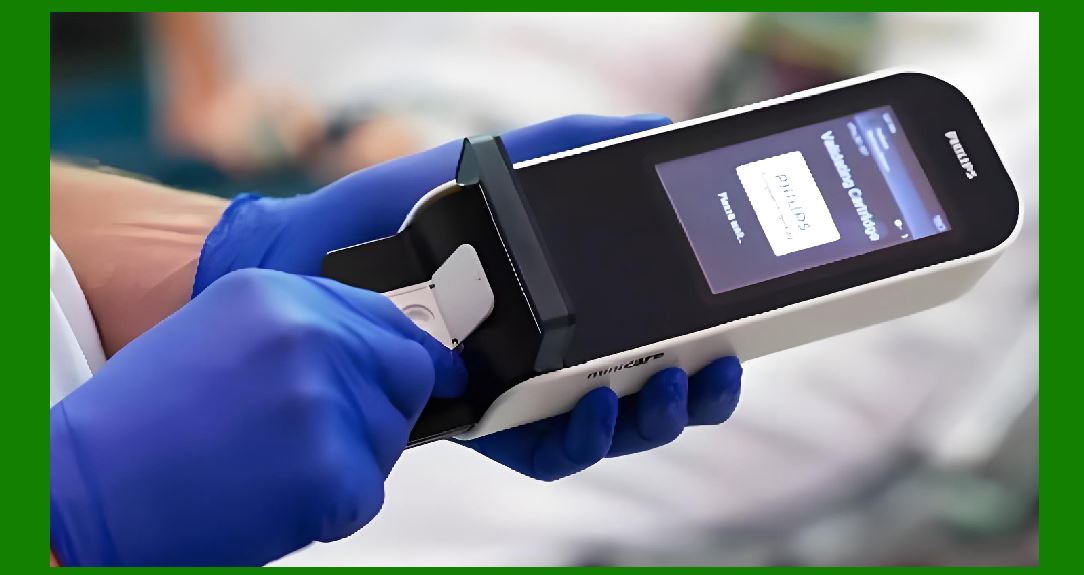
Barcodes are widely used in hospitals. A patient wears a wristband with a barcode. A nurse scans it before giving medication. A blood sample has a barcode. A lab technician scans it before testing. A surgical instrument has a barcode. A nurse scans it before surgery. These scans are deliberate. They are checkpoints. They are designed to be one-at-a-time because one-at-a-time is safe. |
But consider the operating room. A surgery requires hundreds of instruments. They are arranged on trays. Before surgery, the instruments must be sterilized and counted. After surgery, they must be counted again to ensure none are left inside the patient. With barcodes, each instrument must be handled and scanned. This takes time. It also creates a risk of error if a scan is missed. |
With RFID, the entire tray can be read at once. A reader can verify that all instruments are present before surgery. After surgery, the tray can be read again to confirm that none are missing. The count is faster, and it is more complete. The nurse does not have to find each barcode. The system reads them all. |
Consider the pharmacy. A hospital pharmacy prepares thousands of doses a day. Each dose must be labeled and tracked. With barcodes, each dose is scanned as it is prepared and as it is dispensed. With RFID, a bin of doses can be read at once. The pharmacist can verify the entire order in seconds. The speed reduces the chance of a mix-up. |
Consider the blood bank. Blood bags must be tracked from donor to recipient. With barcodes, each bag is scanned at each step. With RFID, a refrigerator full of blood bags can be inventoried in seconds. The staff knows exactly what is available, and they know it without opening the door and disturbing the temperature. |
In healthcare, read speed is not about convenience. It is about safety. The faster you can verify, the more often you can verify. The more often you verify, the fewer errors reach the patient. |

|
Part Seven: Agriculture and Livestock |
Farms are another place where read speed makes a difference. A farm is a business, and like any business, it needs to track its assets. But a farm is also a physical place, often large and spread out. The animals move. The crops grow. The equipment travels. Tracking anything requires technology that can keep up. |
Barcodes are used in agriculture, but they have limits. A barcode on a cow's ear tag can be scanned, but the cow must be still. A barcode on a crate of fruit can be scanned, but the crate must be accessible. A barcode on a tractor part can be scanned, but the part must be found. |
RFID is a better fit for many farm tasks. A cow with an RFID ear tag can be read as it walks through a gate. A herd of cattle can be counted in minutes. A crate of fruit with an RFID tag can be read as it moves along a conveyor. A tractor with an RFID tag can be tracked as it moves around the farm. |
Consider a dairy farm. Each cow has an RFID tag. When the cow enters the milking parlor, the reader identifies it. The system records how much milk the cow produces. If the cow is sick, the system can alert the farmer. If the cow is due for a checkup, the system can remind the farmer. The cow does not need to be stopped or scanned. The data is collected automatically. |
Consider a beef farm. Cattle are raised in large pastures. When it is time to move them, the farmer needs to count them. With barcodes, this means rounding them up and scanning each one. With RFID, the farmer can set up a reader at a gate and count them as they pass. The count is faster, and it is less stressful for the animals. |
Consider a produce farm. Apples are picked and packed into bins. Each bin has a barcode. A worker must scan each bin as it is loaded onto a truck. With RFID, a reader at the loading dock can read every bin at once. The truck is loaded, and the inventory is complete. |
In agriculture, read speed is about efficiency and animal welfare. The faster you can count, the less time the animals spend in chutes and pens. The faster you can track, the better you can manage feed, health, and breeding. |
|
Part Eight: Libraries and Archives |
Libraries were among the first institutions to adopt RFID, and for good reason. A library is a collection of thousands or millions of items. Each item must be tracked. Each item must be checked out and checked in. Each item must be shelved in the right place. The read speed of barcodes makes this a labor-intensive process. |
Consider a library return desk. A patron returns a stack of books. With barcodes, the librarian must open each book, find the barcode, and scan it. This takes a few seconds per book. If the library is busy, the line can be long. With RFID, the patron can place the entire stack on a reader. The system reads all the books at once. The return is complete in seconds. |
Consider shelf reading. A librarian walks through the stacks, checking that books are in the right order. With barcodes, this means pulling each book off the shelf and scanning it. With RFID, the librarian can walk down the aisle with a handheld reader. The reader can tell if a book is out of place. The librarian does not need to touch the books. |
Consider inventory. A library with a million books might do an inventory once every few years. It takes weeks of labor. With RFID, a team can inventory the entire collection in days. Some libraries do it annually. The result is a more accurate catalog and a better experience for patrons. |
In libraries, read speed is about access. The faster you can check in and check out, the more time you have to help patrons. The faster you can inventory, the more likely it is that the book a patron wants is on the shelf. |
|
Part Nine: Airports and Baggage Handling |
Airports are a study in read speed. A single airport can handle tens of thousands of bags a day. Each bag must be sorted, tracked, and loaded onto the right plane. A mistake can mean a delayed flight, a lost bag, or a security risk. |
Barcodes have been used for baggage for decades. A bag tag has a barcode. A scanner reads it as the bag moves along the conveyor. But barcodes have a problem in this environment. The bag must be oriented so the barcode faces the scanner. If the bag is upside down or sideways, the scan fails. If the barcode is damaged, the scan fails. If the bag is moving too fast, the scan fails. The result is a significant number of manual interventions. |
RFID solves this problem. An RFID tag can be read regardless of orientation. It can be read at high speed. It can be read even if it is inside a container or under other bags. A reader at a chokepoint can read every bag that passes. The system knows exactly where each bag is. |
Consider a connecting flight. A passenger arrives at a hub and needs to make a tight connection. The bag must move from one plane to another. With barcodes, the bag might be scanned at several points, but the data may not be real-time. With RFID, the bag can be tracked continuously. If it is delayed, the airline knows before the passenger does. |
Consider a security check. A bag is flagged for additional screening. With barcodes, the bag must be found manually. With RFID, the system can locate the bag immediately. The security process is faster, and the passenger experience is better. |
In airports, read speed is about reliability. The faster you can read, the more bags you can track. The more bags you track, the fewer bags are lost. |

|
Part Ten: Construction and Asset Tracking |
Construction sites are chaotic. Materials arrive and are stored in different places. Tools are used by different crews. Equipment is moved from site to site. Keeping track of everything is a challenge. |
Barcodes are used on some materials, but they are not practical for everything. A barcode on a pipe might be covered in mud. A barcode on a tool might be worn off. A barcode on a piece of equipment might be in a hard-to-reach place. And scanning each item one at a time is slow. |
RFID is a better fit for many construction tasks. A tag can be attached to a tool. A reader at the site entrance can record when the tool arrives and when it leaves. A tag can be attached to a piece of equipment. A reader can track its location around the site. A tag can be attached to a pallet of materials. A reader can inventory the pallet without opening it. |
Consider a large project with thousands of tools. With barcodes, a worker might spend hours checking tools in and out. With RFID, the worker can walk past a reader and the system records everything. The tool crib becomes self-service. The workers spend more time building and less time logging. |
Consider a rental company. Equipment is rented to different contractors. With barcodes, each piece must be scanned at pickup and return. With RFID, a reader at the gate can record every piece as it leaves and returns. The rental company knows exactly what is on rent and what is available. |
In construction, read speed is about accountability. The faster you can track, the less likely it is that tools are lost. The less likely it is that materials are wasted. The more likely it is that the project stays on schedule. |
|
Part Eleven: The Limits of Speed |
It is tempting to think that faster is always better. But read speed has limits, and those limits matter. |
The first limit is physics. Radio waves behave in certain ways. They can be blocked by metal. They can be absorbed by water. They can reflect off surfaces. They can interfere with each other. In a dense environment, like a pallet of canned goods, RFID reads can be unreliable. The speed of reading many tags at once can be slowed by collisions. The system must sort out which tag said what. |
The second limit is cost. An RFID tag costs more than a printed barcode. For a low-value item, the cost of the tag may be too high. For a high-value item, the cost is easily justified. The decision is not just about read speed. It is about the value of the data. |
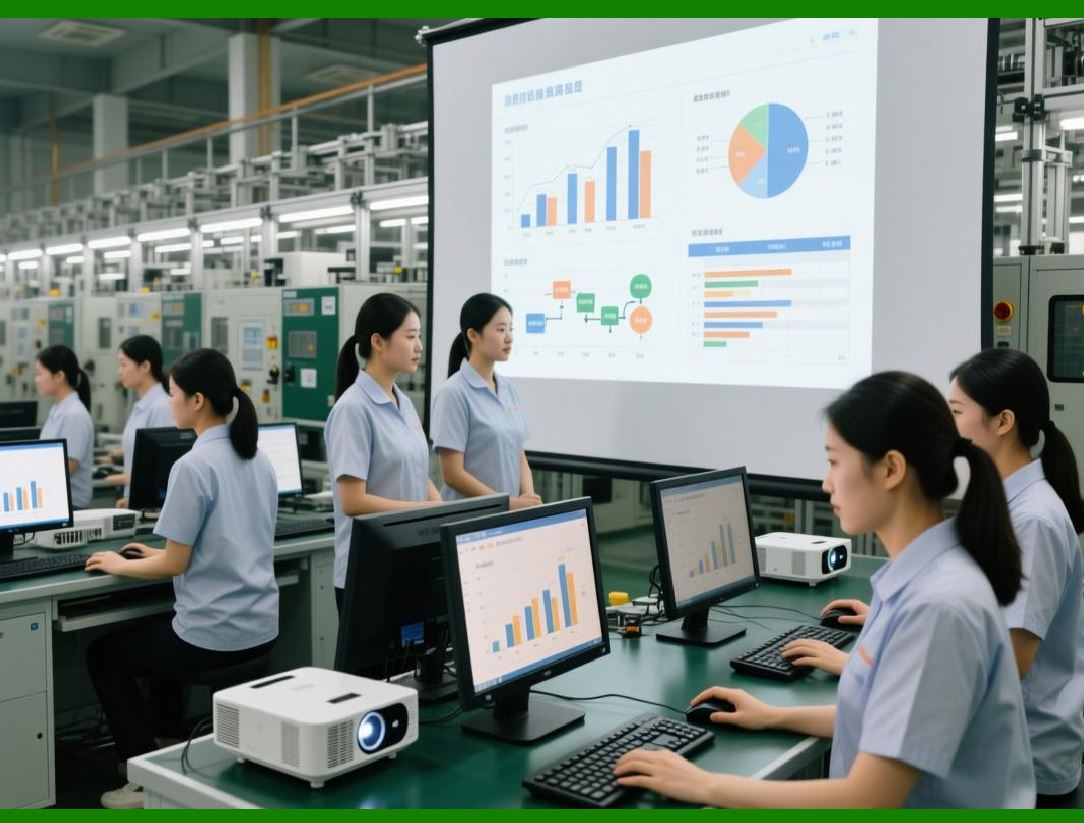
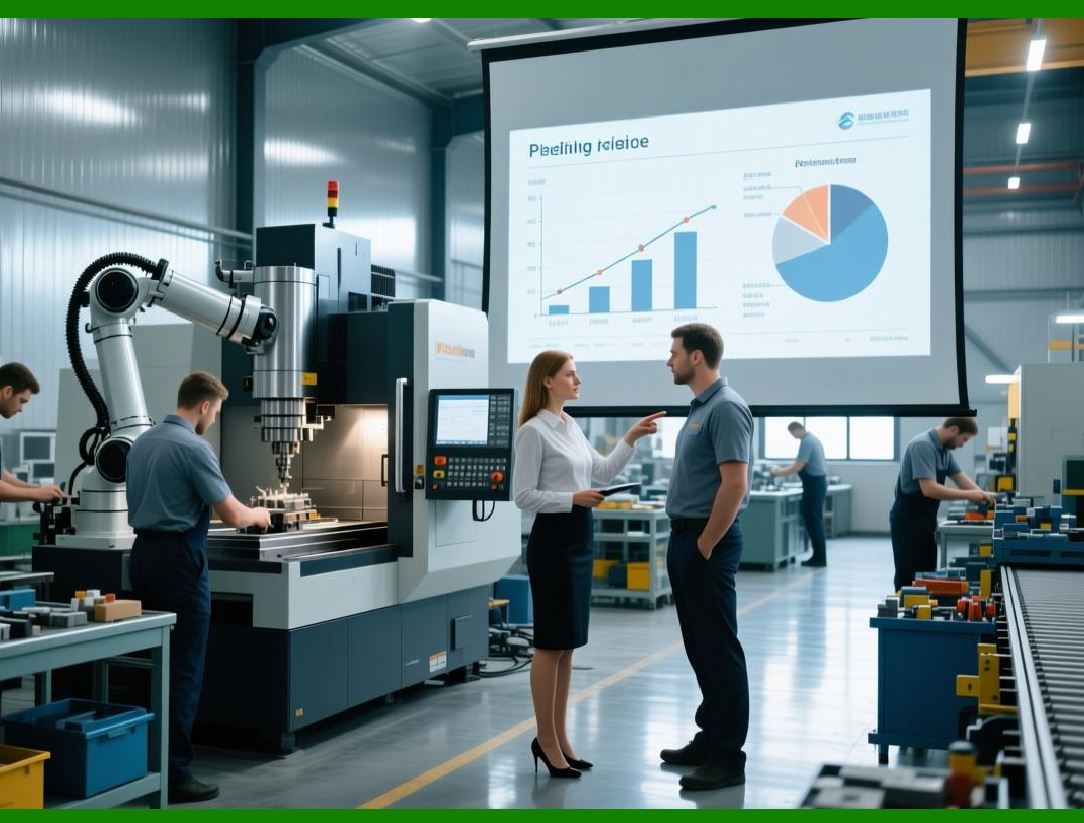
The third limit is data. Reading hundreds of tags per second produces a lot of data. That data must be stored, processed, and acted upon. If the systems behind the reader cannot handle the volume, the speed is wasted. The read speed of RFID is only useful if the software can keep up. |
The fourth limit is human. Even with RFID, people must design the process. They must decide where to place readers. They must decide what to do when a tag is not read. They must decide how to handle exceptions. The technology is fast, but the organization must be ready for it. |
These limits do not diminish the value of RFID. They simply mean that read speed is one factor among many. The right technology is the one that fits the job. |
|
Part Twelve: The Future of Read Speed |
What comes nextThe trend is toward more speed, more automation, and more integration. |
One direction is the combination of RFID with other sensors. A tag can report not just its identity, but also its temperature, its movement, or its condition. A reader can collect not just the ID, but also the state of the item. This turns a simple identification system into a monitoring system. |
Another direction is the use of drones and robots. A drone can fly through a warehouse and read RFID tags on shelves. A robot can move through a store and read tags on clothing. These systems can operate at night, when the store is closed. They can read thousands of tags in a short time. They can build a map of the physical world without human effort. |
Another direction is the integration of RFID with computer vision. A camera can see a barcode. A reader can read an RFID tag. Together, they can provide a more complete picture. If one fails, the other can compensate. This is called sensor fusion, and it is already being used in some advanced systems. |
Another direction is the use of blockchain or distributed ledgers. When every item has a unique ID and every read is recorded, the data can be used to prove provenance. A customer can scan a tag and see where a product came from. A regulator can audit a supply chain. The speed of reading makes it possible to collect the data. The ledger makes it possible to trust it. |
The future of read speed is not just about reading faster. It is about reading more often, in more places, with more context. It is about turning the physical world into a data stream that can be analyzed and acted upon. |

|
Part Thirteen: Choosing the Right Tool |
So how do you choose between barcodes and RFIDThe answer depends on the job. |
If you need to read one item at a time, and the item is easy to access, a barcode is often the best choice. It is cheap, simple, and reliable. If you need to read many items at once, or the items are hard to access, RFID is often the best choice. It is faster, more automatic, and more complete. |
But the choice is not always either-or. Many systems use both. A warehouse might use barcodes on individual items and RFID on pallets. A hospital might use barcodes on patient wristbands and RFID on surgical trays. A store might use barcodes at the point of sale and RFID for inventory. The two technologies complement each other. |
The key is to understand the read speed requirement. How many items do you need to readHow oftenHow quicklyHow much labor are you willing to spendHow much accuracy do you needThe answers to these questions will point you to the right technology. |
|
Detailed Summary |
This chapter began with a simple contrast: a barcode takes one to two seconds per scan, while an RFID reader can scan more than two hundred tags per second. That difference in read speed is not just a technical specification. It is a design parameter that shapes entire industries. |
We saw that the barcode created a one-at-a-time world. In that world, every item must be seen, oriented, and scanned. This is slow, but it is also deliberate and safe. It is the right choice when the goal is to read a single item with high confidence, such as a patient wristband or a single product at checkout. |
We saw that RFID created a many-at-once world. In that world, items can be read in bulk, without line of sight, without human intervention. This is fast, but it also requires careful design. It is the right choice when the goal is to read many items quickly, such as a pallet of goods or a herd of cattle. |
We then toured many industries. In retail, RFID speeds up checkout and makes inventory accurate. In warehousing and logistics, RFID turns scanning from a separate step into a background process. In manufacturing, RFID enables automatic verification on high-speed lines. In healthcare, RFID improves safety by allowing more frequent checks. In agriculture, RFID makes it easier to track animals and produce. In libraries, RFID speeds up check-in and inventory. In airports, RFID makes baggage handling more reliable. In construction, RFID improves accountability for tools and materials. |
We also looked at the limits of read speed. Physics, cost, data volume, and human factors all play a role. Faster is not always better. The right technology is the one that fits the job. |
Finally, we looked to the future. The trend is toward more speed, more automation, and more integration. RFID is being combined with sensors, drones, robots, computer vision, and distributed ledgers. The goal is not just to read faster, but to read more often, in more places, with more context. |
The silent network of barcodes and RFID is not just a collection of technologies. It is a map of the physical world. The speed at which we can read that map determines what we can do with it. A barcode reads one point at a time. RFID reads many points at once. Together, they give us a picture of the world that is both detailed and dynamic. The read speed is the difference between a snapshot and a movie. And in a world that is always moving, the movie is what we need. |
 cs@easiersoft.com