Chapter 3: The Three Components of RFID |
Summary Overview |
Every RFID system, regardless of its application or complexity, is built upon three fundamental pillars: the tag, the reader, and the backend database. The tag is the physical object attached to an item, carrying its unique digital identity. The reader is the device that powers and communicates with these tags wirelessly. The backend database is the intelligent brain that transforms raw readings into actionable information. This chapter explores each component in detail, illustrating through real-world examples how they work together to bridge the physical and digital worlds---from the clothes we buy to the cars we drive and the libraries we visit. |
|
1. Introduction: The Silent Conversation |
To an observer, an RFID system appears to be performing magic. A worker walks through a warehouse with a handheld device, and in moments, thousands of items are accounted for. A shopper places a basket of goods on a counter, and the total appears instantly without a single barcode being scanned. A car approaches a toll gate, and the barrier rises without the driver stopping or handing over cash. |
What the observer cannot see is the silent conversation taking place---a rapid exchange of radio waves, data packets, and database queries that happens in fractions of a second. This conversation involves precisely three participants, each playing a distinct and indispensable role. Understanding these three components is the key to understanding how RFID maps the physical world. |

|
2. The Tag: The Item's Digital Voice |
2.1 What Is a Tag |
The tag, also known as a transponder, is the component that lives on the item itself. It is the physical embodiment of digital identity. Think of it as a sophisticated electronic license plate that can not only display a number but also store a wealth of additional information and respond to queries . |
Every RFID tag consists of two essential parts: a microchip that stores information and performs basic computational tasks, and an antenna that enables wireless communication with readers . The chip is where the magic of data storage happens. It contains a unique serial number that identifies the specific item, and depending on the tag type, may also hold product details, manufacturing dates, batch numbers, or even maintenance history. |
The antenna is equally critical. In passive tags, it serves a dual purpose: it captures energy from the reader's signal to power the chip, and it transmits data back to the reader through a process called backscatter modulation . This elegant design allows passive tags to operate without batteries, drawing all the energy they need from the reader's interrogation signal. |
|
2.2 Types of Tags: Active, Passive, and Semi-Passive |
RFID tags are broadly categorized by how they obtain power for their operations. |
Passive tags are the most common and cost-effective variety. They contain no internal battery and remain dormant until they enter a reader's field. When the reader emits radio waves, the tag's antenna harvests a small amount of energy from this signal, enough to power the chip momentarily. The chip then uses this energy to transmit its stored data back to the reader . This is why passive tags have a relatively short read range, typically up to about ten meters. However, their low cost---often pennies per unit---makes them ideal for high-volume applications like retail inventory management and supply chain tracking. |
Active tags, in contrast, carry their own battery power source. This allows them to broadcast their signals more powerfully and over much greater distances, sometimes reaching hundreds of meters . They can initiate communication without waiting for a reader to activate them, making them suitable for tracking high-value assets across large areas. The trade-off is higher cost, larger size, and a finite battery life. Active tags are often used in container tracking at shipping ports, vehicle tracking in fleet management, and monitoring equipment in hospitals. |
Semi-passive tags sit between these two extremes. They contain a battery to power the chip but still rely on the reader's signal for communication. The battery allows them to support more powerful processing and sensors while maintaining a reasonable cost . These tags are increasingly used in environmental monitoring, where they might record temperature or humidity data during shipment and transmit it when interrogated. |
|
2.3 Tag Classification by Frequency |
The frequency at which a tag operates determines many of its characteristics, including read range, data transfer speed, and behavior around different materials. |
Low-frequency tags, operating around 125 kHz or 134.2 kHz, are the oldest and most established technology. They have short read ranges of only a few centimeters and relatively slow data transfer rates. However, they excel at penetrating water and metal surfaces, making them ideal for applications like animal tracking and access control. The small pet microchip implanted under your dog's skin is a low-frequency RFID tag . |
High-frequency tags operate at 13.56 MHz and are widely used in applications requiring moderate data transfer rates and ranges up to about one meter. Common applications include contactless payment cards, library books, and employee ID badges. The near-field communication technology found in many smartphones operates in this frequency range . |
Ultra-high-frequency tags, typically operating at 860-960 MHz, offer the best combination of range and data transfer speed for most commercial applications. They can be read from up to ten meters away and can handle multiple tags simultaneously, making them the backbone of modern supply chain and retail inventory systems . When you see a worker scanning a pallet of goods from several feet away, they are almost certainly using UHF tags. |

|
2.4 Tag Functionality: Read-Only, Read-Write, and Secure Tags |
Beyond power source and frequency, tags also differ in their functional capabilities. |
Read-only tags are programmed during manufacturing with a unique serial number that cannot be changed. They serve as simple identifiers and are the most inexpensive option . These are suitable for applications where the item's identity is fixed and permanent. |
Read-write tags offer greater flexibility. Information can be stored, modified, or appended over time . A tag on a shipped package might initially carry only a destination address, then be updated with arrival timestamps, handling notes, and delivery confirmation as it moves through the supply chain. This ability to evolve with the item's journey makes read-write tags extremely powerful. |
Tags with password protection add a layer of security . They restrict read or write access to authorized users only. This is crucial in applications like pharmaceutical tracking, where preventing counterfeiting and ensuring data integrity are paramount. It also protects sensitive information in applications like passport and national ID systems. |
|
3. The Reader: The Interrogator and Bridge |
3.1 What Is a Reader |
If the tag is the item's voice, the reader is the ear that listens and the mouth that asks questions. Also called an interrogator, the reader is the device that communicates with tags wirelessly, powers them (in the case of passive tags), and collects data from them . |
A reader has three primary responsibilities. First, it generates a radio frequency field that activates tags within its range. Second, it receives and decodes the signals transmitted back from the tags. Third, it interfaces with the backend system, forwarding collected data and receiving commands and information to write to tags . |

|
3.2 Fixed Readers and Their Applications |
Fixed readers are permanently installed in specific locations. They are typically connected to power and network infrastructure, allowing them to operate continuously and communicate directly with backend systems . |
These are the backbone of automated tracking systems. In distribution centers, fixed readers are mounted at dock doors to automatically record every pallet moving in or out. They are positioned along conveyor belts to sort packages automatically. In retail environments, they are embedded in checkout counters to instantly identify all items placed on them . |
Fixed readers often have multiple antenna ports, allowing them to cover large or oddly shaped areas. A single reader might be connected to four or eight antennas placed at different positions around a warehouse bay, creating a zone of coverage through which tagged items pass and are automatically counted . |

|
3.3 Portable Readers: Handheld and Mobile |
Portable readers are the workhorses of inventory management and field operations. They offer the flexibility to bring the reading capability to the items rather than bringing items to a fixed reader. |
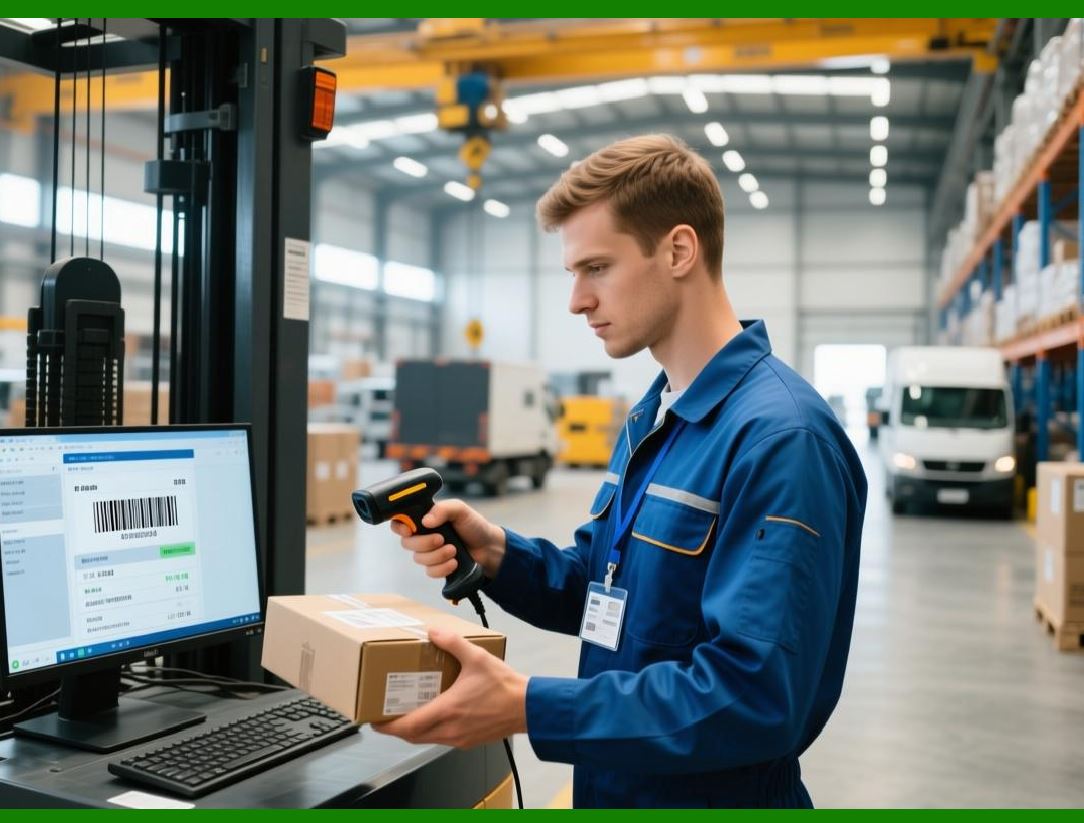
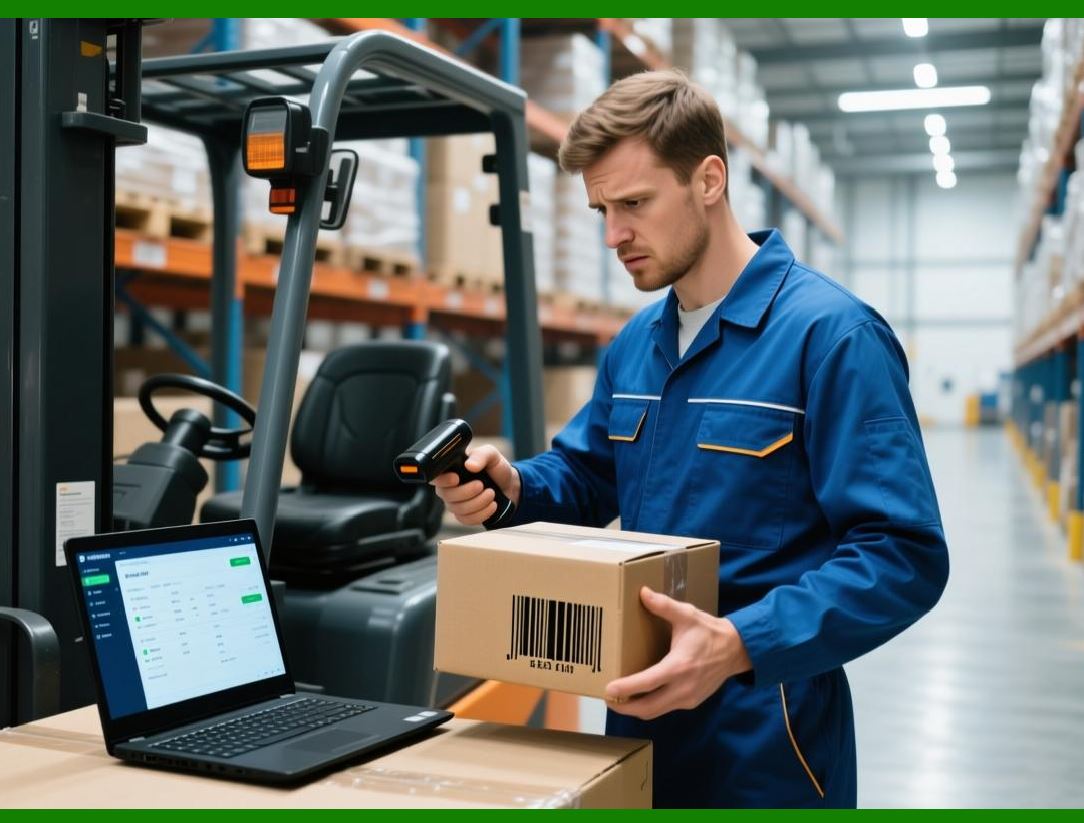
Handheld readers are purpose-built devices that look somewhat like ruggedized barcode scanners. They contain an integrated antenna and a small computing unit with a screen and keypad or touchscreen . Workers carry them through warehouses, retail floors, or storage areas, waving them near shelves to quickly capture counts of all tagged items. A medium-sized clothing store that once took two days to complete a full inventory can now accomplish the same task in thirty minutes using a handheld RFID reader with near-perfect accuracy . |
Mobile readers are an increasingly popular variant where the RFID reading capability is attached to a smartphone or tablet via a sled or case . This leverages the existing computing power of mobile devices and simplifies field operations where workers already carry phones for other purposes. |
Portable readers are critical in settings where fixed readers cannot be deployed, such as in remote warehouses, rental car lots where vehicles need to be checked in, or retail stores where inventory accuracy is a daily requirement. |

|
3.4 Reader-Tag Communication: How They Talk |
The conversation between reader and tag follows specific protocols defined by the frequency band and application requirements. |
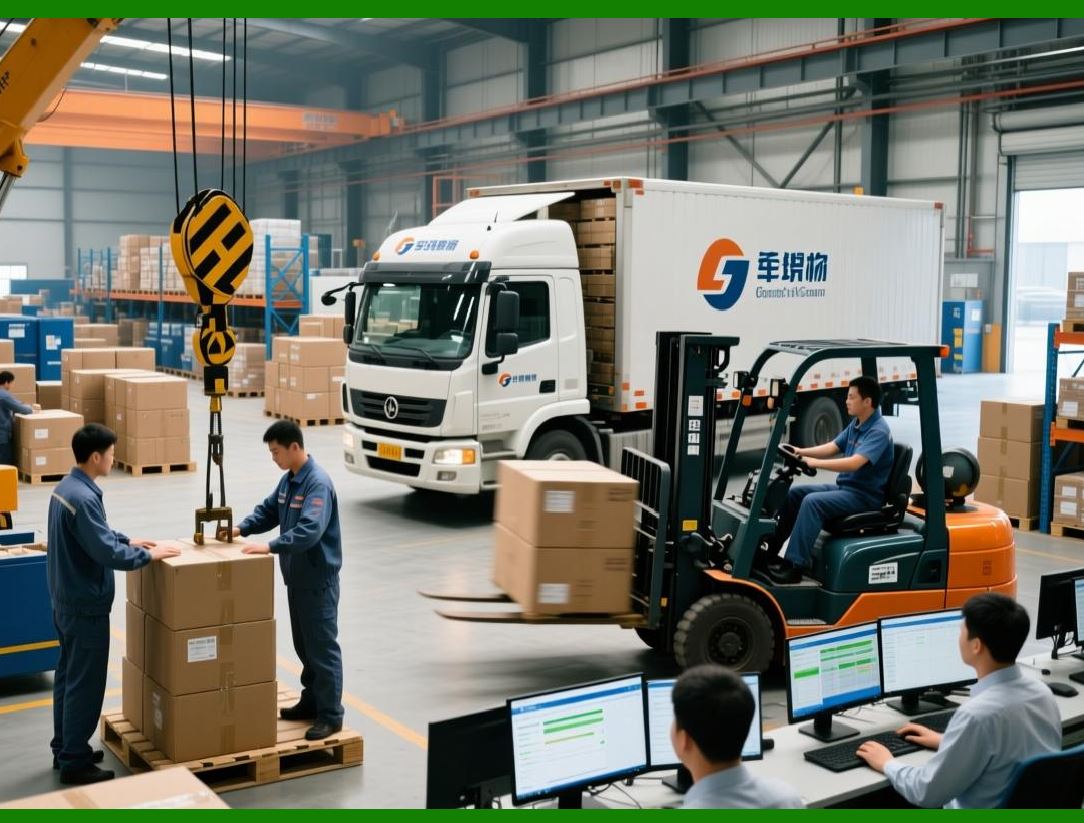
In most systems, the reader initiates the conversation, a mode called 'reader talks first' or RTF . The reader emits a continuous signal. When a tag enters the field, it harvests energy and becomes active. The reader then sends a command instructing the tag to transmit its data, and the tag responds by modulating its antenna's reflectivity, a process called backscatter, to send its information back. |
In contrast, 'tag talks first' or TTF systems allow tags to broadcast their presence without waiting for a specific command . This mode is useful in applications where readers need to know the presence of tags immediately without querying them one by one. Some active tags, particularly those in toll collection systems where cars move at highway speeds, use this approach to maximize the chance of being read quickly. |
|
4. The Backend Database: The System's Intelligence |
4.1 Beyond Data Collection |
The tag provides identification. The reader collects that identification. But neither alone creates a useful system. The third component---the backend database---is where data transforms into intelligence. Without the database, the reader simply collects meaningless strings of numbers from the tags. It is the database that gives these numbers context and meaning . |
The backend database is a sophisticated information system that maintains records for all tagged items. It stores the relationship between each tag's unique identifier and the real-world item it represents: what the item is, where it should go, what it costs, who owns it, and any other relevant attributes . |
4.2 Data Processing and Transformation |
When a reader reports that tag 'EPC123456789' was observed at loading dock B, the backend database interprets this event. It retrieves the record for that tag, notes that it corresponds to a specific shipment of a specific product, updates its status, records the timestamp and location, and may trigger automated actions---sending a notification, updating inventory counts, or generating an invoice . |
The database also handles complex tasks like managing write operations. When a reader is instructed to update a tag's data---adding a timestamp or a handling instruction---it is the backend system that authenticates the request and provides the information to be written . |
4.3 Analytics and Business Intelligence |
This is where the true power of RFID emerges. The backend database accumulates vast quantities of data over time: the movement patterns of millions of items, the time goods spend in specific locations, the frequency and patterns of inventory counts, and the correlation between RFID events and business outcomes. |
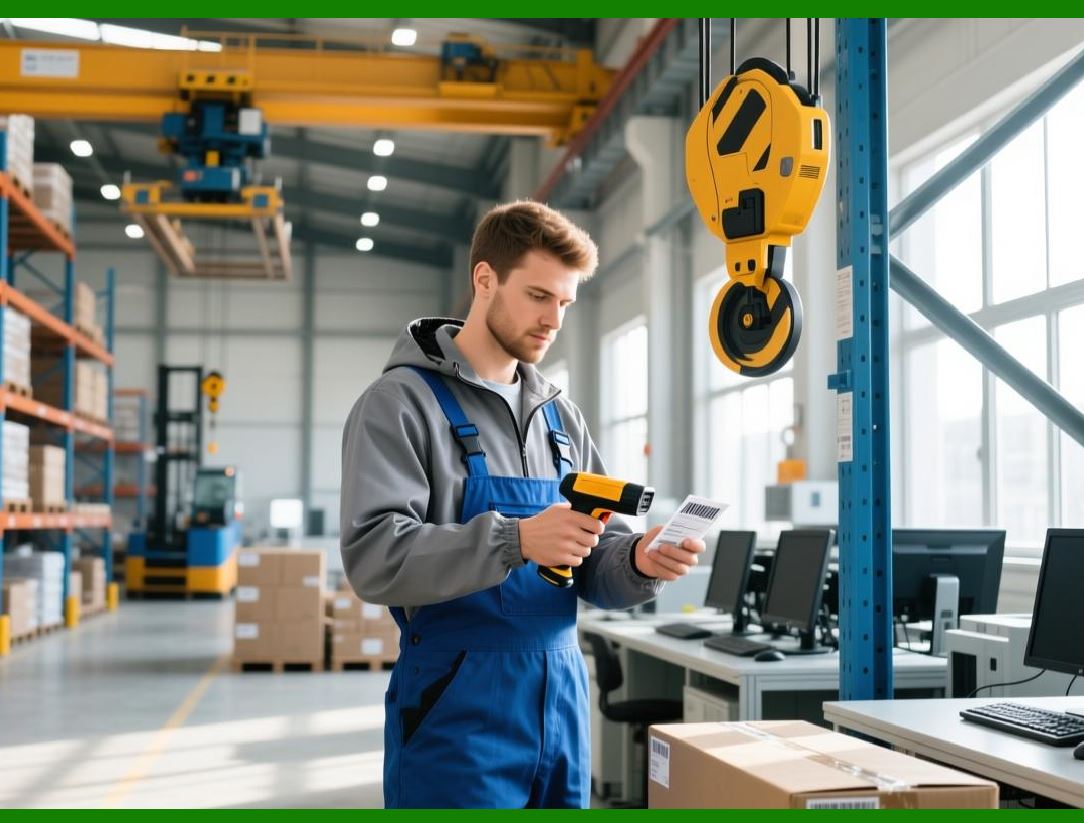
Analytics applied to this data can yield powerful insights. Retailers can detect that a particular style of shoe is moving slowly through specific stores, enabling dynamic pricing or targeted promotions. Logistics companies can identify bottlenecks in their operations where goods consistently slow down. Manufacturers can trace quality issues back to specific production batches . |
The database architecture typically includes application interfaces and middleware that allow these insights to be delivered to enterprise systems like inventory management, customer relationship management, and financial systems . As one technology provider explains, they offer 'a set of 'smart store services': from writing product information to tags, to store receiving, shelving, inventory, anti-theft, and checkout, the entire flow of data is automated' . |
|
5. Industry Applications: The Three Components at Work |
5.1 Retail and Apparel |
Nowhere is the synergy of the three RFID components more visible than in modern retail apparel. |
The Tag: Millions of small, low-cost passive UHF tags are manufactured and attached to individual garments. Each tag carries a unique identifier. Before the tags reach the store, they are encoded in the backend database with information about the garment: its style, size, color, price, and destination store. A single manufacturer might encode three billion tags annually, each becoming a 'unique digital identity document' for a single item . |
The Reader: At the distribution center, fixed readers on conveyor belts automatically verify that the correct items are being shipped to the correct stores. If a shipment contains an item destined for another location, the reader detects it and the system alerts workers. Handheld readers in stores allow employees to inventory thousands of items in minutes, compared to the days required for manual counting. At the point of sale, integrated readers instantly identify all items placed on the counter, processing transactions in seconds . |
The Backend Database: The database at a major retailer like ZARA or Uniqlo is the central nervous system. It tracks each item from production line to store shelf, through purchase, and potentially to returns. It maintains real-time inventory visibility across hundreds or thousands of locations. It enables 'end-to-end digital management of products from receiving to warehousing to shelving to inventory to checkout,' ensuring that what appears in the store's system matches the physical reality on the floor . |

|
5.2 Supply Chain and Logistics |
The supply chain industry exemplifies how RFID moves beyond simple identification to create a continuous, real-time picture of the physical world. |
The Tag: Tags are applied at the unit level to packages, at the case level to boxes, and at the pallet level to large shipping units. They are encoded with destination information, handling requirements, and tracking data. |
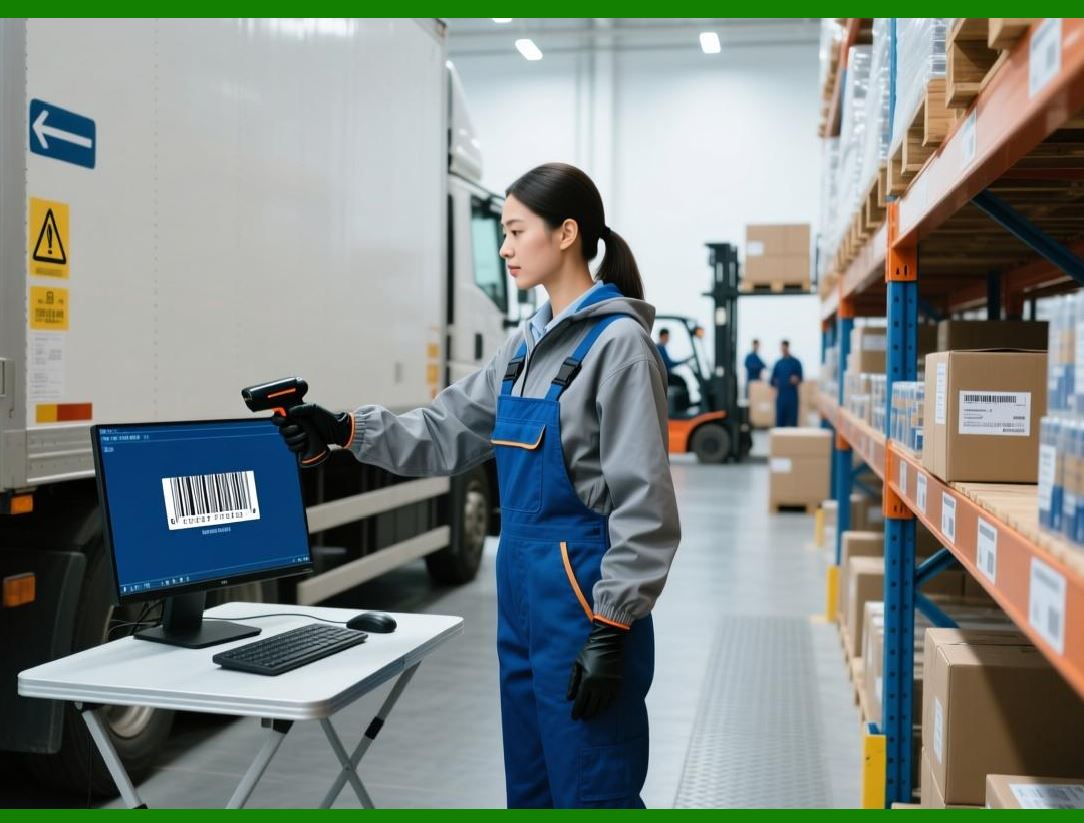
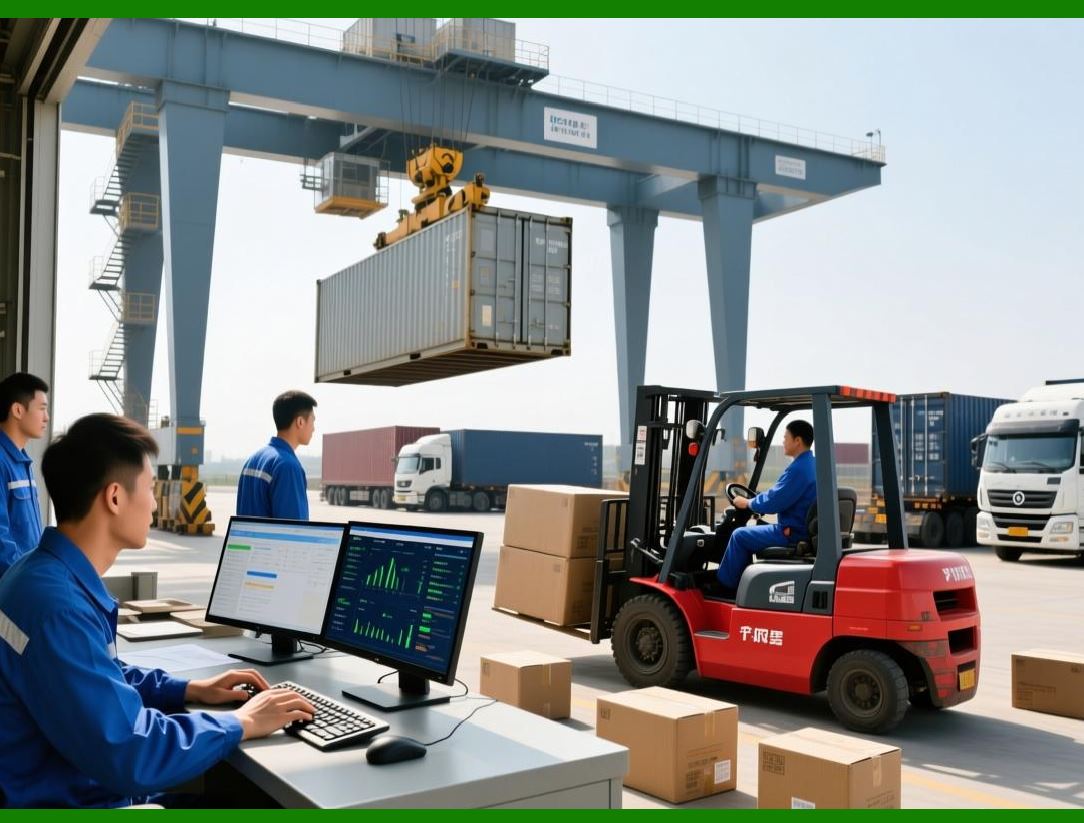
The Reader: Fixed readers are installed at every major transition point in the logistics network: receiving docks, sorting facilities, loading bays, and delivery points. Conveyor systems integrate RFID portals that read every tagged item passing through, automatically routing packages and updating their status. Warehouse robots equipped with readers can perform continuous inventory counts autonomously . One logistics solution provider has deployed 'RFID smart inventory robots' that can work 24 hours a day in large warehouses, equipped with smoke sensors for safety . |
The Backend Database: The logistics database tracks the journey of every item as it moves through the network. It automatically detects exceptions---items going to the wrong destination, shipments with missing items, or goods moving slower than expected. It provides real-time visibility to customers and shippers, enabling proactive exception management rather than reactive problem-solving. In Chinese domestic logistics, 'RFID channel machines' at factories and distribution centers ensure 'that product packing and shipping information is accurate, minimizing data deviations caused by human error' . |
|
5.3 Automotive Manufacturing |
The automotive industry has been among the earliest and most enthusiastic adopters of RFID, applying it across manufacturing, assembly, and after-sales service. |
The Tag: Passive, high-temperature-resistant tags are attached to car bodies as they move through the assembly line. These tags may be re-usable or single-use, depending on the application. In some cases, tags are integrated into critical components, allowing them to be tracked throughout the vehicle's life. Active tags are sometimes used for high-value assets like engines or transmissions. |
The Reader: Fixed readers are positioned at each station on the assembly line. As a car body passes, the reader identifies the specific chassis and the assembly system presents the correct parts for that vehicle---the right color dashboard, the right engine variant, the right options package. This ensures that highly customized vehicles are assembled correctly without manual verification. |
The Backend Database: The automotive database maintains a complete record of every vehicle through production. When a particular chassis passes a reader, the database immediately retrieves its exact specification and triggers the necessary equipment to perform the next assembly step. After production, the database records the final assembly of components for warranty and recall purposes, enabling precise traceability if a component defect is discovered. The back-end 'receives data from RFID readers and stores associated information, performing powerful analysis, computation, and storage' . |

|
5.4 Healthcare and Pharmaceuticals |
RFID in healthcare addresses critical needs: patient safety, counterfeit prevention, and inventory management of life-saving supplies. |
The Tag: Tags are applied to prescription medications, surgical instruments, blood bags, and patient wristbands. In pharmaceutical applications, tags often include password protection and encryption to prevent counterfeiting . The tags may also incorporate temperature sensors to ensure cold-chain integrity during transport . |
The Reader: Fixed readers at pharmacy dispensing stations verify the authenticity and correct dosage of medications before they are given to patients. At hospital receiving docks, readers automatically log incoming supplies, and at nursing stations, they track controlled substances. Readers in operating theaters verify that all instruments have been properly sterilized. |
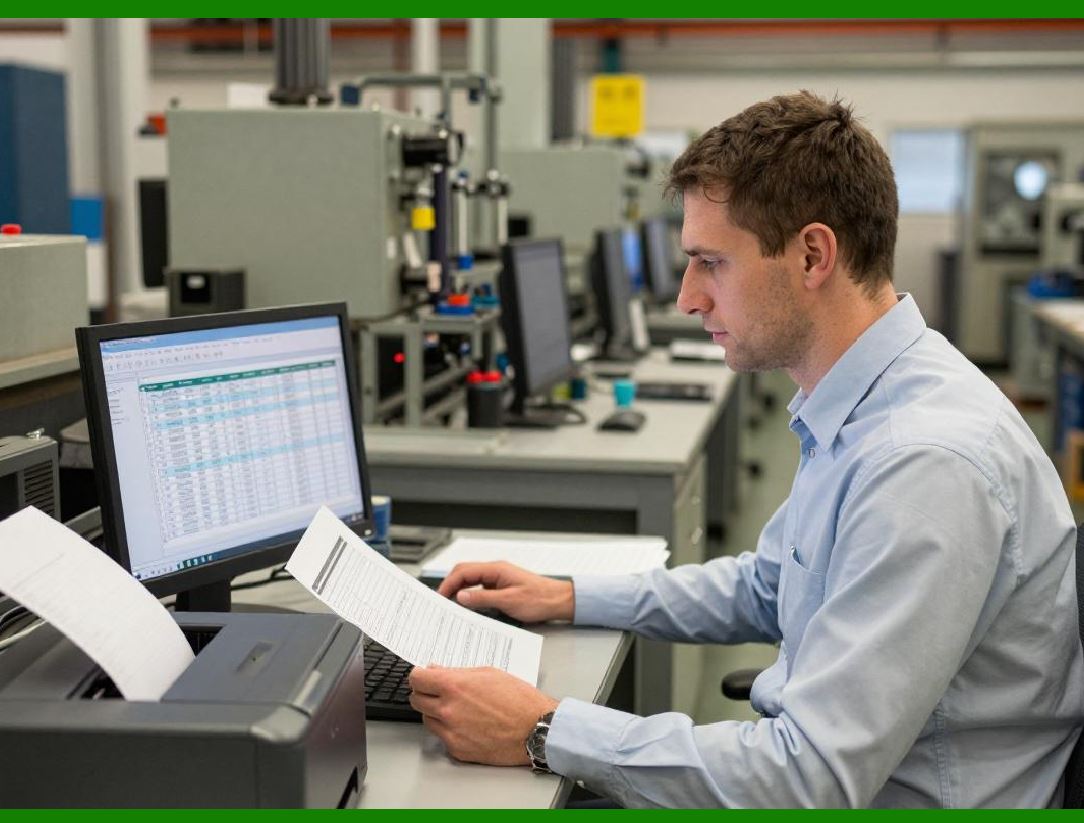
The Backend Database: The healthcare database maintains the identity and authenticity information for every tagged drug and the sterilization status of every instrument. When a nurse scans a patient's wristband and then scans a medication, the database validates that the drug is prescribed for that patient and that the dosage is correct. If an adverse reaction is reported, the database can trace the specific batch of medication and its entire journey through the supply chain. One Chinese manufacturer produces 'high-frequency and ultra-high-frequency radio frequency identification tags and hang tags applied widely in medical care, logistics, supply chain, and anti-counterfeiting identification' . |
|
5.5 Furniture and Home Goods |
RFID is increasingly finding its way into furniture manufacturing, where bulky items and complex supply chains benefit from automated tracking. |
The Tag: Tags are applied to raw materials like wood panels and upholstery fabric as they enter the factory. They are also attached to finished furniture pieces as they move through production and into the warehouse. In China, the furniture industry in Chengdu is actively exploring full-spectrum RFID applications, 'covering raw materials, production, warehousing, logistics, retail, after-sales, and other aspects' . |
The Reader: Fixed readers on factory floors track work-in-progress, identifying which pieces are at which stage of assembly. Handheld readers in warehouses verify inventory counts and locate specific items among hundreds of similar-looking sofas and chairs. |
The Backend Database: The database supports the complexity of custom furniture manufacturing, tracking individual customer orders from production planning to final installation. It enables what industry experts call 'a closed-loop digital management system, effectively helping companies reduce costs, increase efficiency, and enhance core competitiveness' . |

|
5.6 Libraries and Archives |
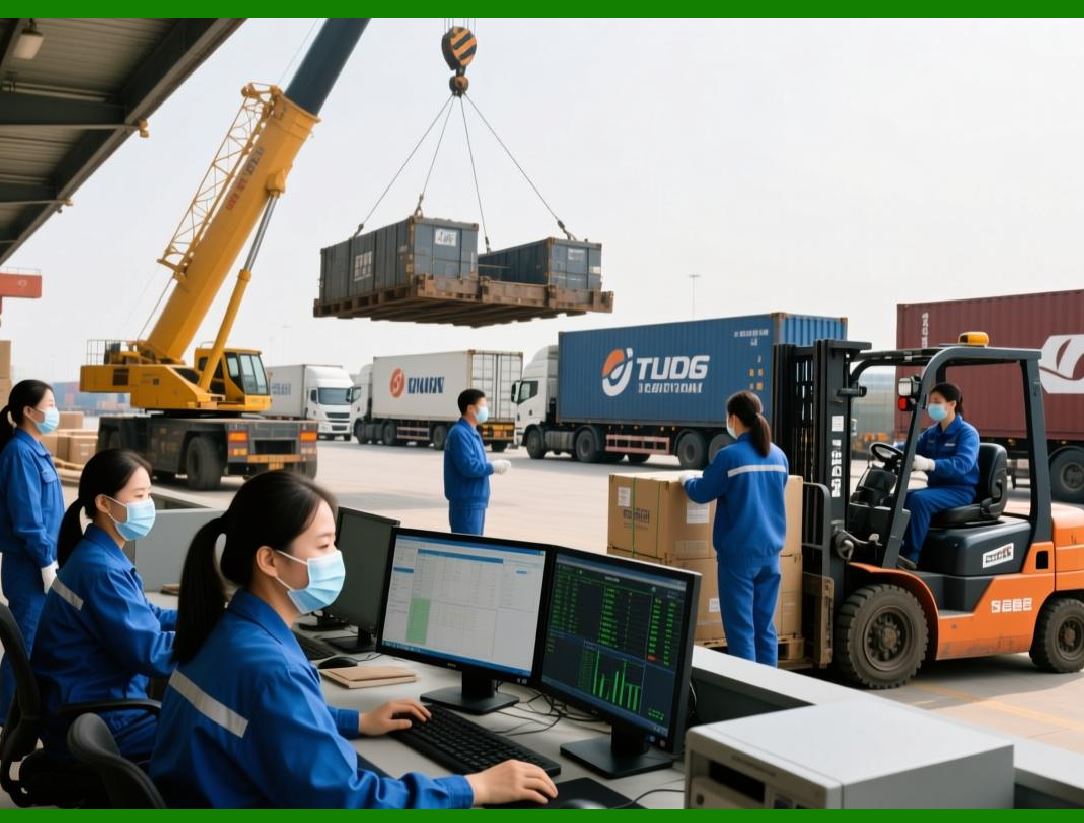
Libraries have been pioneers in adopting RFID for collection management, offering a compelling demonstration of the three-component architecture. |
The Tag: Invisible tags are embedded inside book covers. These thin, passive tags are designed not to interfere with reading or damage the books. |
The Reader: Self-checkout stations allow patrons to scan multiple books simultaneously, simply placing a stack on the reader surface and confirming checkout. Handheld readers enable librarians to conduct inventory counts without removing books from shelves. Security gates at exits have integrated readers that sound alarms if materials are being removed without proper checkout. |
The Backend Database: The library database maintains the catalog of all tagged books. When a book passes a reader, the database updates its status: checked out, available, in transit, or placed on hold. It enables advanced services like automated sorting of returned materials and real-time availability displays . |
|
5.7 Animal Tracking and Agriculture |
One of the most established RFID applications is the tracking of animals, from pets to livestock to wildlife. |
The Tag: Small glass-encapsulated passive tags are implanted subcutaneously in pets or attached as ear tags to livestock. These tags operate at low frequencies to maximize penetration through tissue . |
The Reader: Handheld readers are used to identify individual animals quickly and non-invasively. For livestock, readers may be mounted at milking stations or feed troughs, automatically identifying animals and adjusting feed portions or recording milk production. |
The Backend Database: The database maintains health records, breeding history, and ownership information for each animal. For livestock, it supports traceability throughout the food supply chain. If a food safety issue arises, the database enables rapid identification of all animals and products associated with a specific farm or processing date . |
|
5.8 Access Control and Identity |
ID cards, building access badges, and passports often use RFID technology to combine convenience with security. |
The Tag: Thin, flexible tags are embedded in plastic cards, passports, or wearable badges. These tags typically operate at high frequencies around 13.56 MHz, providing good security and the ability to store personal identification data . |
The Reader: Fixed readers at building entrances, parking gates, or transit system fare gates read the card or badge as the person approaches. These readers are often configured for close-proximity operation to ensure security---the card must be within a few centimeters of the reader to be read, preventing unauthorized reading . |
The Backend Database: The access control database verifies the identity of the cardholder, checks their permissions, and logs their movements. In corporate environments, it integrates with HR systems to automatically update access permissions when employees change roles or leave the company. For transit systems, the database manages fare payments and travel patterns . |
|
5.9 Electronic Toll Collection |
The freedom of driving through toll lanes without stopping is made possible by RFID systems that identify vehicles at highway speeds. |
The Tag: Active or semi-passive tags are attached to vehicle windshields, with batteries that last for years. These tags are designed for rapid reading at distances of tens of meters. |
The Reader: Fixed readers are mounted on gantries above toll lanes, positioned to read tags as vehicles pass at full speed. Multiple antennas and careful zoning ensure that vehicles in adjacent lanes are distinguished correctly and that only legitimate tags are read. |
The Backend Database: The toll system database links each tag ID to a customer account and vehicle registration. When a vehicle passes a reader, the database records the time, location, and account, triggering a charge. The system handles millions of transactions daily, with the database maintaining a complete audit trail for billing and dispute resolution . |
|
6. Challenges and Considerations |
6.1 Cost and Economic Viability |
The most significant barrier to ubiquitous RFID adoption remains cost. While barcodes cost fractions of a cent to produce, RFID tags, particularly high-frequency or active tags, cost substantially more . For high-value items like pharmaceuticals or luxury goods, this cost is easily justified. For low-cost consumer goods, the tag might represent a significant portion of the item's retail price. |
The economics are shifting, however, as manufacturing volumes increase and production techniques improve. Companies are now producing 'over six billion tags annually' with 'approximately one billion tag composite capabilities per year,' driving down unit costs . The total cost of ownership must also consider the savings in labor, inventory accuracy, and loss prevention that RFID enables. |
6.2 Privacy and Security |
RFID raises legitimate privacy concerns. Because tags can be read without visible or audible indication, there is the risk of unauthorized scanning---a stranger on a train with a reader could potentially identify the items in a passenger's bag . |
Technical measures exist to address these concerns. Encrypted tags require authentication before responding to a reader . Kill codes can permanently disable tags after purchase. Password protection ensures that information can only be read or written by authorized parties . However, the deployment of such features requires careful consideration and user education. |
|
6.3 Standardization |
The lack of universal standards for RFID has historically limited interoperability . Tags from one manufacturer might not be readable by readers from another. Different frequency bands and protocols are used in different regions and for different applications. |
The industry is converging on standards like ISO 18000-6 for UHF tags and ISO 14443 for near-field applications. However, the landscape remains fragmented, and organizations often need to commit to a specific technology ecosystem, limiting flexibility. Progress is being made, with Chinese technology providers building 'shared platforms' to bring 'quality enterprises in the industry together to strengthen the domestic RFID industry and take the entire domestic RFID industry overseas' . |
6.4 Environmental Constraints |
RFID systems can be affected by their physical environment. Metal reflects and distorts radio waves, making it difficult to read tags attached to metal objects . Water absorbs RF signals, reducing range and reliability in humid environments or on liquid-filled containers. |
Innovative tag designs address these challenges. Customized tags are available for 'narrow metal spaces,' with special antenna designs that allow reading even in challenging conditions . Frequency selection also matters---low-frequency tags are much better at penetrating water and metal than UHF tags, which is why they are used for animal tracking . |

|
7. Conclusion: The Power of Partnership |
In summary, an RFID system is exactly the sum of its three parts. Without all three working in harmony, there is no system at all. |
The tag provides the physical anchor of digital information, a silent voice attached to each item. It can be passive or active, read-only or read-write, low-frequency or UHF. It is the object's identity in the digital realm---a 'digital ID card' that follows the item throughout its lifecycle . |
The reader acts as the bridge between the physical tag and the digital world. It powers the tag, collects its data, and passes that data upward. Fixed readers provide automation at chokepoints like distribution centers and checkout counters. Portable readers offer flexibility for inventory, verification, and field operations. Without readers, tags are simply inert pieces of silicon and metal, their stored information locked away and inaccessible. |
The backend database is where the system acquires intelligence. It translates raw tag readings into meaningful business information: this item is here, it belongs to this order, it should go there. It maintains the relationships that give context to every scan. It drives analytics and business intelligence that enable organizations to optimize operations, reduce waste, and improve customer service . |
Across industries---from retail apparel to automotive manufacturing, from healthcare to furniture production, from libraries to livestock tracking---the three components work together to create a silent network that maps the physical world . They enable the automation of routine tasks: inventory counts that once required days now take minutes . They enable new capabilities: tracking individual items from production through sale and potentially beyond. They enable unprecedented visibility: knowing in real time where every item in a vast supply chain is located. |
This tripartite architecture is the fundamental insight that makes RFID powerful. The tag is the item's digital voice. The reader is the ear that listens. The database is the brain that understands. Together, they create a system that can see, hear, and comprehend the physical world in ways that were impossible just a generation ago. As technology continues to advance---with tags becoming cheaper and more capable, readers becoming more ubiquitous and more integrated, and databases becoming more powerful and more intelligent---the silent network will only grow more comprehensive, more detailed, and more essential to how we understand and manage the physical world around us. |

|
The future of RFID is not about any single component in isolation. It is about the continuous improvement of all three components and, more importantly, about their integration. The true power of the technology emerges when tags, readers, and databases are designed to work together as a seamless whole. This is the vision behind the phrase 'the silent network'---a network that maps the physical world silently, continuously, and intelligently, through the partnership of three essential components working in harmony. |
 cs@easiersoft.com