Chapter 39: The RFID Advantage in Bulk Reading |
A Short Summary at the Start |
One of the most powerful differences between RFID and barcodes is the ability to read many items at once. A single RFID reader can capture an entire pallet of five hundred items in a single instant, while barcodes must be scanned one by one. This chapter explores why bulk reading matters, how it works in plain language, and where it changes the way businesses operate. We will look at real examples from retail, logistics, manufacturing, healthcare, libraries, agriculture, aviation, and many other industries. The goal is to show that bulk reading is not just a faster way to scan. It is a different way of seeing the physical world. It turns a collection of separate objects into a single, readable event. By the end of this chapter, you will understand how bulk reading works, what problems it solves, and why it is one of the main reasons RFID has become a cornerstone of modern supply chains and beyond. |
|
The Problem with One-by-One Scanning |
Imagine you are standing in a warehouse. In front of you is a pallet stacked high with five hundred boxes. Each box has a barcode label on the side. Your job is to record every single box into a computer system. With a barcode scanner, you must walk around the pallet. You must find each label. You must aim the scanner at each label. You must wait for the beep. Then you move to the next box. If the boxes are stacked tightly, you may need to move some boxes to reach the labels behind them. If a label is damaged or covered by dust, you may have to key in the number by hand. For five hundred boxes, this could take ten, twenty, or even thirty minutes. It is tiring, repetitive, and prone to human error. If you miss a box, the inventory record becomes wrong. If you scan a box twice, the record becomes wrong in a different way. This is the world of one-by-one scanning. |
Now imagine the same pallet with RFID tags. Each box has a small RFID tag attached to it. You hold a handheld RFID reader near the pallet. You press a button. In less than a second, the reader captures the unique identity of all five hundred boxes. You do not need to see the tags. You do not need to move the boxes. You do not need to open the pallet. The reader sends radio waves, and the tags respond. The entire pallet becomes a single, readable event. This is bulk reading. It is the ability to capture many items at once, without line of sight, without manual alignment, and without separating the items. |
|
Why Bulk Reading Matters |
Bulk reading matters for three simple reasons. First, it saves time. A task that took thirty minutes now takes one second. Second, it reduces errors. Machines do not get tired or bored. They do not skip a box because they are in a hurry. Third, it creates new possibilities. When you can read an entire pallet instantly, you can do things you could never do before. You can track goods at every step of the journey. You can know exactly what is inside a sealed container without opening it. You can automate receiving, shipping, and inventory counting. You can turn a warehouse into a real-time map of physical objects. |
But bulk reading is not magic. It has limits. Radio waves can be blocked by metal or water. Tags can collide with each other if too many respond at once. Readers have a maximum range and a maximum number of tags they can read per second. These challenges have been solved over decades of engineering. The result is a technology that works reliably in many real-world conditions. In the rest of this chapter, we will explore how bulk reading works in plain language and then dive into dozens of real examples across industries. |
|
How Bulk Reading Works in Plain Language |
An RFID system has three main parts: a tag, a reader, and an antenna. The tag is a small chip attached to a tiny antenna. The chip stores a unique number, like a digital license plate. The reader is a device that sends out radio waves. The antenna is the part of the reader that actually broadcasts and receives the waves. |
When you want to read tags, the reader sends out a radio signal. This signal carries energy. When a passive tag hears this signal, it harvests a tiny amount of energy from the radio waves. That energy is just enough to power the chip. The chip then sends back its unique number by reflecting the radio waves in a special way. This is called backscatter. The reader listens for these reflections. It can hear many tags at once, as long as they are not all talking at the exact same time. |
To avoid collisions, RFID systems use anti-collision protocols. Think of a classroom. If every student shouts their name at once, the teacher hears nothing but noise. But if the teacher asks students to speak one by one in a random order, everyone can be heard. RFID anti-collision works in a similar way. The reader tells the tags to respond in different time slots. Some tags pick slot one, some pick slot two, and so on. The reader listens to each slot. If two tags pick the same slot, they try again in the next round. This happens very fast, often hundreds of times per second. To a human, it feels instant. To the reader, it is a carefully orchestrated conversation. |
The range of RFID depends on the frequency. Low-frequency tags work at a few centimeters. High-frequency tags work at a few inches to a foot. Ultra-high-frequency tags can work at several meters, sometimes up to ten meters or more with the right antennas. For bulk reading, ultra-high-frequency is the most common choice because it offers the best balance of range and speed. A single reader can read hundreds or even thousands of tags per second. This is what makes bulk reading possible. |

|
Now, let us look at the industries where bulk reading has changed the game. |
Retail: From One-by-One to Whole-Cart Reading |
In a traditional retail store, checking out is a one-by-one process. The cashier picks up each item, finds the barcode, and scans it. If you have a cart full of groceries, this takes time. You wait in line. The cashier repeats the same motion again and again. It is boring for the cashier and frustrating for the customer. |
With RFID, the checkout process can be completely different. Each item has an RFID tag. When you walk out of the store, a reader at the door reads all the tags in your cart at once. The system knows exactly what you have. It charges your account automatically. You do not need to stop. You do not need to scan anything. This is the idea behind Amazon Go and similar stores. The technology is not perfect yet, but it shows the power of bulk reading. |
In the back room of a retail store, bulk reading changes inventory counting. Instead of walking the aisles with a barcode scanner, a worker can walk down the aisle with an RFID reader. The reader captures every tagged item on the shelf in a single pass. A task that used to take hours now takes minutes. This means stores can count inventory more often. They can know what is selling and what is not. They can reduce out-of-stocks and overstocks. They can make better decisions. |
One famous example is Decathlon, a sporting goods retailer. They put RFID tags on many of their products. In their stores, a worker can scan an entire shelf in seconds. At the checkout, a reader reads all the items in the basket at once. The result is faster checkout, more accurate inventory, and happier customers. Another example is Zara, the fashion retailer. They use RFID tags on clothing. In their stores, staff can locate a specific item by scanning the store with a handheld reader. They can also count inventory quickly. This helps them respond to fashion trends faster. |
Apparel is a good fit for RFID because clothing is soft and does not block radio waves as much as metal or water. A pile of shirts can be read all at once. A rack of dresses can be read in a single pass. This is bulk reading in action. |

|
Logistics and Warehousing: The Pallet Becomes a Single Unit |
Logistics is the art of moving goods from one place to another. Warehouses are the nodes where goods are stored, sorted, and combined. In a traditional warehouse, receiving a pallet of goods means scanning each box one by one. This is slow. It creates bottlenecks. Trucks wait at the dock. Workers rush to keep up. Mistakes happen. |
With RFID, a forklift can drive through a portal with an RFID reader. The reader captures every tag on the pallet at once. The system knows exactly what arrived. The pallet does not need to be opened. The boxes do not need to be separated. The entire pallet is read in a single moment. This is called a portal reading. It is one of the most common bulk reading applications in logistics. |
For example, a large retailer like Walmart has used RFID to track goods from suppliers to stores. When a pallet arrives at a distribution center, a portal reads all the tags. The system compares what arrived with what was expected. If something is missing, it knows immediately. If something extra arrived, it knows that too. This reduces errors and speeds up the flow of goods. |
In a warehouse, bulk reading also helps with picking and packing. When an order is assembled, a worker can place all the items on a table with an RFID reader. The reader confirms that all the correct items are present. If an item is missing, the system alerts the worker. This reduces shipping errors. It also speeds up the packing process. |
Another example is DHL, the global logistics company. They have used RFID to track parcels and containers. In some facilities, a single reader can capture hundreds of parcels on a conveyor belt. This allows real-time sorting and routing. The parcels do not need to be slowed down or stopped. They flow through the reader like water through a gate. |

|
Manufacturing: Tracking Parts Without Stopping the Line |
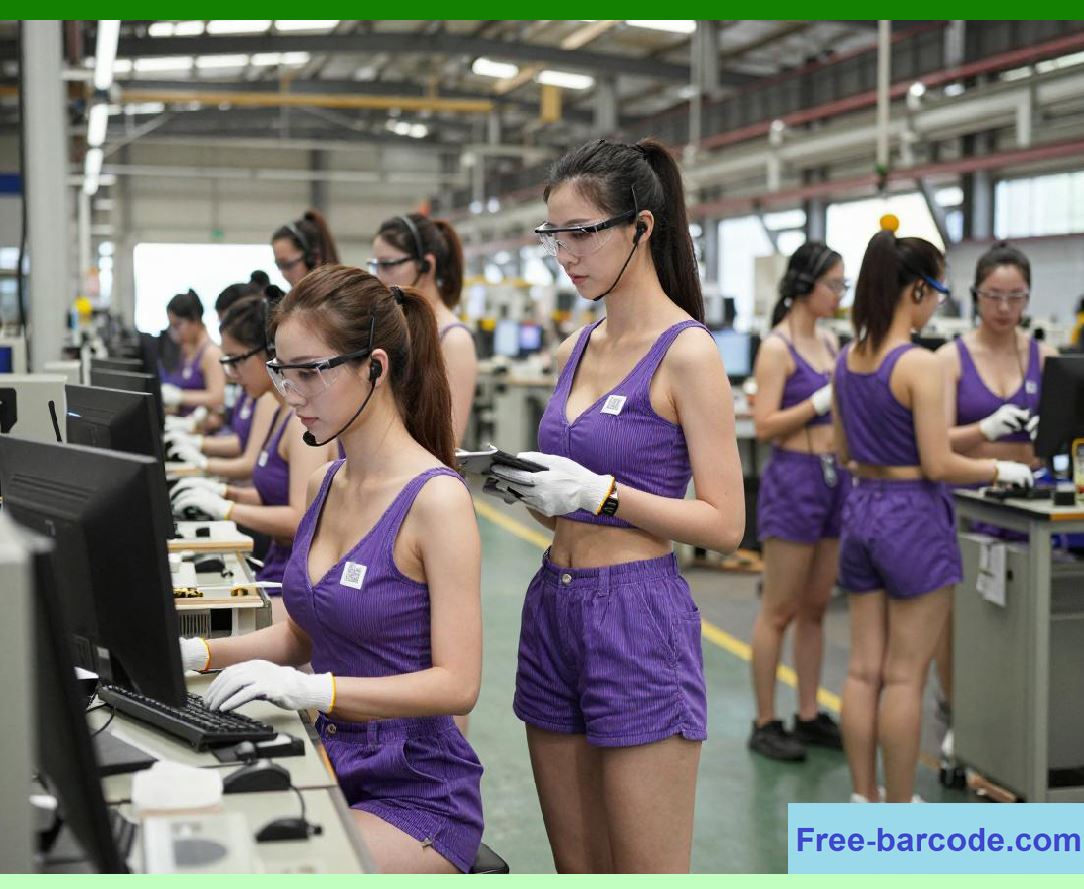
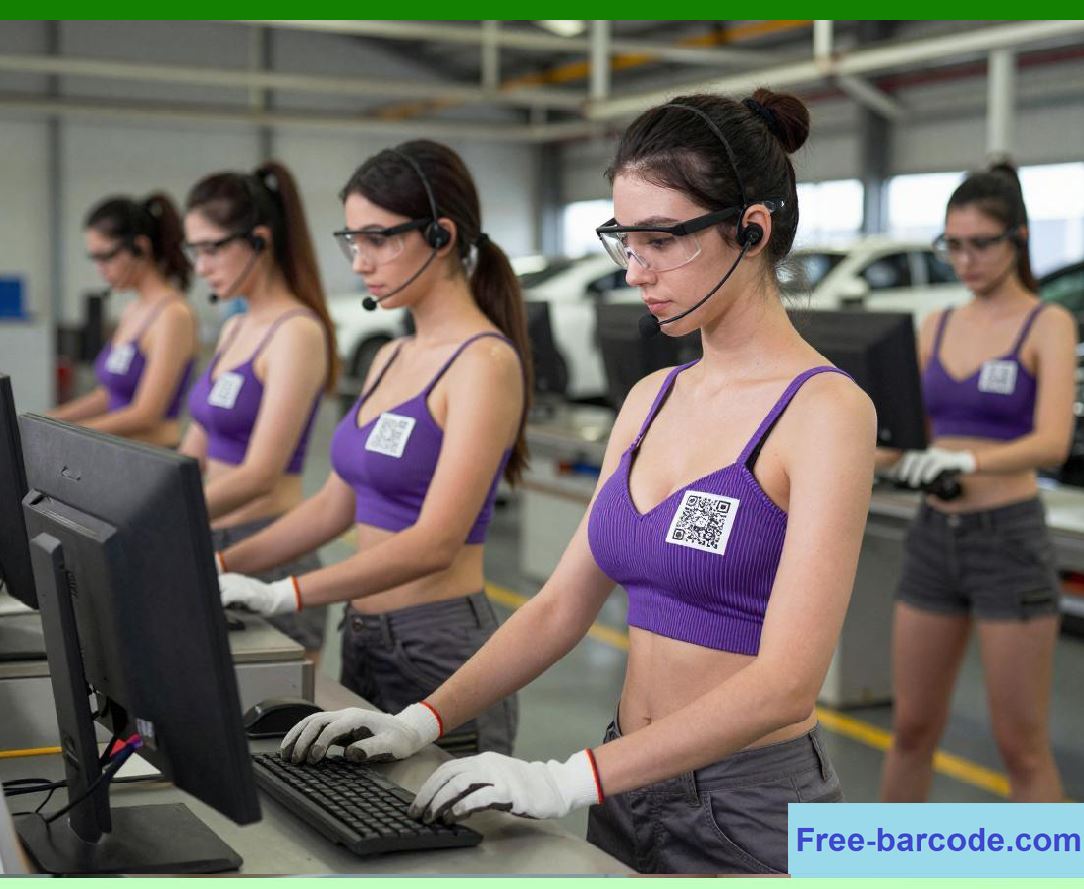
In manufacturing, every second counts. If a production line stops, money is lost. Traditional barcode scanning can be a bottleneck. A worker must scan each part before it moves to the next station. This takes time. It also requires the part to be still and visible. |
With RFID, parts can be tracked without stopping. A reader can be placed over a conveyor belt. As parts move by, the reader captures their tags. The system knows which part is where at all times. This is bulk reading in motion. It allows for real-time control of the production line. |
For example, in automotive manufacturing, car bodies move along a line. Each body has an RFID tag. Readers at each station know which car is coming. They can automatically adjust tools and robots for that specific model. This is called flexible manufacturing. Without bulk reading, the line would need to stop or slow down for each car. With bulk reading, the line keeps moving. |
Another example is electronics manufacturing. Small components are often placed in trays or bins. A single reader can read all the components in a tray at once. This ensures that the correct components are used. It also helps with inventory tracking. If a component is missing, the system knows immediately. |
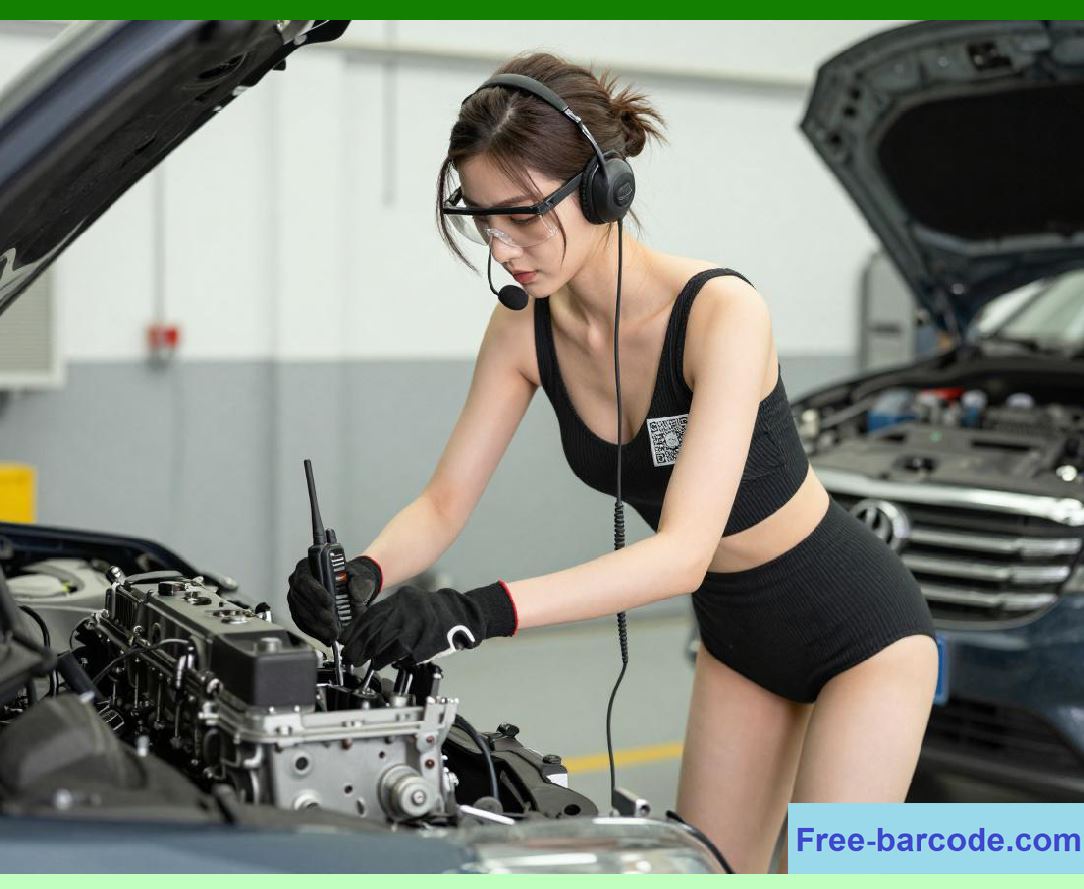
In aerospace, bulk reading is used to track tools and parts. A mechanic can open a toolbox with an RFID reader. The reader confirms that all tools are present. If a tool is missing, the system alerts the mechanic. This is important for safety. A forgotten tool can damage an engine or cause a crash. Bulk reading makes tool control fast and reliable. |

|
Healthcare: Reading Without Touching |
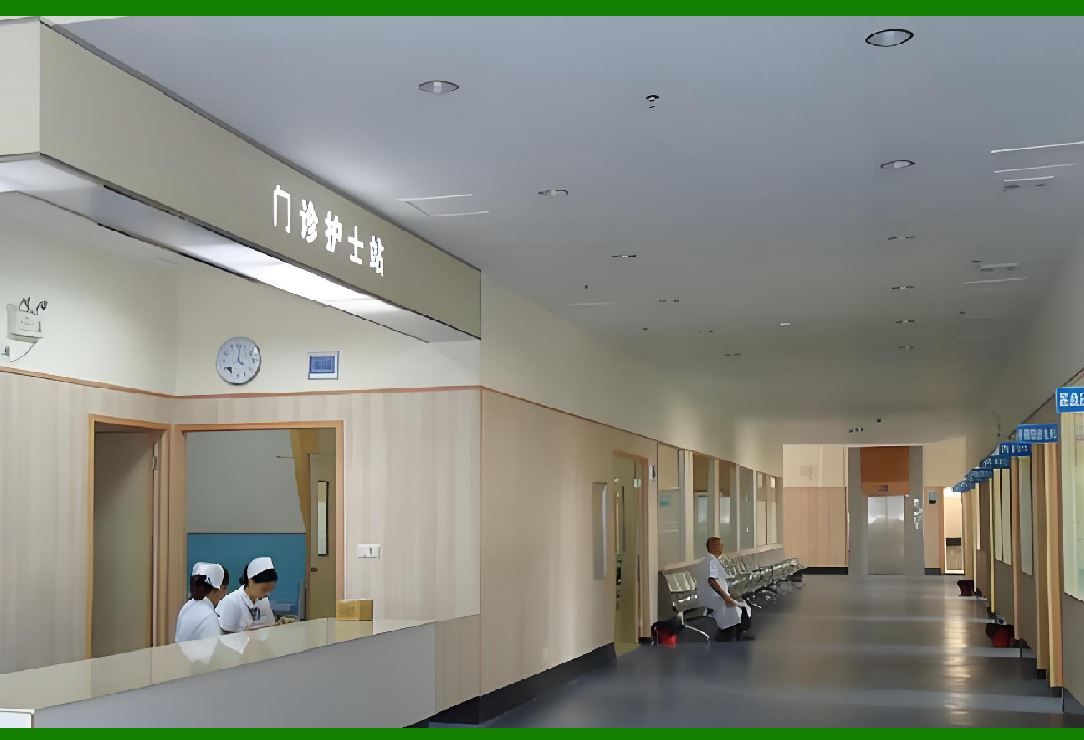
In healthcare, accuracy and speed can be a matter of life and death. Hospitals use barcodes to track medications, supplies, and patients. But barcodes require line of sight. A nurse must find the label and scan it. This takes time. It also creates a risk of infection if the scanner touches multiple surfaces. |
With RFID, a nurse can read multiple items at once without touching them. For example, a tray of medications can be read in a single pass. The system confirms that the right medications are on the tray for the right patient. If a medication is missing or incorrect, the system alerts the nurse. This reduces medication errors. |
Another example is blood bags. Each blood bag has an RFID tag. When a patient needs a transfusion, the nurse can read the blood bag and the patient's wristband at the same time. The system confirms that the blood type matches. This prevents deadly transfusion reactions. Bulk reading makes this check instant and reliable. |
In operating rooms, RFID is used to track sponges and instruments. Before and after surgery, a reader can scan a collection of sponges. If a sponge is missing, the system alerts the surgical team. This prevents retained surgical items, a rare but serious problem. Bulk reading allows the entire set of sponges to be checked in seconds, rather than counting them by hand. |
In hospital pharmacies, bulk reading helps with inventory. A shelf of medications can be read in a single pass. The system knows what is in stock and what needs to be reordered. This reduces shortages and waste. |

|
Libraries: Reading a Whole Shelf at Once |
Libraries were among the first to adopt RFID. A library book has an RFID tag instead of or in addition to a barcode. At the checkout desk, a librarian can place a stack of books on a reader. The reader captures all the books at once. This is much faster than scanning each barcode. It also reduces repetitive strain injuries for librarians. |
But the real power of bulk reading in libraries is inventory. A librarian can walk down an aisle with a handheld reader. The reader captures every book on the shelf. The system compares the list with what should be there. It identifies missing books, misshelved books, and books that are in the wrong section. A task that used to take weeks now takes hours. This means libraries can do inventory more often. They can keep their collections in better order. They can find lost books faster. |
Some libraries also use RFID for self-checkout. A patron can place a stack of books on a reader. The reader captures all the books at once. The patron confirms the checkout and leaves. This reduces lines and frees librarians to help with other tasks. |
|
Agriculture and Food: From Farm to Fork |
In agriculture, bulk reading helps track animals, produce, and food products. For example, a farmer can put RFID tags on cattle. A reader at a gate can capture all the tags as the herd walks through. This helps with identification, health records, and breeding. It also helps with food safety. If there is a disease outbreak, the farmer can quickly identify which animals were exposed. |
In food processing, bulk reading helps track crates of produce. A single reader can capture all the tags on a pallet of crates. This speeds up receiving and shipping. It also helps with traceability. If there is a recall, the company can quickly find out which batches were affected. This can save lives and reduce waste. |
In fisheries, RFID tags are used to track fish from the boat to the market. A reader can capture many fish at once. This helps with sustainable fishing. It also helps with food safety. |
In vineyards, RFID tags are used to track wine bottles. A reader can capture a whole case of wine at once. This helps with inventory and anti-counterfeiting. It also helps with provenance. A buyer can verify that a bottle came from a specific vineyard and vintage. |
|
Aviation: Tracking Baggage and Parts |
In aviation, bulk reading is used for baggage handling. When you check in your bag, it gets an RFID tag. As it moves through the airport, readers capture the tag at various points. This allows the airline to track your bag in real time. If your bag is lost, they can find it faster. Bulk reading allows many bags to be read at once on a conveyor belt. This speeds up sorting and reduces errors. |
For example, Hong Kong International Airport has used RFID for baggage handling. The system reads bags at multiple points. It can sort hundreds of bags per hour. This improves efficiency and reduces lost baggage. |
In aircraft maintenance, bulk reading is used to track parts. A mechanic can read a shelf of parts in a single pass. The system knows what is in stock and what needs to be ordered. This reduces downtime. It also helps with safety. If a part is due for replacement, the system can alert the mechanic. |
In cargo, bulk reading is used to track containers and pallets. A reader can capture all the tags on a pallet at once. This speeds up loading and unloading. It also helps with security. If a container is tampered with, the system can detect it. |
|
Automotive: From Parts to Parking |
In the automotive industry, bulk reading is used in many ways. In manufacturing, as we mentioned, it tracks parts on the assembly line. In dealerships, it tracks cars in the lot. A reader can capture the tags on many cars at once. This helps with inventory and sales. It also helps with security. If a car is moved without authorization, the system can alert the staff. |
In car sharing, RFID is used to identify users and vehicles. A reader in the car can capture the user's tag. This unlocks the car. Bulk reading is not as common here, but it is used in fleet management. A reader at the depot can capture all the cars at once. This helps with maintenance and scheduling. |
In parking, RFID is used for access control. A reader at the gate captures the tag in the car. This opens the gate. Bulk reading is not the main feature here, but it is used in some systems to read multiple cars at once. This speeds up entry and exit. |

|
Construction: Tracking Tools and Materials |
In construction, tools and materials are often scattered across a large site. Traditional barcode scanning is impractical. With RFID, a worker can walk through the site with a reader. The reader captures all the tagged tools and materials in range. This helps with inventory and theft prevention. |
For example, a construction company can put RFID tags on expensive tools. A reader at the site exit can capture all the tags as workers leave. If a tool is not checked out, the system alerts security. This reduces theft. It also helps workers find tools faster. They can use a handheld reader to locate a specific tool. |
In materials tracking, bulk reading helps with receiving and staging. A reader can capture a pallet of materials at once. This speeds up the process. It also helps with waste reduction. If materials are lost or damaged, the system knows immediately. |

|
Mining: Tracking Equipment and People |
In mining, safety is the top priority. RFID tags are used to track miners underground. A reader at the entrance can capture all the tags as miners enter or exit. This helps with roll call in an emergency. Bulk reading allows many miners to be read at once. This speeds up the process and improves safety. |
In equipment tracking, bulk reading helps with maintenance. A reader can capture the tags on multiple machines at once. This helps with scheduling and inventory. It also helps with theft prevention. If a machine is moved without authorization, the system can alert security. |
Oil and Gas: Tracking Assets in Harsh Environments |
In oil and gas, assets are often in remote or harsh locations. RFID tags can be used to track pipes, valves, and other equipment. A reader can capture many tags at once. This speeds up inventory and maintenance. It also helps with safety. If a valve is due for inspection, the system can alert the worker. |
In some cases, RFID tags are used to track personnel on offshore platforms. A reader can capture all the tags in a room at once. This helps with emergency mustering. Bulk reading allows a fast headcount. |

|
Pharmaceuticals: Tracking Drugs and Trials |
In pharmaceuticals, bulk reading is used to track drugs from manufacturing to patient. A reader can capture a whole case of drugs at once. This speeds up receiving and shipping. It also helps with anti-counterfeiting. Each drug package has a unique tag. The system can verify that the drugs are genuine. |
In clinical trials, RFID is used to track medications and samples. A reader can capture many items at once. This reduces errors and speeds up the trial. It also helps with compliance. The system can prove that the drugs were handled correctly. |
In hospitals, as we mentioned, bulk reading helps with medication dispensing. A nurse can read a tray of medications at once. This reduces errors and saves time. |

|
Fashion and Apparel: From Factory to Fitting Room |
We already mentioned Zara and Decathlon. Let us go deeper. In fashion, RFID tags are used to track items from the factory to the store. A reader can capture a whole box of clothes at once. This speeds up receiving. It also helps with inventory. The store knows exactly what it has. It can replenish sizes and styles faster. |
In the fitting room, some stores use RFID to help customers. A smart mirror can read the tags on the clothes you bring in. It can suggest matching items. It can also call for a different size. This is bulk reading in a customer-facing application. |
In returns, bulk reading helps process returned items faster. A reader can capture all the tags on a counter at once. The system knows what is being returned. It can process the refund quickly. |
|
Electronics: Tracking Components and Devices |
In electronics, bulk reading is used to track components in manufacturing. A reader can capture a tray of components at once. This ensures the right parts are used. It also helps with inventory. |
In retail, bulk reading helps track devices like phones and laptops. A reader can capture a shelf of devices at once. This helps with inventory and theft prevention. It also helps with software updates. The system can push updates to devices based on their tags. |
In data centers, bulk reading helps track servers and cables. A reader can capture a rack of servers at once. This speeds up maintenance and inventory. It also helps with security. If a server is moved without authorization, the system can alert the staff. |
|
Airlines and Airports: Beyond Baggage |
We already mentioned baggage. But airlines also use bulk reading for cargo. A reader can capture a pallet of cargo at once. This speeds up loading and unloading. It also helps with security. If a package is tampered with, the system can detect it. |
In maintenance, airlines use bulk reading to track parts. A mechanic can read a shelf of parts at once. This reduces downtime. It also helps with safety. |
In catering, airlines use bulk reading to track food carts. A reader can capture a cart of meals at once. This helps with inventory and safety. It also helps with waste reduction. |
|
Rail and Public Transit: Tracking Assets and Passengers |
In rail, bulk reading is used to track train cars. A reader at a yard can capture the tags on many cars at once. This helps with scheduling and maintenance. It also helps with safety. If a car is missing, the system knows immediately. |
In public transit, RFID is used for fare collection. A reader at a gate can capture the tag in a passenger's card. This opens the gate. Bulk reading is used in some systems to read multiple passengers at once. This speeds up boarding. |
In asset tracking, rail companies use bulk reading to track tools and equipment. A worker can walk through a depot with a reader. The reader captures all the tagged items in range. This helps with inventory and theft prevention. |

|
Maritime: Tracking Containers and Cargo |
In maritime, bulk reading is used to track containers. A reader at a port can capture the tags on many containers at once. This speeds up loading and unloading. It also helps with security. If a container is tampered with, the system can detect it. |
In shipyards, bulk reading helps track parts and tools. A worker can read a shelf of parts at once. This speeds up maintenance. It also helps with safety. |
In fishing, as we mentioned, bulk reading helps track the catch. A reader can capture many fish at once. This helps with sustainability and food safety. |

|
Mining and Heavy Industry: Tracking Tools and Safety |
We mentioned mining earlier. Let us add heavy industry. In a steel mill, RFID tags are used to track slabs and coils. A reader can capture many tags at once. This speeds up production. It also helps with quality control. If a slab is defective, the system can trace it back to the source. |
In a cement plant, bulk reading helps track bags and pallets. A reader can capture a pallet of bags at once. This speeds up shipping. It also helps with inventory. |
In a chemical plant, bulk reading helps track drums and containers. A reader can capture many drums at once. This speeds up receiving and shipping. It also helps with safety. If a drum is leaking, the system can alert the staff. |

|
Waste Management: Tracking Bins and Trucks |
In waste management, RFID tags are used to track bins. A reader on a truck can capture the tags on many bins at once. This helps with billing and routing. It also helps with recycling. The system can know which bins were collected and which were not. |
In recycling, bulk reading helps sort materials. A reader can capture many items on a conveyor belt at once. This speeds up sorting. It also helps with quality control. |
In landfill management, bulk reading helps track trucks and equipment. A reader at the gate can capture the tags on many trucks at once. This speeds up entry and exit. It also helps with safety. |

|
Event Management: Tracking Attendees and Assets |
In events, RFID tags are used for access control. A reader at a gate can capture many tags at once. This speeds up entry. It also helps with security. If someone without a tag tries to enter, the system can alert security. |
In asset tracking, event organizers use bulk reading to track equipment. A worker can walk through a venue with a reader. The reader captures all the tagged items in range. This helps with inventory and theft prevention. |
In race timing, RFID tags are used to track runners. A reader at the finish line can capture many tags at once. This gives accurate times for all runners. Bulk reading makes this possible. |

|
Sports: Tracking Players and Equipment |
In professional sports, RFID tags are used to track players and equipment. A reader in a stadium can capture many tags at once. This helps with statistics and safety. It also helps with equipment management. If a piece of equipment is missing, the system knows immediately. |
In amateur sports, bulk reading helps track participants. A reader at a race can capture many tags at once. This gives accurate results. |
In sports equipment management, bulk reading helps track balls, jerseys, and gear. A reader can capture a bin of items at once. This speeds up inventory. |
|
Museums and Art: Tracking Artifacts |
In museums, RFID tags are used to track artifacts. A reader can capture many tags at once. This helps with inventory and security. It also helps with research. The system can know where each artifact is and what condition it is in. |
In art galleries, bulk reading helps track paintings and sculptures. A reader can capture a room of tags at once. This helps with security and climate control. |
In archives, bulk reading helps track documents and books. A reader can capture a shelf of tags at once. This speeds up inventory. |
Zoos and Aquariums: Tracking Animals |
In zoos, RFID tags are used to track animals. A reader can capture many tags at once. This helps with health records and breeding. It also helps with safety. If an animal is missing, the system knows immediately. |
In aquariums, bulk reading helps track fish and other marine life. A reader can capture many tags at once. This helps with research and conservation. |
In wildlife research, bulk reading helps track animals in the wild. A reader can capture many tags at once. This helps with population studies and migration patterns. |

|
Postal Services: Tracking Mail and Parcels |
In postal services, RFID tags are used to track mail and parcels. A reader can capture many tags at once. This speeds up sorting and delivery. It also helps with security. If a parcel is lost, the system can find it faster. |
In some countries, postal services use bulk reading to track entire trucks of mail. A reader at a depot can capture all the tags at once. This speeds up processing. |
|
Retail Supply Chain: From Factory to Store |
We have covered retail and logistics. Let us put it together. In the retail supply chain, bulk reading is used at every step. At the factory, a reader captures a pallet of goods. At the port, a reader captures a container. At the distribution center, a reader captures a truck. At the store, a reader captures a shelf. This creates a chain of reads that maps the physical world. It allows companies to know where everything is at all times. This reduces waste, improves efficiency, and increases customer satisfaction. |
|
Pharmaceutical Supply Chain: From Lab to Patient |
In the pharmaceutical supply chain, bulk reading is used to track drugs from the lab to the patient. At the factory, a reader captures a batch of drugs. At the warehouse, a reader captures a pallet. At the hospital, a reader captures a tray. This creates a chain of custody. It helps with anti-counterfeiting. It also helps with recalls. If a batch is defective, the company can quickly find out where it went. |
|
Food Supply Chain: From Farm to Fork |
In the food supply chain, bulk reading is used to track food from the farm to the fork. At the farm, a reader captures a crate of produce. At the processing plant, a reader captures a pallet. At the store, a reader captures a shelf. This creates a chain of traceability. It helps with food safety. If there is a recall, the company can quickly find out which products are affected. This can save lives and reduce waste. |
|
Automotive Supply Chain: From Parts to Cars |
In the automotive supply chain, bulk reading is used to track parts from suppliers to the assembly line. At the supplier, a reader captures a box of parts. At the warehouse, a reader captures a pallet. At the assembly line, a reader captures a bin. This creates a chain of reads that ensures the right parts are used. It also helps with inventory and quality control. |
|
Aerospace Supply Chain: From Parts to Planes |
In the aerospace supply chain, bulk reading is used to track parts from suppliers to the assembly line. At the supplier, a reader captures a box of parts. At the warehouse, a reader captures a pallet. At the assembly line, a reader captures a bin. This creates a chain of reads that ensures the right parts are used. It also helps with safety. If a part is defective, the company can trace it back to the source. |
|
Healthcare Supply Chain: From Manufacturer to Patient |
In the healthcare supply chain, bulk reading is used to track supplies from manufacturers to hospitals. At the manufacturer, a reader captures a box of supplies. At the distributor, a reader captures a pallet. At the hospital, a reader captures a shelf. This creates a chain of reads that ensures the right supplies are available. It also helps with inventory and safety. |
Construction Supply Chain: From Supplier to Site |
In the construction supply chain, bulk reading is used to track materials from suppliers to the site. At the supplier, a reader captures a pallet of materials. At the site, a reader captures a staging area. This creates a chain of reads that ensures the right materials are available. It also helps with inventory and theft prevention. |
|
Retail Store Operations: From Receiving to Checkout |
In retail store operations, bulk reading is used from receiving to checkout. At receiving, a reader captures a pallet. On the floor, a reader captures a shelf. At checkout, a reader captures a cart. This creates a chain of reads that keeps the store in sync with reality. It reduces out-of-stocks and overstocks. It also speeds up checkout. |
|
Warehouse Operations: From Receiving to Shipping |
In warehouse operations, bulk reading is used from receiving to shipping. At receiving, a reader captures a pallet. In storage, a reader captures a shelf. In picking, a reader captures a bin. In packing, a reader captures a box. In shipping, a reader captures a truck. This creates a chain of reads that keeps the warehouse in sync with reality. It reduces errors and speeds up the flow of goods. |
|
Manufacturing Operations: From Raw Materials to Finished Goods |
In manufacturing operations, bulk reading is used from raw materials to finished goods. At receiving, a reader captures a pallet of raw materials. On the line, a reader captures a bin of parts. At the end of the line, a reader captures a pallet of finished goods. This creates a chain of reads that keeps the factory in sync with reality. It reduces errors and speeds up production. |
|
The Limits of Bulk Reading |
Bulk reading is powerful, but it is not perfect. Radio waves can be blocked by metal and water. If a pallet contains many metal cans or liquid bottles, the reader may not capture all the tags. This is a challenge in some industries. Engineers have developed special tags and antennas to overcome this. But it is not always possible. |
Another limit is tag collision. If too many tags respond at once, the reader may not hear them all. Anti-collision protocols help, but there is a maximum number of tags that can be read per second. For most applications, this is not a problem. But for very large collections, it can be. |
Another limit is range. The reader can only read tags within a certain distance. If the tags are spread out, the reader may not capture them all. This is a challenge in large warehouses. Engineers have developed readers with longer range and better antennas. But there is always a trade-off between range and precision. |
Another limit is cost. RFID tags are more expensive than barcodes. For low-value items, the cost of the tag may be too high. This is why barcodes are still used for many products. But as RFID tags become cheaper, more items can be tagged. This is expanding the use of bulk reading. |
Another limit is privacy. Some people are concerned about RFID tags being read without their knowledge. This is a valid concern. Engineers have developed ways to protect privacy, such as blocking tags or killing them at checkout. But it is an ongoing debate. |
|
The Future of Bulk Reading |
The future of bulk reading is bright. As RFID tags become cheaper and more powerful, more items will be tagged. This will create a world where the physical world is mapped in real time. You will be able to know where everything is, from your keys to your groceries. This will change how we shop, how we work, and how we live. |
One trend is the Internet of Things. RFID is a key technology for connecting physical objects to the internet. Bulk reading allows many objects to be connected at once. This will enable new applications, such as smart homes, smart cities, and smart factories. |
Another trend is sensor tags. These tags can measure temperature, humidity, and motion. Bulk reading allows many sensors to be read at once. This will enable new applications, such as cold chain monitoring and predictive maintenance. |
Another trend is drones. Drones can carry RFID readers. They can fly over a warehouse or a field and capture many tags at once. This will make inventory counting even faster and easier. |
Another trend is robots. Robots can carry RFID readers. They can move through a warehouse and capture many tags at once. This will make inventory counting even more automated. |
Another trend is blockchain. RFID tags can be used to track goods on a blockchain. Bulk reading allows many tags to be recorded at once. This will enable new applications, such as provenance and anti-counterfeiting. |
|
A Detailed Summary at the End |
In this chapter, we have explored the RFID advantage of bulk reading. We started with a simple example: one reader captures an entire pallet of five hundred items instantly, while barcodes must be scanned one by one. We explained why this matters: it saves time, reduces errors, and creates new possibilities. We explained how it works in plain language: a reader sends radio waves, tags respond, and anti-collision protocols allow many tags to be read at once. We then surveyed dozens of industries where bulk reading is used. |
In retail, bulk reading speeds up checkout and inventory counting. In logistics, it speeds up receiving and shipping. In manufacturing, it tracks parts on the line. In healthcare, it improves medication safety and inventory. In libraries, it speeds up checkout and inventory. In agriculture, it tracks animals and produce. In aviation, it tracks baggage and parts. In automotive, it tracks parts and cars. In construction, it tracks tools and materials. In mining, it tracks equipment and people. In oil and gas, it tracks assets in harsh environments. In pharmaceuticals, it tracks drugs and trials. In fashion, it tracks clothes from factory to fitting room. In electronics, it tracks components and devices. In airlines, it tracks cargo and catering. In rail and public transit, it tracks assets and passengers. In maritime, it tracks containers and cargo. In heavy industry, it tracks tools and safety. In waste management, it tracks bins and trucks. In event management, it tracks attendees and assets. In sports, it tracks players and equipment. In museums, it tracks artifacts. In zoos and aquariums, it tracks animals. In postal services, it tracks mail and parcels. In supply chains, it tracks goods from source to customer. |
We also discussed the limits of bulk reading. Radio waves can be blocked by metal and water. Tag collision can occur. Range is limited. Cost can be high. Privacy can be a concern. But these limits are being overcome by engineering. |
Finally, we looked at the future. RFID tags will become cheaper and more powerful. More items will be tagged. Bulk reading will enable the Internet of Things, sensor tags, drones, robots, and blockchain. The physical world will be mapped in real time. This will change how we shop, how we work, and how we live. |
|
In short, bulk reading is not just a faster way to scan. It is a different way of seeing the physical world. It turns a collection of separate objects into a single, readable event. It is one of the main reasons RFID has become a cornerstone of modern supply chains and beyond. As the technology continues to improve, the silent network of RFID and barcodes will map the physical world in ever greater detail. And bulk reading will be at the heart of that map. |
 cs@easiersoft.com