Chapter 47: Barcode Strength - Simplicity |
Summary |
Barcodes endure because they ask for almost nothing. No batteries, no chips, no configuration, just ink and paper. This chapter explores how that radical simplicity became the quiet superpower of the automatic identification world. While RFID tags can store more data, update themselves, and be read without line of sight, barcodes remain the default because they are cheap, robust, universal, and easy to understand. We will look at how barcodes work at a basic level, why their limitations are often strengths, and how dozens of industries rely on them every day. From grocery stores to hospitals, from airlines to libraries, from factories to farms, the printed barcode keeps the physical world organized. The chapter closes with a detailed summary of why simplicity wins, and why the silent network of barcodes will not disappear anytime soon. |
|
The Power of Doing Less |
Imagine a technology that has no moving parts, no power supply, no software updates, and no wireless pairing. It can be printed on a piece of paper, a plastic bag, a cardboard box, or a patient wristband. It costs a fraction of a cent. It can be read by a beam of light. It works in the rain, in the cold, in a warehouse, and in a hospital. It does not need a battery. It does not need a chip. It does not need configuration. It is just ink and paper. |
|
That technology is the barcode. |
In a world that celebrates smart devices and connected everything, the barcode seems almost too simple. Yet that simplicity is exactly why it has survived for more than half a century. Barcodes are not a stepping stone to something better. They are a stable, reliable foundation that supports trillions of transactions every year. When engineers talk about barcodes, they often focus on what barcodes cannot do. They cannot be rewritten. They cannot be read from a distance. They cannot store much data. But those limitations are not bugs. They are features. They force the system to stay simple, cheap, and predictable. And in many industries, predictable is more valuable than powerful. |
This chapter is about that quiet strength. We will not dive into complex formulas or dense tables. Instead, we will walk through real examples from many sectors. We will see how barcodes keep shelves stocked, patients safe, luggage tracked, and packages delivered. We will see why a technology that is essentially printed ink has not been replaced by radio waves. And we will understand why the silent network of barcodes still maps the physical world. |
|
What a Barcode Really Is |
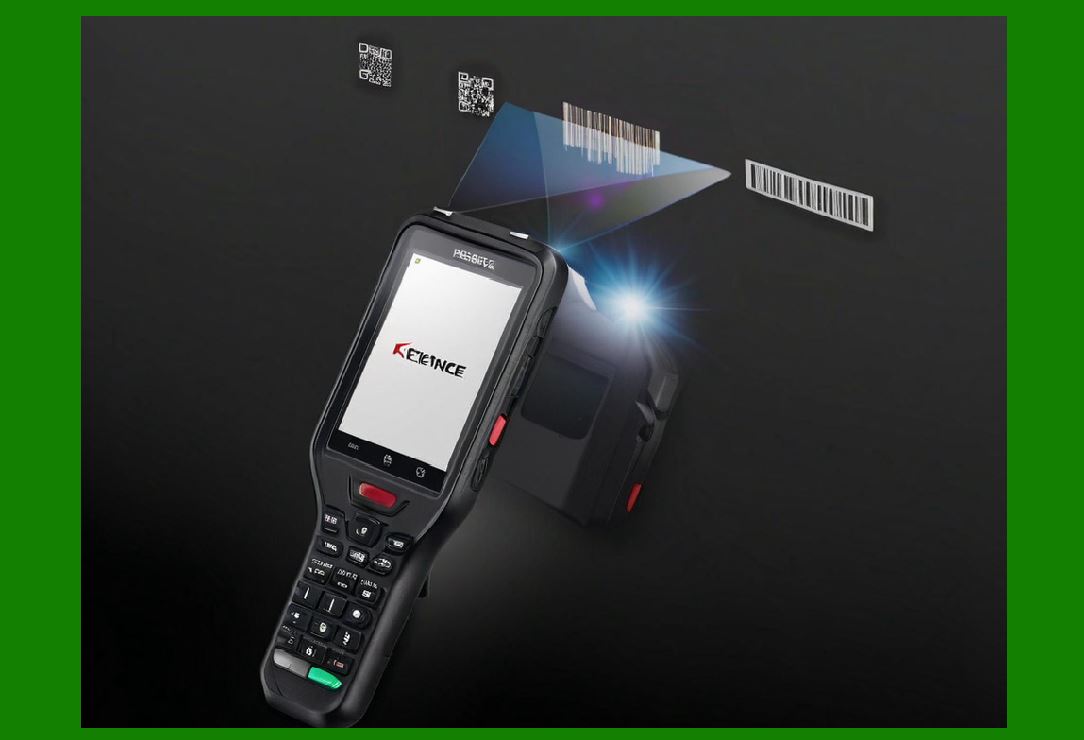
At its heart, a barcode is a pattern of dark and light spaces that encodes a string of characters. A scanner shines a light on the pattern. The dark bars absorb light. The light spaces reflect light. The scanner senses the difference and converts it into a electrical signal. That signal is then decoded into numbers or letters. The whole process takes a fraction of a second. There is no radio, no battery, no chip. The barcode itself is passive. It is just a printed symbol. |
The most common barcode is the Universal Product Code, or UPC. It appears on almost every retail product in North America. The UPC has twelve digits. The first six identify the manufacturer. The next five identify the product. The last digit is a check digit. The check digit helps the scanner verify that it read the code correctly. If the scanner makes a mistake, the check digit will likely catch it. This is a simple form of error detection. It is not perfect, but it is good enough for most retail needs. |
There are many other barcode symbologies. Code 128 is a dense code that can encode all ASCII characters. It is used in shipping and logistics. Code 39 is an older code that is easy to print and scan. It is used in automotive and defense industries. QR codes are two-dimensional barcodes. They can store much more data, including web links and text. They are read by cameras on smartphones. Data Matrix codes are similar to QR codes but often used in manufacturing and healthcare. Each symbology has its own strengths and weaknesses. But all of them share the same basic idea: a printed pattern that a machine can read. |
The key point is that the barcode is not a device. It is a label. It has no intelligence. It cannot change. It cannot communicate. It just sits there, waiting to be read. And that is exactly why it works so well. |
No Batteries, No Chips, No Configuration |
|
Let us unpack the three phrases in the chapter title. |
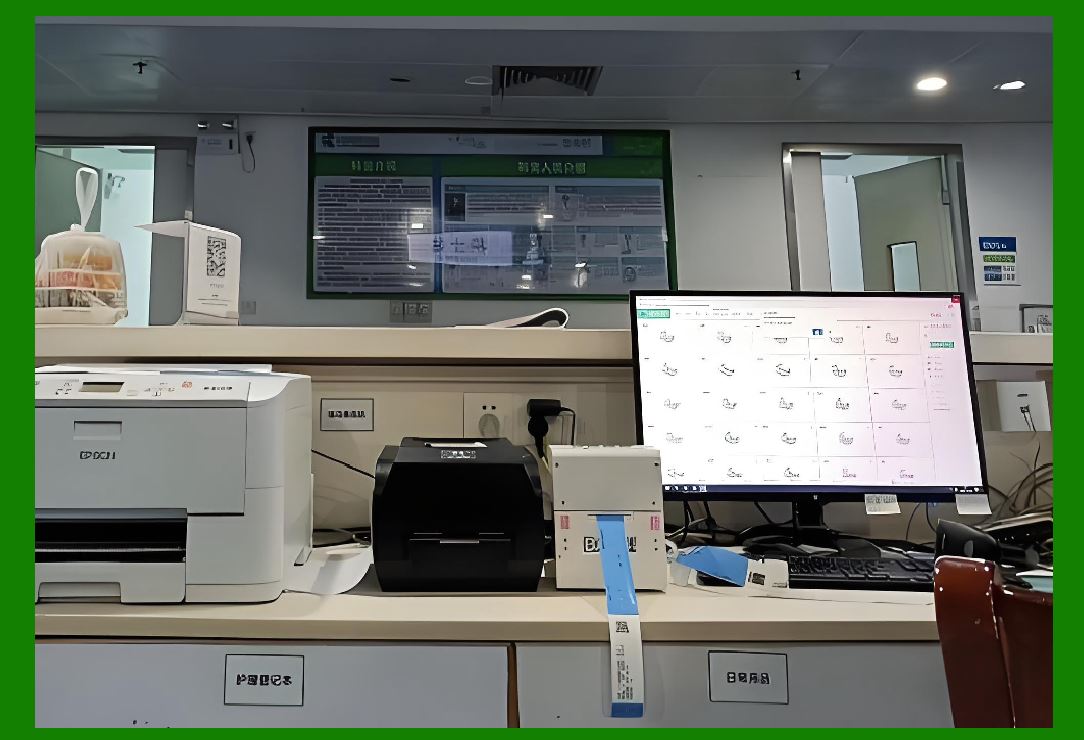
First, no batteries. A barcode has no power source. It does not need to be charged. It does not need to be replaced. It does not need to be turned on. It works as long as the ink is visible and the paper is intact. This is a huge advantage in remote locations, in harsh environments, and in high-volume operations. A warehouse with ten thousand packages does not need to worry about charging ten thousand barcodes. A hospital with a thousand patient wristbands does not need to worry about battery life. The barcode is always ready. |
Second, no chips. A barcode has no silicon. It has no memory. It has no processor. It cannot be hacked in the traditional sense. It cannot be reprogrammed. It cannot store a virus. This makes it extremely secure in a simple way. If someone wants to change the information on a barcode, they have to print a new one. They cannot remotely alter it. They cannot intercept a wireless signal. They cannot clone it without physically copying the pattern. This is not to say that barcodes are impossible to forge. They can be copied. But the point is that the attack surface is tiny. There is no software to exploit. There is no firmware to update. There is no network to breach. |
Third, no configuration. A barcode does not need to be paired. It does not need to be set up. It does not need to be assigned an address. It just needs to be printed with the correct data. Once it is printed, it is ready. Any scanner that supports the same symbology can read it. There is no handshaking. There is no negotiation. There is no compatibility matrix. This is why barcodes spread so quickly in the 1970s and 1980s. Any store could buy a scanner and start using barcodes. They did not need to install a complex infrastructure. They did not need to train a technical team. They just needed to print labels and plug in a scanner. |
These three properties make barcodes incredibly cheap. The cost of a barcode is essentially the cost of ink and paper. In high volumes, a barcode can cost less than a tenth of a cent. This is why they are used on individual items, not just on pallets or cases. A single candy bar can have a barcode. A single syringe can have a barcode. A single letter can have a barcode. The low cost enables item-level tracking at a scale that would be impossible with more expensive technologies. |
|
Why Limitations Are Strengths |
Every technology has limitations. Barcodes have several. They require line of sight. The scanner must see the barcode directly. If the barcode is covered, dirty, or damaged, it cannot be read. Barcodes can only store a small amount of data. A UPC stores twelve digits. A Code 128 can store a few dozen characters. A QR code can store a few thousand characters, but it is still limited compared to a chip. Barcodes cannot be updated. Once printed, the data is fixed. Barcodes cannot be read in bulk without a scanner. You cannot walk into a room and read all the barcodes at once. You have to scan them one by one, or use a conveyor system. |
These limitations seem like dealbreakers. But in many industries, they are exactly what is needed. Let us look at why. |
Line of sight is a limitation, but it also means that the barcode is intentional. You have to point the scanner at the barcode. This reduces accidental reads. In a hospital, you do not want a scanner to accidentally read a patient wristband from across the room. You want the nurse to intentionally scan the wristband before giving medication. The line-of-sight requirement enforces a deliberate action. It creates a checkpoint. It ensures that the right patient is matched with the right drug at the right time. |
Small data capacity is a limitation, but it also means that the barcode is simple. A UPC does not need to store the product name, price, and expiration date. It just needs to store a number. That number is linked to a database. The database holds the rest of the information. This separation of concerns is powerful. The barcode is a key. The database is the lock. The key can be small and cheap. The lock can be large and complex. This is why a single barcode can be used in thousands of stores around the world. The barcode is the same. The database is different. The barcode does not need to change. |
No updates is a limitation, but it also means that the barcode is tamper-evident. If someone tries to change the data, they have to print a new barcode. The old barcode is still there. This makes it easy to detect fraud. In a pharmacy, a barcode on a pill bottle cannot be silently changed. If the label is replaced, it is obvious. This is a simple but effective security feature. |
No bulk reading is a limitation, but it also means that the barcode is precise. You scan exactly what you want to scan. You do not get a flood of data. You get one item at a time. This is important in retail checkout. The cashier scans each item individually. This ensures that the customer is charged correctly. It also allows the store to track inventory in real time. If the store used bulk reading, they might miss an item or double-count it. The one-by-one approach is slower, but it is more accurate. |
So the limitations of barcodes are not failures. They are design choices that make the technology reliable, secure, and cheap. They force the system to stay simple. And simple systems are often the most robust. |
|
A Short History of the Barcode |
To understand why barcodes are so widespread, it helps to know where they came from. The idea of a barcode was born in the 1940s. Two students, Bernard Silver and Norman Joseph Woodland, were asked by a food chain to develop a system that could automatically read product information at checkout. They came up with a pattern of lines that could be read by a machine. They patented the idea in 1952. But the technology to read the barcode did not exist yet. Lasers were not invented until 1960. Computers were large and expensive. So the barcode sat on the shelf for two decades. |
In the 1970s, things changed. Lasers became cheap enough to use in scanners. Computers became powerful enough to manage inventory. The grocery industry was looking for a way to speed up checkout and reduce errors. In 1974, the first UPC scanner was installed in a supermarket in Ohio. The first product scanned was a pack of Wrigley's chewing gum. That moment is often called the birth of the modern barcode era. |
The UPC system was a huge success. It spread rapidly across the retail industry. By the 1980s, barcodes were on almost every product in the grocery store. They moved into other industries. The automotive industry used barcodes to track parts. The shipping industry used barcodes to track packages. The healthcare industry used barcodes to track patients and medications. The library industry used barcodes to track books. The airline industry used barcodes to track luggage. The barcode became a universal language for the physical world. |
In the 1990s, two-dimensional barcodes were invented. QR codes and Data Matrix codes could store more data and could be read by cameras. This opened up new applications. QR codes were used in advertising, in manufacturing, and in mobile payments. Data Matrix codes were used in healthcare and electronics. The barcode family grew. But the simple one-dimensional barcode did not go away. It remained the workhorse of retail and logistics. It was too cheap and too reliable to replace. |
Today, barcodes are everywhere. They are on our food, our mail, our medicine, our luggage, our tickets, and our equipment. They are printed on paper, plastic, metal, and glass. They are read by handheld scanners, fixed scanners, smartphones, and drones. They are a fundamental part of the global supply chain. And they all trace back to that simple idea: a pattern of lines that a machine can read. |
|
How Barcodes Work Without Getting Technical |
We do not need to dive into the math of barcodes. But it helps to understand the basic principle. A barcode is a series of bars and spaces. The width of the bars and spaces encodes the data. A scanner shines a light on the barcode. The light reflects off the spaces and is absorbed by the bars. A sensor detects the reflected light and converts it into a digital signal. The signal is a series of pulses. The width of the pulses corresponds to the width of the bars and spaces. The decoder translates the pulses into characters. |
The key is that the barcode is self-clocking. This means that the scanner can figure out the width of the bars and spaces without needing a separate clock signal. The barcode includes a start pattern and a stop pattern. The start pattern tells the scanner where the barcode begins. The stop pattern tells the scanner where it ends. In between, the bars and spaces represent the data. The scanner reads from left to right. It measures the width of each bar and space. It compares the widths to a reference. It then looks up the pattern in a table. The table tells it which character the pattern represents. |
This process is fast and reliable. A modern scanner can read a barcode in a few milliseconds. It can read a barcode even if it is upside down or moving. It can read a barcode even if it is slightly damaged. The check digit helps catch errors. If the scanner misreads a bar, the check digit will likely fail. The scanner will then beep or flash to indicate an error. The operator can then rescan the barcode. This simple error detection is one of the reasons barcodes are so trusted. |
The barcode does not need to be perfect. It just needs to be good enough. The check digit provides a basic level of security. The line-of-sight requirement ensures that the scan is intentional. The low cost allows for redundancy. If a barcode is damaged, it can be replaced. If a barcode is misprinted, it can be discarded. The system is designed to tolerate failure. This is a key part of its simplicity. |
|
Barcodes in Retail: The Original Killer App |
Retail is where barcodes made their name. Before barcodes, checkout was slow and error-prone. Cashiers had to manually enter prices. They had to read the price tag and type it into the register. This took time. It also led to mistakes. A cashier might type the wrong price. A customer might switch price tags. The store might lose money. Barcodes solved these problems. |
With barcodes, the cashier scans the product. The scanner reads the UPC. The register looks up the price in a database. The price is added to the total. The process takes a fraction of a second. The price is always correct. The customer can see the price on the screen. The store can track inventory in real time. When a product is sold, the inventory count goes down. When the count gets low, the store can reorder. This is called just-in-time inventory. It reduces waste and improves efficiency. |
The benefits of barcodes in retail are enormous. Studies have shown that barcodes reduce checkout time by a significant amount. They reduce pricing errors. They improve inventory accuracy. They allow stores to offer loyalty programs. They allow stores to track sales by product, by time, and by location. This data is used to optimize shelf space, pricing, and promotions. The barcode is the foundation of modern retail. |
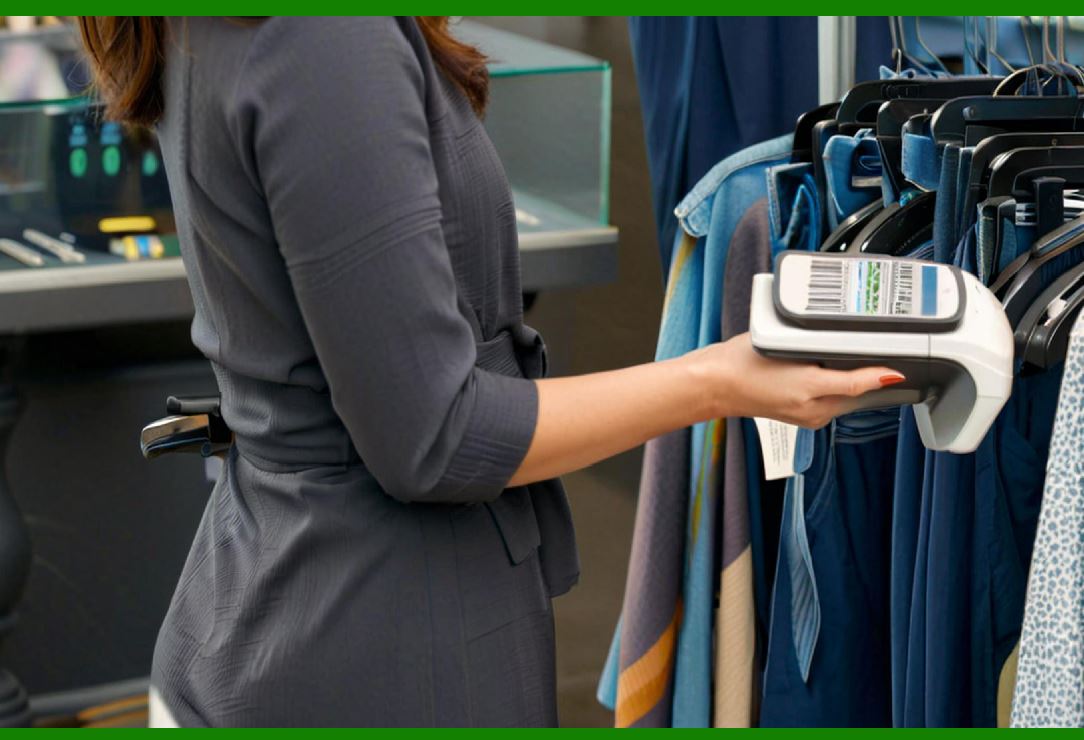
But retail is not just about groceries. Barcodes are used in clothing stores, electronics stores, hardware stores, and bookstores. They are used in convenience stores, liquor stores, and pet stores. They are used in online retail. When you order a product online, it is picked from a warehouse. The warehouse worker scans the barcode to confirm the item. The item is packed and shipped. The package has a barcode that is scanned at every step of the journey. The barcode ensures that the right item reaches the right customer. |
Retail also uses barcodes for returns. When you return an item, the store scans the barcode. The system checks if the item was purchased at that store. It checks if the item is within the return window. It checks if the item is in resalable condition. The barcode makes the return process fast and fair. It protects the store from fraud. It protects the customer from errors. The barcode is the silent referee of the retail world. |
|
Barcodes in Healthcare: Saving Lives One Scan at a Time |
Healthcare is a high-stakes environment. Mistakes can be fatal. Barcodes help reduce mistakes. They are used to identify patients, medications, specimens, and equipment. Let us look at a few examples. |
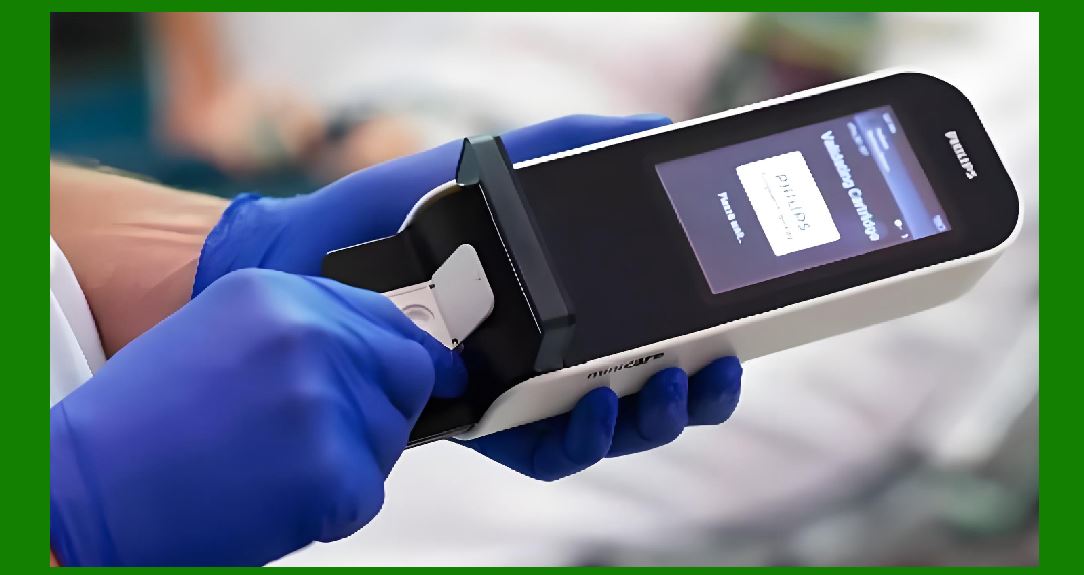
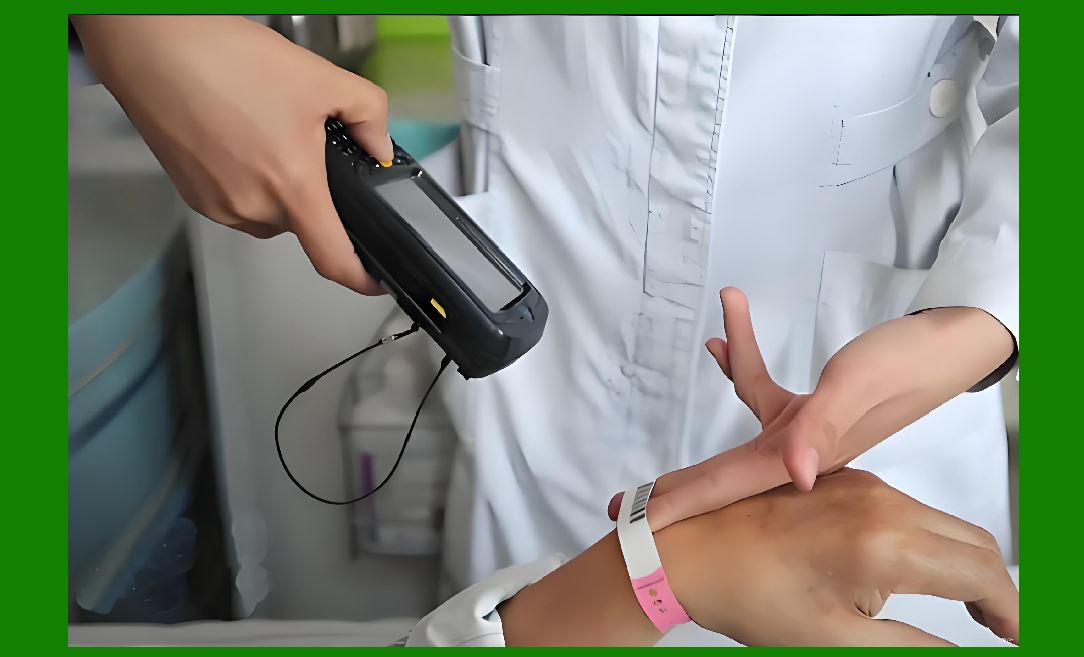
Patient identification is critical. When a patient is admitted to a hospital, they receive a wristband with a barcode. The barcode contains a unique patient identifier. Before a nurse gives medication, they scan the wristband. They also scan the medication. The system checks if the medication is correct for that patient. It checks if the dose is correct. It checks if the time is correct. If there is a mismatch, the system alerts the nurse. This is called barcode medication administration. It has been shown to reduce medication errors significantly. It is now a standard practice in many hospitals. |
Specimen tracking is another important use. When a blood sample is taken, it is labeled with a barcode. The barcode identifies the patient and the test. The sample is sent to the lab. The lab scans the barcode. The results are linked to the patient. This reduces the risk of mixing up samples. It ensures that the right patient gets the right diagnosis. It also speeds up the process. The lab can automate the testing. The barcode tells the machine which test to run. |
Equipment tracking is also common. Hospitals have thousands of pieces of equipment. They have infusion pumps, ventilators, wheelchairs, and monitors. Each piece can have a barcode. When the equipment is cleaned or repaired, it is scanned. This creates a record. The hospital knows where the equipment is. It knows when it was last serviced. It knows if it is ready for use. This improves efficiency and safety. |
Barcodes are also used in blood banks. Each unit of blood has a barcode. The barcode identifies the blood type, the donor, and the expiration date. When a patient needs a transfusion, the blood is scanned. The system checks if the blood is compatible. This prevents transfusion reactions. It saves lives. |
In pharmacies, barcodes are used to dispense medications. The pharmacist scans the prescription. The system checks for drug interactions. It checks for allergies. It checks for correct dosage. The medication is then labeled with a barcode. The patient can scan the barcode with their smartphone to get more information. This improves adherence and safety. |
Healthcare is a complex system. Barcodes make it simpler. They provide a reliable link between the physical world and the digital record. They reduce the chance of human error. They allow clinicians to focus on the patient, not on paperwork. The simplicity of the barcode is a lifeline in a high-pressure environment. |
|
Barcodes in Logistics and Supply Chain: The Backbone of Global Trade |
Global trade depends on logistics. Logistics depends on barcodes. Every day, millions of packages move around the world. They move by truck, by train, by ship, and by plane. They pass through warehouses, distribution centers, and customs. Barcodes track them at every step. |
The most common barcode in logistics is the Code 128. It is used on shipping labels. It encodes the tracking number. The tracking number is unique to the package. When the package is picked up, it is scanned. When it arrives at a sorting facility, it is scanned. When it is loaded onto a truck, it is scanned. When it is delivered, it is scanned. Each scan updates the tracking system. The customer can go online and see where the package is. This transparency is expected today. It would be impossible without barcodes. |
Barcodes are also used on pallets and cases. A pallet might have a barcode that identifies the products on it. A case might have a barcode that identifies the individual items inside. This is called hierarchical packing. The barcode on the pallet is linked to the barcodes on the cases. The barcode on the case is linked to the barcodes on the items. This allows the warehouse to track inventory at different levels. If a customer orders a single item, the warehouse can find the case and then find the item. If a customer orders a full pallet, the warehouse can ship the whole pallet. The barcode makes this possible. |
Barcodes are also used in cross-docking. Cross-docking is a logistics practice where products are unloaded from one truck and loaded directly onto another truck. There is no storage. This saves time and money. Barcodes are essential for cross-docking. The barcode on the incoming pallet is scanned. The system tells the worker which outgoing truck the pallet should go to. The worker moves the pallet. The barcode is scanned again. This ensures that the right product goes to the right place. Without barcodes, cross-docking would be chaotic. |
Barcodes are also used in customs. When a shipment crosses a border, the customs officer scans the barcode. The system checks the manifest. It checks if the goods are allowed. It checks if the duties are paid. The barcode speeds up the process. It reduces delays. It improves security. The barcode is a passport for goods. |
The logistics industry is global. It involves many different companies. They all need to communicate. Barcodes provide a common language. A barcode printed in China can be read in the United States. A barcode printed in Germany can be read in Brazil. The barcode does not care about language or borders. It is a universal symbol. This is why it is the backbone of global trade. |
|
Barcodes in Manufacturing: Tracking Parts and Processes |
Manufacturing is another major user of barcodes. In a factory, barcodes track parts, tools, and products. They help ensure quality and efficiency. Let us look at a few examples. |
In automotive manufacturing, every part has a barcode. The barcode identifies the part number, the supplier, and the batch. When the part is installed on a car, the barcode is scanned. This creates a record. If there is a defect, the manufacturer can trace it back to the supplier. They can identify all the cars that have the defective part. They can issue a recall. This is called traceability. It is required by law in many countries. Barcodes make it possible. |
In electronics manufacturing, barcodes are used on circuit boards. The barcode identifies the board and its components. When the board goes through a soldering machine, the barcode is scanned. The machine uses the barcode to select the correct program. This ensures that the board is processed correctly. After the board is assembled, the barcode is scanned again. The board is tested. The results are linked to the barcode. This creates a complete history of the board. If the board fails later, the manufacturer can look up the history. They can see what went wrong. This improves quality. |
In pharmaceutical manufacturing, barcodes are used to track batches. The barcode identifies the drug, the batch number, and the expiration date. When the drug is packaged, the barcode is scanned. The package is labeled with a barcode. The barcode is used to track the drug through the supply chain. This prevents counterfeit drugs. It ensures that the drug is stored correctly. It allows recalls to be targeted. Barcodes are a key part of drug safety. |
In food manufacturing, barcodes are used to track ingredients. The barcode identifies the ingredient, the supplier, and the lot number. When the ingredient is used, the barcode is scanned. This creates a record. If there is a contamination, the manufacturer can trace it back to the supplier. They can identify all the products that used the contaminated ingredient. They can issue a recall. This is called food traceability. It is required by law in many countries. Barcodes make it possible. |
Manufacturing is about repetition. The same process is repeated thousands of times. Barcodes ensure that the process is consistent. They reduce the chance of error. They provide data for improvement. They are a simple tool that delivers big results. |
|
Barcodes in Transportation: Tickets, Luggage, and Toll Roads |
Transportation is another industry where barcodes are everywhere. Let us look at a few examples. |
Airline tickets used to be paper documents. Now they are electronic. But they still have a barcode. The barcode is on your boarding pass. When you go through security, the officer scans the barcode. The barcode tells the officer your name, your flight, and your destination. When you board the plane, the gate agent scans the barcode. The barcode confirms that you are on the right flight. It also updates the passenger manifest. This improves security and efficiency. |
Luggage tags also have barcodes. When you check your bag, the agent prints a tag. The tag has a barcode. The barcode is linked to your flight. The bag goes through a conveyor system. Scanners read the barcode. The system routes the bag to the correct plane. If the bag is lost, the airline can scan the barcode. They can see where the bag was last scanned. They can trace its path. This helps reunite the bag with the passenger. Barcodes have reduced lost luggage significantly. |
Toll roads use barcodesNot exactly. They use RFID for electronic toll collection. But barcodes are used for rental cars. When you rent a car, the agent scans the barcode on the car. The barcode identifies the car. The rental agreement is linked to the car. When you return the car, the agent scans the barcode again. The system calculates the charges. This is fast and accurate. |
Buses and trains also use barcodes. A bus ticket might have a barcode. The driver scans the barcode. The barcode confirms that the ticket is valid. It also records the trip. This helps the transit authority track ridership. It helps prevent fraud. Barcodes are a simple way to manage tickets. |
Parking garages use barcodes. When you enter, you get a ticket with a barcode. When you leave, you insert the ticket into a machine. The machine scans the barcode. It calculates the fee. You pay. The gate opens. This is a common system. It is simple and reliable. |
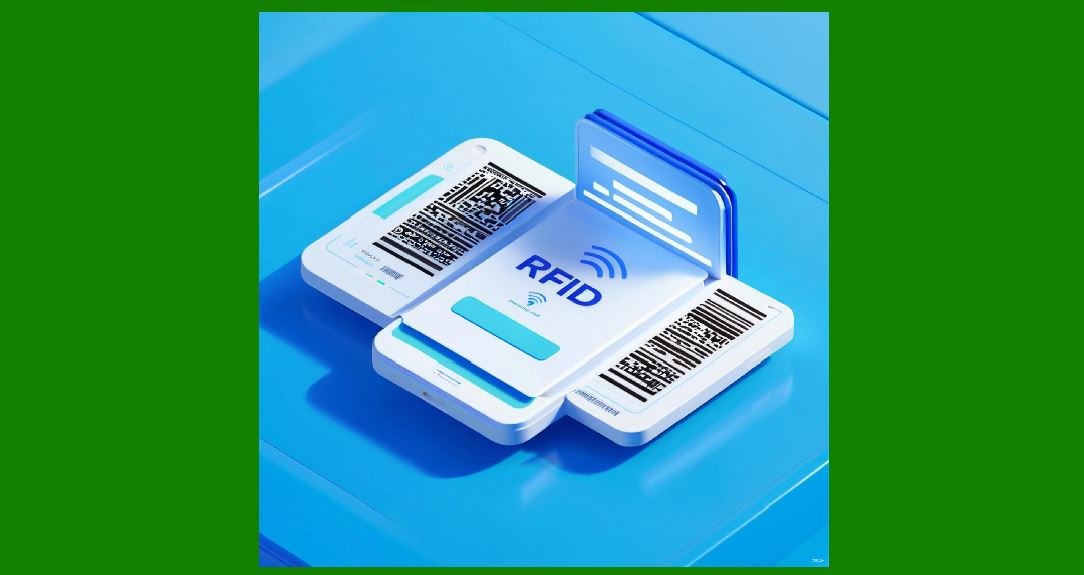
Transportation is about moving people and goods. Barcodes help ensure that they move to the right place at the right time. They provide a record of the journey. They are a small but essential part of the transportation network. |
|
Barcodes in Libraries: Organizing Knowledge |
Libraries were early adopters of barcodes. A library has thousands of books. Each book needs to be tracked. Barcodes make this easy. Each book has a barcode on the inside cover. The barcode identifies the book. When a patron checks out a book, the librarian scans the barcode. The system records the loan. It also records the due date. When the book is returned, the librarian scans the barcode again. The system clears the loan. This is much faster than writing down the book's information. |
Barcodes also help with inventory. A library can use a handheld scanner to walk through the shelves. The scanner reads the barcodes. The system checks which books are present and which are missing. This is called shelf reading. It used to be a manual process. Now it can be done in a fraction of the time. Barcodes make it possible to keep the collection organized. |
Libraries also use barcodes for interlibrary loans. When a book is sent to another library, the barcode is scanned. The system tracks the book. It knows where the book is. It knows when it is due back. This improves service for patrons. |
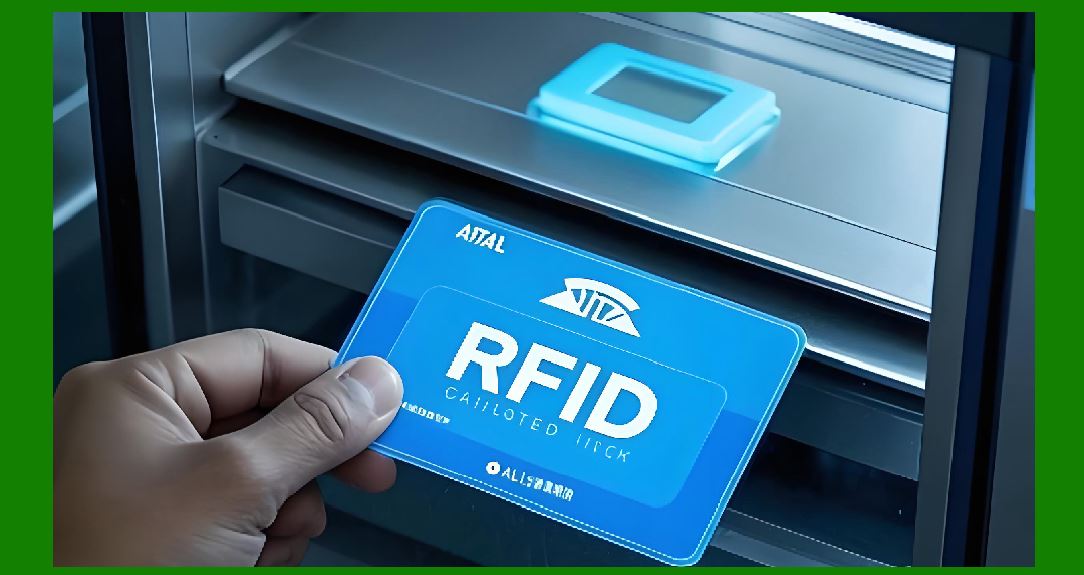
Libraries are about access to information. Barcodes help provide that access. They make the library more efficient. They free up librarians to help patrons. They are a simple tool that supports a noble mission. |
|
Barcodes in Agriculture: From Farm to Fork |
Agriculture is a large industry. It involves farms, processing plants, distributors, and retailers. Barcodes are used at every stage. Let us look at a few examples. |
On the farm, barcodes are used to track livestock. A cow might have an ear tag with a barcode. The barcode identifies the cow. When the cow is vaccinated, the barcode is scanned. The vaccine is recorded. When the cow is moved to a different pasture, the barcode is scanned. The movement is recorded. This helps with disease control. If there is an outbreak, the farmer can trace the source. They can identify all the animals that might be infected. This is called traceability. It is important for food safety. |
In crop farming, barcodes are used on seed bags. The barcode identifies the seed variety. It identifies the lot number. It identifies the germination rate. When the farmer plants the seeds, the barcode is scanned. The farmer records which field was planted with which seeds. This helps with crop management. If there is a problem, the farmer can trace it back to the seed lot. This improves yields. |
In food processing, barcodes are used on cases of produce. The barcode identifies the product, the farm, and the date. When the produce is washed and packed, the barcode is scanned. The produce is then shipped. The barcode is scanned at the distribution center. It is scanned at the grocery store. This creates a complete chain of custody. If there is a recall, the store can quickly identify the affected products. They can remove them from the shelves. This protects consumers. |
In grocery stores, barcodes are on individual items. The barcode identifies the product. The cashier scans the barcode. The price is added to the total. The store tracks inventory. This is the final step in the farm-to-fork journey. The barcode connects the farm to the consumer. It provides transparency. It builds trust. |
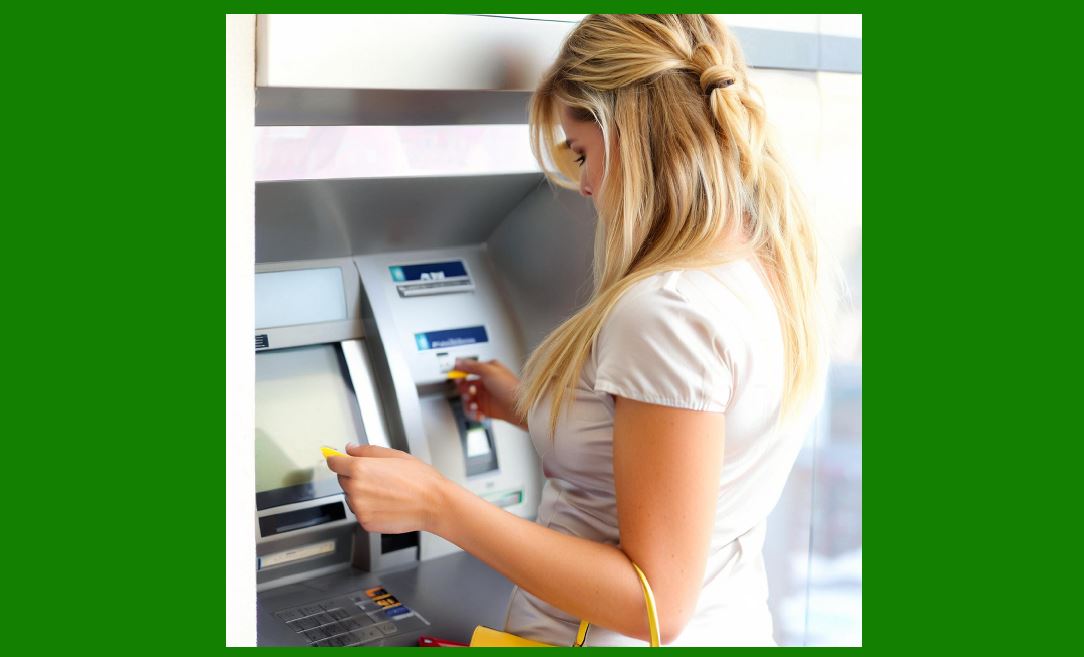
Agriculture is about feeding the world. Barcodes help ensure that food is safe and affordable. They are a simple tool that supports a vital industry. |
|
Barcodes in Government and Public Services |
Governments use barcodes for many purposes. Let us look at a few examples. |
Mail and postal services use barcodes. Every letter and package has a barcode. The barcode is used to sort the mail. It is used to track the mail. It is used to deliver the mail. The postal service scans the barcode at every step. This allows customers to track their packages. It allows the postal service to optimize its routes. Barcodes are essential for modern mail delivery. |
Tax documents often have barcodes. When you file your taxes, the form has a barcode. The tax agency scans the barcode. The barcode identifies your account. It speeds up processing. It reduces errors. Barcodes make the tax system more efficient. |
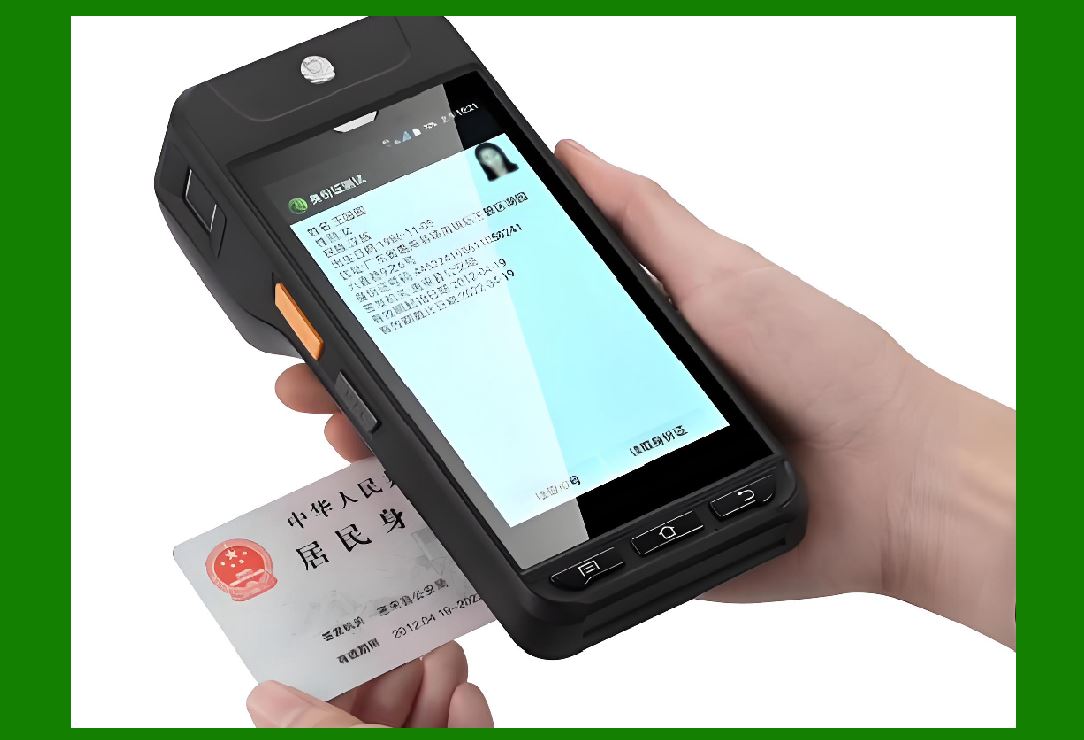
Driver's licenses and identification cards often have barcodes. The barcode encodes your personal information. It is used by law enforcement. It is used by businesses to verify your identity. The barcode is a security feature. It is difficult to forge. It is easy to scan. It speeds up transactions. |
Voting systems use barcodes in some countries. When you vote, your ballot has a barcode. The barcode is scanned to verify your eligibility. The barcode is used to count the votes. This reduces fraud. It speeds up the process. Barcodes help protect democracy. |
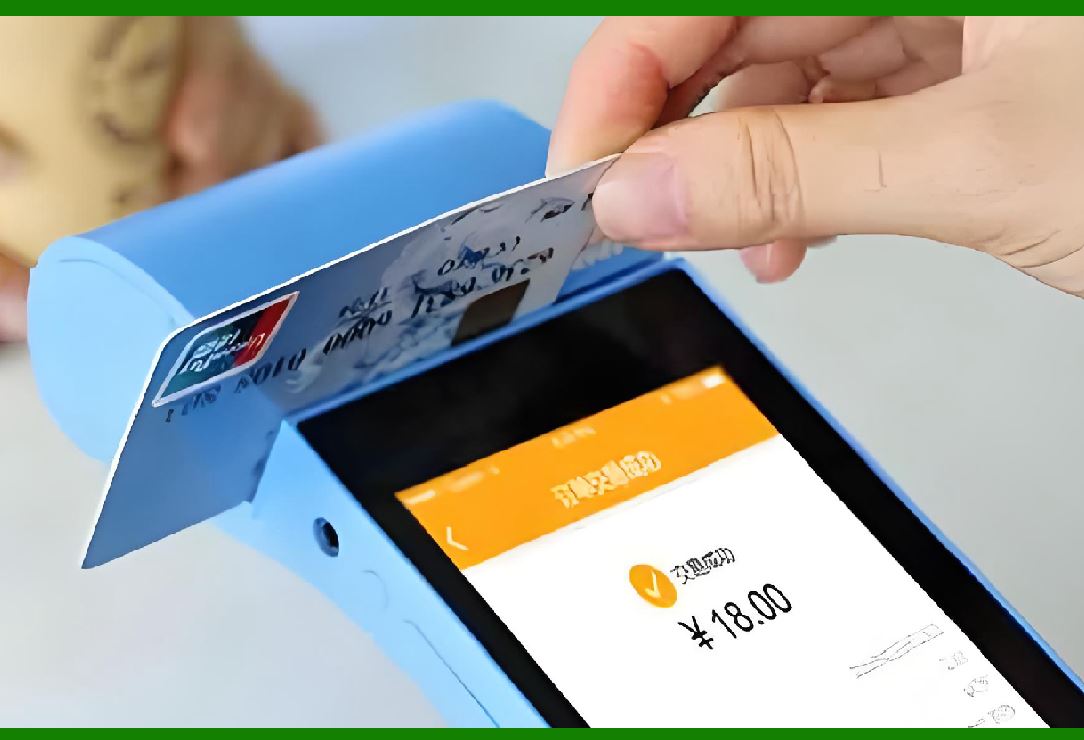
Government is about providing services. Barcodes help deliver those services efficiently. They reduce waste. They improve accuracy. They are a simple tool that supports the public good. |
|
Barcodes in Education: Managing Students and Resources |
Schools and universities use barcodes. Let us look at a few examples. |
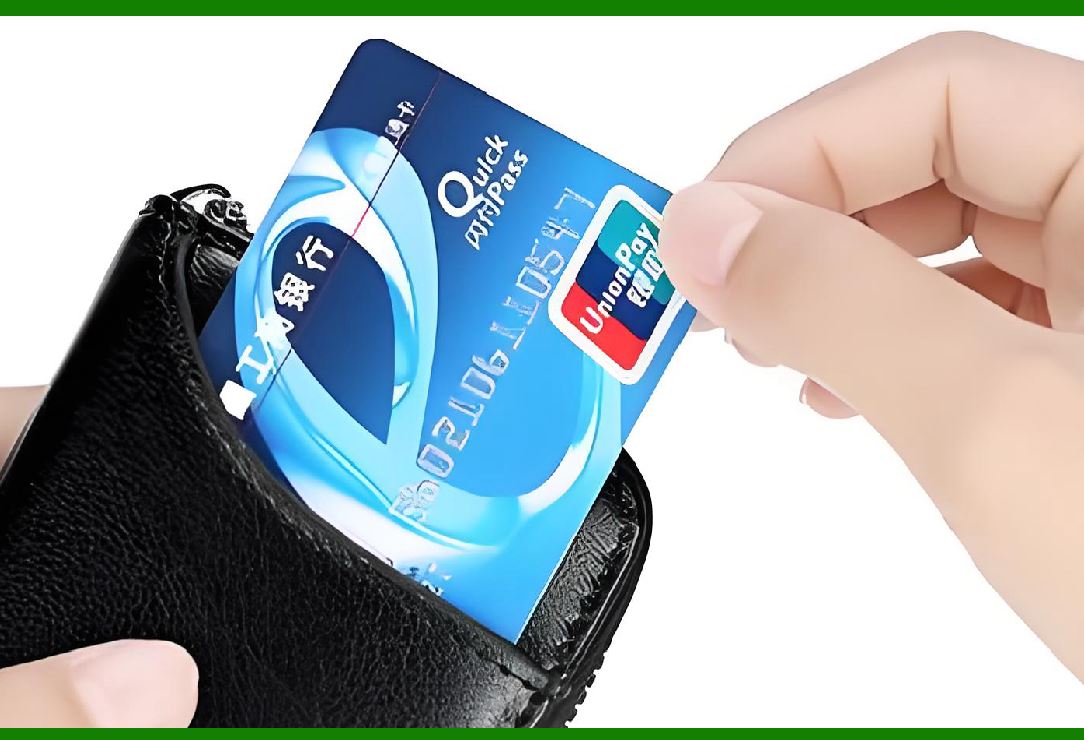
Student identification cards have barcodes. The barcode identifies the student. It is used to check out library books. It is used to buy lunch. It is used to access buildings. It is used to take attendance. The barcode makes the school more efficient. It improves security. It provides data for administrators. |
Textbooks have barcodes. The barcode identifies the book. It is used to buy and sell textbooks. It is used to track inventory. It is used to manage the bookstore. Barcodes reduce costs. They improve service. |
Exams sometimes have barcodes. The barcode identifies the student and the exam. It is used to scan the answer sheet. It speeds up grading. It reduces errors. Barcodes make the exam process fairer. |
Education is about learning. Barcodes help schools focus on learning. They reduce administrative burden. They provide accurate data. They are a simple tool that supports education. |
|
Barcodes in Entertainment and Events |
Concerts, sports games, and festivals use barcodes. Let us look at a few examples. |
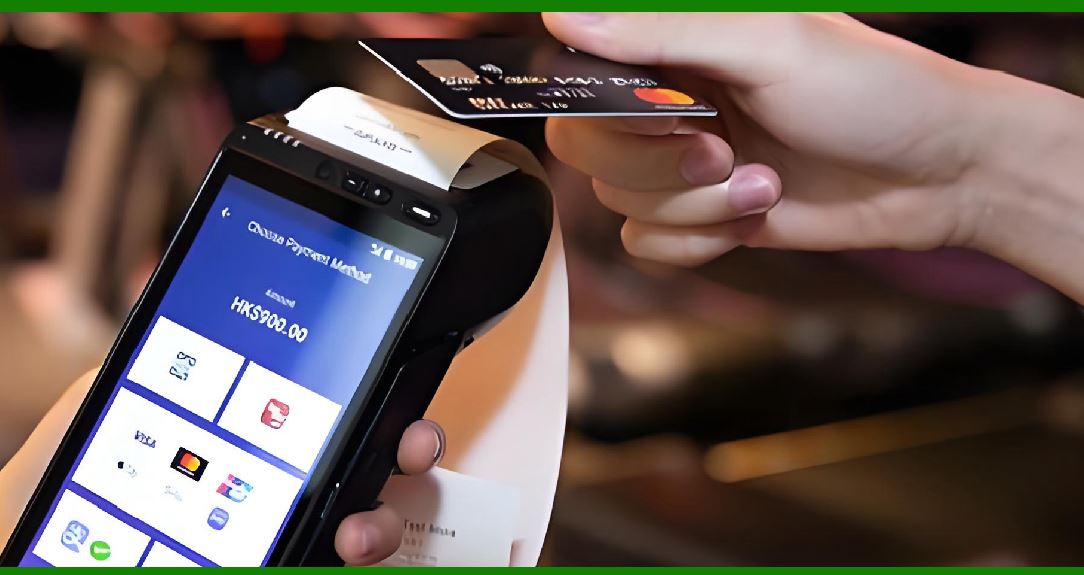
Tickets have barcodes. The barcode is scanned at the gate. The barcode confirms that the ticket is valid. It prevents fraud. It speeds up entry. It allows the organizer to track attendance. Barcodes make events more secure and efficient. |
Concessions stands use barcodes. The barcode identifies the product. The cashier scans the barcode. The sale is recorded. This reduces wait times. It improves customer service. Barcodes help the event run smoothly. |
Merchandise stands use barcodes. The barcode identifies the item. The cashier scans the barcode. The sale is recorded. This helps the organizer track inventory. It helps prevent theft. Barcodes are a simple tool that supports the event industry. |
Entertainment is about enjoyment. Barcodes help reduce friction. They let people focus on the experience. They are a small but important part of the event. |
|
Barcodes in Warehousing and Inventory Management |
Warehousing is the heart of the supply chain. Barcodes are the heart of warehousing. Let us look at a few examples. |
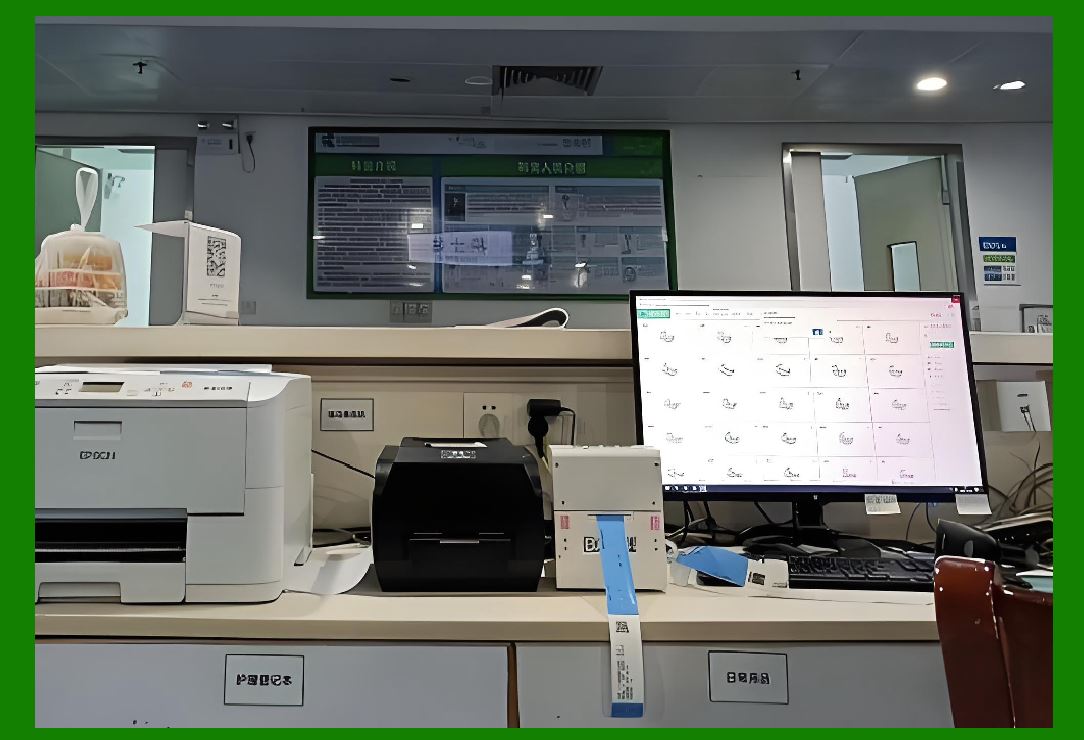
When a truck arrives at a warehouse, the pallets are unloaded. Each pallet has a barcode. The worker scans the barcode. The system records the arrival. The pallet is moved to a storage location. The location has a barcode. The worker scans the location barcode. The system records where the pallet is. This is called put-away. It ensures that the pallet can be found later. |
When an order is received, the system generates a pick list. The worker goes to the storage location. The worker scans the location barcode. The worker scans the item barcode. The system confirms that the right item is picked. The worker takes the item to the packing station. The item is packed. A shipping label is printed. The label has a barcode. The worker scans the label. The package is ready to ship. This is called pick, pack, and ship. Barcodes make this process accurate and fast. |
Cycle counting is another use. A warehouse needs to know how much inventory it has. Instead of counting everything at once, the warehouse counts a small portion every day. The worker scans the barcodes. The system compares the count to the record. If there is a discrepancy, it is investigated. This keeps the inventory accurate. Barcodes make cycle counting possible. |
Warehousing is about moving and storing goods. Barcodes help ensure that the goods are in the right place at the right time. They reduce errors. They improve efficiency. They are a simple tool that supports a complex operation. |
|
Barcodes in the Future: Still Simple, Still Strong |
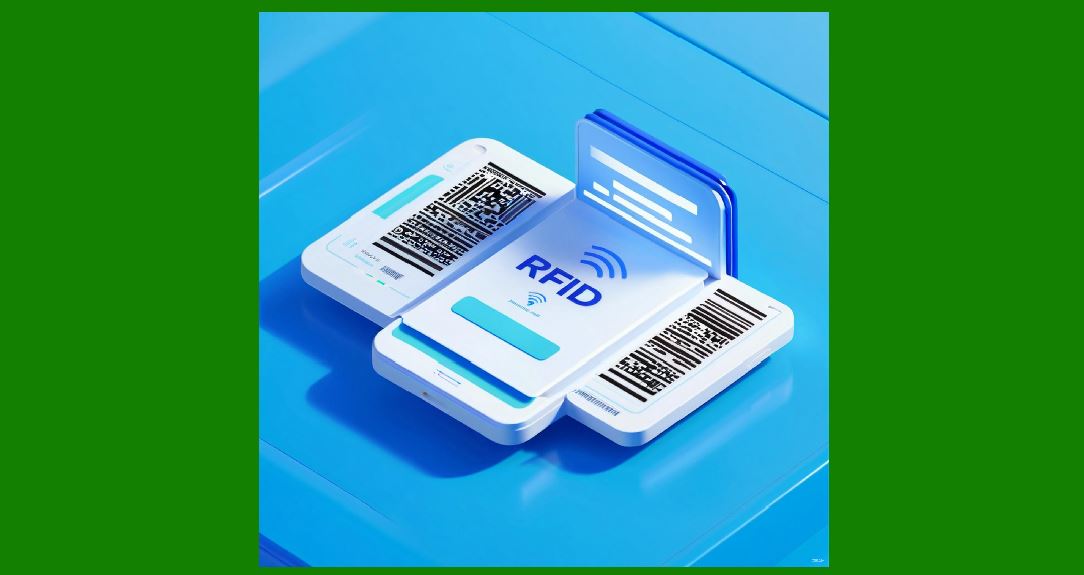
Will barcodes be replaced by RFIDThis is a common question. RFID has many advantages. It can be read without line of sight. It can store more data. It can be updated. It can be read in bulk. So why are barcodes still here |
The answer is cost. RFID tags cost a few cents each. Barcodes cost a fraction of a cent. For high-volume items, the difference is significant. A retailer that sells millions of items cannot afford to put an RFID tag on every item. But they can afford to print a barcode on every item. The barcode is cheap enough to be disposable. The RFID tag is not. |
The answer is also simplicity. Barcodes do not need batteries. They do not need readers that are as complex. They do not need a network. They do not need configuration. They just work. In many environments, that simplicity is more valuable than the extra features of RFID. |
The answer is also universality. Barcodes are everywhere. Every store has a scanner. Every warehouse has a scanner. Every hospital has a scanner. The infrastructure is already in place. Switching to RFID would require a massive investment. The return on investment is not always there. |
So barcodes will not disappear. They will continue to be used for item-level tracking. They will continue to be used in retail, healthcare, logistics, and manufacturing. They will continue to be the default for low-cost, high-volume applications. RFID will be used for high-value items, for bulk reading, and for applications that need more data. The two technologies will coexist. They will complement each other. The silent network of barcodes will remain a vital part of the physical world. |
|
Detailed Summary |
Let us bring together everything we have discussed. This chapter is about the strength of barcodes, which comes from their simplicity. The chapter title says it all: no batteries, no chips, no configuration, just ink and paper. This simplicity is not a weakness. It is a superpower. |
We began by explaining what a barcode is. A barcode is a pattern of dark and light spaces that encodes data. A scanner reads the pattern and converts it into characters. The most common barcode is the UPC. It has twelve digits. The first six identify the manufacturer. The next five identify the product. The last digit is a check digit. The check digit helps catch errors. There are many other barcode symbologies. Code 128 is used in shipping. Code 39 is used in automotive and defense. QR codes and Data Matrix codes are two-dimensional. They can store more data. But all barcodes share the same basic idea: a printed pattern that a machine can read. |
We then unpacked the three phrases in the chapter title. No batteries means the barcode has no power source. It does not need to be charged or replaced. It works as long as the ink is visible. No chips means the barcode has no silicon. It has no memory or processor. It cannot be hacked in the traditional sense. It cannot be reprogrammed. No configuration means the barcode does not need to be paired or set up. It just needs to be printed with the correct data. Any scanner that supports the same symbology can read it. These three properties make barcodes incredibly cheap. The cost of a barcode is essentially the cost of ink and paper. This enables item-level tracking at a scale that would be impossible with more expensive technologies. |
We then discussed why the limitations of barcodes are actually strengths. Barcodes require line of sight. This enforces a deliberate action. It reduces accidental reads. Barcodes can only store a small amount of data. This keeps the barcode simple. The data is linked to a database. The barcode is a key. The database is the lock. Barcodes cannot be updated. This makes them tamper-evident. If someone tries to change the data, they have to print a new barcode. Barcodes cannot be read in bulk. This makes them precise. You scan exactly what you want to scan. You do not get a flood of data. So the limitations of barcodes are not failures. They are design choices that make the technology reliable, secure, and cheap. |
We then looked at the history of the barcode. The idea was born in the 1940s. The patent was filed in 1952. But the technology to read the barcode did not exist yet. In the 1970s, lasers and computers became cheap enough. In 1974, the first UPC scanner was installed in a supermarket in Ohio. The first product scanned was a pack of Wrigley's chewing gum. The barcode spread rapidly. It moved into automotive, shipping, healthcare, libraries, airlines, and many other industries. In the 1990s, two-dimensional barcodes were invented. QR codes and Data Matrix codes opened up new applications. But the simple one-dimensional barcode remained the workhorse. Today, barcodes are everywhere. |
|
We then looked at how barcodes work without getting technical. A barcode is a series of bars and spaces. The width of the bars and spaces encodes the data. A scanner shines a light on the barcode. The light reflects off the spaces and is absorbed by the bars. A sensor detects the reflected light and converts it into a digital signal. The decoder translates the signal into characters. The barcode is self-clocking. It has a start pattern and a stop pattern. The check digit helps catch errors. The system is designed to tolerate failure. |
We then explored many industries where barcodes are used. In retail, barcodes speed up checkout. They reduce pricing errors. They improve inventory accuracy. They allow stores to offer loyalty programs. They are the foundation of modern retail. In healthcare, barcodes identify patients, medications, specimens, and equipment. They reduce medication errors. They improve patient safety. They are a lifeline in a high-pressure environment. In logistics and supply chain, barcodes track packages at every step. They enable cross-docking. They speed up customs. They are the backbone of global trade. In manufacturing, barcodes track parts, tools, and products. They ensure quality. They provide traceability. They are a simple tool that delivers big results. In transportation, barcodes are on tickets, luggage, and rental cars. They improve security and efficiency. In libraries, barcodes track books. They make checkouts faster. They help with inventory. In agriculture, barcodes track livestock, seeds, and produce. They provide traceability from farm to fork. In government, barcodes are on mail, tax documents, and identification cards. They improve efficiency and security. In education, barcodes are on student IDs and textbooks. They reduce administrative burden. In entertainment, barcodes are on tickets and merchandise. They reduce fraud and speed up entry. In warehousing, barcodes are used for put-away, picking, packing, and shipping. They keep inventory accurate. They make the warehouse run smoothly. |
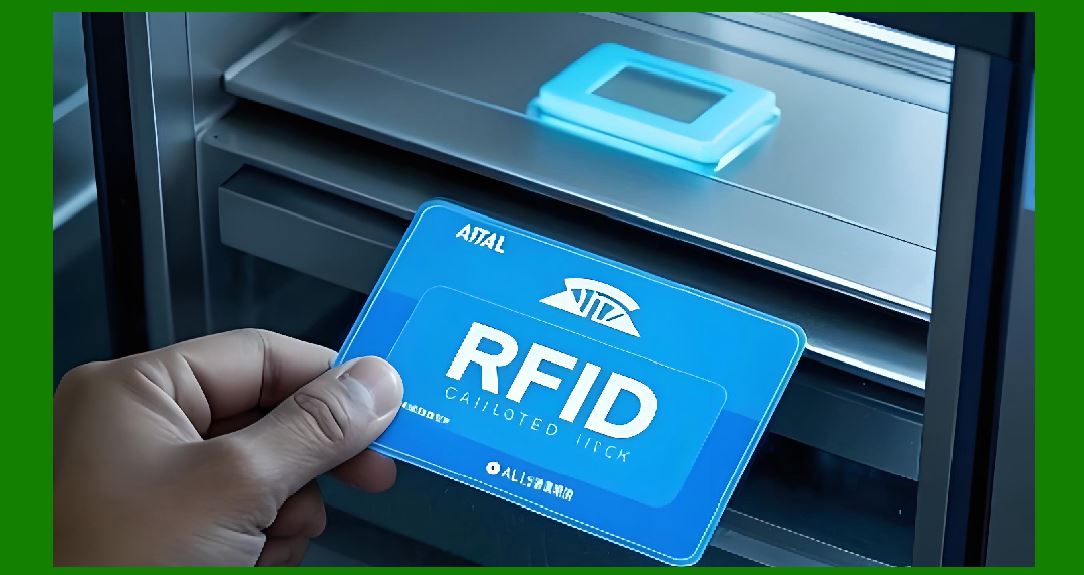
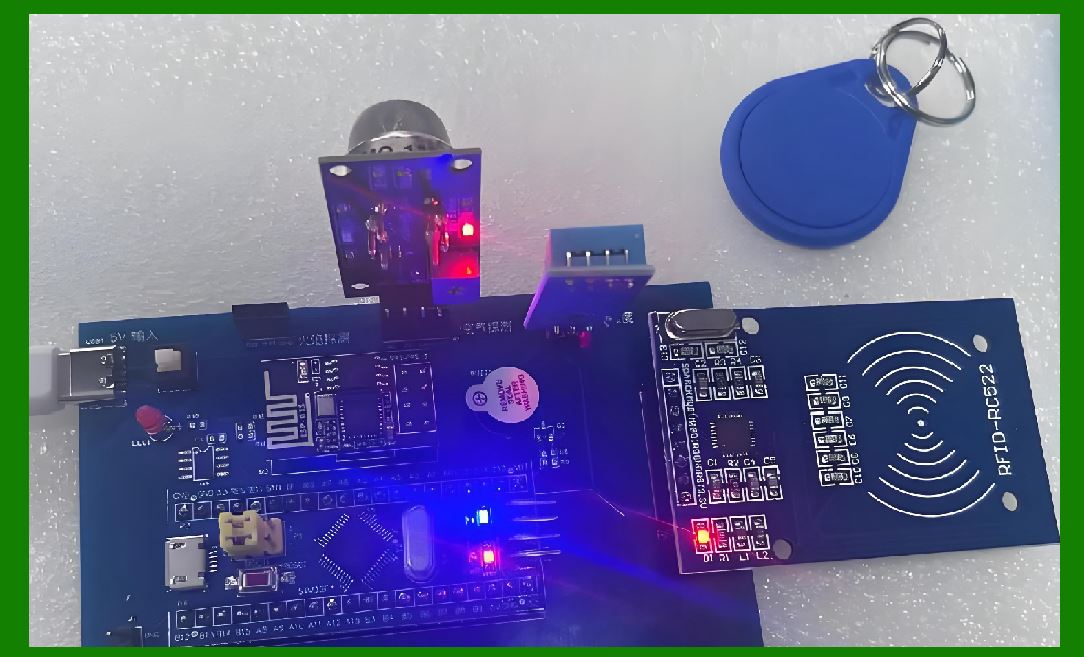
We then looked at the future. Will barcodes be replaced by RFIDThe answer is no. Barcodes are cheaper. They are simpler. They are universal. The infrastructure is already in place. Barcodes will continue to be used for item-level tracking. RFID will be used for high-value items and bulk reading. The two technologies will coexist. The silent network of barcodes will remain a vital part of the physical world. |
|
In conclusion, the strength of barcodes is their simplicity. No batteries, no chips, no configuration, just ink and paper. This simplicity makes them cheap, robust, universal, and easy to understand. They are not a stepping stone to something better. They are a stable, reliable foundation that supports trillions of transactions every year. They map the physical world in a way that is silent, efficient, and indispensable. The barcode is a quiet hero of the modern age. It asks for almost nothing. It delivers almost everything. And that is why it will be with us for a long time to come. |
 cs@easiersoft.com