Chapter 48: Barcode Strength - Universal Adoption |
Summary |
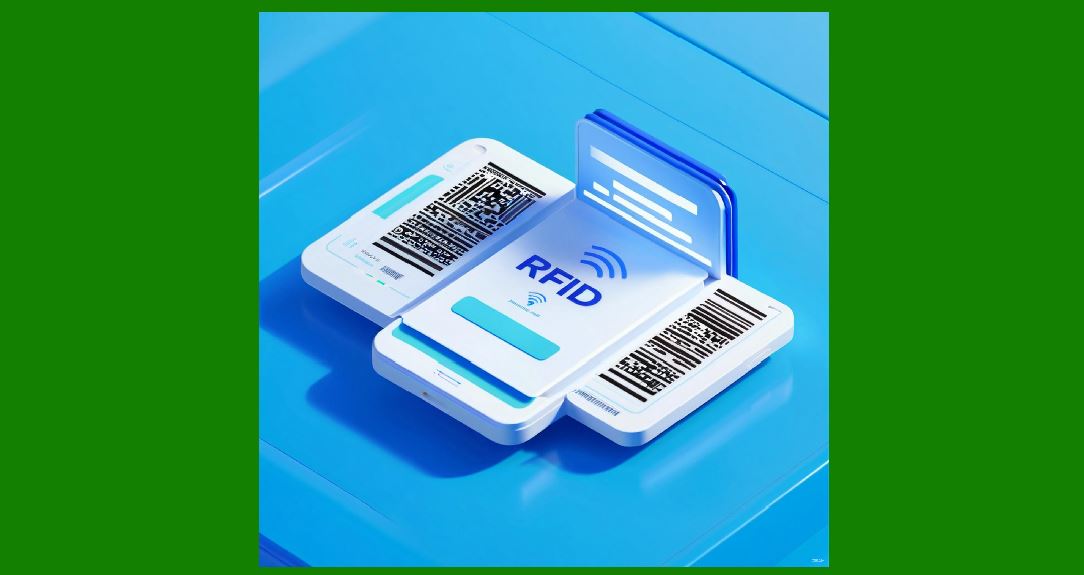
The barcode is one of the most successful technologies in human history, not because it is the most advanced, but because it is everywhere. Every retailer, courier, and library has a scanner. The infrastructure for barcodes is universal, inexpensive, and mature. RFID, by contrast, offers richer capabilities but its infrastructure is still patchy, unevenly distributed, and expensive to deploy at scale. This chapter explores why barcode adoption became universal, how that universality plays out across dozens of industries, and what it means for the future of physical-world mapping. We will look at retail, logistics, healthcare, libraries, manufacturing, agriculture, government, education, hospitality, and many other sectors. We will examine the scanner as a universal tool, the economics of printing a barcode versus embedding a tag, and the social and organizational reasons why the barcode won the first round of the silent network. The chapter ends with a detailed summary of the barcode's enduring strengths and the conditions under which RFID can complement rather than replace it. |
|
Why Universal Adoption Matters |
Imagine you are standing in a supermarket in Nairobi, a pharmacy in Santiago, a library in Helsinki, or a courier depot in Manila. In each of these places, you will find a scanner. It might be a handheld gun, a flatbed reader at a checkout counter, a smartphone camera, or a ruggedized device on a warehouse floor. The scanner is not a luxury item. It is a basic tool of modern commerce. And that scanner almost certainly reads a barcode. |
The barcode is a printed representation of data. It is cheap. It is durable. It requires no battery. It can be applied to almost any surface. It can be read by a machine that costs less than a meal. And it has been standardized for decades. These properties together created a universal infrastructure. That infrastructure is the reason why a small shop in a rural town can participate in global supply chains. It is the reason why a courier can track a parcel across continents. It is the reason why a library can lend a book to a stranger and know exactly when it comes back. |
RFID, by contrast, is not universal. It is powerful. It can read many tags at once. It can read through cardboard. It can store more data. It can be rewritten. It can be combined with sensors. But it requires a reader infrastructure that is still patchy. Some warehouses have RFID portals. Some retail stores have RFID handhelds. Some libraries have RFID pads. But the density of RFID readers is far lower than the density of barcode scanners. And the cost of an RFID tag is still higher than the cost of printing a barcode. For many applications, the barcode is not just good enough. It is the only economically rational choice. |
This chapter is about that asymmetry. It is about why the barcode achieved universal adoption, how that adoption manifests across industries, and what it means for the larger project of mapping the physical world. The silent network is not a single technology. It is a layered system. Barcodes form the base layer. RFID adds a new layer on top. But the base layer is still the one that touches the most objects, the most places, and the most people. |
|
The Scanner as a Universal Tool |
The key to barcode strength is not the barcode itself. It is the scanner. A barcode without a scanner is just a pattern of lines. A scanner without a barcode is just a beam of light. Together, they form a universal interface between the physical world and the digital world. |
Consider the evolution of the scanner. The first commercial barcode scanner was installed in a grocery store in Troy, Ohio, in 1974. It was a large, expensive machine. It could only read a single barcode symbology. It was connected to a dedicated computer. It was a marvel of engineering, but it was not universal. |
Today, the scanner is everywhere. It is in the checkout lane. It is in the warehouse. It is in the hospital. It is in the library. It is in the post office. It is in the factory. It is in the field. It is in your pocket. The smartphone camera is a barcode scanner. The webcam on your laptop is a barcode scanner. The tablet at the restaurant is a barcode scanner. The handheld device at the courier depot is a barcode scanner. The fixed mount scanner at the airport baggage belt is a barcode scanner. The scanner has become a commodity. It is cheap. It is reliable. It is easy to use. It is everywhere. |
This universality has profound implications. It means that any object with a barcode can be tracked by anyone with a scanner. It means that any process that can benefit from automatic identification can adopt barcodes without building a new infrastructure. It means that the marginal cost of adding a barcode to a product is near zero. It means that the marginal cost of adding a scanner to a process is low and falling. |
The scanner is also versatile. It can read many barcode symbologies. It can read linear barcodes. It can read two-dimensional barcodes. It can read damaged barcodes. It can read barcodes on curved surfaces. It can read barcodes at a distance. It can read barcodes in motion. It can read barcodes in low light. It can read barcodes on screens. It can read barcodes printed on paper, plastic, metal, glass, and fabric. It can read barcodes that are etched, laser-marked, or embroidered. The scanner has become a general-purpose tool for reading the physical world. |
This versatility is a form of strength. It means that the barcode does not need to be perfect. It only needs to be readable. It means that the barcode can be applied in many different ways. It means that the barcode can survive in harsh environments. It means that the barcode can be used in many different industries. The scanner adapts to the barcode. The barcode does not need to adapt to the scanner. |
The scanner is also connected. Most scanners are now networked. They send data to a point-of-sale system. They send data to a warehouse management system. They send data to a cloud service. They send data to a mobile app. This connectivity turns the scanner into a node in the silent network. Every scan is an event. Every event is a data point. Every data point is a mapping of the physical world. The scanner is not just a reading device. It is a sensor. It is a recorder. It is a mapper. |
|
The Economics of Printing Versus Embedding |
The second reason for barcode strength is economics. A barcode is printed. An RFID tag is embedded. Printing is cheap. Embedding is expensive. |
Consider a simple comparison. A barcode can be printed on a label for a fraction of a cent. The label can be applied by a machine or by hand. The barcode can be read by a scanner that costs less than a hundred dollars. The entire system can be set up in an afternoon. The marginal cost of adding another barcode is essentially zero. |
An RFID tag, by contrast, costs several cents to several dollars, depending on the type. The tag must be embedded in or attached to the object. The reader must be installed. The software must be integrated. The entire system can take months to deploy. The marginal cost of adding another tag is not zero. It is a real cost that must be justified by a real benefit. |
This economic asymmetry is decisive in many industries. In retail, the margin on a single item can be a few cents. A barcode costs almost nothing. An RFID tag costs more than the margin. So the barcode wins. In logistics, the cost of a parcel is higher, but the volume is enormous. A barcode costs almost nothing. An RFID tag costs more than the label. So the barcode wins. In libraries, the cost of a book is higher, but the budget is tight. A barcode costs almost nothing. An RFID tag costs a dollar or more. So the barcode wins, except in libraries that have made a strategic decision to invest in RFID for other reasons. |
The economics of printing versus embedding also apply to the reader infrastructure. A barcode scanner is a standalone device. It can be deployed one at a time. It can be used by a single person. It can be moved from place to place. An RFID reader is a system. It requires antennas, cables, power, and network connections. It covers a zone. It can read many tags at once. But it cannot be deployed one at a time. It must be deployed as a system. This makes RFID less flexible and more expensive for small-scale applications. |
The economics of printing versus embedding also apply to the lifecycle of the object. A barcode can be printed when the object is manufactured. It can be read throughout the object's life. It can be discarded with the object. An RFID tag can be embedded when the object is manufactured. It can be read throughout the object's life. But it can also be removed, reused, or recycled. This creates additional costs and complexities. The barcode is simple. The RFID tag is complex. In many cases, simplicity wins. |
|
The Standards That Made Universality Possible |
The third reason for barcode strength is standards. The barcode is governed by a set of global standards that ensure interoperability. These standards cover the symbologies, the data formats, the printing quality, the scanning conditions, and the application identifiers. Without these standards, the barcode would be a fragmented mess. With these standards, the barcode is a universal language. |
The most important standard is the Universal Product Code, or UPC. It was developed in the 1970s by a consortium of grocery manufacturers and retailers. It was designed to be a single standard for retail. It was adopted quickly. It became the basis for the Global Trade Item Number, or GTIN. The GTIN is now used in almost every country. It identifies a product uniquely. It is the backbone of retail. |
Another important standard is the International Standard Book Number, or ISBN. It was developed in the 1960s and 1970s. It identifies a book uniquely. It is used by publishers, booksellers, and libraries. It is often encoded in a barcode. It is the backbone of the book trade. |
Another important standard is the International Standard Serial Number, or ISSN. It identifies a serial publication uniquely. It is used by publishers, libraries, and subscription agents. It is often encoded in a barcode. It is the backbone of the serials trade. |
Another important standard is the Global Location Number, or GLN. It identifies a location uniquely. It is used by retailers, manufacturers, and logistics providers. It is often encoded in a barcode. It is the backbone of supply chain mapping. |
Another important standard is the Serial Shipping Container Code, or SSCC. It identifies a logistics unit uniquely. It is used by manufacturers, distributors, and carriers. It is often encoded in a barcode. It is the backbone of logistics tracking. |
Another important standard is the GS1-128 barcode. It can encode multiple data elements in a single barcode. It is used in many industries. It is the backbone of complex labeling. |
Another important standard is the QR Code. It was developed in Japan in the 1990s. It can encode more data than a linear barcode. It can be read by smartphones. It is used in many industries. It is the backbone of mobile engagement. |
These standards are maintained by GS1, the global standards organization. GS1 has member organizations in over a hundred countries. It manages the barcode standards. It manages the data standards. It manages the identification standards. It provides training and certification. It ensures that a barcode printed in one country can be read in another. It ensures that a scanner made by one manufacturer can read a barcode made by another. It ensures that the silent network is truly global. |
The existence of these standards is a form of strength. It means that the barcode is not a proprietary technology. It is a public good. It means that anyone can use it. It means that anyone can build on it. It means that the barcode is not controlled by a single company. It is controlled by a community. This has allowed the barcode to spread to every corner of the economy. |
|
Retail: The Original Barcode Stronghold |
Retail is the original barcode stronghold. It is where the barcode was born. It is where the barcode grew up. It is where the barcode is most deeply entrenched. |
Consider a typical supermarket. Every product on the shelf has a barcode. The barcode is printed on the packaging. It is scanned at the checkout. It is used to look up the price. It is used to update the inventory. It is used to reorder the product. It is used to analyze the sales. The barcode is the nervous system of the supermarket. |
The checkout scanner is the most visible barcode scanner in the world. It is a fixed mount scanner that reads the barcode as the cashier passes it over the glass. It is fast. It is accurate. It is reliable. It has been refined over decades. It can read a barcode in a fraction of a second. It can read a barcode from any angle. It can read a barcode even if it is damaged or poorly printed. It is a marvel of engineering. |
The barcode also enables self-checkout. The customer scans the barcode. The system looks up the price. The customer pays. The barcode is the key that unlocks the transaction. Without the barcode, self-checkout would be impossible. With the barcode, self-checkout is routine. |
The barcode also enables inventory management. The store clerk scans the barcode on the shelf. The system counts the items. The system compares the count to the expected count. The system generates a reorder. The barcode is the key that unlocks the inventory. Without the barcode, inventory management would be manual and error-prone. With the barcode, inventory management is automatic and accurate. |
The barcode also enables supply chain management. The manufacturer prints the barcode. The distributor scans the barcode. The retailer scans the barcode. The barcode is the key that unlocks the supply chain. Without the barcode, the supply chain would be opaque. With the barcode, the supply chain is transparent. |
The barcode also enables customer engagement. The customer scans the barcode with a smartphone. The customer sees the product information. The customer sees the reviews. The customer sees the coupons. The barcode is the key that unlocks the engagement. Without the barcode, the engagement would be impossible. With the barcode, the engagement is routine. |
Retail is not just supermarkets. It is also clothing stores, electronics stores, furniture stores, hardware stores, pharmacies, convenience stores, and online stores. In every one of these, the barcode is present. It is on the price tag. It is on the box. It is on the receipt. It is on the shipping label. It is everywhere. The barcode is the universal language of retail. |
|
Logistics: The Barcode as the Backbone of Delivery |
Logistics is the second great barcode stronghold. It is where the barcode enables the movement of goods across the world. |
Consider a typical parcel. It is picked up by a courier. It is sorted at a depot. It is loaded onto a truck. It is driven to an airport. It is loaded onto a plane. It is flown to another country. It is unloaded. It is sorted again. It is loaded onto a van. It is delivered to the recipient. At every step, the barcode is scanned. At every step, the location is recorded. At every step, the status is updated. The barcode is the key that unlocks the tracking. |
The courier uses a handheld scanner. The scanner reads the barcode on the parcel. The scanner sends the data to the cloud. The cloud updates the tracking system. The customer sees the update. The customer knows where the parcel is. The customer knows when it will arrive. The barcode is the key that unlocks the visibility. |
The barcode also enables sorting. The sorting machine reads the barcode. The machine diverts the parcel to the correct chute. The machine does this thousands of times per hour. The barcode is the key that unlocks the automation. Without the barcode, sorting would be manual and slow. With the barcode, sorting is automatic and fast. |
The barcode also enables proof of delivery. The recipient signs the scanner. The scanner records the signature. The scanner sends the data to the cloud. The cloud updates the tracking system. The customer sees the proof. The barcode is the key that unlocks the confirmation. |
The barcode also enables returns. The customer brings the parcel to the courier. The courier scans the barcode. The courier prints a new label. The courier sends the parcel back. The barcode is the key that unlocks the reverse logistics. |
Logistics is not just parcels. It is also pallets, containers, and railcars. These larger units also have barcodes. They are scanned at ports, at terminals, at warehouses, and at factories. The barcode is the key that unlocks the global supply chain. Without the barcode, the global supply chain would be impossible. With the barcode, the global supply chain is routine. |
|
Libraries: The Barcode as the Foundation of Lending |
Libraries are the third great barcode stronghold. They are where the barcode enables the lending of books and other materials. |
Consider a typical library. Every book has a barcode. The barcode is printed on a label. The label is attached to the book. The barcode is scanned at the checkout desk. The barcode is scanned at the return desk. The barcode is scanned during inventory. The barcode is the key that unlocks the circulation. |
The library uses a library management system. The system stores the barcode. The system stores the patron record. The system stores the loan record. The barcode is the link between the book and the patron. Without the barcode, the link would be manual. With the barcode, the link is automatic. |
The barcode also enables self-checkout. The patron scans the barcode. The patron scans the library card. The system checks out the book. The patron leaves. The barcode is the key that unlocks the self-service. Without the barcode, self-checkout would be impossible. With the barcode, self-checkout is routine. |
The barcode also enables inventory. The librarian scans the barcode on the shelf. The system compares the scan to the catalog. The system identifies missing books. The system identifies misshelved books. The barcode is the key that unlocks the inventory. Without the barcode, inventory would be manual and infrequent. With the barcode, inventory is automatic and frequent. |
The barcode also enables resource sharing. The library shares its catalog with other libraries. The barcode is the key that unlocks the sharing. The patron can request a book from another library. The book is delivered. The barcode is scanned. The barcode is the key that unlocks the interlibrary loan. |
Libraries are not just books. They are also DVDs, CDs, audiobooks, magazines, and equipment. These items also have barcodes. They are scanned at the checkout desk. They are scanned at the return desk. The barcode is the universal language of the library. |
|
Healthcare: The Barcode as a Safety Tool |
Healthcare is the fourth great barcode stronghold. It is where the barcode enables the safety and efficiency of patient care. |
Consider a typical hospital. Every patient has a wristband. The wristband has a barcode. The barcode identifies the patient. The barcode is scanned before medication is administered. The barcode is scanned before a procedure is performed. The barcode is scanned before a blood transfusion is given. The barcode is the key that unlocks the safety. |
The nurse uses a handheld scanner. The scanner reads the barcode on the wristband. The scanner reads the barcode on the medication. The system compares the two. The system checks for allergies. The system checks for interactions. The system checks for the right dose. The system checks for the right time. The barcode is the key that unlocks the five rights of medication administration. Without the barcode, the checks would be manual. With the barcode, the checks are automatic. |
The barcode also enables specimen tracking. The phlebotomist draws blood. The phlebotomist labels the tube with a barcode. The barcode identifies the patient. The barcode identifies the test. The barcode is scanned at the lab. The barcode is scanned at the analyzer. The barcode is the key that unlocks the tracking. Without the barcode, the specimen could be lost or mislabeled. With the barcode, the specimen is tracked from draw to result. |
The barcode also enables medical device tracking. The device has a barcode. The barcode identifies the device. The barcode identifies the lot. The barcode identifies the expiration date. The barcode is scanned before use. The barcode is scanned after use. The barcode is the key that unlocks the traceability. Without the barcode, the device could be recalled without notice. With the barcode, the device is traced from manufacturer to patient. |
The barcode also enables surgical instrument tracking. The instrument has a barcode. The barcode identifies the instrument. The barcode identifies the tray. The barcode is scanned before sterilization. The barcode is scanned after sterilization. The barcode is scanned before surgery. The barcode is the key that unlocks the sterility assurance. Without the barcode, the instrument could be non-sterile. With the barcode, the instrument is tracked through the sterile processing department. |
Healthcare is not just hospitals. It is also clinics, pharmacies, labs, blood banks, and public health agencies. In every one of these, the barcode is present. It is on the patient wristband. It is on the medication. It is on the specimen. It is on the device. It is everywhere. The barcode is the universal language of healthcare. |
|
Manufacturing: The Barcode as a Production Tool |
Manufacturing is the fifth great barcode stronghold. It is where the barcode enables the control of production. |
Consider a typical factory. Every part has a barcode. The barcode is printed on the part. The barcode is printed on the label. The barcode is scanned at the receiving dock. The barcode is scanned at the workstation. The barcode is scanned at the quality check. The barcode is scanned at the shipping dock. The barcode is the key that unlocks the traceability. |
The factory uses a manufacturing execution system. The system stores the barcode. The system stores the process. The system stores the operator. The system stores the machine. The system stores the time. The barcode is the link between the part and the process. Without the barcode, the link would be manual. With the barcode, the link is automatic. |
The barcode also enables work-in-progress tracking. The part moves from station to station. The barcode is scanned at each station. The system knows where the part is. The system knows what has been done. The system knows what is next. The barcode is the key that unlocks the tracking. Without the barcode, the tracking would be manual. With the barcode, the tracking is automatic. |
The barcode also enables quality control. The part is inspected. The barcode is scanned. The system records the result. The system records the defect. The system records the corrective action. The barcode is the key that unlocks the quality record. Without the barcode, the record would be paper. With the barcode, the record is digital. |
The barcode also enables inventory control. The part is stored in the warehouse. The barcode is scanned at the shelf. The system knows the quantity. The system knows the location. The system knows the reorder point. The barcode is the key that unlocks the inventory. Without the barcode, the inventory would be manual. With the barcode, the inventory is automatic. |
The barcode also enables shipping. The part is packed. The barcode is scanned. The system generates the shipping label. The system generates the packing list. The system generates the invoice. The barcode is the key that unlocks the shipping. Without the barcode, the shipping would be manual. With the barcode, the shipping is automatic. |
Manufacturing is not just factories. It is also workshops, job shops, and assembly plants. In every one of these, the barcode is present. It is on the part. It is on the label. It is on the traveler. It is everywhere. The barcode is the universal language of manufacturing. |
|
Agriculture: The Barcode as a Traceability Tool |
Agriculture is the sixth great barcode stronghold. It is where the barcode enables the traceability of food. |
Consider a typical farm. Every animal has a barcode. The barcode is on the ear tag. The barcode is on the passport. The barcode is scanned at birth. The barcode is scanned at movement. The barcode is scanned at slaughter. The barcode is the key that unlocks the traceability. |
The farm uses a herd management system. The system stores the barcode. The system stores the breed. The system stores the birth date. The system stores the health record. The system stores the movement record. The barcode is the link between the animal and the record. Without the barcode, the link would be manual. With the barcode, the link is automatic. |
The barcode also enables crop traceability. The crop has a barcode. The barcode is on the seed bag. The barcode is on the harvest bin. The barcode is on the shipping container. The barcode is scanned at planting. The barcode is scanned at harvest. The barcode is scanned at packing. The barcode is the key that unlocks the traceability. Without the barcode, the traceability would be manual. With the barcode, the traceability is automatic. |
The barcode also enables food safety. The product has a barcode. The barcode is on the package. The barcode is scanned at the store. The barcode is scanned at the restaurant. The barcode is scanned at the home. The barcode is the key that unlocks the recall. Without the barcode, the recall would be broad. With the barcode, the recall is precise. |
The barcode also enables organic certification. The product has a barcode. The barcode is on the label. The barcode is scanned at the audit. The barcode is scanned at the sale. The barcode is the key that unlocks the certification. Without the barcode, the certification would be paper. With the barcode, the certification is digital. |
Agriculture is not just farms. It is also ranches, orchards, vineyards, fisheries, and food processors. In every one of these, the barcode is present. It is on the animal. It is on the crop. It is on the package. It is everywhere. The barcode is the universal language of agriculture. |

|
Government: The Barcode as a Public Administration Tool |
Government is the seventh great barcode stronghold. It is where the barcode enables the administration of public services. |
Consider a typical government office. Every document has a barcode. The barcode is on the form. The barcode is on the file. The barcode is on the ID card. The barcode is scanned at the counter. The barcode is scanned at the archive. The barcode is scanned at the audit. The barcode is the key that unlocks the administration. |
The government uses a records management system. The system stores the barcode. The system stores the citizen. The system stores the service. The system stores the date. The system stores the status. The barcode is the link between the document and the citizen. Without the barcode, the link would be manual. With the barcode, the link is automatic. |
The barcode also enables tax administration. The tax form has a barcode. The barcode is scanned at the processing center. The system captures the data. The system validates the data. The system processes the return. The barcode is the key that unlocks the efficiency. Without the barcode, the processing would be manual. With the barcode, the processing is automatic. |
The barcode also enables customs administration. The shipment has a barcode. The barcode is scanned at the border. The system captures the data. The system validates the data. The system clears the shipment. The barcode is the key that unlocks the trade. Without the barcode, the clearance would be slow. With the barcode, the clearance is fast. |
The barcode also enables postal administration. The letter has a barcode. The barcode is scanned at the post office. The barcode is scanned at the sorting center. The barcode is scanned at the delivery office. The barcode is the key that unlocks the delivery. Without the barcode, the delivery would be untracked. With the barcode, the delivery is tracked. |
The barcode also enables election administration. The ballot has a barcode. The barcode is scanned at the polling station. The barcode is scanned at the counting center. The barcode is the key that unlocks the audit. Without the barcode, the audit would be manual. With the barcode, the audit is automatic. |
Government is not just offices. It is also agencies, departments, and municipalities. In every one of these, the barcode is present. It is on the document. It is on the ID. It is on the package. It is everywhere. The barcode is the universal language of government. |
|
Education: The Barcode as an Administrative Tool |
Education is the eighth great barcode stronghold. It is where the barcode enables the administration of schools and universities. |
Consider a typical school. Every student has an ID card. The ID card has a barcode. The barcode is scanned at the library. The barcode is scanned at the cafeteria. The barcode is scanned at the bus. The barcode is scanned at the attendance desk. The barcode is the key that unlocks the administration. |
The school uses a student information system. The system stores the barcode. The system stores the student. The system stores the attendance. The system stores the grades. The system stores the fees. The barcode is the link between the student and the record. Without the barcode, the link would be manual. With the barcode, the link is automatic. |
The barcode also enables textbook tracking. The textbook has a barcode. The barcode is scanned at the bookstore. The barcode is scanned at the classroom. The barcode is scanned at the return. The barcode is the key that unlocks the inventory. Without the barcode, the inventory would be manual. With the barcode, the inventory is automatic. |
The barcode also enables exam administration. The exam paper has a barcode. The barcode is scanned at the printing center. The barcode is scanned at the exam hall. The barcode is scanned at the marking center. The barcode is the key that unlocks the security. Without the barcode, the security would be manual. With the barcode, the security is automatic. |
The barcode also enables certificate verification. The certificate has a barcode. The barcode is scanned by the employer. The barcode is scanned by the university. The barcode is the key that unlocks the verification. Without the barcode, the verification would be manual. With the barcode, the verification is automatic. |
Education is not just schools. It is also colleges, universities, and training centers. In every one of these, the barcode is present. It is on the ID. It is on the textbook. It is on the exam. It is everywhere. The barcode is the universal language of education. |
|
Hospitality: The Barcode as a Service Tool |
Hospitality is the ninth great barcode stronghold. It is where the barcode enables the delivery of services. |
Consider a typical hotel. Every room has a barcode. The barcode is on the key card. The barcode is on the minibar. The barcode is on the laundry bag. The barcode is scanned at the front desk. The barcode is scanned at the restaurant. The barcode is scanned at the spa. The barcode is the key that unlocks the service. |
The hotel uses a property management system. The system stores the barcode. The system stores the guest. The system stores the room. The system stores the charge. The system stores the preference. The barcode is the link between the guest and the service. Without the barcode, the link would be manual. With the barcode, the link is automatic. |
The barcode also enables event management. The ticket has a barcode. The barcode is scanned at the entrance. The barcode is scanned at the bar. The barcode is scanned at the merchandise stand. The barcode is the key that unlocks the access. Without the barcode, the access would be manual. With the barcode, the access is automatic. |
The barcode also enables loyalty management. The card has a barcode. The barcode is scanned at the checkout. The system adds the points. The system tracks the rewards. The barcode is the key that unlocks the loyalty. Without the barcode, the loyalty would be manual. With the barcode, the loyalty is automatic. |
The barcode also enables baggage management. The bag has a barcode. The barcode is scanned at the check-in. The barcode is scanned at the transfer. The barcode is scanned at the arrival. The barcode is the key that unlocks the tracking. Without the barcode, the tracking would be manual. With the barcode, the tracking is automatic. |
Hospitality is not just hotels. It is also restaurants, bars, cafes, theme parks, and airlines. In every one of these, the barcode is present. It is on the key. It is on the ticket. It is on the bag. It is everywhere. The barcode is the universal language of hospitality. |
|
The Barcode in Emerging Markets |
The barcode is not just a technology of the rich world. It is also a technology of the emerging world. In many emerging markets, the barcode has leapfrogged older technologies. It has enabled new forms of commerce, new forms of finance, and new forms of government. |
Consider a small shop in a rural village. The shop has a scanner. The scanner is connected to a mobile phone. The mobile phone is connected to the internet. The shop can scan the barcode on a product. The shop can look up the price. The shop can accept a mobile payment. The barcode is the key that unlocks the commerce. Without the barcode, the shop would be limited to cash. With the barcode, the shop can participate in the digital economy. |
Consider a farmer in a remote area. The farmer has a scanner. The scanner is connected to a mobile phone. The mobile phone is connected to the internet. The farmer can scan the barcode on a seed bag. The farmer can verify the authenticity. The farmer can access the market price. The barcode is the key that unlocks the information. Without the barcode, the farmer would be isolated. With the barcode, the farmer is connected. |
Consider a patient in a rural clinic. The patient has a wristband. The wristband has a barcode. The barcode is scanned by a community health worker. The barcode is connected to a mobile phone. The mobile phone is connected to the internet. The health worker can access the patient record. The health worker can update the vaccination status. The barcode is the key that unlocks the healthcare. Without the barcode, the record would be paper. With the barcode, the record is digital. |
Consider a citizen in a developing country. The citizen has an ID card. The ID card has a barcode. The barcode is scanned at the polling station. The barcode is scanned at the bank. The barcode is scanned at the health clinic. The barcode is the key that unlocks the identity. Without the barcode, the identity would be manual. With the barcode, the identity is digital. |
The barcode is a leapfrog technology. It allows emerging markets to skip the expensive infrastructure of the past. It allows them to build a new infrastructure that is cheap, open, and universal. The barcode is not just a tool of the rich. It is a tool of the poor. It is a tool of everyone. |
|
Why RFID Has Not Replaced the Barcode |
RFID has many advantages over the barcode. It can read many tags at once. It can read through cardboard. It can read at a distance. It can store more data. It can be rewritten. It can be combined with sensors. It can be used in harsh environments. It can be used in automated processes. It can be used in real-time tracking. |
But RFID has not replaced the barcode. WhyThere are several reasons. |
First, the cost. An RFID tag costs more than a barcode. For low-margin items, the cost is prohibitive. For high-volume items, the cost is significant. The barcode is essentially free. The RFID tag is not. |
Second, the infrastructure. An RFID reader is more expensive than a barcode scanner. An RFID system is more complex than a barcode system. An RFID deployment is more disruptive than a barcode deployment. The barcode infrastructure is already in place. The RFID infrastructure is still being built. |
Third, the standards. The barcode standards are mature and global. The RFID standards are still evolving. There are multiple RFID frequencies. There are multiple RFID protocols. There are multiple RFID data formats. This fragmentation slows adoption. |
Fourth, the physics. RFID is affected by metal and liquid. The barcode is not. RFID has a limited read range. The barcode can be read at any distance with the right scanner. RFID can be interfered with. The barcode is immune to interference. |
Fifth, the privacy. RFID tags can be read without knowledge or consent. Barcodes require line of sight. This makes RFID more powerful but also more controversial. Some consumers and regulators are concerned about the privacy implications of RFID. This slows adoption. |
Sixth, the culture. The barcode is familiar. The scanner is familiar. The beep is familiar. The RFID tag is less familiar. The RFID reader is less familiar. The change is disruptive. People resist change. Organizations resist change. The barcode is comfortable. The RFID tag is not. |
Seventh, the economics of scale. The barcode has achieved enormous economies of scale. The scanner is cheap because millions are made. The label is cheap because billions are printed. The RFID tag is more expensive because fewer are made. This creates a chicken-and-egg problem. The RFID tag will become cheaper when more are made. More will be made when the tag becomes cheaper. The barcode has already solved this problem. |
Eighth, the sufficiency. For many applications, the barcode is sufficient. It does the job. It identifies the product. It tracks the parcel. It lends the book. It administers the medication. It controls the production. It traces the food. It administers the government. It runs the school. It serves the guest. The barcode is good enough. The RFID tag is better, but the barcode is good enough. And good enough is often the enemy of better. |
|
The Barcode as a Complement to RFID |
The barcode and RFID are not enemies. They are complements. They serve different purposes. They operate at different levels. They solve different problems. |
The barcode is a one-to-one technology. It requires a scan. It requires a line of sight. It requires a human or a machine to point the scanner. It is ideal for individual items. It is ideal for low-cost items. It is ideal for simple identification. It is ideal for environments where RFID is difficult. It is ideal for applications where cost is paramount. |
RFID is a many-to-many technology. It does not require a scan. It does not require a line of sight. It can read many tags at once. It is ideal for groups of items. It is ideal for high-value items. It is ideal for complex identification. It is ideal for environments where automation is needed. It is ideal for applications where speed is paramount. |
In many systems, the barcode and RFID work together. The barcode is used for the item. The RFID tag is used for the pallet. The barcode is used for the patient wristband. The RFID tag is used for the medical device. The barcode is used for the book. The RFID tag is used for the shelf. The barcode is used for the parcel. The RFID tag is used for the container. The barcode is used for the part. The RFID tag is used for the tool. The barcode is used for the document. The RFID tag is used for the file. The barcode is used for the ticket. The RFID tag is used for the wristband. The barcode is used for the ID card. The RFID tag is used for the passport. |
This complementary approach is the future of the silent network. The barcode is the base layer. The RFID is the overlay. The barcode is the universal language. The RFID is the rich language. The barcode is the past, present, and future. The RFID is the future. But the future is built on the past. The future is built on the barcode. |
The Barcode and the Internet of Things |
The Internet of Things is often described as a world where every object is connected. Every object has a sensor. Every object has an address. Every object has a voice. In this world, the barcode might seem obsolete. Why would you need a barcode when every object has a chip |
But the Internet of Things is not just about chips. It is about identity. Every object needs an identity. Every object needs a name. Every object needs a number. The barcode provides that identity. The barcode provides that name. The barcode provides that number. The barcode is the naming system of the Internet of Things. |
Consider a smart home. The smart home has many devices. Each device has a barcode. The barcode is on the box. The barcode is on the device. The barcode is scanned during setup. The barcode is used to register the device. The barcode is used to link the device to the account. The barcode is the key that unlocks the setup. Without the barcode, the setup would be manual. With the barcode, the setup is automatic. |
Consider a smart factory. The smart factory has many machines. Each machine has a barcode. The barcode is on the machine. The barcode is on the part. The barcode is scanned during production. The barcode is used to track the part. The barcode is used to control the machine. The barcode is the key that unlocks the production. Without the barcode, the production would be manual. With the barcode, the production is automatic. |
Consider a smart city. The smart city has many assets. Each asset has a barcode. The barcode is on the streetlight. The barcode is on the pipe. The barcode is on the bin. The barcode is scanned during maintenance. The barcode is used to identify the asset. The barcode is used to record the work. The barcode is the key that unlocks the maintenance. Without the barcode, the maintenance would be manual. With the barcode, the maintenance is automatic. |
The barcode is not obsolete in the Internet of Things. It is foundational. It is the simplest, cheapest, and most universal way to give an object an identity. The Internet of Things needs the barcode. The barcode is the silent network that makes the Internet of Things possible. |
|
The Barcode and the Future of Work |
The barcode has changed the nature of work. It has automated many tasks. It has eliminated many jobs. It has created many jobs. It has changed the skills that are required. It has changed the way that work is organized. |
Consider the checkout clerk. In the past, the clerk had to read the price tag. The clerk had to enter the price. The clerk had to make change. The clerk had to be fast and accurate. Today, the clerk scans the barcode. The system looks up the price. The system calculates the change. The clerk is faster and more accurate. But the clerk is also less skilled. The clerk is a scanner operator. The barcode has deskilled the job. |
Consider the warehouse worker. In the past, the worker had to read the label. The worker had to find the item. The worker had to record the location. The worker had to be fast and accurate. Today, the worker scans the barcode. The system tells the worker where to go. The system records the location. The worker is faster and more accurate. But the worker is also less skilled. The worker is a scanner operator. The barcode has deskilled the job. |
Consider the librarian. In the past, the librarian had to stamp the book. The librarian had to write the due date. The librarian had to file the card. The librarian had to be fast and accurate. Today, the librarian scans the barcode. The system checks out the book. The system sends a reminder. The librarian is faster and more accurate. But the librarian is also less skilled. The librarian is a scanner operator. The barcode has deskilled the job. |
But the barcode has also created jobs. It has created jobs for the people who design the barcodes. It has created jobs for the people who print the barcodes. It has created jobs for the people who build the scanners. It has created jobs for the people who write the software. It has created jobs for the people who analyze the data. It has created jobs for the people who manage the systems. The barcode has created a whole industry. It has created a whole profession. It has created a whole economy. |
The barcode has also changed the nature of work. It has made work more abstract. The worker no longer deals with the physical object. The worker deals with the barcode. The worker deals with the data. The worker deals with the system. The barcode has mediated the relationship between the worker and the world. The barcode has become the interface. |
The barcode has also made work more global. The barcode is the same in every country. The scanner is the same in every country. The data is the same in every country. The barcode has made it possible to coordinate work across the world. The barcode has made it possible to build global supply chains. The barcode has made it possible to create global markets. The barcode has made the world smaller. |
|
The Barcode and the Future of Consumption |
The barcode has changed the nature of consumption. It has made consumption more convenient. It has made consumption more transparent. It has made consumption more personalized. It has made consumption more global. |
Consider the shopper. In the past, the shopper had to ask the clerk for the price. The shopper had to wait in line. The shopper had to pay with cash. The shopper had to carry the bags. Today, the shopper scans the barcode. The shopper sees the price. The shopper pays with a card. The shopper leaves. The barcode has made shopping faster and easier. |
Consider the diner. In the past, the diner had to read the menu. The diner had to tell the waiter. The diner had to wait for the food. The diner had to ask for the bill. Today, the diner scans the barcode. The diner sees the menu. The diner orders the food. The diner pays the bill. The barcode has made dining faster and easier. |
Consider the traveler. In the past, the traveler had to show the ticket. The traveler had to show the passport. The traveler had to check the bag. The traveler had to find the gate. Today, the traveler scans the barcode. The traveler shows the boarding pass. The traveler checks the bag. The traveler finds the gate. The barcode has made travel faster and easier. |
Consider the patient. In the past, the patient had to fill out the form. The patient had to show the insurance card. The patient had to wait for the doctor. The patient had to get the prescription. Today, the patient scans the barcode. The patient shows the ID. The patient sees the doctor. The patient gets the medication. The barcode has made healthcare faster and easier. |
The barcode has made consumption more transparent. The shopper can scan the barcode with a smartphone. The shopper can see the product information. The shopper can see the reviews. The shopper can see the price comparison. The shopper can see the origin. The barcode has made the supply chain visible. The barcode has made the world visible. |
The barcode has made consumption more personalized. The shopper can scan the barcode. The system can recommend a product. The system can offer a coupon. The system can remember the preference. The barcode has made the shopping experience personal. The barcode has made the consumer known. |
The barcode has made consumption more global. The shopper can buy a product from anywhere. The product has a barcode. The barcode is the same everywhere. The shopper can buy the product from a website. The product is shipped. The product is tracked. The barcode has made the world a single market. The barcode has made the world a single store. |
|
The Barcode and the Future of the Physical World |
The physical world is messy. It is full of objects. It is full of places. It is full of people. It is full of events. The barcode is a way to map that messiness. The barcode is a way to name the objects. The barcode is a way to locate the places. The barcode is a way to identify the people. The barcode is a way to record the events. |
The barcode is not a perfect map. It is a partial map. It only maps the objects that have barcodes. It only maps the places that have scanners. It only maps the people who are scanned. It only maps the events that are recorded. But it is a map nonetheless. It is a map that is used every day. It is a map that is used by billions of people. It is a map that is used trillions of times. |
The barcode is a silent network. It is silent because it does not speak. It does not transmit. It does not connect. It waits. It waits to be scanned. It waits to be read. It waits to be mapped. The barcode is patient. The barcode is passive. The barcode is silent. But the barcode is powerful. The barcode is everywhere. The barcode is universal. |
The future of the physical world is not a world without barcodes. It is a world with more barcodes. It is a world with barcodes on more objects. It is a world with barcodes in more places. It is a world with barcodes used by more people. It is a world with barcodes combined with RFID. It is a world with barcodes combined with sensors. It is a world with barcodes combined with the Internet of Things. It is a world with barcodes combined with artificial intelligence. It is a world with barcodes combined with everything. |
The barcode is the base layer of the silent network. It is the foundation. It is the ground. It is the starting point. The barcode is not the most advanced technology. It is not the most exciting technology. It is not the most glamorous technology. But it is the most universal technology. It is the most adopted technology. It is the most successful technology. And that is why it matters. That is why it will endure. That is why it will continue to map the physical world. |
|
Detailed Summary |
This chapter has explored the strength of the barcode, which lies in its universal adoption. The barcode is not the most advanced identification technology. RFID is more capable in many ways. But the barcode is everywhere. Every retailer, courier, and library has a scanner. The infrastructure for barcodes is universal, inexpensive, and mature. The infrastructure for RFID is still patchy. This asymmetry has profound implications for the silent network that maps the physical world. |
We began by explaining why universal adoption matters. The scanner is a universal tool. It is cheap. It is reliable. It is easy to use. It is everywhere. The scanner turns the barcode into a universal interface between the physical world and the digital world. The economics of printing versus embedding also favor the barcode. A barcode is printed for a fraction of a cent. An RFID tag costs several cents to several dollars. For low-margin items, the barcode is the only economically rational choice. The standards that govern the barcode also make universality possible. The UPC, the GTIN, the ISBN, the ISSN, the GLN, the SSCC, the GS1-128, and the QR Code are global standards that ensure interoperability. They are maintained by GS1, a global standards organization. They are a public good. |
We then examined the barcode's strength across many industries. In retail, the barcode is the nervous system of the supermarket. It enables checkout, self-checkout, inventory management, supply chain management, and customer engagement. In logistics, the barcode is the backbone of delivery. It enables tracking, sorting, proof of delivery, and returns. In libraries, the barcode is the foundation of lending. It enables circulation, self-checkout, inventory, and resource sharing. In healthcare, the barcode is a safety tool. It enables medication administration, specimen tracking, device tracking, and surgical instrument tracking. In manufacturing, the barcode is a production tool. It enables traceability, work-in-progress tracking, quality control, inventory control, and shipping. In agriculture, the barcode is a traceability tool. It enables animal traceability, crop traceability, food safety, and organic certification. In government, the barcode is a public administration tool. It enables records management, tax administration, customs administration, postal administration, and election administration. In education, the barcode is an administrative tool. It enables student identification, textbook tracking, exam administration, and certificate verification. In hospitality, the barcode is a service tool. It enables room access, event management, loyalty management, and baggage management. In emerging markets, the barcode is a leapfrog technology. It enables commerce, finance, healthcare, and identity without the need for expensive legacy infrastructure. |
We then asked why RFID has not replaced the barcode. The reasons include cost, infrastructure, standards, physics, privacy, culture, economies of scale, and sufficiency. The barcode is cheap. The RFID tag is not. The barcode infrastructure is in place. The RFID infrastructure is still being built. The barcode standards are mature. The RFID standards are still evolving. The barcode is immune to metal and liquid. RFID is not. The barcode requires line of sight. RFID does not. The barcode is familiar. RFID is less familiar. The barcode has achieved enormous economies of scale. RFID has not. And for many applications, the barcode is good enough. Good enough is often the enemy of better. |
We then argued that the barcode and RFID are complements, not enemies. The barcode is a one-to-one technology. RFID is a many-to-many technology. The barcode is ideal for individual items, low-cost items, simple identification, and environments where RFID is difficult. RFID is ideal for groups of items, high-value items, complex identification, and environments where automation is needed. In many systems, the barcode and RFID work together. The barcode is the base layer. RFID is the overlay. The barcode is the universal language. RFID is the rich language. The future of the silent network is a complementary approach. |
We then explored the barcode's role in the Internet of Things. The Internet of Things is often described as a world where every object is connected. But the Internet of Things is also about identity. Every object needs an identity. The barcode provides that identity. The barcode is the naming system of the Internet of Things. It is foundational. It is the simplest, cheapest, and most universal way to give an object an identity. |
We then examined the barcode's impact on the future of work. The barcode has deskilled many jobs. It has turned the checkout clerk, the warehouse worker, and the librarian into scanner operators. But it has also created many jobs. It has created a whole industry. It has changed the nature of work. It has made work more abstract, more global, and more mediated. The barcode has become the interface between the worker and the world. |
We then examined the barcode's impact on the future of consumption. The barcode has made consumption more convenient, more transparent, more personalized, and more global. The shopper, the diner, the traveler, and the patient all benefit from the barcode. The barcode has made the supply chain visible. It has made the world visible. It has made the world a single market. It has made the world a single store. |
|
Finally, we reflected on the barcode and the future of the physical world. The physical world is messy. The barcode is a way to map that messiness. It is a partial map. It only maps the objects that have barcodes. It only maps the places that have scanners. It only maps the people who are scanned. It only maps the events that are recorded. But it is a map nonetheless. It is a map that is used every day. It is a map that is used by billions of people. It is a map that is used trillions of times. The barcode is a silent network. It is silent because it does not speak. It waits. It waits to be scanned. It waits to be read. It waits to be mapped. The barcode is patient. The barcode is passive. The barcode is silent. But the barcode is powerful. The barcode is everywhere. The barcode is universal. |
The future of the physical world is not a world without barcodes. It is a world with more barcodes. It is a world with barcodes on more objects. It is a world with barcodes in more places. It is a world with barcodes used by more people. It is a world with barcodes combined with RFID. It is a world with barcodes combined with sensors. It is a world with barcodes combined with the Internet of Things. It is a world with barcodes combined with artificial intelligence. It is a world with barcodes combined with everything. The barcode is the base layer of the silent network. It is the foundation. It is the ground. It is the starting point. The barcode is not the most advanced technology. It is not the most exciting technology. It is not the most glamorous technology. But it is the most universal technology. It is the most adopted technology. It is the most successful technology. And that is why it matters. That is why it will endure. That is why it will continue to map the physical world. |
 cs@easiersoft.com