Chapter 5: Passive vs. Active | A Brief Summary | At the heart of every RFID system lies a fundamental design choice: where does the tag get its powerPassive tags have no battery of their own. They wait, silent and dormant, until a reader's radio signal washes over them. That signal does two jobs at once. It carries the reader's request, and it carries the energy the tag needs to answer. The tag harvests a tiny amount of that energy, wakes up its internal circuit, and reflects a coded reply back to the reader. Active tags take a different path. They carry their own power source, usually a small battery, and they can broadcast on their own schedule. They can be heard from much farther away, they can monitor their surroundings, and they can speak without waiting to be asked. The tradeoff is cost, size, and maintenance. Passive tags are cheap, tiny, and effectively immortal, but their range is short and their abilities are modest. Active tags are powerful, long-reaching, and smart, but they cost more, they are bulkier, and eventually their batteries die. This chapter explores that split in plain language, with examples drawn from many industries, showing how the choice between passive and active shapes what is possible in the real world. | 
| The Quiet World of Passive Tags | Imagine a small paper sticker, no thicker than a few sheets of paper, with a tiny metallic pattern printed inside. That pattern is an antenna. Connected to it is a microscopic chip, smaller than a grain of sand. There is no battery anywhere. The whole thing can sit on a shelf for twenty years and never lose a single bit of its memory. It has no moving parts, nothing to wear out, and nothing to leak. It is, for all practical purposes, inert. | Then a reader comes near. The reader sends out a radio signal, and the sticker's antenna catches a small portion of that energy. The chip uses that energy to power up, read its stored identity number, and modulate the reflection of the reader's signal. The reader listens for that modulated reflection and decodes the number. The whole exchange takes a few milliseconds. Then the reader moves on, the signal fades, and the sticker goes back to sleep. It may never be read again, or it may be read a million times over its lifetime. Either way, it does not care. It has no awareness, no clock, no battery to drain. | This is the essence of a passive RFID tag. The word passive does not mean lazy or ineffective. It means that the tag does not generate its own radio energy. It borrows energy from the reader. That single design choice cascades into a long list of consequences, some wonderful and some limiting. | The wonderful consequences start with cost. Because there is no battery, no expensive housing, and no need for maintenance, passive tags can be manufactured in enormous volumes at very low prices. The simplest passive tags, often called inlays or labels, can cost just a few cents each when bought in rolls of thousands. At that price, they can be attached to individual retail items, library books, boxes of medication, or even bananas. They can be thrown away with the packaging. They can be embedded in a conference badge and forgotten after the event. The economics of passive tags make them a disposable technology, which is precisely why they have spread so widely. | The second wonderful consequence is lifespan. A passive tag does not have a battery that runs down. Its life is limited only by physical damage and the slow degradation of its materials. A passive tag sealed inside a concrete wall, a hospital instrument, or a shipping container can remain readable for decades. It does not need to be charged, replaced, or serviced. This makes passive tags ideal for applications where the tag must outlast everything else, such as asset tracking in buildings, authentication of luxury goods, or monitoring of infrastructure. | The third wonderful consequence is size. Without a battery, a passive tag can be astonishingly small. Some passive tags are smaller than a grain of rice. They can be implanted in a pet, embedded in a wristband, or woven into the fabric of a shirt. They can be attached to a bee to study its behavior, or placed inside a pill to verify that a patient took their medicine. The small size also makes them unobtrusive. A passive tag on a pair of jeans is invisible to the shopper. A passive tag on a passport cover is hidden inside the binding. The technology fades into the background, which is exactly what good infrastructure should do. | But passive tags also have limits. The most obvious limit is range. Because the tag relies on energy harvested from the reader, the signal must travel from the reader to the tag and back again. The power available to the tag drops rapidly with distance. In practice, most passive systems work within a few centimeters to a few meters. A passive tag at ultra high frequency, often called UHF, might be read from ten meters away under ideal conditions, but in the real world, with obstacles and interference, the reliable range is often much shorter. Low frequency and high frequency passive tags, which are common in access cards and library books, typically work within a few centimeters to a meter. | The second limit is the need for a reader. A passive tag cannot initiate a conversation. It cannot say, 'Here I am, and by the way, my temperature is too high.' It can only answer when asked. This means that a passive system must have readers deployed wherever tags need to be monitored. If a tagged item moves outside the range of any reader, it becomes invisible. The system has no way to know where it is or what is happening to it. This is sometimes called the last known location problem. The tag is not lost; it is simply out of earshot. | The third limit is the lack of sensing. A basic passive tag can only report a fixed number. It cannot measure temperature, humidity, shock, or motion unless it is specially designed to do so, and even then, the sensing is often crude because the tag has so little power to work with. There are passive sensors that can detect temperature or strain, but they are more expensive and less capable than their active counterparts. For applications that require rich data, passive tags are often not enough. | These limits are not flaws. They are the natural consequence of the design. Passive tags are optimized for a particular job: identifying things cheaply, at close range, without maintenance. Within that job, they are nearly perfect. Outside that job, they struggle. | 
| Active Tags: The Self-Powered Broadcasters | Now imagine a different kind of tag. It is thicker, perhaps the size of a small pager or a coin. It has a battery inside. It has its own radio transmitter. It can broadcast a signal without waiting for a reader to ask. It can be programmed to send a message every second, every minute, or every hour. It can include sensors that measure temperature, humidity, vibration, light, or movement. It can store a log of readings and transmit them later. It can even listen for signals from other tags and relay them, forming a mesh network. This is an active tag. | The defining feature of an active tag is its internal power source. That battery changes everything. Because the tag generates its own radio energy, it can transmit much farther than a passive tag. A typical active tag can be read from tens of meters away, and some can reach hundreds of meters in open space. The signal is stronger and more reliable, less sensitive to obstacles and orientation. The reader does not need to power the tag, so the reader can be simpler and cheaper, or it can be a standard receiver that listens for the tag's broadcasts. | The second defining feature is autonomy. An active tag can decide when to speak. It can broadcast on a schedule, or it can broadcast when a sensor crosses a threshold. It can send an alert when a shipment gets too hot, when a container is opened, or when a machine starts to vibrate abnormally. It does not need to wait for a reader to come near. This makes active tags suitable for real-time monitoring, where the value lies in knowing about an event as it happens, not hours later when someone happens to scan the item. | The third defining feature is data richness. Because the tag has its own power, it can run more sophisticated electronics. It can include a microcontroller, memory, and multiple sensors. It can process data before sending it, reducing the amount of radio traffic. It can encrypt its messages for security. It can even run a small operating system and support over-the-air firmware updates. In effect, an active tag is a tiny computer with a radio, and that opens up a wide range of applications that passive tags cannot touch. | But active tags have their own tradeoffs. The most obvious is cost. A battery, a radio transmitter, a microcontroller, and a durable housing add up. Active tags typically cost tens of dollars each, and some specialized tags cost hundreds. That price makes them impractical for tagging individual low-value items. You would not put a twenty-dollar active tag on a five-dollar T-shirt. You might put one on a shipping container, a trailer, a high-value medical device, or a cow. | The second tradeoff is size. A battery takes up space. Active tags are generally larger and heavier than passive tags. They can be made small, but the smaller the tag, the smaller the battery, and the shorter the life. There is a constant tension between size, range, and battery life. A tag that fits on a keychain might last a year. A tag the size of a deck of cards might last ten years. The designer must choose which tradeoff matters most. | The third tradeoff is maintenance. Batteries die. An active tag has a finite lifespan, often measured in months or years depending on how often it transmits. When the battery dies, the tag becomes useless unless the battery can be replaced. In some applications, replacing batteries is easy. In others, it is impossible. A tag embedded in a concrete bridge cannot be easily reached. A tag implanted in a wild animal cannot be serviced. A tag sealed inside a shipping container might be inaccessible for years. In those cases, the battery life determines the entire system design. Engineers must calculate how long the tag needs to last and choose a battery and transmission schedule that meets that requirement. | The fourth tradeoff is interference. Because active tags transmit their own signals, they can interfere with each other and with other radio systems. If many active tags are broadcasting at once, the airwaves can become crowded. Protocols must be designed to avoid collisions, and in some environments, the radio spectrum is tightly regulated. Passive tags, by contrast, only reflect the reader's signal, so they are less likely to cause interference. They are quieter neighbors. | These tradeoffs mean that active tags are not simply better than passive tags. They are different tools for different jobs. The art of RFID system design is often the art of choosing the right tool for the right situation, and sometimes combining both in a single system. | 
| A Spectrum, Not a Binary | It is tempting to think of passive and active as two separate categories, like cats and dogs. But in reality, they lie on a spectrum. There are tags that harvest energy from the reader but also have a small battery to boost their range or support sensors. These are sometimes called battery-assisted passive tags, or semi-passive tags. They do not transmit their own radio energy; they still reflect the reader's signal. But the battery gives them a little extra power for the chip and the sensors, so they can do more than a pure passive tag while costing less than a full active tag. They are a middle ground, and they are useful in applications where a passive tag is too weak but an active tag is too expensive. | There are also active tags that can switch to a passive mode when their battery is low, or that can be powered by a reader when they are in range and use their battery only when they are not. These hybrid designs blur the line further. The important thing is not the label but the capabilities. Does the tag have its own powerCan it initiate communicationCan it sense the environmentHow far can it be readHow long will it lastThese are the questions that matter in practice. | 
| The Choice in Retail | Retail is the domain where passive tags have had the most visible impact. Walk into a modern clothing store, and you may not see them, but passive tags are everywhere. They are attached to individual items, often as a small label or a sticker hidden inside the packaging. When a shipment arrives at the store, a reader at the loading dock scans the entire pallet in seconds, counting every item without opening a single box. When a customer takes a shirt to the fitting room, a reader can detect which items were taken in and which were brought out, helping the store understand what was tried on but not purchased. When the customer checks out, a reader at the point of sale can read all the items in the basket at once, eliminating the need to scan each barcode individually. And when the customer leaves, a reader at the door can verify that all items have been paid for, reducing theft. | The passive tag makes this possible because it is cheap enough to put on a T-shirt and small enough to be invisible. An active tag would cost more than the shirt in some cases, and its battery would eventually die, creating a maintenance problem. The passive tag has no battery, so it can sit on the shelf for years and still work. It has no maintenance cost, so the store does not need to hire people to replace batteries. It is simply there, waiting to be read. | But retail is not only about passive tags. Active tags appear in the supply chain, especially for high-value goods. A shipment of luxury watches, for example, might travel in a case equipped with an active tag that monitors temperature, humidity, and shock. If the case is dropped or opened, the tag records the event and can alert the logistics provider. If the temperature rises above a threshold, the tag can send an alert before the watches are damaged. The active tag costs more, but the value of the watches justifies the expense. The passive tag on each watch identifies it; the active tag on the case protects it. | 
| The Choice in Healthcare | Hospitals are another environment where both passive and active tags play important roles. Passive tags are used to track medical equipment, such as wheelchairs, infusion pumps, and ventilators. A nurse looking for a missing pump can check a computer screen and see which room it is in, because readers throughout the hospital have detected its passive tag. The tag is small, cheap, and requires no battery changes, which is essential in a busy hospital where staff have no time to maintain tags. The passive tag does not need to be precise to the centimeter; it only needs to say, 'I am in this room,' and that is enough to save hours of searching. | Passive tags are also used in some hospitals to track patients. A patient wristband with a passive tag can be read by a handheld reader before medication is administered, ensuring that the right patient gets the right drug at the right dose. The tag is simple and reliable, and it cannot be easily removed or swapped, which reduces errors. Some hospitals have experimented with active tags for patients, especially those with dementia or other conditions that make them prone to wandering. An active tag on a wristband can transmit a signal that is received by receivers throughout the ward, allowing staff to locate a patient in real time. The active tag's longer range and ability to broadcast without a reader make it better suited for this kind of continuous monitoring. But the battery must be managed, and the tag must be comfortable and safe for the patient to wear. The choice between passive and active depends on the specific need. For medication verification, passive is enough. For wandering alerts, active is often necessary. | Active tags also appear in healthcare for monitoring expensive equipment that moves between buildings. A hospital might have a fleet of portable X-ray machines that travel from the emergency room to the intensive care unit to the operating theater. An active tag on each machine can report its location every few minutes, so the biomedical engineering team can see where every machine is and how it is being used. The active tag's longer range means fewer receivers are needed, and its ability to report on a schedule means the data is always fresh. The battery life is a concern, but the machines are large enough to accommodate a larger battery, and the value of the equipment justifies the cost. | 
| The Choice in Logistics and Supply Chain | Logistics is the industry where RFID has some of its deepest roots. Shipping containers, pallets, and individual packages move through a complex network of warehouses, trucks, ships, and trains. Knowing where everything is at every moment is a monumental challenge, and RFID helps meet it. | Passive tags are used at the item and package level. A box of goods might have a passive tag that is read at every checkpoint along the route. The tag is cheap enough to be disposable, and it does not need a battery, so it can survive the rough handling and long transit times of global shipping. When the box arrives at the distribution center, a reader at the dock door scans it automatically, updating the inventory system without human intervention. When the box is placed on a shelf, a reader in the aisle can confirm its location. The passive tag is the workhorse of item-level tracking. | Active tags are used at the container and vehicle level. A shipping container might have an active tag that reports its location via GPS and transmits it over a cellular or satellite network. The tag can also monitor the container's internal temperature, humidity, and door status. If the container is opened in transit, the tag can send an alert. If the temperature rises above a threshold, the tag can notify the shipper before the contents spoil. The active tag is more expensive, but a single container can hold hundreds of thousands of dollars worth of goods, so the cost is easily justified. The active tag also has a longer range, which means it can be read from a distance without the need for a portal or a handheld reader. A crane operator can see the container's status on a screen without leaving the cab. | In some logistics operations, passive and active tags work together. A pallet might have an active tag that identifies the pallet and monitors its condition, while each box on the pallet has a passive tag that identifies the individual items. When the pallet arrives at the warehouse, the active tag announces its presence, and a reader then scans the passive tags on the boxes to confirm the contents. The active tag provides the long-range, real-time view, and the passive tags provide the detailed, item-level inventory. Together, they give a complete picture. | 
| The Choice in Manufacturing | Factories are full of moving parts, and RFID helps keep track of them. Passive tags are used on work-in-progress items as they move down an assembly line. A car body might have a passive tag that tells the robots which model it is and which options it needs. The tag is read at each station, and the robots adjust their actions accordingly. The tag is cheap, and it can withstand the heat, vibration, and paint of the assembly process. It does not need a battery, so it does not need to be replaced or recharged. It simply does its job, station after station. | Active tags are used on larger assets, such as forklifts, trailers, and containers of raw materials. A forklift with an active tag can be tracked throughout the factory and yard, so dispatchers know which vehicles are available and where they are. The active tag can also monitor the forklift's battery level, engine hours, and impact events. If the forklift is involved in a collision, the tag can record the event and alert the maintenance team. The active tag's longer range means fewer receivers are needed, and its ability to report on a schedule means the data is always current. | In some factories, active tags are used to monitor the environment. A sensitive production area, such as a clean room for semiconductor manufacturing, might have active tags that measure temperature, humidity, and particle counts. If the conditions drift out of spec, the tags can send an alert before the product is ruined. The active tag's sensors and processing power make this possible. A passive tag could not do the job because it has no battery to power the sensors and no way to initiate an alert. | 
| The Choice in Agriculture | Farms and ranches are vast, open spaces, and tracking animals or equipment across them is a challenge. Passive tags are used for animal identification. A cow might have a passive tag in its ear that carries a unique number. When the cow comes to a feeding station or a milking parlor, a reader scans the tag and records the visit. The passive tag is cheap, durable, and requires no battery, which is essential when you have thousands of animals. The tag can last the lifetime of the animal, and it does not need to be maintained. The farmer can use the data to track each animal's health, milk production, and breeding history. | Active tags are used for more demanding applications. A cow that is sick or pregnant might wear an active tag that monitors its temperature and activity level. The tag can detect early signs of illness and send an alert to the farmer's phone. The active tag's battery must last for months, and its range must be sufficient to reach a receiver on the farm. The cost is higher, but the value of early detection is high, especially in a herd of valuable animals. In some cases, active tags are used on wild animals to study their movements. A wolf or a bear might be fitted with an active tag that transmits its location via satellite. The tag must be small enough not to hinder the animal, and its battery must last for years. The design challenges are enormous, but the data is invaluable for conservation. | Active tags are also used on farm equipment. A tractor or a combine harvester might have an active tag that reports its location, fuel level, and engine status. The farmer can see where the equipment is and whether it needs maintenance. The active tag's longer range means it can be read from anywhere on the farm, and its ability to report on a schedule means the data is always fresh. The battery is recharged by the vehicle's electrical system, so maintenance is not a problem. | 
| The Choice in Transportation | Transportation is a natural fit for RFID. Cars, trucks, trains, and buses all move through a network of roads, rails, and terminals, and knowing where they are is essential for smooth operations. | Passive tags are used in toll collection. A small passive tag on the windshield of a car communicates with a reader at the toll booth. The reader powers the tag, reads the car's account number, and deducts the toll. The tag is cheap, and it does not need a battery, so it can last for the life of the car. The range is short, which is actually an advantage because it prevents the reader from accidentally reading tags in other lanes. The passive tag is perfect for this application because it is simple, reliable, and low cost. | Active tags are used for fleet management. A trucking company might put an active tag on each trailer. The tag reports the trailer's location, whether it is loaded or empty, and whether the doors are open or closed. The dispatcher can see the status of every trailer in real time and make better decisions about which trailer to assign to which load. The active tag's longer range means it can be read from a distance, and its ability to report on a schedule means the data is always current. The battery life is a concern, but the trailer has plenty of space for a larger battery, and the value of the asset justifies the cost. | Active tags are also used on trains. A locomotive might have an active tag that reports its location, speed, and fuel level. The tag can also monitor the train's brakes and other critical systems. The active tag's longer range means it can be read from a distance, and its ability to report on a schedule means the data is always fresh. The battery can be recharged by the train's electrical system, so maintenance is not a problem. In some cases, active tags are used on rail cars to monitor cargo. A refrigerated rail car might have an active tag that monitors temperature and humidity. If the conditions drift out of spec, the tag can send an alert before the cargo spoils. | 
| The Choice in Construction and Infrastructure | Construction sites are chaotic, and keeping track of tools, materials, and equipment is a constant struggle. Passive tags are used on tools and small equipment. A drill or a saw might have a passive tag that identifies it. When the tool is checked out, a reader scans the tag and records who took it. When the tool is returned, the reader scans it again. The passive tag is cheap, durable, and requires no battery, which is essential on a construction site where tools are dropped, covered in mud, and left in the rain. The tag can survive the abuse and still work. | Active tags are used on larger assets, such as cranes, generators, and trailers. An active tag on a crane can report its location, operating hours, and maintenance status. The tag can also monitor the crane's load and alert the operator if the load exceeds a safe limit. The active tag's longer range means it can be read from the site office, and its ability to report on a schedule means the data is always current. The battery is recharged by the crane's electrical system, so maintenance is not a problem. | Active tags are also used to monitor infrastructure. A bridge might have active tags embedded in its concrete that measure strain, vibration, and temperature. The tags can detect cracks or corrosion before they become visible. They can send an alert when the bridge is stressed beyond its design limits. The active tag's sensors and processing power make this possible. A passive tag could not do the job because it has no battery to power the sensors and no way to initiate an alert. The active tag's battery must last for years, and its range must be sufficient to reach a receiver on the shore. The design challenges are enormous, but the data is invaluable for public safety. | 
| The Choice in Energy and Utilities | Energy and utilities companies manage vast networks of pipes, wires, and meters. RFID helps them keep track of it all. | Passive tags are used on meters. A gas or water meter might have a passive tag that identifies it. When a meter reader walks by, a handheld reader scans the tag and records the reading. The passive tag is cheap, durable, and requires no battery, which is essential when you have millions of meters. The tag can last for decades, and it does not need to be maintained. The meter reader can read hundreds of meters in a day without leaving the truck. | Active tags are used on pipelines and power lines. A pipeline might have active tags at intervals that monitor pressure, flow, and temperature. The tags can detect leaks and send an alert before the leak becomes a disaster. The active tag's sensors and processing power make this possible. A passive tag could not do the job because it has no battery to power the sensors and no way to initiate an alert. The active tag's battery must last for years, and its range must be sufficient to reach a receiver along the pipeline. The design challenges are enormous, but the data is invaluable for safety and environmental protection. | Active tags are also used on transformers and other grid equipment. A transformer might have an active tag that monitors its temperature, load, and oil quality. The tag can detect overheating and send an alert before the transformer fails. The active tag's longer range means it can be read from a distance, and its ability to report on a schedule means the data is always fresh. The battery is recharged by the grid's electrical system, so maintenance is not a problem. | 
| The Choice in Museums and Libraries | Museums and libraries are quiet places, but they are full of RFID. Passive tags are used in library books. A book might have a passive tag in its spine that identifies it. When a patron checks out the book, a reader at the desk scans the tag and records the transaction. When the book is returned, the reader scans it again. The passive tag is cheap, thin, and requires no battery, which is essential for a book that might sit on a shelf for years. The tag can last for the life of the book, and it does not need to be maintained. The librarian can check out a stack of books in seconds without opening a single cover. | Passive tags are also used in museums to track artifacts. A painting or a sculpture might have a passive tag that identifies it. When the artifact is moved, a reader scans the tag and records the move. The passive tag is small and unobtrusive, so it does not detract from the visitor's experience. It can be hidden inside a frame or a base. The tag can also be used to trigger an audio guide or a multimedia display when a visitor comes near. The passive tag's short range is an advantage here because it ensures that only the visitor standing in front of the artifact hears the guide. | Active tags are used in museums for environmental monitoring. A gallery might have active tags that measure temperature, humidity, and light levels. The tags can detect conditions that might damage the artifacts and send an alert to the curator. The active tag's sensors and processing power make this possible. A passive tag could not do the job because it has no battery to power the sensors and no way to initiate an alert. The active tag's battery must last for years, and its range must be sufficient to reach a receiver in the building. The design challenges are significant, but the data is invaluable for preservation. | 
| The Choice in Sports and Events | Sports and events are dynamic environments where timing and accuracy matter. Passive tags are used in marathon timing. A runner might have a passive tag on their shoe or bib that identifies them. When the runner crosses a mat at the start line, a reader scans the tag and records the time. When the runner crosses the finish line, the reader scans it again. The passive tag is cheap, lightweight, and requires no battery, which is essential for a runner who does not want to carry extra weight. The tag can be disposable, so the runner does not need to return it. The system can handle thousands of runners at once, each with a unique tag, and the times are accurate to a fraction of a second. | Passive tags are also used in access control at events. A concert ticket might have a passive tag that identifies the ticket holder. When the holder enters the venue, a reader scans the tag and verifies that the ticket is valid. The passive tag is cheap, and it can be embedded in the ticket or a wristband. It does not need a battery, so it can be used for a single event and then thrown away. The tag can also be used for cashless payment at the event. The holder can tap their wristband to buy a drink or a snack, and the reader deducts the cost from their account. The passive tag's short range is an advantage here because it prevents the reader from accidentally charging the wrong person. | Active tags are used in sports for real-time tracking. A race car might have an active tag that reports its location, speed, and engine data. The tag can send data to the pit crew in real time, allowing them to make better decisions about strategy and maintenance. The active tag's longer range means it can be read from anywhere on the track, and its ability to report on a schedule means the data is always fresh. The battery is recharged by the car's electrical system, so maintenance is not a problem. In some cases, active tags are used on athletes to track their movement and vital signs. A football player might have an active tag in their shoulder pads that measures acceleration, heart rate, and body temperature. The tag can send data to the coaching staff in real time, allowing them to monitor the player's fatigue and prevent injury. The active tag's sensors and processing power make this possible. A passive tag could not do the job because it has no battery to power the sensors and no way to initiate a transmission. | 
| The Choice in Waste Management | Waste management is an industry where RFID is quietly making a difference. Passive tags are used on bins. A residential trash bin might have a passive tag that identifies it. When the truck lifts the bin, a reader scans the tag and records the pickup. The passive tag is cheap, durable, and requires no battery, which is essential for a bin that sits outside in the rain and snow. The tag can last for years, and it does not need to be maintained. The city can use the data to verify that every bin was collected and to bill customers based on the number of pickups. | Active tags are used on trucks and containers. A garbage truck might have an active tag that reports its location, fuel level, and load weight. The dispatcher can see where the truck is and how full it is, and can route it more efficiently. The active tag's longer range means it can be read from a distance, and its ability to report on a schedule means the data is always fresh. The battery is recharged by the truck's electrical system, so maintenance is not a problem. In some cases, active tags are used on hazardous waste containers to monitor temperature, pressure, and chemical levels. The tags can detect a leak and send an alert before it becomes a danger. The active tag's sensors and processing power make this possible. A passive tag could not do the job because it has no battery to power the sensors and no way to initiate an alert. | 
| The Choice in Food Safety | Food safety is a matter of life and death, and RFID helps ensure that food is safe from farm to fork. Passive tags are used on individual food items. A package of meat might have a passive tag that identifies it. When the package is scanned at the store, the tag can tell the shopper where the meat came from and when it was packaged. The passive tag is cheap, and it can be attached to the packaging. It does not need a battery, so it can be used on a disposable item. The tag can also be used to verify that the meat has been kept at the right temperature. A reader can scan the tag and check the temperature history, which is stored in a database. If the temperature has been too high, the meat can be flagged as unsafe. | Active tags are used on shipping containers and trucks that carry food. A refrigerated truck might have an active tag that monitors temperature and humidity. The tag can send an alert if the conditions drift out of spec, allowing the driver to fix the problem before the food spoils. The active tag's sensors and processing power make this possible. A passive tag could not do the job because it has no battery to power the sensors and no way to initiate an alert. The active tag's battery must last for the duration of the trip, and its range must be sufficient to reach a receiver in the cab or at the warehouse. The design challenges are significant, but the data is invaluable for food safety. | 
| The Choice in Aerospace and Defense | Aerospace and defense are industries where reliability and security are paramount. Passive tags are used on parts and tools. An aircraft part might have a passive tag that identifies it and records its maintenance history. When the part is installed, a reader scans the tag and updates the record. The passive tag is durable, and it can withstand the heat, vibration, and chemicals of the aerospace environment. It does not need a battery, so it can last for the life of the aircraft. The tag can also be used to verify that the part is genuine and not a counterfeit. A reader can scan the tag and check the digital signature, which is stored in the tag's memory. If the signature is not valid, the part can be rejected. | Active tags are used on larger assets, such as missiles, drones, and vehicles. An active tag on a missile can report its location, status, and environmental conditions. The tag can also monitor the missile's fuel and guidance systems. The active tag's longer range means it can be read from a distance, and its ability to report on a schedule means the data is always fresh. The battery must last for the duration of the mission, and its range must be sufficient to reach a receiver at the command center. The design challenges are enormous, but the data is invaluable for mission success. | Active tags are also used in defense for tracking personnel and equipment. A soldier might have an active tag that reports their location, vital signs, and ammunition level. The tag can send data to the commander in real time, allowing them to make better decisions about tactics and logistics. The active tag's sensors and processing power make this possible. A passive tag could not do the job because it has no battery to power the sensors and no way to initiate a transmission. The battery must last for the duration of the mission, and its range must be sufficient to reach a receiver in the field. The design challenges are significant, but the data is invaluable for soldier safety. | 
| The Choice in Smart Homes and Buildings | Smart homes and buildings are increasingly filled with RFID. Passive tags are used in access control. A key card might have a passive tag that identifies the holder. When the holder taps the card on the reader, the door unlocks. The passive tag is cheap, and it can be embedded in a card or a key fob. It does not need a battery, so it can last for years. The tag can also be used to track assets within the building. A laptop might have a passive tag that identifies it. When the laptop is moved, a reader scans the tag and records the move. The passive tag is small and unobtrusive, so it does not detract from the laptop's appearance. | Active tags are used for environmental monitoring and energy management. A building might have active tags that measure temperature, humidity, and light levels. The tags can send data to the building management system, which adjusts the heating, ventilation, and air conditioning to optimize comfort and energy use. The active tag's sensors and processing power make this possible. A passive tag could not do the job because it has no battery to power the sensors and no way to initiate a transmission. The active tag's battery must last for years, and its range must be sufficient to reach a receiver in the building. The design challenges are significant, but the data is invaluable for energy efficiency. | Active tags are also used in smart homes to track people and pets. A resident might have an active tag in their phone or watch that identifies them. When they enter a room, the lights turn on and the temperature adjusts to their preference. The active tag's longer range means it can be read from a distance, and its ability to report on a schedule means the data is always fresh. The battery is recharged by the device, so maintenance is not a problem. A pet might have an active tag on its collar that allows the owner to find it if it gets lost. The active tag's longer range means it can be read from a distance, and its ability to report on a schedule means the owner can see where the pet is at all times. | 
| The Choice in Art and Culture | Art and culture are not usually associated with technology, but RFID is playing a role. Passive tags are used to authenticate art. A painting might have a passive tag hidden in its frame that identifies it. When the painting is sold, the buyer can scan the tag and verify that it is genuine. The passive tag is small and unobtrusive, so it does not detract from the art. It does not need a battery, so it can last for centuries. The tag can also be used to track the painting's provenance. Each time the painting is sold, the tag is scanned and the transaction is recorded. The buyer can see the painting's entire history, which increases its value. | Active tags are used to protect art. A museum might have active tags on its most valuable pieces. The tags can detect movement, temperature, and humidity. If a painting is moved without authorization, the tag can send an alert to security. The active tag's sensors and processing power make this possible. A passive tag could not do the job because it has no battery to power the sensors and no way to initiate an alert. The active tag's battery must last for years, and its range must be sufficient to reach a receiver in the museum. The design challenges are significant, but the data is invaluable for protecting cultural heritage. | 
| The Choice in Fashion and Apparel | Fashion and apparel are industries where RFID is transforming the way clothes are made, sold, and worn. Passive tags are used to track inventory. A shirt might have a passive tag on its label that identifies it. When the shirt is received at the store, a reader scans the tag and updates the inventory. When the shirt is sold, the reader scans it again. The passive tag is cheap, and it can be attached to the label. It does not need a battery, so it can last for the life of the shirt. The tag can also be used to verify that the shirt is genuine and not a counterfeit. A reader can scan the tag and check the digital signature, which is stored in the tag's memory. If the signature is not valid, the shirt can be rejected. | Active tags are used in high-end fashion to monitor the environment. A fur coat might have an active tag that measures temperature and humidity. The tag can send an alert if the conditions are too harsh, allowing the owner to protect the coat. The active tag's sensors and processing power make this possible. A passive tag could not do the job because it has no battery to power the sensors and no way to initiate an alert. The active tag's battery must last for years, and its range must be sufficient to reach a receiver in the closet. The design challenges are significant, but the data is invaluable for preserving valuable garments. | Active tags are also used in fashion shows and events. A model might have an active tag that tracks their movement on the runway. The tag can send data to the lighting and sound system, which adjusts the effects to match the model's position. The active tag's longer range means it can be read from a distance, and its ability to report on a schedule means the data is always fresh. The battery is small and can be hidden in the model's clothing or jewelry. The design challenges are significant, but the data is invaluable for creating a memorable experience. | 
| The Choice in Mining and Heavy Industry | Mining and heavy industry are harsh environments where equipment must be tough and reliable. Passive tags are used on tools and small equipment. A drill bit might have a passive tag that identifies it. When the bit is replaced, a reader scans the tag and records the change. The passive tag is durable, and it can withstand the heat, dust, and vibration of the mine. It does not need a battery, so it can last for the life of the tool. The tag can also be used to verify that the tool is genuine and not a counterfeit. A reader can scan the tag and check the digital signature, which is stored in the tag's memory. If the signature is not valid, the tool can be rejected. | Active tags are used on large assets, such as trucks, drills, and conveyors. A haul truck might have an active tag that reports its location, fuel level, and load weight. The dispatcher can see where the truck is and how full it is, and can route it more efficiently. The active tag's longer range means it can be read from a distance, and its ability to report on a schedule means the data is always fresh. The battery is recharged by the truck's electrical system, so maintenance is not a problem. In some cases, active tags are used to monitor the environment. A mine might have active tags that measure temperature, humidity, and gas levels. The tags can detect a dangerous condition and send an alert before it becomes a disaster. The active tag's sensors and processing power make this possible. A passive tag could not do the job because it has no battery to power the sensors and no way to initiate an alert. | 
| The Choice in Pharmaceuticals | Pharmaceuticals are a highly regulated industry where traceability is essential. Passive tags are used on individual packages. A bottle of pills might have a passive tag that identifies it. When the bottle is scanned at the pharmacy, the tag can tell the pharmacist where the pills came from and when they were manufactured. The passive tag is cheap, and it can be attached to the label. It does not need a battery, so it can be used on a disposable item. The tag can also be used to verify that the pills are genuine and not counterfeit. A reader can scan the tag and check the digital signature, which is stored in the tag's memory. If the signature is not valid, the pills can be rejected. | Active tags are used on shipping containers and trucks that carry pharmaceuticals. A refrigerated truck might have an active tag that monitors temperature and humidity. The tag can send an alert if the conditions drift out of spec, allowing the driver to fix the problem before the drugs spoil. The active tag's sensors and processing power make this possible. A passive tag could not do the job because it has no battery to power the sensors and no way to initiate an alert. The active tag's battery must last for the duration of the trip, and its range must be sufficient to reach a receiver in the cab or at the warehouse. The design challenges are significant, but the data is invaluable for patient safety. | 
| The Choice in Livestock and Wildlife | Livestock and wildlife are mobile populations that are difficult to track. Passive tags are used on individual animals. A cow might have a passive tag in its ear that identifies it. When the cow comes to a feeding station or a milking parlor, a reader scans the tag and records the visit. The passive tag is cheap, durable, and requires no battery, which is essential when you have thousands of animals. The tag can last the lifetime of the animal, and it does not need to be maintained. The farmer can use the data to track each animal's health, milk production, and breeding history. | Active tags are used on animals that need continuous monitoring. A cow that is sick or pregnant might wear an active tag that monitors its temperature and activity level. The tag can detect early signs of illness and send an alert to the farmer's phone. The active tag's battery must last for months, and its range must be sufficient to reach a receiver on the farm. The cost is higher, but the value of early detection is high, especially in a herd of valuable animals. In some cases, active tags are used on wild animals to study their movements. A wolf or a bear might be fitted with an active tag that transmits its location via satellite. The tag must be small enough not to hinder the animal, and its battery must last for years. The design challenges are enormous, but the data is invaluable for conservation. | 
| The Choice in Emergency Response | Emergency response is a field where every second counts. Passive tags are used on equipment. A firefighter's air tank might have a passive tag that identifies it. When the tank is checked, a reader scans the tag and records the inspection. The passive tag is durable, and it can withstand the heat and water of a fire. It does not need a battery, so it can last for the life of the tank. The tag can also be used to verify that the tank is full and ready for use. A reader can scan the tag and check the pressure, which is stored in the tag's memory. If the pressure is too low, the tank can be flagged for refilling. | Active tags are used on personnel and vehicles. A firefighter might have an active tag that reports their location, vital signs, and air level. The tag can send data to the incident commander in real time, allowing them to make better decisions about tactics and safety. The active tag's sensors and processing power make this possible. A passive tag could not do the job because it has no battery to power the sensors and no way to initiate a transmission. The battery must last for the duration of the incident, and its range must be sufficient to reach a receiver at the command post. The design challenges are significant, but the data is invaluable for saving lives. | 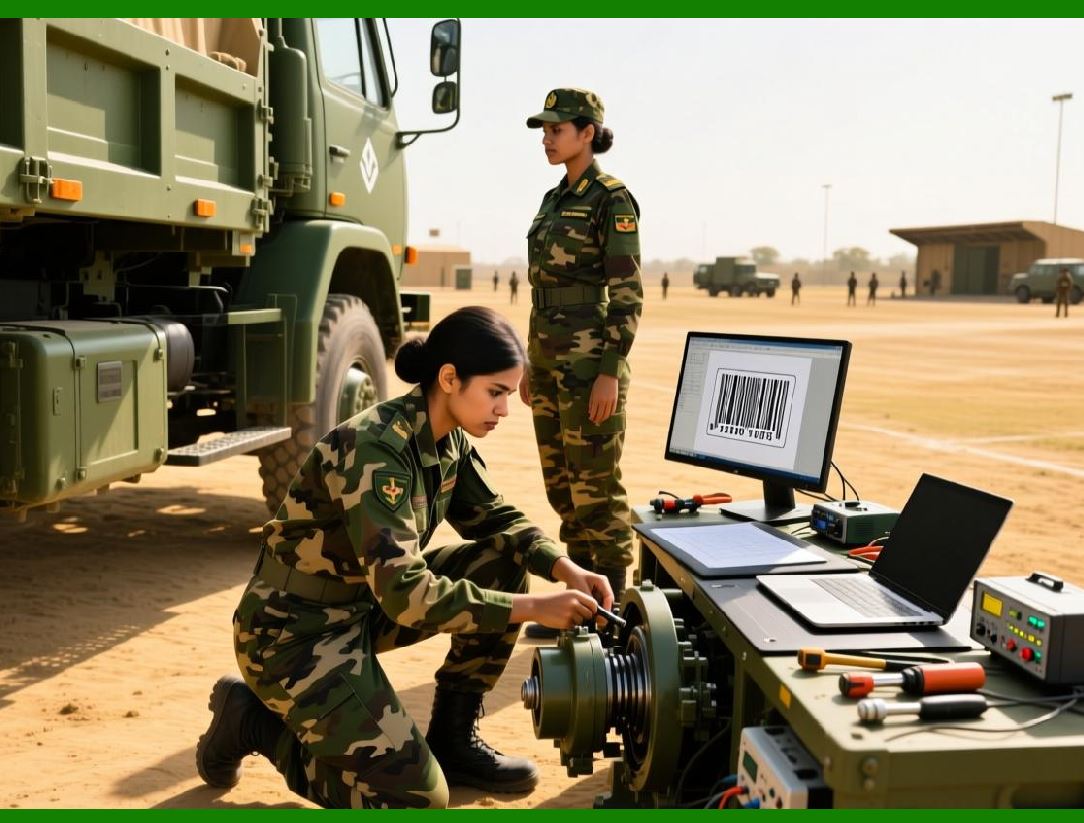
| The Choice in Maritime and Ports | Maritime and ports are hubs of global trade, and RFID helps keep the goods moving. Passive tags are used on individual containers. A container might have a passive tag that identifies it. When the container is loaded onto a ship, a reader scans the tag and records the load. The passive tag is durable, and it can withstand the salt, wind, and rain of the sea. It does not need a battery, so it can last for the life of the container. The tag can also be used to verify that the container is in the right place. A reader can scan the tag and check the location, which is stored in the terminal operating system. If the container is in the wrong place, it can be moved before it causes a delay. | Active tags are used on ships and cranes. A ship might have an active tag that reports its location, speed, and fuel level. The tag can also monitor the ship's engines and other critical systems. The active tag's longer range means it can be read from a distance, and its ability to report on a schedule means the data is always fresh. The battery is recharged by the ship's electrical system, so maintenance is not a problem. In some cases, active tags are used to monitor the environment. A port might have active tags that measure wind speed, wave height, and water temperature. The tags can detect a dangerous condition and send an alert before it becomes a disaster. The active tag's sensors and processing power make this possible. A passive tag could not do the job because it has no battery to power the sensors and no way to initiate an alert. | 
| The Choice in Rail and Intermodal | Rail and intermodal transport are efficient ways to move goods over long distances, and RFID helps keep them on track. Passive tags are used on individual rail cars. A rail car might have a passive tag that identifies it. When the car passes a reader at a yard, the tag is scanned and the car's location is recorded. The passive tag is durable, and it can withstand the vibration, dust, and weather of the rail. It does not need a battery, so it can last for the life of the car. The tag can also be used to verify that the car is on the right train. A reader can scan the tag and check the train's manifest, which is stored in the railroad's computer system. If the car is on the wrong train, it can be rerouted before it goes too far. | Active tags are used on locomotives and intermodal containers. A locomotive might have an active tag that reports its location, speed, and fuel level. The tag can also monitor the locomotive's engines and other critical systems. The active tag's longer range means it can be read from a distance, and its ability to report on a schedule means the data is always fresh. The battery is recharged by the locomotive's electrical system, so maintenance is not a problem. In some cases, active tags are used on intermodal containers to monitor temperature and humidity. A container of food might have an active tag that sends an alert if the conditions drift out of spec. The active tag's sensors and processing power make this possible. A passive tag could not do the job because it has no battery to power the sensors and no way to initiate an alert. |
| The Choice in Telecommunications | Telecommunications companies manage vast networks of cables, towers, and equipment. RFID helps them keep track of it all. Passive tags are used on cables and connectors. A fiber optic cable might have a passive tag that identifies it. When the cable is installed, a reader scans the tag and records the connection. The passive tag is small, and it can be attached to the cable. It does not need a battery, so it can last for the life of the network. The tag can also be used to verify that the cable is connected to the right port. A reader can scan the tag and check the port number, which is stored in the network management system. If the cable is in the wrong port, it can be moved before it causes a problem. | Active tags are used on towers and equipment. A cell tower might have an active tag that reports its location, power status, and temperature. The tag can also monitor the tower's antennas and other critical systems. The active tag's longer range means it can be read from a distance, and its ability to report on a schedule means the data is always fresh. The battery is recharged by the tower's electrical system, so maintenance is not a problem. In some cases, active tags are used to monitor the environment. A data center might have active tags that measure temperature, humidity, and airflow. The tags can detect a hot spot and send an alert before it causes a failure. The active tag's sensors and processing power make this possible. A passive tag could not do the job because it has no battery to power the sensors and no way to initiate an alert. |
| The Choice in Forestry and Timber | Forestry and timber are industries that operate in remote and rugged environments. Passive tags are used on individual logs. A log might have a passive tag that identifies it. When the log is cut, a reader scans the tag and records the tree's origin. The passive tag is durable, and it can withstand the heat, moisture, and impact of the forest. It does not need a battery, so it can last for the life of the log. The tag can also be used to verify that the log is legal and not from an illegal logging operation. A reader can scan the tag and check the chain of custody, which is stored in the forest's database. If the log is not legal, it can be confiscated. | Active tags are used on trucks and equipment. A logging truck might have an active tag that reports its location, fuel level, and load weight. The dispatcher can see where the truck is and how full it is, and can route it more efficiently. The active tag's longer range means it can be read from a distance, and its ability to report on a schedule means the data is always fresh. The battery is recharged by the truck's electrical system, so maintenance is not a problem. In some cases, active tags are used to monitor the environment. A forest might have active tags that measure temperature, humidity, and wind speed. The tags can detect a fire risk and send an alert before it becomes a disaster. The active tag's sensors and processing power make this possible. A passive tag could not do the job because it has no battery to power the sensors and no way to initiate an alert. |
| The Choice in Chemical and Petrochemical | Chemical and petrochemical industries handle dangerous materials, and RFID helps keep them safe. Passive tags are used on individual containers. A drum of chemicals might have a passive tag that identifies it. When the drum is moved, a reader scans the tag and records the move. The passive tag is durable, and it can withstand the chemicals, heat, and pressure of the plant. It does not need a battery, so it can last for the life of the drum. The tag can also be used to verify that the drum is in the right place. A reader can scan the tag and check the location, which is stored in the plant's inventory system. If the drum is in the wrong place, it can be moved before it causes an accident. | Active tags are used on tanks and pipelines. A storage tank might have an active tag that reports its level, temperature, and pressure. The tag can also monitor the tank's valves and other critical systems. The active tag's longer range means it can be read from a distance, and its ability to report on a schedule means the data is always fresh. The battery is recharged by the plant's electrical system, so maintenance is not a problem. In some cases, active tags are used to monitor the environment. A plant might have active tags that measure gas levels, wind speed, and temperature. The tags can detect a leak and send an alert before it becomes a disaster. The active tag's sensors and processing power make this possible. A passive tag could not do the job because it has no battery to power the sensors and no way to initiate an alert. |
| The Choice in Waste and Recycling | Waste and recycling are industries that deal with a constantly changing mix of materials. Passive tags are used on bins and containers. A recycling bin might have a passive tag that identifies it. When the bin is emptied, a reader scans the tag and records the pickup. The passive tag is cheap, durable, and requires no battery, which is essential for a bin that sits outside in the rain and snow. The tag can last for years, and it does not need to be maintained. The city can use the data to verify that every bin was collected and to bill customers based on the number of pickups. | Active tags are used on trucks and sorting facilities. A recycling truck might have an active tag that reports its location, fuel level, and load weight. The dispatcher can see where the truck is and how full it is, and can route it more efficiently. The active tag's longer range means it can be read from a distance, and its ability to report on a schedule means the data is always fresh. The battery is recharged by the truck's electrical system, so maintenance is not a problem. In some cases, active tags are used to monitor the environment. A sorting facility might have active tags that measure temperature, humidity, and dust levels. The tags can detect a fire risk and send an alert before it becomes a disaster. The active tag's sensors and processing power make this possible. A passive tag could not do the job because it has no battery to power the sensors and no way to initiate an alert. |
| The Choice in Water and Wastewater | Water and wastewater utilities manage vast networks of pipes, pumps, and treatment plants. RFID helps them keep track of it all. Passive tags are used on pipes and valves. A water pipe might have a passive tag that identifies it. When the pipe is installed, a reader scans the tag and records the location. The passive tag is durable, and it can withstand the water, soil, and pressure of the underground environment. It does not need a battery, so it can last for the life of the pipe. The tag can also be used to verify that the pipe is the right size and material. A reader can scan the tag and check the specifications, which are stored in the utility's geographic information system. If the pipe is not correct, it can be replaced before it causes a leak. | Active tags are used on pumps and treatment plants. A pump might have an active tag that reports its flow rate, pressure, and temperature. The tag can also monitor the pump's motor and other critical systems. The active tag's longer range means it can be read from a distance, and its ability to report on a schedule means the data is always fresh. The battery is recharged by the plant's electrical system, so maintenance is not a problem. In some cases, active tags are used to monitor water quality. A treatment plant might have active tags that measure pH, chlorine, and turbidity. The tags can detect a problem and send an alert before the water reaches the customer. The active tag's sensors and processing power make this possible. A passive tag could not do the job because it has no battery to power the sensors and no way to initiate an alert. |
| The Choice in Food and Beverage Processing | Food and beverage processing is a highly regulated industry where traceability is essential. Passive tags are used on individual packages. A bottle of soda might have a passive tag that identifies it. When the bottle is filled, a reader scans the tag and records the batch number. The passive tag is cheap, and it can be attached to the label. It does not need a battery, so it can be used on a disposable item. The tag can also be used to verify that the bottle is genuine and not counterfeit. A reader can scan the tag and check the digital signature, which is stored in the tag's memory. If the signature is not valid, the bottle can be rejected. | Active tags are used on tanks and trucks. A tank of syrup might have an active tag that reports its level, temperature, and pressure. The tag can also monitor the tank's valves and other critical systems. The active tag's longer range means it can be read from a distance, and its ability to report on a schedule means the data is always fresh. The battery is recharged by the plant's electrical system, so maintenance is not a problem. In some cases, active tags are used to monitor the environment. A bottling plant might have active tags that measure temperature, humidity, and carbon dioxide levels. The tags can detect a problem and send an alert before the product is ruined. The active tag's sensors and processing power make this possible. A passive tag could not do the job because it has no battery to power the sensors and no way to initiate an alert. |
| The Choice in Hospitality and Tourism | Hospitality and tourism are industries where customer experience is everything. Passive tags are used in access control. A hotel room key might have a passive tag that identifies the guest. When the guest taps the key on the reader, the door unlocks. The passive tag is cheap, and it can be embedded in a card or a wristband. It does not need a battery, so it can last for the duration of the stay. The tag can also be used to track the guest's spending. A reader at the bar or the restaurant can scan the tag and charge the guest's account. The passive tag's short range is an advantage here because it prevents the reader from accidentally charging the wrong person. | Active tags are used in theme parks and resorts. A guest might have an active tag in their wristband that allows them to enter the park, pay for food, and access their hotel room. The active tag's longer range means it can be read from a distance, and its ability to report on a schedule means the data is always fresh. The battery must last for the duration of the stay, and its range must be sufficient to reach a receiver in the park. The design challenges are significant, but the data is invaluable for creating a seamless experience. In some cases, active tags are used to track luggage. A bag might have an active tag that reports its location. The guest can see where the bag is at all times, which reduces anxiety and improves satisfaction. The active tag's longer range means it can be read from a distance, and its ability to report on a schedule means the data is always fresh. The battery must last for the duration of the trip, and its range must be sufficient to reach a receiver in the airport or the hotel. |
| The Choice in Education | Education is a field where RFID is quietly making a difference. Passive tags are used in libraries and attendance. A student ID might have a passive tag that identifies the student. When the student enters the school, a reader scans the tag and records the attendance. The passive tag is cheap, and it can be embedded in a card or a lanyard. It does not need a battery, so it can last for the school year. The tag can also be used to check out library books. A reader at the desk scans the tag and records the transaction. The passive tag's short range is an advantage here because it prevents the reader from accidentally checking out the wrong book. | Active tags are used in campus security and asset tracking. A valuable piece of equipment, such as a laptop or a projector, might have an active tag that reports its location. The tag can also monitor the equipment's temperature and movement. The active tag's longer range means it can be read from a distance, and its ability to report on a schedule means the data is always fresh. The battery must last for the school year, and its range must be sufficient to reach a receiver on the campus. The design challenges are significant, but the data is invaluable for preventing theft. In some cases, active tags are used to track students on field trips. A student might have an active tag in their wristband that allows the teacher to see where they are at all times. The active tag's longer range means it can be read from a distance, and its ability to report on a schedule means the data is always fresh. The battery must last for the duration of the trip, and its range must be sufficie |
|
 cs@easiersoft.com