Chapter 56: Consumer Facing vs. Backend |
A Short Summary at the Start |
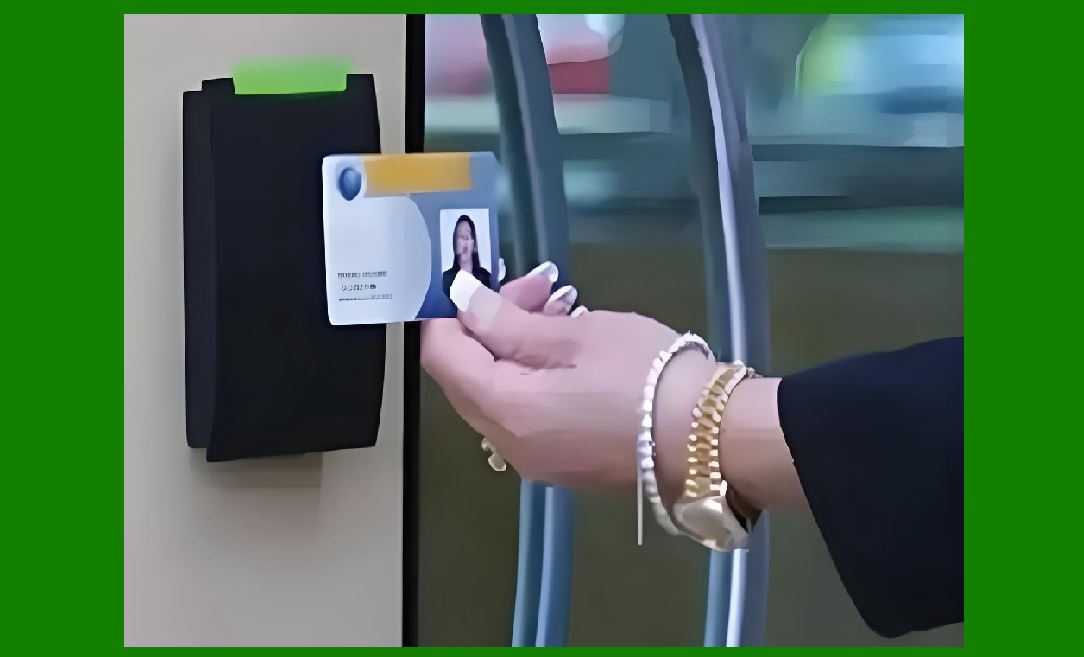
When you pick up a product in a store and scan its barcode with your phone, you are participating in one of the most visible data exchanges in modern commerce. You point, you click, and information appears. That is the consumer facing side of automatic identification. It is deliberate, interactive, and requires your active participation. Meanwhile, in the same store, in the same moment, a completely different layer of identification is at work. RFID readers mounted above loading docks, handheld scanners in stockrooms, and fixed portals at distribution centers are reading tags without any human pointing or clicking. This backend layer operates invisibly. No customer training is required. No app is opened. The tags simply respond when asked, and the systems behind them record, route, and reconcile the movement of goods across the physical world. |
This chapter explores the divide between these two realms. The consumer facing world is built on barcodes, QR codes, and near field communication, all of which demand a conscious act from a person. The backend world is built on RFID, especially passive ultra high frequency RFID, which works automatically, at a distance, and often without any human awareness at all. The two systems are not competitors. They are partners. Together they map the physical world in ways that neither could achieve alone. |
We will look at how this division plays out across many industries. We will see it in retail, where a shopper scans a barcode to check a price while a backroom RFID system counts inventory. We will see it in logistics, where a delivery driver scans a parcel at your door while an RFID portal reads the entire truckload as it leaves the depot. We will see it in healthcare, where a nurse scans a patient wristband before giving medication while an RFID cabinet tracks the inventory of drugs. We will see it in manufacturing, agriculture, libraries, airlines, and even in the management of tools and equipment on construction sites. |
The core idea is simple. Consumer facing identification is about access, information, and engagement. Backend identification is about automation, accuracy, and scale. The first is designed for human eyes and human hands. The second is designed for machines, for speed, and for the quiet, constant work of keeping track of things. Understanding this split is essential to understanding how the silent network of identification actually functions. |
|
The Nature of Consumer Facing Identification |
Consumer facing identification begins with a simple premise. A person wants to know something, or a person wants to do something, and the identification tag is the bridge. The most familiar example is the barcode on a product. A shopper in a supermarket picks up a box of cereal and looks for a price. The price might be on the shelf, but the barcode on the box allows the store to link that specific product to a database. If the shopper uses a store app to scan the barcode, the app can pull up nutritional information, reviews, coupons, or recipe ideas. The act of scanning is intentional. The shopper decides to scan. The phone does not scan on its own. |
QR codes have expanded this consumer facing role. A QR code on a poster can lead to a website. A QR code on a restaurant table can bring up a menu. A QR code on a product package can show a video about how the product was made. These codes are designed to be seen and scanned by people. They are often placed in prominent locations. They invite interaction. They are, in a sense, a conversation between the physical object and the digital world, mediated by a human being. |
Near field communication, or NFC, is another consumer facing technology. It is used in contactless payment cards and in some smartphones. A person taps a card or a phone on a reader. The reader and the card exchange data. The person sees a confirmation. This is still consumer facing because the person initiates the tap. The person chooses to pay. The person chooses to share data. The technology is invisible in the sense that no line of sight is needed, but the action is still deliberate. |
The key characteristics of consumer facing identification are these. It requires a conscious action by a person. It usually involves a short range interaction, often a few centimeters or a few inches. It provides information or completes a transaction that the person can see or understand. It is designed for usability, not for automation. It is meant to be easy, intuitive, and sometimes even fun. |
|
The Nature of Backend Identification |
Backend identification is different in almost every way. It is not designed for people. It is designed for machines. The most prominent backend technology is passive ultra high frequency RFID. A passive RFID tag has no battery. It harvests energy from the radio waves sent by a reader. When a reader sends out a signal, the tag reflects back a unique identifier. This happens in milliseconds. The reader can read hundreds of tags per second. The tags can be read through cardboard, plastic, and even some liquids and metals, depending on the frequency and the design of the tag and antenna. |
In a backend system, no one points a scanner at a tag. The reader is simply there, broadcasting a signal. Tags enter the read zone, and they are read. This can happen as a pallet of goods moves through a portal. It can happen as a forklift drives past a reader. It can happen as a worker walks through a doorway with a cart full of items. The worker does not need to stop. The worker does not need to scan. The system records the movement automatically. |
The key characteristics of backend identification are these. It requires no human action for each read. It can operate at a distance, from a few centimeters to several meters. It can read many tags at once. It can read tags that are hidden inside boxes or behind other items. It is designed for automation, for speed, and for scale. It is meant to be invisible, reliable, and constant. |
|
The Division in Retail |
Retail is the perfect place to see the division between consumer facing and backend identification. Imagine a large clothing store. A customer walks in and sees a shirt. The shirt has a barcode on the tag. The customer can use the store's app to scan the barcode and see if the shirt is available in another size or color. That is consumer facing. The customer is in control. The customer is interacting with the product. |
Now imagine the same store's stockroom. Every shirt has an RFID tag, often embedded in the price tag or a small label. A worker with a handheld RFID reader walks through the stockroom. The reader reads all the tags in a few seconds. The system knows exactly how many shirts are in the stockroom, in what sizes, and in what colors. The worker does not need to scan each shirt. The worker does not need to open boxes. The RFID system does the work. That is backend. |
This division allows the store to do things that would be impossible with barcodes alone. The store can know its inventory accuracy in near real time. It can find a specific shirt for a customer who wants a different size. It can reduce theft because the system can detect when items leave the store without being paid for. It can speed up checkout because an RFID reader can read all the items in a shopping cart at once, rather than scanning each barcode one by one. |
The customer still uses the barcode for information. The store still uses the barcode at the point of sale for price lookup. But the backend RFID system is what keeps the shelves stocked, the inventory accurate, and the supply chain moving. |
|
The Division in Logistics and Shipping |
Logistics is another area where the division is clear. When you ship a package, you often get a tracking number. That tracking number is usually linked to a barcode on the label. You can scan that barcode with your phone to see where your package is. That is consumer facing. You are the one scanning. You are the one checking. |
But behind the scenes, the logistics company is using RFID and other backend technologies to manage millions of packages. A truck arrives at a distribution center. As it drives through a portal, RFID readers read all the tags on the packages inside. The system knows exactly what is on the truck, without anyone opening the doors. The packages are then sorted by automated machinery that uses barcode scanners and RFID readers to route them to the correct destination. A conveyor belt might have a barcode scanner that reads each package as it passes. A forklift might have an RFID reader that reads pallets as they are moved. |
The driver who delivers your package might scan the barcode on the package when they hand it to you. That is consumer facing, or at least customer facing. But the backend system has already tracked that package through dozens of checkpoints, all without human intervention. The barcode on the label is for you and for the driver. The RFID tag, if there is one, is for the machines. |
|
The Division in Healthcare |
Healthcare is a fascinating case because the stakes are high and the need for accuracy is extreme. In a hospital, a nurse might scan a patient's wristband barcode before administering medication. This is consumer facing in the sense that a human is doing the scanning, but it is really patient facing. The scan ensures that the right patient gets the right medication at the right dose. The nurse sees the confirmation on a screen. The barcode is the bridge between the patient and the electronic health record. |
At the same time, the hospital's pharmacy might use RFID to track inventory. An RFID cabinet can automatically detect when a medication is removed. It can record who removed it and when. It can alert the pharmacy when stock is low. This is backend. No one scans anything. The cabinet simply knows. |
Surgical instruments are another example. A tray of surgical instruments might have an RFID tag. Before surgery, the tray is scanned by an RFID reader to ensure that all instruments are present and sterilized. After surgery, the tray is scanned again to ensure that no instruments were left inside the patient. This is backend because it happens automatically as the tray passes a reader. The surgical team does not need to count each instrument by hand. The system does it for them. |

|
The Division in Manufacturing |
In manufacturing, the division is between the worker on the line and the automated system that tracks production. A worker might scan a barcode on a component to verify that it is the correct part for the assembly. That is consumer facing, or worker facing. The worker sees the confirmation. The worker knows the part is correct. |
But the factory floor might also have RFID readers at every station. As a product moves down the line, the RFID tag on the product or on the pallet is read at each station. The system knows exactly where the product is, how long it has been there, and what operations have been performed. This is backend. It happens without any worker scanning anything. It allows the factory to optimize the line, to detect bottlenecks, and to ensure quality. |
In a car factory, for example, a car body might have an RFID tag. As it moves through the paint shop, the ovens, and the assembly line, readers track its progress. The tag can even store data about the specific car, such as its color and options. When the car reaches a station, the reader tells the station what to do. The worker might see a screen with instructions, but the worker does not need to scan anything. The RFID system has already told the station what car is coming. |

|
The Division in Agriculture and Food |
Agriculture and food production use both consumer facing and backend identification. A consumer in a grocery store might scan a QR code on a package of lettuce to see which farm it came from. That is consumer facing. The consumer is curious about the origin of the food. The QR code provides transparency. |
But the backend system is what ensures food safety. A crate of lettuce might have an RFID tag. As it moves from the farm to the packing house to the truck to the distribution center to the store, RFID readers track it. If there is a recall, the system can quickly identify which crates are affected and where they went. This is backend. It happens automatically. No one scans each crate by hand. |
In livestock, RFID tags are used to track animals. A farmer might use a handheld reader to scan a cow's RFID ear tag. That is a worker facing action. But the system also has readers at feeding stations and water troughs. As the cow eats or drinks, its tag is read. The system records how much the cow ate and drank. This is backend. It helps the farmer monitor the health of the herd. |
|
The Division in Libraries |
Libraries were early adopters of both barcodes and RFID. A library patron might scan a barcode on a book to check it out using a self service kiosk. That is consumer facing. The patron is doing the work. The patron sees the due date. |
But the library also uses RFID for backend operations. A librarian can walk through the shelves with a handheld RFID reader and take inventory. The reader can read all the tags on the shelf in seconds. The system knows which books are on the shelf and which are missing. This is backend. It saves the librarian hours of work. At the library exit, an RFID reader can detect if a book has not been checked out. This is also backend. It prevents theft without requiring a guard to check every bag. |
|
The Division in Airlines and Baggage Handling |
Airlines use barcodes and RFID for baggage handling. When you check in for a flight, you might scan your boarding pass barcode. That is consumer facing. You are checking in. You are getting your seat. |
But your bag gets an RFID tag. As it moves through the airport, RFID readers track it. It goes through a portal at the check in counter. It goes through a portal at the security screening. It goes through a portal when it is loaded onto the plane. It goes through a portal when it is unloaded. The system knows exactly where your bag is at every step. This is backend. It happens without anyone scanning your bag. It reduces the number of lost bags. It allows the airline to tell you where your bag is if it is delayed. |
|
The Division in Construction and Tool Management |
Construction sites are chaotic. Tools are expensive and easy to lose. A worker might scan a barcode on a tool to check it out of the tool crib. That is worker facing. The worker is responsible for the tool. |
But the site might also have RFID readers at the gate. As workers leave the site, the reader reads the RFID tags on the tools in their bags or on their belts. The system knows which tools are leaving the site and who is taking them. This is backend. It prevents theft. It also helps the site manager know which tools are on site and which are in the shop. |
|
The Division in Event Management |
Events like marathons and festivals use both consumer facing and backend identification. A runner might scan a QR code to get their race packet. That is consumer facing. The runner is getting their bib and their timing chip. |
But the timing chip is usually an RFID tag. As the runner crosses the start line, the finish line, and checkpoints, RFID readers read the tag. The system records the runner's time. This is backend. The runner does not need to stop. The runner does not need to scan anything. The system does the work. The runner gets a text message with their time. The spectator gets a live update. All of this is powered by backend RFID. |
|
The Division in Asset Tracking in Offices |
Even in offices, the division exists. An employee might scan a barcode on a laptop to log it into an asset management system. That is employee facing. The employee is taking responsibility for the laptop. |
But the office might also have RFID tags on laptops. As employees leave the building, an RFID reader at the door can detect if a laptop is leaving. This is backend. It helps prevent theft. It also helps the IT department know which laptops are in the building and which are with remote workers. |
|
The Division in Museums and Exhibitions |
Museums use consumer facing identification to enhance the visitor experience. A visitor might scan a QR code next to an exhibit to hear an audio guide. That is consumer facing. The visitor is choosing to learn more. |
But museums also use backend RFID to track artifacts. An artifact might have an RFID tag. The museum can use a handheld reader to take inventory. The museum can also use RFID readers in storage areas to monitor temperature and humidity. If an artifact is moved, the system knows. This is backend. It protects the collection. |
|
The Division in Waste Management |
Waste management is an interesting case. A resident might scan a barcode on a recycling bin to sign up for a recycling program. That is consumer facing. The resident is participating. |
But the truck that picks up the recycling might have an RFID reader. As the truck lifts the bin, the reader reads the RFID tag on the bin. The system records that the bin was picked up. This is backend. It helps the waste management company track participation. It also helps them bill customers based on the number of pickups. |
|
The Division in Retail Apparel and the Fitting Room |
Let us return to retail apparel for a moment. A customer in a fitting room might use a smart mirror that scans the RFID tag on the clothes they brought in. The mirror can suggest other sizes or colors. That is consumer facing, or at least customer facing. The customer is interacting with the technology. |
But the backend system is what makes the smart mirror possible. The RFID tag on the clothes is read by the mirror. The mirror queries the inventory system. The inventory system knows what is in stock. This is backend. It happens automatically. The customer does not need to scan anything. The mirror does the work. |

|
The Division in Automotive Retail |
In a car dealership, a customer might scan a QR code on a car window to see the car's history. That is consumer facing. The customer is researching. |
But the dealership might use RFID tags on car keys. As a salesperson takes a key to show a car, the system records which key was taken and when. This is backend. It prevents keys from being lost. It also helps the dealership know which cars are being test driven. |
|
The Division in Hospitality |
In a hotel, a guest might scan a QR code to check in. That is consumer facing. The guest is using their phone to bypass the front desk. |
But the hotel might use RFID tags on towels and linens. As housekeeping collects the linens, an RFID reader in the laundry chute reads the tags. The system knows how many towels and sheets are in circulation. This is backend. It reduces loss. It also helps the hotel manage its laundry operations. |
|
The Division in Mining and Heavy Industry |
In mining, a worker might scan a barcode to enter a mine. That is worker facing. The worker is checking in. |
But the mine might use RFID tags on helmets and equipment. As workers move through the mine, RFID readers track their location. This is backend. It helps the mine know where workers are in an emergency. It also helps the mine track equipment. |
The Division in Ports and Container Terminals |
Ports are massive operations. A truck driver might scan a barcode to pick up a container. That is worker facing. The driver is verifying the pickup. |
But the port might use RFID tags on containers. As the container is moved by a crane, an RFID reader reads the tag. The system knows exactly where the container is. This is backend. It speeds up the process. It reduces errors. It allows the port to handle thousands of containers per day. |
|
The Division in Rail Freight |
Rail freight uses both. A conductor might scan a barcode on a railcar. That is worker facing. The conductor is recording the car. |
But the railroad might have RFID readers along the track. As the train passes, the readers read the tags on the railcars. The system knows where each car is. This is backend. It helps the railroad manage its fleet. It helps customers track their shipments. |
|
The Division in Air Cargo |
Air cargo is similar. A worker might scan a barcode on a pallet. That is worker facing. The worker is loading the pallet. |
But the airline might use RFID tags on the pallets. As the pallet is loaded onto the plane, an RFID reader reads the tag. The system knows what is on the plane. This is backend. It helps the airline manage weight and balance. It helps with security. |
|
The Division in Pharmaceuticals |
Pharmaceuticals are highly regulated. A pharmacist might scan a barcode on a bottle to dispense a prescription. That is pharmacist facing. The pharmacist is verifying the drug. |
But the pharmaceutical company might use RFID tags on cases of drugs. As the cases move through the supply chain, RFID readers track them. This is backend. It helps prevent counterfeiting. It helps with recalls. It helps the company manage inventory. |
|
The Division in Blood Banks |
Blood banks use barcodes and RFID. A technician might scan a barcode on a blood bag to test it. That is technician facing. The technician is recording the test results. |
But the blood bank might use RFID tags on the bags. As the bags are stored and moved, RFID readers track them. This is backend. It helps ensure that the right blood goes to the right patient. It helps manage the inventory of blood types. |
|
The Division in Laboratories |
Laboratories use barcodes and RFID on sample tubes. A technician might scan a barcode on a tube to log it into the system. That is technician facing. The technician is starting the test. |
But the lab might use RFID tags on the racks of tubes. As the racks move through the testing machines, RFID readers track them. This is backend. It speeds up the testing process. It reduces errors. |

|
The Division in Fashion and Luxury Goods |
Luxury goods companies use both. A customer might scan a QR code on a handbag to verify its authenticity. That is consumer facing. The customer is checking the product. |
But the company might use RFID tags inside the handbag. As the handbag moves through the supply chain, RFID readers track it. This is backend. It helps prevent counterfeiting. It helps the company manage its inventory. It helps the store know what is in stock. |
|
The Division in Sports and Fitness |
A runner might scan a QR code to register for a race. That is consumer facing. The runner is signing up. |
But the runner's bib might have an RFID tag. As the runner crosses the finish line, an RFID reader reads the tag. This is backend. It records the runner's time. It sends the runner a text message. |
|
The Division in Amusement Parks |
An amusement park guest might scan a QR code to buy a ticket. That is consumer facing. The guest is buying a ticket. |
But the guest might have an RFID wristband. As the guest enters the park, goes on rides, and buys food, RFID readers read the wristband. This is backend. It allows the guest to pay without cash. It allows the park to track crowds. It allows the park to offer personalized experiences. |
|
The Division in Zoos and Aquariums |
A zoo visitor might scan a QR code to learn about an animal. That is consumer facing. The visitor is learning. |
But the zoo might use RFID tags on animals. As the animals move around their enclosures, RFID readers track them. This is backend. It helps the zookeepers monitor the animals' health and behavior. |
|
The Division in Farms and Ranches |
A farmer might scan a barcode on a seed bag. That is farmer facing. The farmer is recording what was planted. |
But the farmer might use RFID tags on livestock. As the animals move through the barn, RFID readers track them. This is backend. It helps the farmer manage the herd. It helps with breeding and health records. |
|
The Division in Forestry |
A logger might scan a barcode on a log. That is worker facing. The logger is recording the log. |
But the forestry company might use RFID tags on logs. As the logs move from the forest to the mill, RFID readers track them. This is backend. It helps the company manage its inventory. It helps with sustainability tracking. |
|
The Division in Fishing |
A fisherman might scan a barcode on a fish. That is worker facing. The fisherman is recording the catch. |
But the fishing company might use RFID tags on fish. As the fish move from the boat to the processing plant, RFID readers track them. This is backend. It helps with food safety. It helps with sustainability. |
|
The Division in Recycling |
A recycling worker might scan a barcode on a bin. That is worker facing. The worker is recording the pickup. |
But the recycling company might use RFID tags on bins. As the truck lifts the bin, an RFID reader reads the tag. This is backend. It helps the company track participation. It helps with billing. |
|
The Division in Construction Materials |
A construction worker might scan a barcode on a pallet of bricks. That is worker facing. The worker is recording the delivery. |
But the construction company might use RFID tags on the pallets. As the pallets are moved around the site, RFID readers track them. This is backend. It helps the company manage its inventory. It helps with scheduling. |
|
The Division in Equipment Rental |
A rental worker might scan a barcode on a tool. That is worker facing. The worker is checking the tool out. |
But the rental company might use RFID tags on the tools. As the tools leave the yard, RFID readers track them. This is backend. It helps the company know what is out and what is in. It helps with billing. |
|
The Division in Event Ticketing |
An event goer might scan a QR code to buy a ticket. That is consumer facing. The event goer is buying a ticket. |
But the ticket might have an RFID tag. As the event goer enters the venue, an RFID reader reads the tag. This is backend. It speeds up entry. It prevents fraud. It helps the event organizer track attendance. |
|
The Division in Ski Resorts |
A skier might scan a QR code to buy a lift ticket. That is consumer facing. The skier is buying a ticket. |
But the lift ticket might have an RFID tag. As the skier goes through the lift line, an RFID reader reads the tag. This is backend. It speeds up the line. It helps the resort track usage. |
|
The Division in Gyms |
A gym member might scan a QR code to check in. That is consumer facing. The member is checking in. |
But the gym might use RFID tags on equipment. As members use the equipment, RFID readers track usage. This is backend. It helps the gym know which equipment is popular. It helps with maintenance. |
|
The Division in Restaurants |
A restaurant customer might scan a QR code to see the menu. That is consumer facing. The customer is ordering. |
But the restaurant might use RFID tags on plates. As the plates are returned to the kitchen, an RFID reader reads the tag. This is backend. It helps the restaurant track its inventory of plates. It helps with dishwashing. |
|
The Division in Hotels and Minibars |
A hotel guest might scan a QR code to see the minibar menu. That is consumer facing. The guest is deciding what to buy. |
But the minibar might have RFID readers. As the guest takes a drink, the RFID reader reads the tag on the bottle. This is backend. It automatically charges the guest. It helps the hotel manage its inventory. |
|
The Division in Retail Checkout |
A customer might scan a barcode at a self checkout. That is consumer facing. The customer is checking out. |
But the store might have an RFID reader at the exit. As the customer leaves, the RFID reader reads the tags on the items in the cart. This is backend. It verifies that all items were paid for. It prevents theft. |
|
The Division in Warehouse Management |
A warehouse worker might scan a barcode on a pallet. That is worker facing. The worker is recording the pallet. |
But the warehouse might have RFID readers on forklifts. As the forklift moves the pallet, the RFID reader reads the tag. This is backend. It tells the warehouse management system where the pallet is. It speeds up the process. |
|
The Division in Inventory Audits |
A store employee might scan a barcode during an inventory audit. That is worker facing. The employee is counting the items. |
But the store might use RFID to do the inventory audit. An employee with a handheld RFID reader can walk through the store and read all the tags in minutes. This is backend. It is faster. It is more accurate. It does not require opening boxes. |
|
The Division in Anti Theft |
A store might have barcode based anti theft tags. These are the tags that are removed at checkout. That is consumer facing in the sense that the customer sees them. |
But the store might have RFID based anti theft. As a customer leaves, an RFID reader detects if a tag has not been deactivated. This is backend. It is invisible. It does not require a guard. |
|
The Division in Product Returns |
A customer might scan a QR code to return a product. That is consumer facing. The customer is initiating the return. |
But the store might use RFID to process the return. As the product is scanned by an RFID reader, the system knows what it is. This is backend. It speeds up the return. It helps the store manage its inventory. |
|
The Division in Warranty Management |
A customer might scan a barcode to register a product for warranty. That is consumer facing. The customer is registering the product. |
But the manufacturer might use RFID to track the product. If the product is returned for warranty service, an RFID reader can read the tag. This is backend. It helps the manufacturer know when and where the product was made. It helps with quality control. |
|
The Division in Product Recalls |
A customer might scan a QR code to see if a product has been recalled. That is consumer facing. The customer is checking. |
But the manufacturer might use RFID to track the product. If there is a recall, the manufacturer can use RFID to identify which products are affected. This is backend. It speeds up the recall. It saves lives. |
|
The Division in Cold Chain |
A customer might scan a QR code to see if a product has been kept at the right temperature. That is consumer facing. The customer is checking. |
But the cold chain might use RFID tags with temperature sensors. As the product moves through the supply chain, RFID readers track the temperature. This is backend. It ensures food safety. It reduces waste. |
|
The Division in Pharma Cold Chain |
A patient might scan a QR code to see if a vaccine has been kept at the right temperature. That is consumer facing. The patient is checking. |
But the vaccine might have an RFID tag with a temperature sensor. As the vaccine moves through the supply chain, RFID readers track the temperature. This is backend. It ensures the vaccine is effective. It saves lives. |
|
The Division in Blood Cold Chain |
A patient might scan a QR code to see if a blood bag has been kept at the right temperature. That is consumer facing. The patient is checking. |
But the blood bag might have an RFID tag with a temperature sensor. As the blood moves through the supply chain, RFID readers track the temperature. This is backend. It ensures the blood is safe. It saves lives. |
|
The Division in Organ Transport |
A patient might scan a QR code to see if an organ has been kept at the right temperature. That is consumer facing. The patient is checking. |
But the organ might have an RFID tag with a temperature sensor. As the organ moves through the supply chain, RFID readers track the temperature. This is backend. It ensures the organ is viable. It saves lives. |
|
The Division in Laboratory Samples |
A patient might scan a QR code to see if a lab sample has been processed. That is consumer facing. The patient is checking. |
But the lab sample might have an RFID tag. As the sample moves through the lab, RFID readers track it. This is backend. It speeds up the process. It reduces errors. |
|
The Division in Clinical Trials |
A patient might scan a QR code to see if a clinical trial is recruiting. That is consumer facing. The patient is checking. |
But the clinical trial might use RFID to track the drugs. As the drugs move through the supply chain, RFID readers track them. This is backend. It ensures the drugs are safe. It ensures the trial is valid. |
|
The Division in Medical Devices |
A patient might scan a QR code to see if a medical device is recalled. That is consumer facing. The patient is checking. |
But the medical device might have an RFID tag. As the device moves through the supply chain, RFID readers track it. This is backend. It helps with recalls. It helps with maintenance. |
|
The Division in Hospital Asset Tracking |
A nurse might scan a barcode to find a wheelchair. That is nurse facing. The nurse is looking for the wheelchair. |
But the hospital might use RFID to track wheelchairs. As the wheelchair moves through the hospital, RFID readers track it. This is backend. It helps the nurse find the wheelchair. It helps the hospital manage its assets. |
The Division in Patient Tracking |
A patient might scan a QR code to check in. That is patient facing. The patient is checking in. |
But the hospital might use RFID to track patients. As the patient moves through the hospital, RFID readers track them. This is backend. It helps the hospital know where the patient is. It helps with safety. |
The Division in Staff Tracking |
A doctor might scan a barcode to enter a room. That is doctor facing. The doctor is entering the room. |
But the hospital might use RFID to track staff. As the doctor moves through the hospital, RFID readers track them. This is backend. It helps the hospital know where the doctor is. It helps with scheduling. |
|
The Division in Emergency Response |
A victim might scan a QR code to call for help. That is victim facing. The victim is calling for help. |
But the emergency responder might use RFID to track victims. As the victim is moved to the hospital, RFID readers track them. This is backend. It helps the hospital prepare for the victim. It saves lives. |
The Division in Disaster Relief |
A victim might scan a QR code to get food. That is victim facing. The victim is getting food. |
But the relief agency might use RFID to track food. As the food moves through the supply chain, RFID readers track it. This is backend. It ensures the food is safe. It ensures the food is distributed fairly. |
The Division in Refugee Management |
A refugee might scan a QR code to get a tent. That is refugee facing. The refugee is getting a tent. |
But the refugee agency might use RFID to track tents. As the tents move through the supply chain, RFID readers track them. This is backend. It ensures the tents are distributed fairly. It helps with accountability. |
|
The Division in Border Control |
A traveler might scan a QR code to enter a country. That is traveler facing. The traveler is entering. |
But the border agency might use RFID to track travelers. As the traveler moves through the border, RFID readers track them. This is backend. It speeds up the process. It improves security. |
The Division in Airport Security |
A traveler might scan a QR code to go through security. That is traveler facing. The traveler is going through security. |
But the airport might use RFID to track bags. As the bags move through security, RFID readers track them. This is backend. It speeds up the process. It improves security. |
The Division in Customs |
A shipper might scan a barcode to clear customs. That is shipper facing. The shipper is clearing customs. |
But the customs agency might use RFID to track containers. As the containers move through customs, RFID readers track them. This is backend. It speeds up the process. It improves security. |
|
The Division in Trade Compliance |
A shipper might scan a QR code to comply with trade regulations. That is shipper facing. The shipper is complying. |
But the trade agency might use RFID to track goods. As the goods move through the supply chain, RFID readers track them. This is backend. It ensures compliance. It improves security. |
The Division in Food Safety |
A consumer might scan a QR code to see if food is safe. That is consumer facing. The consumer is checking. |
But the food agency might use RFID to track food. As the food moves through the supply chain, RFID readers track it. This is backend. It ensures food safety. It saves lives. |
The Division in Drug Safety |
A patient might scan a QR code to see if a drug is safe. That is patient facing. The patient is checking. |
But the drug agency might use RFID to track drugs. As the drugs move through the supply chain, RFID readers track them. This is backend. It ensures drug safety. It saves lives. |
|
The Division in Medical Device Safety |
A patient might scan a QR code to see if a medical device is safe. That is patient facing. The patient is checking. |
But the medical device agency might use RFID to track devices. As the devices move through the supply chain, RFID readers track them. This is backend. It ensures device safety. It saves lives. |
The Division in Consumer Product Safety |
A consumer might scan a QR code to see if a product is safe. That is consumer facing. The consumer is checking. |
But the consumer product agency might use RFID to track products. As the products move through the supply chain, RFID readers track them. This is backend. It ensures product safety. It saves lives. |
The Division in Environmental Monitoring |
A citizen might scan a QR code to see air quality. That is citizen facing. The citizen is checking. |
But the environmental agency might use RFID to track pollution. As the pollution moves through the environment, RFID readers track it. This is backend. It ensures environmental safety. It saves lives. |
|
The Division in Wildlife Tracking |
A tourist might scan a QR code to learn about a wild animal. That is tourist facing. The tourist is learning. |
But the wildlife agency might use RFID to track animals. As the animals move through the wild, RFID readers track them. This is backend. It ensures wildlife safety. It saves lives. |
The Division in Livestock Tracking |
A consumer might scan a QR code to learn about a cow. That is consumer facing. The consumer is learning. |
But the farmer might use RFID to track cows. As the cows move through the farm, RFID readers track them. This is backend. It ensures livestock safety. It improves quality. |
The Division in Pet Tracking |
A pet owner might scan a QR code to find a lost pet. That is pet owner facing. The pet owner is looking. |
But the pet might have an RFID tag. As the pet moves through the neighborhood, RFID readers track it. This is backend. It helps find the pet. It saves lives. |
|
The Division in Human Tracking |
A parent might scan a QR code to find a lost child. That is parent facing. The parent is looking. |
But the child might have an RFID tag. As the child moves through the amusement park, RFID readers track them. This is backend. It helps find the child. It saves lives. |
The Division in Elderly Care |
An elderly person might scan a QR code to call for help. That is elderly facing. The elderly person is calling for help. |
But the elderly person might have an RFID tag. As they move through the house, RFID readers track them. This is backend. It helps find them if they fall. It saves lives. |
The Division in Prison Management |
A prisoner might scan a QR code to make a call. That is prisoner facing. The prisoner is making a call. |
But the prison might use RFID to track prisoners. As the prisoners move through the prison, RFID readers track them. This is backend. It ensures security. It saves lives. |
|
The Division in Military Logistics |
A soldier might scan a QR code to get supplies. That is soldier facing. The soldier is getting supplies. |
But the military might use RFID to track supplies. As the supplies move through the supply chain, RFID readers track them. This is backend. It ensures the soldier gets the supplies. It saves lives. |
The Division in Disaster Response |
A victim might scan a QR code to get medical help. That is victim facing. The victim is getting help. |
But the medical team might use RFID to track victims. As the victims move through the triage, RFID readers track them. This is backend. It ensures the victim gets the right help. It saves lives. |
The Division in Humanitarian Aid |
A refugee might scan a QR code to get food. That is refugee facing. The refugee is getting food. |
But the aid agency might use RFID to track food. As the food moves through the supply chain, RFID readers track it. This is backend. It ensures the food is safe. It ensures the food is distributed fairly. |
|
The Division in Supply Chain Finance |
A supplier might scan a QR code to get paid. That is supplier facing. The supplier is getting paid. |
But the bank might use RFID to track goods. As the goods move through the supply chain, RFID readers track them. This is backend. It ensures the supplier gets paid. It reduces risk. |
The Division in Insurance |
A policyholder might scan a QR code to file a claim. That is policyholder facing. The policyholder is filing a claim. |
But the insurance company might use RFID to track goods. As the goods move through the supply chain, RFID readers track them. This is backend. It ensures the claim is valid. It reduces fraud. |
The Division in Retail Analytics |
A customer might scan a QR code to get a coupon. That is customer facing. The customer is getting a coupon. |
But the retailer might use RFID to track customer behavior. As the customer moves through the store, RFID readers track them. This is backend. It helps the retailer understand the customer. It improves the shopping experience. |
|
The Division in Smart Cities |
A citizen might scan a QR code to report a pothole. That is citizen facing. The citizen is reporting a problem. |
But the city might use RFID to track assets. As the assets move through the city, RFID readers track them. This is backend. It helps the city manage its assets. It improves services. |
The Division in Traffic Management |
A driver might scan a QR code to pay a toll. That is driver facing. The driver is paying a toll. |
But the toll authority might use RFID to track cars. As the cars move through the toll plaza, RFID readers track them. This is backend. It speeds up the process. It reduces congestion. |
The Division in Parking |
A driver might scan a QR code to pay for parking. That is driver facing. The driver is paying for parking. |
But the parking garage might use RFID to track cars. As the cars move through the garage, RFID readers track them. This is backend. It helps the garage manage its capacity. It improves the driver experience. |
|
The Division in Public Transit |
A rider might scan a QR code to buy a ticket. That is rider facing. The rider is buying a ticket. |
But the transit agency might use RFID to track riders. As the riders move through the system, RFID readers track them. This is backend. It helps the agency manage capacity. It improves the rider experience. |
The Division in Bike Sharing |
A rider might scan a QR code to unlock a bike. That is rider facing. The rider is unlocking a bike. |
But the bike sharing company might use RFID to track bikes. As the bikes move through the city, RFID readers track them. This is backend. It helps the company manage its fleet. It improves the rider experience. |
The Division in Scooter Sharing |
A rider might scan a QR code to unlock a scooter. That is rider facing. The rider is unlocking a scooter. |
But the scooter sharing company might use RFID to track scooters. As the scooters move through the city, RFID readers track them. This is backend. It helps the company manage its fleet. It improves the rider experience. |
The Division in Car Sharing |
A driver might scan a QR code to unlock a car. That is driver facing. The driver is unlocking a car. |
But the car sharing company might use RFID to track cars. As the cars move through the city, RFID readers track them. This is backend. It helps the company manage its fleet. It improves the driver experience. |
|
The Division in Ride Hailing |
A rider might scan a QR code to call a ride. That is rider facing. The rider is calling a ride. |
But the ride hailing company might use RFID to track drivers. As the drivers move through the city, RFID readers track them. This is backend. It helps the company manage its fleet. It improves the rider experience. |
The Division in Food Delivery |
A customer might scan a QR code to order food. That is customer facing. The customer is ordering food. |
But the food delivery company might use RFID to track food. As the food moves through the supply chain, RFID readers track it. This is backend. It ensures the food is safe. It improves the customer experience. |
The Division in Grocery Delivery |
A customer might scan a QR code to order groceries. That is customer facing. The customer is ordering groceries. |
But the grocery delivery company might use RFID to track groceries. As the groceries move through the supply chain, RFID readers track them. This is backend. It ensures the groceries are fresh. It improves the customer experience. |
The Division in Meal Kits |
A customer might scan a QR code to order a meal kit. That is customer facing. The customer is ordering a meal kit. |
But the meal kit company might use RFID to track ingredients. As the ingredients move through the supply chain, RFID readers track them. This is backend. It ensures the ingredients are fresh. It improves the customer experience. |
|
The Division in Pharma Delivery |
A patient might scan a QR code to order medicine. That is patient facing. The patient is ordering medicine. |
But the pharmacy might use RFID to track medicine. As the medicine moves through the supply chain, RFID readers track it. This is backend. It ensures the medicine is safe. It improves the patient experience. |
The Division in Medical Supply Delivery |
A hospital might scan a QR code to order supplies. That is hospital facing. The hospital is ordering supplies. |
But the supplier might use RFID to track supplies. As the supplies move through the supply chain, RFID readers track them. This is backend. It ensures the supplies are safe. It improves the hospital experience. |
The Division in Lab Supply Delivery |
A lab might scan a QR code to order supplies. That is lab facing. The lab is ordering supplies. |
But the supplier might use RFID to track supplies. As the supplies move through the supply chain, RFID readers track them. This is backend. It ensures the supplies are safe. It improves the lab experience. |
|
The Division in Construction Supply Delivery |
A construction site might scan a QR code to order supplies. That is construction facing. The site is ordering supplies. |
But the supplier might use RFID to track supplies. As the supplies move through the supply chain, RFID readers track them. This is backend. It ensures the supplies are safe. It improves the construction experience. |
The Division in Manufacturing Supply Delivery |
A factory might scan a QR code to order supplies. That is factory facing. The factory is ordering supplies. |
But the supplier might use RFID to track supplies. As the supplies move through the supply chain, RFID readers track them. This is backend. It ensures the supplies are safe. It improves the factory experience. |
|
The Division in Retail Supply Delivery |
A store might scan a QR code to order supplies. That is store facing. The store is ordering supplies. |
But the supplier might use RFID to track supplies. As the supplies move through the supply chain, RFID readers track them. This is backend. It ensures the supplies are safe. It improves the store experience. |
The Division in Office Supply Delivery |
An office might scan a QR code to order supplies. That is office facing. The office is ordering supplies. |
But the supplier might use RFID to track supplies. As the supplies move through the supply chain, RFID readers track them. This is backend. It ensures the supplies are safe. It improves the office experience. |
The Division in School Supply Delivery |
A school might scan a QR code to order supplies. That is school facing. The school is ordering supplies. |
But the supplier might use RFID to track supplies. As the supplies move through the supply chain, RFID readers track them. This is backend. It ensures the supplies are safe. It improves the school experience. |
The Division in Government Supply Delivery |
A government agency might scan a QR code to order supplies. That is government facing. The government is ordering supplies. |
But the supplier might use RFID to track supplies. As the supplies move through the supply chain, RFID readers track them. This is backend. It ensures the supplies are safe. It improves the government experience. |
|
The Division in Military Supply Delivery |
A military unit might scan a QR code to order supplies. That is military facing. The military is ordering supplies. |
But the supplier might use RFID to track supplies. As the supplies move through the supply chain, RFID readers track them. This is backend. It ensures the supplies are safe. It improves the military experience. |
The Division in Disaster Relief Supply Delivery |
A disaster relief agency might scan a QR code to order supplies. That is disaster relief facing. The agency is ordering supplies. |
But the supplier might use RFID to track supplies. As the supplies move through the supply chain, RFID readers track them. This is backend. It ensures the supplies are safe. It improves the disaster relief experience. |
The Division in Humanitarian Aid Supply Delivery |
A humanitarian aid agency might scan a QR code to order supplies. That is humanitarian aid facing. The agency is ordering supplies. |
But the supplier might use RFID to track supplies. As the supplies move through the supply chain, RFID readers track them. This is backend. It ensures the supplies are safe. It improves the humanitarian aid experience. |
|
The Division in Healthcare Supply Delivery |
A hospital might scan a QR code to order supplies. That is healthcare facing. The hospital is ordering supplies. |
But the supplier might use RFID to track supplies. As the supplies move through the supply chain, RFID readers track them. This is backend. It ensures the supplies are safe. It improves the healthcare experience. |
The Division in Pharmaceutical Supply Delivery |
A pharmacy might scan a QR code to order supplies. That is pharmacy facing. The pharmacy is ordering supplies. |
But the supplier might use RFID to track supplies. As the supplies move through the supply chain, RFID readers track them. This is backend. It ensures the supplies are safe. It improves the pharmacy experience. |
The Division in Medical Device Supply Delivery |
A hospital might scan a QR code to order supplies. That is hospital facing. The hospital is ordering supplies. |
But the supplier might use RFID to track supplies. As the supplies move through the supply chain, RFID readers track them. This is backend. It ensures the supplies are safe. It improves the hospital experience. |
|
The Division in Laboratory Supply Delivery |
A lab might scan a QR code to order supplies. That is lab facing. The lab is ordering supplies. |
But the supplier might use RFID to track supplies. As the supplies move through the supply chain, RFID readers track them. This is backend. It ensures the supplies are safe. It improves the lab experience. |
The Division in Research Supply Delivery |
A research institute might scan a QR code to order supplies. That is research facing. The institute is ordering supplies. |
But the supplier might use RFID to track supplies. As the supplies move through the supply chain, RFID readers track them. This is backend. It ensures the supplies are safe. It improves the research experience. |
The Division in Education Supply Delivery |
A school might scan a QR code to order supplies. That is school facing. The school is ordering supplies. |
But the supplier might use RFID to track supplies. As the supplies move through the supply chain, RFID readers track them. This is backend. It ensures the supplies are safe. It improves the school experience. |
|
The Division in Library Supply Delivery |
A library might scan a QR code to order supplies. That is library facing. The library is ordering supplies. |
But the supplier might use RFID to track supplies. As the supplies move through the supply chain, RFID readers track them. This is backend. It ensures the supplies are safe. It improves the library experience. |
The Division in Museum Supply Delivery |
A museum might scan a QR code to order supplies. That is museum facing. The museum is ordering supplies. |
But the supplier might use RFID to track supplies. As the supplies move through the supply chain, RFID readers track them. This is backend. It ensures the supplies are safe. It improves the museum experience. |
The Division in Zoo Supply Delivery |
A zoo might scan a QR code to order supplies. That is zoo facing. The zoo is ordering supplies. |
But the supplier might use RFID to track supplies. As the supplies move through the supply chain, RFID readers track them. This is backend. It ensures the supplies are safe. It improves the zoo experience. |
The Division in Aquarium Supply Delivery |
An aquarium might scan a QR code to order supplies. That is aquarium facing. The aquarium is ordering supplies. |
But the supplier might use RFID to track supplies. As the supplies move through the supply chain, RFID readers track them. This is backend. It ensures the supplies are safe. It improves the aquarium experience. |
|
The Division in Farm Supply Delivery |
A farm might scan a QR code to order supplies. That is farm facing. The farm is ordering supplies. |
But the supplier might use RFID to track supplies. As the supplies move through the supply chain, RFID readers track them. This is backend. It ensures the supplies are safe. It improves the farm experience. |
The Division in Ranch Supply Delivery |
A ranch might scan a QR code to order supplies. That is ranch facing. The ranch is ordering supplies. |
But the supplier might use RFID to track supplies. As the supplies move through the supply chain, RFID readers track them. This is backend. It ensures the supplies are safe. It improves the ranch experience. |
The Division in Fishery Supply Delivery |
A fishery might scan a QR code to order supplies. That is fishery facing. The fishery is ordering supplies. |
But the supplier might use RFID to track supplies. As the supplies move through the supply chain, RFID readers track them. This is backend. It ensures the supplies are safe. It improves the fishery experience. |
The Division in Forestry Supply Delivery |
A forestry company might scan a QR code to order supplies. That is forestry facing. The company is ordering supplies. |
But the supplier might use RFID to track supplies. As the supplies move through the supply chain, RFID readers track them. This is backend. It ensures the supplies are safe. It improves the forestry experience. |
|
The Division in Mining Supply Delivery |
A mining company might scan a QR code to order supplies. That is mining facing. The company is ordering supplies. |
But the supplier might use RFID to track supplies. As the supplies move through the supply chain, RFID readers track them. This is backend. It ensures the supplies are safe. It improves the mining experience. |
The Division in Construction Supply Delivery |
A construction company might scan a QR code to order supplies. That is construction facing. The company is ordering supplies. |
But the supplier might use RFID to track supplies. As the supplies move through the supply chain, RFID readers track them. This is backend. It ensures the supplies are safe. It improves the construction experience. |
The Division in Manufacturing Supply Delivery |
A manufacturing company might scan a QR code to order supplies. That is manufacturing facing. The company is ordering supplies. |
But the supplier might use RFID to track supplies. As the supplies move through the supply chain, RFID readers track them. This is backend. It ensures the supplies are safe. It improves the manufacturing experience. |
The Division in Retail Supply Delivery |
A retail company might scan a QR code to order supplies. That is retail facing. The company is ordering supplies. |
But the supplier might use RFID to track supplies. As the supplies move through the supply chain, RFID readers track them. This is backend. It ensures the supplies are safe. It improves the retail experience. |
|
The Division in Wholesale Supply Delivery |
A wholesale company might scan a QR code to order supplies. That is wholesale facing. The company is ordering supplies. |
But the supplier might use RFID to track supplies. As the supplies move through the supply chain, RFID readers track them. This is backend. It ensures the supplies are safe. It improves the wholesale experience. |
The Division in Distribution Supply Delivery |
A distribution company might scan a QR code to order supplies. That is distribution facing. The company is ordering supplies. |
But the supplier might use RFID to track supplies. As the supplies move through the supply chain, RFID readers track them. This is backend. It ensures the supplies are safe. It improves the distribution experience. |
The Division in Logistics Supply Delivery |
A logistics company might scan a QR code to order supplies. That is logistics facing. The company is ordering supplies. |
But the supplier might use RFID to track supplies. As the supplies move through the supply chain, RFID readers track them. This is backend. It ensures the supplies are safe. It improves the logistics experience. |
|
The Division in Transportation Supply Delivery |
A transportation company might scan a QR code to order supplies. That is transportation facing. The company is ordering supplies. |
But the supplier might use RFID to track supplies. As the supplies move through the supply chain, RFID readers track them. This is backend. It ensures the supplies are safe. It improves the transportation experience. |
The Division in Warehousing Supply Delivery |
A warehousing company might scan a QR code to order supplies. That is warehousing facing. The company is ordering supplies. |
But the supplier might use RFID to track supplies. As the supplies move through the supply chain, RFID readers track them. This is backend. It ensures the supplies are safe. It improves the warehousing experience. |
The Division in Fulfillment Supply Delivery |
A fulfillment company might scan a QR code to order supplies. That is fulfillment facing. The company is ordering supplies. |
But the supplier might use RFID to track supplies. As the supplies move through the supply chain, RFID readers track them. This is backend. It ensures the supplies are safe. It improves the fulfillment experience. |
|
The Division in E Commerce Supply Delivery |
An e commerce company might scan a QR code to order supplies. That is e commerce facing. The company is ordering supplies. |
But the supplier might use RFID to track supplies. As the supplies move through the supply chain, RFID readers track them. This is backend. It ensures the supplies are safe. It improves the e commerce experience. |
The Division in Retail E Commerce Supply Delivery |
A retail e commerce company might scan a QR code to order supplies. That is retail e commerce facing. The company is ordering supplies. |
But the supplier might use RFID to track supplies. As the supplies move through the supply chain, RFID readers track them. This is backend. It ensures the supplies are safe. It improves the retail e commerce experience. |
The Division in Omnichannel Supply Delivery |
An omnichannel company might scan a QR code to order supplies. That is omnichannel facing. The company is ordering supplies. |
But the supplier might use RFID to track supplies. As the supplies move through the supply chain, RFID readers track them. This is backend. It ensures the supplies are safe. It improves the omnichannel experience. |
The Division in Bricks and Mortar Supply Delivery |
A bricks and mortar company might scan a QR code to order supplies. That is bricks and mortar facing. The company is ordering supplies. |
But the supplier might use RFID to track supplies. As the supplies move through the supply chain, RFID readers track them. This is backend. It ensures the supplies are safe. It improves the bricks and mortar experience. |
|
The Division in Click and Collect Supply Delivery |
A click and collect company might scan a QR code to order supplies. That is click and collect facing. The company is ordering supplies. |
But the supplier might use RFID to track supplies. As the supplies move through the supply chain, RFID readers track them. This is backend. It ensures the supplies are safe. It improves the click and collect experience. |
The Division in Curbside Pickup Supply Delivery |
A curbside pickup company might scan a QR code to order supplies. That is curbside pickup facing. The company is ordering supplies. |
But the supplier might use RFID to track supplies. As the supplies move through the supply chain, RFID readers track them. This is backend. It ensures the supplies are safe. It improves the curbside pickup experience. |
The Division in Same Day Delivery Supply Delivery |
A same day delivery company might scan a QR code to order supplies. That is same day delivery facing. The company is ordering supplies. |
But the supplier might use RFID to track supplies. As the supplies move through the supply chain, RFID readers track them. This is backend. It ensures the supplies are safe. It improves the same day delivery experience. |
The Division in Next Day Delivery Supply Delivery |
A next day delivery company might scan a QR code to order supplies. That is next day delivery facing. The company is ordering supplies. |
But the supplier might use RFID to track supplies. As the supplies move through the supply chain, RFID readers track them. This is backend. It ensures the supplies are safe. It improves the next day delivery experience. |
|
The Division in Two Day Delivery Supply Delivery |
A two day delivery company might scan a QR code to order supplies. That is two day delivery facing. The company is ordering supplies. |
But the supplier might use RFID to track supplies. As the supplies move through the supply chain, RFID readers track them. This is backend. It ensures the supplies are safe. It improves the two day delivery experience. |
The Division in Standard Delivery Supply Delivery |
A standard delivery company might scan a QR code to order supplies. That is standard delivery facing. The company is ordering supplies. |
But the supplier might use RFID to track supplies. As the supplies move through the supply chain, RFID readers track them. This is backend. It ensures the supplies are safe. It improves the standard delivery experience. |
The Division in Express Delivery Supply Delivery |
An express delivery company might scan a QR code to order supplies. That is express delivery facing. The company is ordering supplies. |
But the supplier might use RFID to track supplies. As the supplies move through the supply chain, RFID readers track them. This is backend. It ensures the supplies are safe. It improves the express delivery experience. |
The Division in Freight Delivery Supply Delivery |
A freight delivery company might scan a QR code to order supplies. That is freight delivery facing. The company is ordering supplies. |
But the supplier might use RFID to track supplies. As the supplies move through the supply chain, RFID readers track them. This is backend. It ensures the supplies are safe. It improves the freight delivery experience. |
 cs@easiersoft.com