Chapter 6: The Frequency Spectrum of RFID | A Brief Overview | Radio frequency identification, or RFID, is a technology that uses radio waves to identify and track objects. At its heart, an RFID system consists of a tag, which is attached to an object, and a reader, which communicates with the tag using radio waves. The tag contains a small chip and an antenna. When the reader emits a radio signal, the tag responds with its unique identifier and possibly other data. This seems simple enough, but the behavior of these radio waves changes dramatically depending on the frequency at which they operate. The frequency spectrum used by RFID systems is divided into three main bands: Low Frequency, High Frequency, and Ultra-High Frequency. Each band has its own personality, its own strengths, and its own weaknesses. Low Frequency, around 125 kilohertz, is the short-range specialist that shines when liquids or metals are involved. High Frequency, at 13.56 megahertz, is the medium-range workhorse that powers near-field communication, or NFC, and is found in everything from access cards to library books. Ultra-High Frequency, spanning roughly 860 to 960 megahertz, is the long-range speedster that can read hundreds of tags per second from many meters away. Understanding these three frequency bands is not just a technical detail. It is the key to understanding why RFID is used in so many different ways across so many different industries. From tracking cows on a farm to managing inventory in a massive warehouse, from paying for a train ride to monitoring a patient in a hospital, the choice of frequency determines what is possible. This chapter will explore each band in depth, focusing on real-world applications, and will show how the silent network of RFID, together with barcodes, maps the physical world. We will avoid formulas and tables, and instead tell stories from the field, from the factory, from the store, and from the hospital. By the end, you will have a detailed understanding of why a single technology, RFID, splits into three distinct frequency families, and how each family finds its own place in the world. | 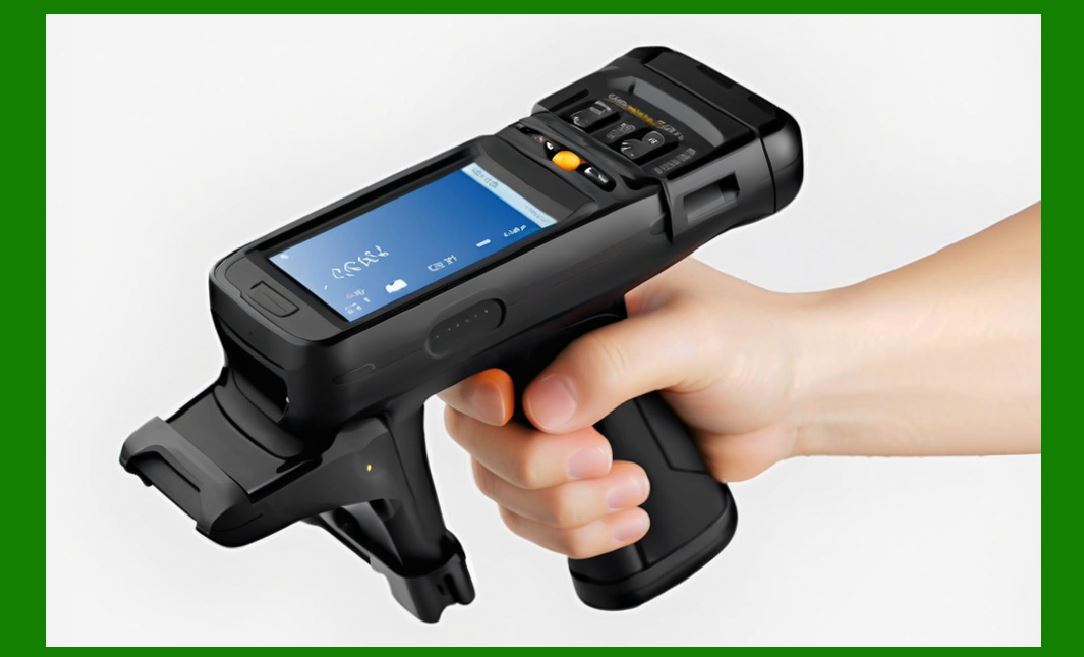
| Low Frequency: The Short-Range Penetrator | Imagine a technology that can read a tag through a layer of water, through mud, through a cow's stomach, or through a human arm. That is Low Frequency RFID. Operating at around 125 kilohertz, which is in the same part of the radio spectrum as some longwave radio broadcasts, LF RFID is the slowest and shortest-range of the three main bands. A typical LF system has a read range of just a few centimeters, sometimes up to ten centimeters if the antenna is large and the tag is well tuned. But what it lacks in range, it makes up for in penetration. Radio waves at this low frequency pass through materials that would block or reflect higher frequencies. Water and other liquids, which absorb UHF energy, are almost transparent to LF. Metals, which reflect UHF and HF waves, cause fewer problems at LF, though they still detune the antenna somewhat. This makes LF RFID the go-to choice for applications where the tag must be embedded in a wet, dirty, or metallic environment. | Consider the humble cow. For decades, farmers have used LF RFID tags to identify their livestock. The tag is usually a small glass capsule, about the size of a grain of rice, which is injected under the skin of the animal, often near the ear or the neck. The reader is a handheld wand or a panel near a feeding station. When the cow comes close, the reader energizes the tag, and the tag sends back its unique number. This number is linked to a database that holds the animal's health records, breeding history, and milk production. Why LFBecause the tag is inside the cow, surrounded by muscle, fat, and fluids. A UHF signal would be absorbed by the water in the cow's body. An HF signal would also struggle. But LF waves pass right through. The farmer can read the tag without shaving the animal or removing it from its pen. The same principle applies to pets. Millions of dogs and cats have LF RFID microchips implanted between their shoulder blades. When a lost pet is brought to a vet or a shelter, a scanner reads the chip and finds the owner's contact information. The range is only a few centimeters, but that is enough because the scanner is placed directly against the animal's skin. The penetration of LF is what makes this possible. | Another classic LF application is access control. Think of the old-fashioned key fobs that you wave in front of a reader to open a door. Many of these use LF RFID at 125 kilohertz. The fob contains a small chip and a coil of wire. The reader emits a magnetic field, and the tag draws power from that field. Because the frequency is low, the tag can be very thin and flexible, and it can be embedded in a plastic card or a keychain. The read range is short, typically just a few centimeters, which is actually a security feature. You have to be very close to the reader, so someone cannot easily read your card from across the room. This is different from UHF, where a tag can be read from many meters away, which is great for inventory but bad for privacy. LF access control is common in office buildings, gyms, and apartment complexes. It is also used in some car immobilizer systems. The key contains an LF tag, and the car's ignition reader checks the tag before allowing the engine to start. If the tag is not present, the car will not start, even if someone has a copy of the mechanical key. This is a simple and effective anti-theft measure. | LF RFID also finds a home in industrial automation. Imagine a factory assembly line where metal parts are moving along a conveyor. You want to track each part as it goes through different stations. A barcode label would get dirty, scratched, or covered in oil. A UHF tag might not work well because the metal parts reflect the radio waves. But an LF tag can be embedded in a metal holder or attached to the part itself. The reader is placed close to the conveyor, and as each part passes by, the tag is read. The short range is not a problem because the parts are moving in a controlled path. The system can tell the robot arm which part is coming and what operation to perform. This is used in automotive manufacturing, where engine blocks and transmission cases are tracked through machining and assembly. The LF tags survive the harsh environment of cutting fluids, metal shavings, and high temperatures. They are also used in tool tracking. A expensive drill bit or milling cutter can have an LF tag embedded in its shank. When the tool is placed in a tool crib, the reader logs who took it and when. This reduces theft and loss. The short range means the tool must be placed in a specific spot, which is fine for a tool crib. | In the medical field, LF RFID is used for patient identification and for tracking surgical instruments. A patient wristband with an LF tag can be read by a handheld reader to confirm the patient's identity before surgery or medication. The short range ensures that the reader is actually near the patient, not picking up a signal from the next bed. Surgical instruments, such as scalpels and forceps, can have LF tags attached. After surgery, the instruments are placed in a tray, and a reader scans the tray to ensure that no instrument is left inside the patient. This is a critical safety application. The LF tags can withstand the high temperatures and pressures of an autoclave, which is the sterilization machine used in hospitals. UHF tags often fail in an autoclave because the heat and moisture damage the chip or the antenna. LF tags are more robust. They are also used in some implantable medical devices, such as pacemakers, to store patient data. The doctor can hold a reader near the patient's chest to read the device's settings and history. The low frequency penetrates the body tissues without harm. | LF RFID is also used in animal feeding systems. In a modern dairy farm, each cow has an LF tag. When the cow enters a feeding station, the reader identifies the cow and dispenses a customized amount of feed. This ensures that each cow gets the right nutrition. The same principle is used in pig farms and poultry farms. In some cases, the LF tag is a bolus, a large capsule that sits in the cow's stomach. The bolus stays there for the life of the animal and cannot be lost or removed. The reader can read it through the cow's body. This is called a rumen bolus. It is used for cattle that roam freely on large pastures. The bolus also can include a temperature sensor to monitor the cow's health. If the cow has a fever, the system alerts the farmer. This is a great example of how LF's penetration ability enables a unique application. | Another interesting LF application is in the gaming and entertainment industry. Some arcades and amusement parks use LF RFID wristbands for cashless payment and access. A visitor wears a wristband with an LF tag. To pay for a ride or a game, they tap the wristband on a reader. The short range prevents accidental charges. The wristband is waterproof, so it can be used at water parks. It is also durable, so it survives a day of play. The same technology is used in some resorts and cruise ships. The wristband acts as a room key, a charge card, and a ticket. The LF frequency is chosen because it works well even when the wristband is wet or covered in sunscreen. HF and UHF would struggle with the water and the lotion. | In summary, Low Frequency RFID is the short-range penetrator. It is slow, it has a short read range, and it cannot read many tags at once. But it works where other frequencies fail. It penetrates water, it penetrates tissue, and it tolerates metal better than higher frequencies. It is the frequency of choice for animal identification, access control, industrial automation in harsh environments, medical implants, and any application where the tag is embedded in a wet or metallic object. Its limitations are its strengths. The short range gives security and precision. The low speed is acceptable because the data is small and the number of tags is small. LF RFID is not going to win any speed races, but it will win the race for reliability in difficult conditions. | 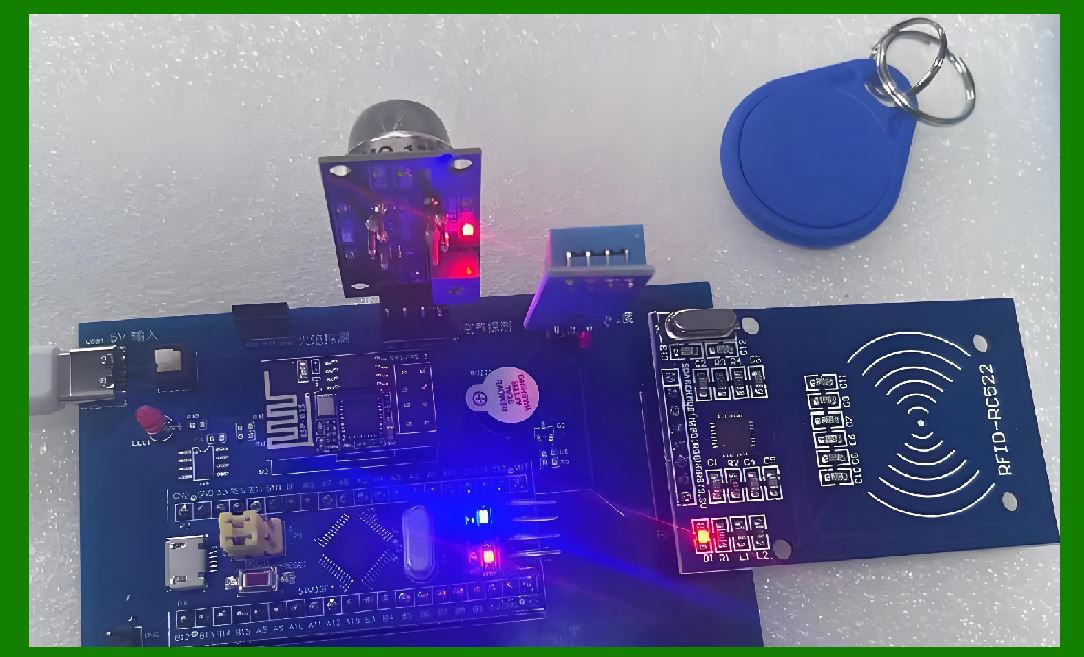
| High Frequency: The Medium-Range Workhorse | If Low Frequency is the specialist, High Frequency is the generalist. Operating at 13.56 megahertz, HF RFID sits in the middle of the RFID spectrum. It offers a read range of about ten centimeters to one meter, depending on the antenna size and the reader power. It is faster than LF but slower than UHF. It does not penetrate water or metal as well as LF, but it works better than UHF in those environments. Its most famous incarnation is Near Field Communication, or NFC, which is the technology inside your smartphone that lets you pay for coffee, share contacts, or read a smart poster. But NFC is just one application of HF RFID. HF RFID has been around for decades, and it is used in a vast array of industries, from libraries to laundries, from casinos to hospitals, from passports to toys. | Let us start with the most visible HF application: contactless payment. When you tap your credit card or your phone on a payment terminal, you are using HF RFID at 13.56 megahertz. The card or phone contains an HF tag, and the terminal contains an HF reader. The transaction is secure and fast. The read range is just a few centimeters, which is intentional. You do not want your card to be read from across the room. The HF frequency allows the tag to be powered by the reader's field, so the card does not need a battery. The same technology is used in transit systems around the world. In London, the Oyster card uses HF RFID. In Hong Kong, the Octopus card. In Japan, the Suica card. In many cities, you can tap your phone or your watch to ride the subway or the bus. The HF frequency is ideal for this because it works well in crowded environments where many people are passing through a gate at once. The reader can handle multiple tags in its field, and the short range prevents reading the card in the next person's pocket. The data rate is high enough to complete a transaction in a fraction of a second. This is a perfect match of frequency to application. | Libraries are another classic HF RFID user. For many years, libraries used barcodes on books. A librarian had to scan each barcode individually, which was slow and labor-intensive. Today, many libraries have switched to HF RFID. Each book has an HF tag inside the cover or on the spine. The tag contains a unique identifier for the book. At the circulation desk, a reader can read multiple books at once. The librarian stacks the books on a pad, and the system checks them all out in a few seconds. The HF frequency is chosen because it works well when the books are stacked. The radio waves can pass through the paper and the covers, though they are attenuated by the thickness of the stack. A typical HF system can read a stack of ten to fifteen books. This is much faster than scanning barcodes one by one. HF RFID also enables self-checkout stations. A patron can place their library card and their books on the reader, and the system checks them out without a librarian. This reduces lines and frees up staff for other tasks. The same HF tags are used for inventory. A librarian walks through the stacks with a handheld reader and quickly scans the shelves. The reader can tell which books are on the shelf and which are missing. This is much faster than reading each spine. HF RFID also has a security function. The tag can be used to trigger an alarm if a book is removed without being checked out. This is similar to the older electromagnetic security strips, but the RFID tag does both identification and security. | 
| In the laundry industry, HF RFID is used to track uniforms, linens, and towels. A hotel or a hospital sends its linens to a commercial laundry. Each item has an HF tag sewn into a hem or a seam. The tag must survive hundreds of wash cycles, high temperatures, and harsh chemicals. HF tags are more robust than UHF tags in this environment because the HF frequency is less affected by water and moisture. When the linens arrive at the laundry, a reader scans a cart or a pile of linens. The system counts how many items were received and identifies each item. This helps the laundry bill the hotel correctly and helps the hotel ensure that it gets its linens back. During the washing process, the tags are read again to track the items through the different stages. At the end, the clean linens are sorted and delivered. The HF tags can also be used to track the lifespan of each item. After a certain number of washes, the item is retired. This prevents worn-out linens from being used. The same technology is used in hospitals to track scrubs and surgical gowns. A nurse can take a scrub from a dispenser, and the system records who took it. When the scrub is returned, it is scanned again. This reduces loss and ensures that there are always enough scrubs available. | Casinos use HF RFID in their gaming chips. Each chip has an HF tag embedded in it. The tag contains a unique serial number and the value of the chip. When a player buys chips at the cage, the cashier scans them. When the player bets at a table, the dealer can scan the chips to verify their value. The pit boss can walk around with a reader and quickly check the chips on the table. This helps prevent counterfeiting and theft. The HF frequency is chosen because it works well when the chips are stacked or in a pile. The read range is short, so the reader does not pick up chips on the next table. The tags are also durable and can withstand the rough handling of a casino. The same technology is used in some casinos for player tracking. A player can have an HF tag in their loyalty card. When they sit at a table, the reader identifies them and logs their play. This helps the casino offer comps and rewards. | Passports and identity cards are another major HF RFID application. Many countries now issue electronic passports, also known as biometric passports. These passports contain an HF tag that stores the holder's personal information, a digital photo, and sometimes fingerprints. The HF frequency is used because it allows the passport to be read at a short distance, which is more secure. The reader at the border control can read the passport when it is placed on a scanner. The data is encrypted and protected by a digital signature to prevent forgery. The same technology is used in national identity cards in some countries. The HF tag can also be used for secure access to buildings or computer systems. For example, a government employee might use their ID card to log in to their computer. The card is placed on a reader, and the computer verifies the identity. This is more secure than a password because the card is a physical token that is difficult to copy. | 
| In the medical field, HF RFID is used for patient wristbands and for tracking high-value assets. A hospital can use HF tags on wheelchairs, infusion pumps, and other mobile equipment. When a nurse needs a wheelchair, they can use a handheld reader to find the nearest one. The HF frequency works well in the hospital environment, which is full of water and metal. The short range is sufficient because the nurse is walking around and can get close to the equipment. HF tags are also used on surgical instruments, similar to LF, but HF offers a slightly longer read range and faster data transfer. Some hospitals use HF RFID to track blood bags. Each bag has an HF tag that identifies the blood type, the donor, and the expiration date. When a nurse needs blood, they scan the bag and the patient's wristband to ensure a match. This reduces the risk of transfusion errors. | HF RFID is also used in the toy industry. Some toys, such as interactive plush animals, use HF tags to identify different parts. For example, a toy might have a reader in its mouth and HF tags on different food items. When the child feeds the toy a carrot, the toy reads the tag and says 'I like carrots.' This is a simple and fun application. The HF frequency is chosen because it is safe for children and because the tags are inexpensive. The read range is short, which is fine because the child is holding the toy. The same technology is used in some board games. A game board can have an HF reader, and the game pieces have HF tags. The board can detect which piece is on which square. This enables interactive games that respond to the player's moves. | Another important HF application is in smart posters and advertising. You may have seen a poster with an NFC logo. If you tap your phone on the poster, it opens a website or plays a video. This uses HF RFID. The poster contains an HF tag, and your phone contains an HF reader. The tag is passive, so it does not need a battery. The phone provides the power. This is a great way to bridge the physical and digital worlds. A movie poster can let you buy tickets. A bus stop poster can let you check the schedule. A museum exhibit can give you more information. The HF frequency is ideal because it is already in every smartphone. NFC is essentially HF RFID with a standardized protocol. This has made HF RFID the most accessible RFID technology for consumers. | 
| In the automotive industry, HF RFID is used in some key fobs and in tire pressure monitoring systems. A key fob with HF RFID can be used for push-button start. The car has an HF reader in the dashboard. When the fob is inside the car, the reader detects it and allows the engine to start. This is more secure than a traditional key because the signal is short-range. The same technology is used in some anti-theft systems. HF RFID is also used in some car sharing services. The user's membership card has an HF tag. The card is placed on a reader on the windshield to unlock the car. The HF frequency is chosen because it works well through glass and plastic. | HF RFID is also used in the food industry for tracking high-value items. For example, a bottle of fine wine can have an HF tag on the label. The tag can store information about the wine's origin, vintage, and tasting notes. A collector can use a smartphone to read the tag and verify the wine's authenticity. The HF frequency is chosen because it works well through glass and liquid. UHF would be absorbed by the wine. The same technology is used for tracking spirits and other luxury goods. Some cheese makers use HF tags to track wheels of cheese as they age. The tag can record the temperature and humidity history. | In summary, High Frequency RFID is the medium-range workhorse. It offers a balance of range, speed, and environmental tolerance. It is not as penetrating as LF, but it is more penetrating than UHF. It is not as fast as UHF, but it is faster than LF. It is the technology behind NFC, which has made it ubiquitous in smartphones. It is used in libraries, laundries, casinos, passports, hospitals, toys, smart posters, and many other applications. Its read range of a few centimeters to a meter is perfect for applications where you want to read a tag when it is close, but not too close. It is the goldilocks frequency for many everyday tasks. | 
| Ultra-High Frequency: The Long-Range Speedster | Ultra-High Frequency RFID, operating in the range of 860 to 960 megahertz, is the long-range champion of the RFID world. A typical UHF system can read a tag from several meters away, sometimes up to ten meters or more with a powerful reader and a directional antenna. It can read hundreds of tags per second, making it ideal for inventory and supply chain applications. It is the frequency of choice for retail, logistics, manufacturing, and many other industries where speed and range are critical. However, UHF has its challenges. It does not penetrate water or metal well. Water absorbs UHF energy, and metal reflects it. This means that UHF tags must be carefully placed, and sometimes special tags are needed for challenging environments. But when the conditions are right, UHF is unbeatable for quickly and efficiently identifying a large number of items. | The most prominent UHF application is retail inventory management. Imagine a large clothing store with thousands of items on the floor and in the stockroom. Traditionally, employees had to scan barcodes one by one to count inventory. This was slow, labor-intensive, and prone to errors. With UHF RFID, each item has a tag attached to its price tag. An employee can walk through the store with a handheld reader and scan the entire stock in a few minutes. The reader can read hundreds of tags per second, even if the items are on hangers or folded on shelves. The system tells the employee exactly what is in stock and what is missing. This improves inventory accuracy, reduces out-of-stocks, and increases sales. Some stores have installed fixed readers at the doorways to automatically track items leaving the store. This can be used for loss prevention. The same technology is used in warehouses. A forklift with a UHF reader can drive past a pallet and read all the cases on it. This speeds up receiving and shipping. The UHF frequency is chosen because it offers the range and speed needed to read many items quickly. The tags are inexpensive, often just a few cents each, so they can be applied to individual items. | 
| In the apparel industry, UHF RFID is used to track garments from the factory to the store. A garment might have a UHF tag sewn into a label. The tag is read at the factory when the garment is made, at the distribution center when it is packed, and at the store when it is received. This provides a complete chain of custody. The retailer can see exactly where each item is and how long it has been in transit. This helps reduce lead times and improve forecasting. Some apparel companies use UHF RFID to enable a 'smart fitting room.' When a customer takes a garment into the fitting room, the reader detects the tag and displays the item's details on a screen, along with suggestions for other items that might match. This enhances the shopping experience and can increase sales. | UHF RFID is also used in the automotive industry for tracking parts and vehicles. A car manufacturer can use UHF tags on engine blocks, transmissions, and other components. As the parts move through the assembly line, readers at each station identify them and tell the robots what to do. The UHF frequency is chosen because the parts are often on a conveyor and the reader can be placed several meters away. The tags must be able to withstand the harsh environment of the factory, including heat, vibration, and metal. Special UHF tags are used that are designed to work on metal. These tags have a spacer or a special antenna that prevents the metal from reflecting the signal. After the car is assembled, a UHF tag can be used to track the vehicle through the distribution process. Some car rental companies use UHF tags to track their fleets. A reader at the rental lot can quickly scan all the cars and tell which ones are available and which ones need maintenance. | 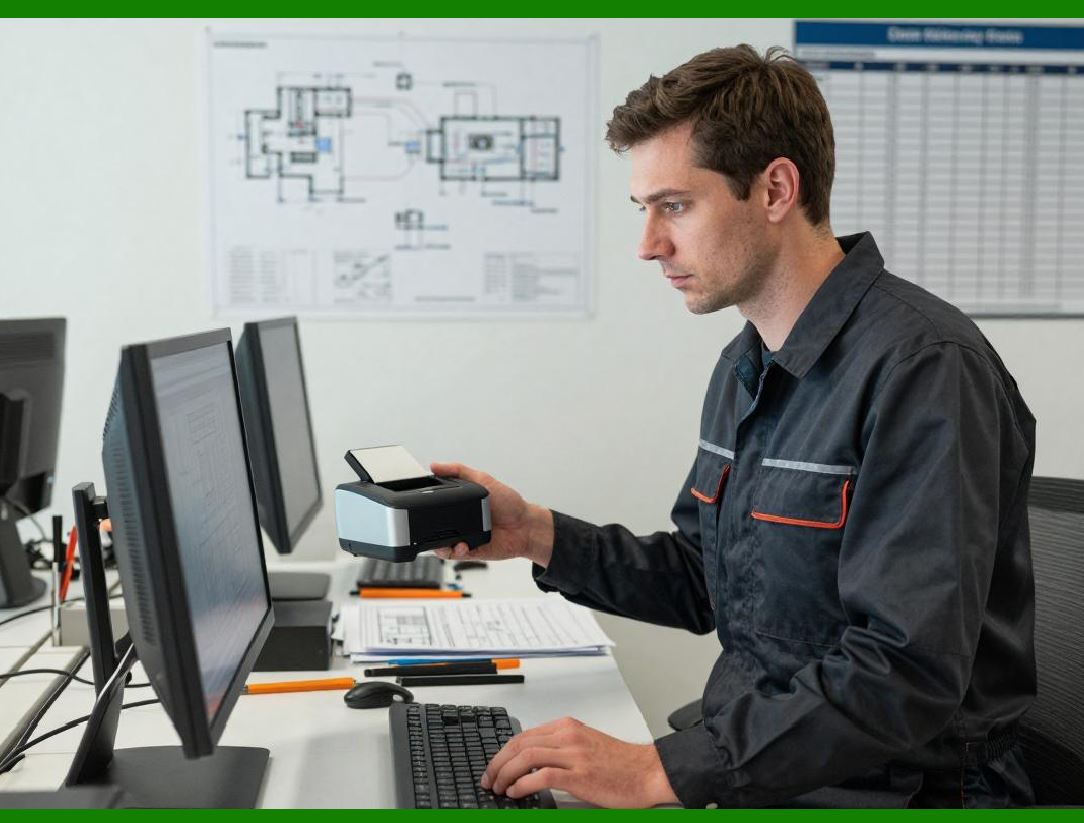
| In logistics and supply chain, UHF RFID is used to track pallets, cases, and containers. A large retailer like Walmart has used UHF RFID to track shipments from suppliers to stores. Each pallet has a UHF tag. When the pallet arrives at the distribution center, a reader at the dock door reads the tag and updates the inventory system. This reduces the need for manual scanning and speeds up the receiving process. The same technology is used in ports to track shipping containers. A UHF tag on a container can be read from a distance as the container is moved by a crane. This helps port operators keep track of thousands of containers. UHF RFID is also used in air cargo. A tag on a package can be read as it moves through the sorting facility. This improves accuracy and reduces lost packages. | In the food industry, UHF RFID is used to track cases of produce, meat, and dairy products. A UHF tag on a case of apples can be read as the case moves through the supply chain. This helps with traceability. If there is a recall, the company can quickly identify which cases are affected and where they were sent. The UHF frequency is chosen because it offers the range needed to read cases on a pallet or a conveyor. However, UHF does not work well through water, so the tags must be placed on the outside of the case, and the cases must not be too wet. For liquid products like milk or juice, HF or LF might be used instead. But for dry goods like cereal or pasta, UHF is ideal. | 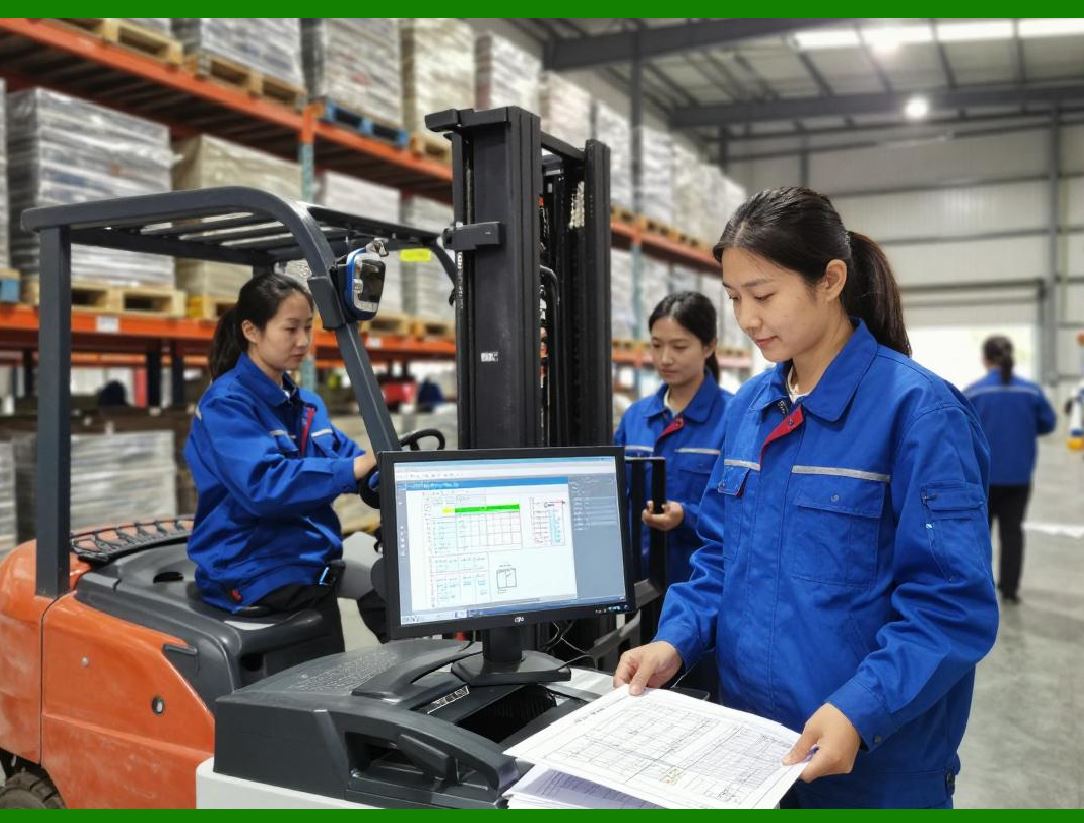
| In healthcare, UHF RFID is used for tracking medical equipment and supplies. A hospital can put UHF tags on infusion pumps, wheelchairs, and other mobile assets. A reader at the exit of a storage room can track when equipment is taken out and returned. This reduces theft and loss. UHF is also used for tracking high-value supplies like stents and implants. A UHF tag on a box of stents can be read as it moves from the storeroom to the operating room. This ensures that the right item is used for the right patient. UHF RFID is also used in some hospitals for patient tracking. A patient wears a UHF wristband, and readers in the hallways can track their movements. This can help with patient flow and safety. However, UHF in hospitals must be carefully managed because the radio waves can interfere with some medical devices. HF is often preferred for patient wristbands because it is more localized. | In the aviation industry, UHF RFID is used to track aircraft parts and tools. A UHF tag on a life vest or a seat cushion can be read during a safety inspection. This speeds up the inspection process. UHF is also used to track baggage. Some airlines have tested UHF RFID tags on luggage. A reader at the baggage handling system can read the tag and route the bag to the correct plane. This reduces lost luggage. The UHF frequency is chosen because the bags move quickly on conveyors and the reader can be placed several meters away. The tags must be able to survive the rough handling of the baggage system. | In the construction industry, UHF RFID is used to track tools and materials. A UHF tag on a power tool can be read as it is checked out of the tool crib. A reader at the job site can track which tools are on site and which are missing. This reduces theft and loss. UHF is also used to track concrete blocks, pipes, and other materials. A tag on a pallet of bricks can be read as it is delivered to the site. This helps with inventory and billing. The UHF frequency is chosen because the materials are often stored outdoors and the reader can be placed at a distance. The tags must be rugged to withstand the weather and the rough handling. | 
| In the event industry, UHF RFID is used for ticketing and access control. A concert or a festival can use UHF wristbands or badges. A reader at the gate can read the tag from a distance, allowing thousands of people to enter quickly. The UHF frequency is chosen because it offers the speed and range needed to process a large crowd. The tags can also be used for cashless payment at the event. A visitor can tap their wristband on a reader to buy food or drinks. This reduces lines and improves the experience. UHF RFID is also used at trade shows. An attendee's badge has a UHF tag. Exhibitors can use a reader to scan the badge and collect the attendee's contact information. This eliminates the need for paper business cards. | In the mining industry, UHF RFID is used to track vehicles and equipment. A UHF tag on a truck can be read as it passes a checkpoint. This helps the mine operator track the movement of vehicles and ensure safety. UHF is also used to track miners. A miner wears a UHF tag on their helmet or belt. A reader at the entrance of the mine can track who is underground and who is on the surface. This is critical for safety in an emergency. The UHF frequency is chosen because it offers the range needed to read tags in a large, open area. The tags must be able to withstand the dust, moisture, and vibration of the mining environment. | In the waste management industry, UHF RFID is used to track bins and containers. A UHF tag on a trash bin can be read as the truck lifts it. This helps the waste company bill the customer correctly and track the bin's location. UHF is also used to track recycling containers. A reader at the recycling facility can sort the containers by type. The UHF frequency is chosen because the bins are often outdoors and the reader can be placed on the truck. The tags must be durable to withstand the rough handling and the weather. | In summary, Ultra-High Frequency RFID is the long-range speedster. It offers the greatest range and the fastest read rates of the three main RFID bands. It is the technology behind retail inventory management, supply chain tracking, and many industrial applications. It is not perfect for every situation. It struggles with water and metal, and it can be affected by interference. But when the conditions are right, it is unmatched in its ability to quickly and efficiently identify a large number of items. UHF RFID is the frequency that makes the 'silent network' truly silent and truly vast, mapping the physical world in real time. | 
| A Detailed Summary | The frequency spectrum of RFID is divided into three main bands: Low Frequency, High Frequency, and Ultra-High Frequency. Each band has a unique set of characteristics that make it suitable for different applications. Low Frequency, at around 125 kilohertz, is the short-range penetrator. It has a read range of a few centimeters and can penetrate water, tissue, and other materials that block higher frequencies. It is slow and can only read one tag at a time, but it is reliable in harsh environments. It is used for animal identification, such as microchips in pets and livestock. It is used for access control, such as key fobs for doors and car immobilizers. It is used in industrial automation, such as tracking metal parts on an assembly line. It is used in medical implants, such as pacemakers. It is used in laundry and tool tracking. Its strengths are penetration and reliability. Its weaknesses are short range and low speed. | 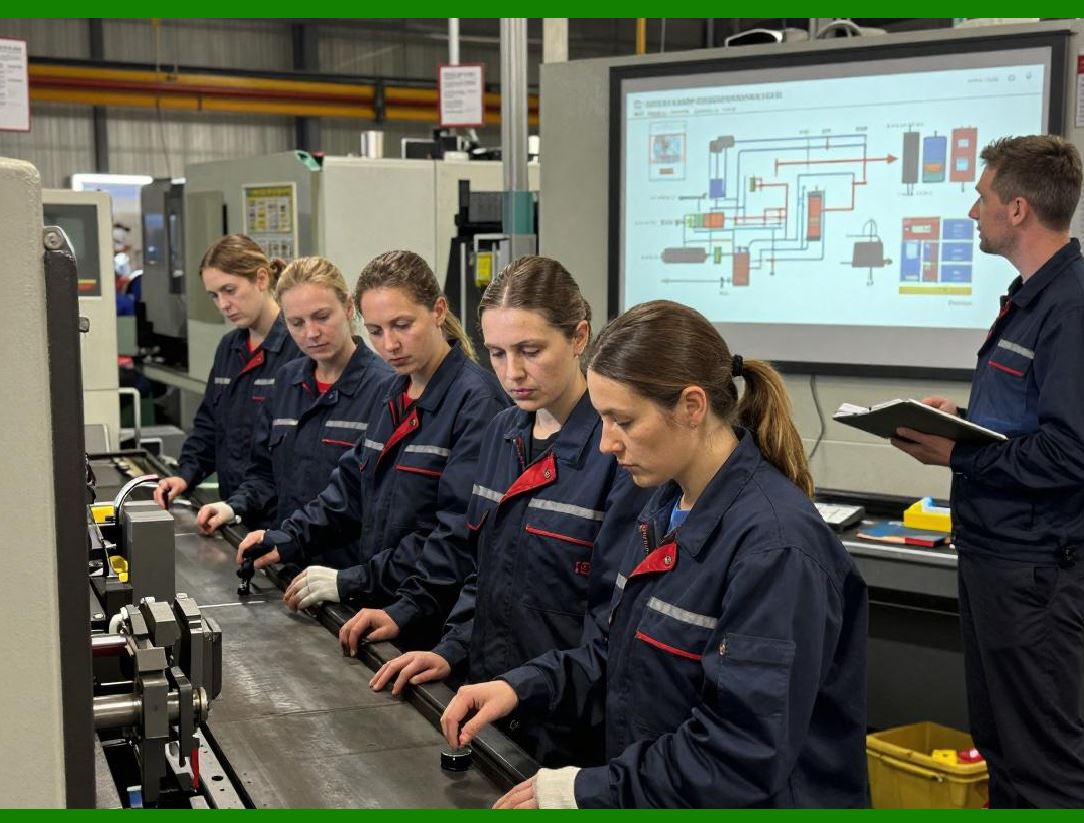
| High Frequency, at 13.56 megahertz, is the medium-range workhorse. It has a read range of about ten centimeters to one meter. It is faster than LF but slower than UHF. It does not penetrate water or metal as well as LF, but it works better than UHF in those environments. It is the technology behind Near Field Communication, or NFC, which is found in smartphones. It is used for contactless payment, such as credit cards and transit cards. It is used in libraries for checking out books and taking inventory. It is used in laundries for tracking linens and uniforms. It is used in casinos for tracking gaming chips. It is used in passports and identity cards. It is used in hospitals for patient wristbands and asset tracking. It is used in toys, smart posters, and many other consumer applications. Its strengths are balance, security, and compatibility with smartphones. Its weaknesses are moderate range and moderate speed. | 
| Ultra-High Frequency, at 860 to 960 megahertz, is the long-range speedster. It has a read range of several meters, sometimes up to ten meters or more. It can read hundreds of tags per second. It is the fastest and longest-range RFID technology. It does not penetrate water or metal well, and it can be affected by interference. It is used in retail for inventory management and loss prevention. It is used in supply chain and logistics for tracking pallets, cases, and containers. It is used in manufacturing for tracking parts and vehicles. It is used in healthcare for tracking equipment and supplies. It is used in aviation for tracking baggage and parts. It is used in construction for tracking tools and materials. It is used in events for ticketing and access control. It is used in mining for tracking vehicles and miners. It is used in waste management for tracking bins. Its strengths are long range and high speed. Its weaknesses are poor penetration and susceptibility to interference. | 
| Together, these three frequency bands form the foundation of the silent network. They allow RFID to map the physical world in ways that barcodes alone cannot. A barcode requires line of sight. An RFID tag does not. A barcode can only be read one at a time. An RFID reader can read many tags at once. A barcode is easily damaged. An RFID tag can be embedded in a protective case. But RFID is not a replacement for barcodes. In many cases, they work together. A product might have a barcode on the outside and an RFID tag on the inside. The barcode is used for point-of-sale, where the customer wants to see the price. The RFID tag is used for inventory, where the employee wants to count many items quickly. The silent network is not just RFID. It is the combination of RFID and barcodes, each doing what it does best. Low Frequency, High Frequency, and Ultra-High Frequency are the three voices of RFID. They speak at different volumes, at different speeds, and with different abilities. But together, they create a symphony of identification that is transforming the way we track and manage the physical world. From the cow in the field to the package on the truck to the book on the shelf, the frequency spectrum of RFID is at work, silently and efficiently, mapping the world around us. |
|
 cs@easiersoft.com